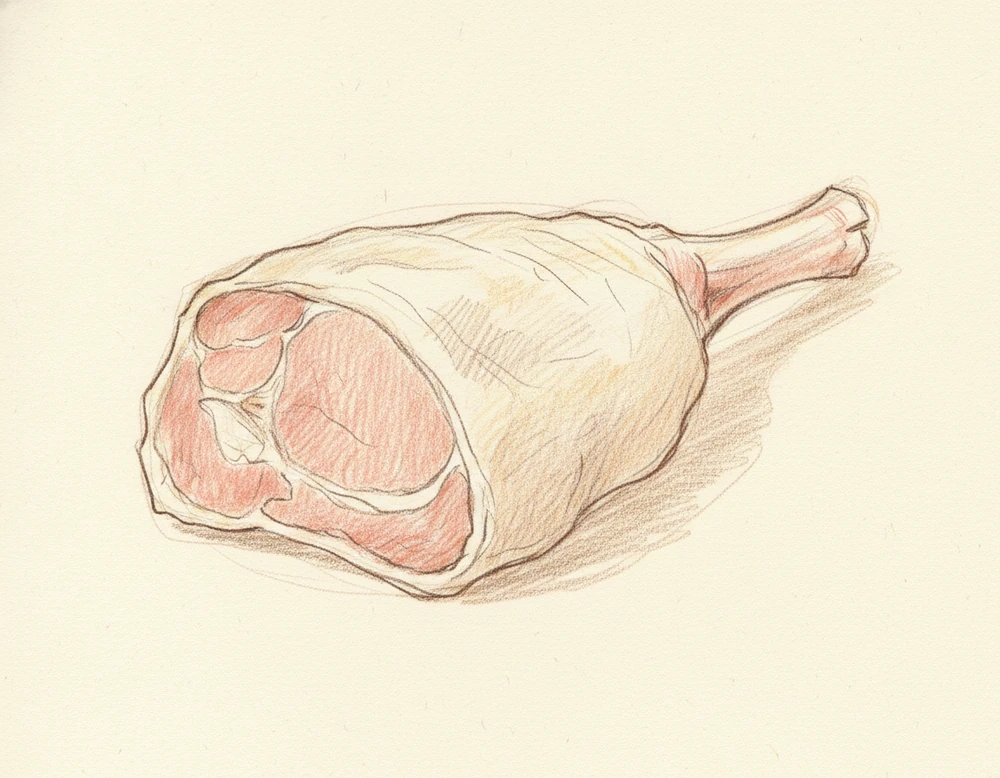
Abbacchio Romano IGPIGP
Roman milk-fed lamb · Lamb
Milk-fed lamb, the abbacchio of Roman cooking. The meat is pale pink with white covering fat, fine in texture, compact and lightly marbled.
Every protected Italian food: DOP, IGP and STG designations, Slow Food Presidia and traditional regional specialities, with the wines to drink alongside them.
Milk-fed lamb, the abbacchio of Roman cooking. The meat is pale pink with white covering fat, fine in texture, compact and lightly marbled.
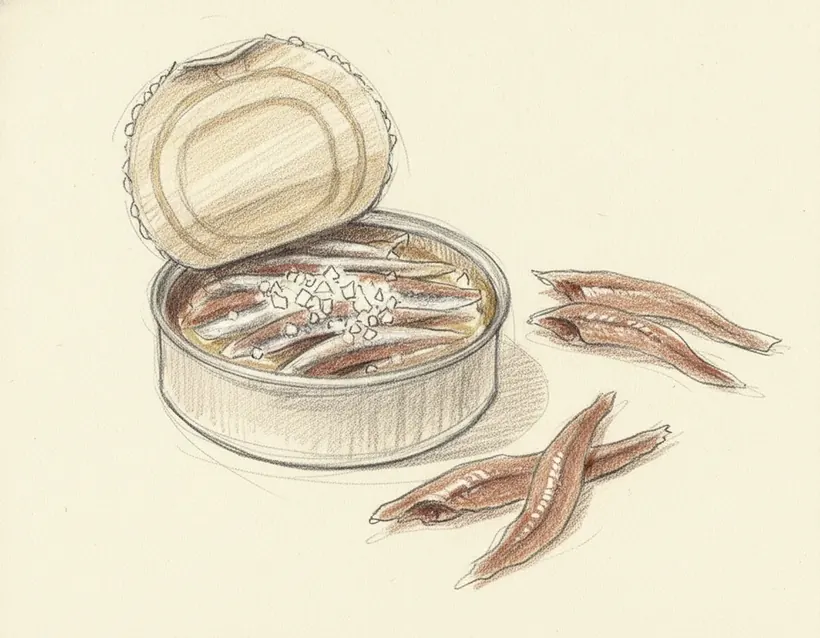
Anchovies of the Ligurian sea layered whole in coarse salt to cure, then filleted for pasta, focaccia and sauces.
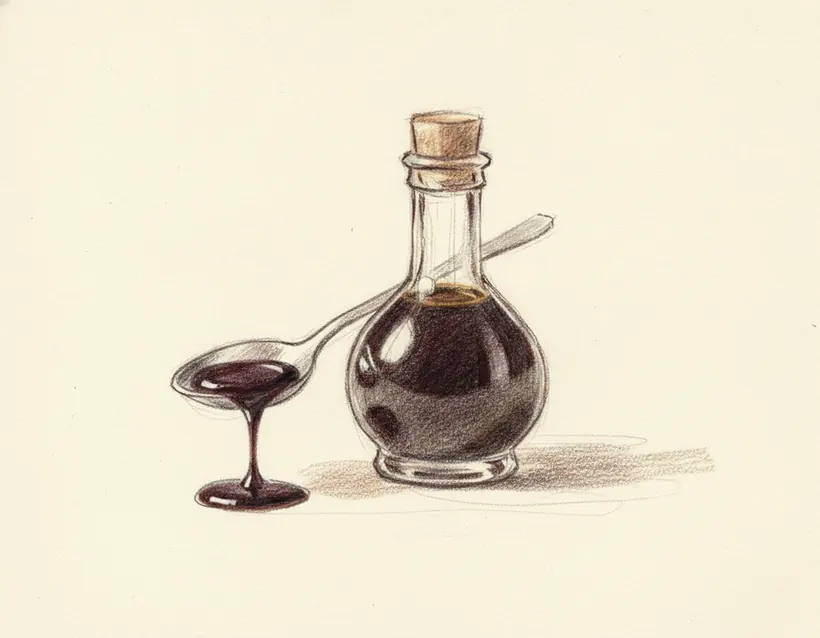
A dense, sweet-and-sour dark balsamic aged at least twelve years in a battery of shrinking wooden casks, served in a few precious drops.
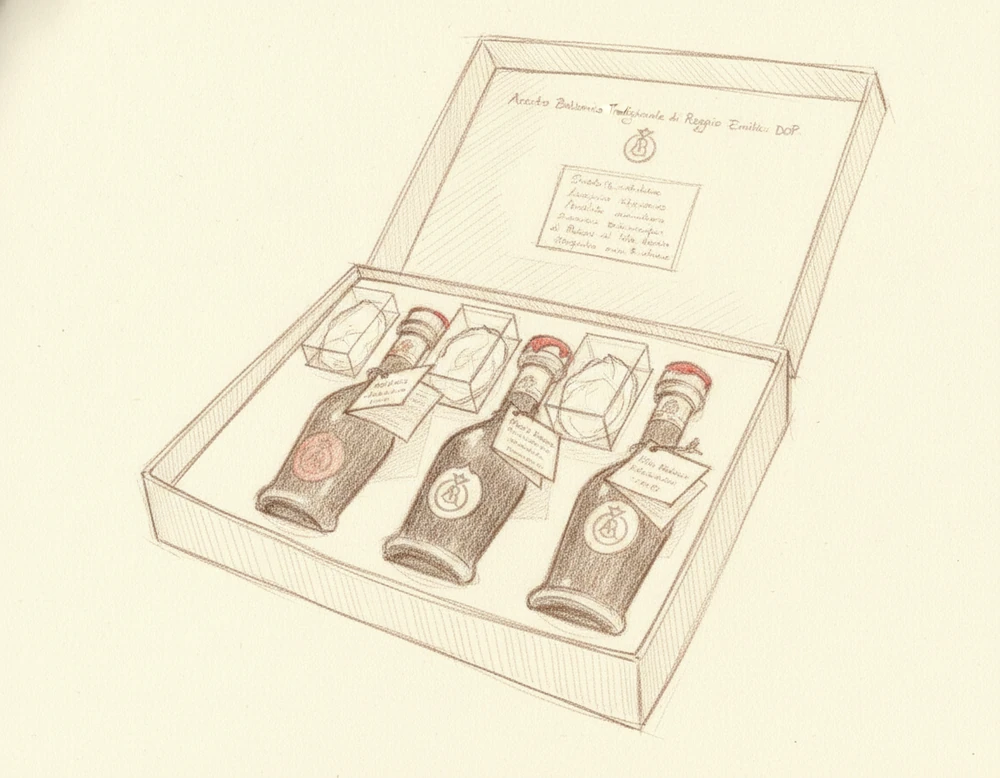
Cooked grape must aged for years down a battery of shrinking casks, made only in the province of Reggio Emilia. The grapes are the local wine varieties: Lambrusco in all its clones, Ancellotta, Trebbiano, plus Sauvignon, Sgavetta, Berzemino and Occhio di Gatta, or any variety registered to a Reggio Emilia DOC.
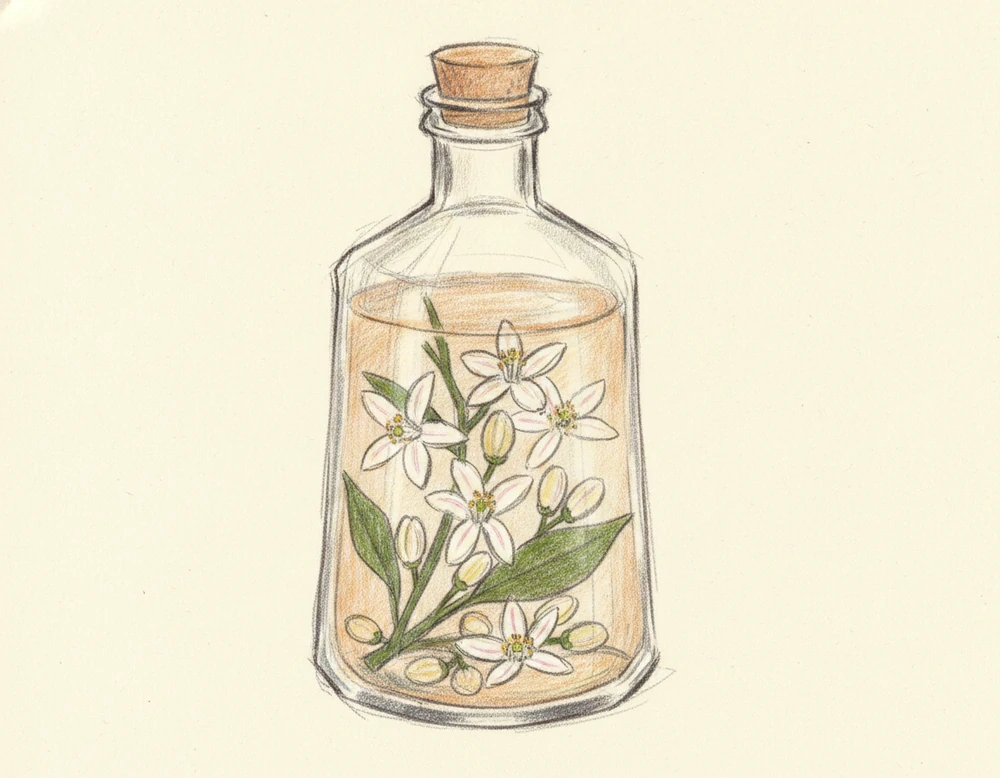
Vallebona is one of the narrow Ligurian valleys running up from the sea, a twisting road along the bottom and dry-stone terraces up the sides. Until a few decades ago those terraces carried orange trees, mostly bitter orange, with roses and lavender, thyme and rosemary. Grasse is not far over the French border, and these towns have a long habit of distilling scented waters and essential oils for the perfumers. The Guglielmi family opened a distillery at Vallebona in 1865 and closed it in the early 1960s; the Vacca distillery at Ventimiglia worked until recently and the Postiglietto at Borghetto San Nicolò, near Bordighera, has been shut for many years.
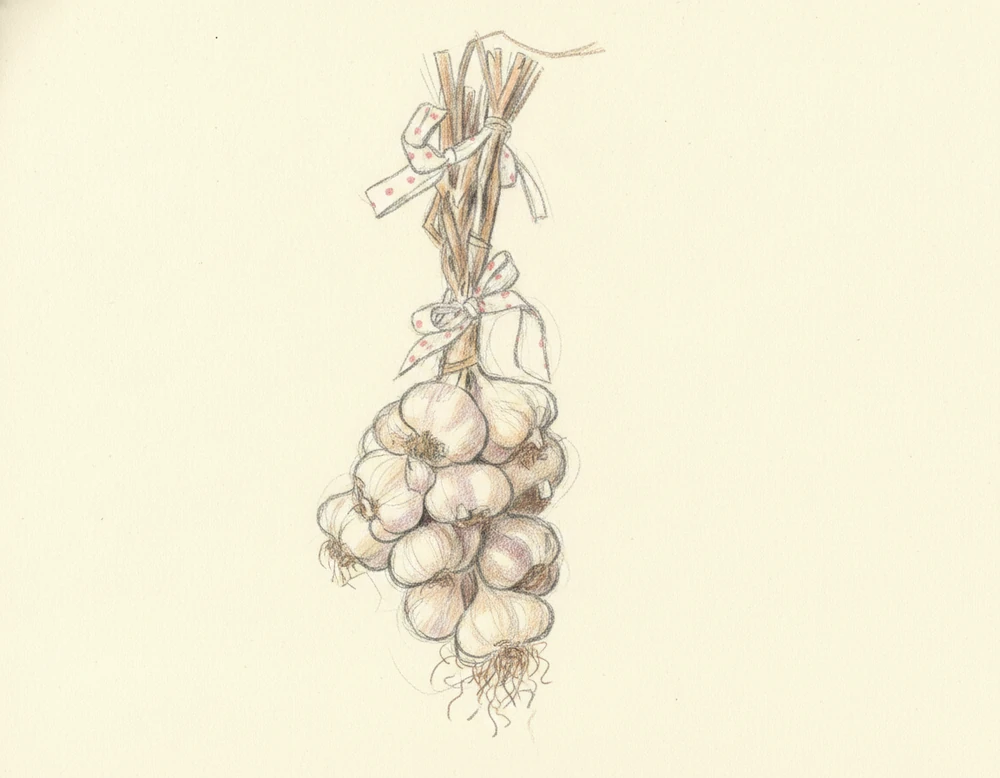
Garlic from the Ufita valley in Irpinia, first grown there in Roman times, with a variety selected over the centuries that is notably rich in allicin.
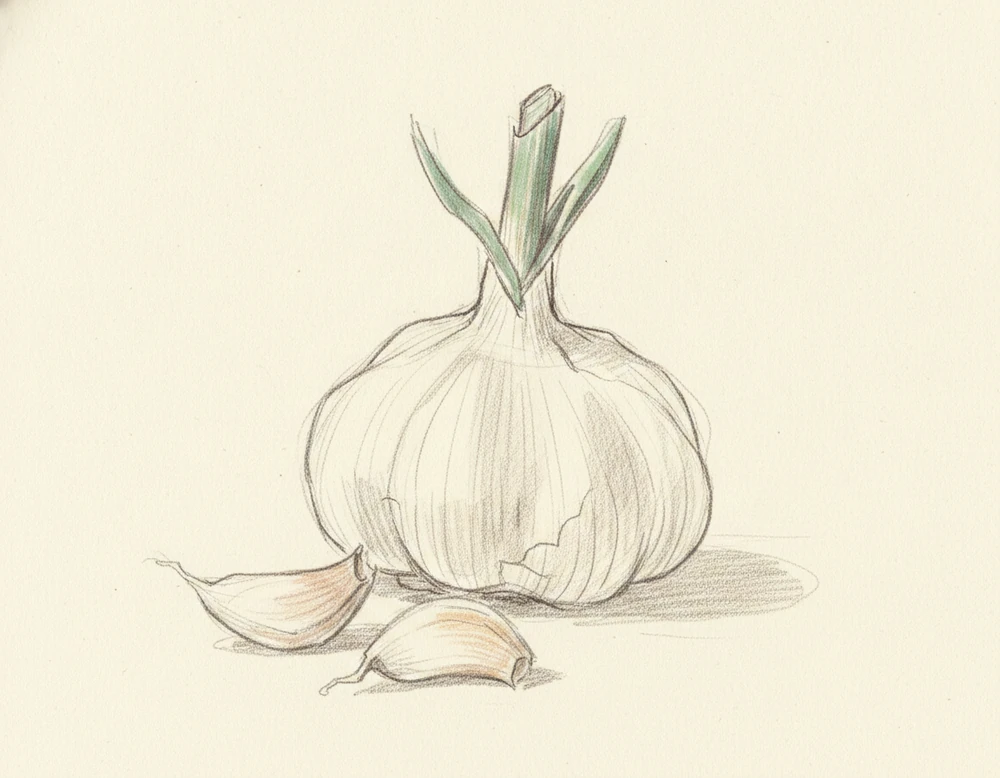
Garlic from the Polesine, the low ground between the Adige and the Po, with a bulb of uniform brilliant white and no coloured striping at all. It is round and compact, slightly flattened where the roots go in, and its narrow lance-shaped leaves are green-blue.
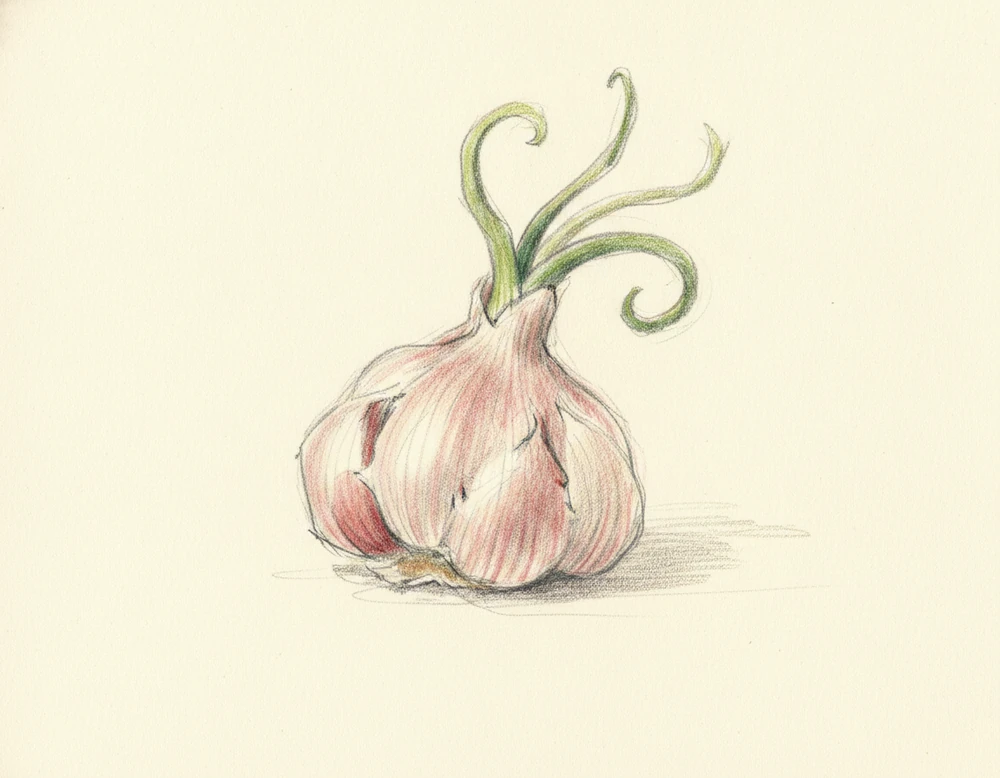
Resia is wedged between Austria and Slovenia and speaks a dialect of Paleoslavic descent, probably from a small group off the eastern steppe who settled the narrow valley and kept to themselves; its music, dancing, dress and Püst carnival are its own as well. The same isolation preserved a great deal of plant diversity, this very aromatic garlic, strok, among it. The bulbs are tiny, six to eight cloves in a pinkish-red skin, with nothing in the middle.
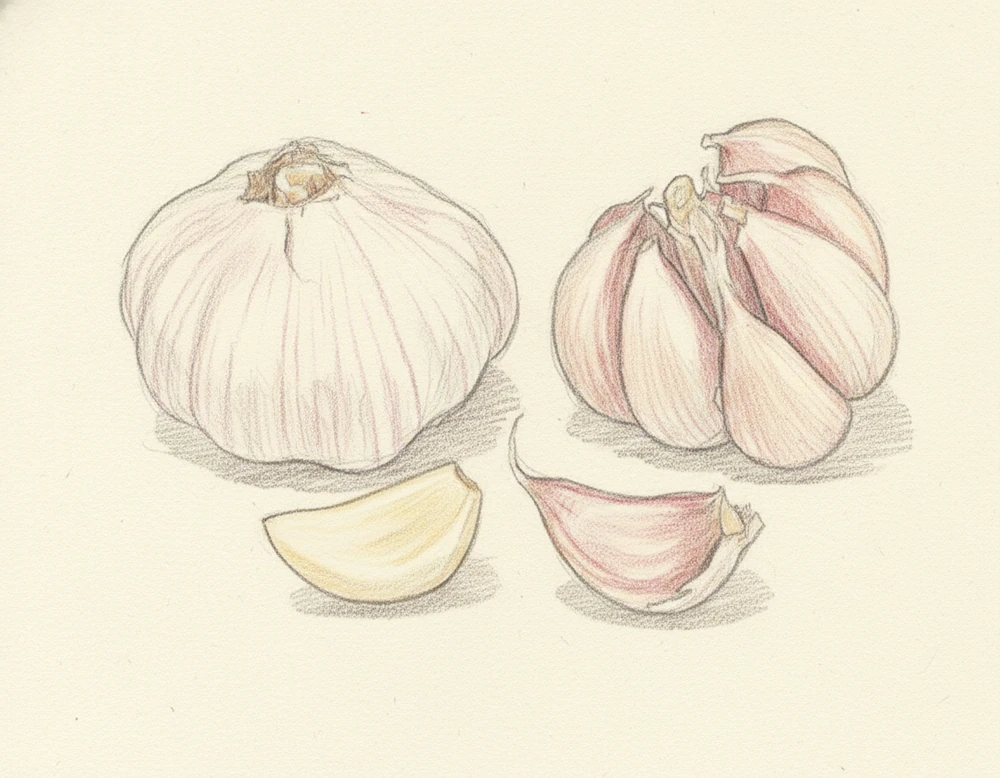
A local garlic ecotype from the Ferrara plain, distinguished by a bright, uniform white bulb only rarely streaked with pink. The bulb is round, regular and compact, flattened slightly where the roots meet it, and the tunics wrapping each clove are white, sometimes pink-striped.
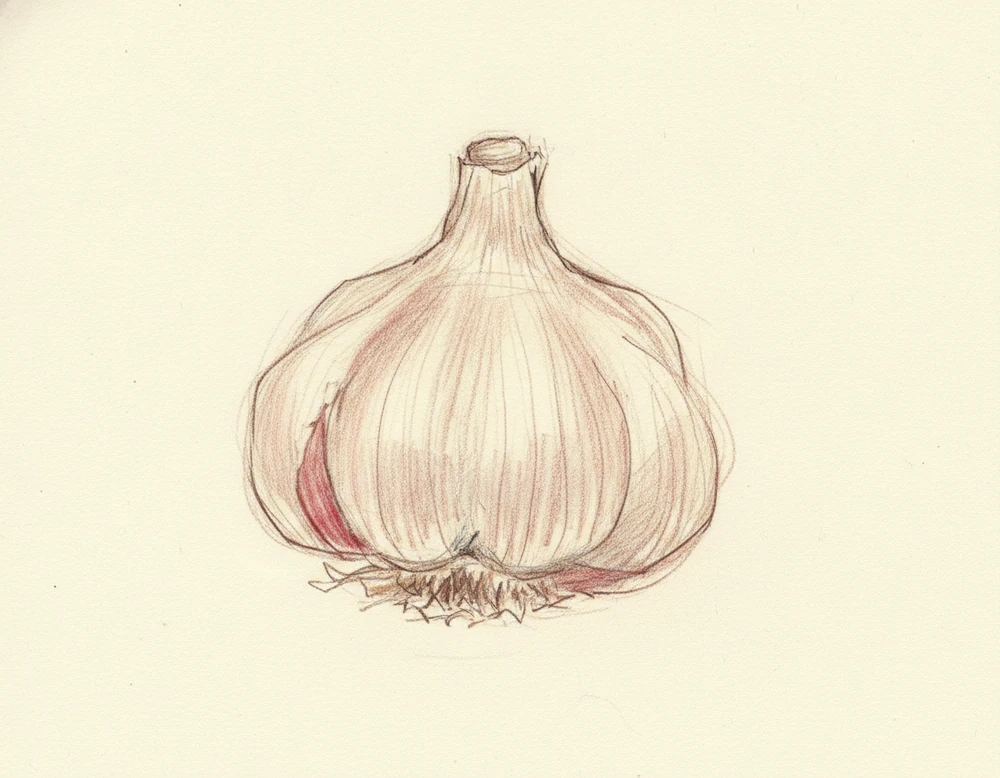
Named for a hamlet near Paceco in the Trapanese. The papery outer skin is pinkish-white and the cloves under it a deeper red-pink, and the bulb carries markedly more allicin than other garlic, which is why it tastes as strong as it does.
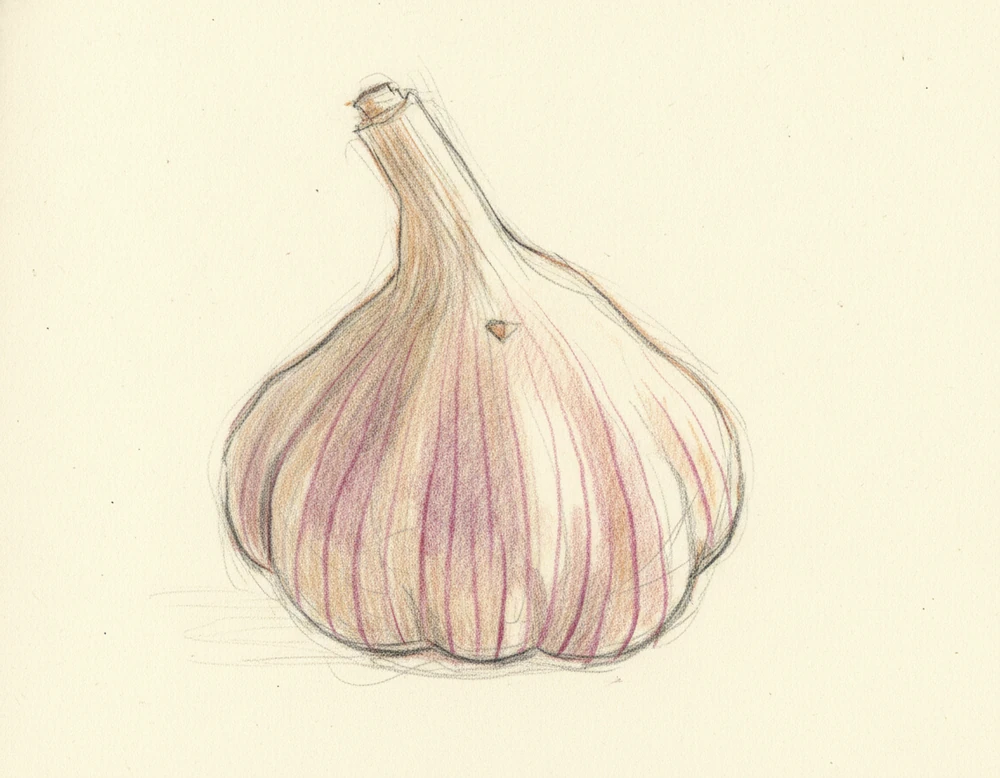
Garlic from the Grana valley below the Alps, where cold snowy winters give way to cool breezy springs and summers. That microclimate is what makes the flavour delicate when it is cooked.
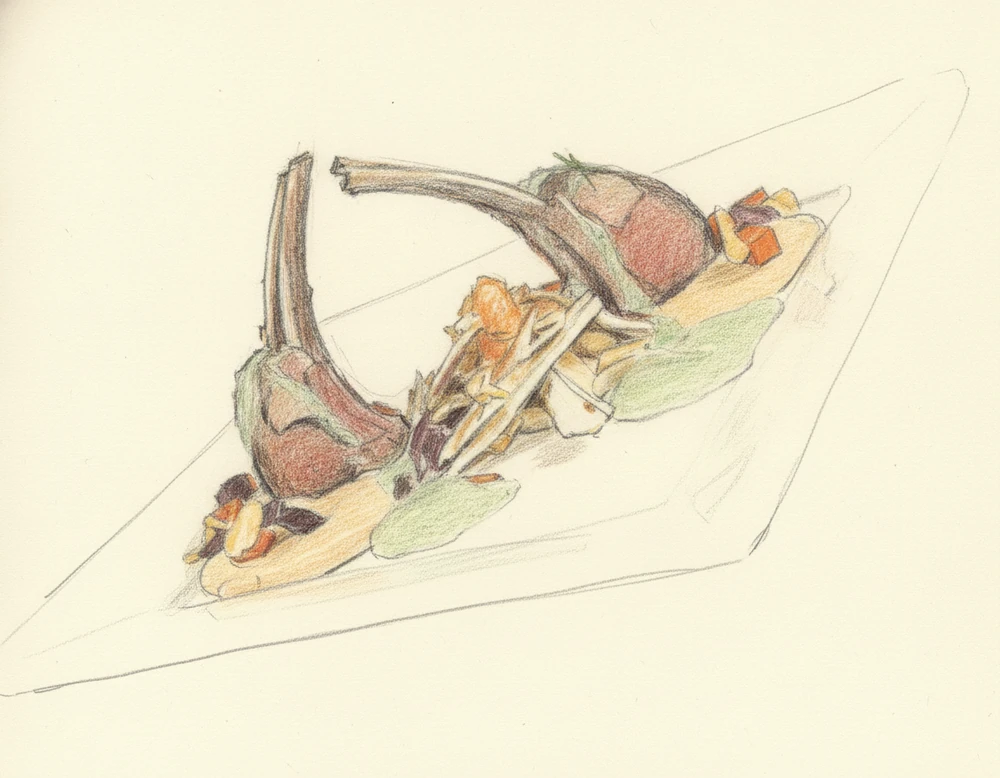
The Alpago gives its name to a medium-small, thick-fleeced sheep whose hornless head and lower legs carry odd dark blotches. As with most native breeds the numbers collapsed over the last century; about 3,000 are farmed today, slightly up on the early 1990s, when the European Community listed it among local breeds at risk. It can give meat, milk and wool, but is now kept wild or half-wild almost entirely for the meat, which is very good.
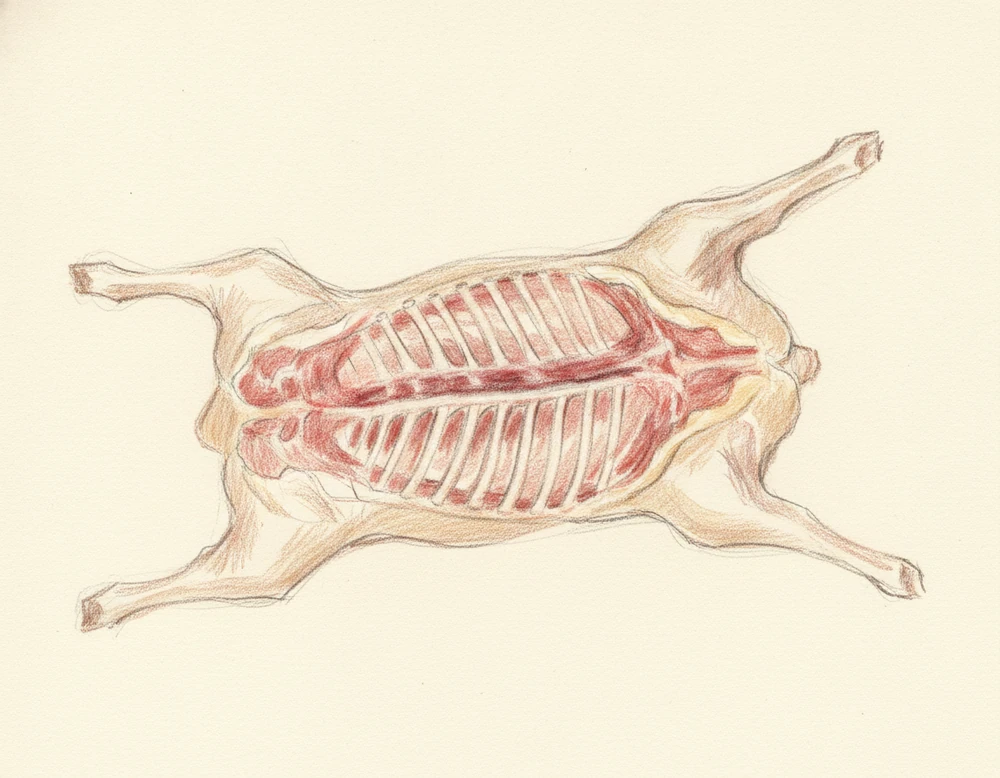
Lamb slaughtered under twelve months of age, graded into three carcass types by weight, conformation and fat cover: light lamb at 8.01 to 13.0 kg, heavy lamb at 13.01 kg and above, and castrato at 20.0 kg and above.
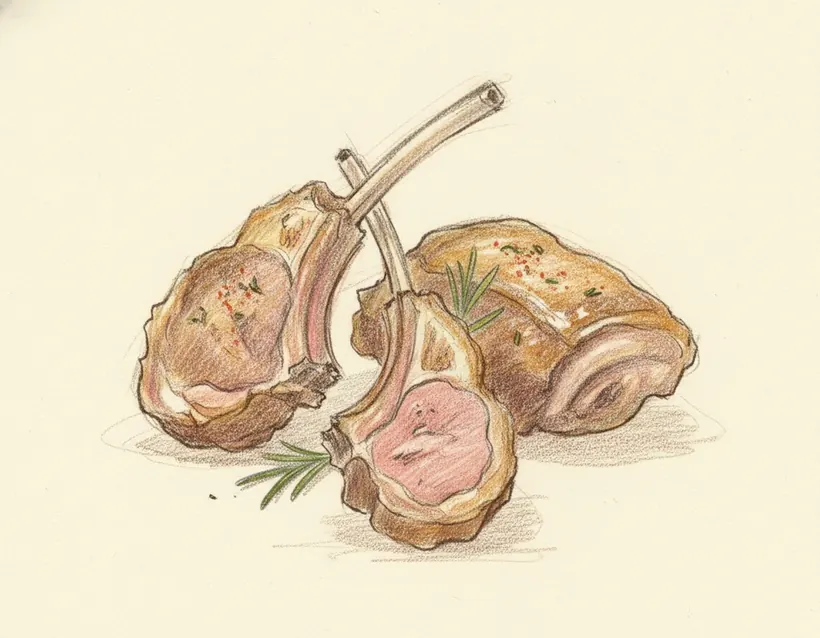
Milk-fed lamb of the island's free-grazing flocks, tender and delicate, the meat of Sardinian feasts.
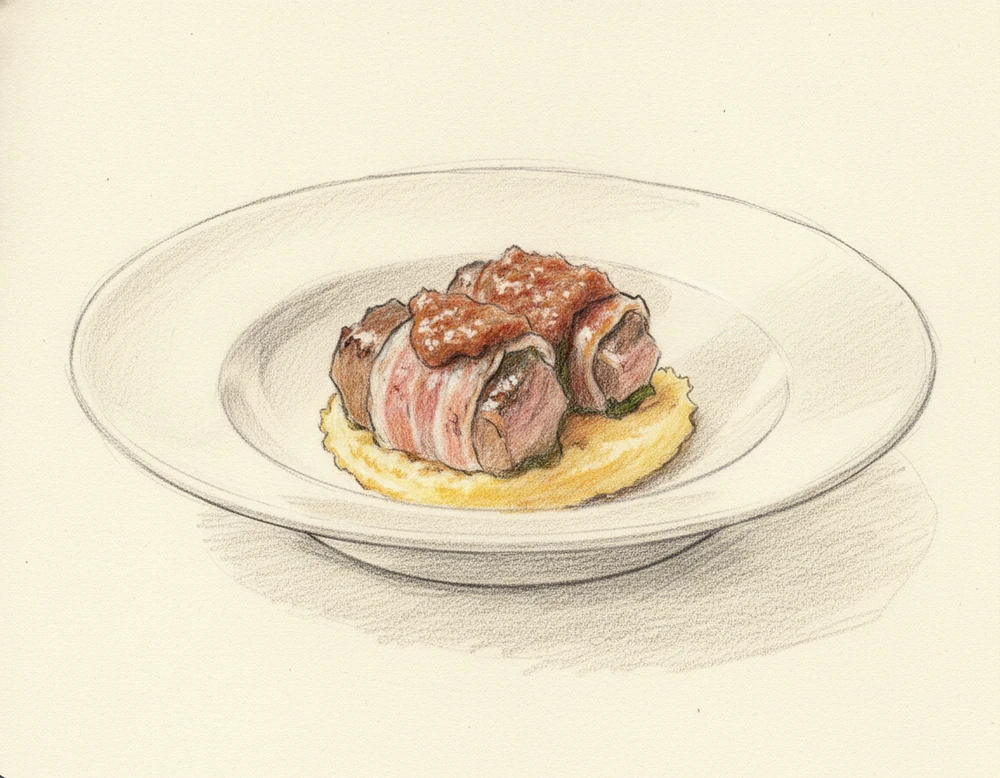
The Zerasca sheep kept its type intact because the Lunigiana kept it isolated. Medium to large, white-fleeced, well-proportioned head and long horns, housed only in the coldest weeks and otherwise out at pasture on ground that is still wild and unpolluted, industry never having come here. The lamb is traditionally cooked al testo, in a cast-iron pot set over embers.
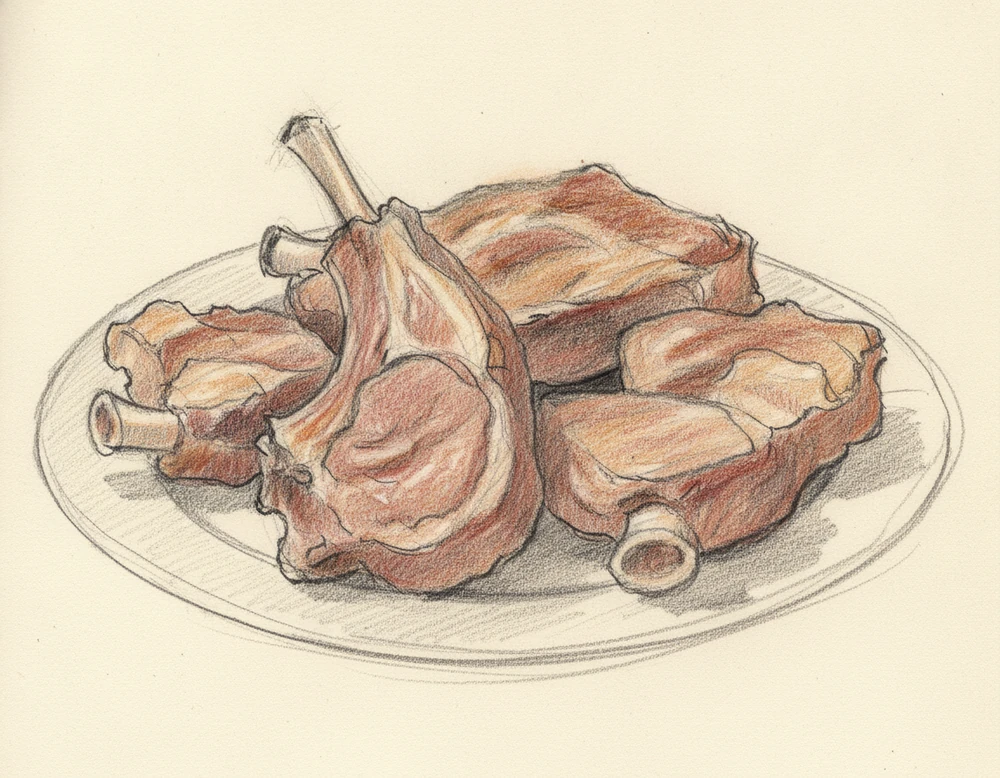
Lamb of the Sambucana sheep, farmed in the Stura valley mountains since the 18th century. Suited to high pasture, medium-large, with thin strong legs, no horns and no wool on the head. It is the meat the breed is prized for.
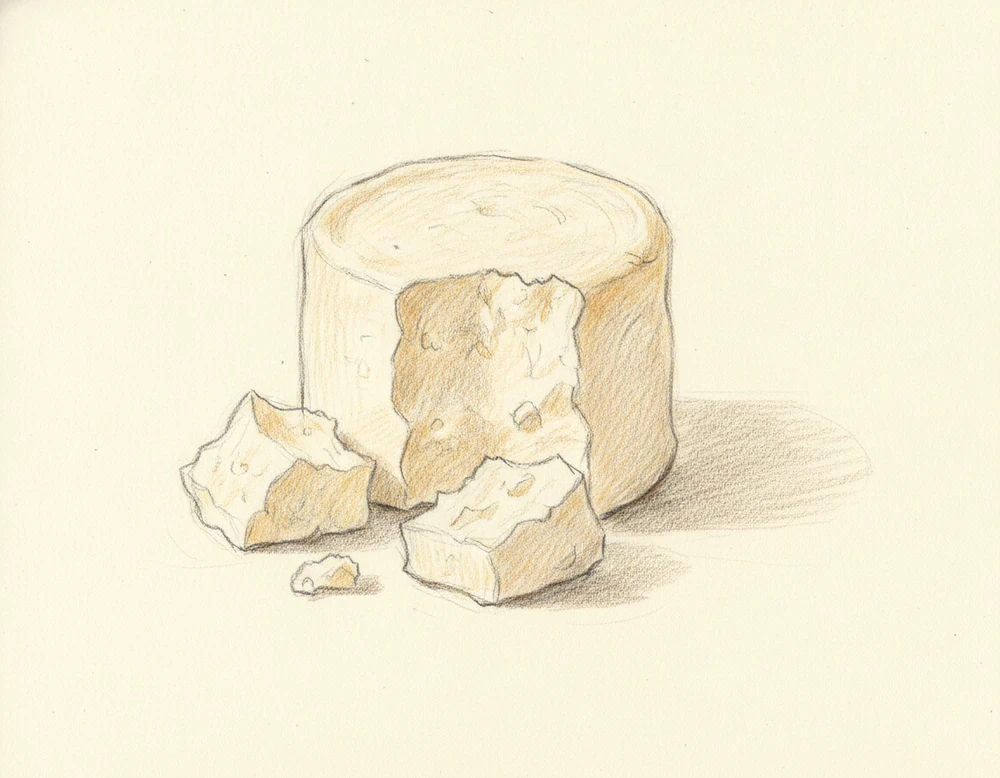
Valtorta is a small place in the Val Brembana, and Agrì is what has survived there: a little uncooked-curd cylinder of whole cow's milk, made both at the cooperative dairy and in the houses. It takes three days and a practised hand. The taste is sweet and aromatic, the smell delicate. When the road down the valley was still difficult, the women mixed the pasta di agro at home, packed it into panniers and bundles and carried it on foot over the mountain paths into the Valsassina, where the cheeses were finished.
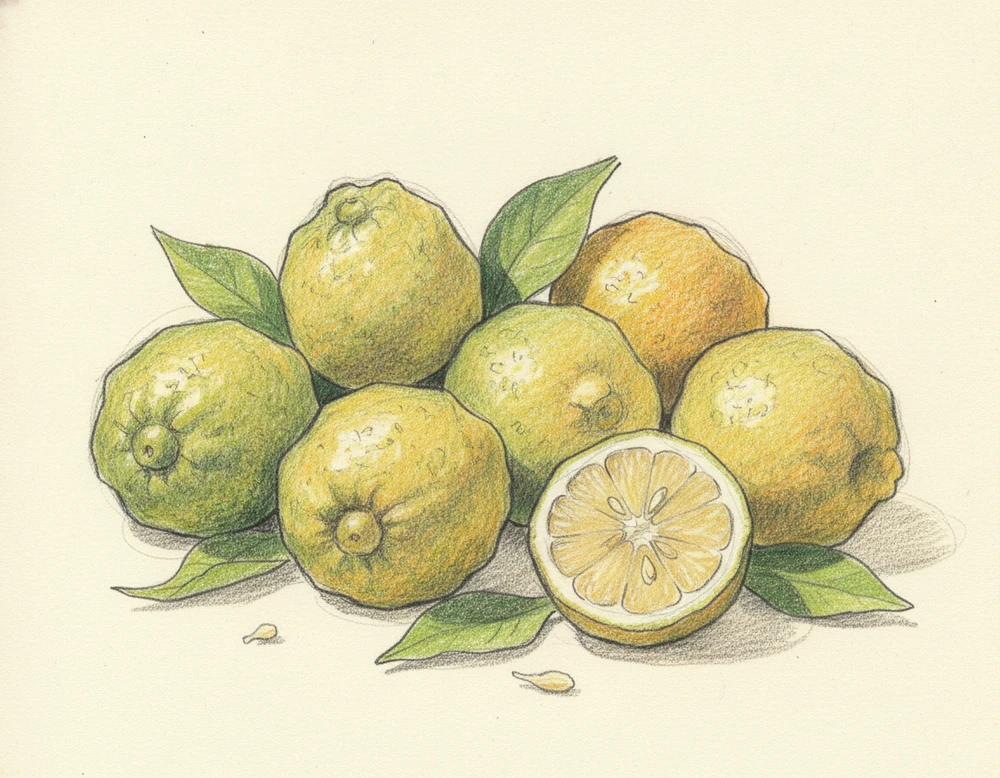
Citrus generally does not grow on Italy's Adriatic coast, with one exception: the Gargano. Their presence there is not an experiment but a piece of agricultural history, the result of choices made in step with the peninsula's climate and vocation.
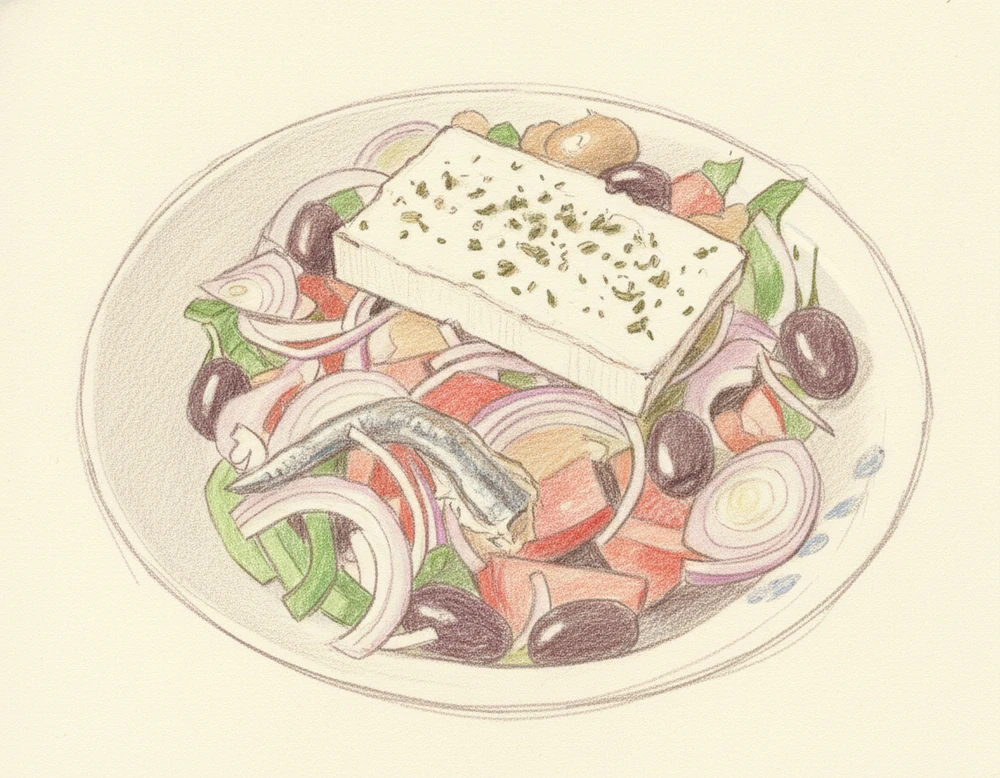
Round sardinella (Sardinella aurita) salted on Lampedusa. Stockier and larger than the common sardine, reaching 30 cm, it shoals in the southern Mediterranean and is caught in quantity in the Strait of Sicily. Salted, it was once what sustained Lampedusans through the long sponge-fishing voyages.
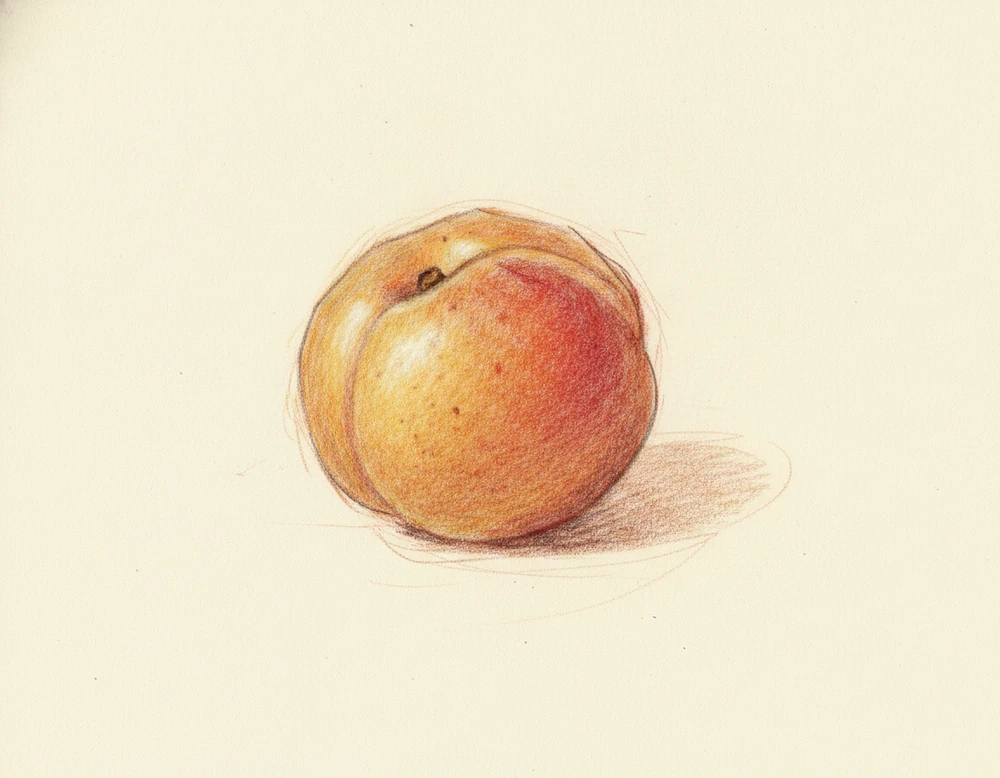
Scillato lies in the Himera valley at the foot of the Madonie, on land fed by old springs and given over to gardens, olives and orchards. Its apricot is early, the fruit small and strongly flavoured, often shaded through several reds, and so fragrant that people used to come from a long way for it.
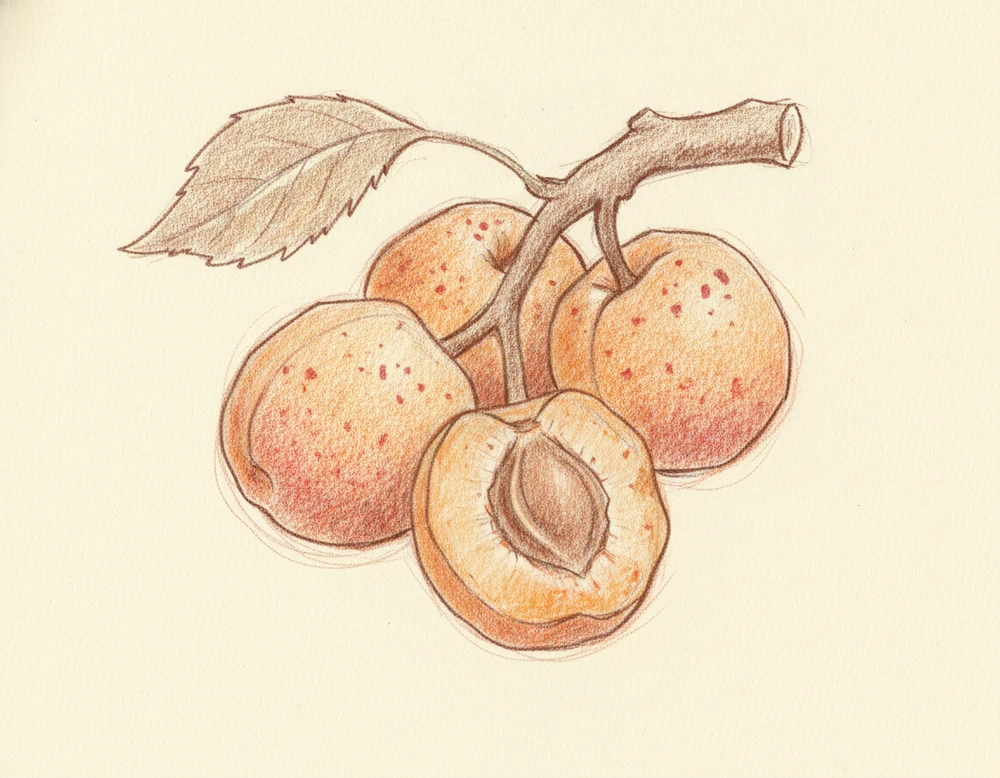
Grown along the Savona coast by the end of the 19th century and at its height in the 1950s and 1960s; Valleggia, a hamlet of Quiliano, grew the most of them. The fruit is small and unmistakable, thin delicate orange skin flecked brick red, and it smells and tastes far stronger than the apricots on the market.
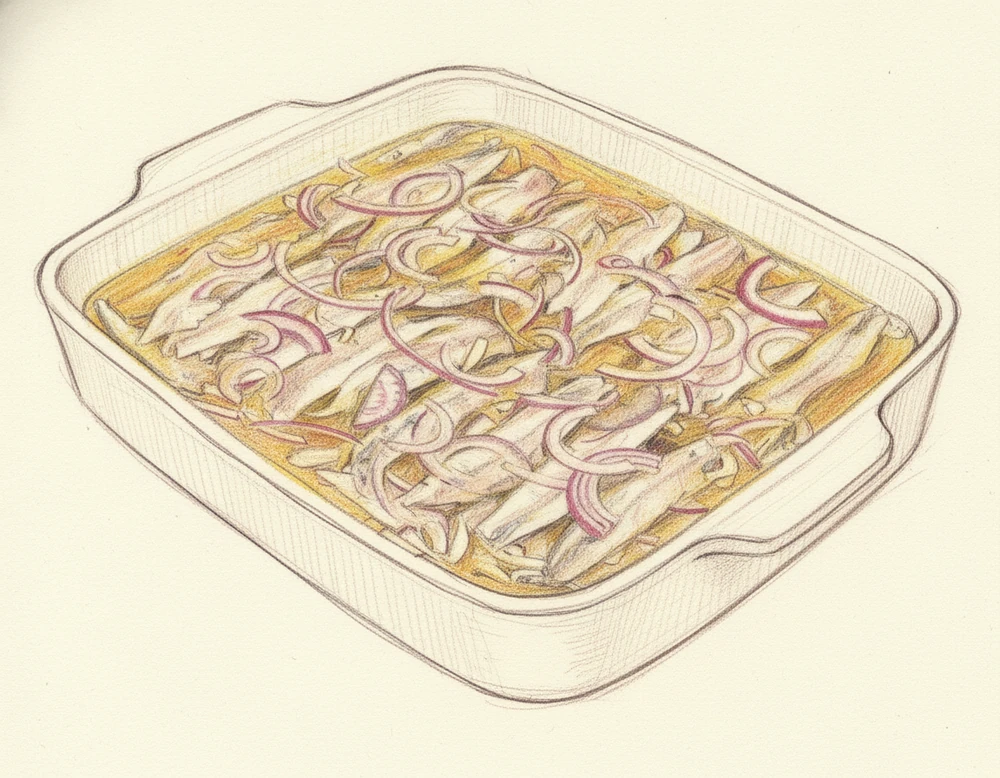
Anchovies taken by the menaica, an old net technique once common all round the Mediterranean and now surviving in only a few places, Marina di Pisciotta among them. The boats go out at nightfall with the menaica nets that give the fish their name.
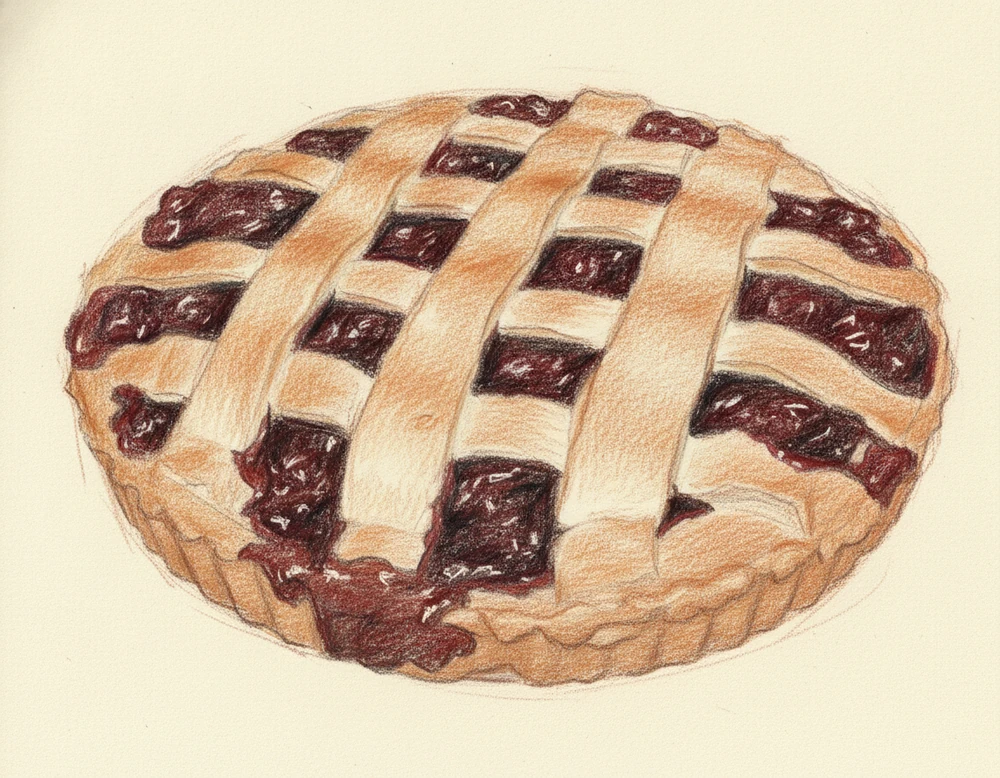
A sour-cherry conserve, soft-set and a deep red-brown with darker glints, balanced between sweet and sharp. Minimum 60 per cent sugar, refractive index 60 to 68 brix, and a pH held between 2.5 and 3.5 to keep the characteristic tartness.
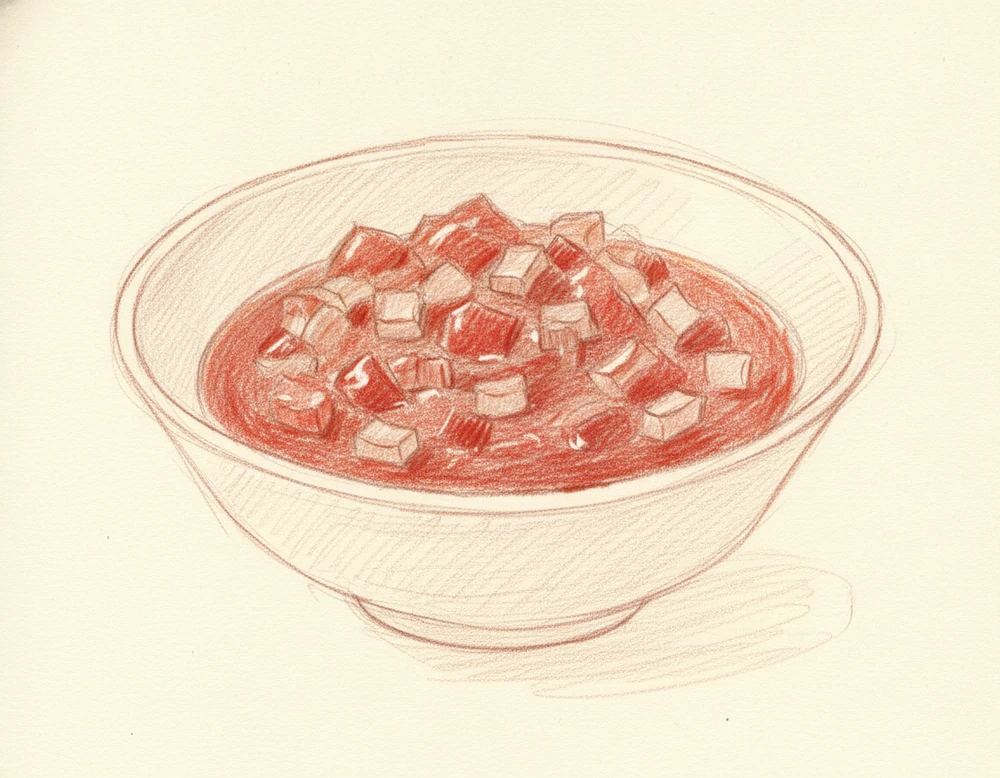
A food preparation sold in two forms: a sauce for dressing pasta immediately, and one for later use. It runs from a lighter to a deeper red.
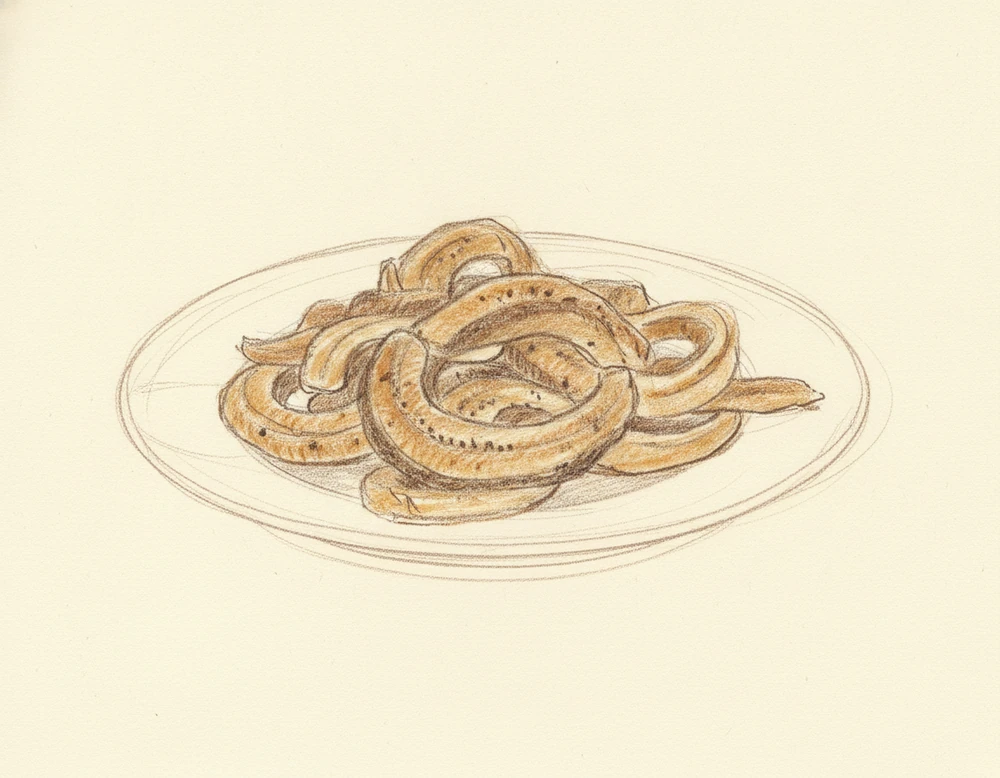
The Po delta has marinated eel for centuries, and the great works were the Manifattura dei Marinati at Comacchio. Because the fishing window is so short, marinating in vinegar was how the catch was made to last.
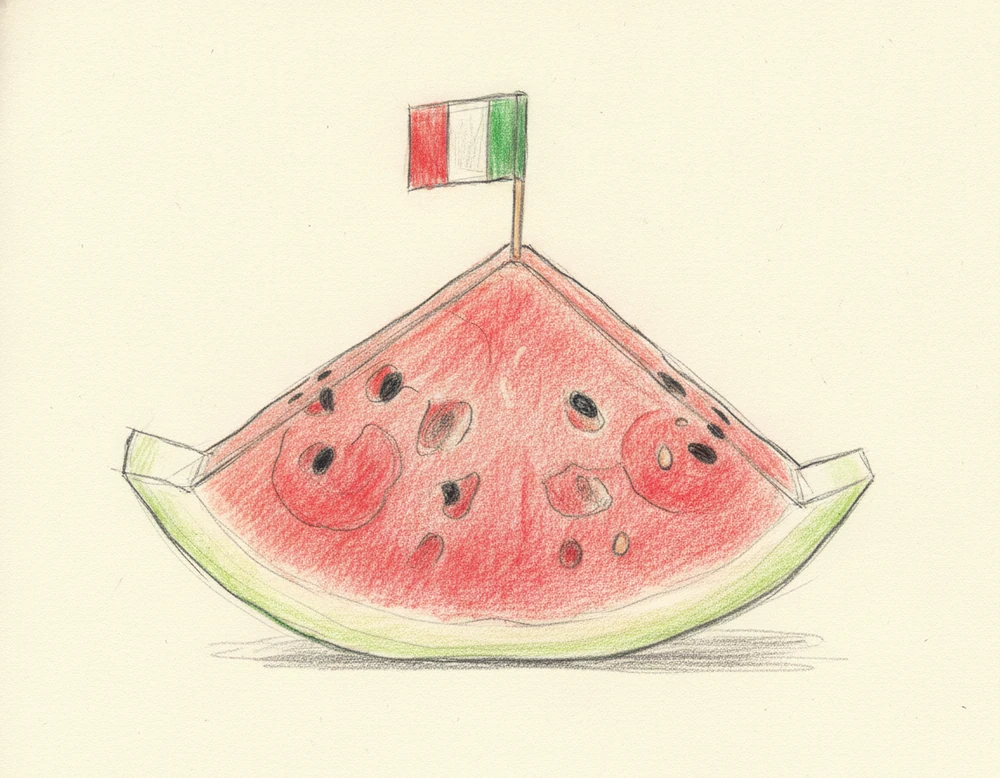
Fresh watermelon (Citrullus lanatus) grown on the Reggio Emilia plain, admitted in a round type with the characteristics of Asahi Miyako, its grey-green rind marked with darker green striping, alongside the other permitted types.
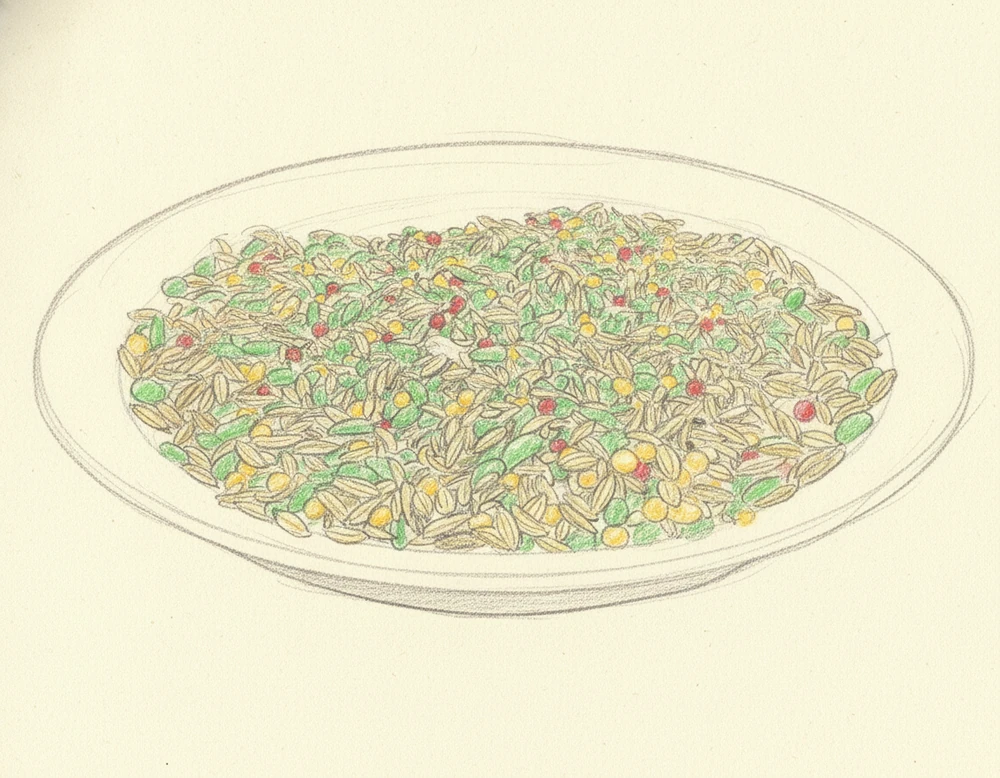
Green anise is Asian in origin and takes its name from the Greek anisos, not equal, said to distinguish it from the hemlock it resembles but does not match in colour or size. The plant stays under 50 cm and carries small white umbels at the end of June. It has been grown around the Mediterranean for millennia and written up since antiquity for its uses, medicinal (stomach pain, jaundice, respiratory complaints, sleeplessness, indigestion) and as a flavouring for food, wine and spirits, which made it worth real money; it was already being cultivated in Charlemagne's time.
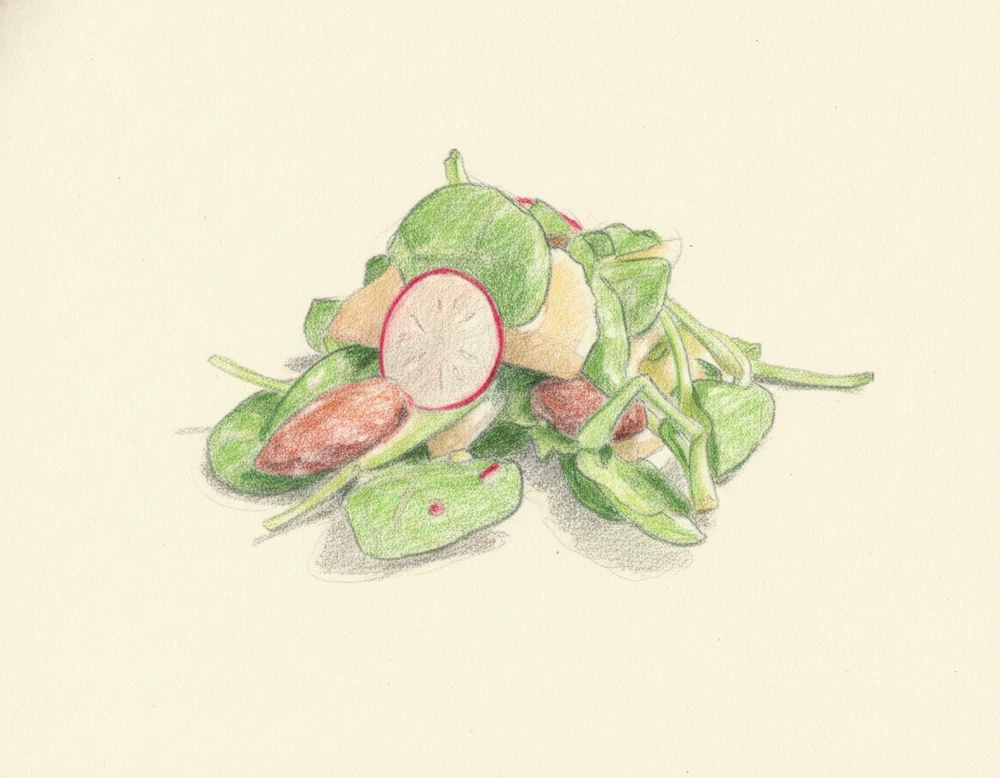
Friuli has grown apples since Roman times, but the orchards proper came between the late 1700s and early 1800s in the hills and mountains, and from the end of the 19th century to the First World War the region shipped fruit to Austria and the rest of northern Europe, to Egypt and to the United States. Some varieties were native; others came home in the luggage of Friulian emigrants, as grafts and seed. The names record how they looked (Ruggine Dorata, Striato Dolce, Blancon), when they ripened (Rosso Invernale), where they were found (Zeuka di Treppo, Giallo di Priuso) or who kept them (Marc Panara).
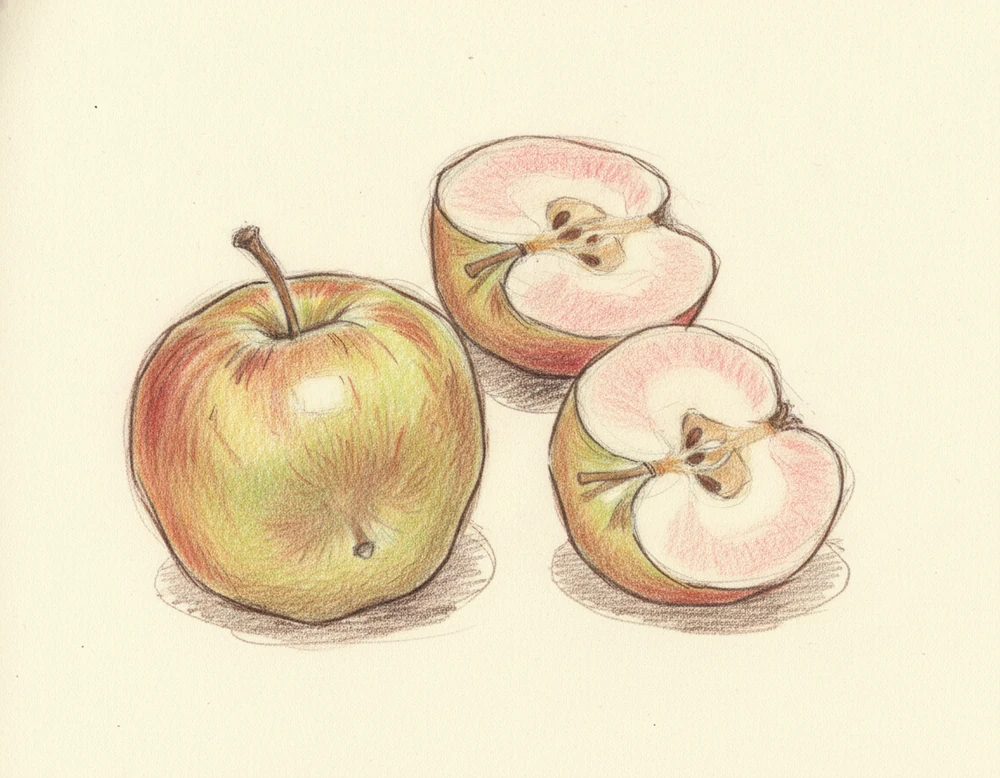
The historic apple varieties of the Etna park, brought back together with the growers who still keep them. The aim is to recover the park's old range and with it the standing of the smallholders who understood why the mountain's plant heritage was worth maintaining.
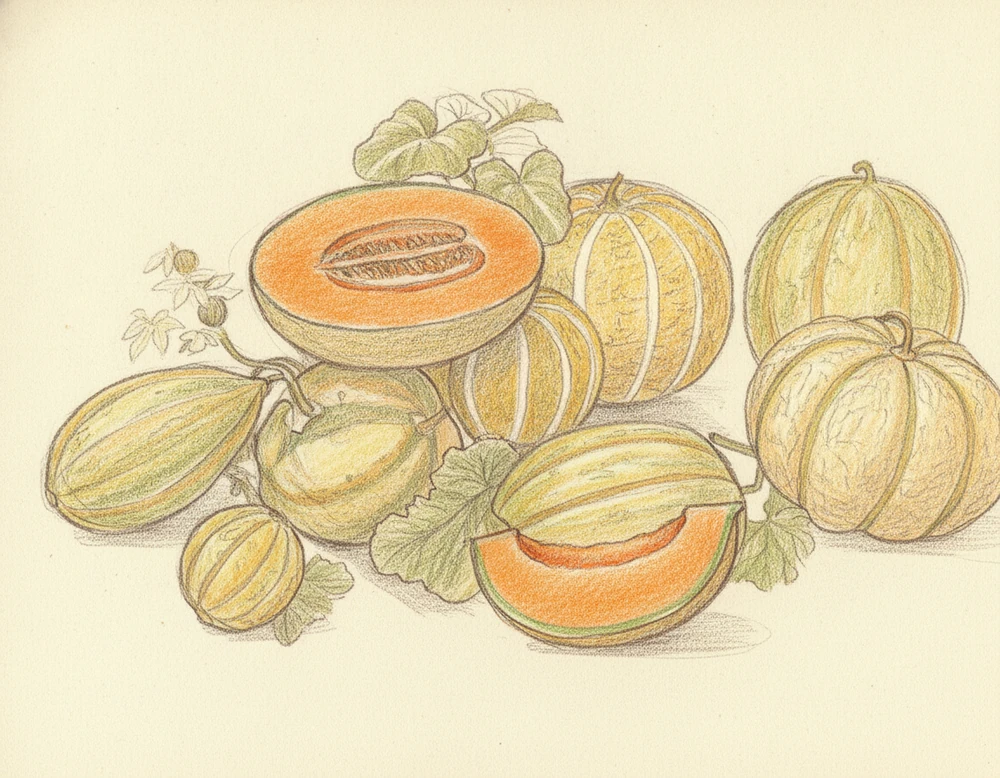
Melons have a long history in the Reggiano, and in the reclaimed valleys between Novellara, Guastalla and Santa Vittoria they were real income for labourers and smallholders selling at the local markets. All three groups were grown: the netted reticulatus, the smooth flat-ended cantalupensis and the long-keeping elliptical inodorus, the winter melons. Some of those local strains survive, though they take finding.
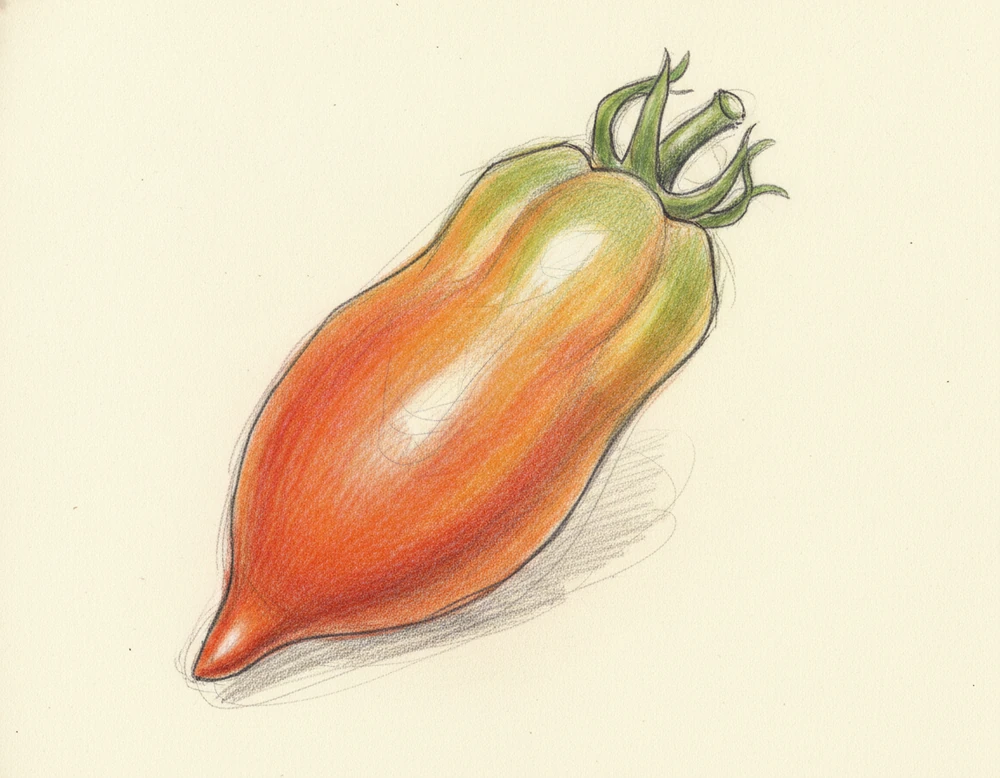
The older Neapolitan tomato varieties. Until about twenty years ago the vegetable ground around Naples and in the Sarnese-Nocerino country was almost all San Marzano: thin-skinned, low in acidity, and holding its flavour even preserved, but demanding to handle.
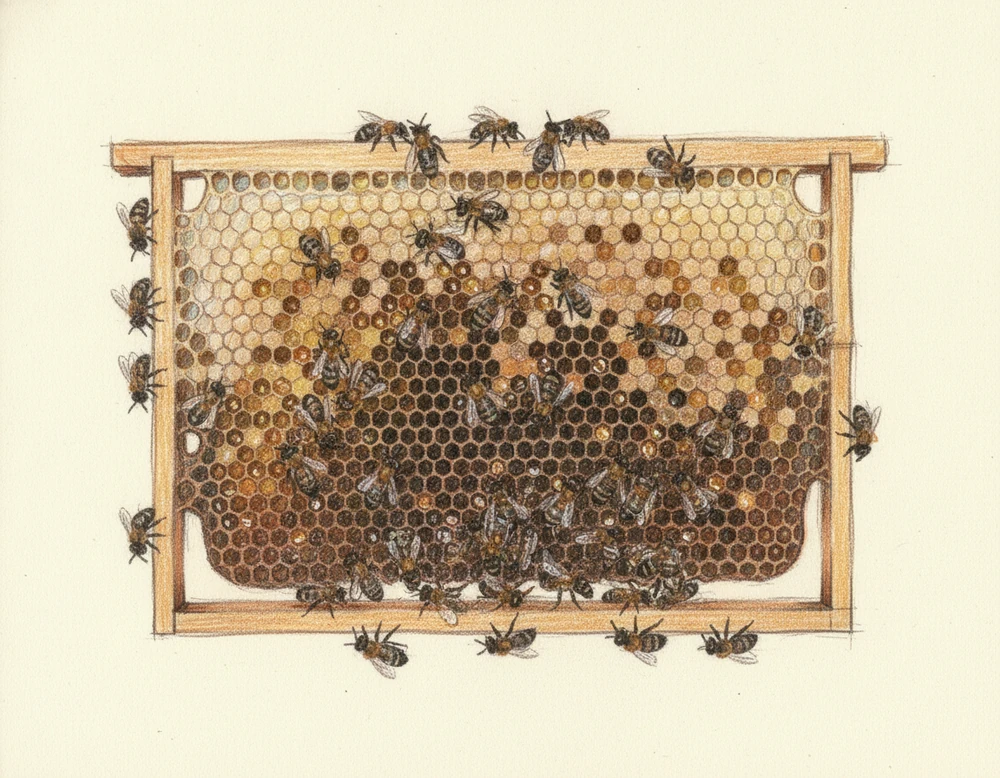
The Ponente is a thin strip between the western Ligurian beaches and the crest of the Maritime Alps that marks the French and Piedmontese border, cut by long narrow valleys, much of it wild and hard to reach. What arable land there is was taken off the rock as terraces, the fasce or maixei, and it still reads as an act of stubbornness. Along this border two subspecies meet, the blonde Apis mellifera ligustica native to the peninsula and the black Apis mellifera mellifera out of France; they have been hybridising naturally here for millennia, and the Ligurian bee is the result.
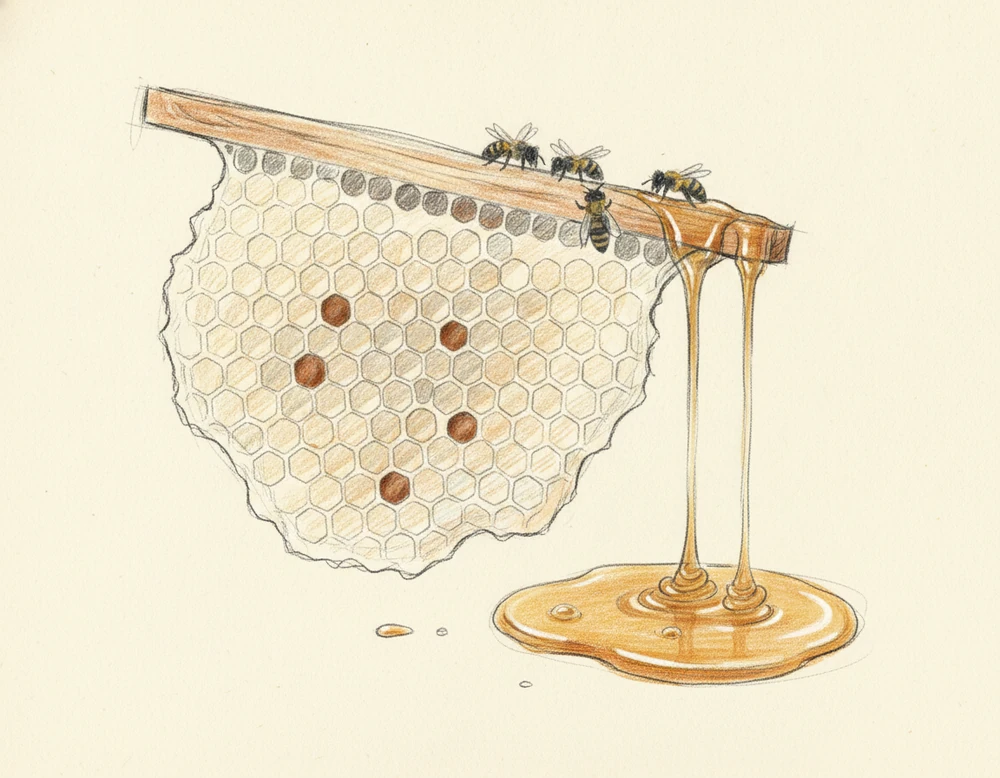
Apis mellifera siciliana: dark abdomen, yellow down, small wings, and thousands of years on the island. It nearly went in the 1970s, when beekeepers gave up the old rectangular hives built of dried fennel stalks and brought in the Italian bee from the north. It is docile and very productive, works through heat above 40 degrees when other bees have stopped, and takes sudden changes of temperature in its stride.
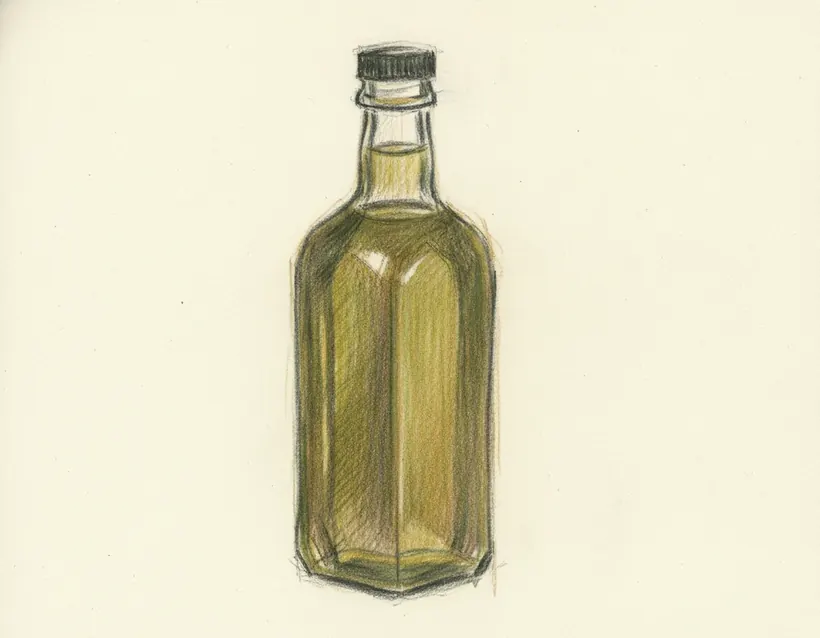
Extra-virgin olive oil from the Pescara hinterland, pressed largely from Dritta olives, green, fruity and lightly peppery.
A late orange with pale yellow flesh, named for Villa San Giuseppe at the mouth of the Gallico, north of Reggio. It grows on the valley floors of the Gallico and the Catona and up from the foot of Aspromonte towards the Strait. The first notice of the cultivar seems to be 1863, when Professor Pasquale Giuseppe described the citrus country of Reggio Calabria and singled out the oranges of Villa San Giuseppe; the fruit of this stretch was famous and mattered economically.
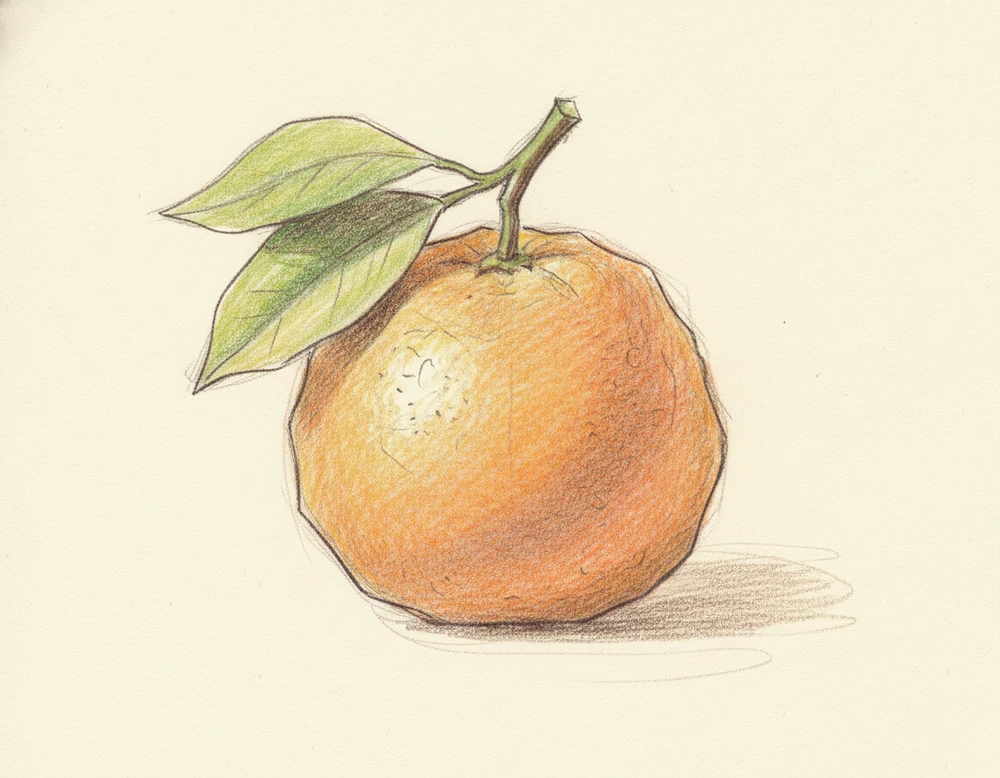
Grown at Trebisacce since the late 19th century, a blonde non-navel orange that has settled into a microclimate the sea makes: the Pollino keeps the cold currents off, and soils low in clay slow the ripening. So it is picked in late spring and taken almost for a summer fruit, having ripened fully on the tree with everything that entails. Skin rough and pale, scent delicate but definite, sweetness and acidity in balance.
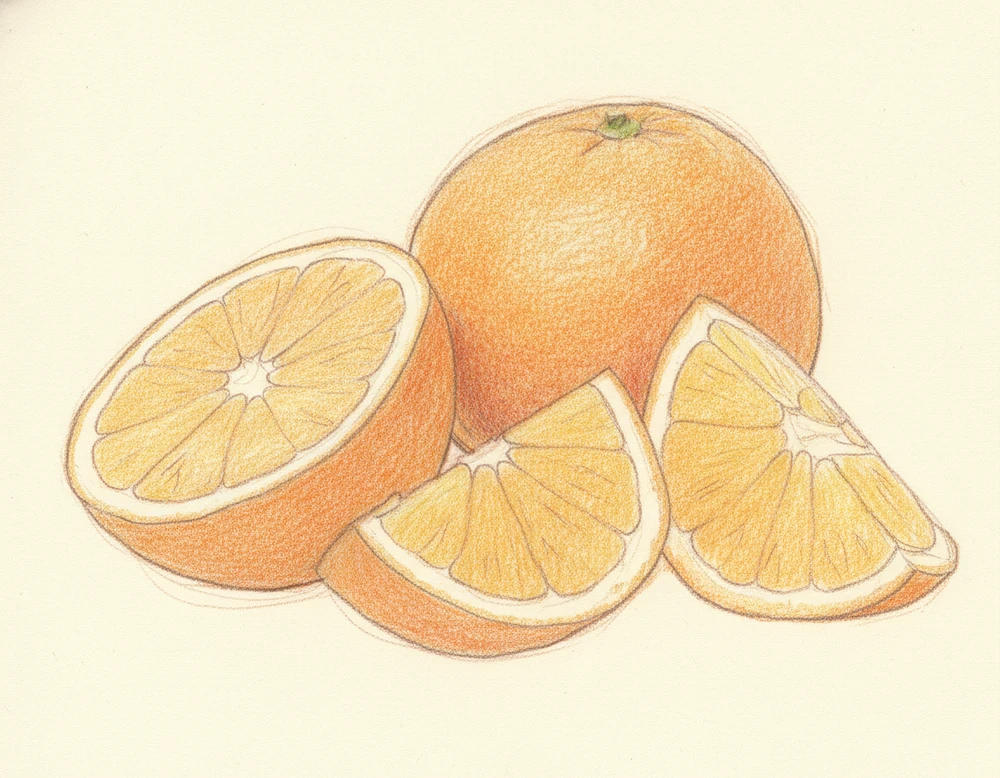
Oranges of the traditional Gargano cultivars: the Biondo Comune group, known locally as Biondo Comune del Gargano, and the native local ecotype Duretta del Gargano, called Arancia tosta for its firmness.
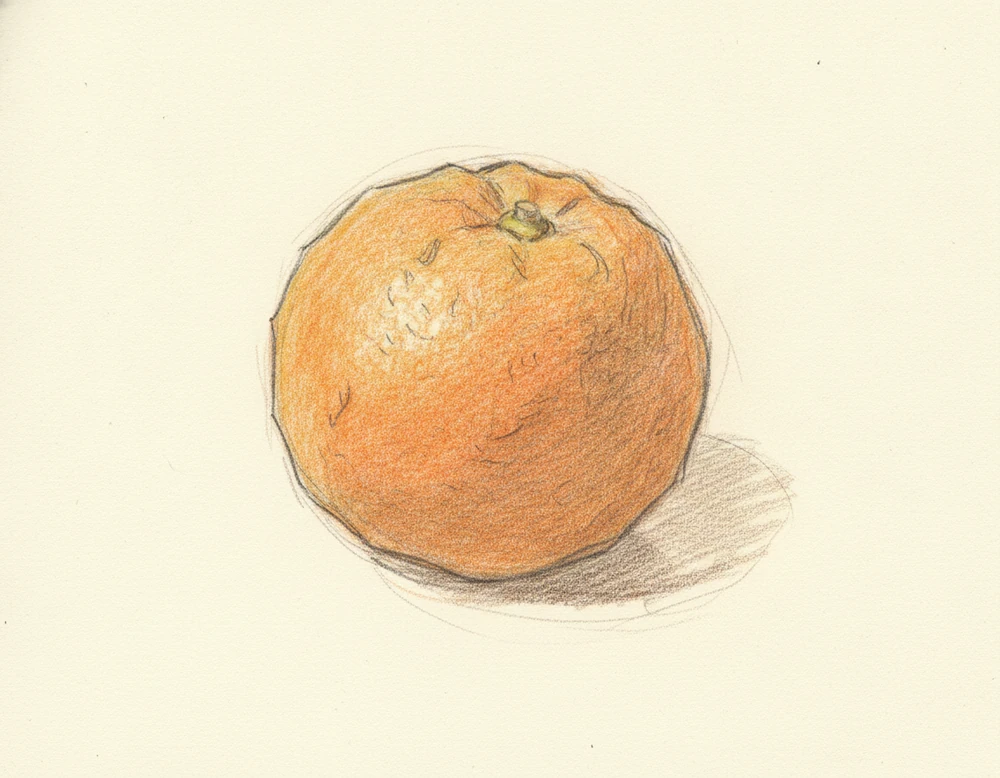
A blond navel orange from the Verdura and Magazzolo valleys around Ribera, restricted to three variety groups and their clones: Brasiliano, Washington Navel and Navelina.
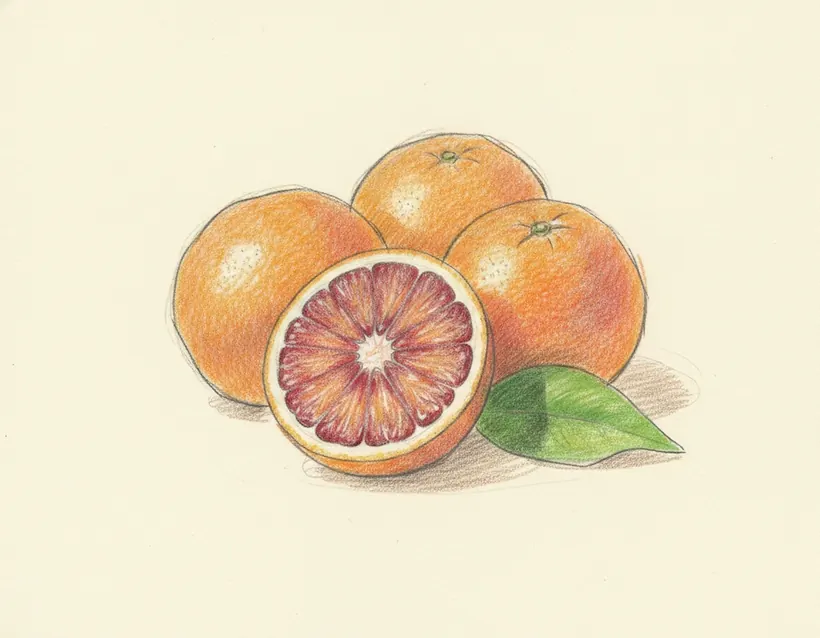
The deep-crimson-fleshed blood orange (Tarocco, Moro, Sanguinello) ripened by Etna's day-night swings.
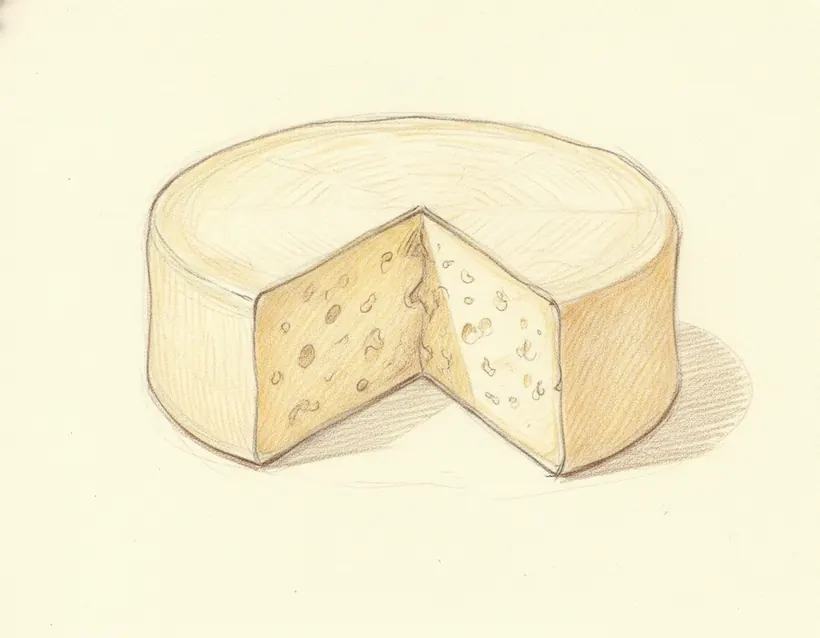
A cow's-milk cheese of the Asiago plateau, made young and springy (pressato) or aged hard and piquant (d'allevo).
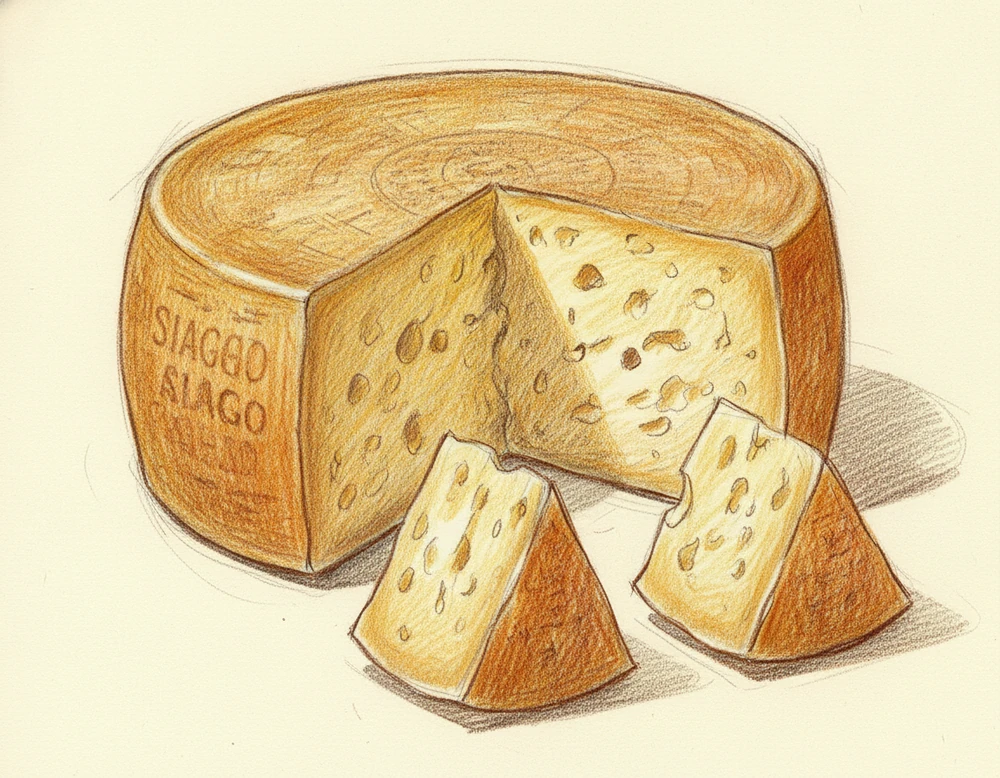
Habit still runs the plateau: driving across it you pull over for the cattle, Bruna or Grigia Alpina or Rendena, going up to the pastures or coming down. More than 70 mountain dairies are still working in the Sette Comuni, but only a few make the aged Asiago, and among them about a thousand wheels a year. It smells of cut grass, then ripe fruit, then musk, and the flavour is uncommonly layered.
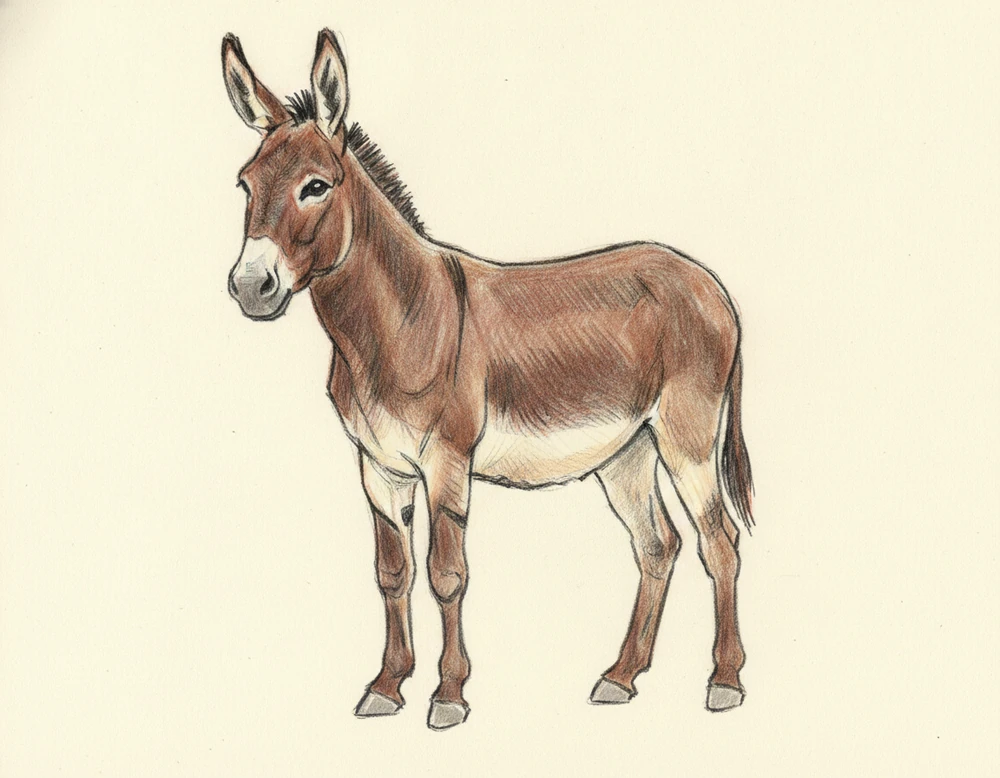
Fifty years ago donkeys were everywhere in the Sicilian countryside, carrying loads, turning millstones and pulling ploughs; mechanisation took the work away and several breeds with it. The Ragusano is one of those that nearly went, and about a thousand are left. The coat is a dark reddish brown with a pale belly, the muzzle grey and smooth-haired, mane and tail black. The head is smallish and straight in profile, the forehead broad and flat, the eyes large and ringed with white, the ears straight and middling long, the rump wide and the legs strong.
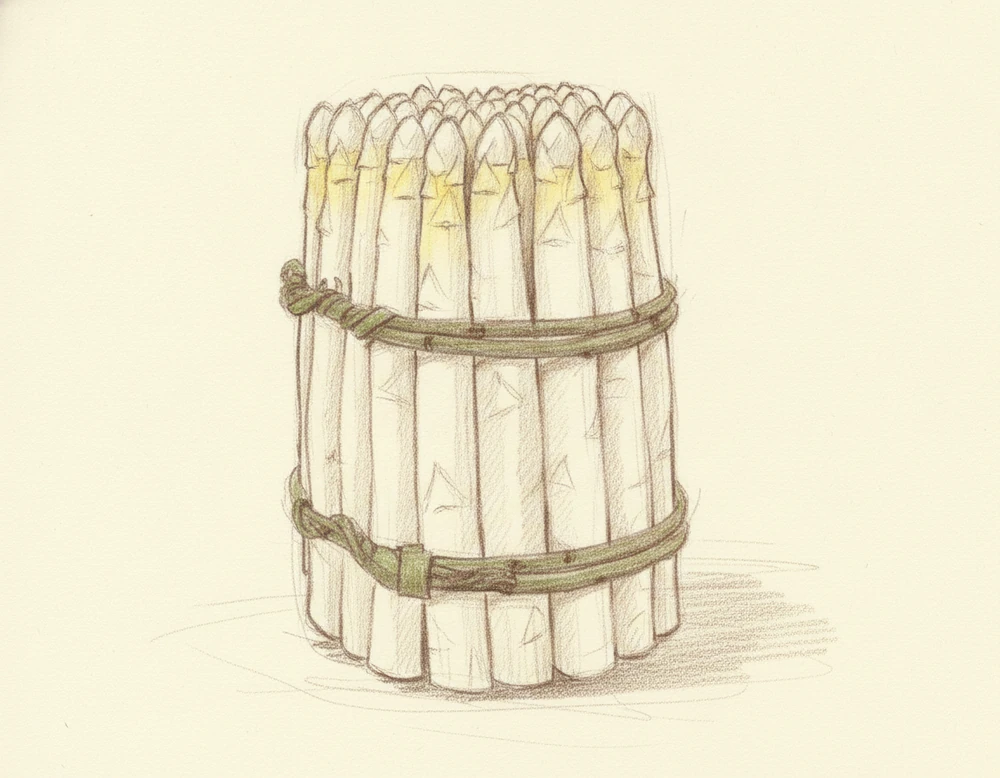
White asparagus spears grown from the local Comune, or Chiaro, di Bassano ecotype. Spears must be white, straight, whole and tightly closed at the tip, never hollow, split, peeled or broken.
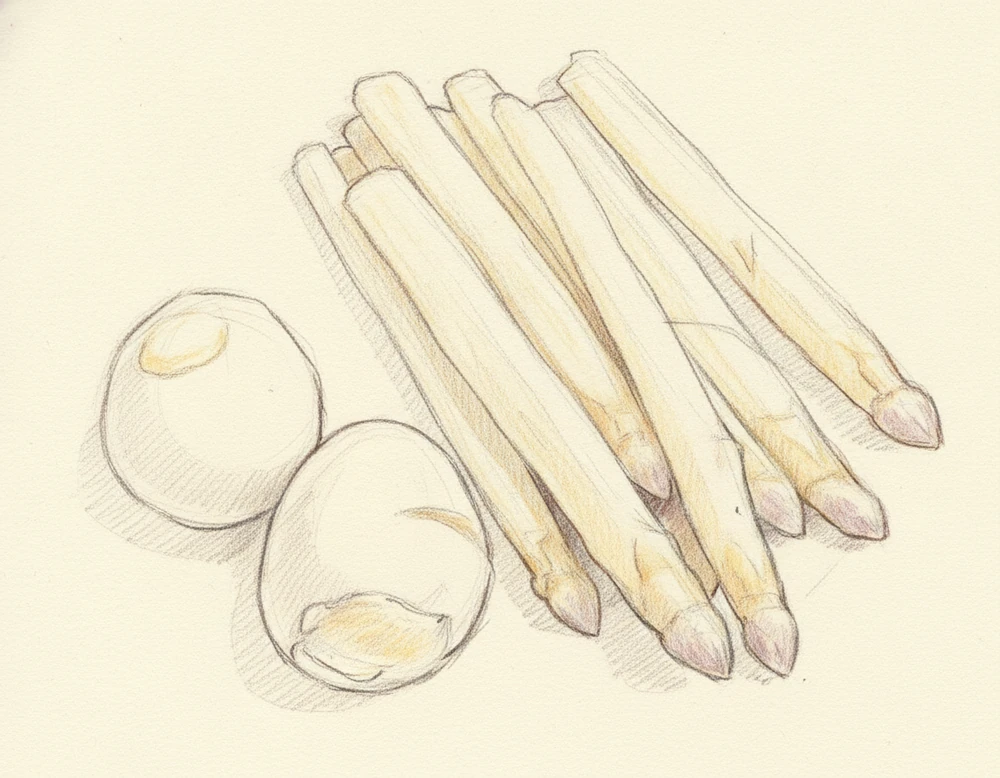
White asparagus from the Piave gravels around Cimadolmo, grown from a named cultivar list headed by Precoce d'Argenteuil, with Larac, Dariana, Cumulus, Darbella, Vittorio, Voltaire and Zeno; other cultivars may make up at most a fifth of a planting.
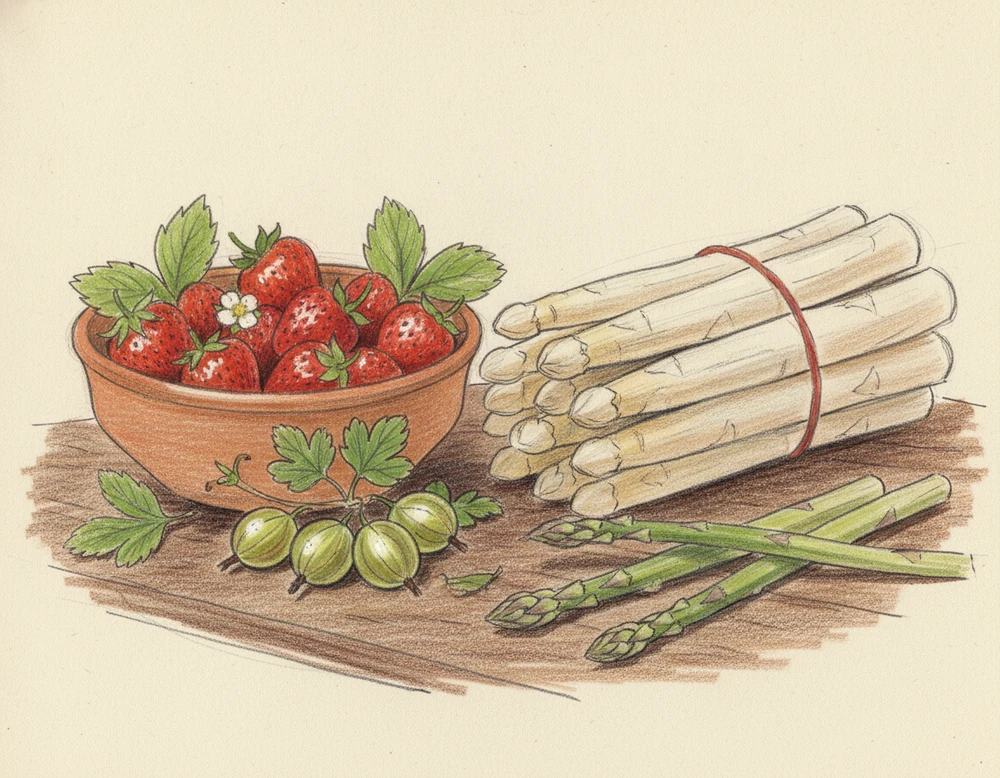
Made in both a white and a green type, each with its own list of permitted Asparagus officinalis varieties. The white draws on Thielim, Zeno, Grolim, Cumulus, Darzilla, Hercolim, Marco, Vittorio, Giove, Avalim and Dariana; the green on Eros, Thielim, Grolim, Cumulus, Magnus, Giove, Vittorio, Avalim and Dariana.
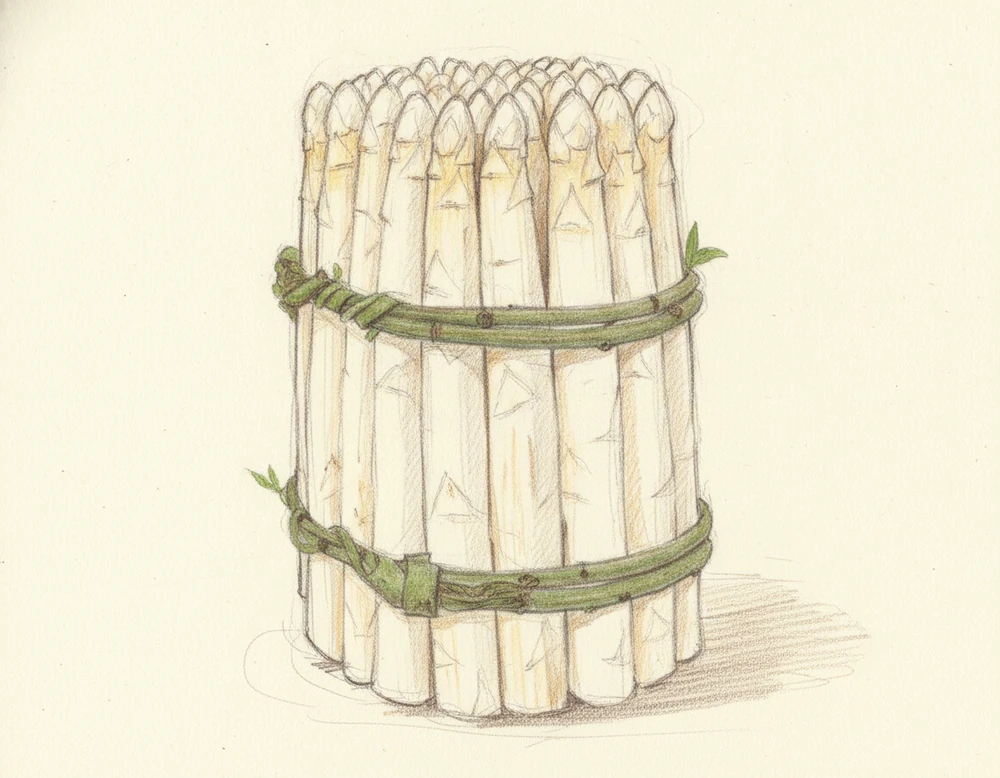
White asparagus from Cantello in the Varese pre-Alps, grown from Precoce di Argenteuil and its hybrids alongside other cultivars suited to white production: Grolim, Zeno, Cumulus, Vitalim, Giove, Vittorio, Eros, Franco, Fruhlim, Magnus, Herkolim and Terralim.
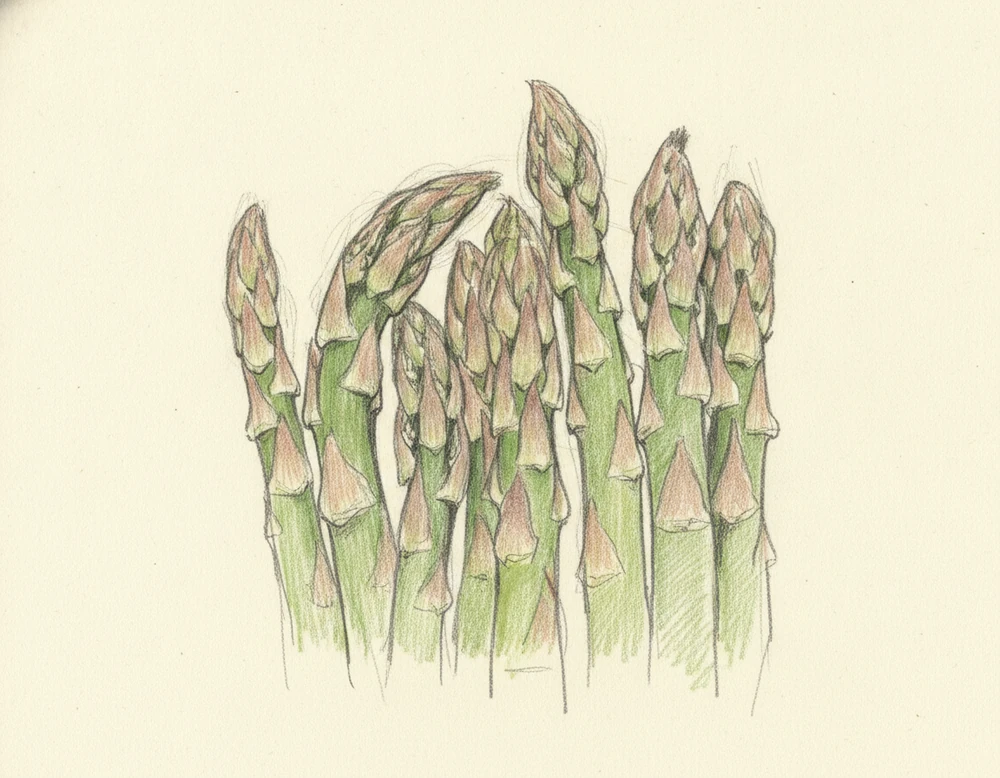
Green asparagus grown on the Bologna plain around Altedo, restricted to a named list of cultivars: Eros, Marte, Franco, Giove and Ercole among them. Any further cultivar has to be cleared with the ministry before it can be used.
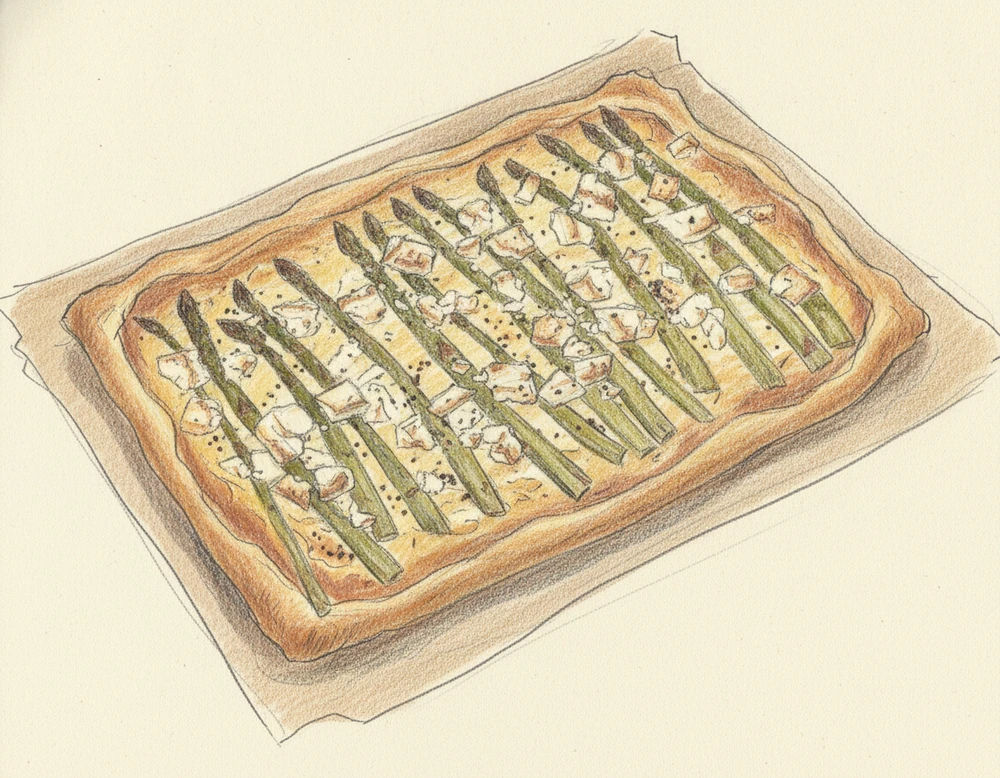
Green asparagus from the volcanic soils around Canino in northern Lazio, from named cultivars of Asparagus officinalis: Atlas, Grande, UC157, Vegalim, Starlim, Italo, Atticus and Verdus.
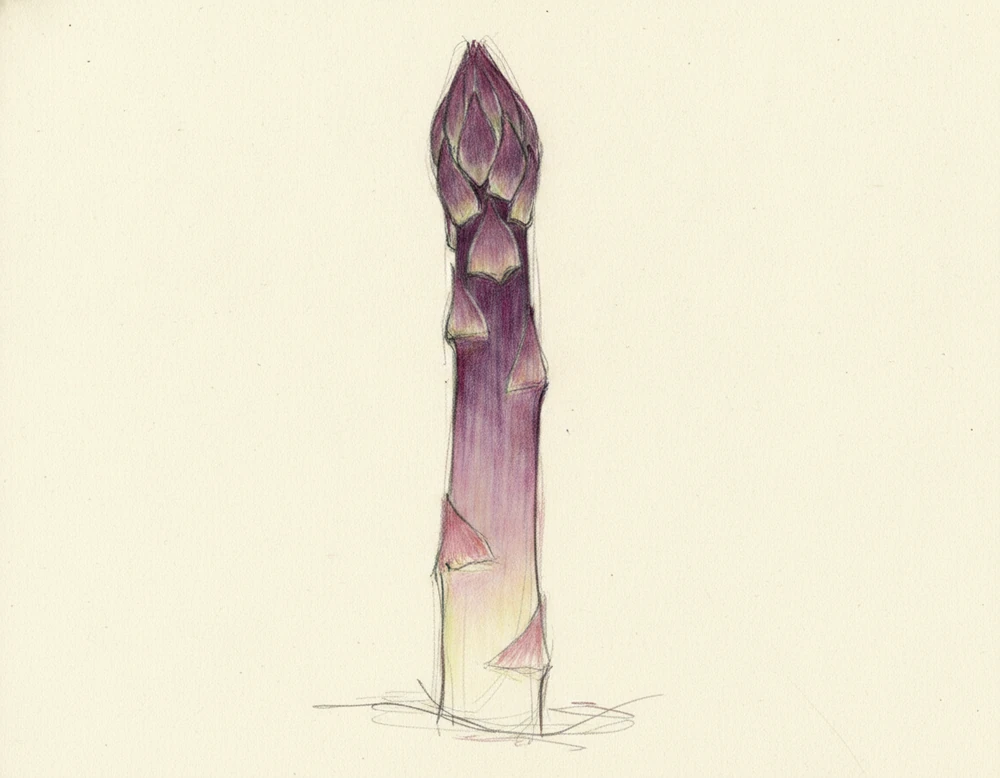
Big spears, deep purple at the tip shading to cream at the base. The colour is not a technique but genetics: this asparagus carries 40 chromosomes where every other variety has 20, so it cannot be crossed and diluted, which is why it still smells and tastes as it does. It was popular in the 1930s and has been all but given up since.
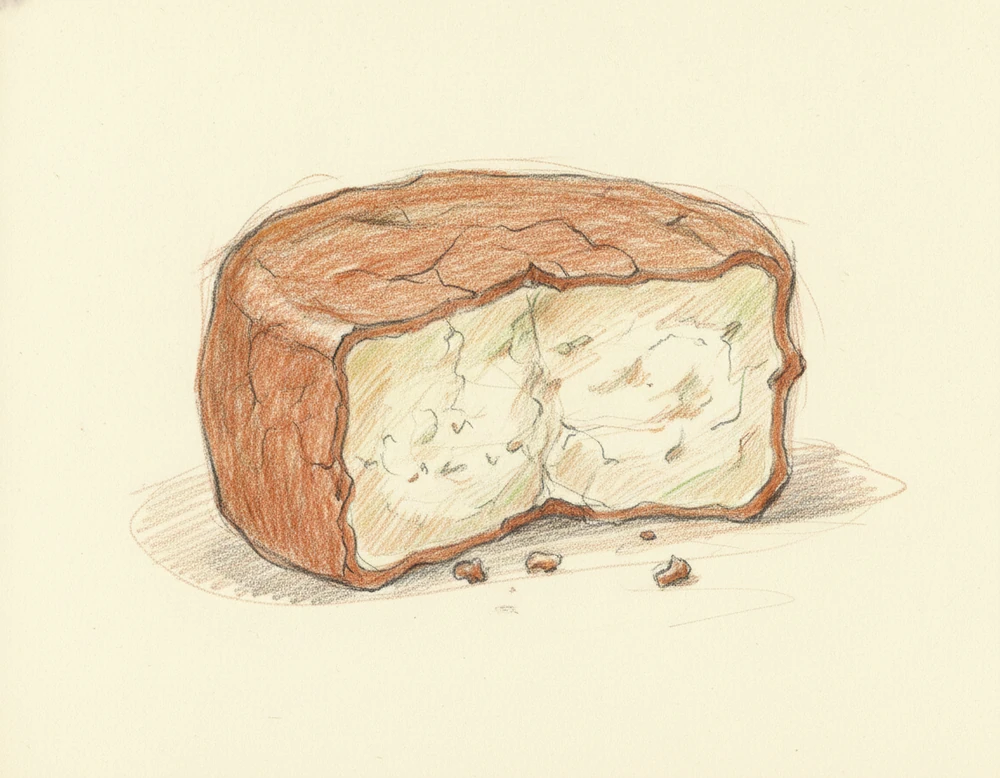
There is no other cheese like it, and it belongs to one town: Escalaplano, just over 2,000 people on the arid plateaus between the Flumendosa and the Flumineddu in the southeastern interior, country once known for cork. Axridda is the Sardinian for clay, and the cheese is sealed in it. Sardinian summers are long, dry and hot, and cheese matured in natural cellars did not always survive them; the families here worked out that clay would carry it through.
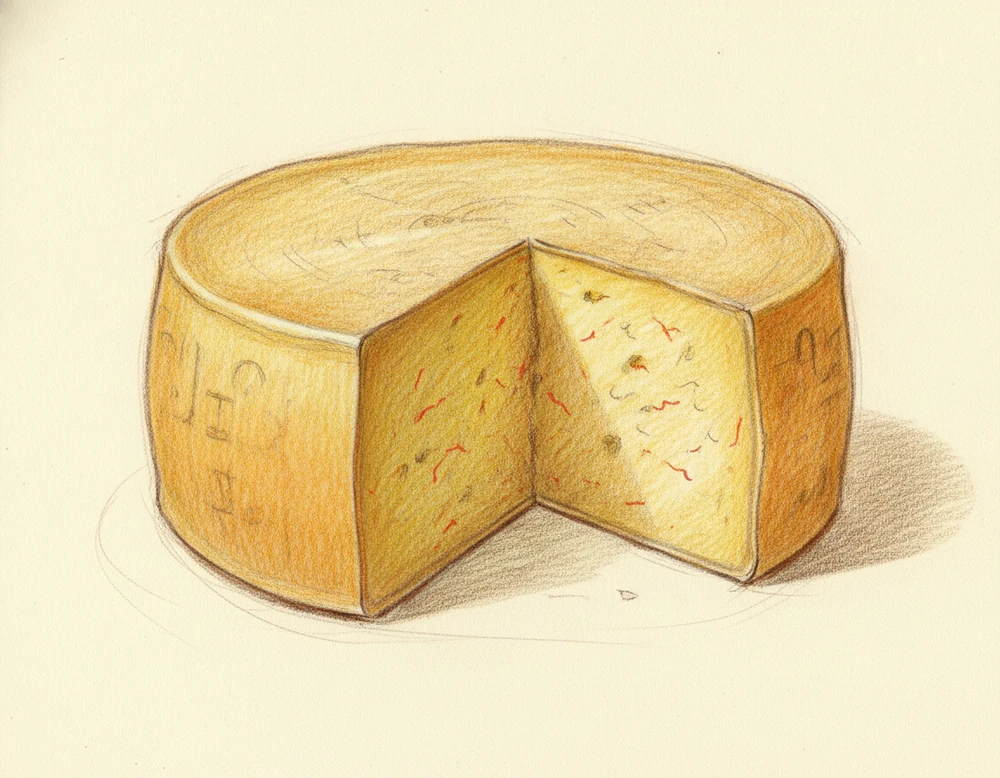
Bagolino north of Brescia calls its people Bagossi, and the valley's cheese takes the name from them. It is an uncooked-curd cheese of raw part-skimmed cow's milk, and by long habit the cheesemaker works a little saffron in as the curd is broken. The wheels are far bigger than a mountain toma, usually 16 to 18 kilos and sometimes 20 to 22.
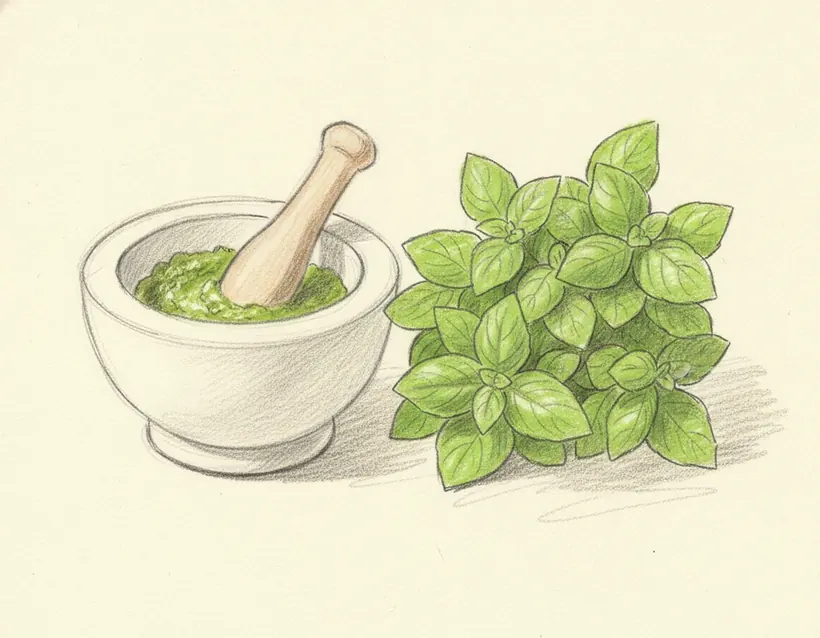
The small, tender, sweet-scented basil of the Ligurian coast, the only basil with protected status and the soul of true pesto genovese.
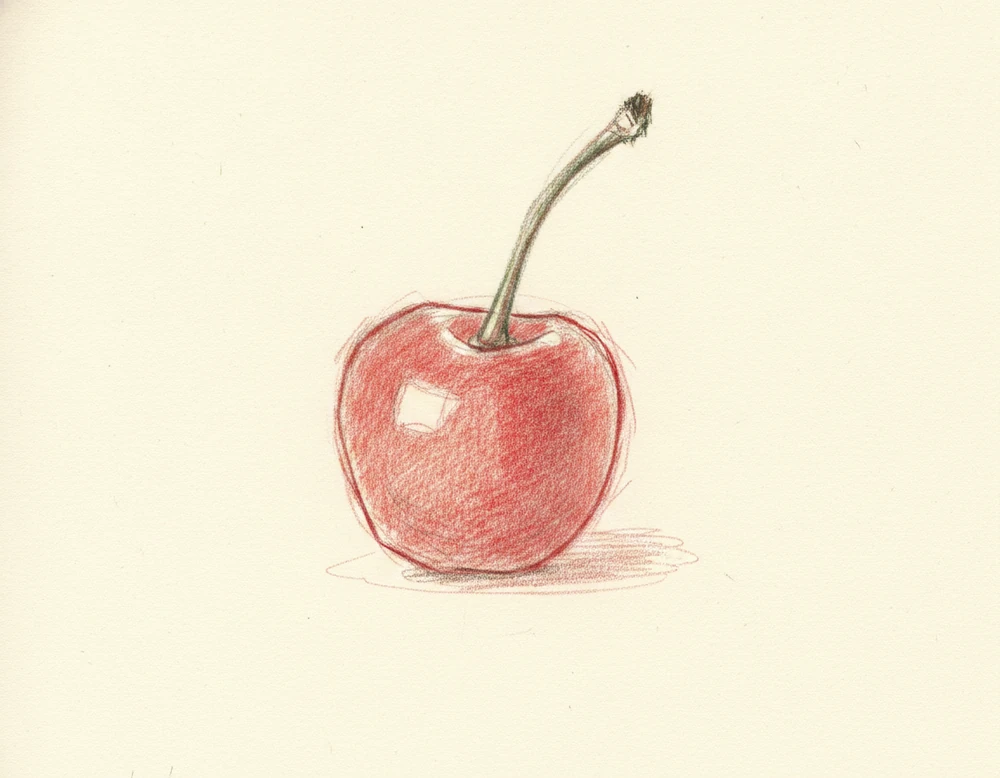
A bright red bigarreau cherry from the Grue valley. Until the early 1980s cherry trees covered the whole valley, Pistoiesi and late Grisone among them, but the Bella mattered most: crisp enough to hold up preserved in spirit.
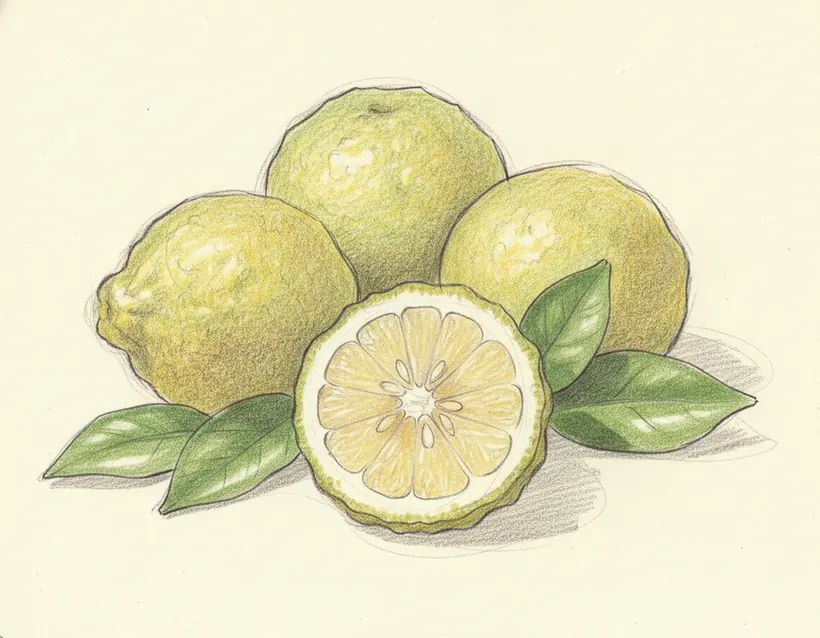
The intensely aromatic yellow-green bergamot grown almost only on this coast, its rind pressed for perfume and its juice for sweets.
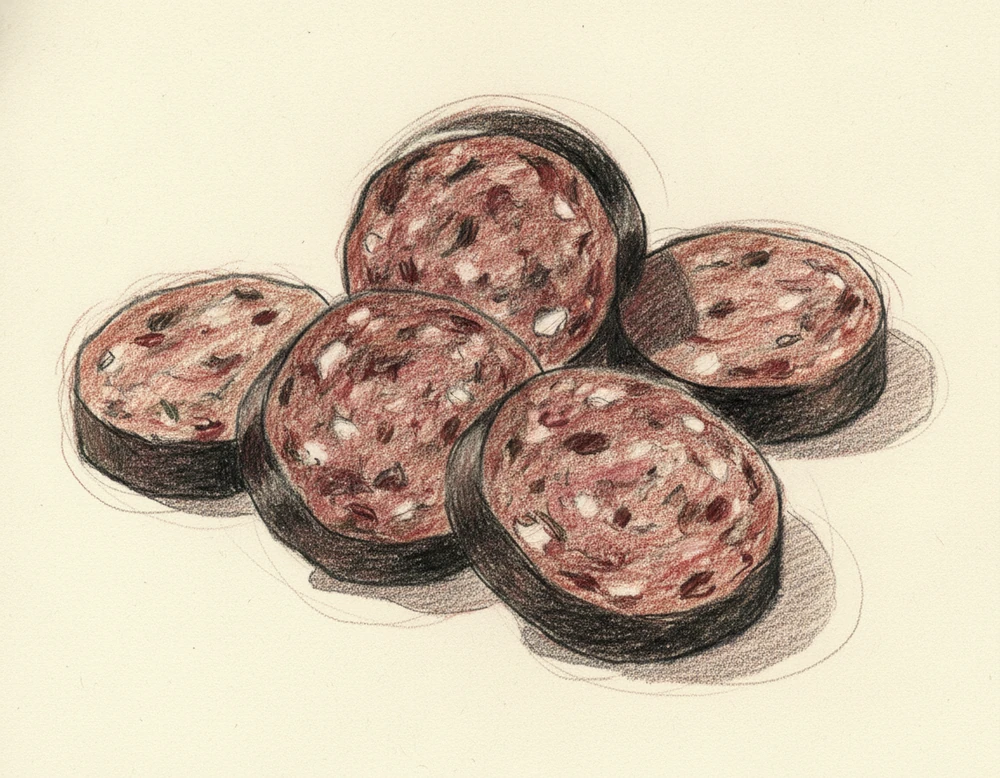
A blood sausage built mostly from the lean meat of the pig's head, which gives it a soft texture, and spiced above all with wild fennel alongside nutmeg, clove, cinnamon and star anise. It is eaten sliced, usually with the local chestnut or potato bread.
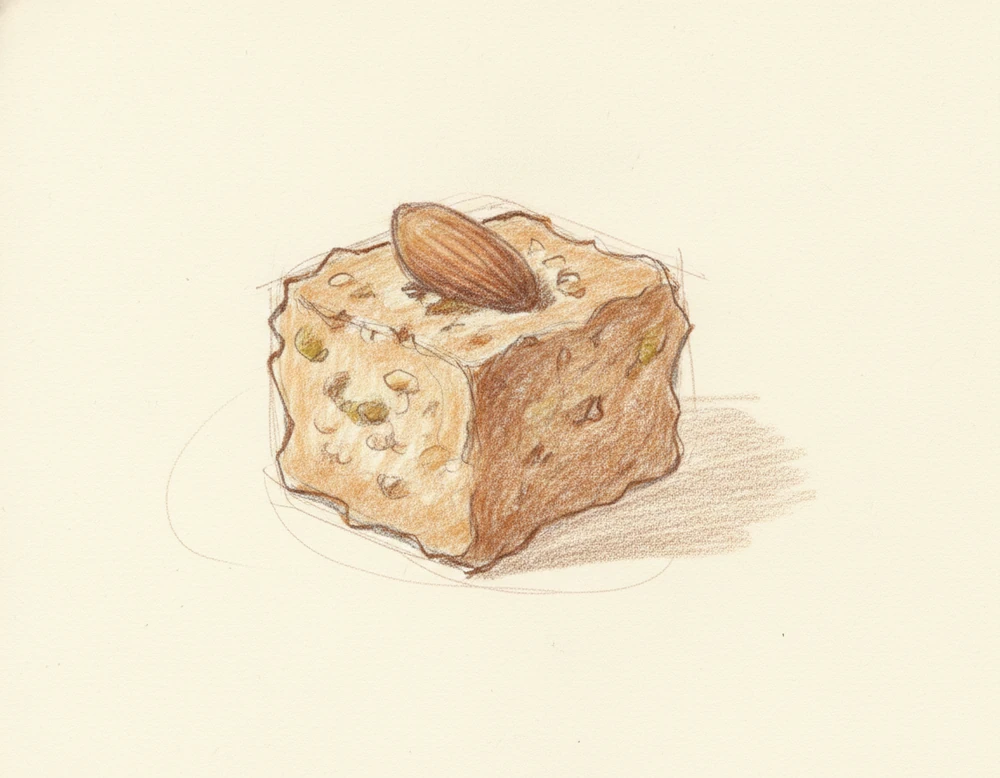
Almond biscuits called piscquett'l, cut as an irregular cube, made at Ceglie Messapica for centuries.
A pretzel-shaped savoury biscuit of medieval origin, made at home in Roccalbegna and handed down mother to daughter, each kitchen keeping its own mixing spoon for the job. The ingredients are all local, flour, olive oil, aniseed, white wine and salt, and because the oil was precious the biscuits belonged to special occasions. They keep for weeks and were eaten at breakfast or after a meal.
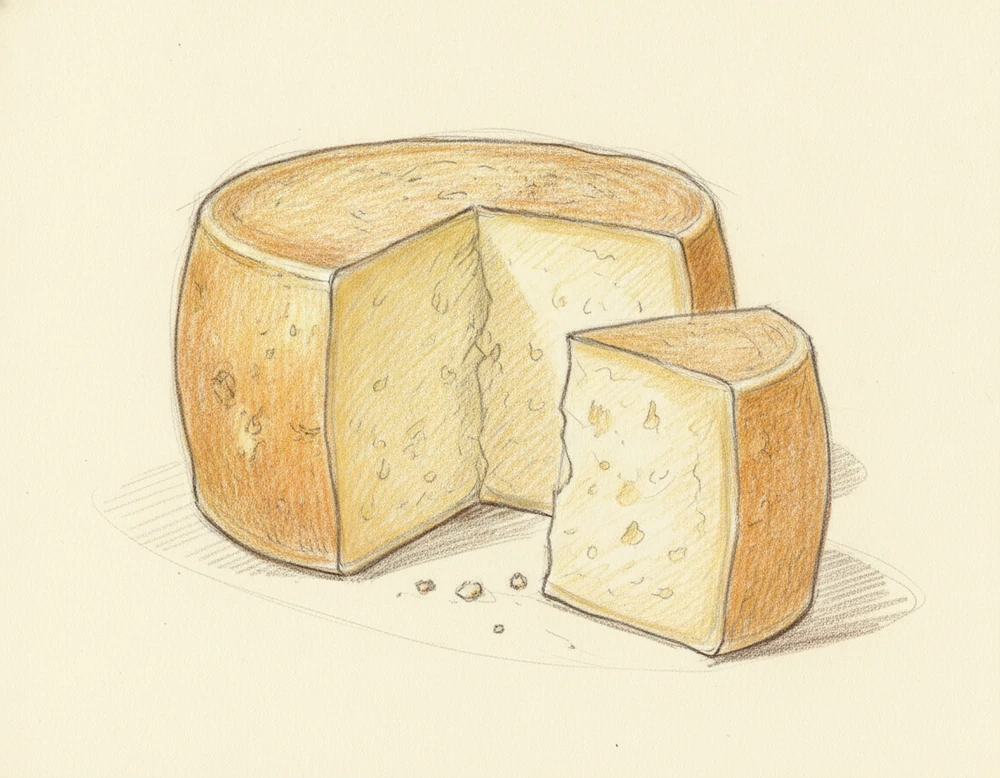
An alpine cow's-milk cheese from the Valtellina, made in the high summer pastures and aged long. Its zone is written not as a province but as a set of alpeggi, the named summer grazings themselves.
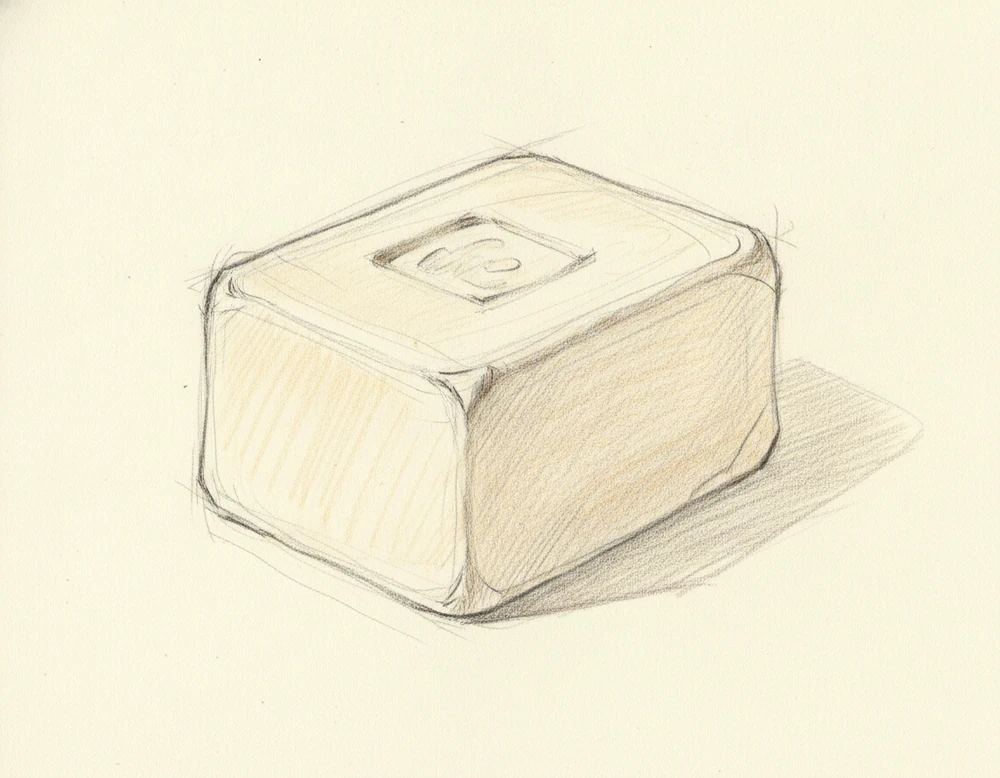
Venice's best butter came from the Primiero meadows, between the Pale di San Martino and the Lagorai, in the days of the Republic, on the strength of both the pasture and the handling of the milk.
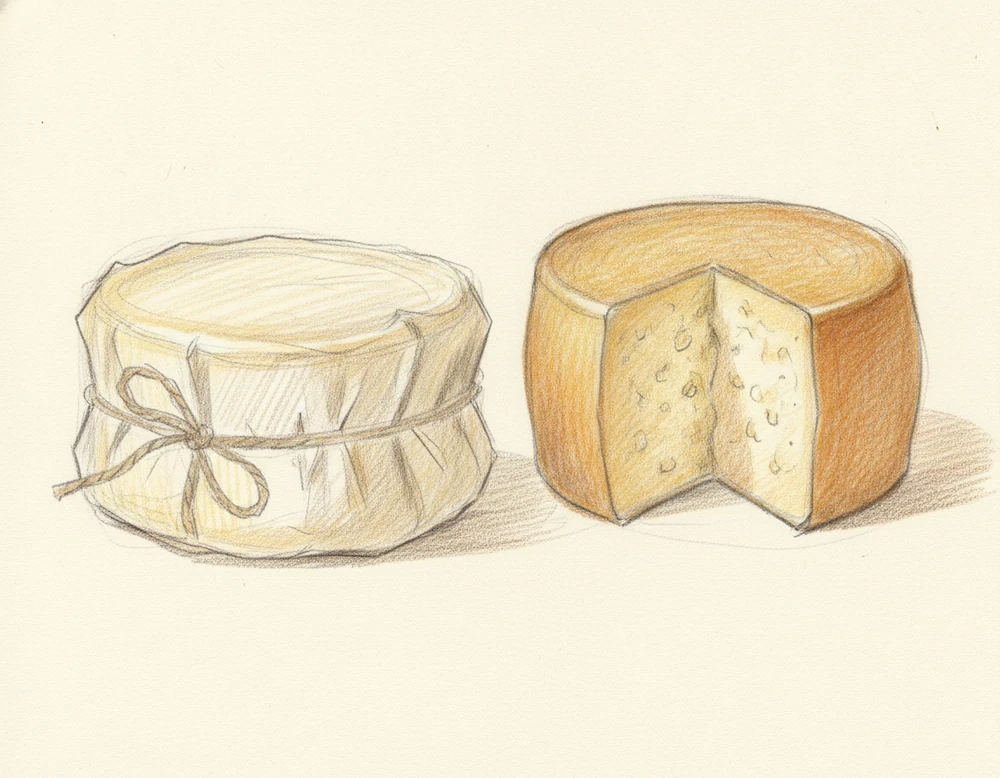
A pressed cow's-milk cheese from the Cuneo province, made in a Tenero and a Duro type. Small additions of sheep's or goat's milk are permitted, and the milk may be hygienised and inoculated with lactic ferments or natural starters.
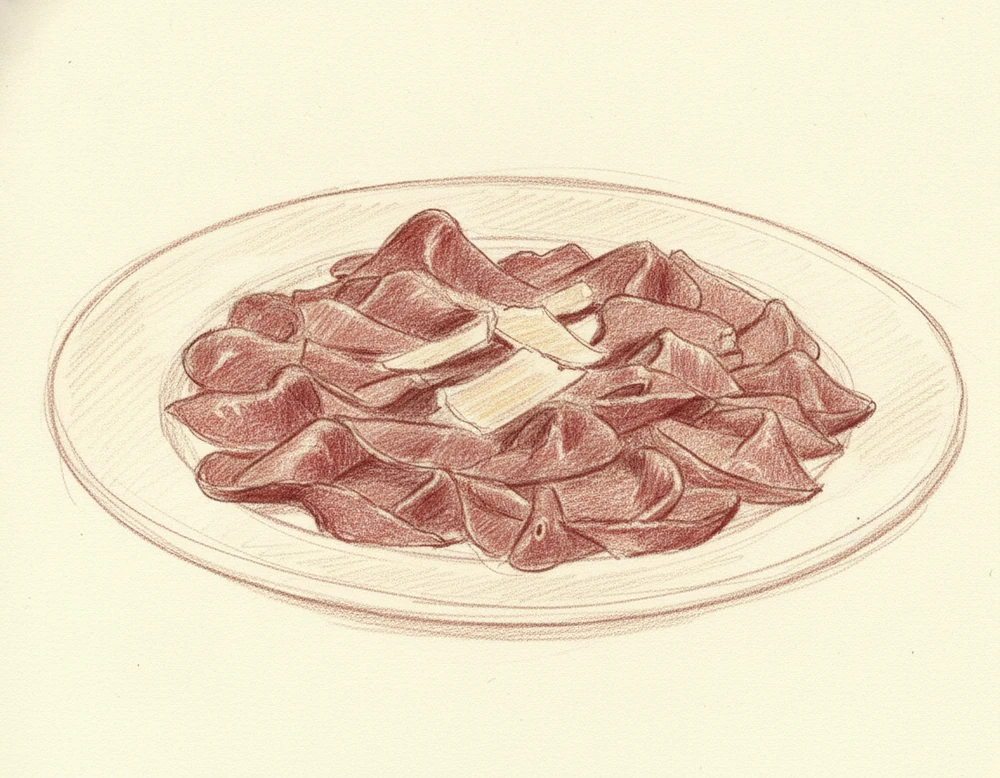
Air-dried salted beef from the Valtellina, the only major Italian cured meat made from beef rather than pork. It is cut from the boned leg of cattle aged between 18 months and four years.
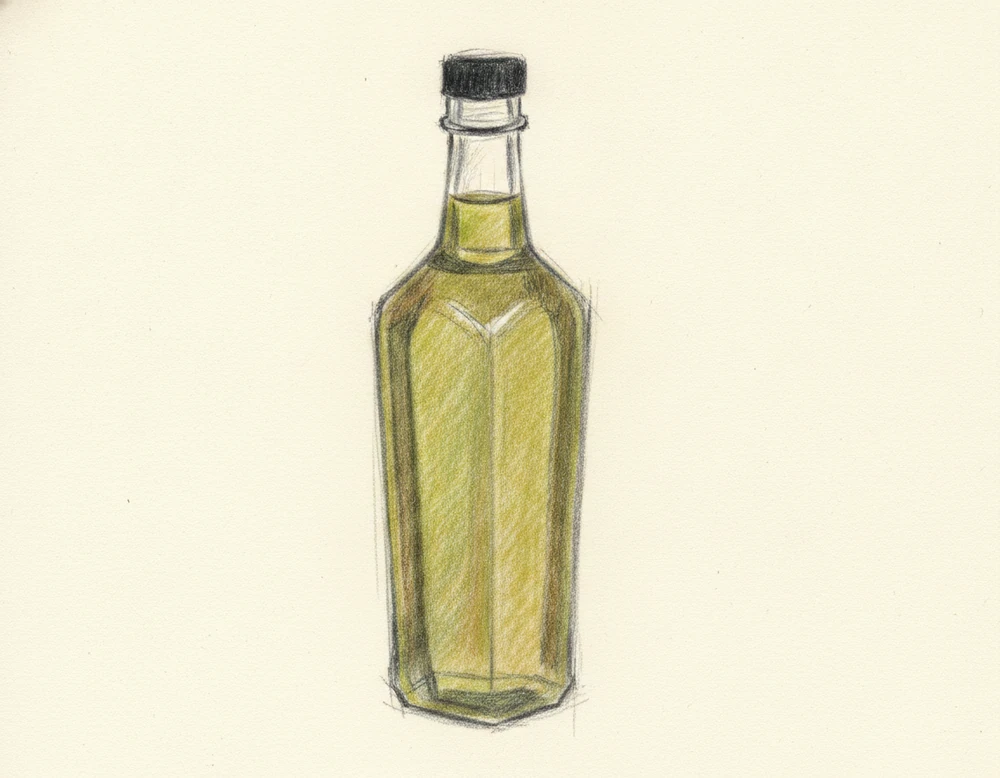
An extra-virgin olive oil from the Romagna hills, made from at least 90 per cent Nostrana di Brisighella, a variety that grows almost nowhere else. Up to 10 per cent of other varieties present in the groves may make up the rest.
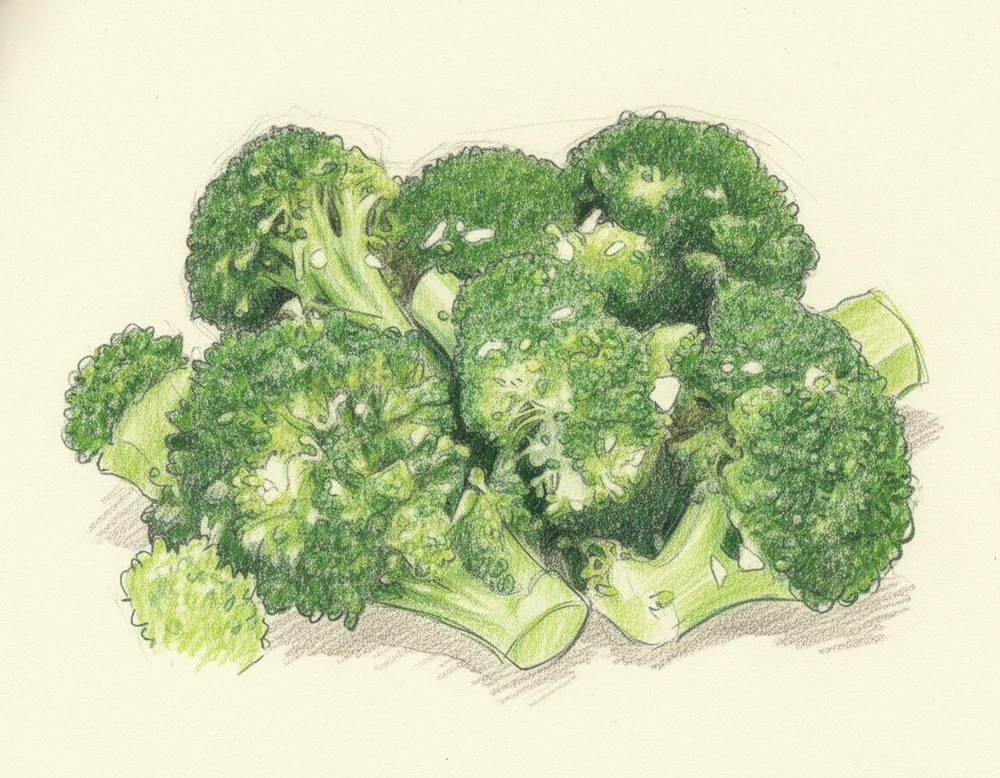
A medium-small plant with long, open, thin leaves on tender ribs and small budding side shoots. It never makes the head a broccoli usually makes, only a small heart of leaves at the centre, which together with the soil and the way it is grown sets it well apart from the Torbole or Creazzo types. It used to be put on the driest, stoniest ground, often as a second crop among the vines that now dominate the country.
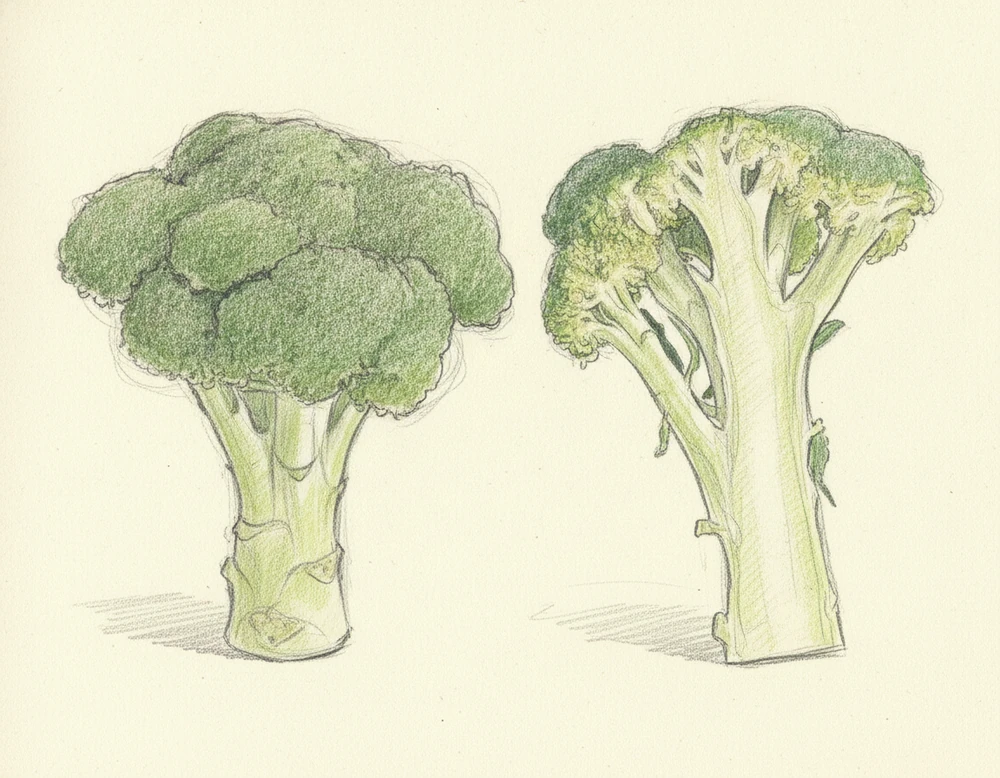
A spring broccoli selected by the growers of Paternopoli, whose horticultural reputation rests on fertile ground and abundant springs and was already being reported to Rome by local bishops in the 18th century.
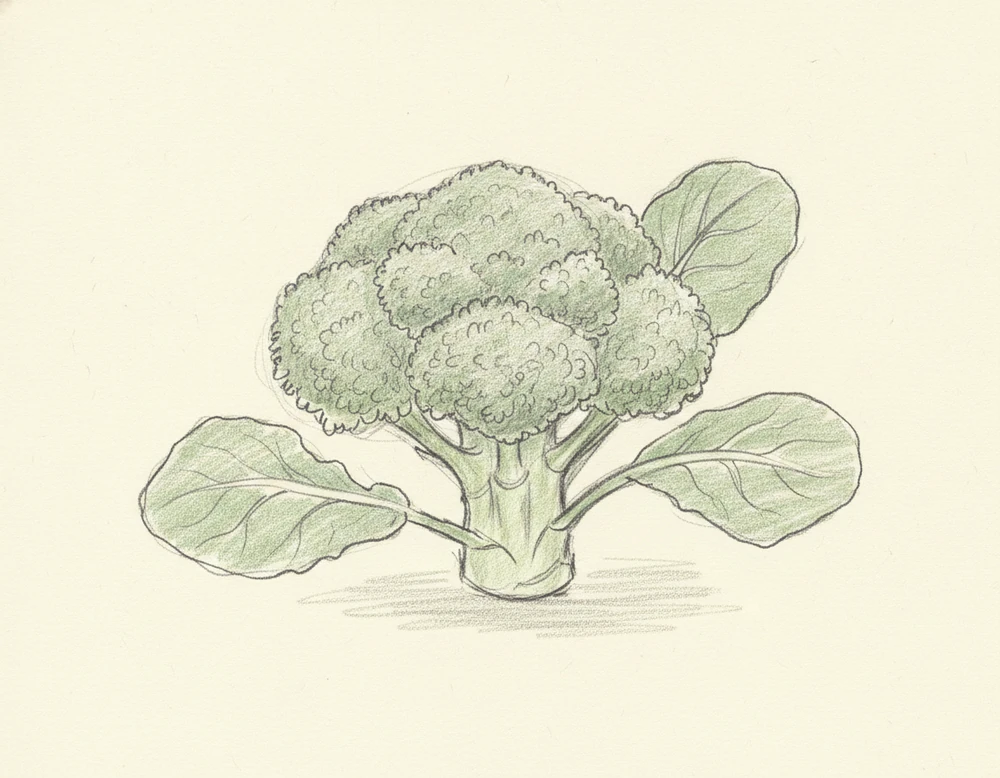
The pelèr, the northeasterly off Lake Garda, makes the microclimate: it lifts the temperature just enough over the market gardens of Torbole and Linfano to keep frost off the heads. The broccoli has drifted from the ordinary brassica type over time and refined its flavour along the way. It is small, 400 or 500 grams on average, grows fast, asks little, and its outer leaves are eaten too.
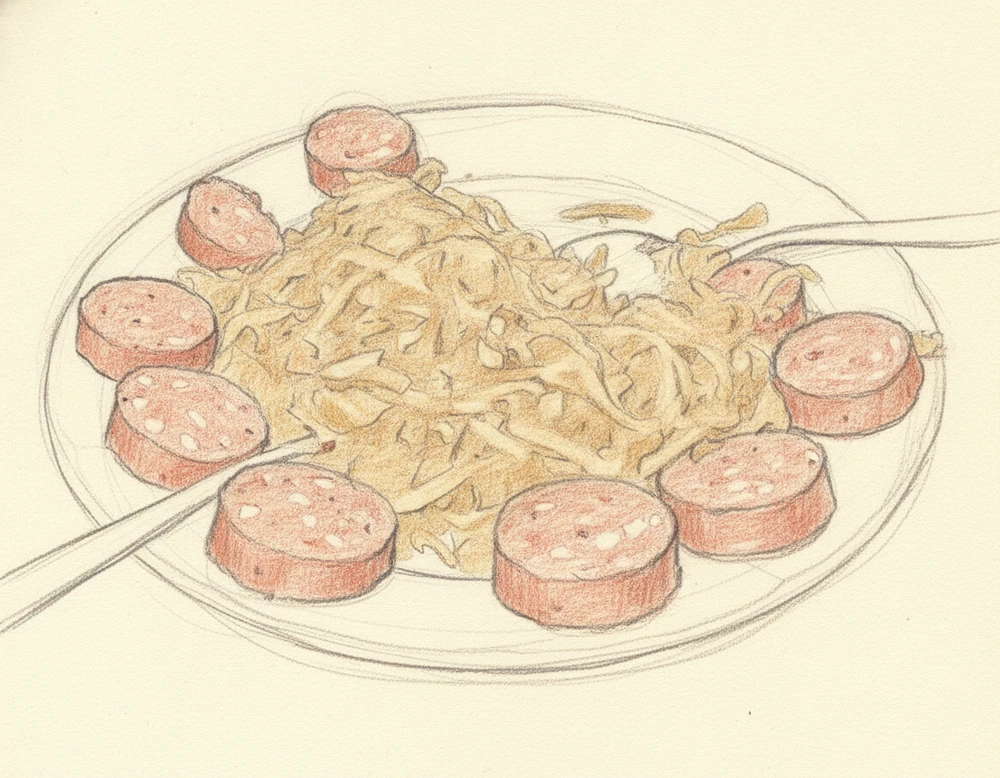
Turnips of the local rapa da brovada ecotype, fermented in grape marc and then shredded. At field maturity the root must be cylindrical or truncated-conic to suit the shredding, at least 12 cm long, with firm flesh.
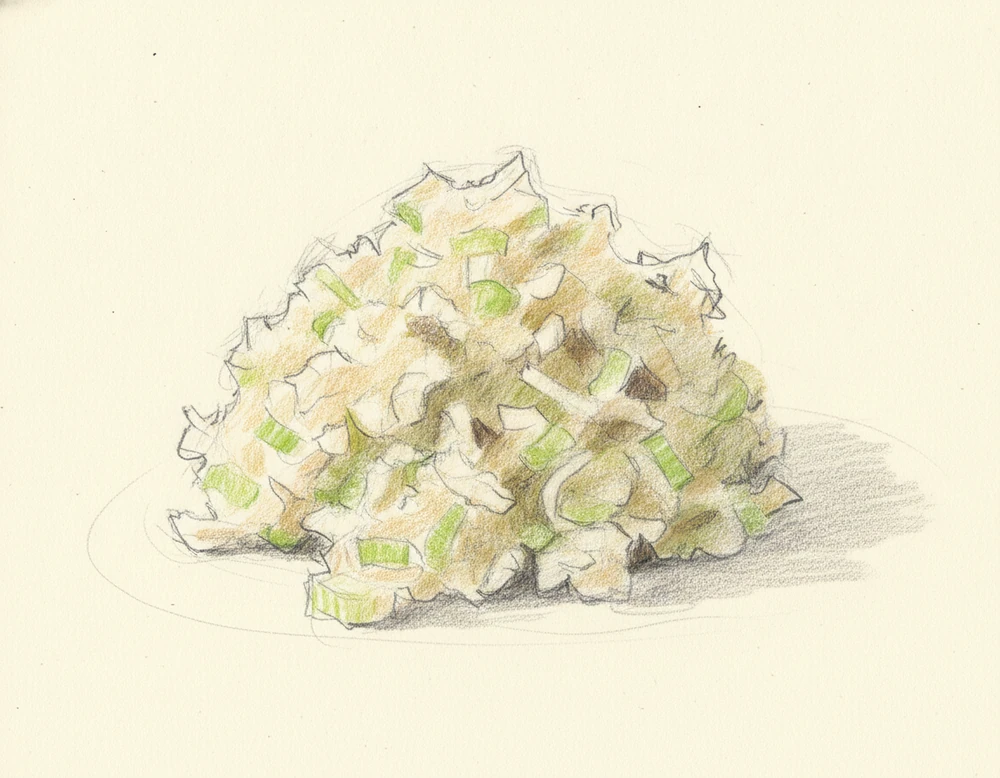
A mountain dish of fermented white turnips, related to the better-known brovada but not the same thing: brovedâr also names the pot the turnips ferment in, and Friulian has no other word for either. Where it came from is not documented; what it answers is the standing mountain problem of getting through the winter. Turnips were grown up here long before the potato, the bean and maize came from the Americas.
An olive oil DOP divided into named geographic mentions. Fascia Prepollinica, for instance, requires Tondina at 50 per cent or more, Carolea at no more than 30 and Grossa di Cassano at no more than 20.
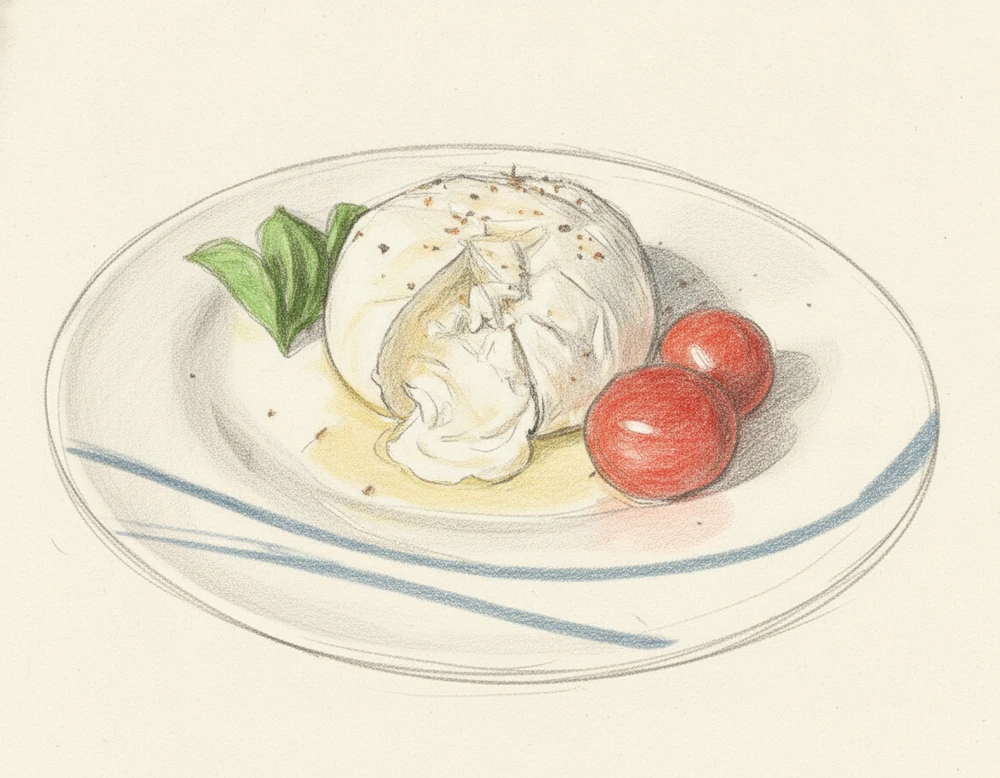
A cow's-milk cheese made by wrapping a pouch of pasta filata around a filling of cream and shredded pasta filata. The outer shell is pasta filata only; everything soft is inside.
Butter churned from risen cream in the upper Elvo valley near Biella, where abundant mountain springs shaped the practice: the cream goes to butter and the skimmed milk to toma. That is the opposite of the neighbouring Valsesia, which makes Macagn from whole milk.
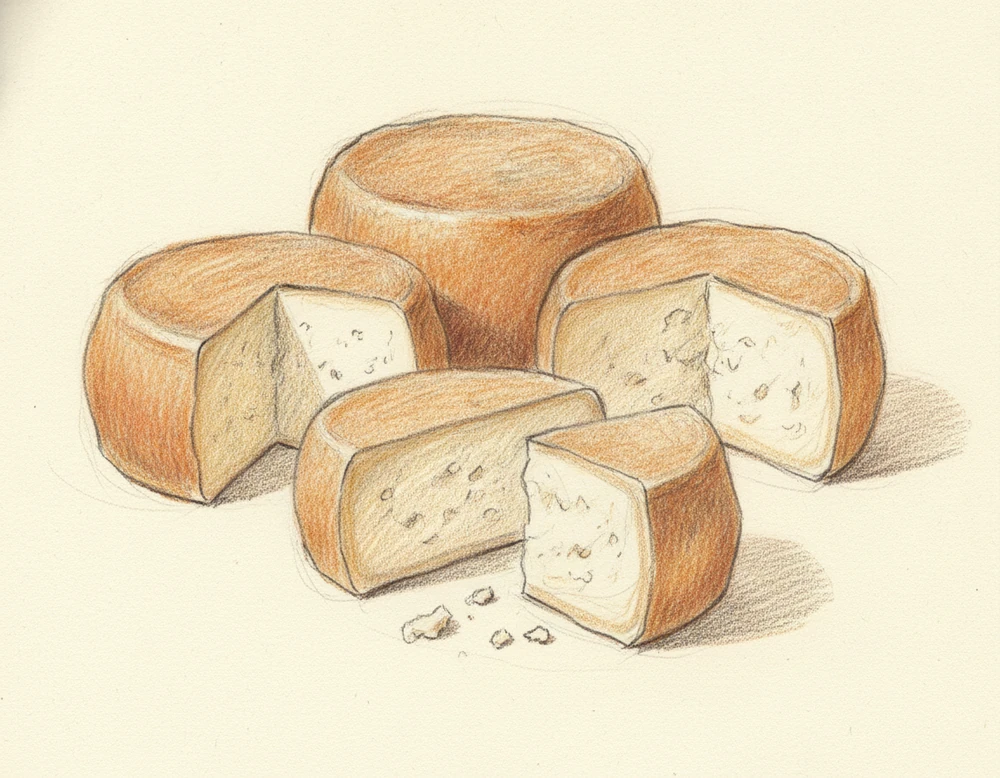
A pecorino from the edge of the Roman metropolitan area, first written of in the 1600s though the method is older. The milk comes from Comisana, Sarda and Massese sheep and their crosses, grazing through the season on pasture full of dandelion, wild oat, amaranth, mallow, cardoon and sowthistle, over volcanic tuff and many springs, and that is what the cheese tastes of.
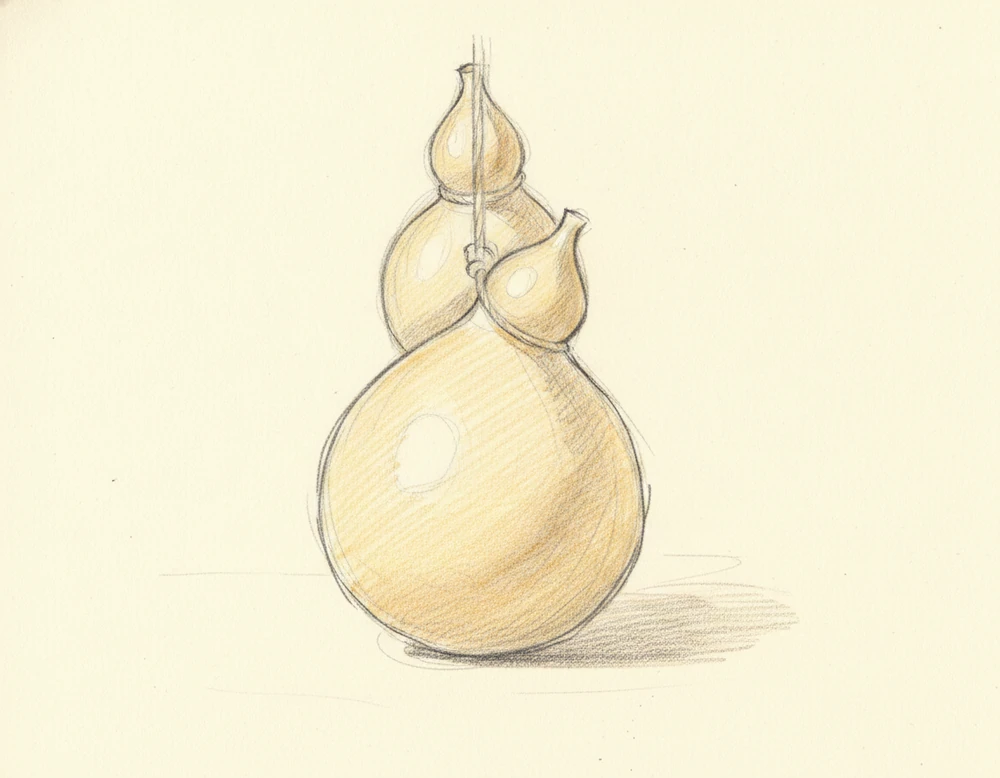
Good caciocavallo is made all over Calabria and the south, by much the same method, so what differs is the pasture, the climate and the hands. Ciminà makes two: the classic oval, and a small elongated one tied into two knots. That double-headed form is unique in Italy and no specialist literature connects it with the place it comes from.
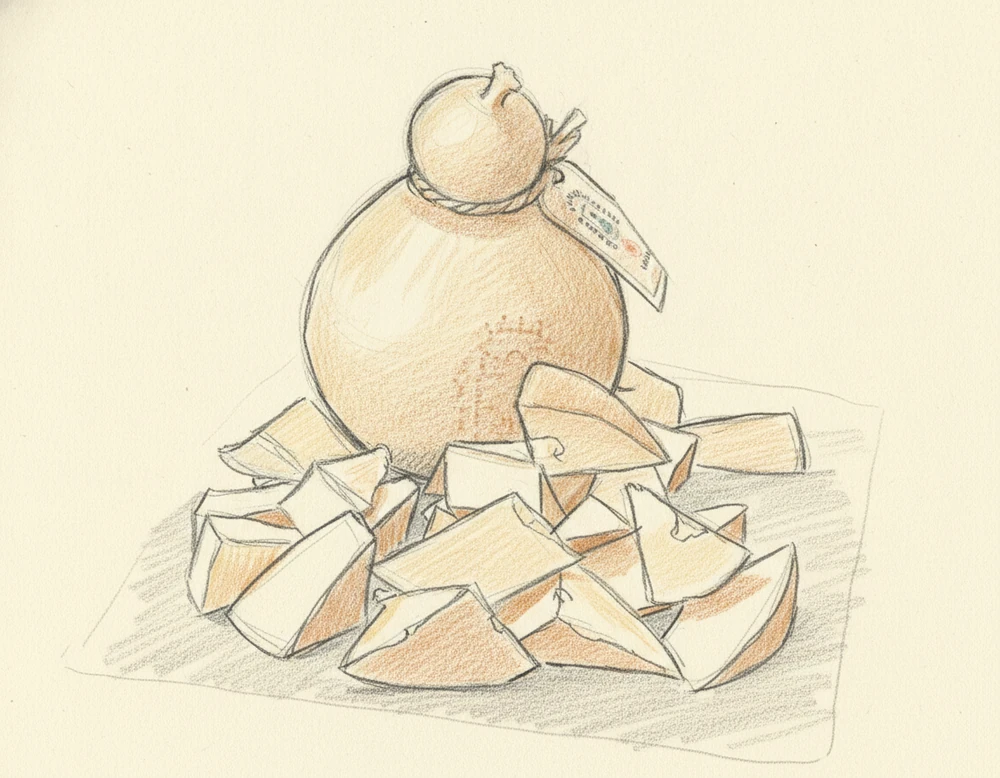
Caciocavallo from Podolica cows grazing the Gargano. The breed gives very little milk, but what it gives makes remarkable cheese. Podolica cattle were once among Italy's most common and are now confined to a few areas of the south.
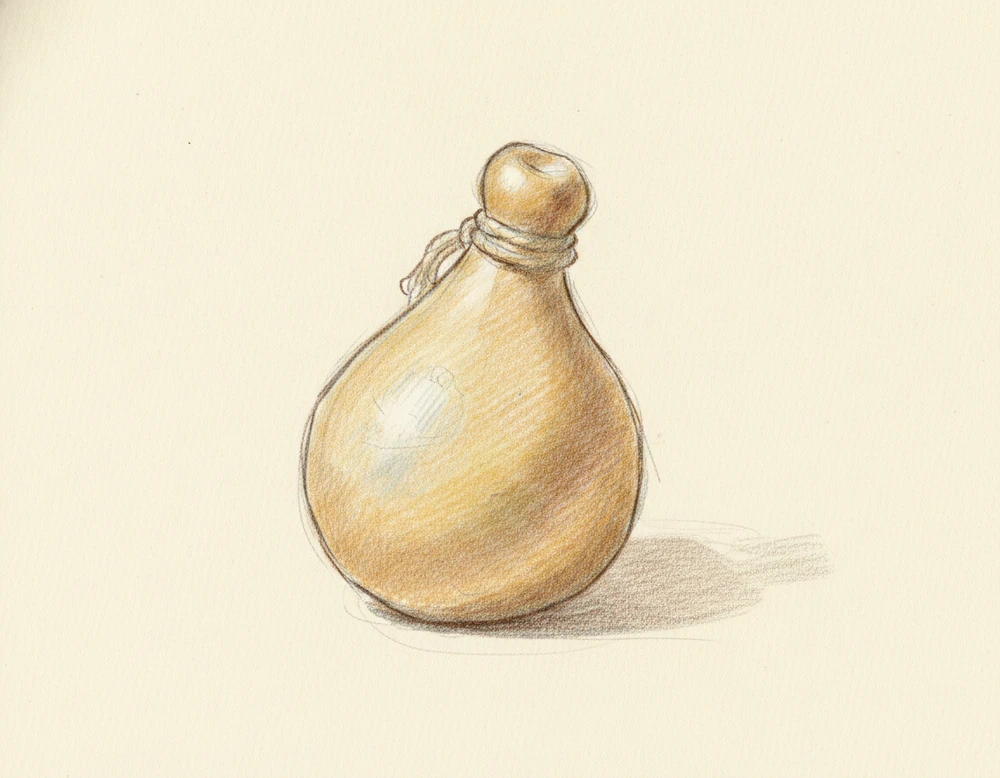
Caciocavallo stands for the whole southern cheesemaking tradition, the stretched-curd method having been worked out here over centuries to make cow's milk keep. The Podolico is the prized version, made from the milk of the Podolica cattle still kept through the southern Apennines.
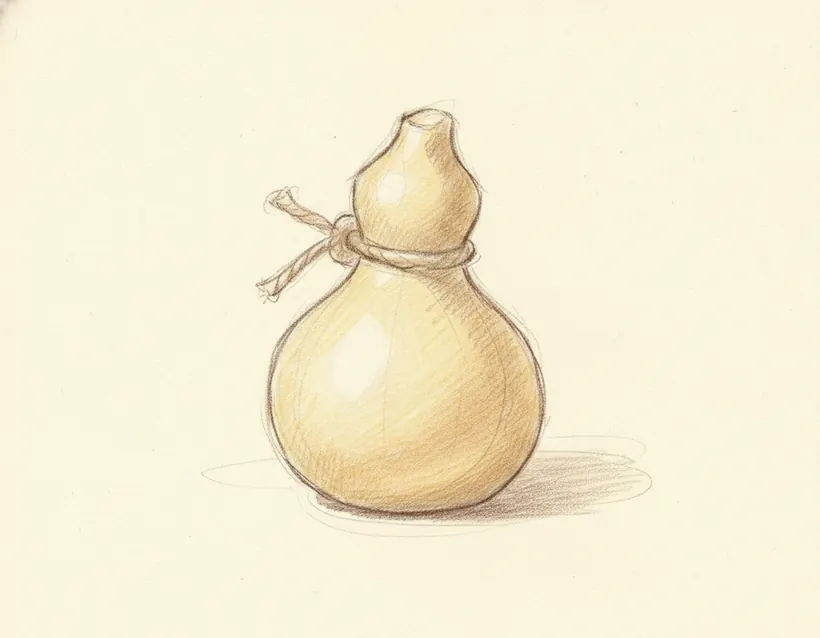
A gourd-shaped stretched-curd cow's-milk cheese aged tied in pairs over a beam, firm and piquant.
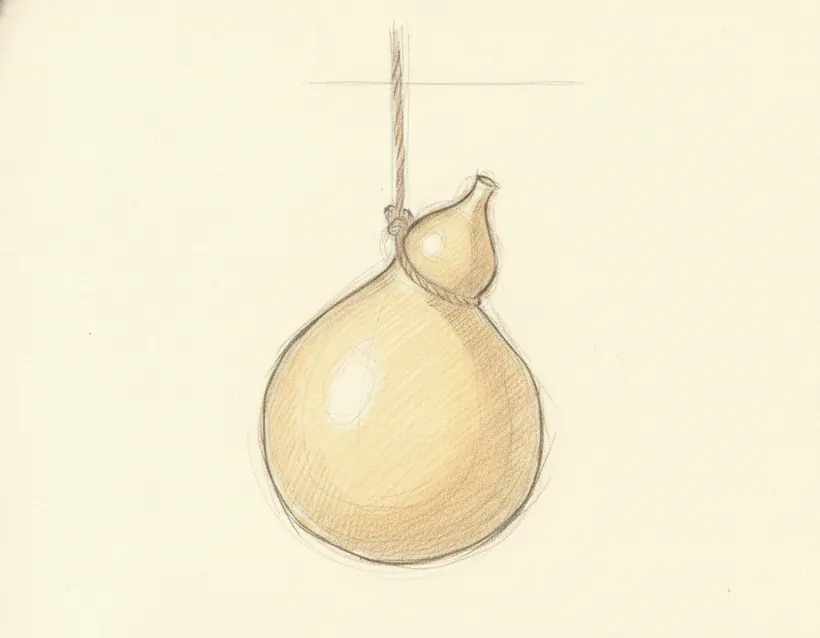
A gourd-shaped stretched-curd cow's-milk cheese of the Sila highlands, aged tied in pairs over a beam.
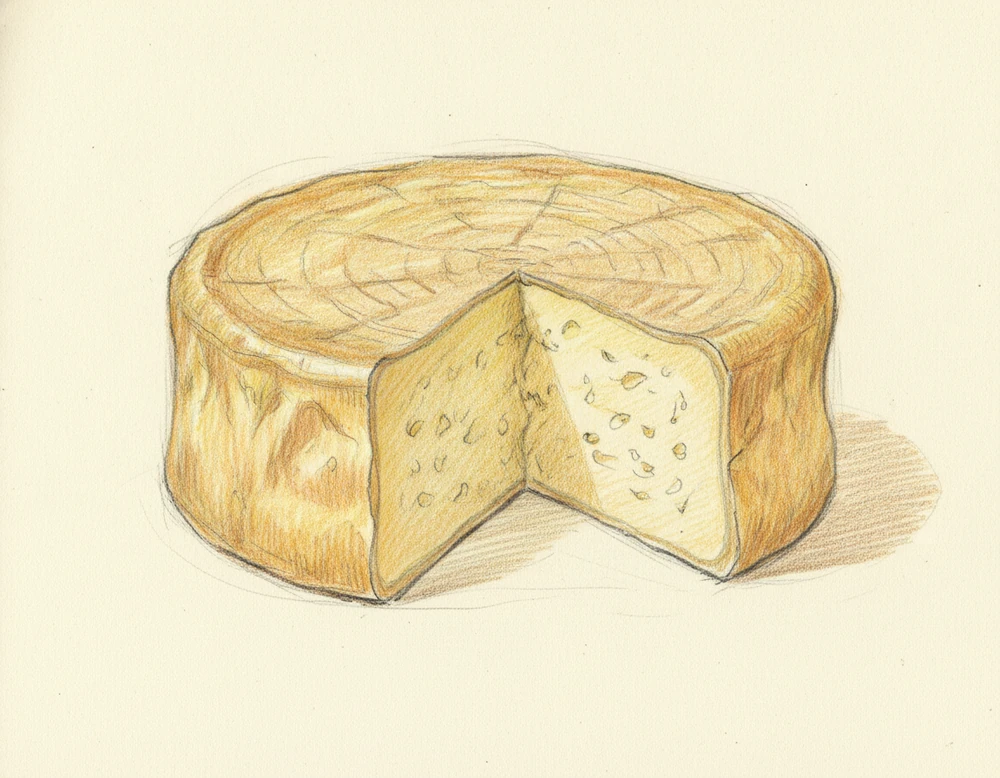
Something like an ancestor of Pecorino Romano, but set with vegetable rennet made from the flowers of globe artichoke or cardoon, which was ordinary practice in Roman antiquity. The rind is wrinkled and yellowish over a soft compact paste with small eyes and a surprisingly creamy heart; the taste is strong and a little bitter.
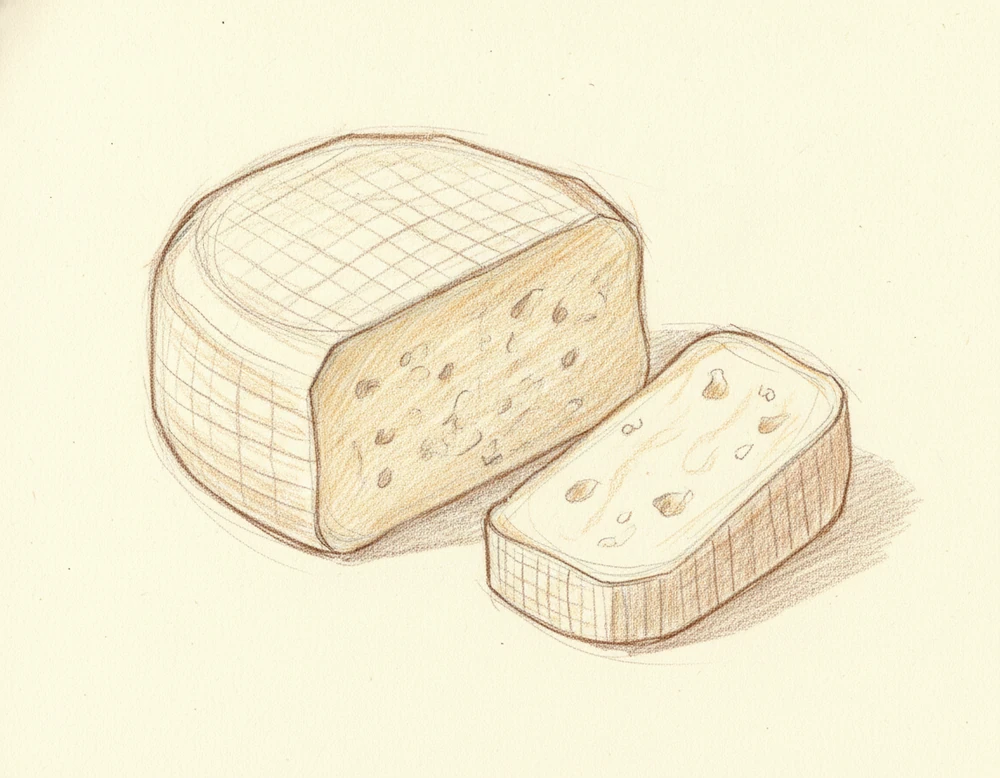
A goat cheese of the Cilento, home of the local Cilentana breed. The grazing is Mediterranean macchia, shrub and tussock grass, and that shows in the cheese's aromatic complexity. The name comes from the unusual curdling technique, which sits between a cacio and a ricotta.
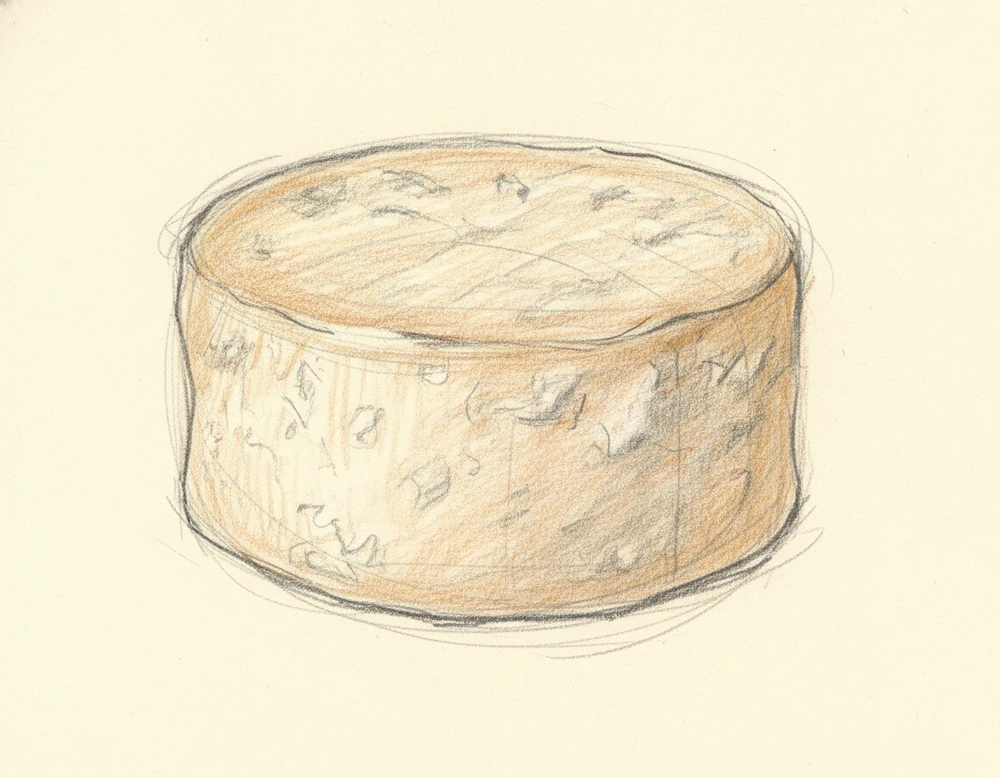
A cylindrical cheese with a straight heel and rounded faces, 20 to 22 cm across and 9 to 11 cm deep, weighing 3.2 kg give or take 12 per cent, made from cow's and sheep's milk.
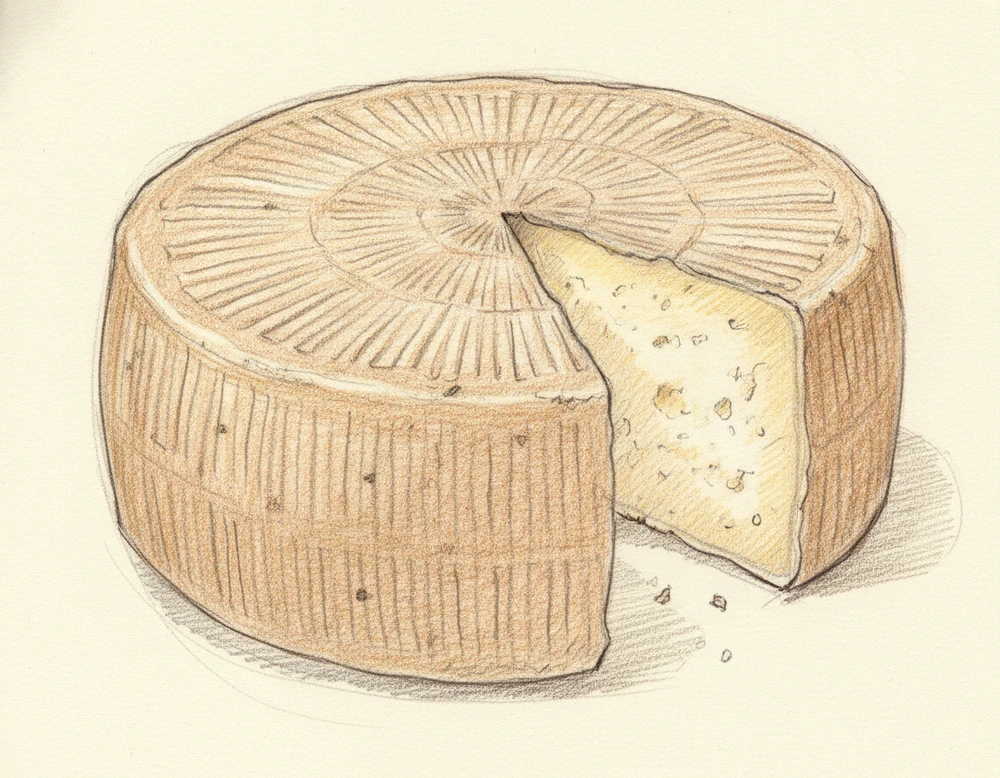
Three hundred forage species have been counted on the Gran Sasso pastures against 20 or 30 in an Alpine meadow, and that, with the dry air at altitude, is why sheep have always come here. Flocks were brought up seasonally from the Tavoliere in Puglia, from the Agro Romano, the Maremma and the Terra di Lavoro around Caserta. Transhumance and the cheeses that went with it run through the whole history of Abruzzo, and the Gran Sasso and Monti della Laga is where it ends up: Campo Imperatore, a plateau 19 kilometres long at 1,800 metres.
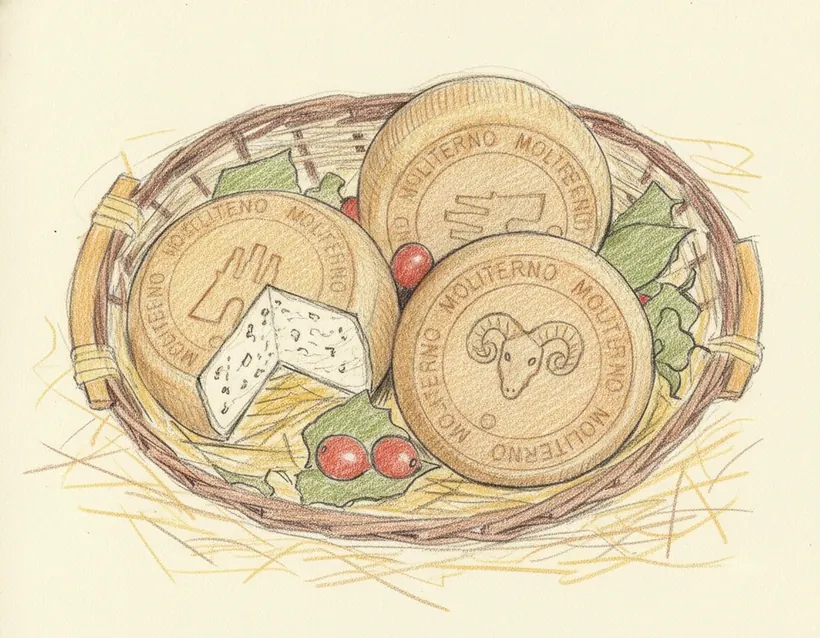
A hard aged cheese of mixed sheep's and goat's milk from Moliterno, ripened in ventilated cellars and ridged by the reed basket ('canestro') it is pressed in.
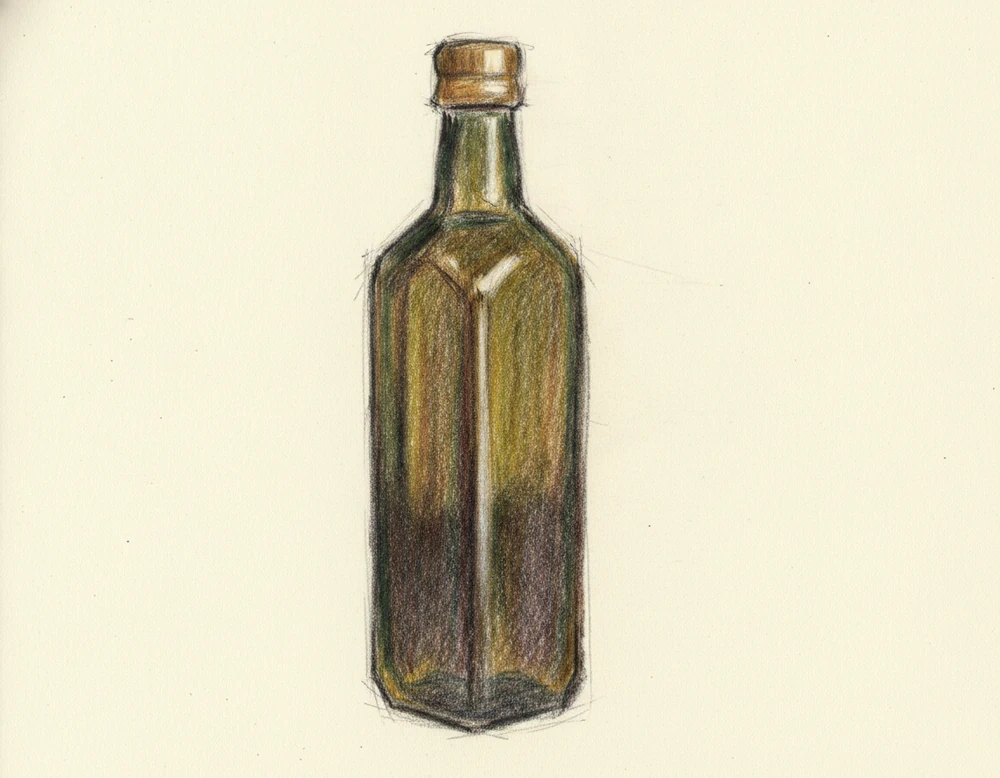
Extra-virgin olive oil from the Tuscia, built on the native Caninese and its clones together with Leccino, Pendolino, Maurino and Frantoio, which may make up the whole grove between them.
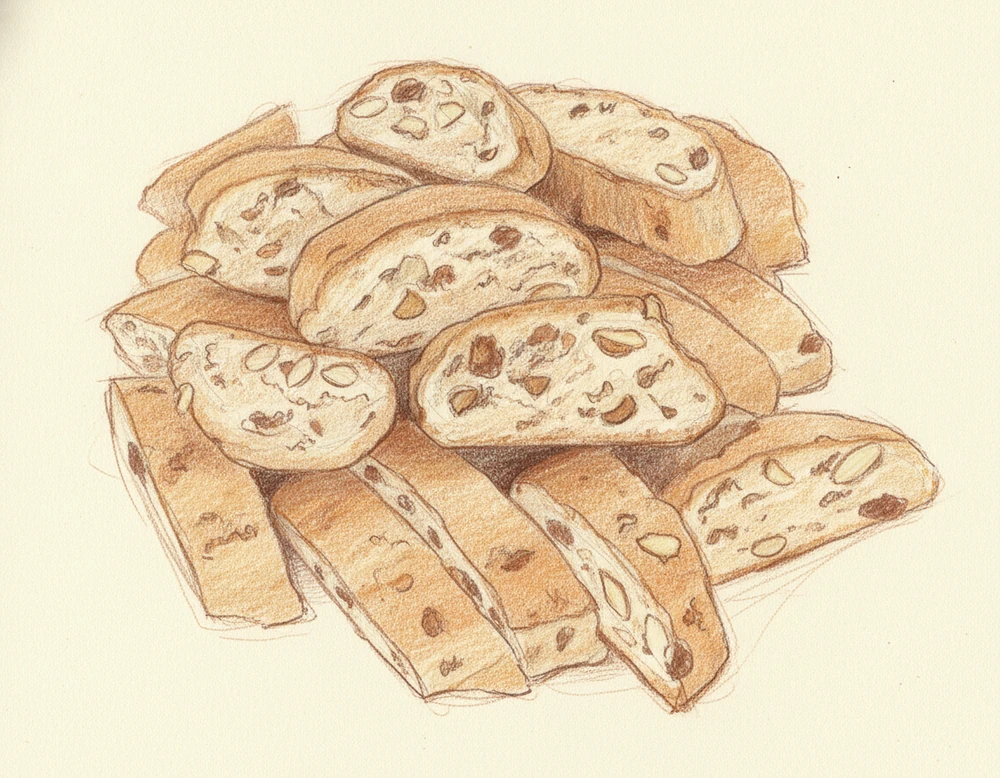
The twice-baked almond biscuits eaten with Vin Santo, made from flour, whole natural unpeeled sweet almonds, sugar, eggs, butter and honey. The half-oval shape comes from cutting the baked log on the diagonal.
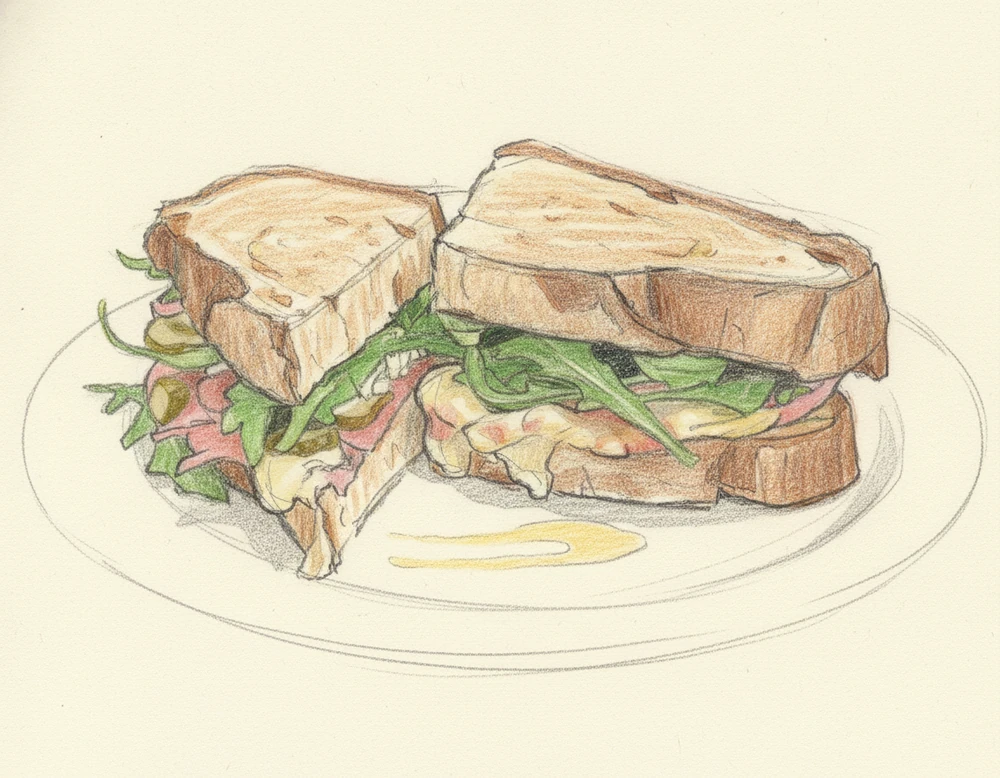
Capicoddho azze anca belongs to the Bovesìa, the Grecanica country of the Reggino where the Greeks of Calabria are: a Hellenic-speaking minority still present in numbers, and in villages inland, Bova, Gallicianò, Roghudi, older people still speak Greko, close to what the farmers and shepherds here took from the ancient Greeks. The capicollo di coscia, cut from the leg, was and is central to the pork butchery of that country.
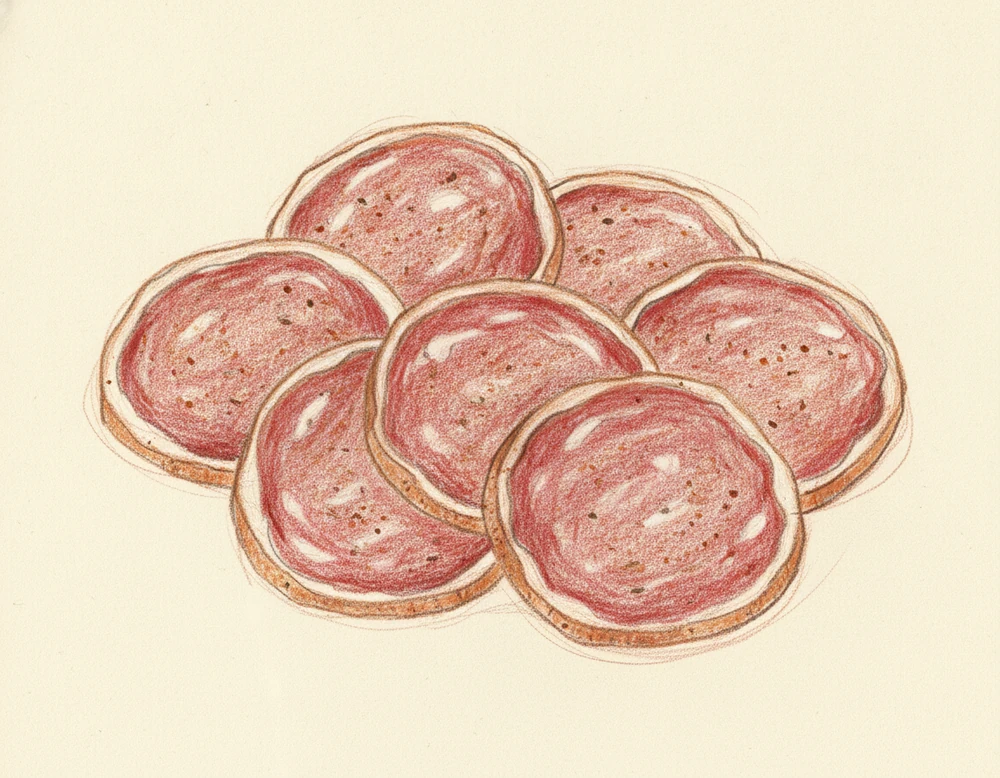
The cured neck muscle of the Calabrian pork tradition, made alongside Pancetta, Salsiccia and Soppressata di Calabria under the same rules on raising and working the pigs.
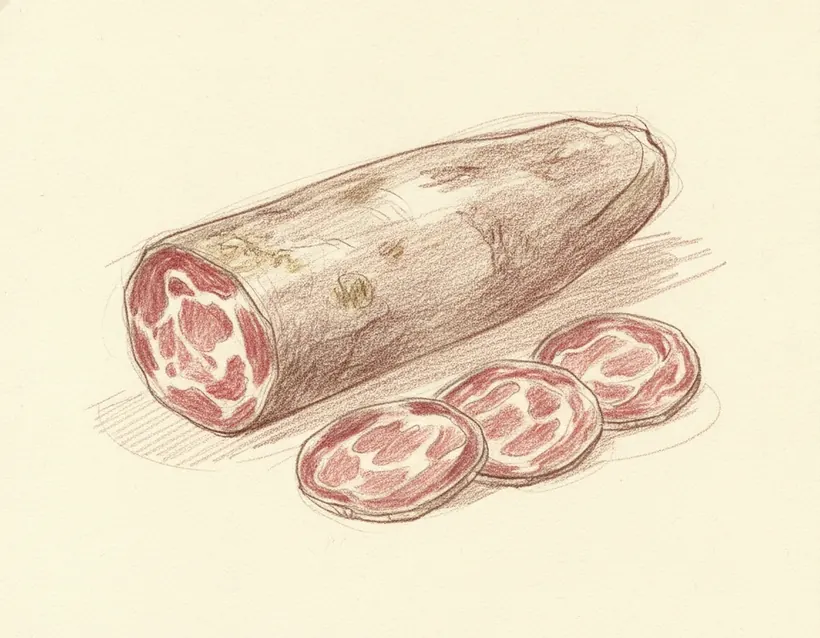
Cured pork neck of the Valle d'Itria, marinated in cooked wine (vincotto) and lightly smoked with fragno-oak bark.
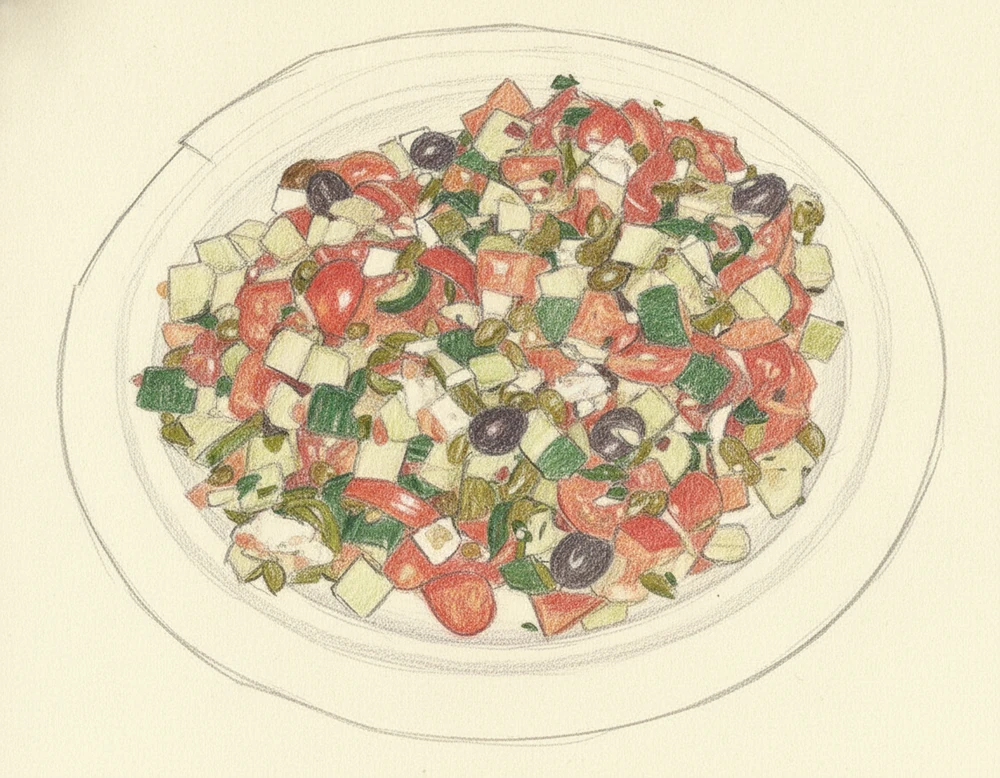
Covers both the capers, meaning the flower buds, and the cucunci, meaning the fruits, of Capparis spinosa in its spinosa and inermis subspecies, including the Nocellara, Nocella and Spinoso di Salina biotypes.
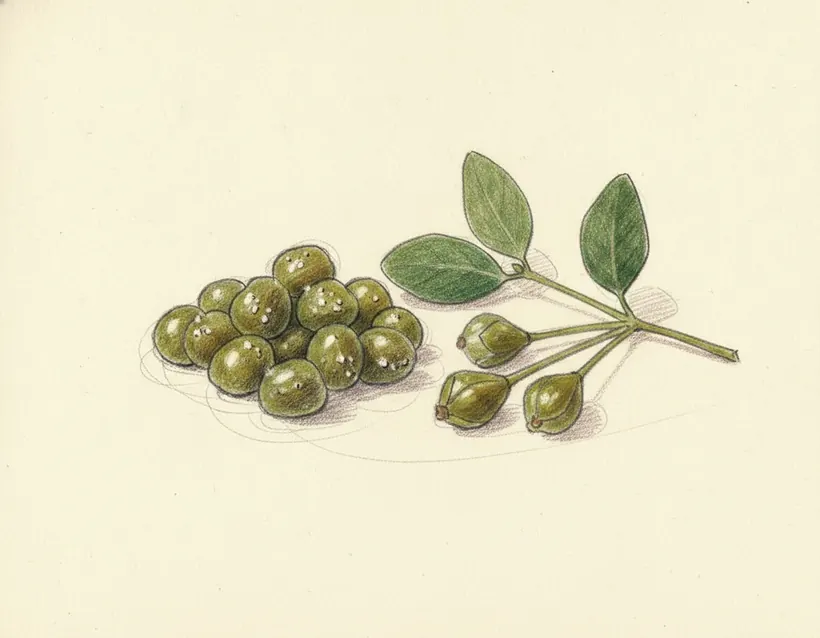
Firm, aromatic sun-dried capers from the windswept volcanic island of Pantelleria, preserved in salt.
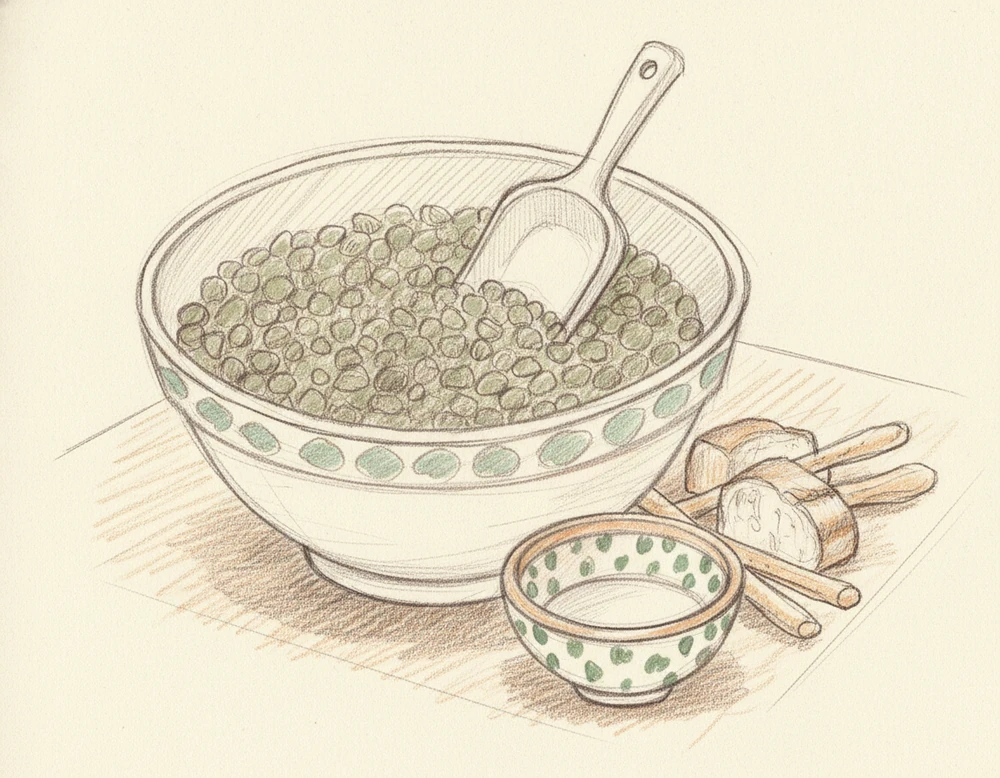
Capers have grown around the Mediterranean forever, and on Salina they are part of the look of the island; before tourism, capers and Malvasia were the economy.
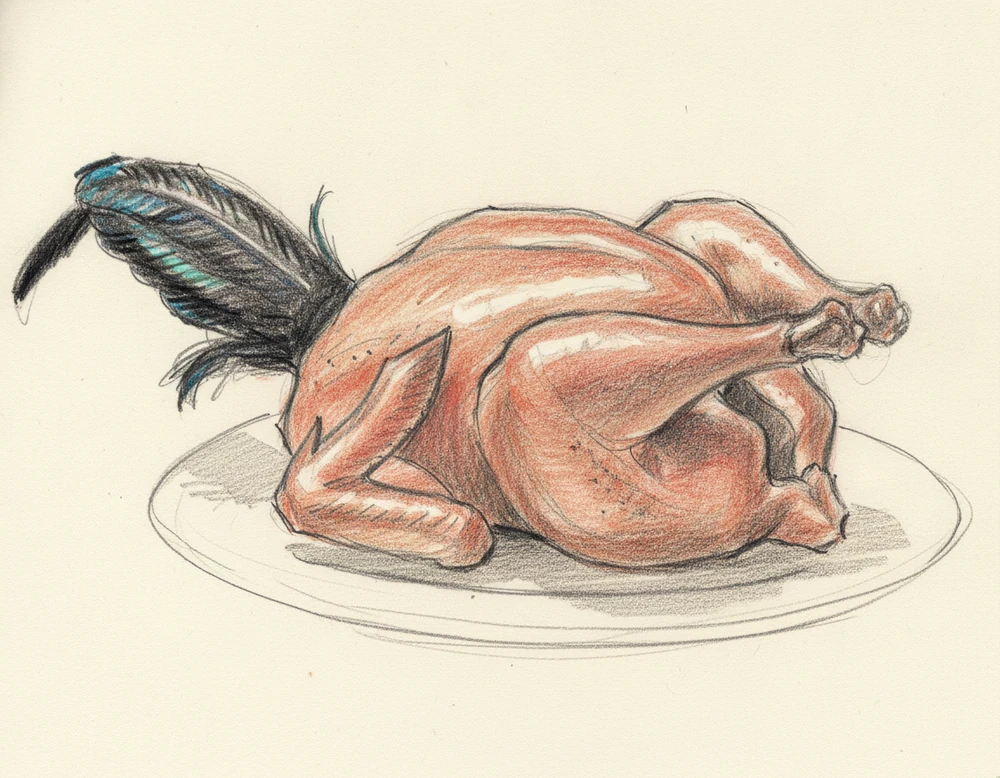
Capons of the Morozzo breed. Grown, the birds carry a long black metallic tail and glossy brick-red feathers edged blue or green. Cockerels are hatched in spring, castrated in August, then run free another four or five months, which is what makes the meat tender.
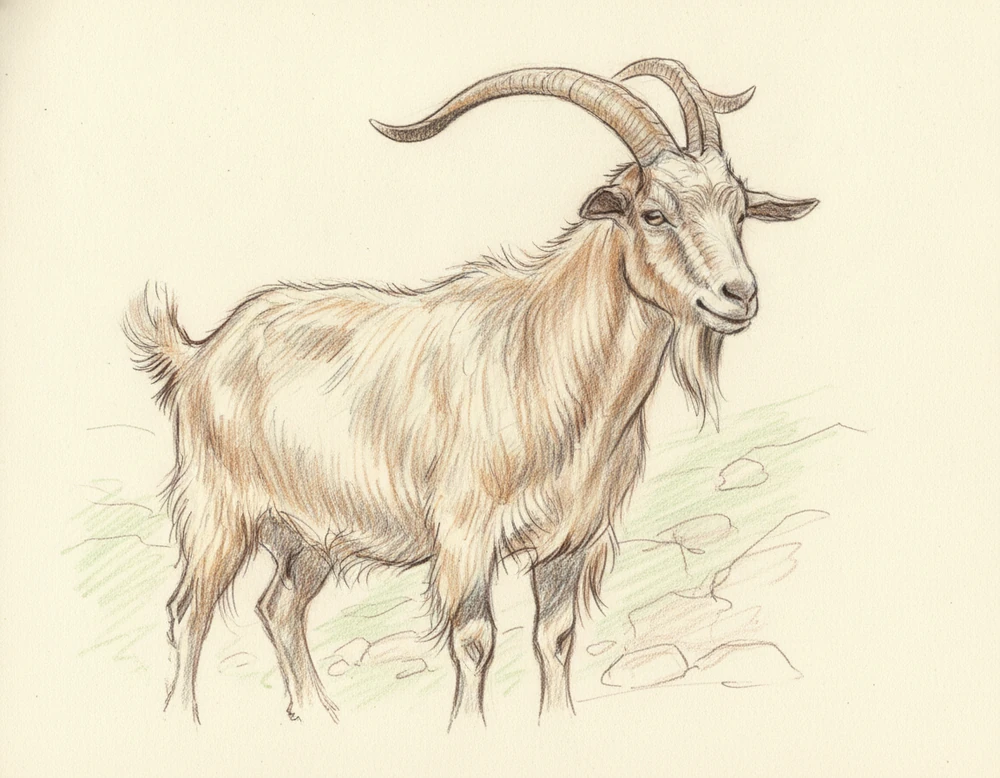
An old goat native to the Gargano promontory, called Nustrala, the local one, in dialect. It suits both milk and meat and is left to range freely; goat-keeping has always mattered to the economy there.
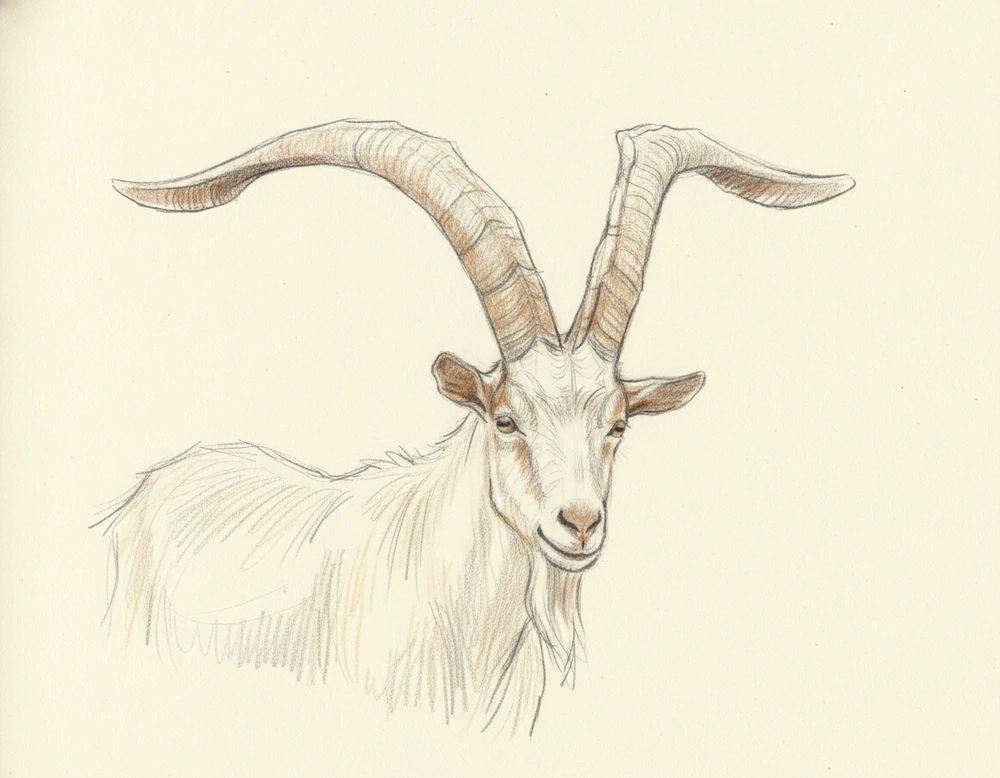
A goat breed named after Girgenti, now Agrigento, and unmistakable for the long spiralling horns that reach up to 70 cm on the males. With those horns and its white coat it resembles the wild goats of Asia, and it was most likely brought to Sicily by the Arabs after 827.
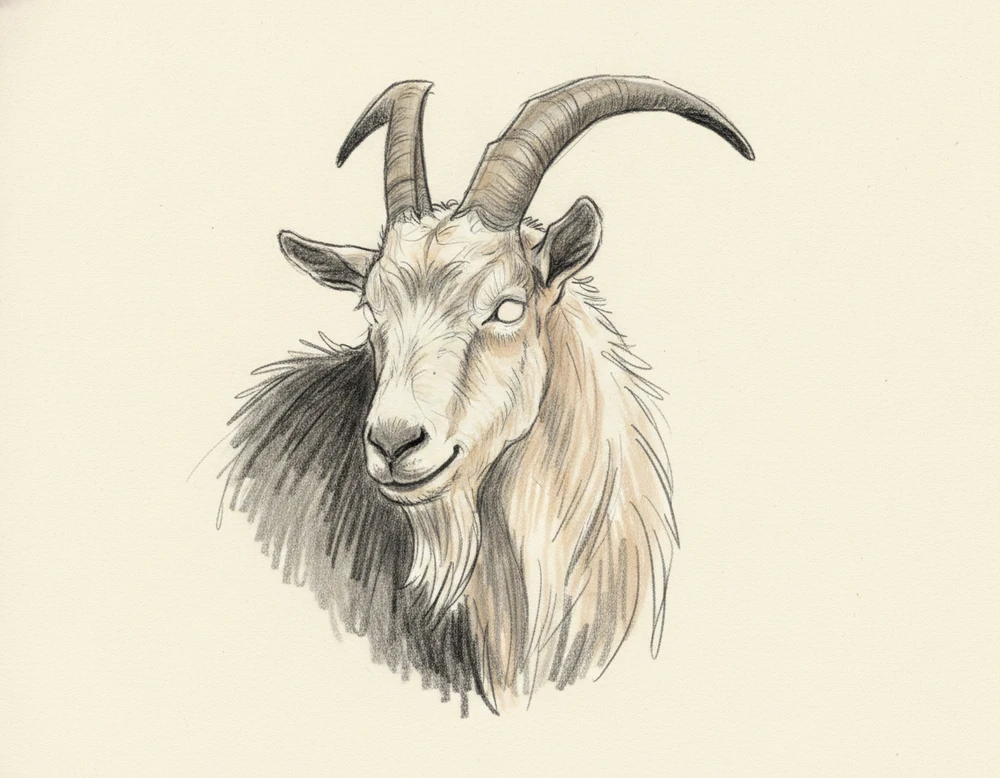
Big horns twisting outwards and a long coat that comes grey, beige, black, brown or dappled, most often black-grey behind and white-beige in front. Its history is not clear; the likeliest account puts its origin in the Val Gerola in the Sondriese, where isolation let it diverge from other goats and hardiness fitted it to pastures nothing else could reach. Every family used to keep them.
Named for the sorì, the Piedmontese word for the sun-facing flank of a hill, the south-east to south-west slopes where the best vineyards sit and where Mediterranean crops will also grow this far north.
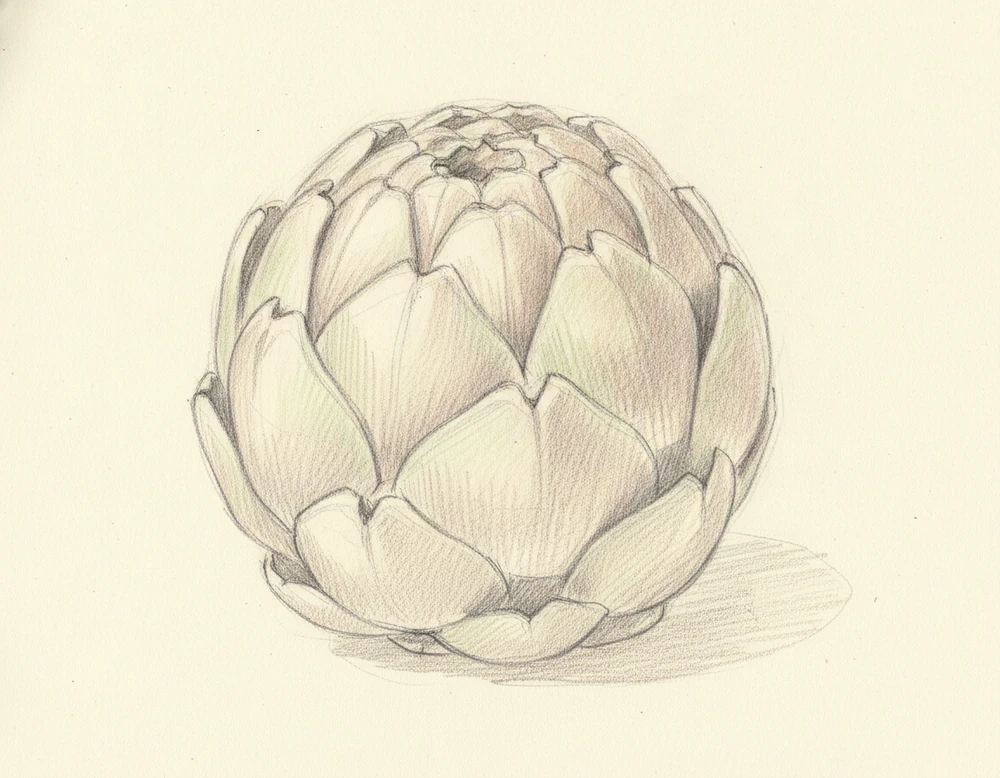
A rare white artichoke from Pertosa and neighbouring Auletta, Caggiano and Salvitelle. The heads are spineless, large, round and globular, with a distinctive hole at the top and flesh pale enough to give it its name.
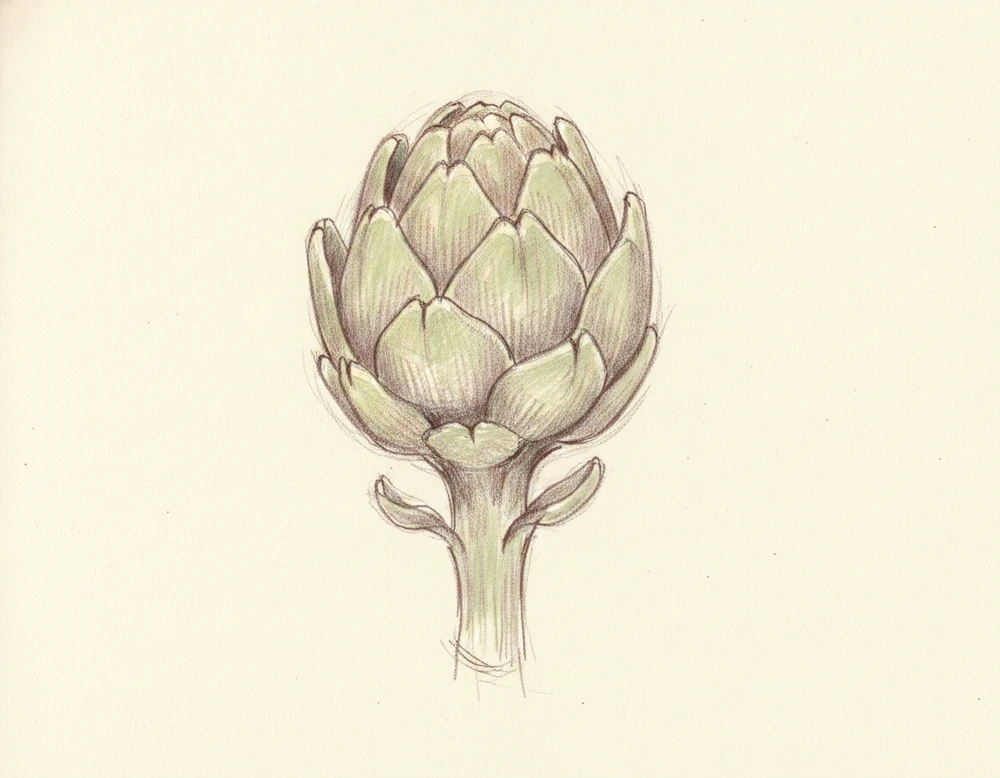
Artichokes of Cynara cardunculus subsp. scolymus from the local Carciofo Brindisino ecotype, a medium-height plant of high productivity grown on the Brindisi plain.
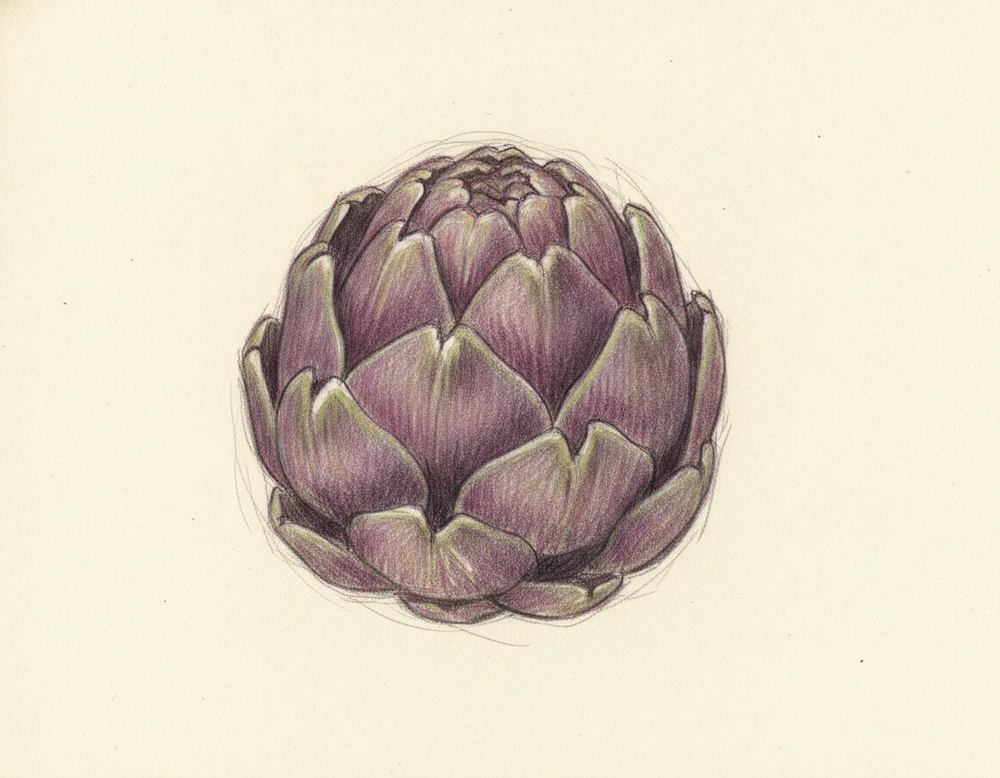
The scarciofeno grows between the Chienti and the Potenza: deep purple, smaller than most artichokes, with no choke and no spines, and late. There are two ecotypes, one with more serrated leaves, earlier from the end of March and more productive, the other less serrated, smaller, later and less generous. A young plant can carry ten heads, but after a few years it is down to four.
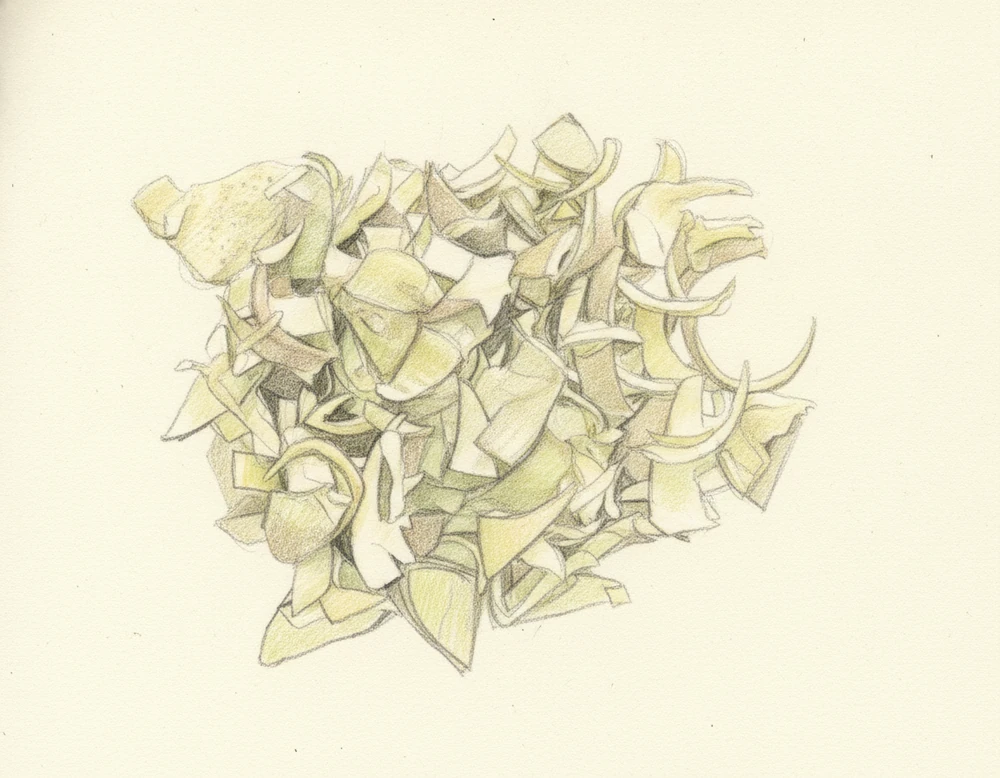
An artichoke from the plateau town of Niscemi, just over 300 m up in the Caltanissetta hills, beside the Sughereta di Niscemi reserve, which preserves the last strip of what was once a wide cork-oak wood.
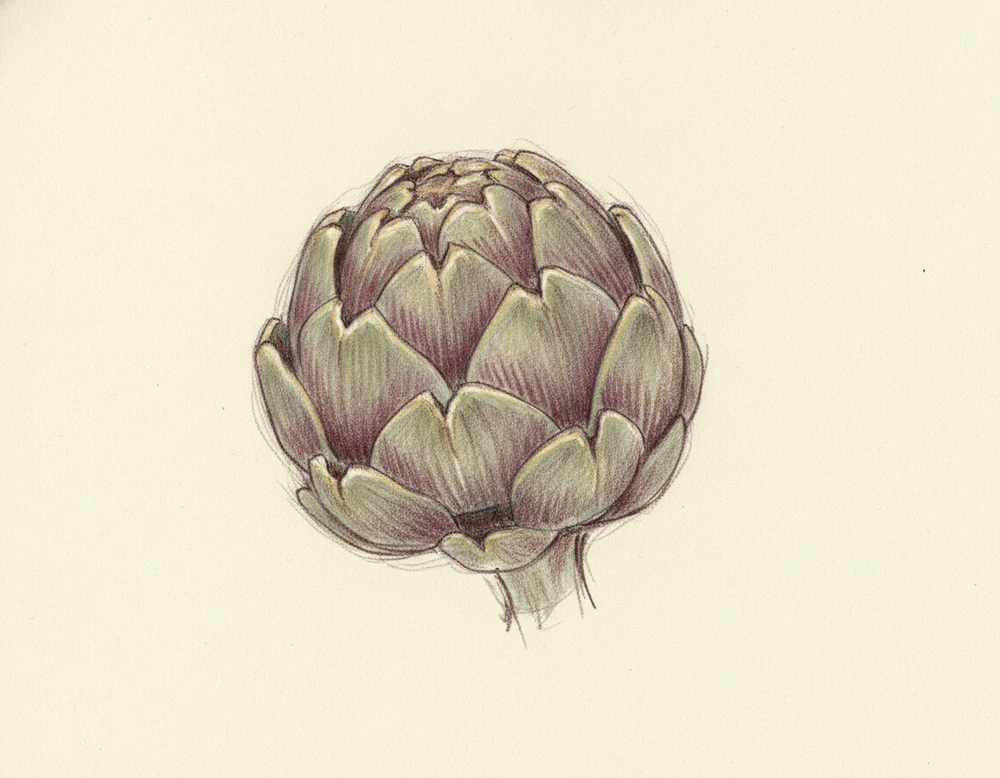
Artichoke heads of biotypes of the Romanesco type, known locally as Tondo di Paestum, grown on the Sele plain behind the Greek temples.
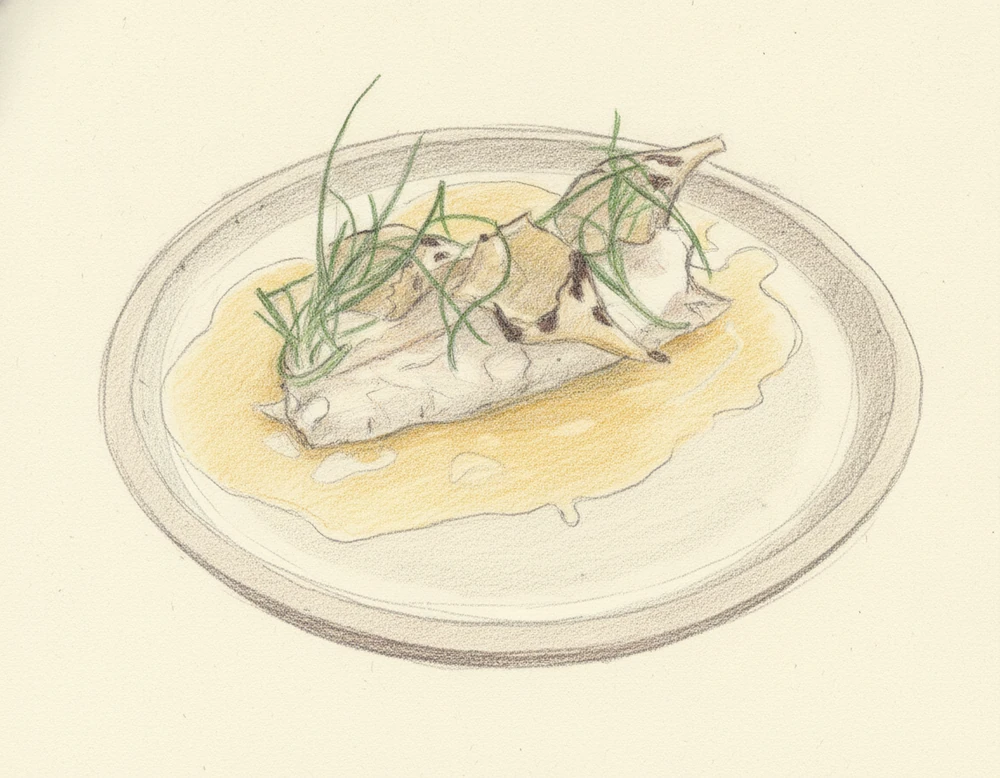
Perinaldo is a small town in the Crosia valley in the far west of Liguria, and its artichoke came over from Provence more than two centuries ago; the story has Napoleon bringing the French violet with him in the campaign of 1796. It is tender, with no spines and no choke, and goes into little omelettes, roasted with parmesan and mushrooms, or fried simply with garlic and parsley.
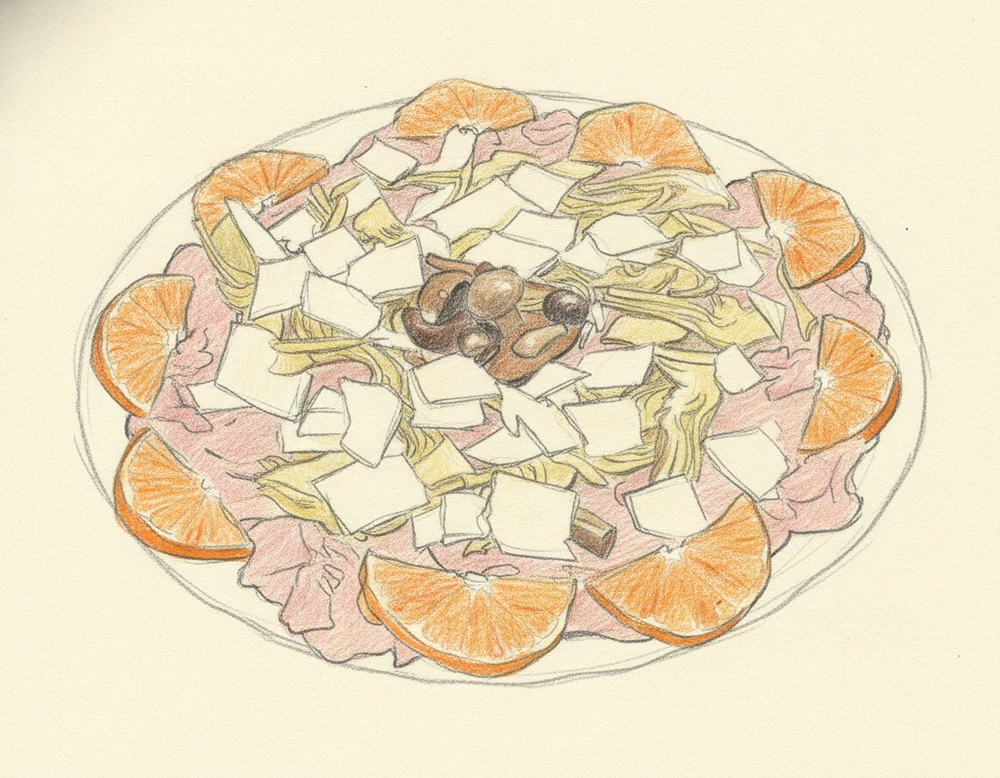
An artichoke from the medieval hill town of Pietrelcina, on the slopes either side of the Tammaro. Water for irrigation is short there, yet the place has long been known for farming, its wheat and tobacco broken up by this crop.
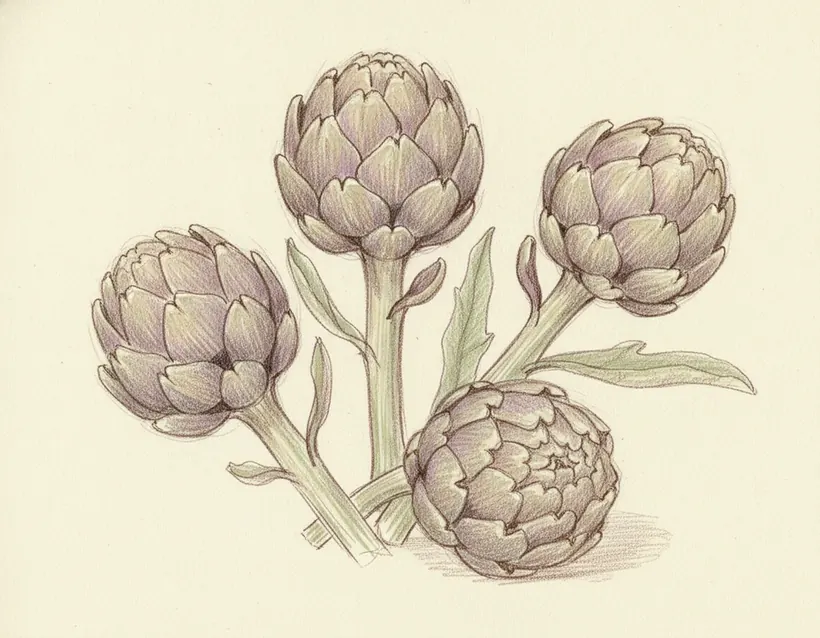
The big, round, spineless 'mammola' artichoke of the Roman coast, tender enough to eat almost whole, the base of carciofi alla romana and alla giudia.
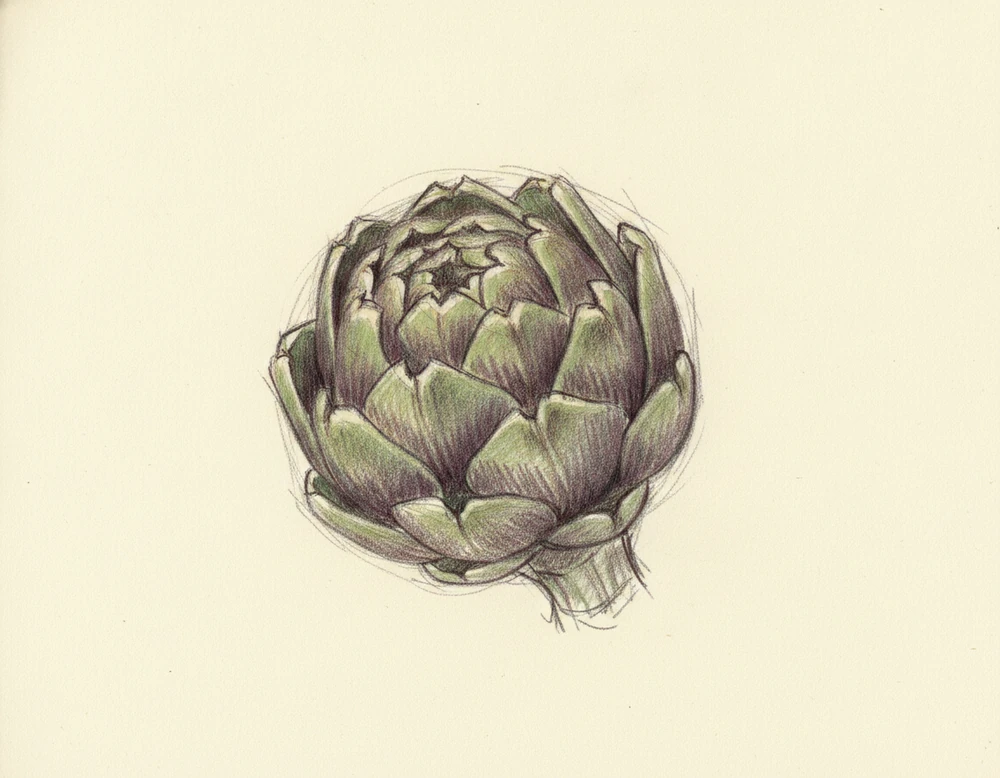
The spiny artichoke of Menfi, once the only one grown there. Over 600 hectares around the town are under artichokes but barely 10 carry the traditional variety, displaced from the early 1980s by more productive types such as Tema 2000 and Violet.
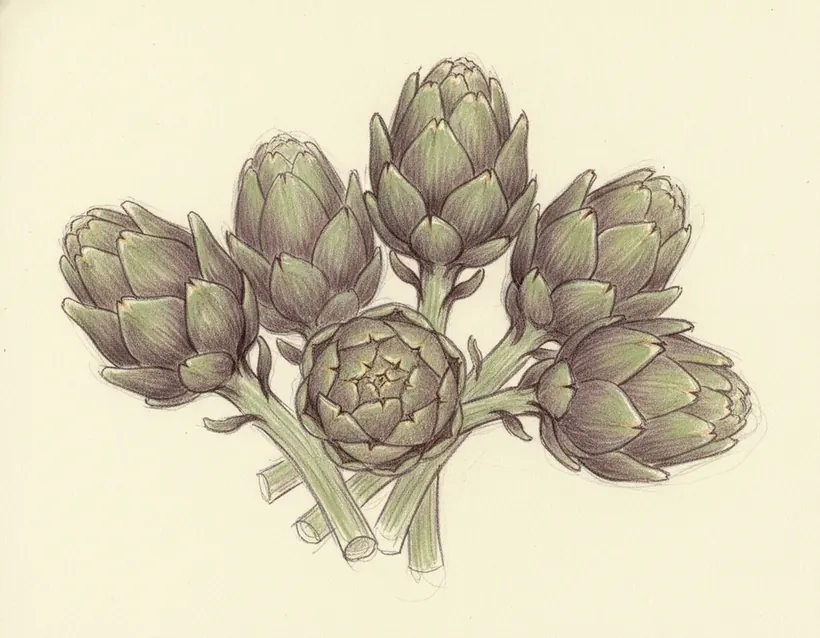
A slender, violet, sharply spined artichoke, tender and faintly bitter, eaten raw or braised.
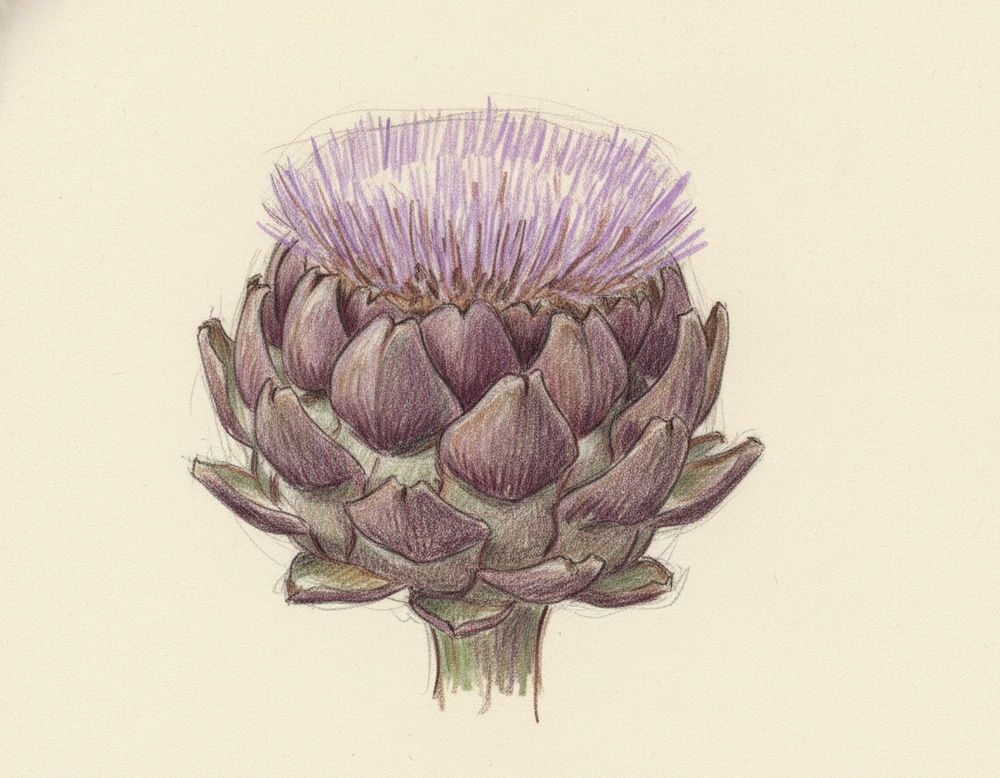
A subtype of the Romanesco artichoke, picked earlier and with deeper violet bracts. Also called the Schito artichoke.
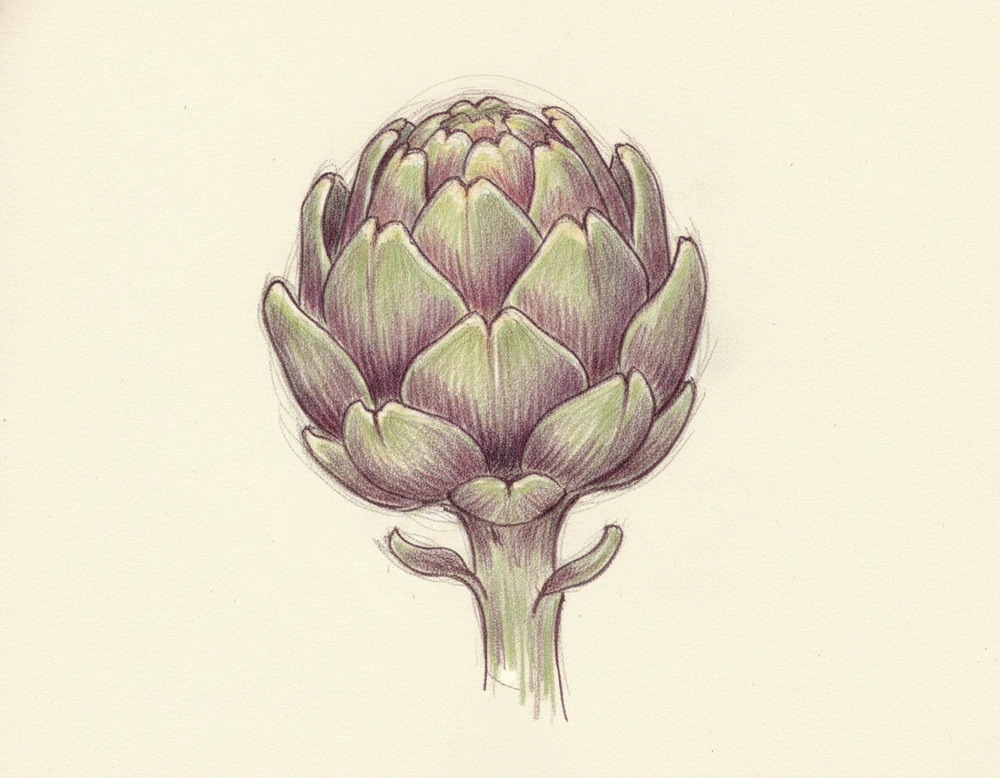
In the first half of the last century this was one of the main crops of the hills south of Bologna. Violet artichokes are common enough in Romagna, but the clay of the Bolognese hills gives this one a fresh green taste with liquorice root behind it, and the older growers remember it being known and wanted across the region, a matter of both income and pride. It went with the emptying of the countryside in the 1970s; the farms that carried the best fields are now houses with ornamental gardens.
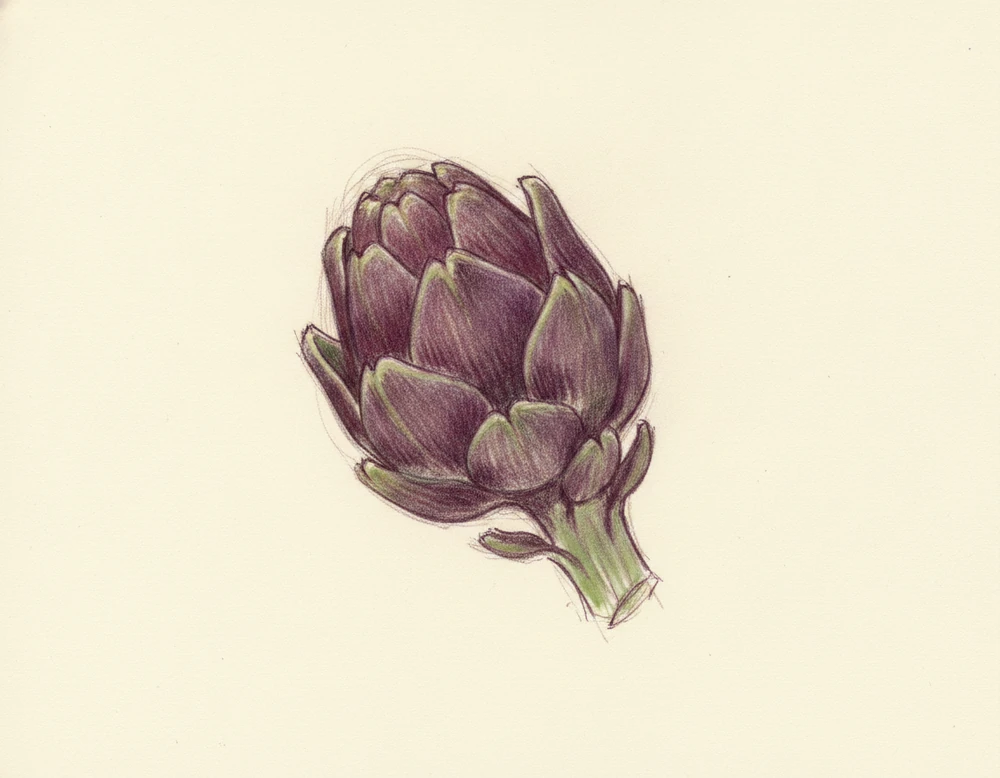
The clay of Sant'Erasmo is salty and drains well, and what grows on it tastes of something: this artichoke among the rest, dark purple, tender, spiny and long in shape. Venetian calls them articiochi, and it was the Jewish community that brought them into the city's cooking; they are generally eaten raw. The first apical buds, the castraure, are the delicacy.
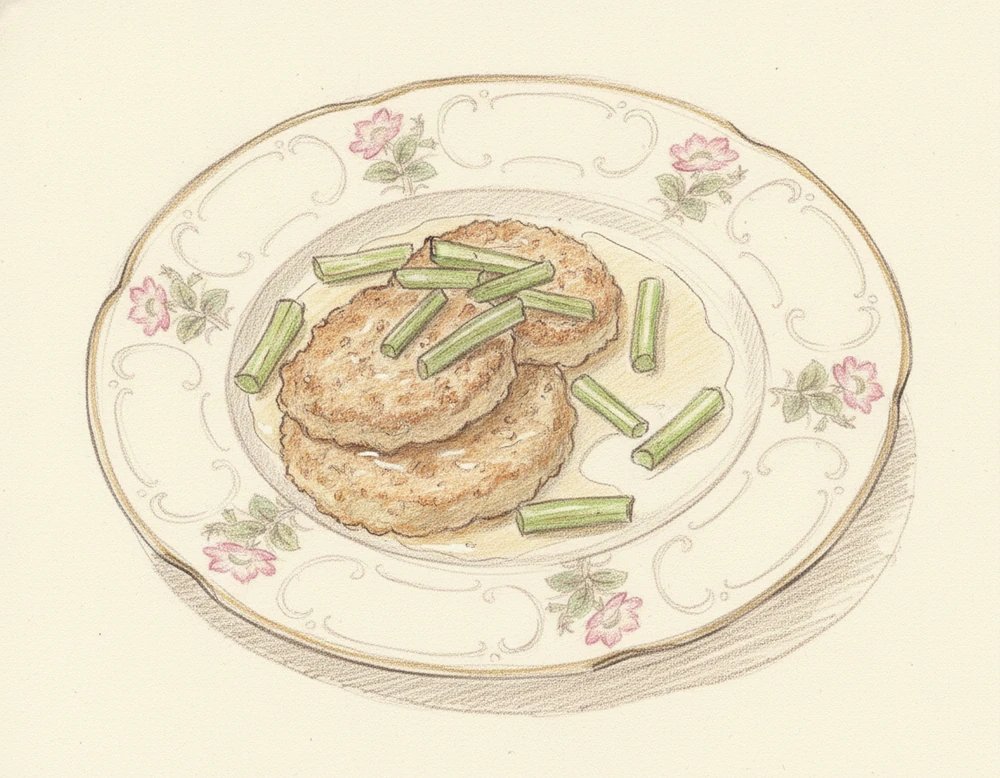
The hunchback cardoon, and the one ingredient bagna caoda cannot do without, the scalding sauce of garlic, olive oil and anchovy served with vegetables. Sown in May in the sandy ground along the Belbo.
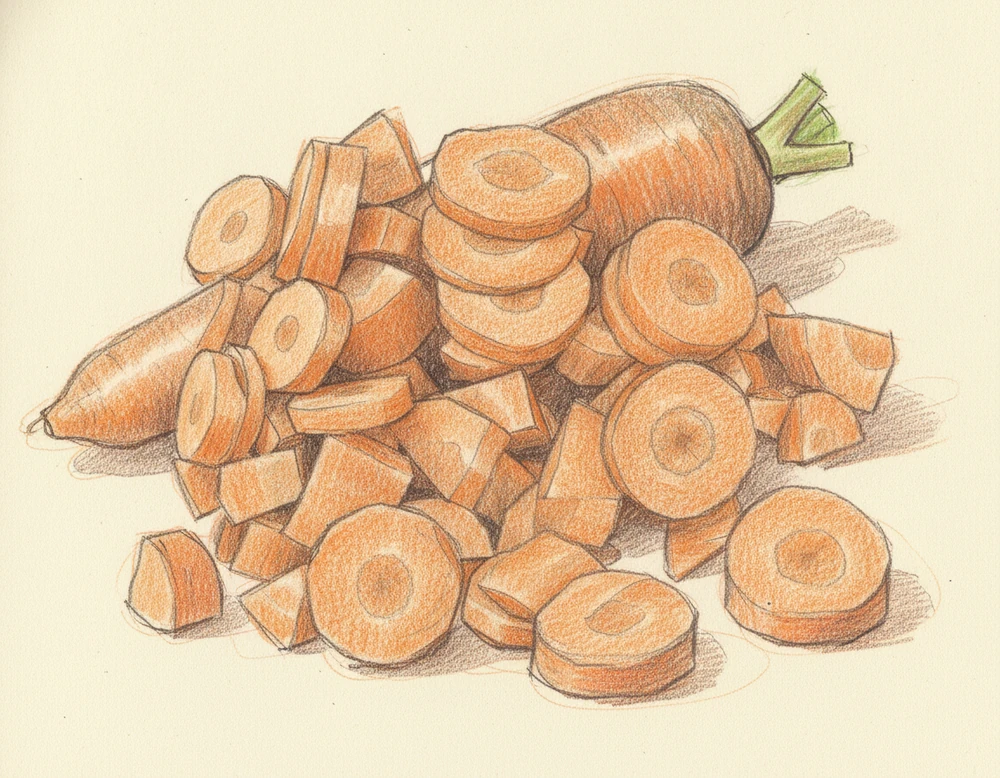
Carrots with a mostly cylindrical root and rounded tip, free of root hairs and of deep scarring where the rootlets emerge, with smooth skin.
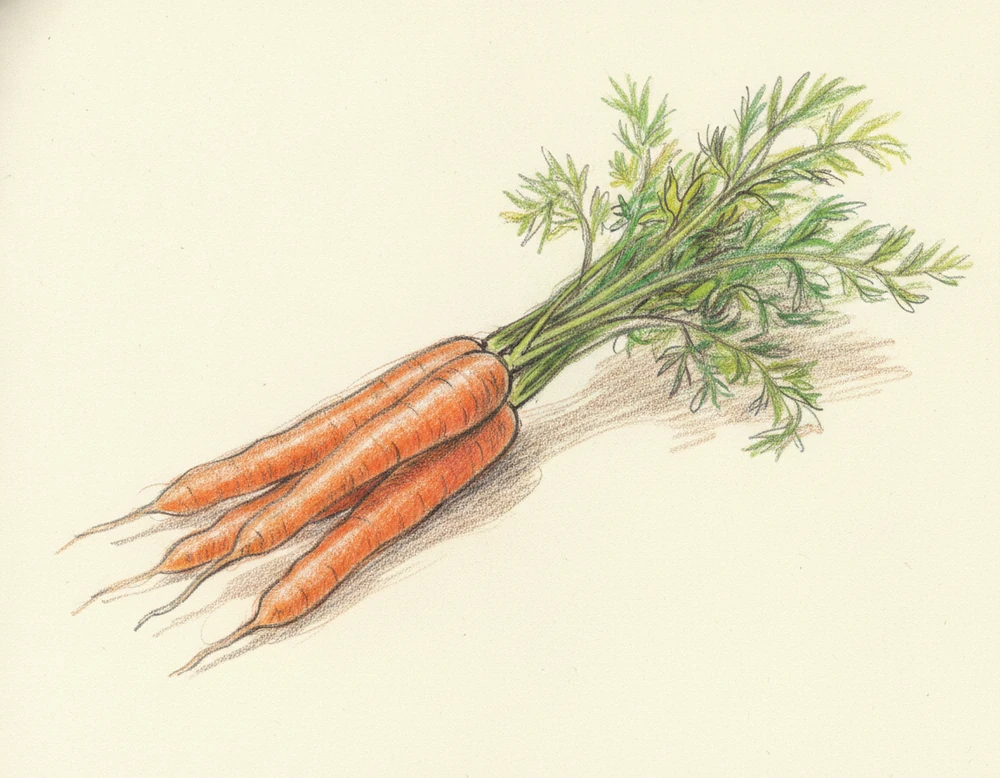
An early carrot (Daucus carota) from the Ispica plain, grown from the semi-long Nantes group and its hybrids: Exelso, Dordogne, Nancò, Romance, Namibia, Soprano, Novara and Allyance.
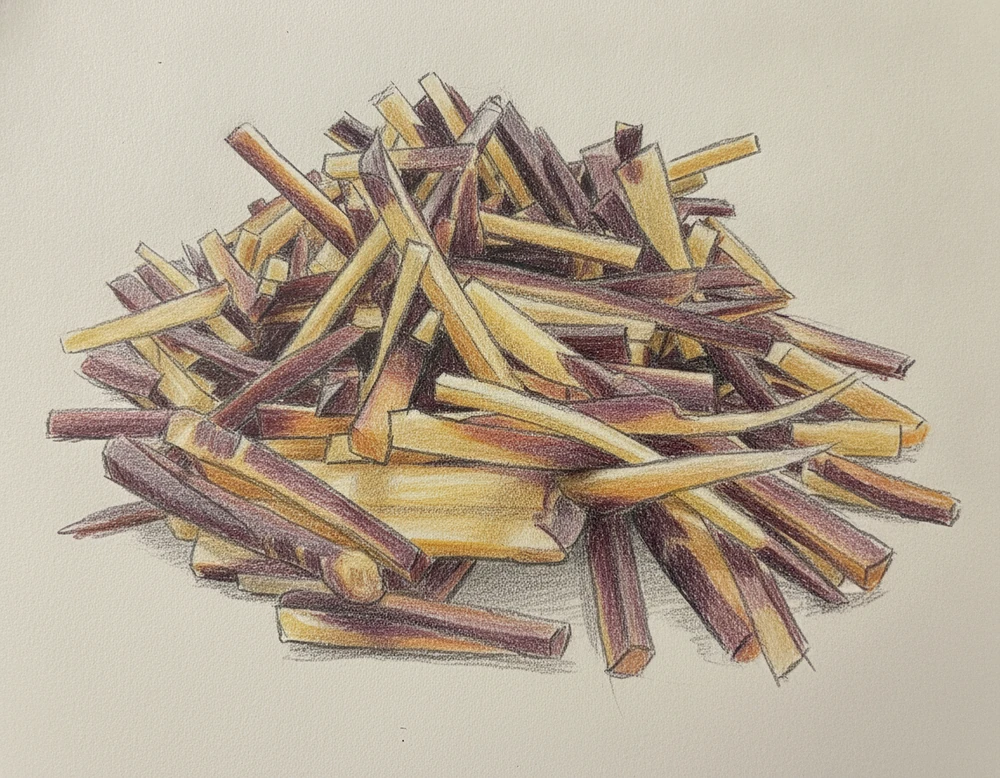
Polignano's carrots run from pale yellow through deep orange to dark purple, because the growers still keep their own seed instead of buying the standard orange the seed trade sells. The fields are sandy and fairly saline, and the brackish irrigation water pushes that further, which is what makes the carrots taste as they do.
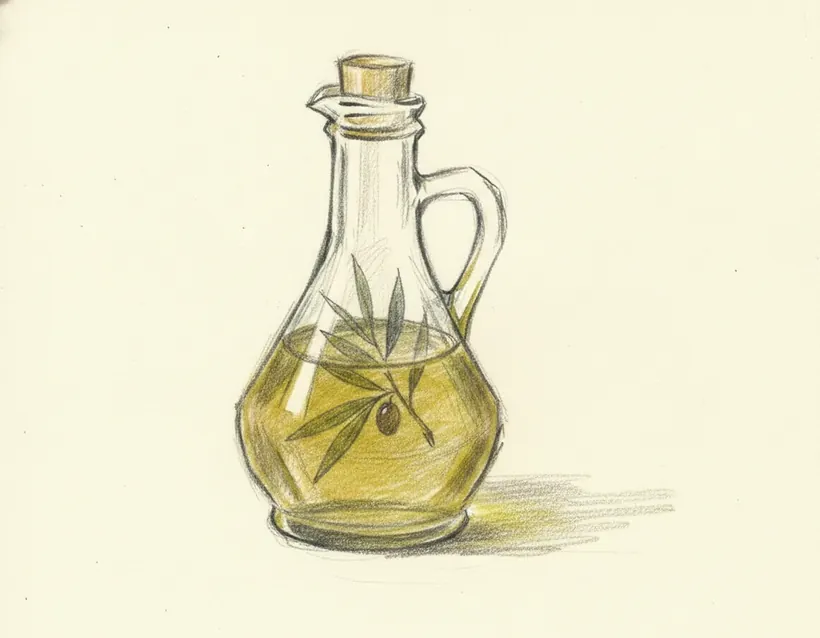
A fruity, gently bitter extra-virgin olive oil of the Metauro valley around Cartoceto.
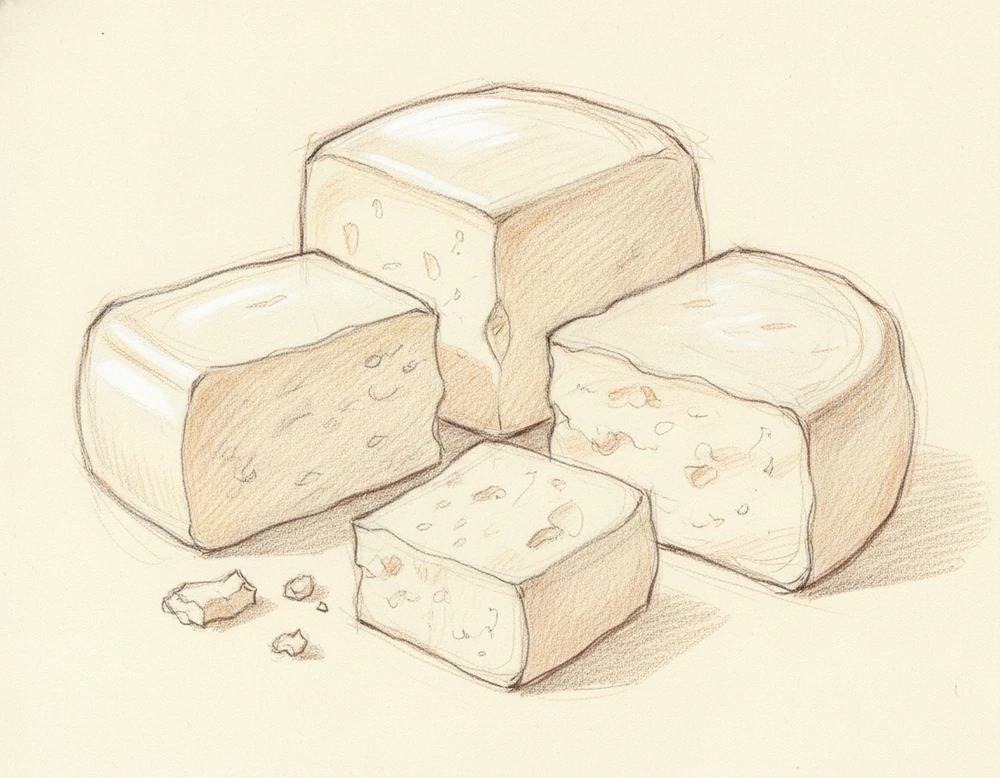
A young, soft cow's-milk cheese from the Treviso countryside, milk-white to cream, glossy and melting in the mouth, with little or no rind. The disciplinare is explicit that it is not a spreadable or high-cream cheese, despite the texture.
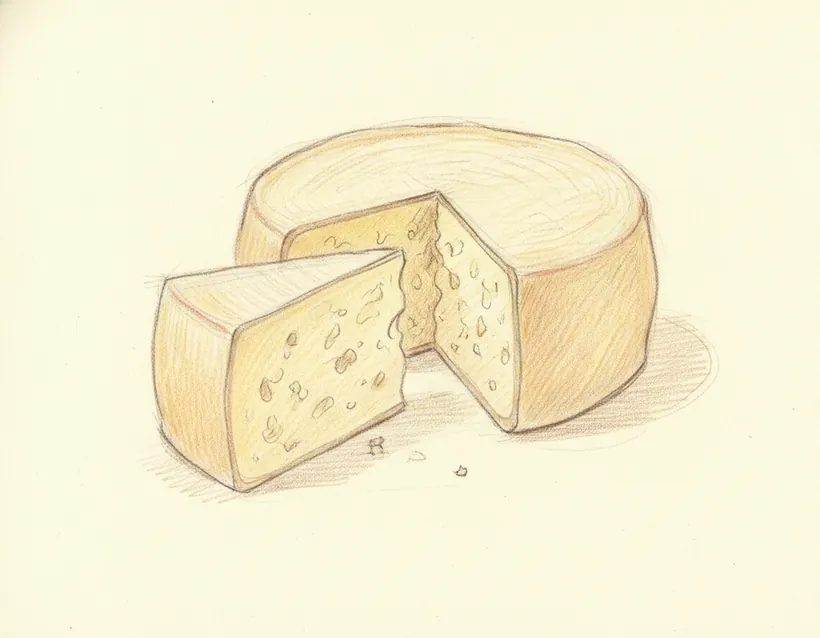
A small, soft, sweet blend of sheep's and cow's milk from the Montefeltro hills, said to have been Michelangelo's favourite.
Sardinia is sheep country, but the Montiferru a few kilometres from Oristano also keeps an old and highly regarded stretched-curd cheese of cow's milk. It was women's work: fresh milk, the curd then worked in hot water into the rounded pear shape that is its signature. Past a couple of months' ageing it puts green, grassy, buttermilk notes together with something of woods and leaves and finishes faintly of almond.
From the Latin caseulus, small cheese; casoletti was what they called the people of the villages in the Sole, Rabbi and Pejo valleys who made them. It was an autumn cheese, made once the herds were down off the alpeggi and the milk was drying up, generally at home and for the winter. It is small and tender and useful, of full-fat raw milk with the curd uncooked, and is now made all year and eaten fresh or half-aged. It has been thought less of than the great alpine cheeses largely because industrial dairies standardised a version of it from heat-treated or pasteurised pooled milk.
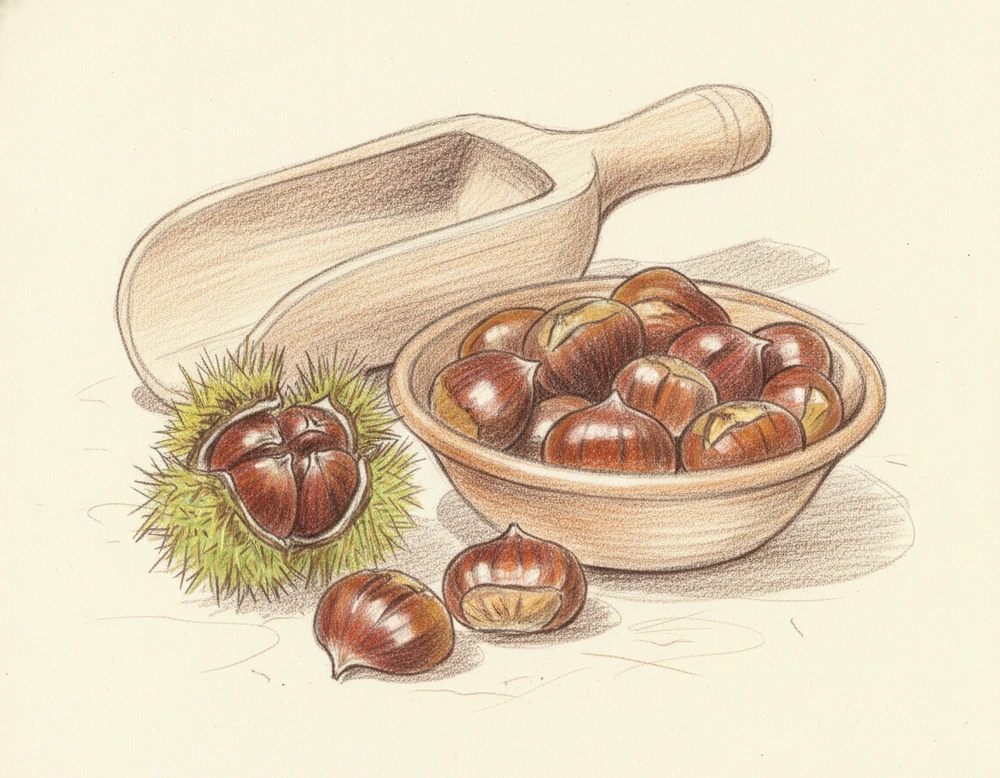
Chestnuts of Castanea sativa only, with interspecific hybrids expressly excluded, in a long list of named local varieties: Ciapastra, Tempuriva, Bracalla, Contessa, Pugnante, Sarvai d'Oca, Sarvai di Gurg, Sarvaschina, Siria, Rubiera, Marrubia, Gentile and Verdesa among them.
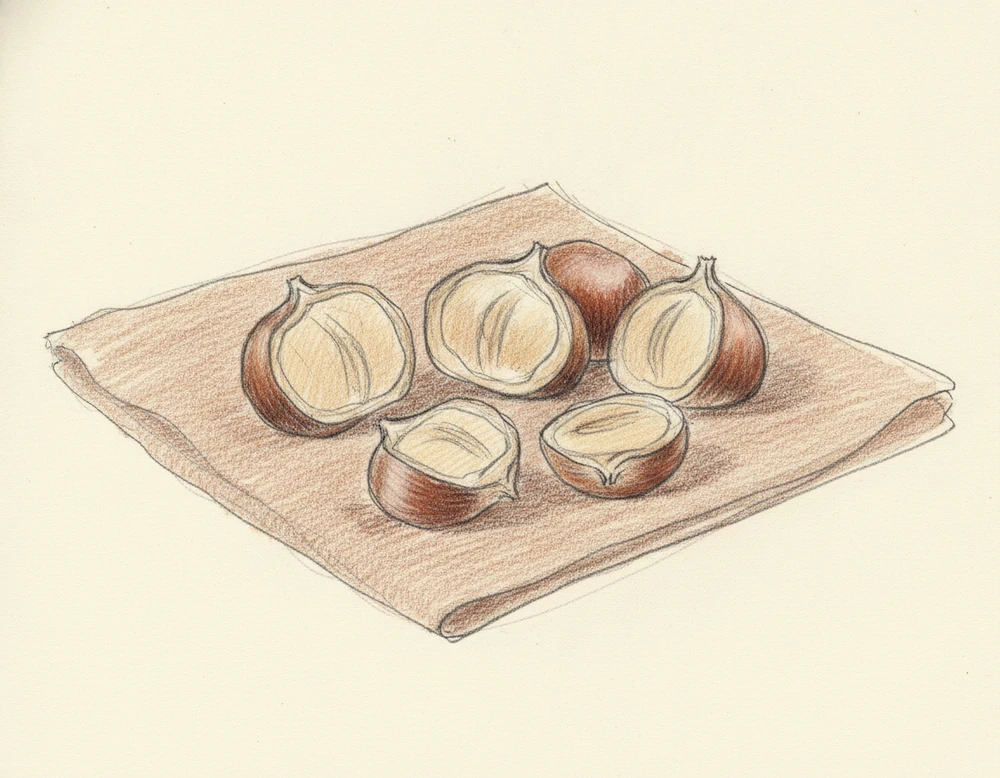
Chestnuts from the volcanic slopes of Monte Amiata, whose chestnut woods have supplied flour and fruit to southern Tuscany for centuries.
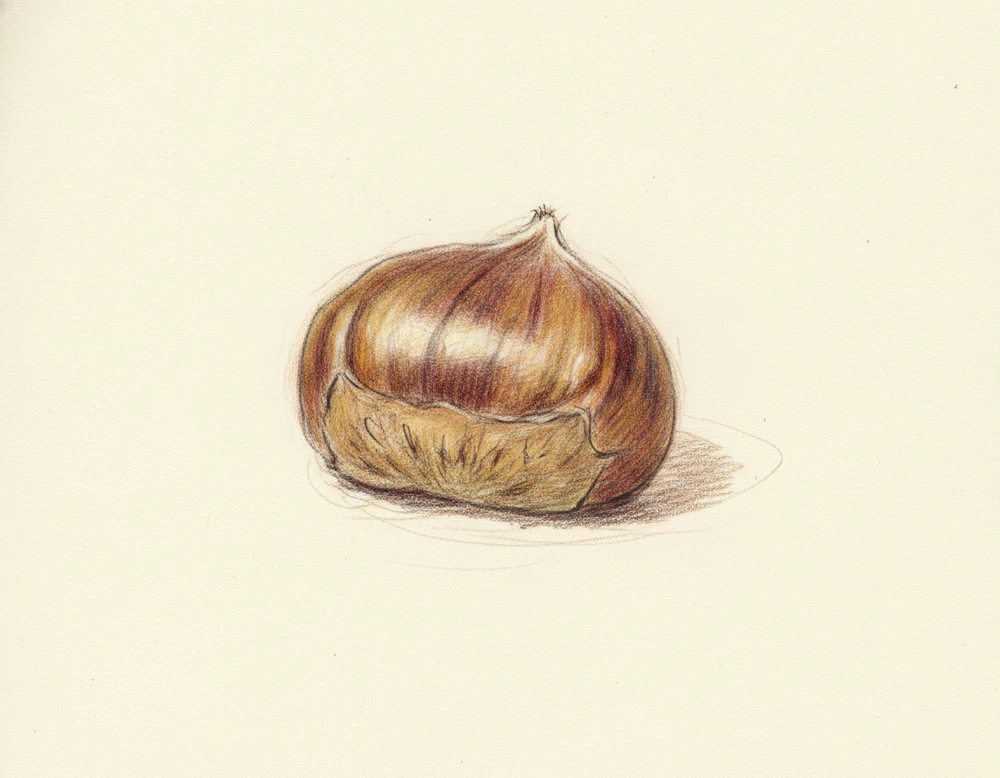
Chestnuts from the extinct Roccamonfina volcano, in five named cultivars: Primitiva (or Tempestiva), Napoletana (or Riccia, or Riccia Napoletana), Mercogliana (or Marrone), Paccuta and Lucente (or Lucida).
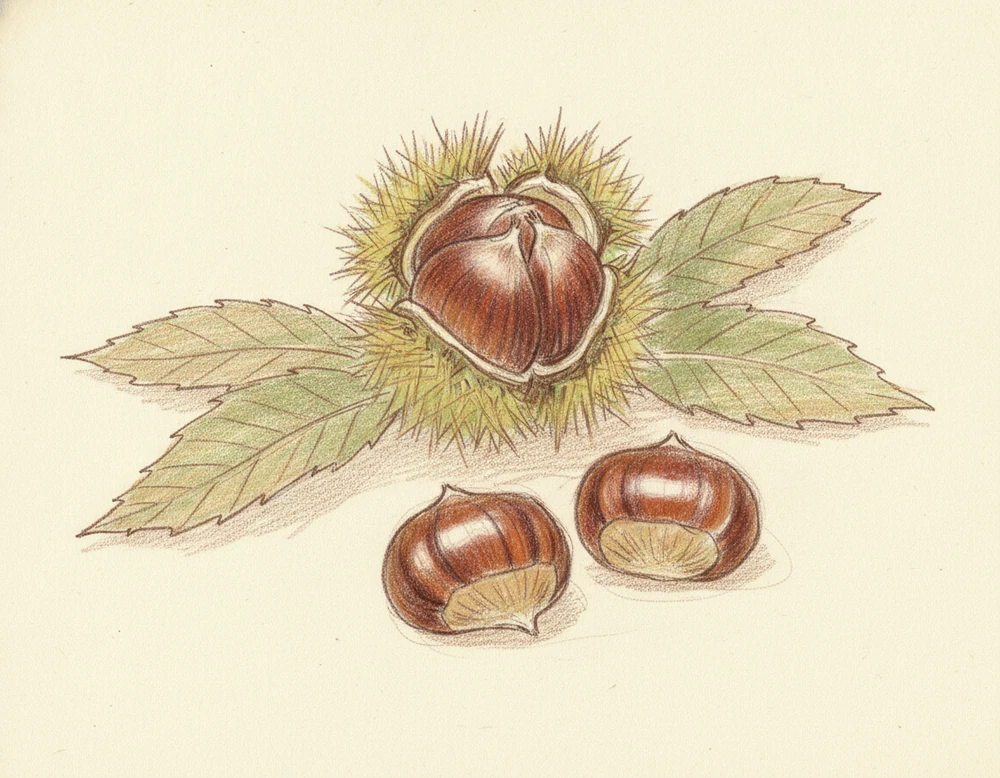
Chestnuts from a local ecotype of Castanea sativa in the Cimini hills, known by local toponyms and graded by size: large at 50 to 70 nuts per kilo of fresh product, medium at 71 to 95, and smaller grades below that.
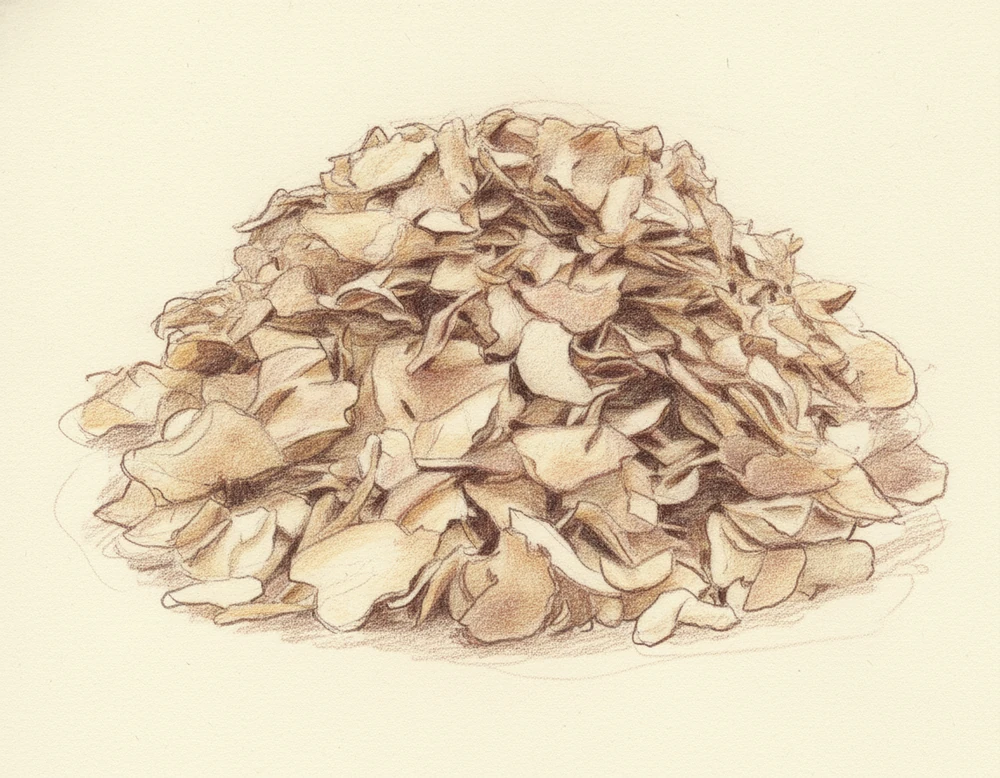
A drying method once general through the Ligurian Apennines and the Piedmontese valleys, still alive in the Bormida. The chestnuts dry in tecci, one-room stone huts under a shingle roof, over a low fire that never goes out, spread on a wooden rack, the graia, hung two or three metres above it, so they smoke as they dry. Working tecci are still there among the huge old trees of the upper valley.
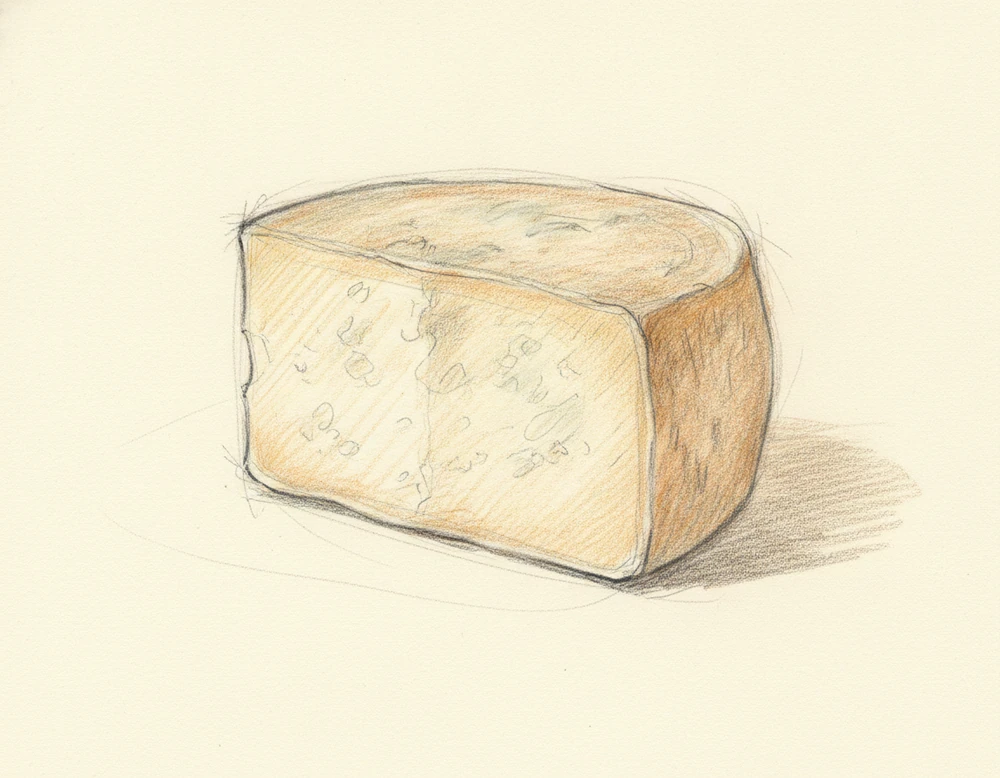
The alpine-pasture Castelmagno. The name appears as early as a judgment of 1277 requiring a number of cheeses in exchange for the rent of certain pastures. Wheels run 15 to 25 cm across and 12 to 20 cm deep.
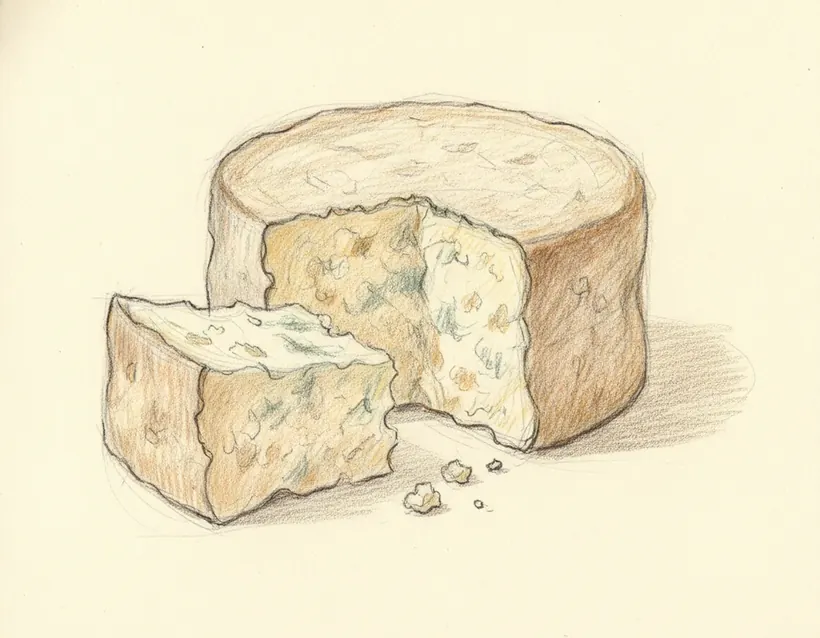
An ancient semi-hard cow's-milk cheese from the high Grana valley, crumbly and sharp, sometimes blue-veined with age.
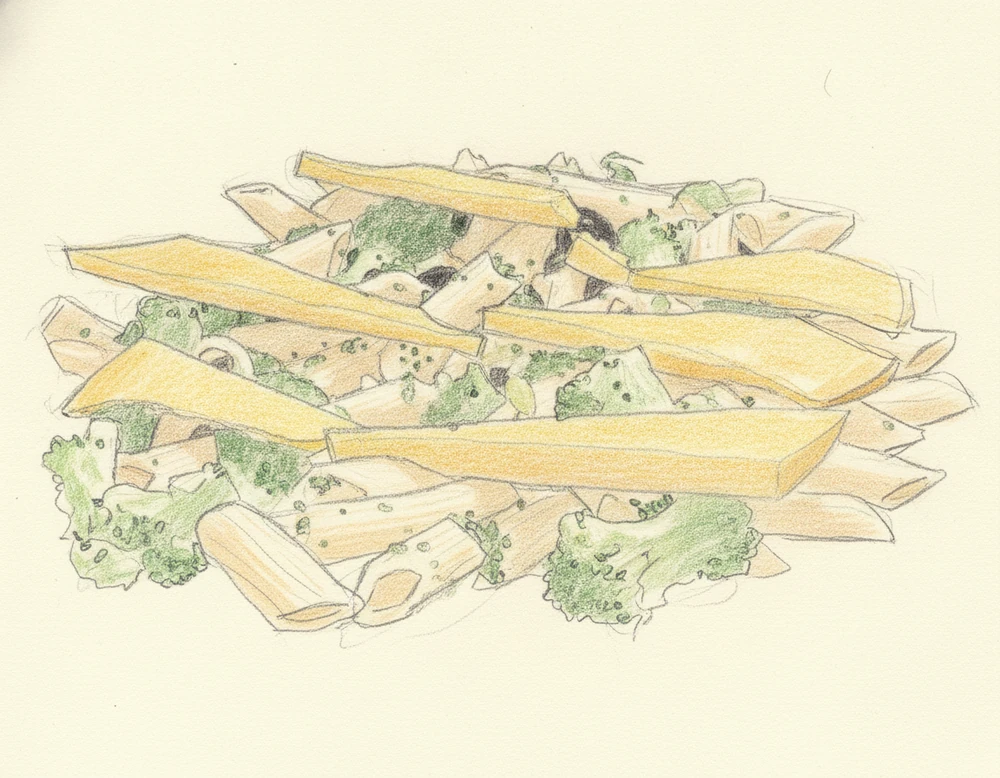
Cauliflower heads of named varieties and hybrids of Brassica oleracea var. botrytis, with growing cycles running from 70 to 215 days: Alston, Deepty, Guidalina, Lucex, Marmorex, Velox and others.
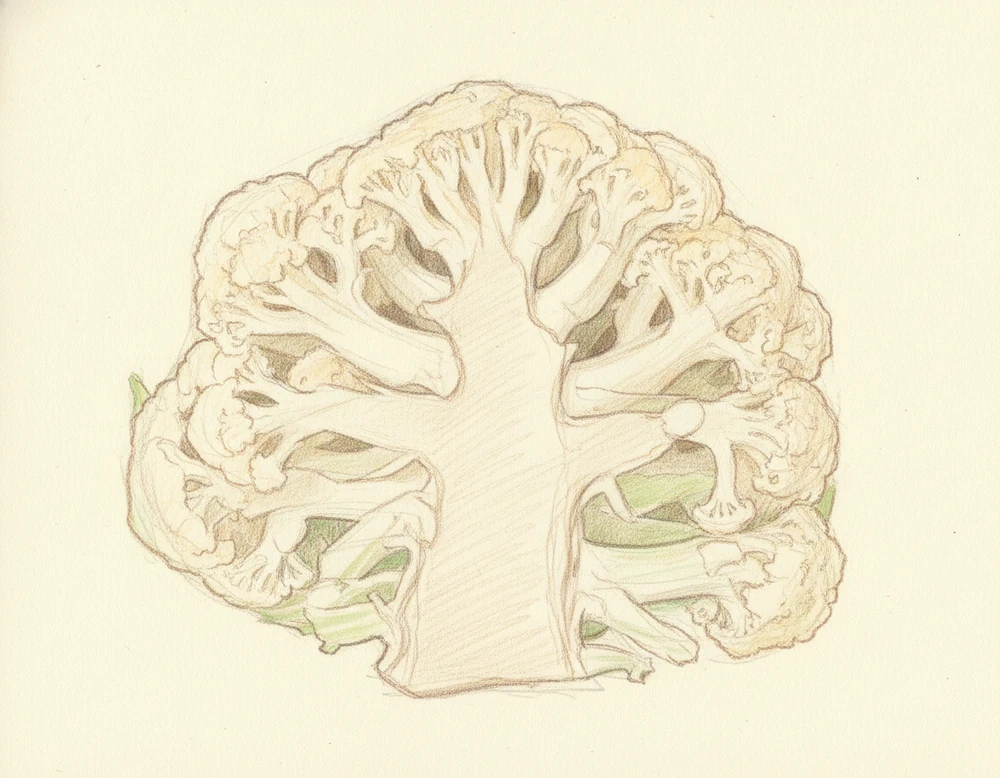
The local cauliflower of Moncalieri, below the hills south of Turin. Until the 1970s practically every market-gardening family there grew it and it was sought after in the markets, then it all but disappeared over the following decades.
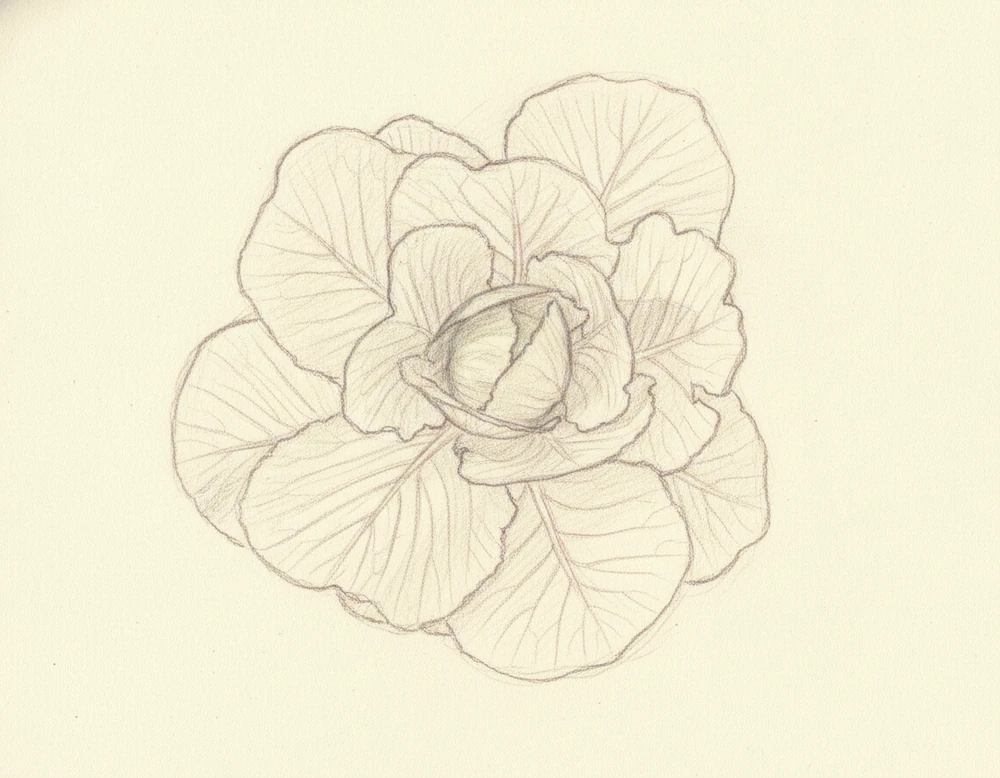
The name is not a hill but a hamlet: Collina, in the comune of Forni Avoltri, between 1,100 and 1,330 metres under Monte Coglians, the highest of the Carnic Alps. The climate is cold, wet and cloudy, and the swing between day and night temperatures is exactly what the cabbage wants. With barley and rye it was one of the few things that would grow up there, and old people in the valley still call it by its dialect name, cjapût. The head is flattened rather than round, 20 to 30 cm across and 1.5 to 2 kilos, thin leaves with reddish veining, white within and pale green without.
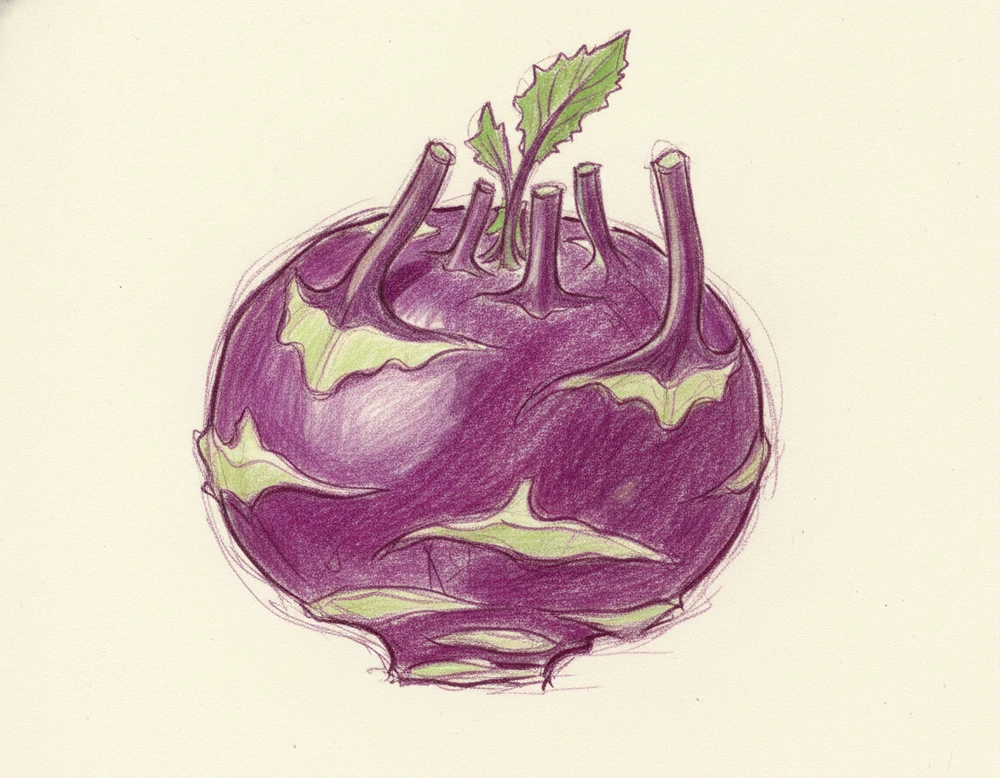
A kohlrabi grown in the volcanic soil below Etna around Acireale, its bulb streaked violet, the colour the mineral-rich ground gives the vegetables grown in it. Until the late 1940s the Aci country supplied Catania with its fruit and vegetables, and this brassica was among the most sought after of them.
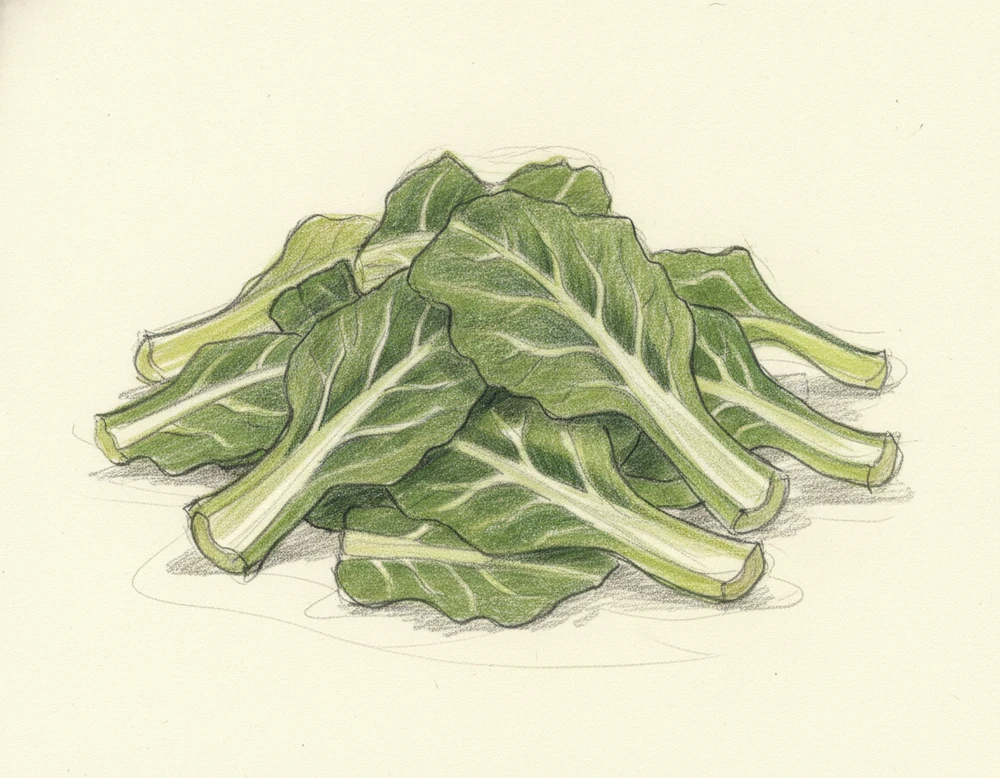
Rosolini sits under the Iblei a few kilometres from the Val di Noto, Byzantine foundation and then Arab, and known agriculturally for almonds, olives, wheat and broad beans. Until the end of the 1960s every family kept a horse or a mule and a salina, a pit for the stable manure, and around the rim of the pit they planted this perennial brassica, a sort of collard the dialect calls old cabbage. It was on every table in the Iblea, around Modica above all.
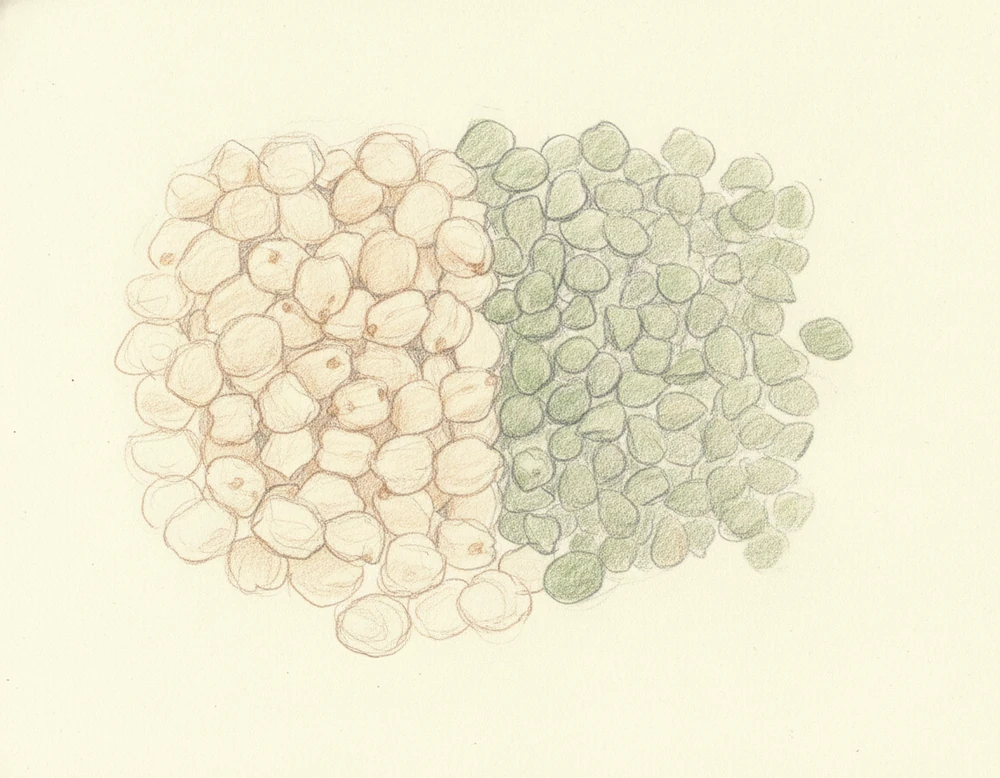
A chickpea grown on the first spurs of the Cilento since at least the Middle Ages. The town's name comes from the Latin for chickpea, and its coat of arms carries a chickpea plant with the motto terra quae cicera alit, the land that feeds chickpeas.
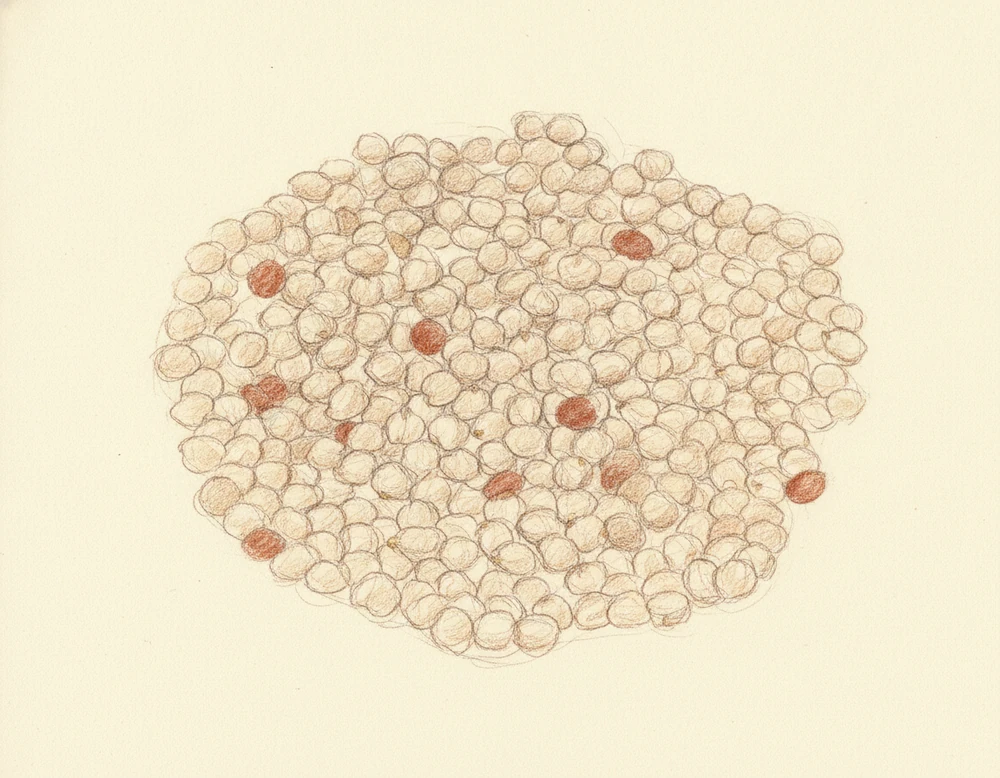
Navelli is a small medieval village looking over its own plain at the foot of the Gran Sasso. In October the fields go purple with the crocus whose saffron is known all over Italy, but the chickpea has been just as much a part of how the place lived, and is still feted at the end of August, when growers and villagers compete over chickpea stew and chickpeas with saffron. They are usually small, cream and smooth; a few growers still keep a second sort, smaller, rust red and wrinkled.
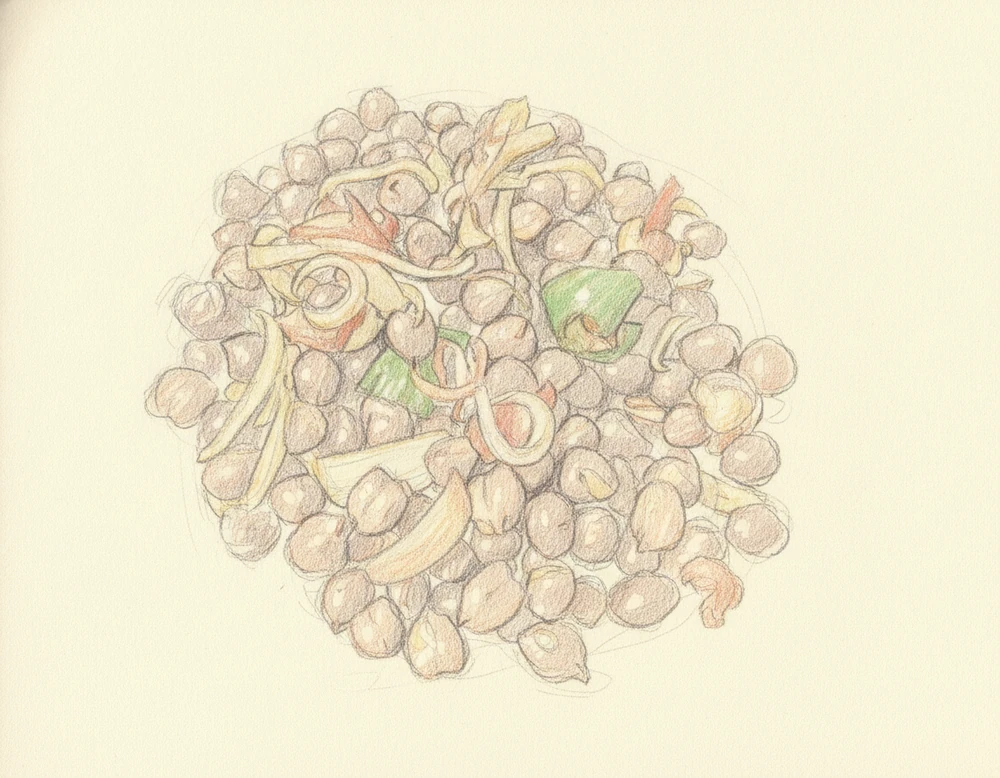
A small hazel-coloured chickpea with thin, wrinkled skin, which earns it the name small curly chickpea. The plant is hardy against winter cold, drought and disease, and is usually autumn-sown though spring sowing is possible.
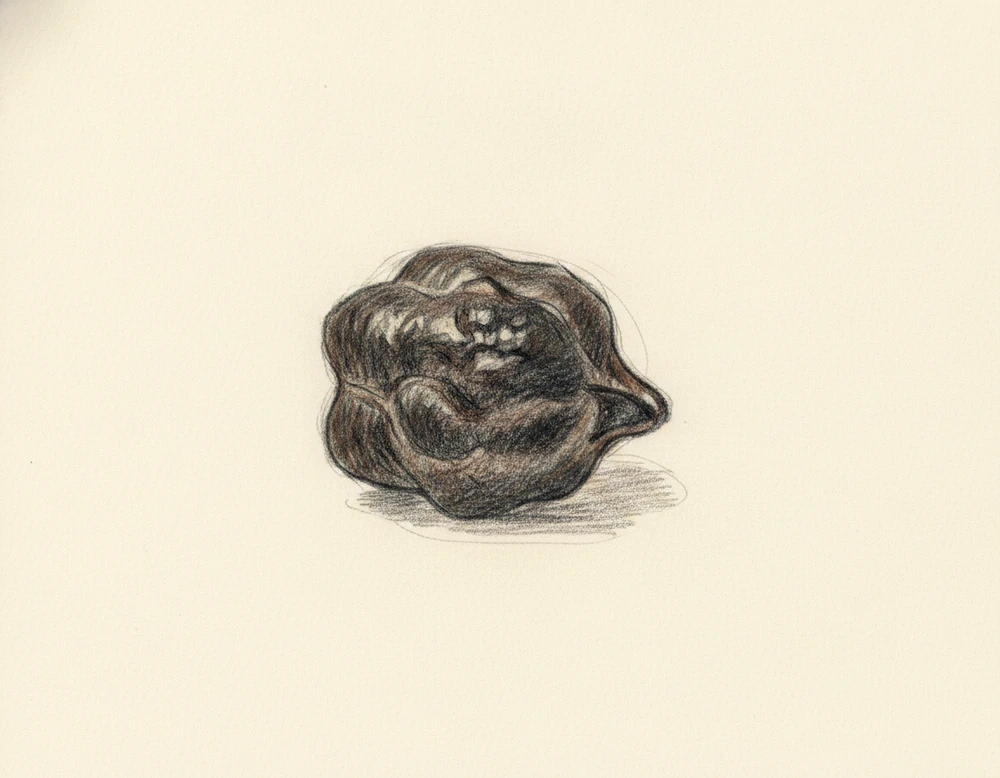
A small, very dark, wrinkled and hooked chickpea long grown on the karst Murgia south of Bari, where caves and sinkholes mark the ground and the sandy soil suits onions and pulses.
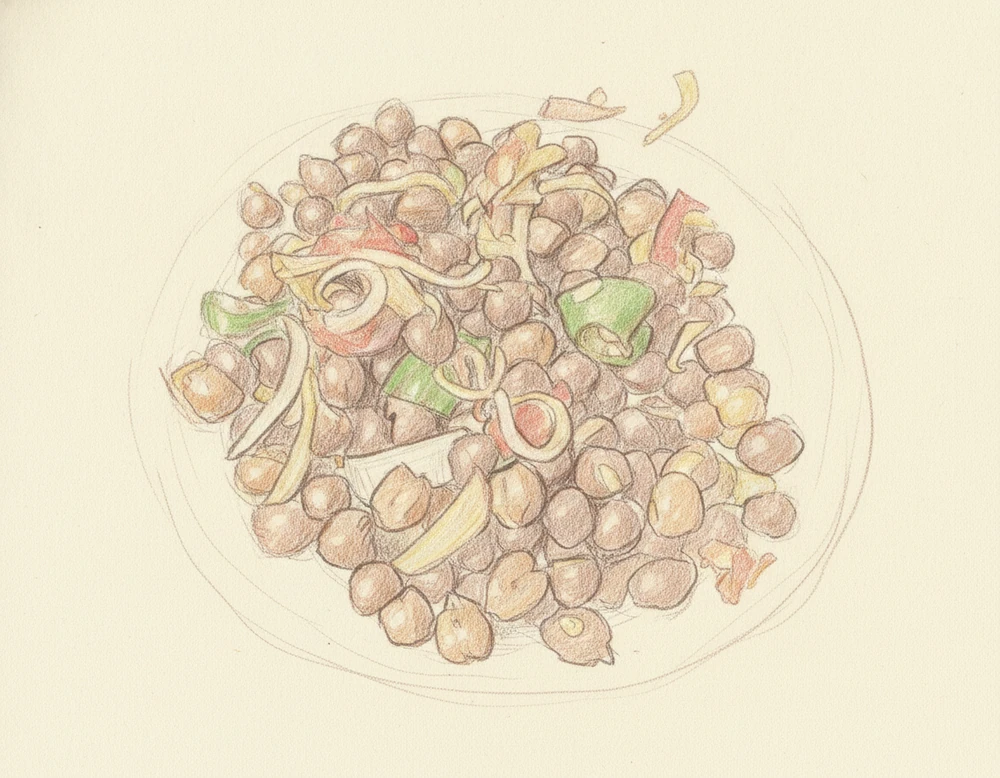
A smooth-skinned local chickpea ecotype from the country around Cassano delle Murge, once called terr'd cicerin, chickpea land. Hard winters and hot summers never discouraged it.
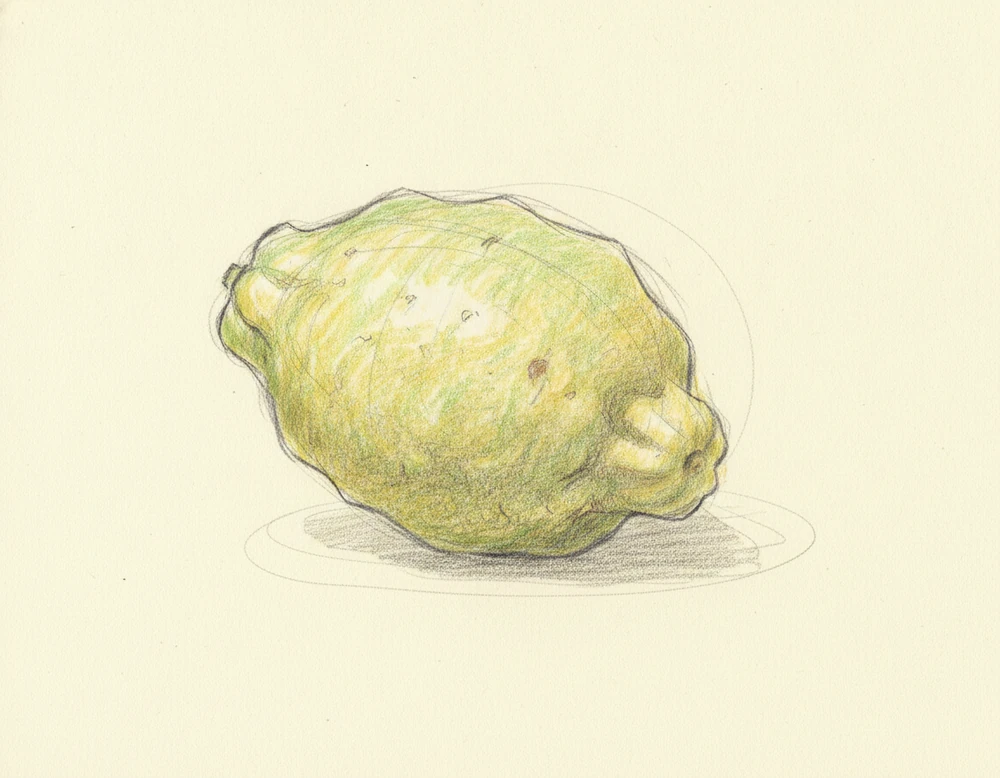
The citron (Citrus medica) of the Tyrrhenian Calabrian coast, in the liscia-diamante variety, also called italiana or calabrese. It is the fruit the Riviera dei Cedri is named for, and the one bought here for the Jewish festival of Sukkot.
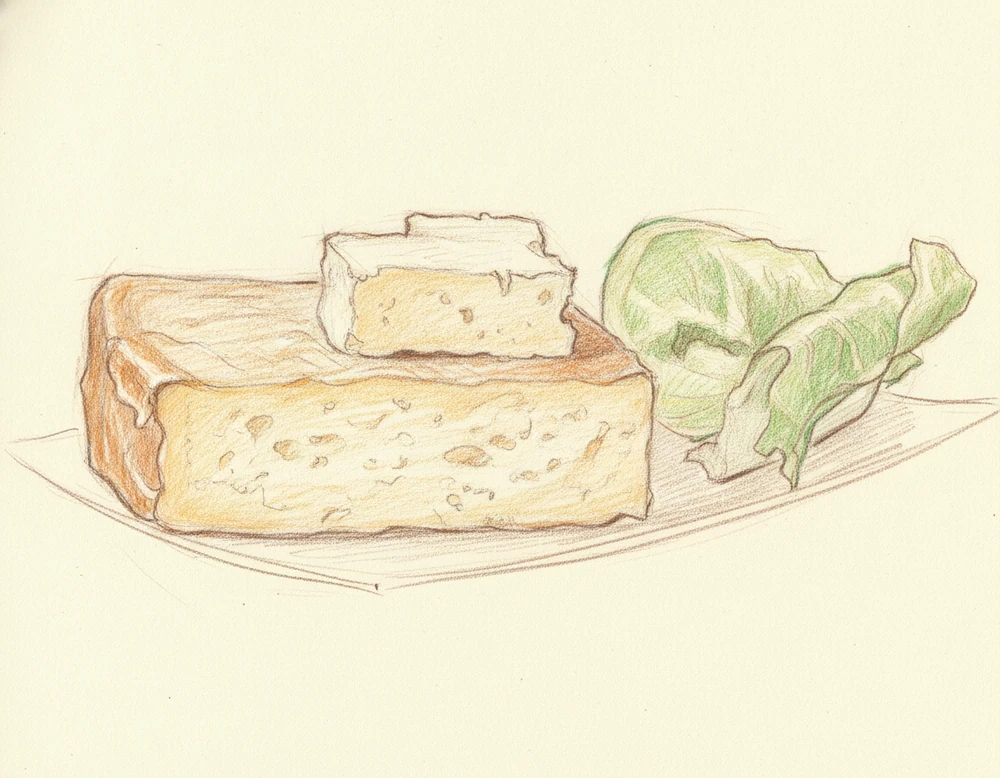
Cevrin is the Sangone valley's dialect name for a cheese of mixed goat's and cow's milk, curdled slowly somewhere between lactic and rennet-set. The amber rind is wrinkled and damp; the paste is faintly granular, yellow at the edge and white towards the middle.
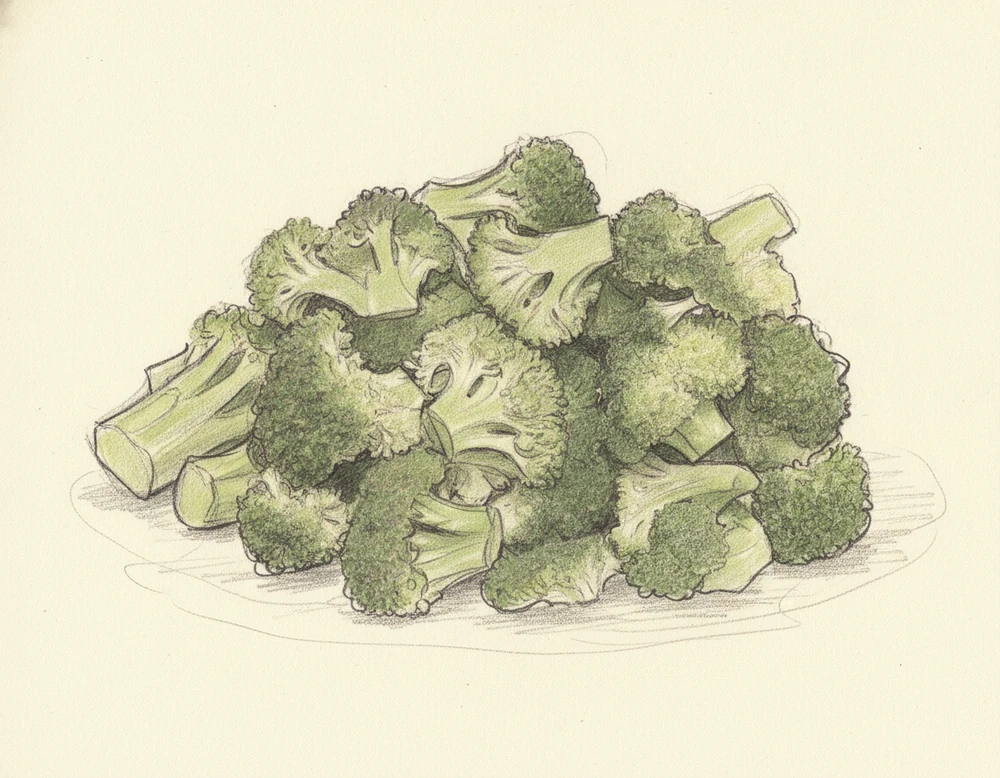
A purple sprouting broccoli of the flat country by the Amaseno, delicate in taste, called chiacchietegli locally. Nobody knows where it came from; the growers have handed down the seed and the practice father to son.
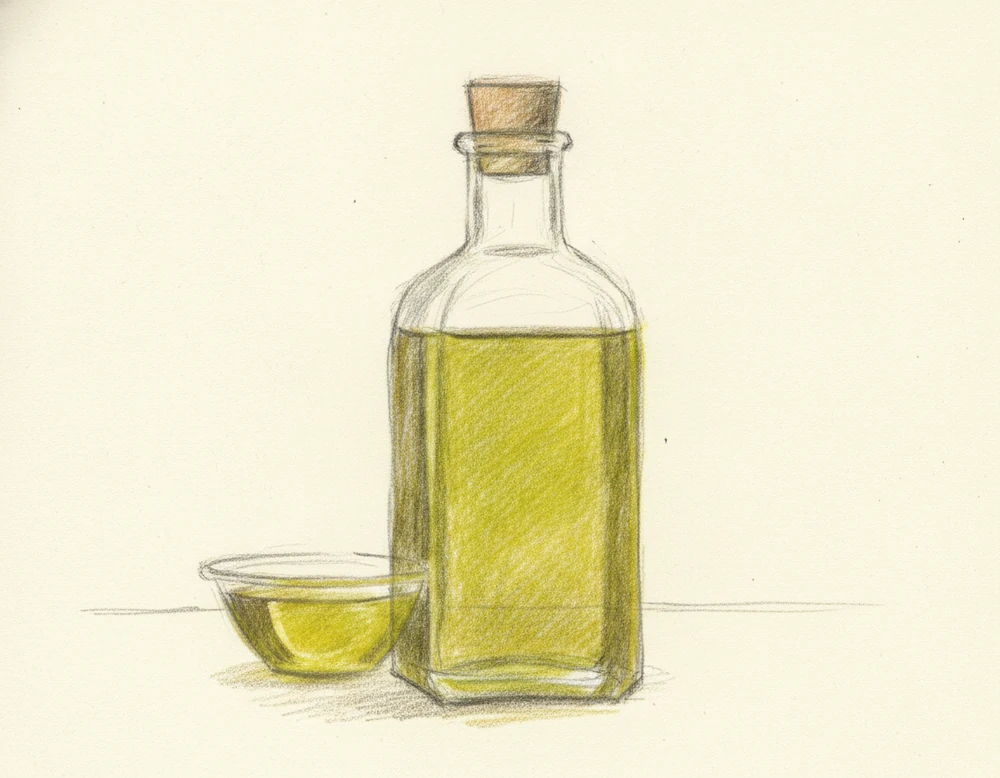
The olive oil of the Chianti Classico hills, sharing its zone with the wine denomination of the same name. It is the oil made from olives grown inside that delimited area and meeting the disciplinare's requirements.
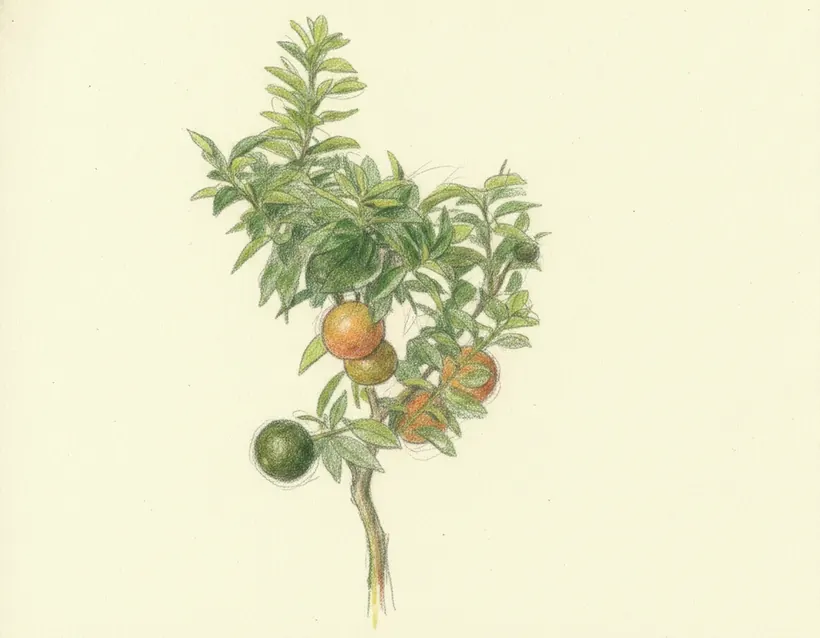
A tiny, intensely bitter dwarf-orange of the Savona coast, candied whole or turned into the dark chinotto drink.
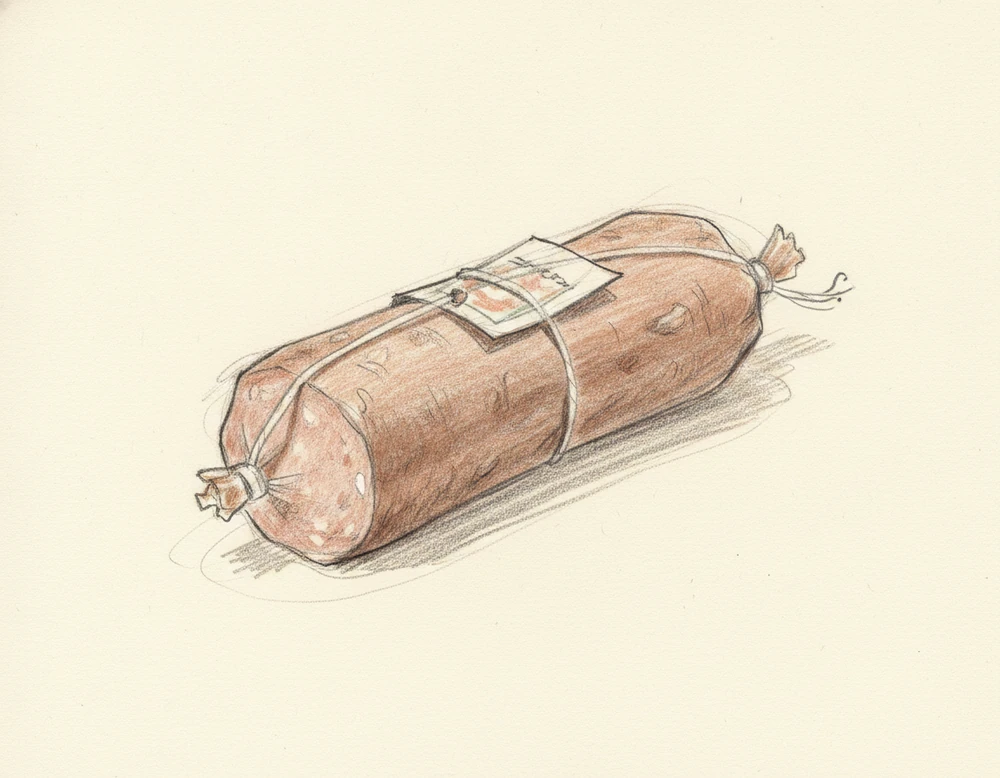
A soft, spreadable Marche salami. The mix is belly at up to 70 per cent, shoulder at up to 40 and leg and loin trimmings at up to 30, ground fine enough to spread on bread.
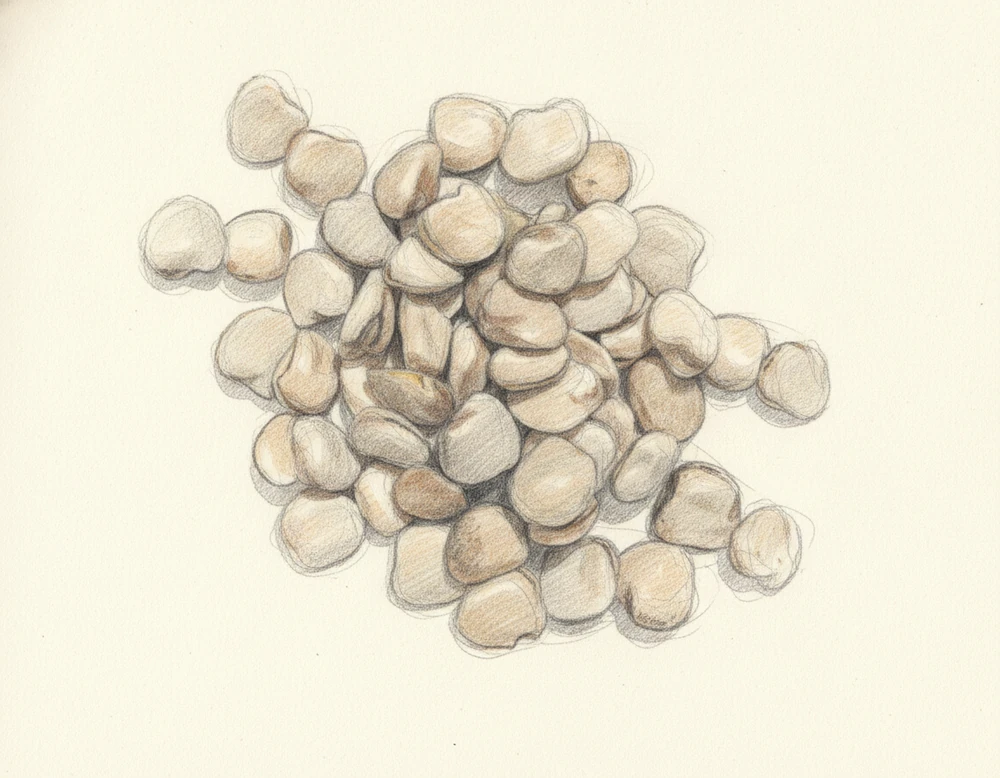
A tiny, irregular legume, grey to speckled pale brown, with a tender skin and far less of the bitterness other cicerchie carry. By the second half of the 20th century only a handful of growers were still bothering with it, and then it was dropped altogether, leaving the market to the big bland industrial sort.
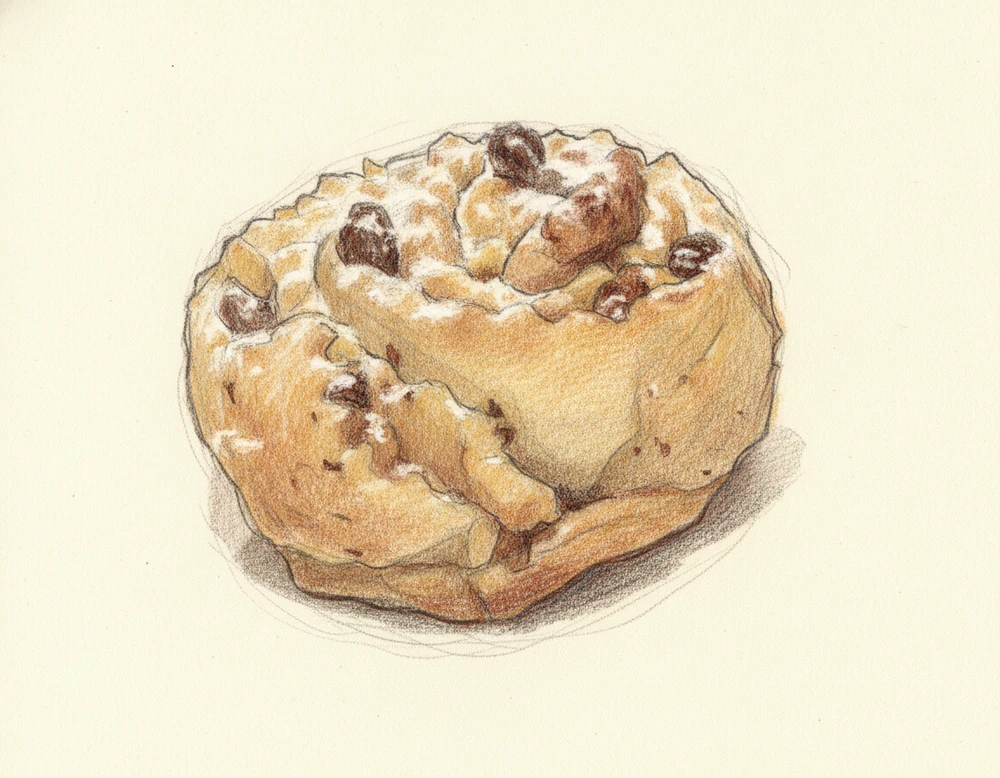
Handed down at Grutti, with every butcher's own mix of seasonings. The ears, snout, shin and innards are prepared and roasted in the oven underneath a whole porchetta, so that they take up the fat dripping off it along with the garlic, rosemary, fennel, salt and pepper it is seasoned with. The method turns up elsewhere in Umbria; what is particular here is building it on the humblest and most flavourful cuts.
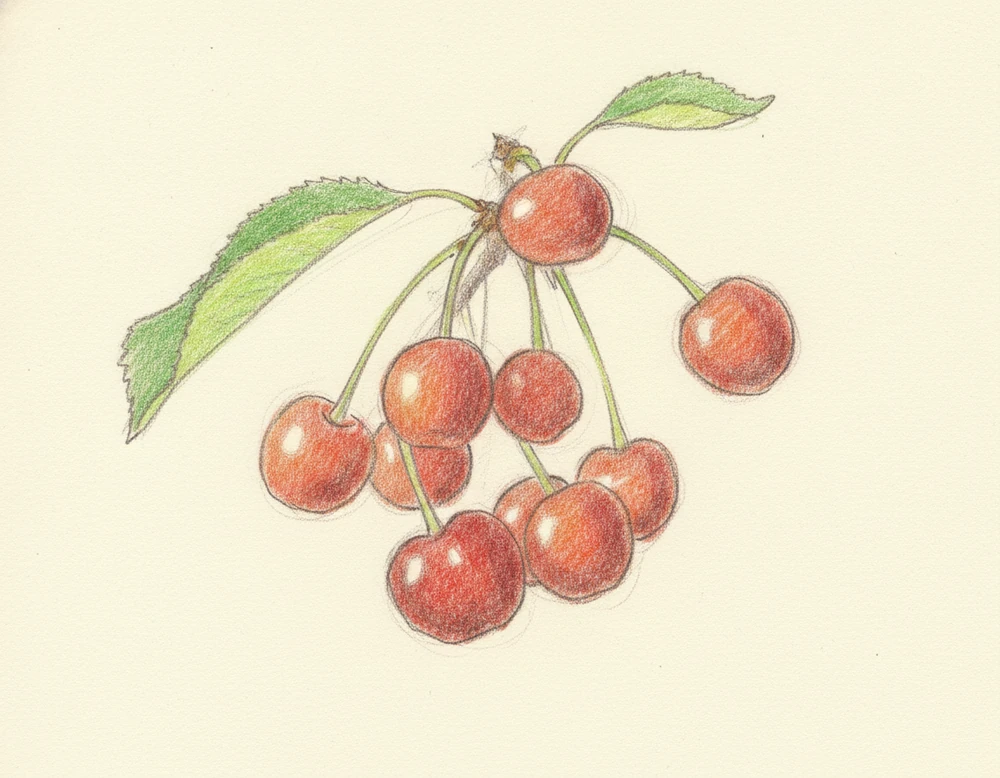
Sweet cherries (Prunus avium) grown on Etna's volcanic soils, from the local Mastrantonio ecotype, also known as Donnantonio. Fruit must be whole, fresh, dry, clean and a brilliant red.
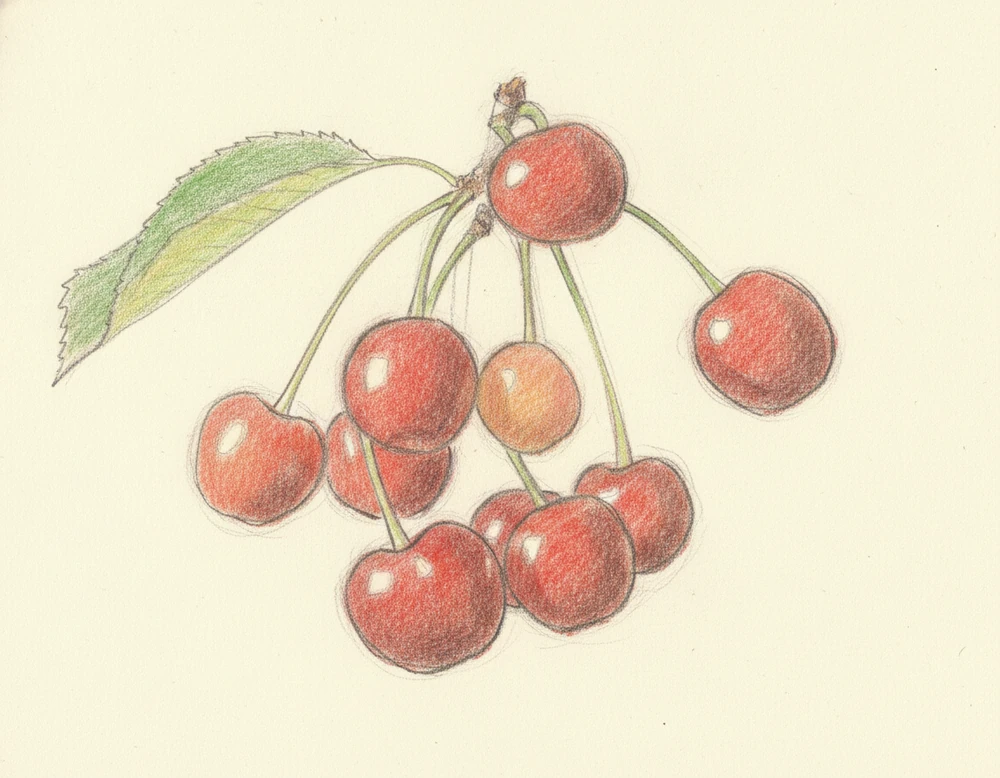
Sweet cherries from Bracigliano in the Salerno hills, restricted to named cultivars including the local Spernocchia, Sciazza, Pagliaccia, Don Carmelo, Silvestre, Baron Picella, Palermitana and Principe, alongside Bigarreau Burlat.
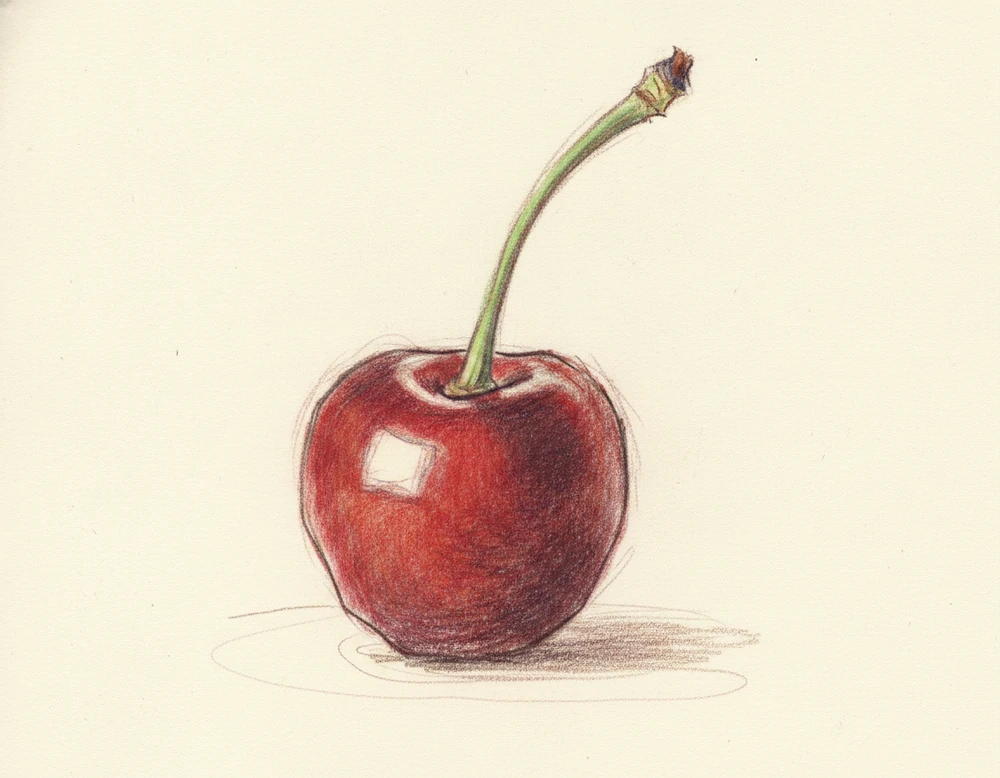
Sweet cherries (Prunus avium) from the Colline Pisane around Lari, covering a wide varietal range: flesh from barely firm to firm and crisp, skin glossy and running from yellow through dark red to black, with several local varieties preserved in the zone.
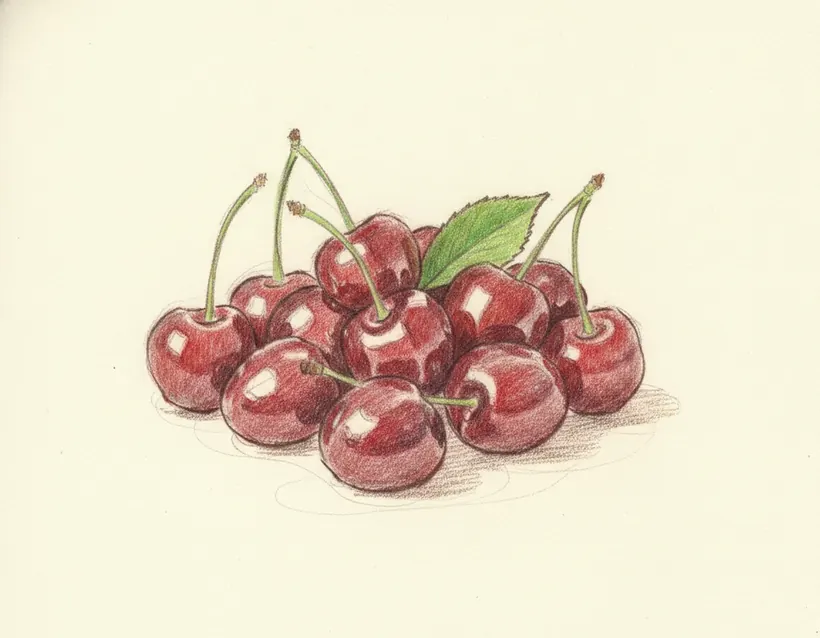
Bright, firm, sweet cherries from the walled town of Marostica at the foot of the Asiago plateau.
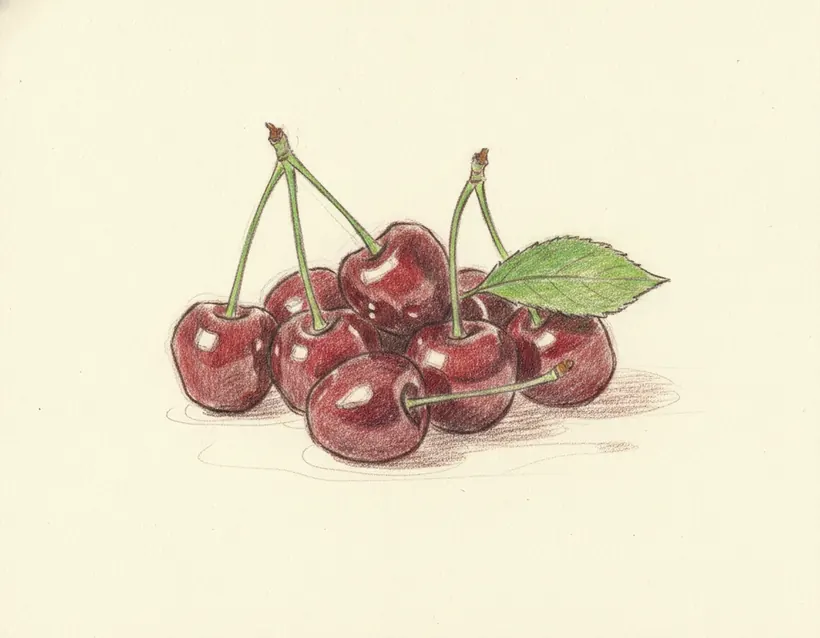
Sweet, firm, deep-red cherries from the hills around Vignola, among the finest in Italy.
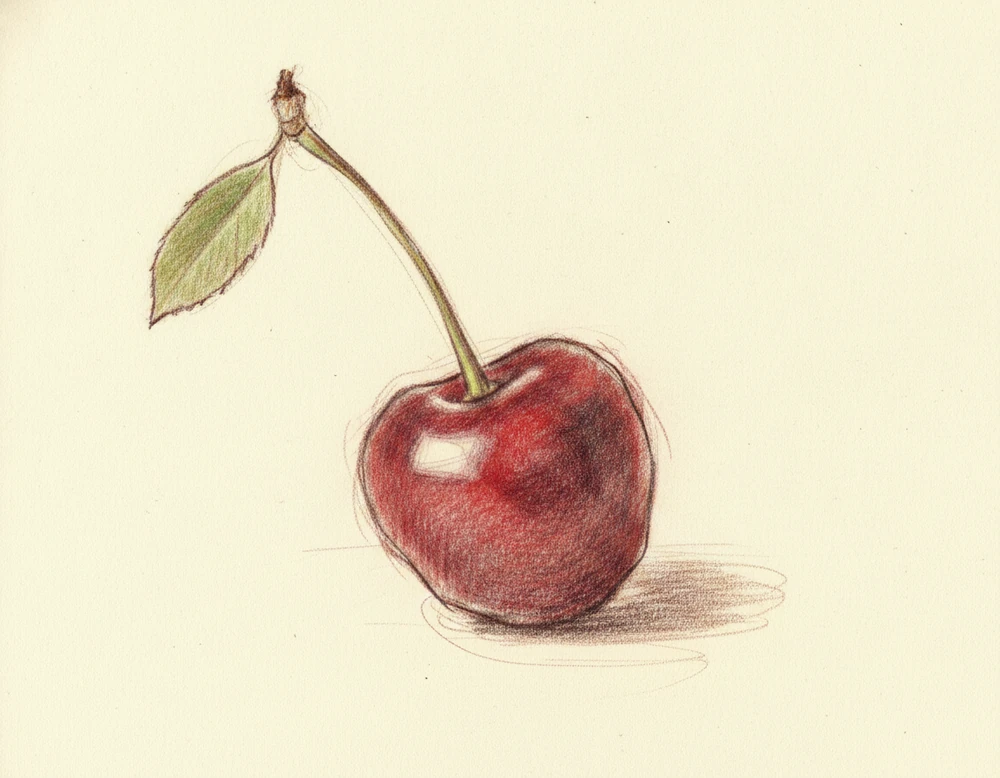
A cherry of the Monti Lattari, the pre-Apennine range forming the spine of the Sorrentine peninsula. The name comes from the milk, latte, of animals grazing the permanent pastures kept on that volcanic ground.
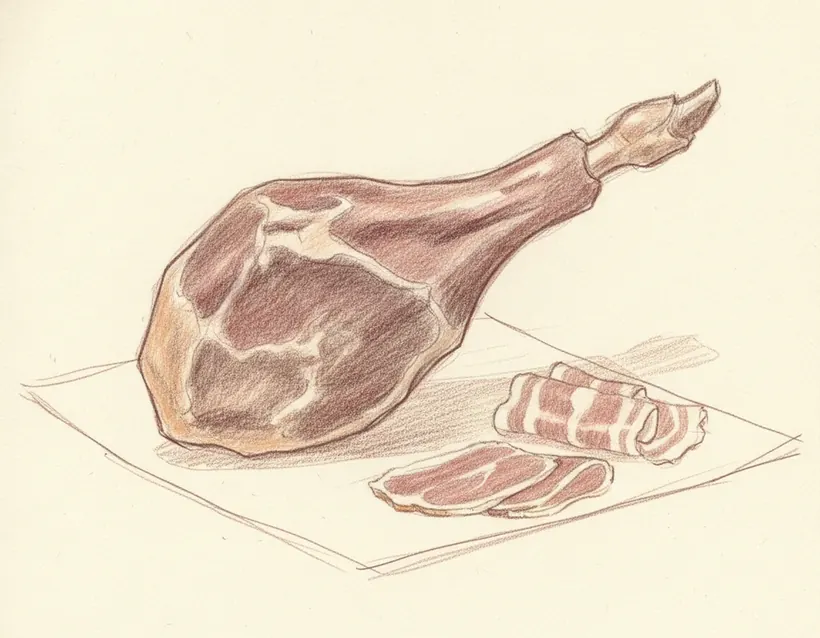
The belted 'Cinta Senese' heritage pig of the Sienese woods, its dark marbled meat cured into fine prosciutto and salumi.
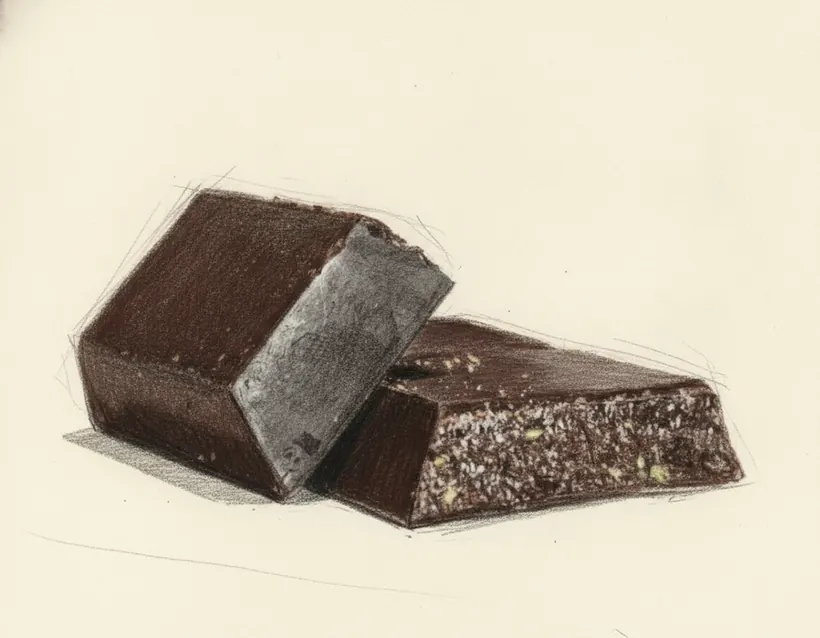
A grainy, cold-worked dark chocolate made to an ancient Aztec-derived method, the sugar left in crunchy crystals.
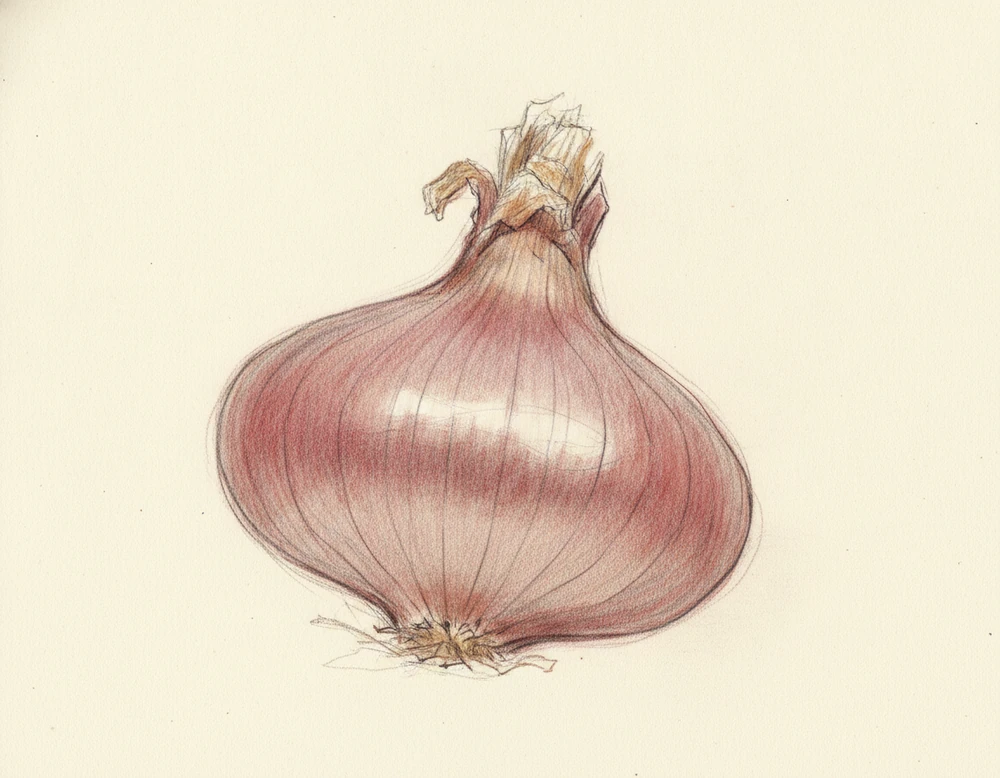
A very large sweet red onion shaped like a flask, up to a kilo. The climate and the alluvial soil of the Merula suit it exactly. Where it came from is not really known; the story in Andora is that it came off the sea early in the 19th century with Settimio Denegri, a young sailor turned farmer from a Turinese family that held a lot of land there. It went into every plot in the district and then declined from the 1960s, partly as building took the fields. It survived through one grower, Trentino Bellenda, born 1926 and known as Trentin, who kept growing it, saved seed and handed it round.
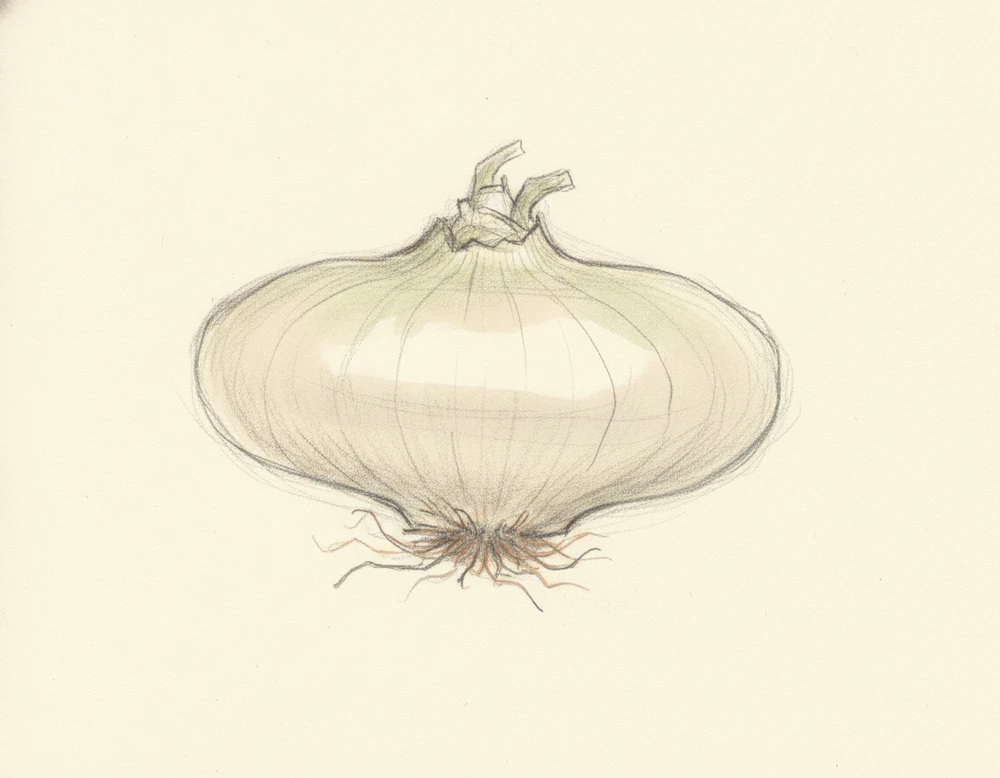
The town's name is Lombard, the land of the sons of Peter, and it stands at the edge of the Maiella park in the Foro valley, of which it is the main centre. The onion became part of what the place is and a real part of its economy, and is still feted on the first weekend of August. It is called piattona for its flat shape, and it is sweet and aromatic. The monks of the local Sant'Eufemia monastery were already growing an onion here in the 14th century.
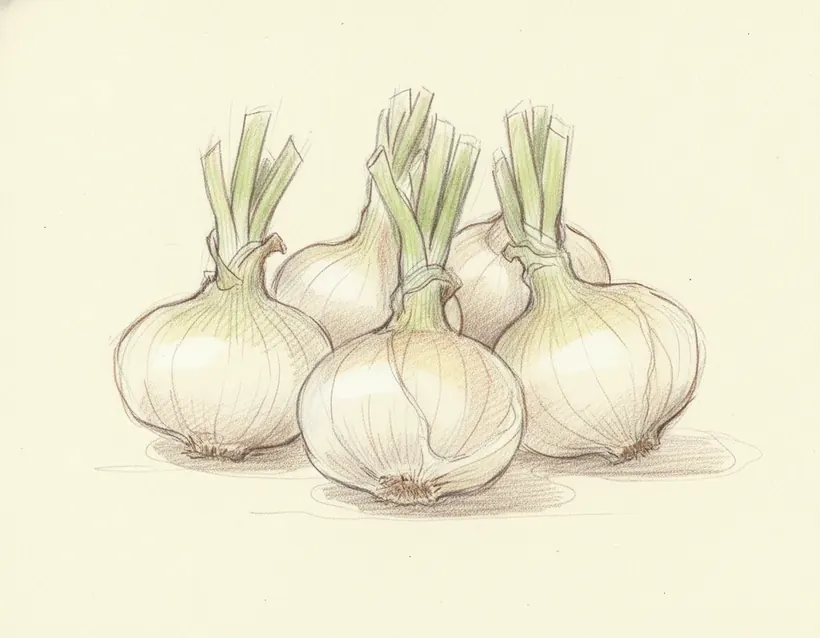
A sweet, flattened white onion grown in the sandy coastal soils of Margherita di Savoia, mild enough to eat raw.
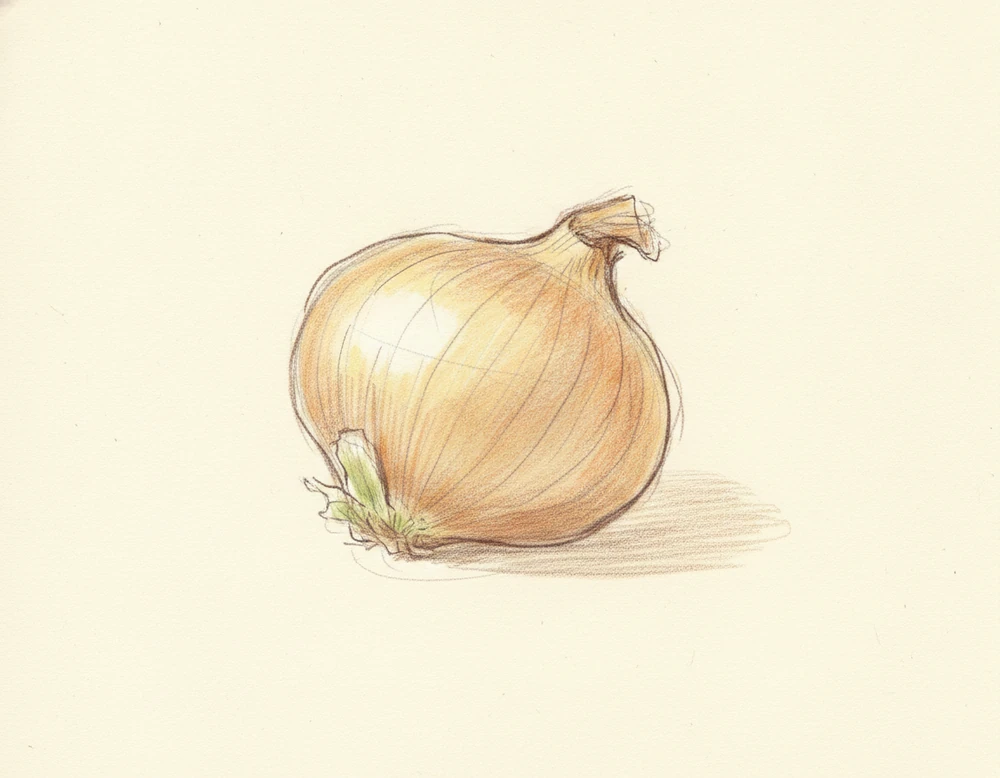
A blond onion from the plain between the Agogna and the Sizzone, near Novara. Growers used to take crates down to Cureggio station every day for the Milan and Turin markets.
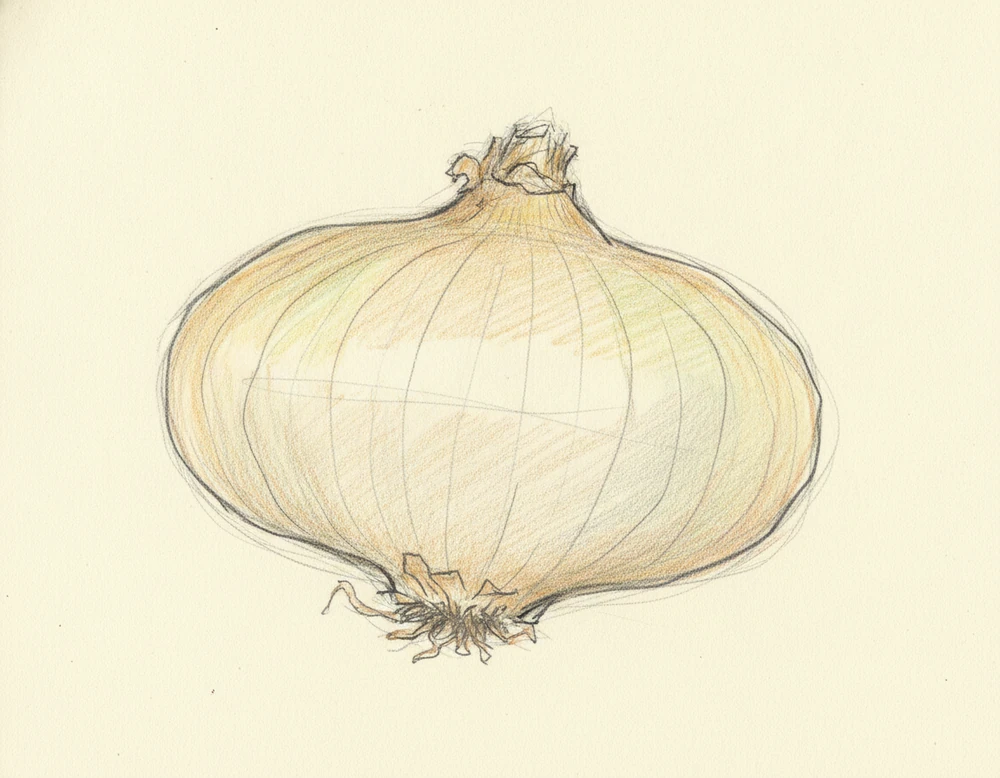
A flat blond onion from Drubiaglio, a hamlet of Avigliana lying in a broad valley ringed by wooded moraine hills at the mouth of the Val di Susa. The Dora Riparia and the Messa torrent flooded the ground there regularly until it was drained.
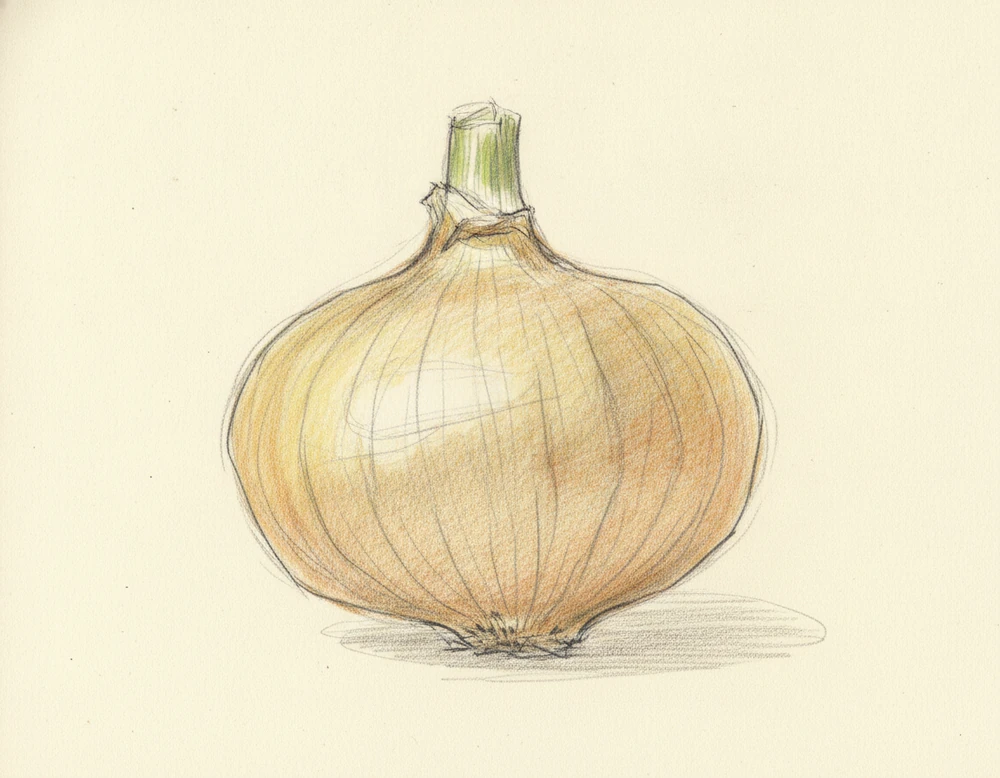
The zvòla da aqua, an early yellow onion, very sweet and very large, up to a kilo. It is named for its thirst: the water came off the mill ditches, and until the 1940s a network of them ran from the Marecchia, used by turns by the farmers and the millers, some of it going to plots of onions, garlic, turnips and beans. It was grown wherever Marecchia water reached, along the Corpolò bank above all, and Rimini called the people of Santarcangelo zvùléun for it, the big onions.
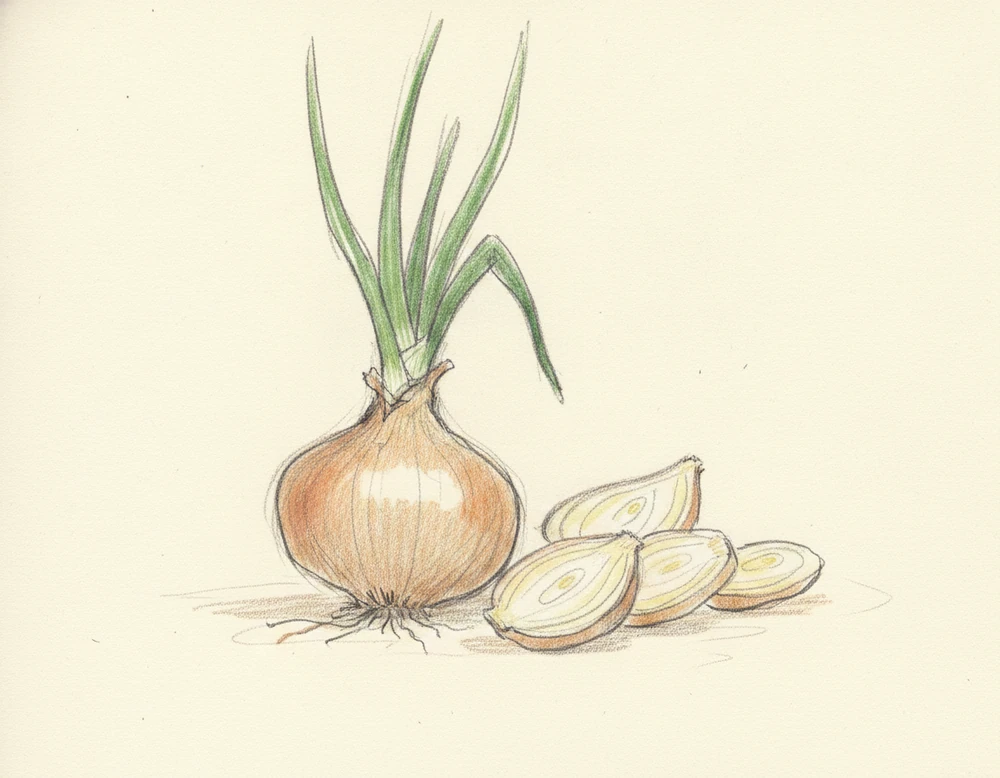
An onion from Airola in the western Valle Caudina, under Monte Tairano, where the Tesa and Faenza torrents meet to form the Isclero.
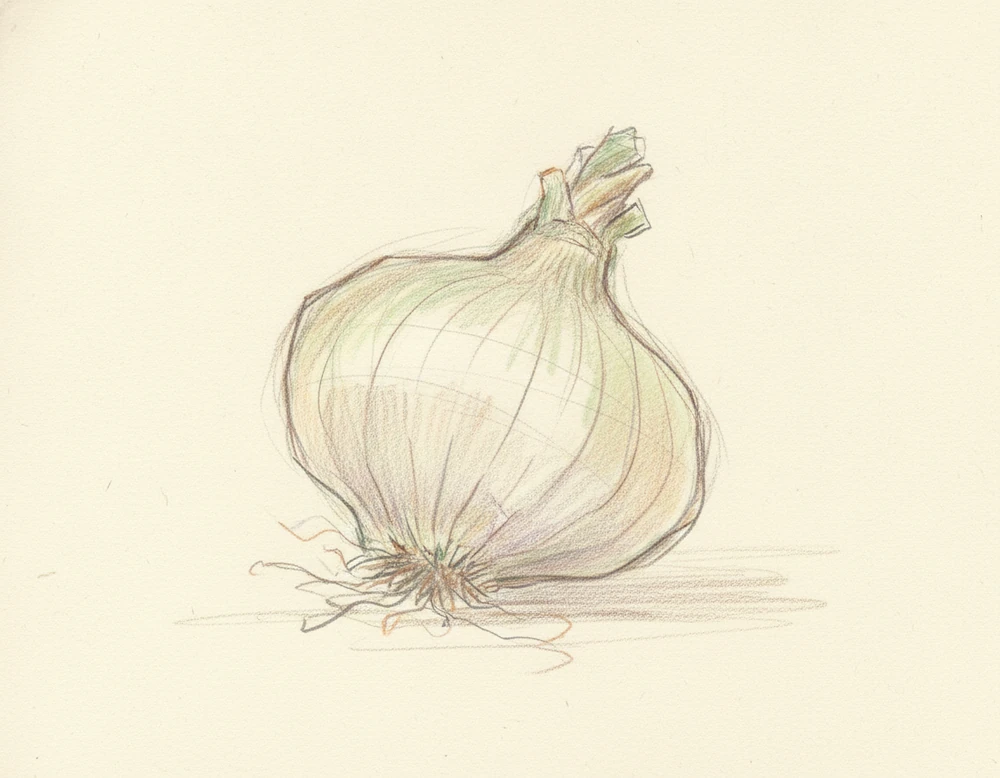
An onion from the fertile Alifana plain that takes its name from the town. Cultivation is old enough that local tradition puts it in the Roman occupation, when gladiators are said to have rubbed themselves with the onions to tone their muscles.
A local ecotype, slightly flattened, golden-skinned, the flesh white to nearly transparent and sugary; firm, and pungent in the nose but tending sweet. They run 400 to 1,100 grams and 10 to 15 cm across, up to 20 or 25. They are grown on flat irrigated land in the L'Aquila basin, and until 60 years ago also at 1,000 metres on Monte Ocre. The locals have always credited the taste of this golden onion to the water of the two lakes, San Raniero and San Giovanni.
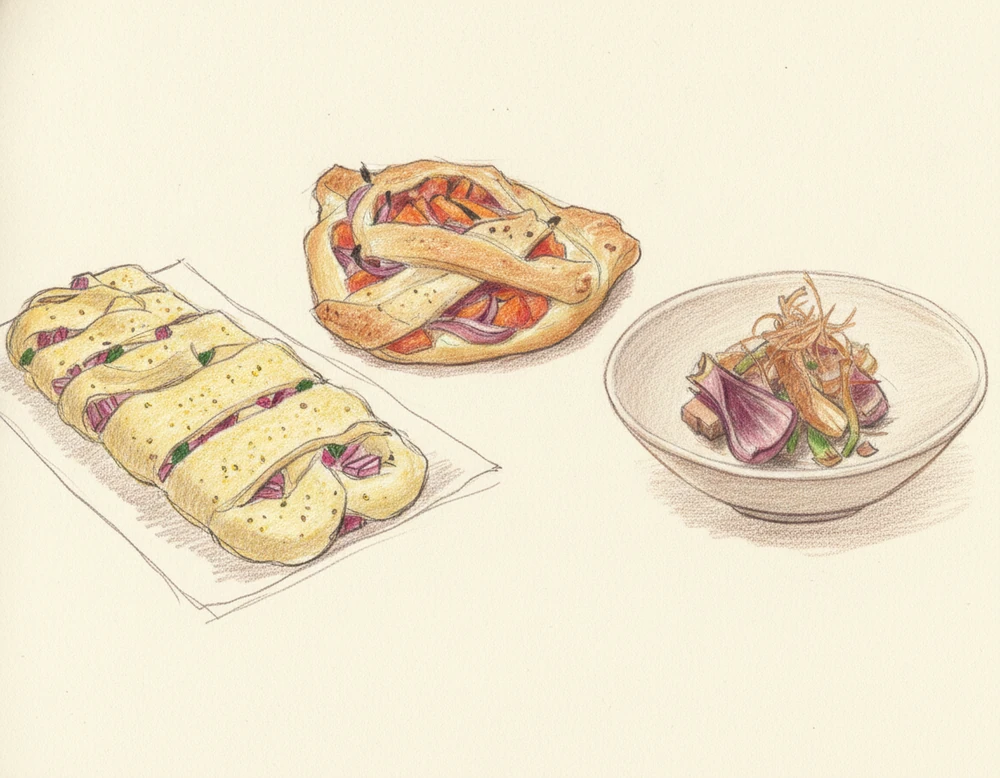
A red onion of the barren ground at the foot of the mountains between the Meduna and the Cosa, the Cavasso strain deeper in colour than the one from the Cosa valley. The women plaited them into riesti with palut, a long tough reed, and sold them round the villages or, in hard years, bartered them for maize from the Bassa. Cultivation was dropped from the 1960s and survived in a handful of family plots, where the older generation kept the seed and the stories with it.
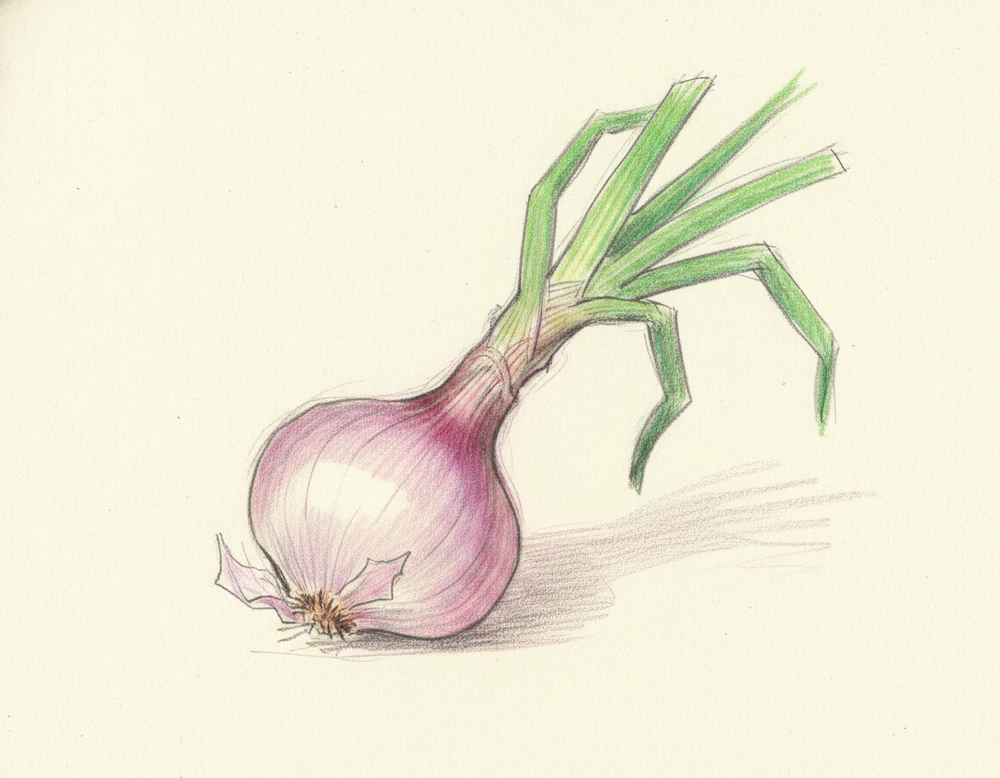
Boccaccio called this the most famous onion in Tuscany, and Certaldo has kept it as a piece of local identity: it sits on the town's coat of arms, on a red and white shield. Two types are grown from different sowings, the round pale-purple Statina, sweet and juicy, and the flatter bright-red Vernina, which is pungent.
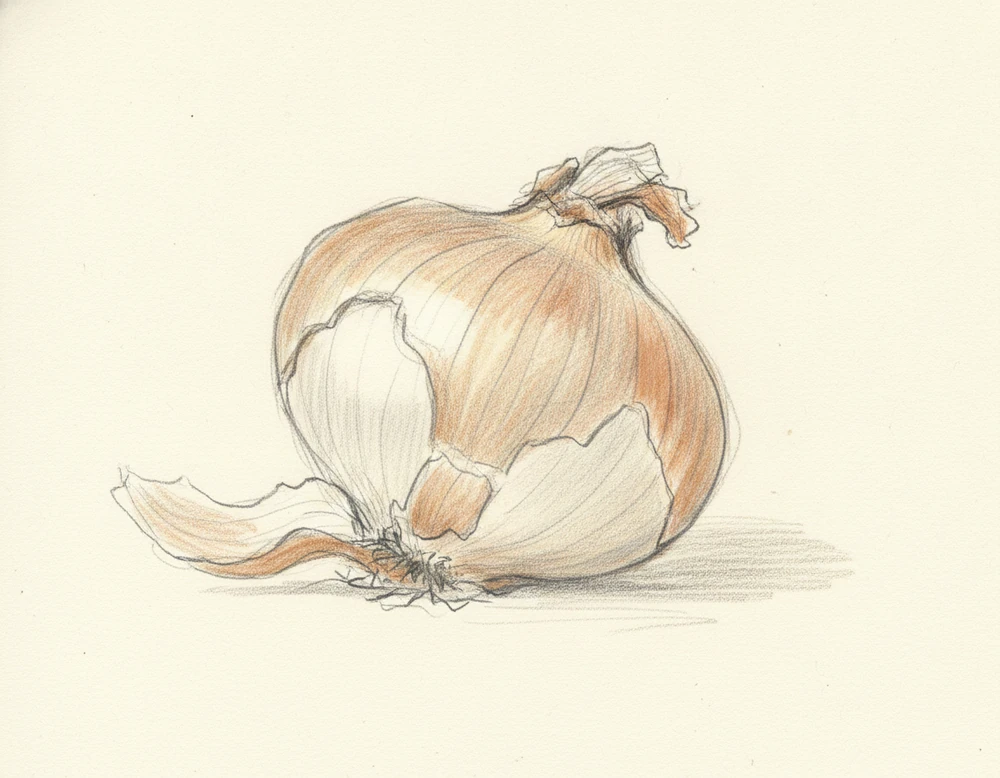
A very large, remarkably sweet onion from the Iblei mountains. The bulb is slightly flattened with brownish-white skin and white flesh that carries flavour without pungency. They usually weigh around 500 g and can reach two kilos.
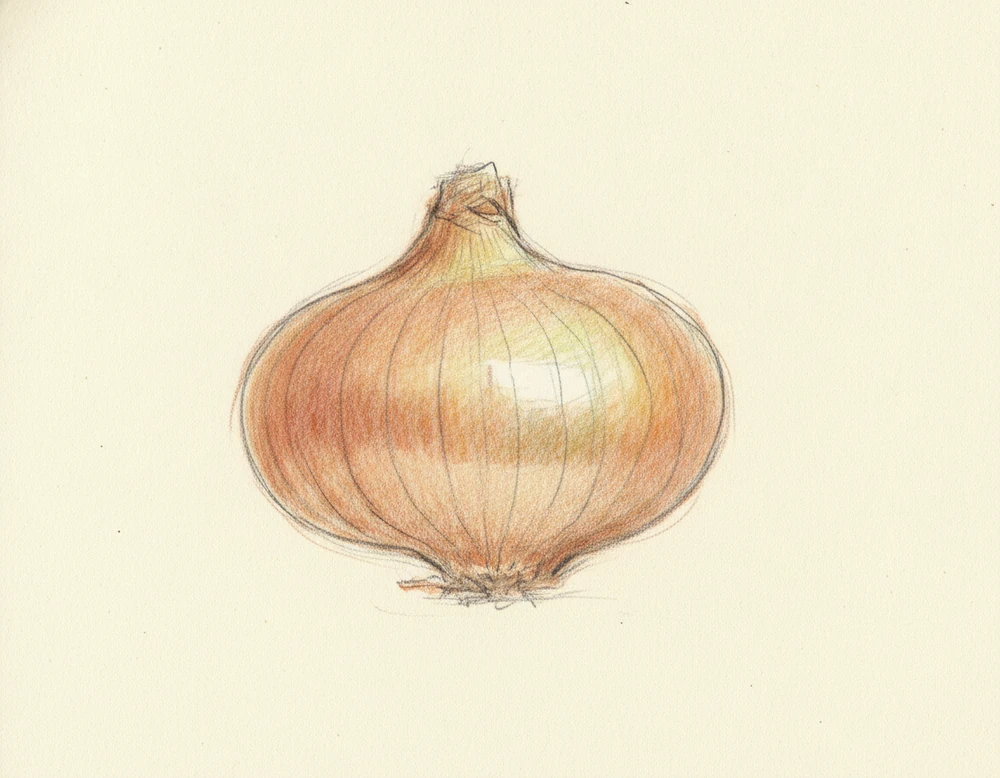
A native Cilento onion, very sweet and barely pungent, delicate in aroma. Shaped like a spinning top or a small lemon, usually 330 to 400 g but often reaching 800 or 900.
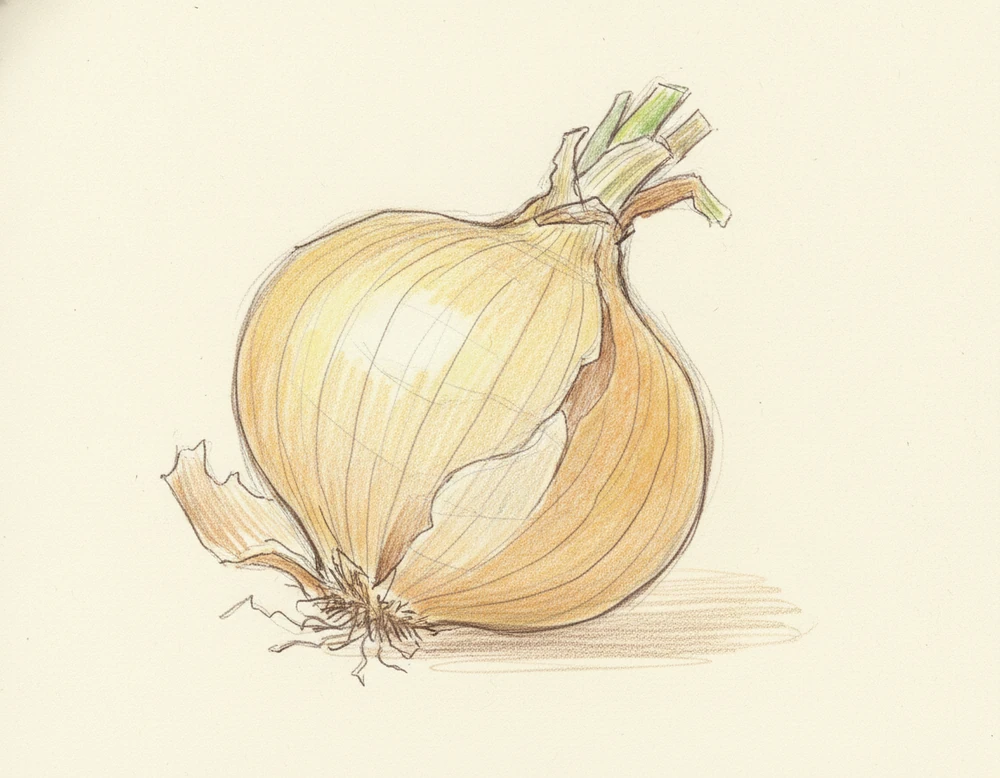
Water is the reason: the agrarian reform papers of Ferdinando III of Bourbon record that thanks to the never-failing Bigini, all the land downstream between one mill and the next was fit for chiantari cipuddra e agliu, planting onions and garlic. The neighbouring villages have called the people of Castrofilippo cipuddara ever since, and the growers still come to them to sell in summer. The name is the straw colour of the outer skin. The bulbs are big, pleasantly scented and sweet, with no heat at all, so they are eaten raw as readily as in cipuddata, 'mpanata di cipudda and cipuddetti frittata.
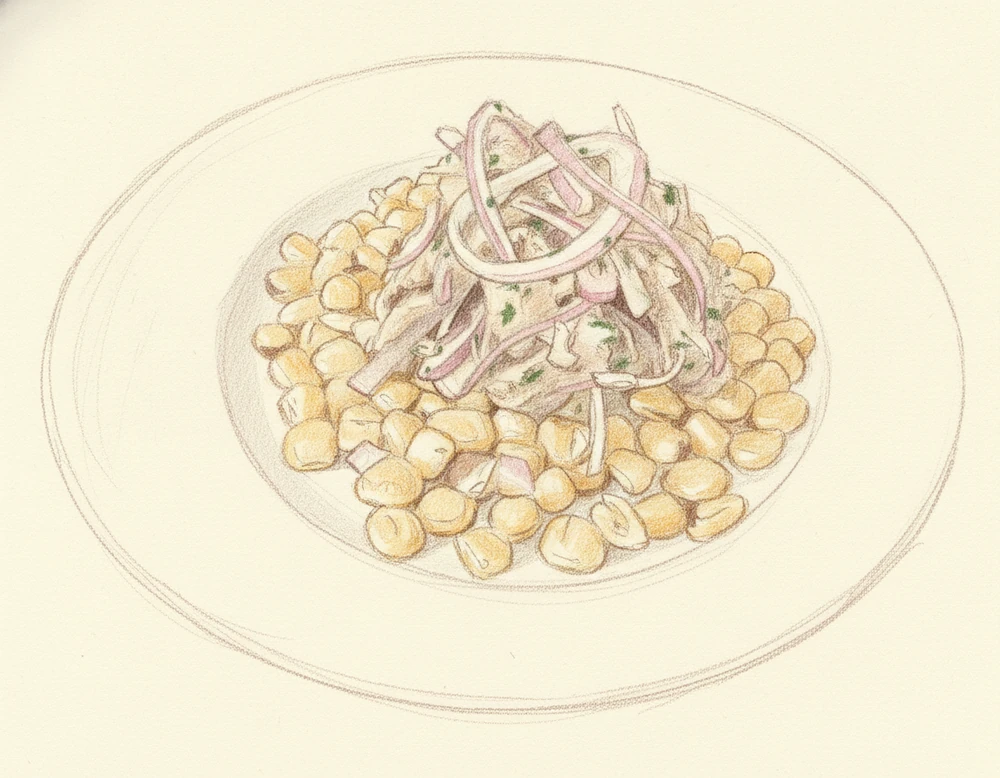
A red onion renowned since the 19th century for its sweetness. The ground at Acquaviva delle Fonti is deep, well drained and aerated, rich in potassium and moderately loose, tending to muddy, which is what the growers credit for it.
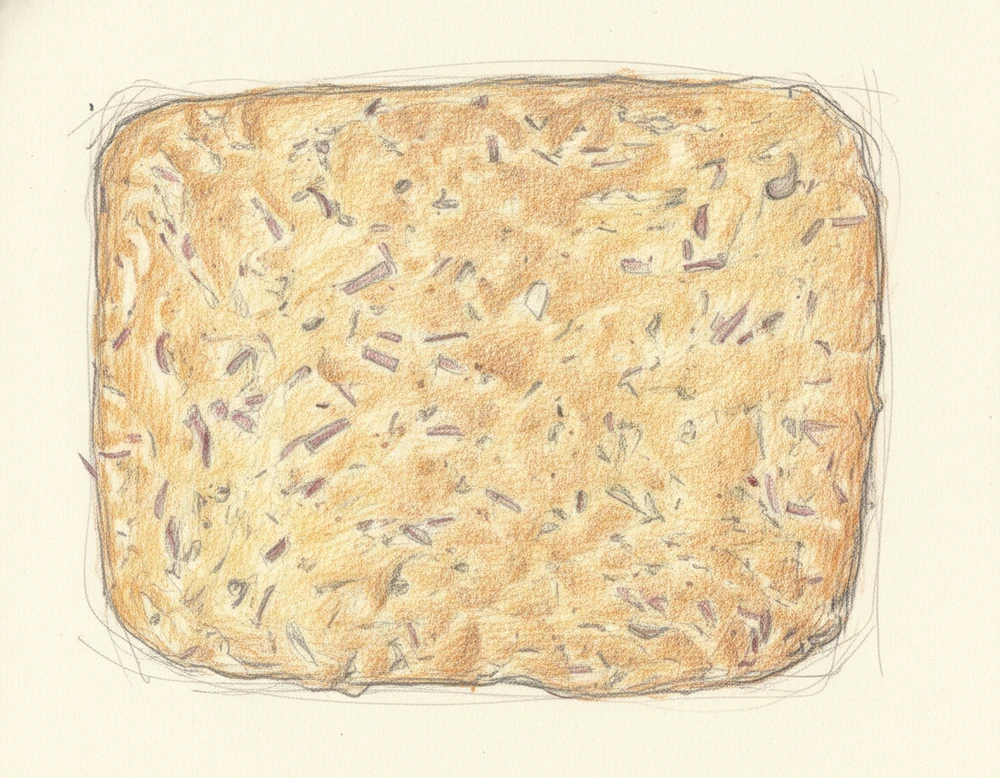
Breme is a medieval village of 700 people in the lower Lomellina, where the Sesia meets the Po, and the sigulla starts at its 10th-century abbey of San Pietro: a chronicle of 906 has monks from Novalesa, in the Turinese, moving here away from Saracen raids and finding both a new house for their congregation and ground that suited their vegetables, the white or golden onion and the red. The red weighs six or seven hundred grams, squat and deeply coloured, and it has lasted on sweetness, crunch and digestibility; the village calls it dolcissima.
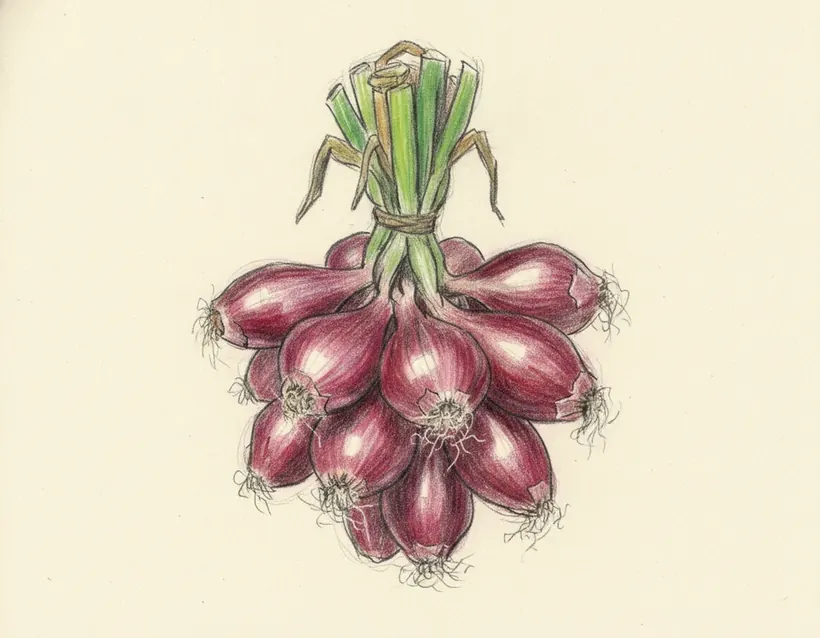
The long, torpedo-shaped purple-red onion of the Tyrrhenian coast, sweet and mild enough to eat raw or turn into jam.
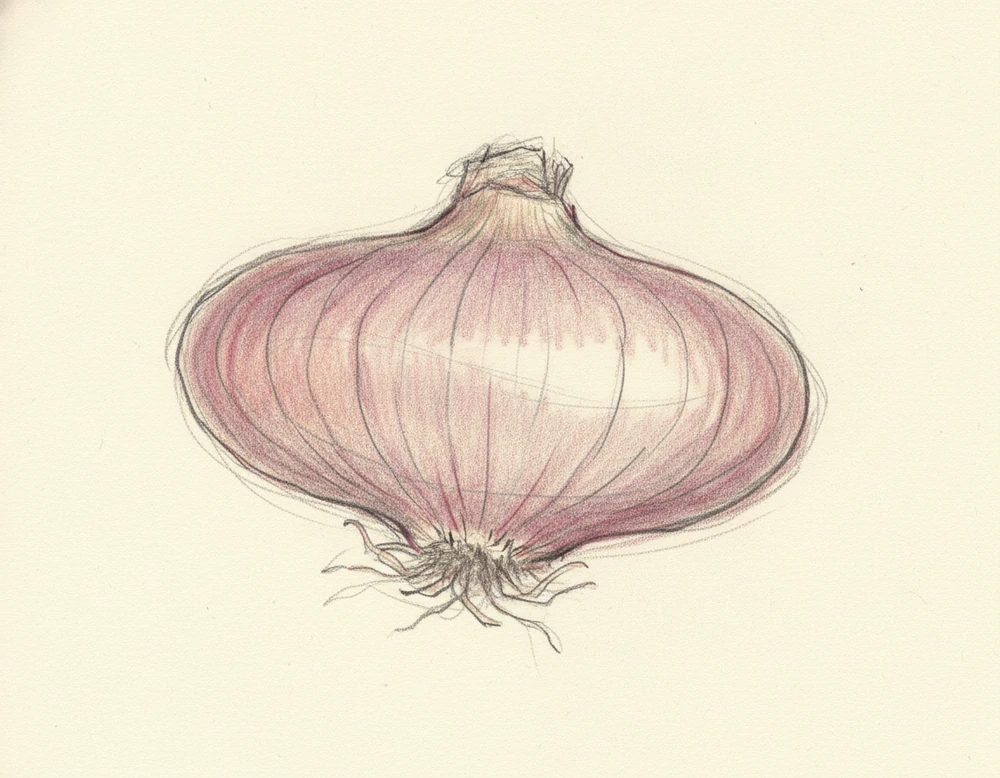
Pedasini cipollari e pescatori, onion growers and fishermen, is what the coast calls the people of Pedaso, and it says exactly what the place lives on: the Adriatic on one side and, inland, the sandy soils of the Valle dell'Aso along the river. The sand is what flattens the onion, and the mild coast, with warm windy summers, does the rest. Large plots of onions here are documented well back.
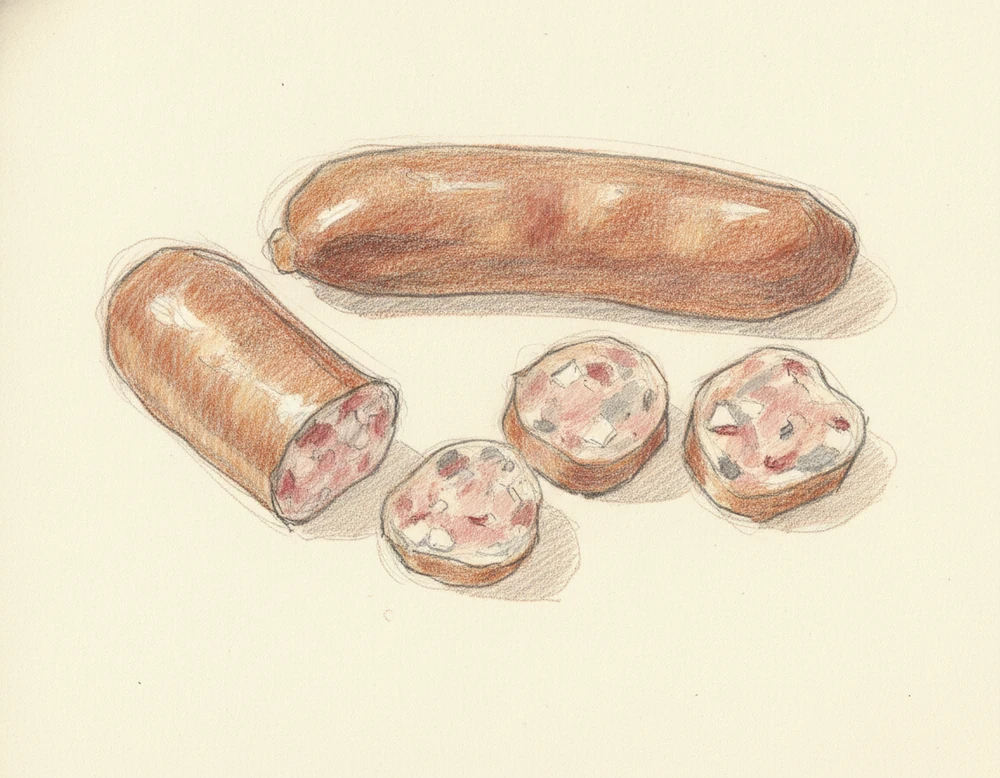
Ciuighe is a record of how poor the Giudicarie Esteriori were, the valley between Lake Garda and the Brenta Dolomites where San Lorenzo in Banale stands. A family that raised a pig sold the good parts and made a salami of the rest, padded out with a large proportion of turnip. The thing survives, though now with decent cuts in it too, shoulder, neck, belly and jowl, and less turnip, 35 to 40 percent.
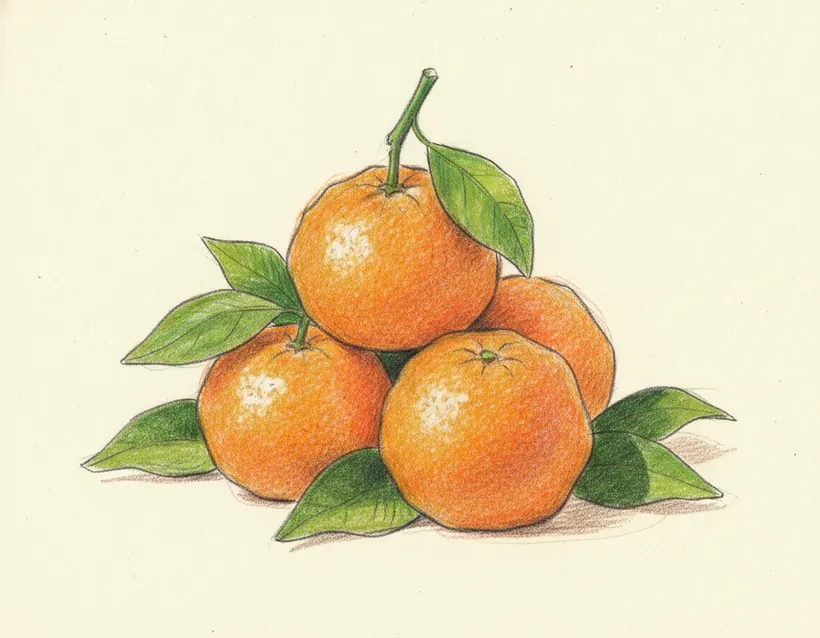
Sweet, seedless, deep-orange clementines grown along the warm Ionian gulf of Taranto.
The amber liquid drawn off anchovies (Engraulis encrasicolus) matured under salt at Cetara on the Amalfi coast, a direct descendant of Roman garum. Clear and brilliant, amber tending to mahogany-brown.
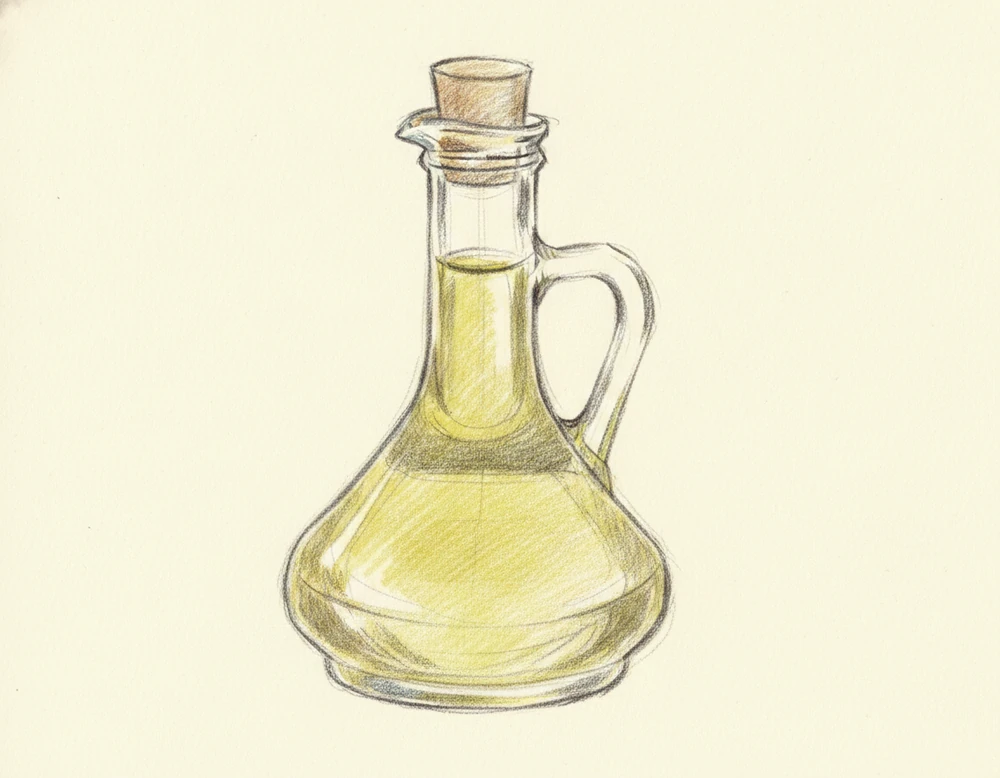
Extra-virgin olive oil from the Brindisi hills, at least 70 per cent Ogliarola, with Cellina di Nardò, Coratina, Frantoio, Leccino, Picholine and other locally widespread varieties making up as much as 30 per cent.
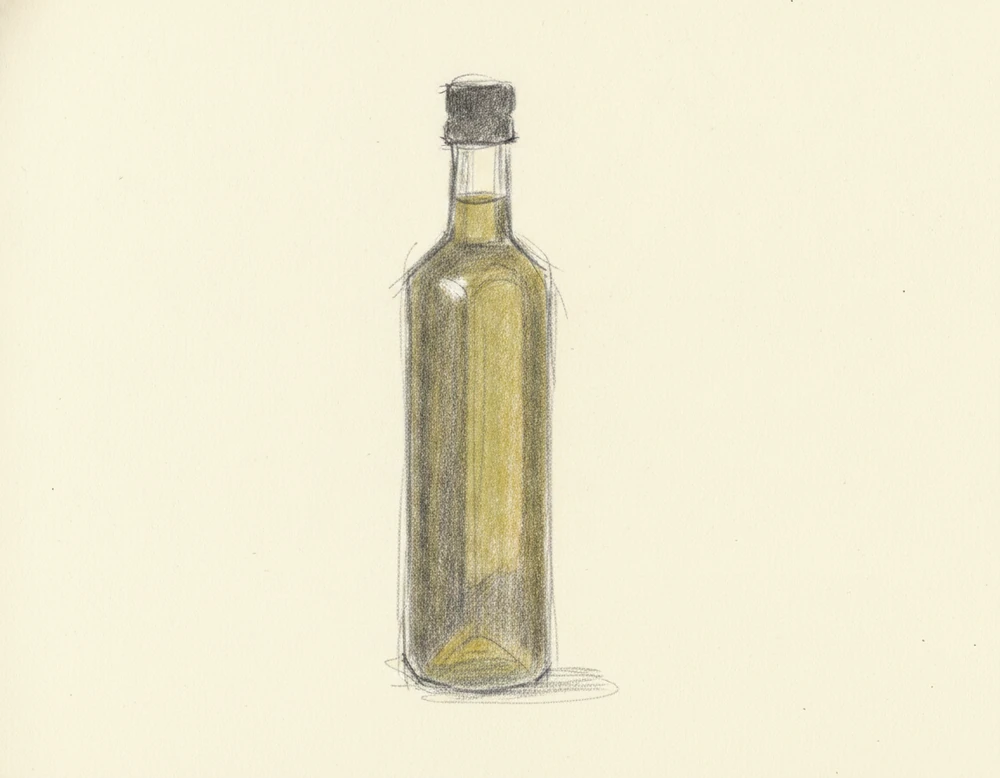
An extra-virgin olive oil from the hills behind the Rimini and Forlì-Cesena coast, blended to a fixed recipe: Correggiolo at a minimum of 60 per cent, Leccino at no more than 40, with a little pendolino, moraiolo or rossina permitted.
Extra-virgin olive oil from the hills above the Pontine plain, built on Itrana at 50 to 100 per cent, with Frantoio and Leccino up to 50 per cent between them.
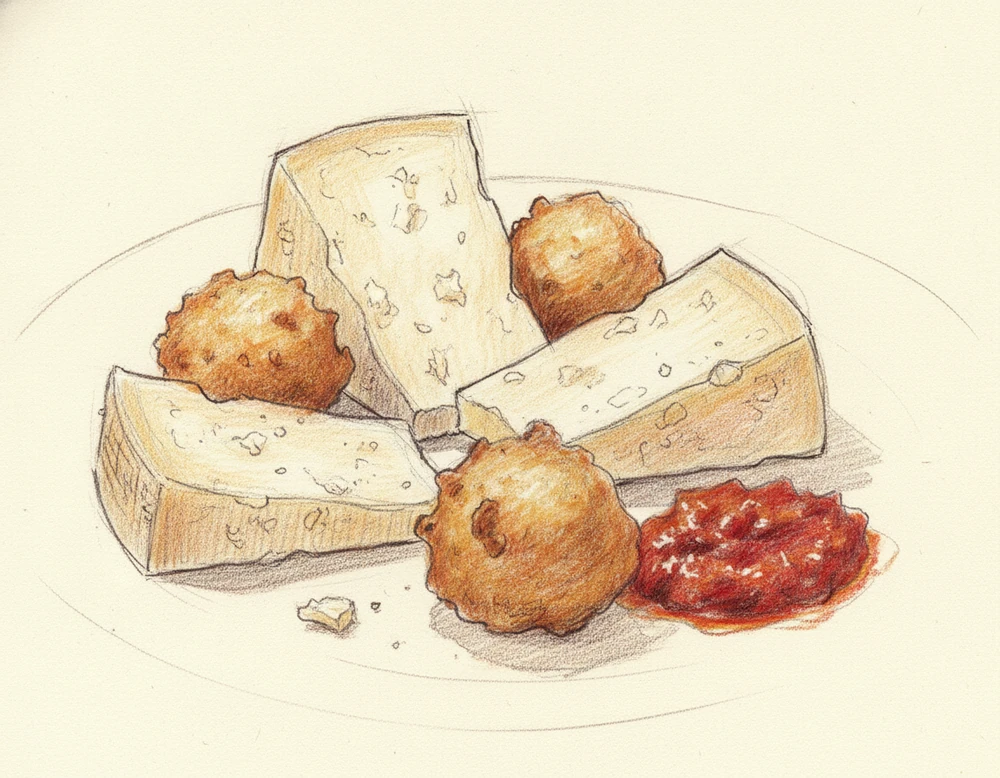
Despite the name it goes back to the Samnites, and many consider it the oldest cheese in Italy. Cow's, sheep's and goat's milk are curdled with kid rennet, hand-pressed, salted and dried, then conciate, dressed, one method being a wash in the water pasta has been cooked in.
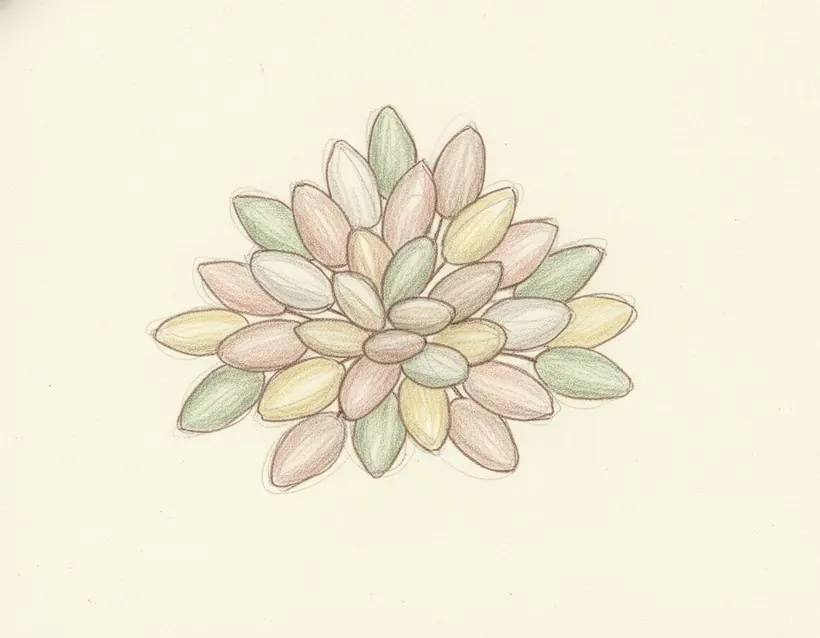
Sugar-coated almonds from Sulmona, made since the Renaissance and wired into elaborate flowers for weddings and celebrations.
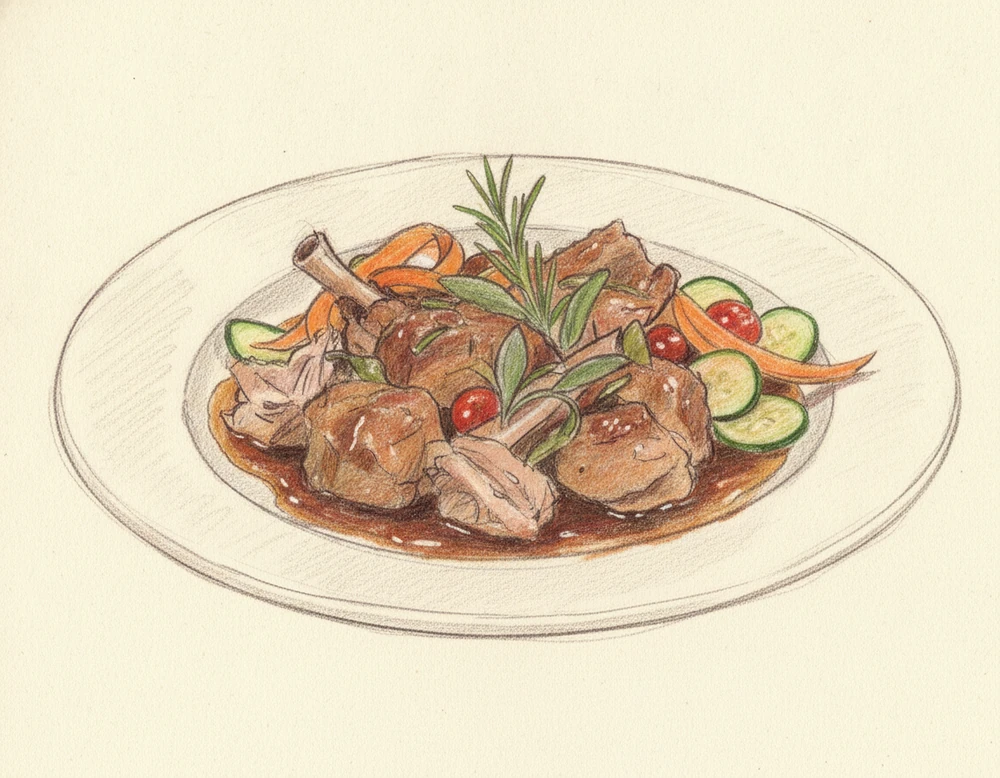
Rabbit farmed on Ischia in an unusual way: in pits dug three or four metres down, where the animals then tunnel their own branching burrows. A conigliata, a rabbit feast, was traditionally held to inaugurate a new domed carusiello house.
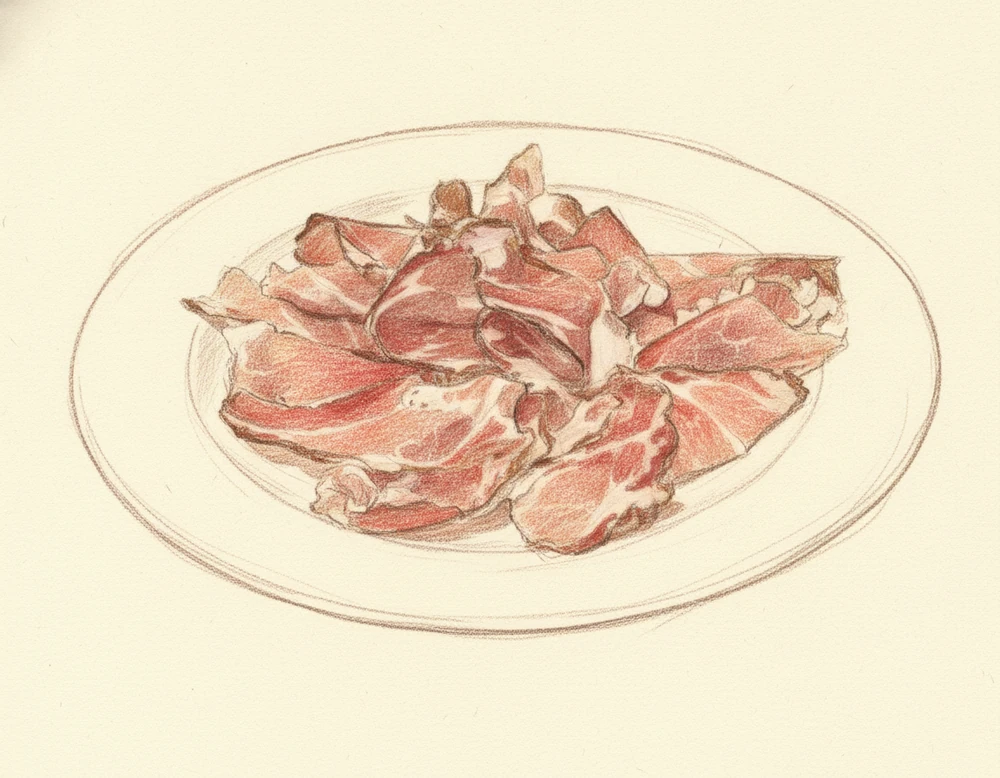
A cured neck muscle, unpressed so it stays a true cylinder some 25 to 40 cm long and never lighter than 1.3 kg. A correctly matured slice shows no yellow or soft fat and no interior mould, the marks the disciplinare uses to define a badly cured one.
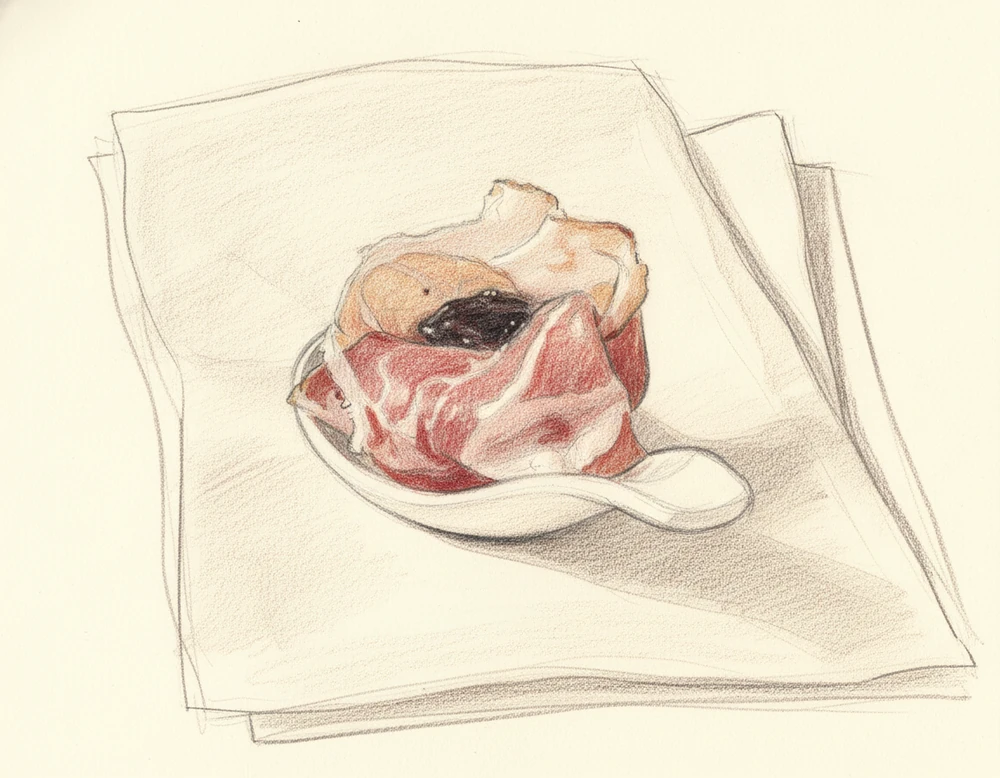
A salted and air-dried whole neck muscle from the Piacenza hills, cased and tied so it cures into a cylinder that tapers slightly at one end. Sliced, it is compact and even, deep red marbled with the rosy white of its own fat, and it turns sweeter and more delicate the longer it matures.
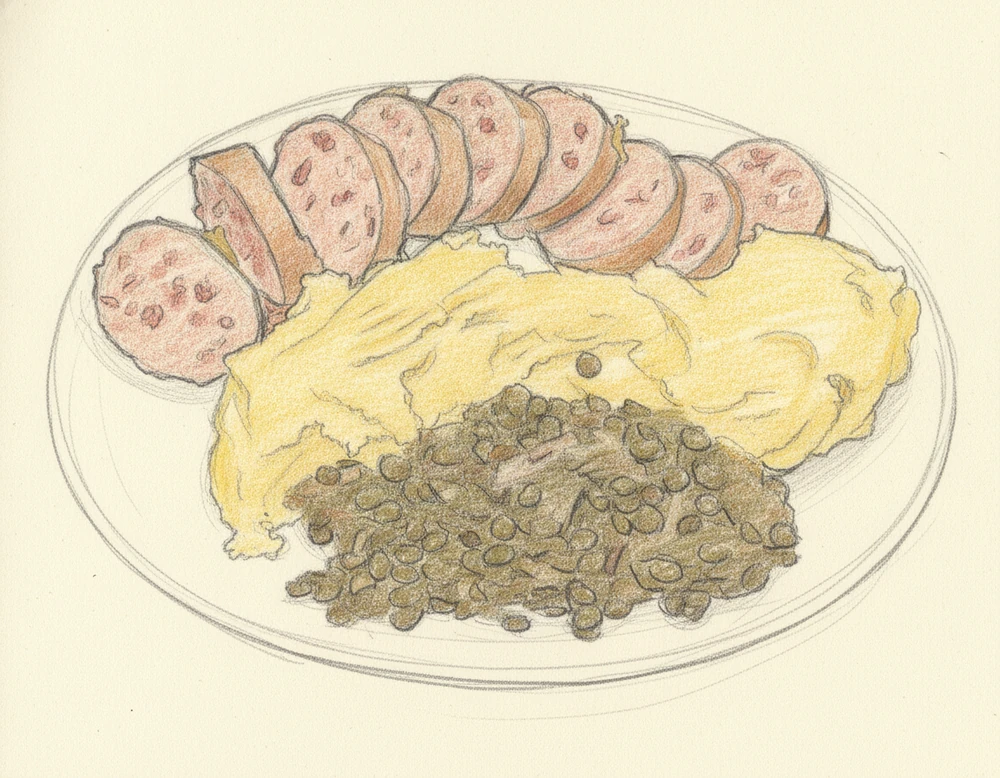
A large fresh sausage of pork meat, rind and fat, seasoned and cased, traditionally simmered for hours and served with lentils at New Year. It shares its filling, its zone and its history with Zampone Modena, which packs the same mixture into a boned trotter.
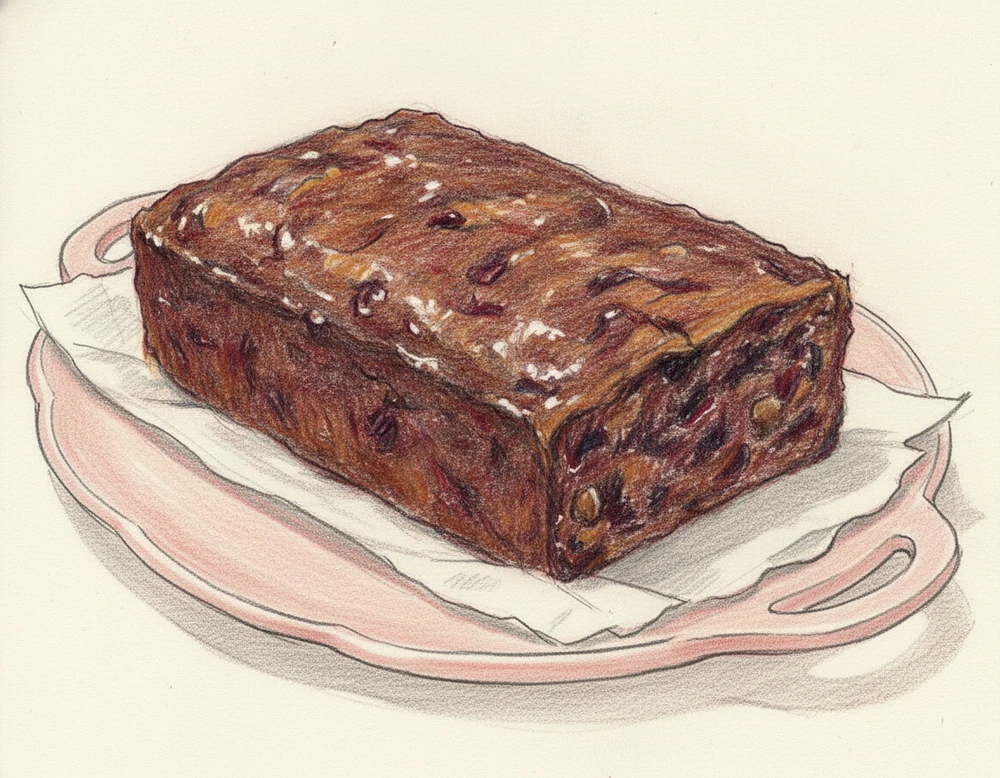
The cotta is the cooking of the grape must, and Roccamontepiano has long been known for it. Cooked must is what vino cotto is made from, a drink of various parts of Abruzzo and central Italy and an old one: it is said to have been drunk by Roman emperors after dinner, Plautus has it as a liqueur at grand banquets, and Pliny and Columella describe how it was made. Mario Soldati praised it in 1971 as an excellent dessert wine, brick red with deep gold lights, its odd smoky, slightly rough taste and moderate sweetness keeping it clear of the cloying.
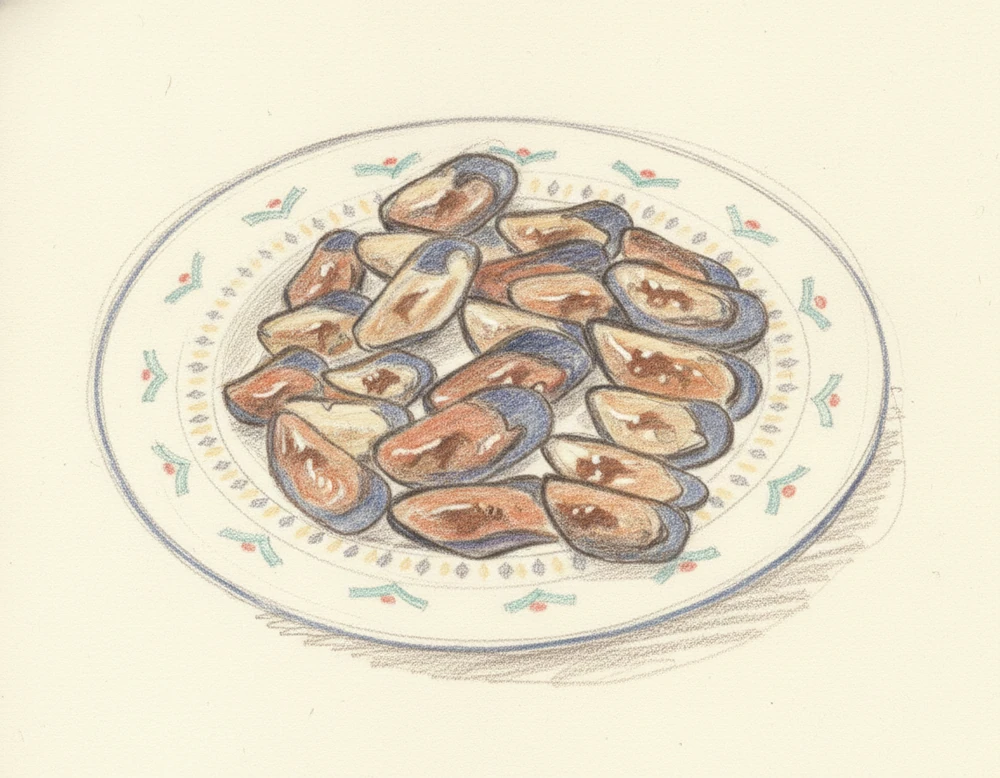
A mussel farmed in the Sacca di Scardovari lagoon in the Po delta. The shell is elongated and black-violet, the valves domed and near-triangular with fine concentric striations, iridescent violet inside, the colour shifting with the season and the animal's sex.
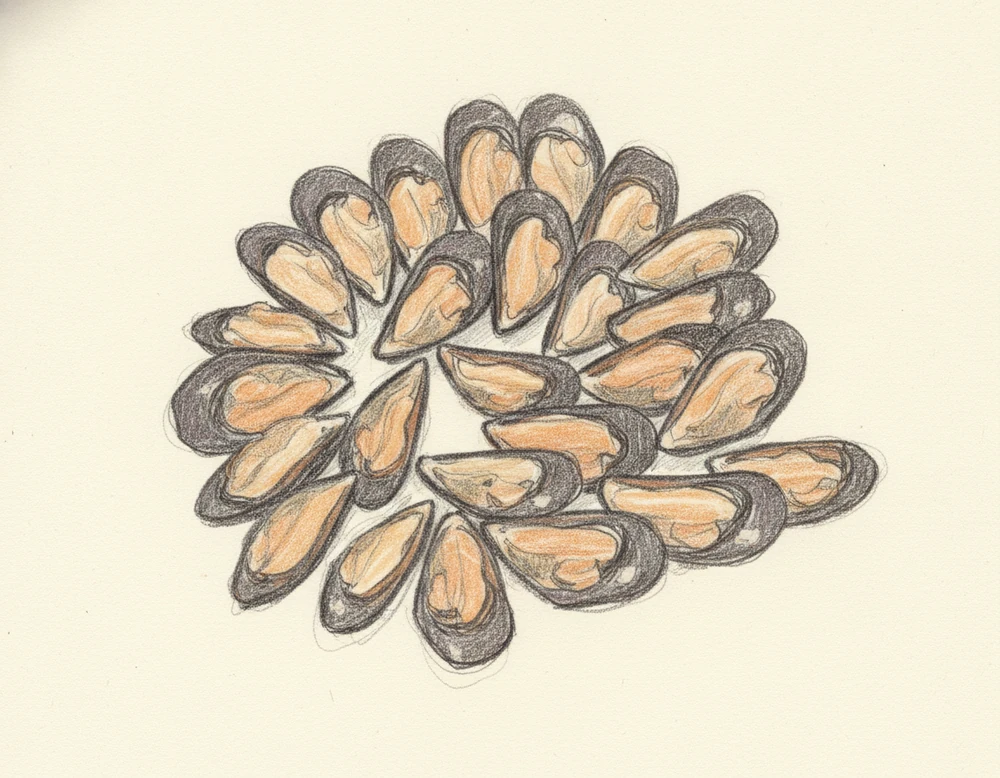
Taranto has farmed mussels and other molluscs for as long as there are records: oysters were already a trade in the late Roman period and again in the Middle Ages, on the strength of the low salinity of the Mar Piccolo. In the 16th century the city's rulers set down rules in the Libro Rosso against overfishing the lagoons and against destructive gear, and that text became one of the foundations of Italian fishing law. The black mussel is first named in 1525 as a native species: Mytilus galloprovincialis, nearly quadrangular, two valves of 5 to 8 cm, glossy black-purple, striated and curved outward at the centre.
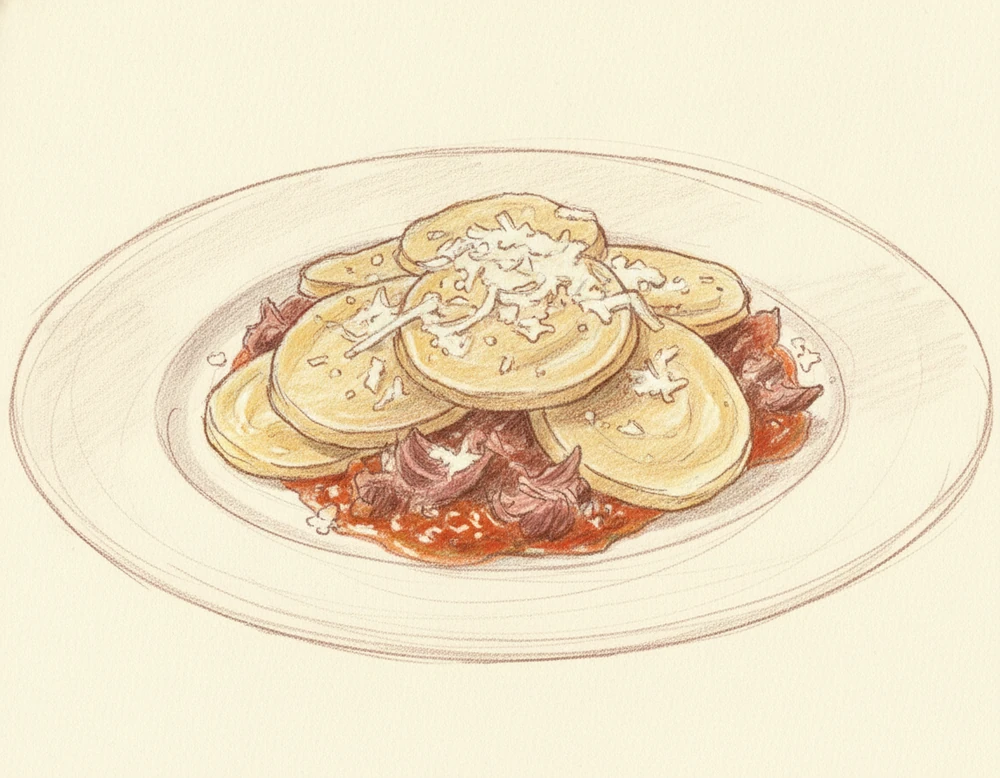
Crosetti, corzetti, curzetti, cruxetti: the names run on, because the thing comes from both sides of a border. Provence has crosets; the far east of Liguria, Chiavari, Lavagna, Sestri Levante and Varese Ligure, where the practice is best kept, has croxetti or corzetti. Commercial versions are everywhere and are not made the traditional way. It was a pasta for occasions: the custom was for the groom's father to present his future daughter-in-law with a tray of croxetti and the family's wooden stamp.
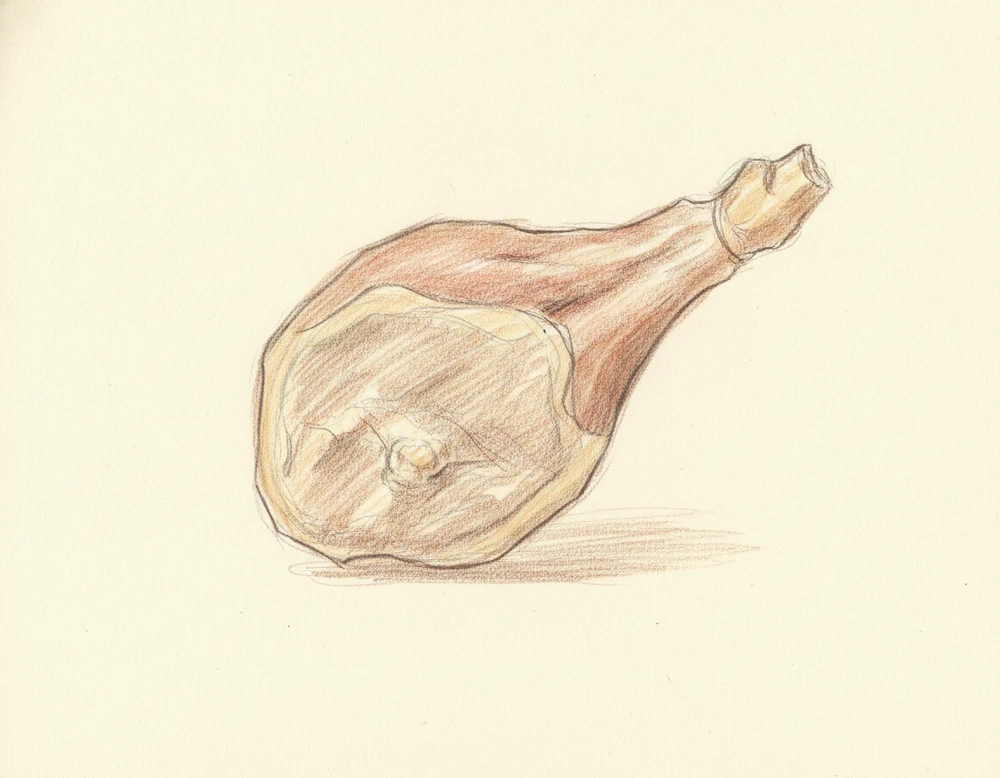
A raw cured ham made only from fresh legs of pigs born, raised and slaughtered inside the production zone, the plain and hills around Cuneo.
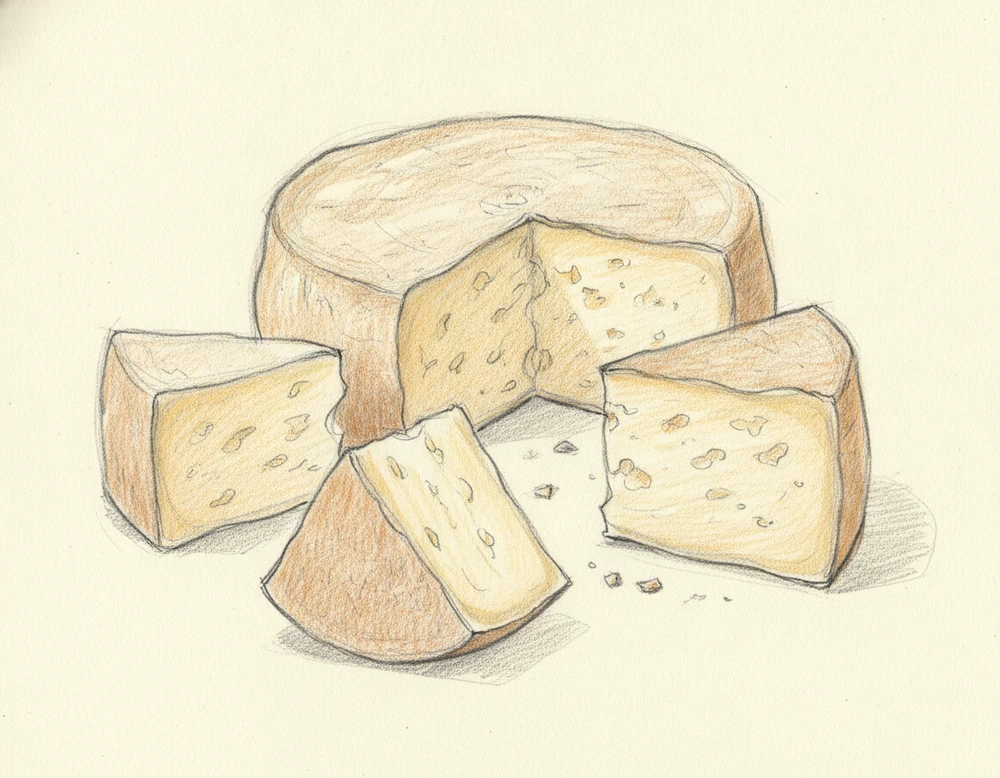
The summer-pasture cheese of Carnia, the Val Canale, the Canal del Ferro and the Friulian Dolomites, where moving the herds up to the alpine meadows is thousands of years old; documents of the Patriarchate of Aquileia were already setting rules for the pastures before the year 1000. Pastures were assigned by rotation, so a farmer rarely held the same one twice, and the making of formadi di mont, çuç in Friulian, travelled with the families rather than with the place. The cheese is little known today.
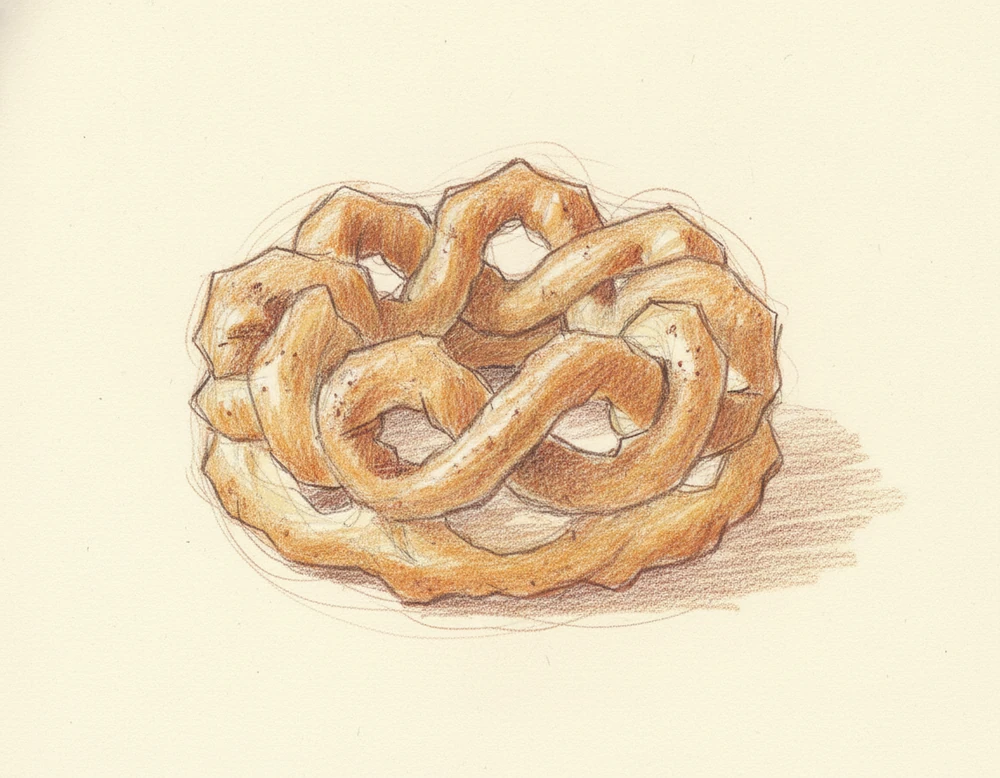
A fried sweet from Delia shaped into an elaborate little crown, said to echo the headwear of medieval noblewomen. The dough is durum wheat flour worked with fresh eggs, sugar, a little lard, red wine, cinnamon and orange zest. The dialect name means a small focaccia shaped like a silkworm cocoon.
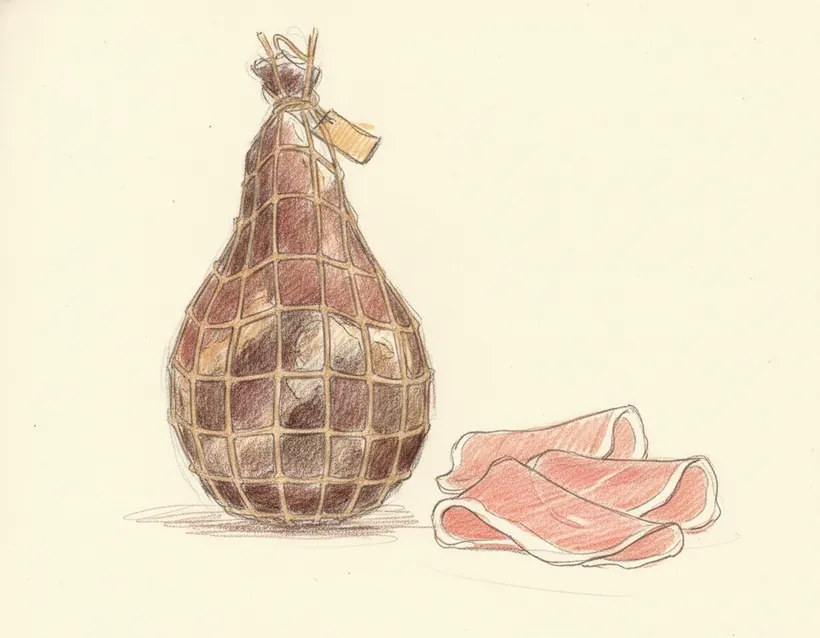
The prized heart of the ham, salted, cased in a bladder and aged in the damp Po fogs of Zibello into a sweet, pear-shaped cured meat.
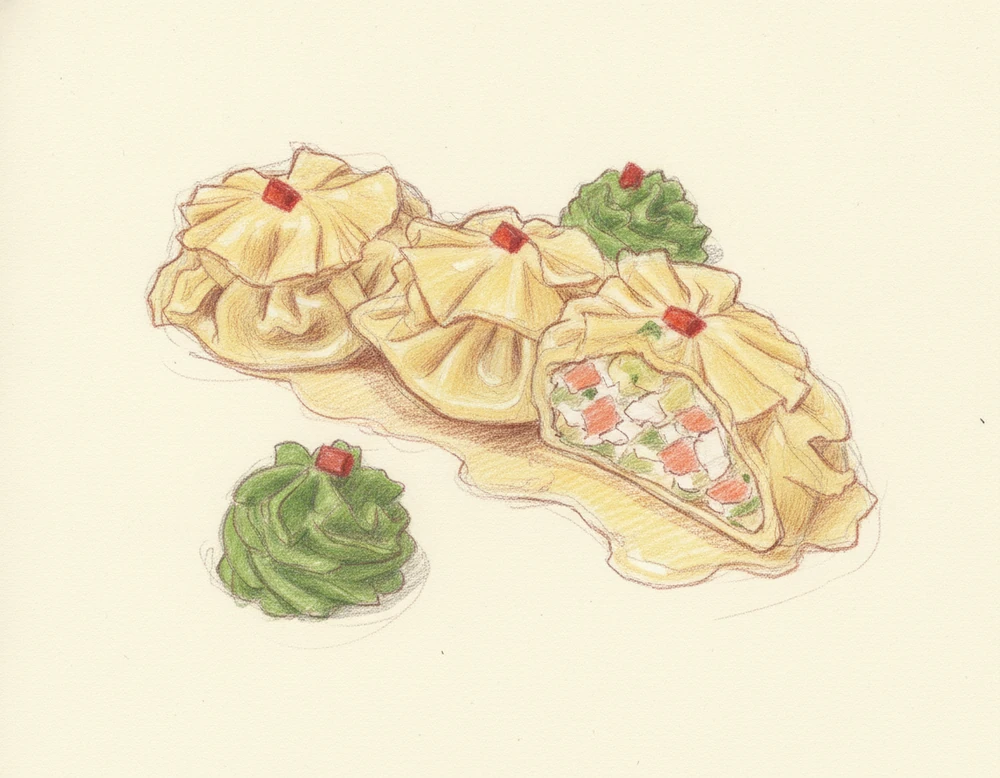
Fresh pasta parcels closed by hand into a pleat that looks like an ear of wheat, filled with fresh or flaked dried potato, cheeses, vegetable or animal fats and flavourings.
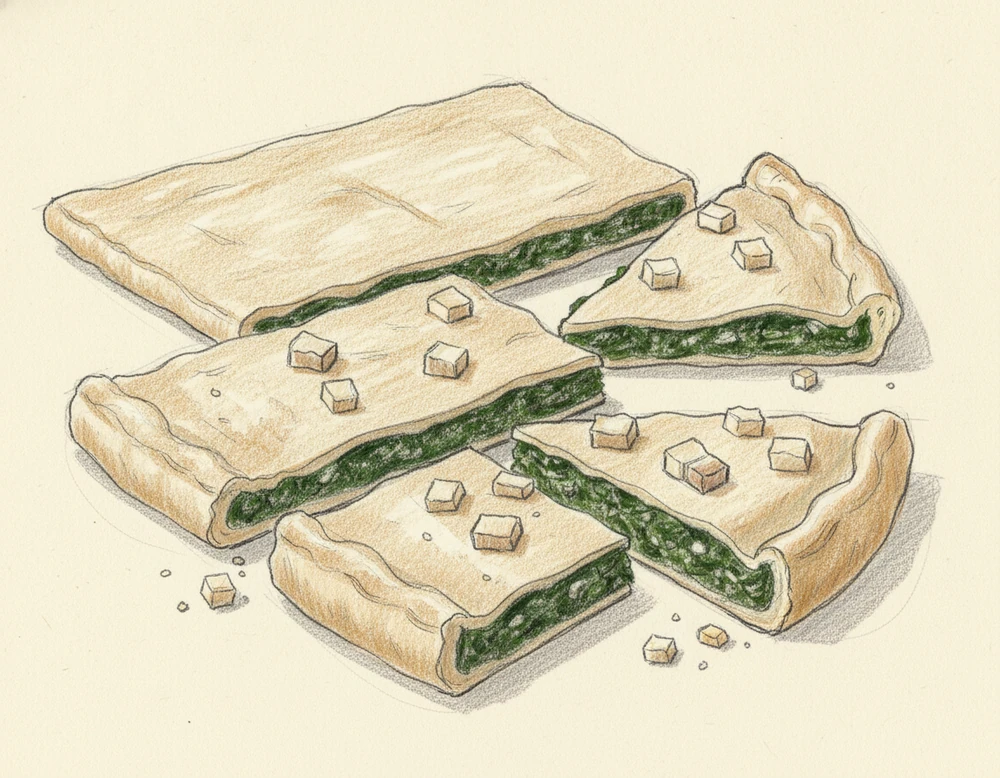
A savoury pie of two sheets of unleavened pastry around a filling of spinach and chard, breadcrumbs and Parmigiano Reggiano. Round or rectangular, irregular, in whatever size the baker makes it; the top sheet is strewn with lardelli, cubes of salted pork lard.
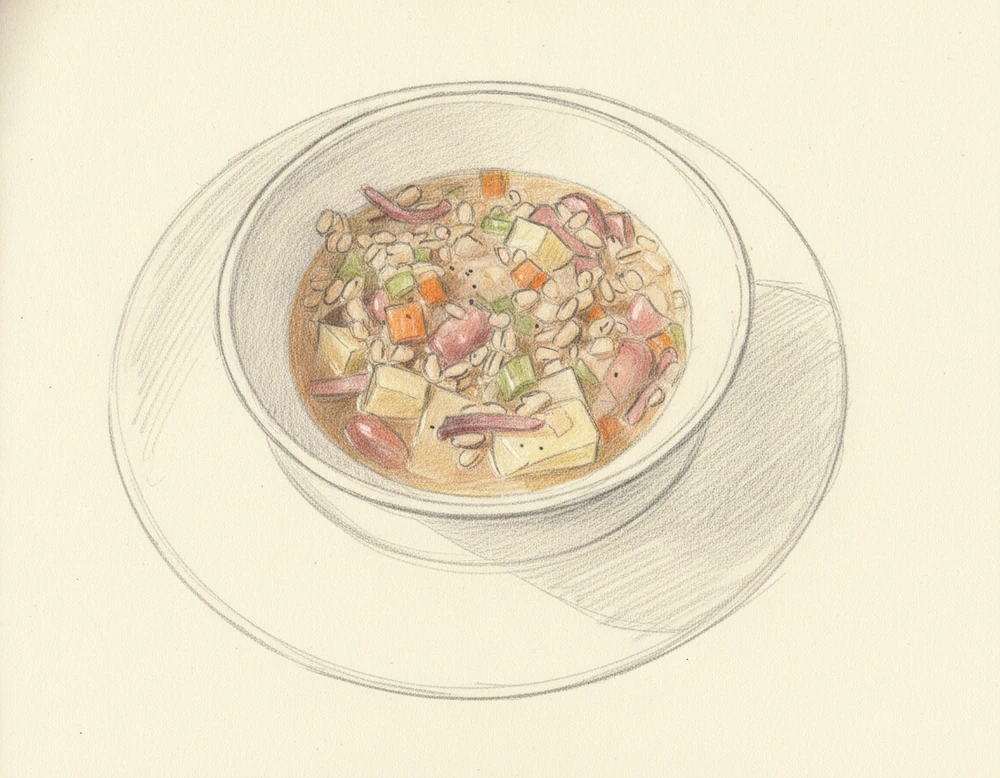
White beans from the Pollino foothills, grown from the Fagiolo Bianco and Tondino ecotypes.
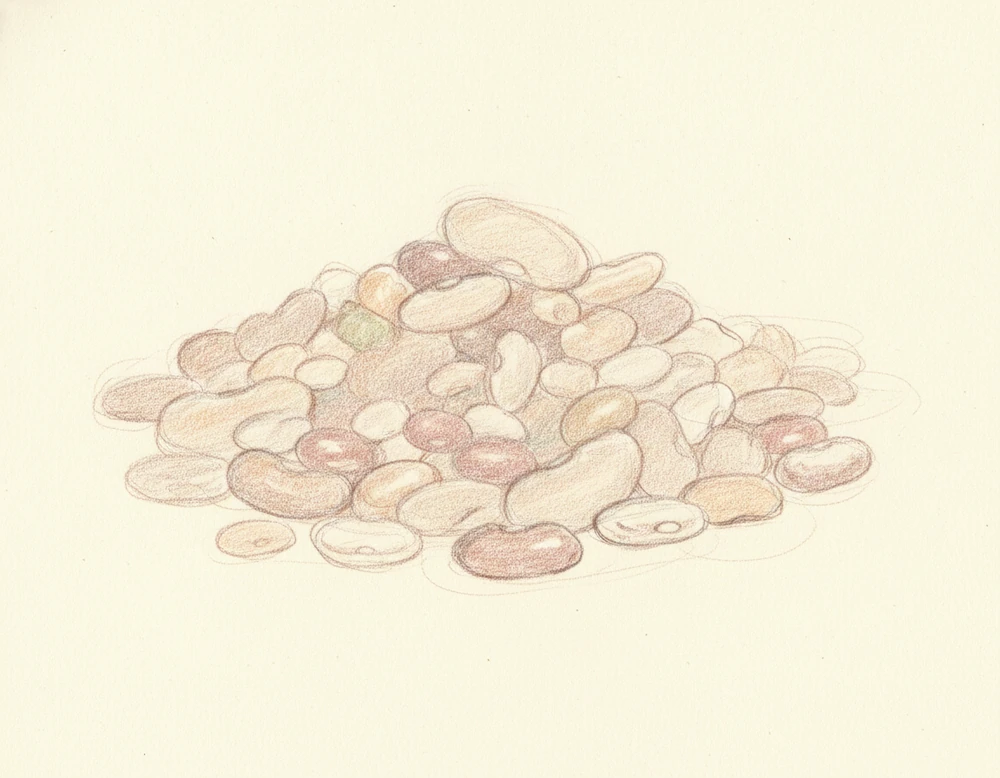
The ancestors of these beans came from Spain in the 17th century and found the Nervia, Oneglia and Argentina valleys to their liking, grown on the dry-stone terraces. Natural selection split them into three, each around its own small town: Conio's are large and kidney-shaped, the other two oval and a little smaller, the Pigna smallest of all.
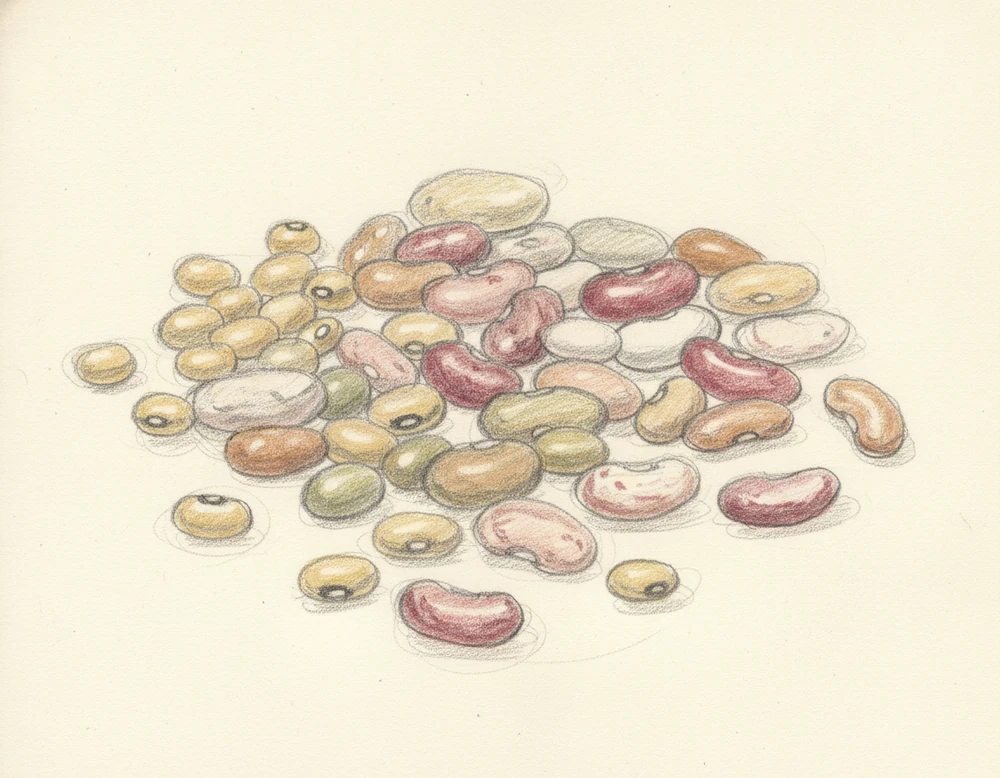
Nine bean varieties of different shapes and colours, grown for generations in the gardens of this part of the Messina province and carrying affectionate dialect names. Carrazzo is Nebrodi dialect for climbing, which is what they all do up their stakes.
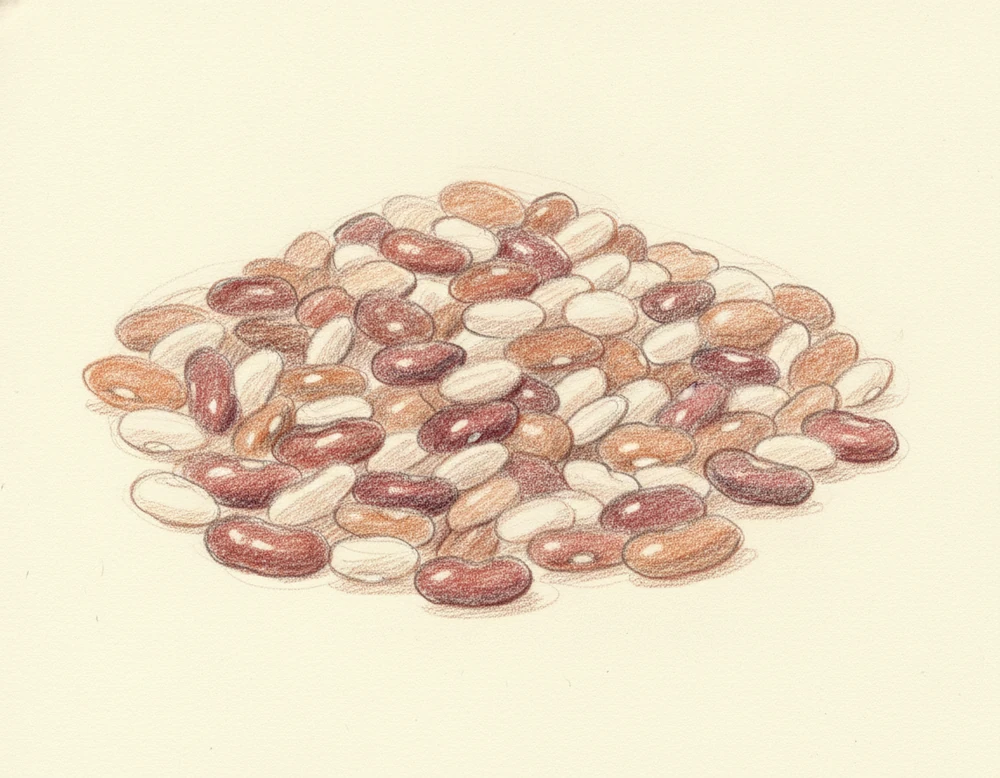
Cortale lies between the Pilla and the Pesipa, with the Lamezia Terme plain on one side and the isthmus of Catanzaro on the other, in valleys of chestnut and beech that give way to pine as they climb. The soil is fertile and well watered and grows wheat, maize and vegetables, but what it is known for is beans. The Inchiesta Jacini, the parliamentary enquiry into Italian agriculture at the end of the 19th century, has Senator Stefano Jacini noting that they grow potatoes and enough white beans, commonly called rognone, to export to the neighbouring towns.
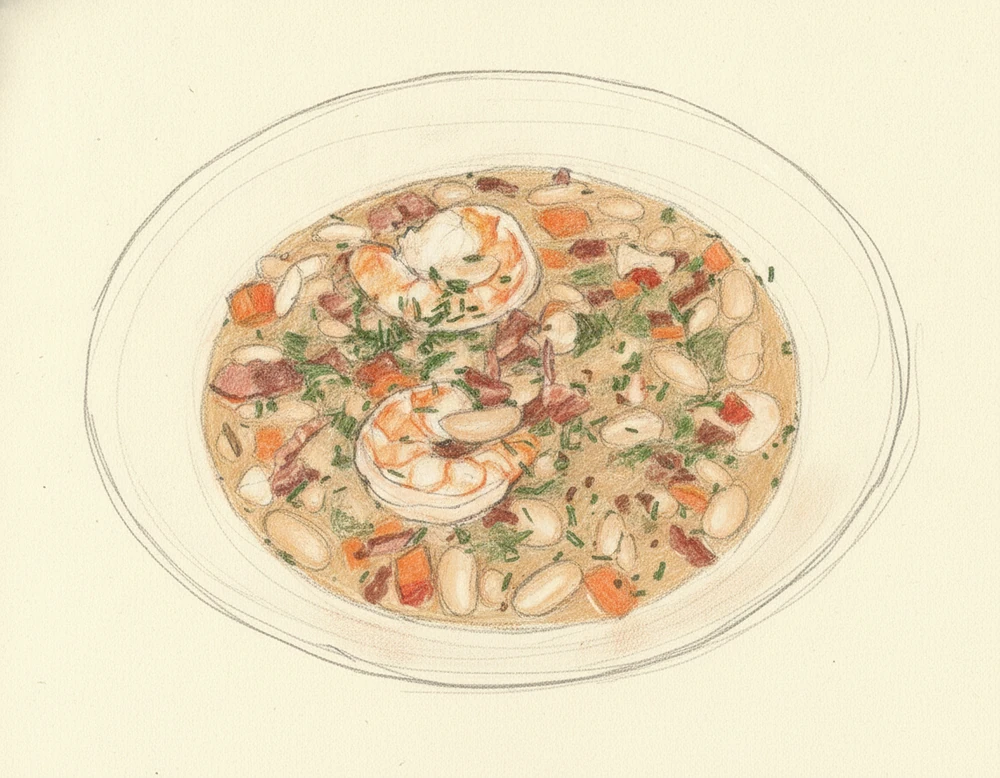
Beans have been grown around Paganica for centuries on deep, cool alluvial ground watered by streams off the mountain springs, the crop concentrated in the basin of the Vera, which rises on the Gran Sasso. Until a few decades ago it was a real trade, selling locally and into the Terni and Rieti provinces. There are two ecotypes, both long in the cycle at 160 to 180 days, climbers that go to two metres up willow poles, and they differ in colour: one is the fagiolo a pane, also called the fagiolo ad olio.
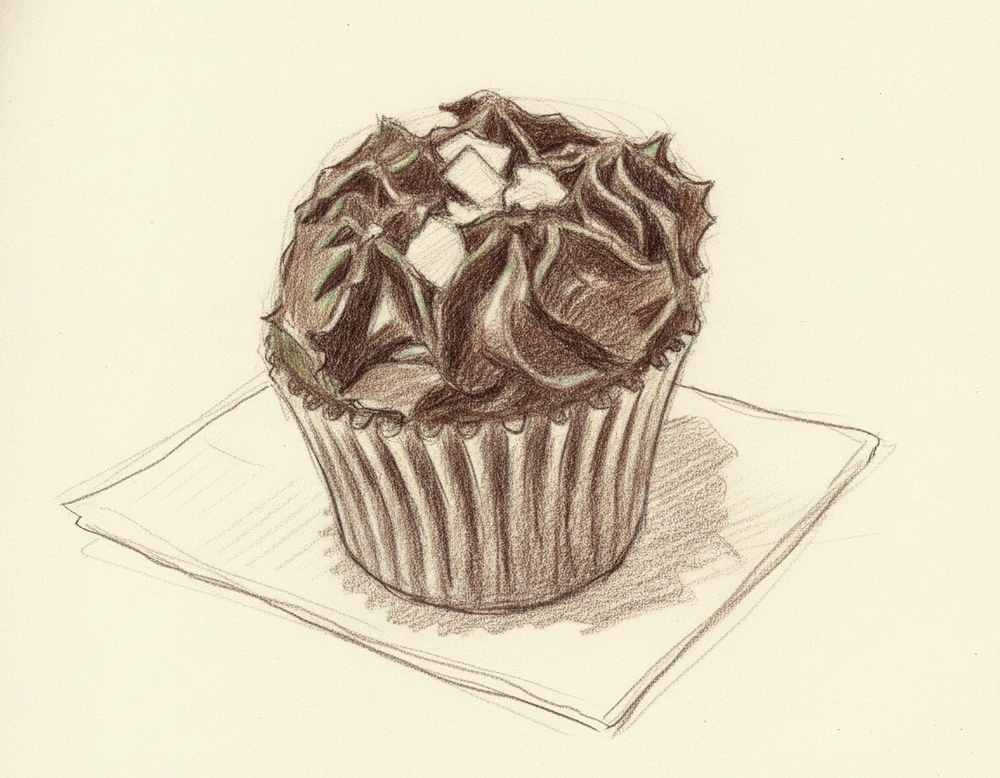
Two beans have been grown along this coast for over a century. One has a deep carmine skin; the other, now the common one, is whitish with a fine carmine mark beside the hilum that put the dialect in mind of a painted mouth, whence pasulu ti la signura, the Lady's bean, also called tintu. The white is easier and more productive, and the faint red mark still shows what it came from. Both are kidney-shaped and about 15 millimetres long.
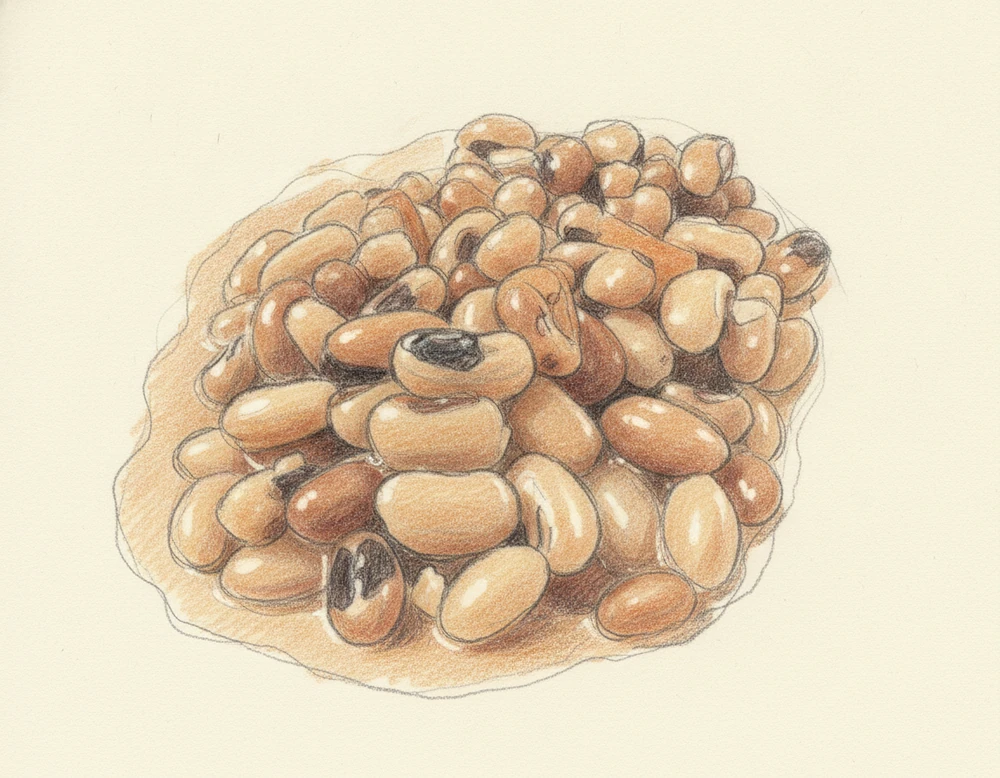
Grown around Trasimeno for centuries and popular until the 1950s, then all but gone: partly the emptying of the countryside, partly the work, which is long and still entirely by hand from sowing to threshing. The beans are tiny and oval and come cream, black, salmon and every shade of brown, sometimes speckled. Cooked they are tender and buttery and taste of a great deal; best boiled and dressed with the local oil.
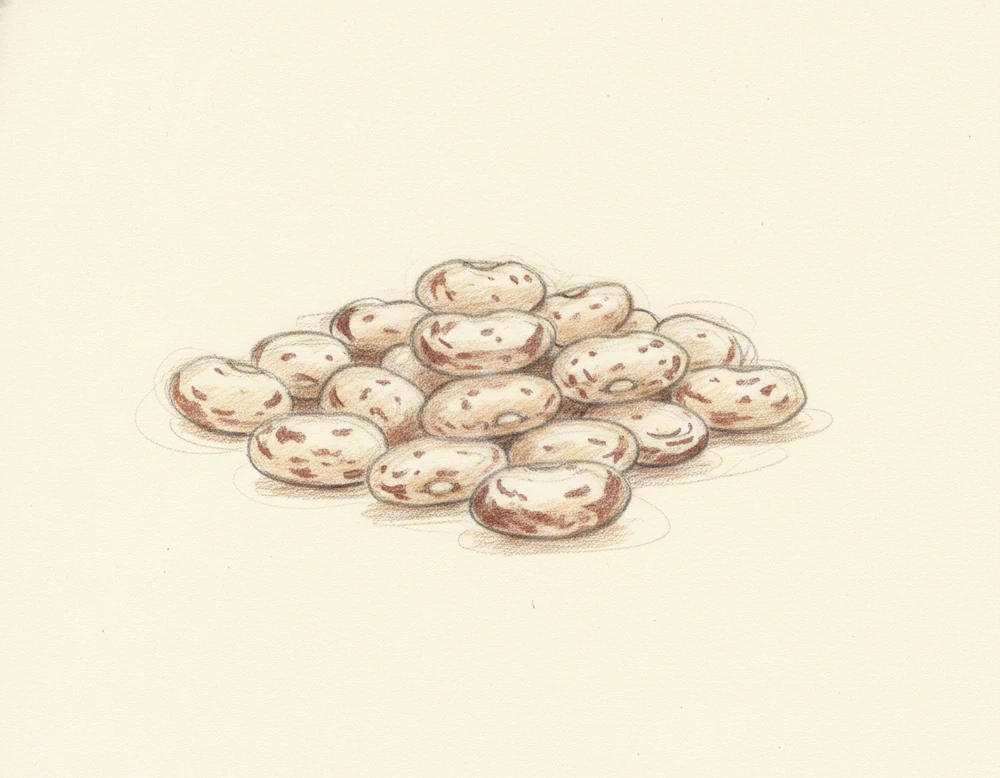
Beans reached Italy in the first half of the 16th century by way of Charles V of Spain, whose empire ran across Europe, Africa and the Americas; the first varieties out of the New World went to Spain and thence to Rome as a gift for the pope. The Arsoli bean has been grown in that village since at least 1552, and it was stolen so persistently that Julius III had to send two magistrates. Over the centuries it settled into the slopes above the Fosso Bagnatore, and it turns up in documents, proverbs and songs.
Two centuries in the kitchen gardens of Polizzi Generosa, up in the Madonie park. Badda is dialect for ball, and the bean is round, medium-small, ivory blotched either pinkish-orange or a purple so dark it reads black. It tastes green, almost briny, faintly astringent, and finishes on chestnut and almond.
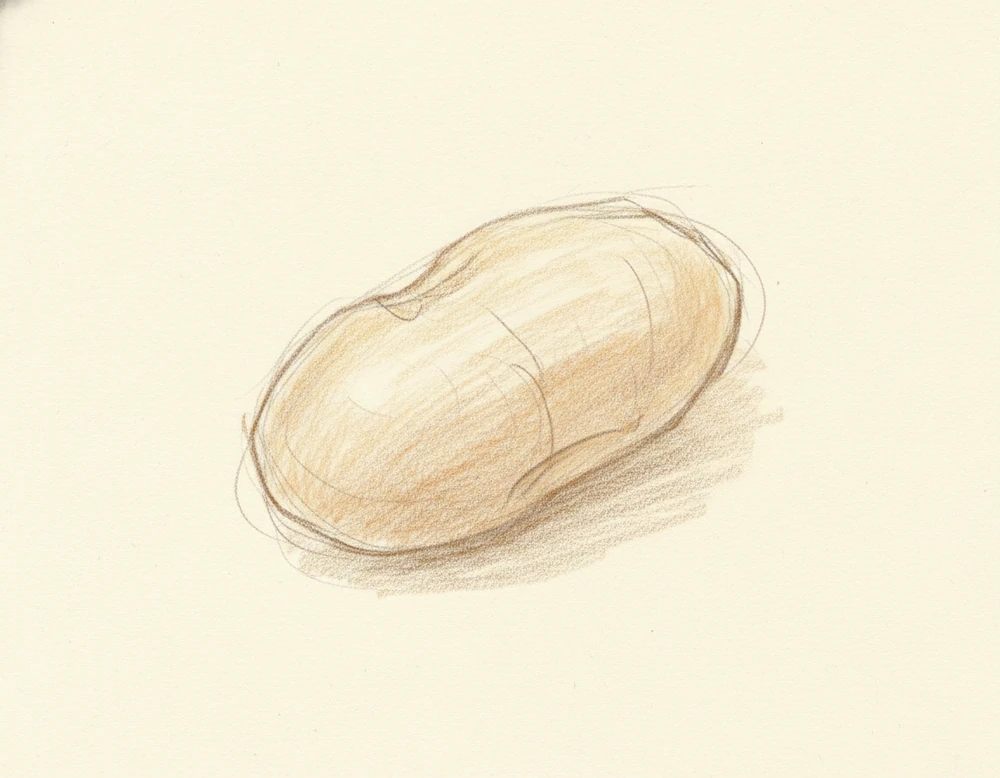
A cannellini bean from the Comino valley, grown from the local Phaseolus vulgaris ecotype. The seed is kidney-shaped, slightly elliptical and flattened, 0.9 to 1.4 cm long and 0.5 to 0.6 cm wide.
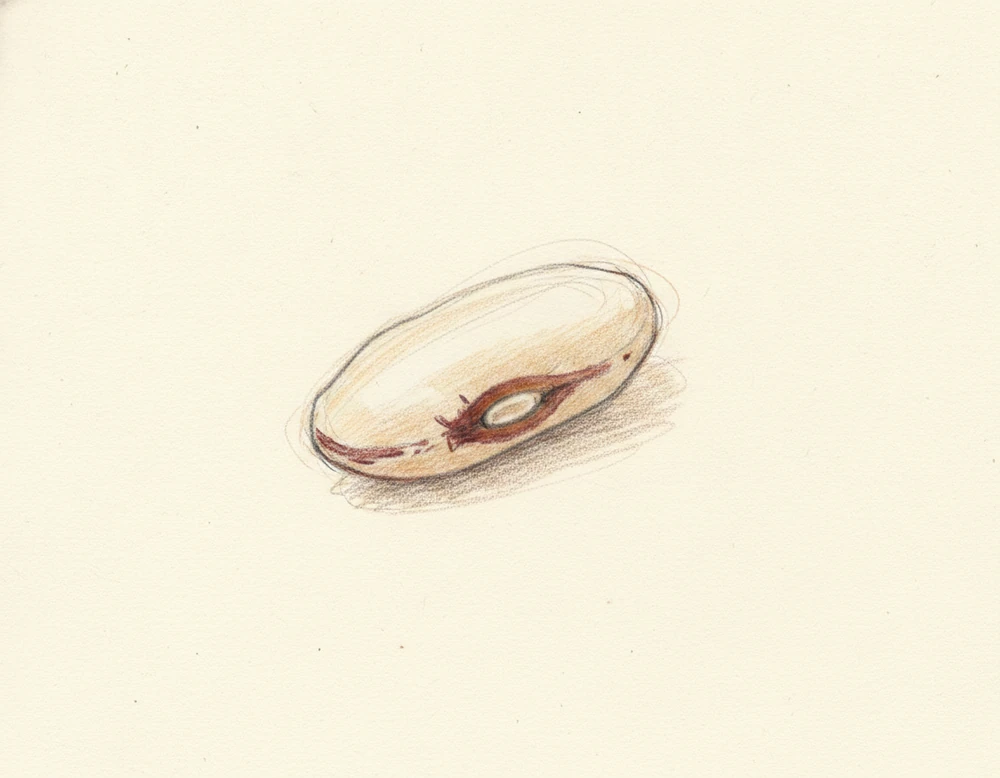
Cosaruciaru is Sicilian for sweet thing, and the sweetness is the point, along with the colour and the very thin skin: a creamy white cannellini type with a red-brown mark around the hilum. The seed has come down through Scicli families, many of them people who made their living on early greenhouse produce.
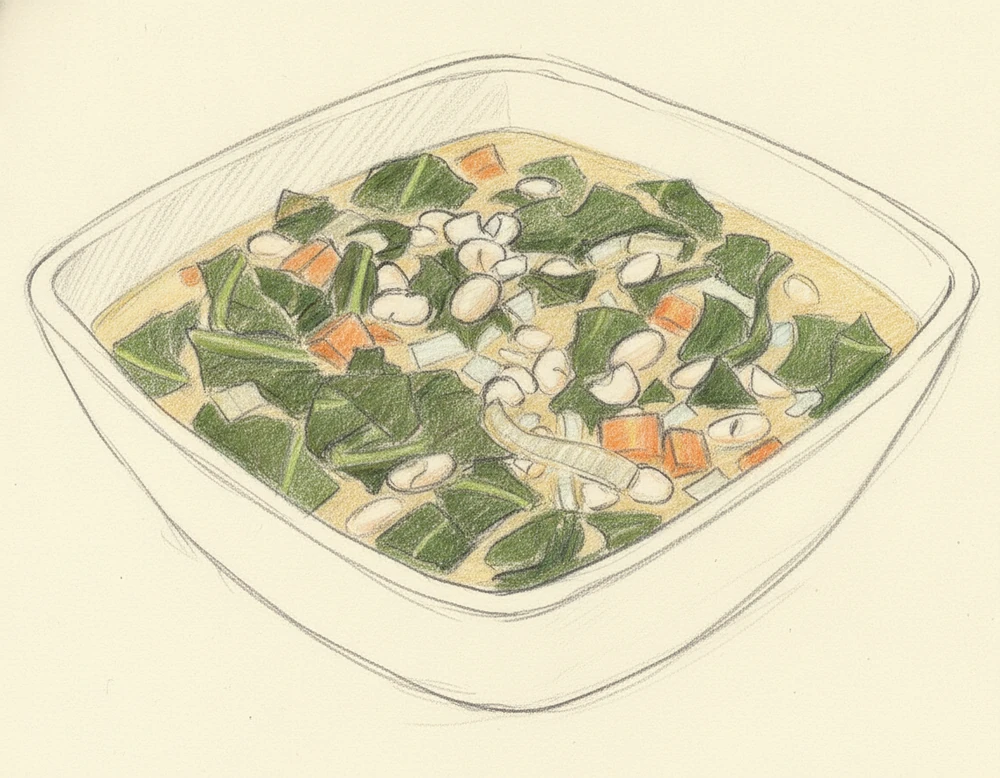
Climbing beans (Phaseolus vulgaris and P. coccineus) sold as waxy pods for shelling and as dried grain, from the Bianco di Bagnasco and Vedetta ecotypes and the Billò, Corona, Stregonta, Bingo, Rossano, Barbarossa, Solista and Millenium varieties.
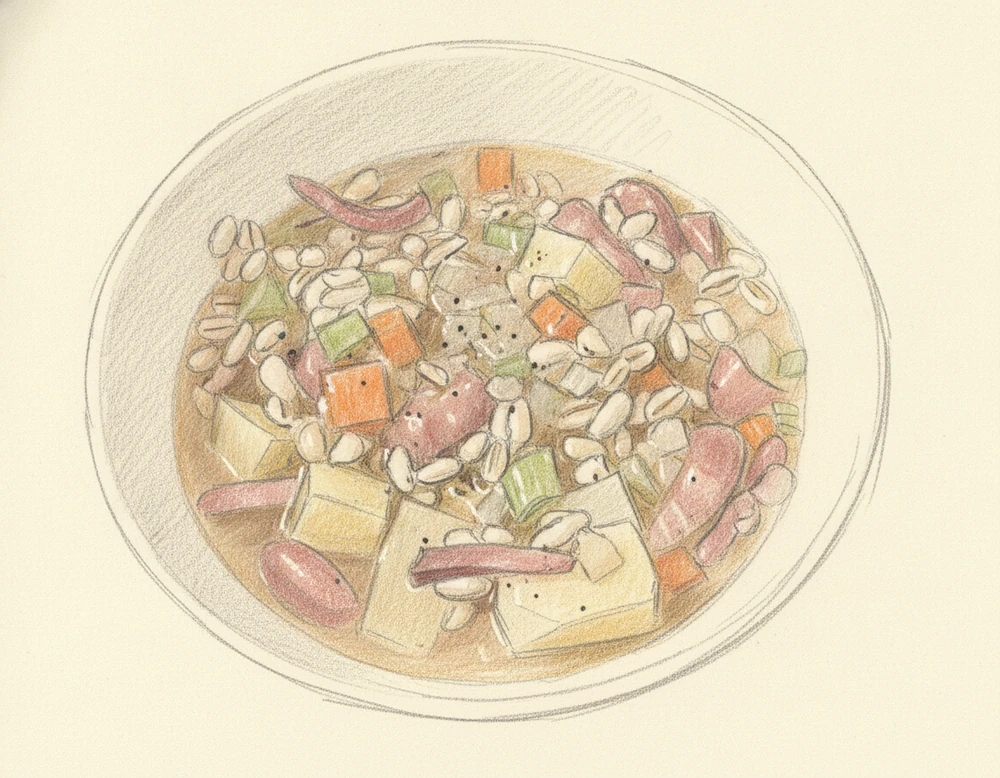
A white bean of the Acerra plain, named dente di morto for the shape of the seed. The farming there has always run on the Regi Lagni canals that cross and bound the territory, drawing on the Clanio, the river that watered the Campanian plain from before Roman times.
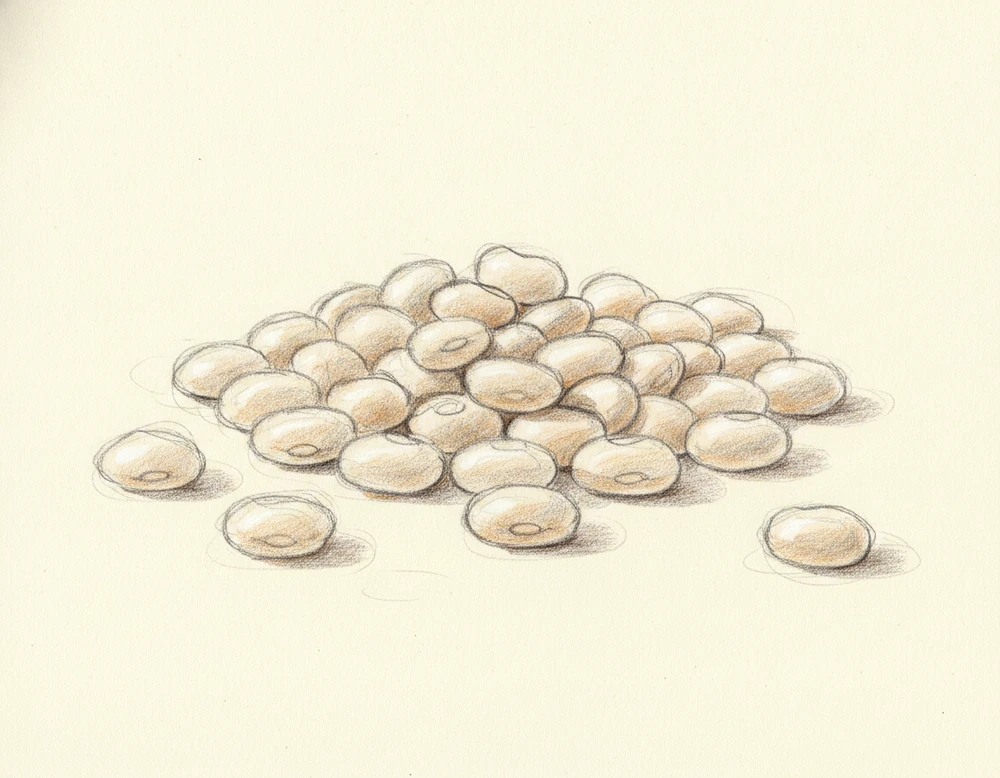
A small, pure white bean, round tending to oval, from Controne below the Alburni massif. Growers there keep many varieties, but it is the white ecotype that made the village known, alongside its oil.
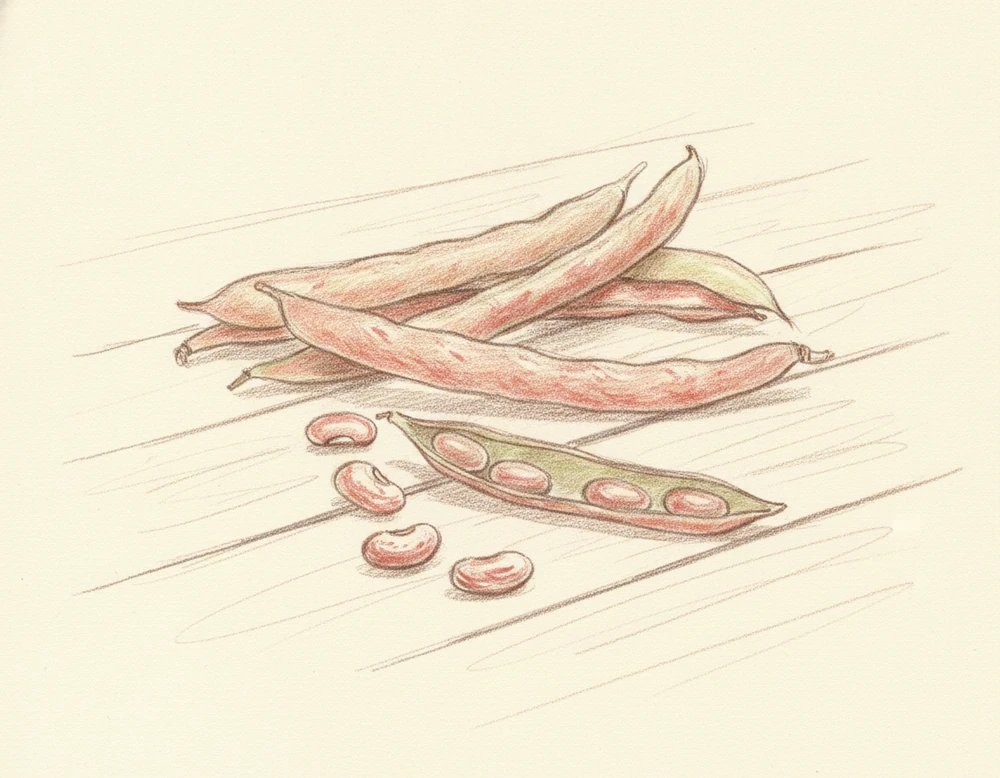
A borlotti-type bean grown high in the Belluno valleys around Lamon, on ground and in a climate the disciplinare treats as part of the product's identity rather than incidental to it.
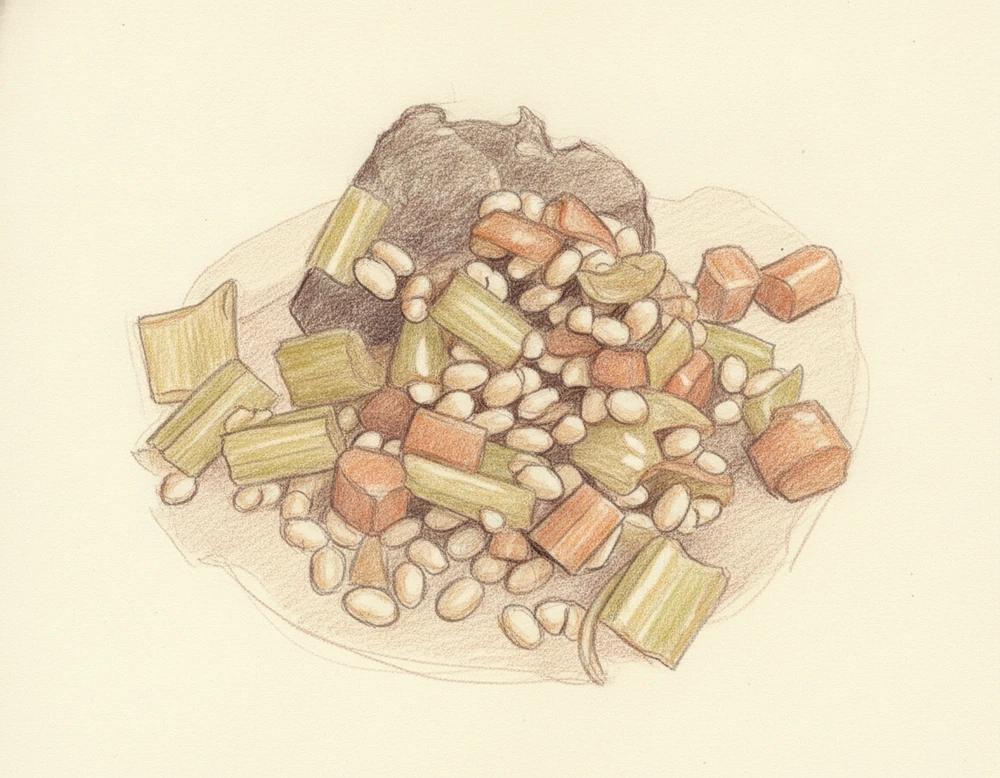
Laverino is a village of barely a hundred people up near the Cornello pass on the Umbrian border, and the ground along the Potenza suited a bean that came to the region in the 16th century with the Spanish and Portuguese, as all Phaseolus vulgaris did. The plant will climb to two or three metres. The beans are medium-small, white and slightly long, delicate, very thin-skinned and quick to cook. Its name was made by the early 1800s, when the Annals of Agriculture of the Kingdom of Italy called the beans of this country superior in delicacy, flavour, sweetness and ease of cooking to any other.
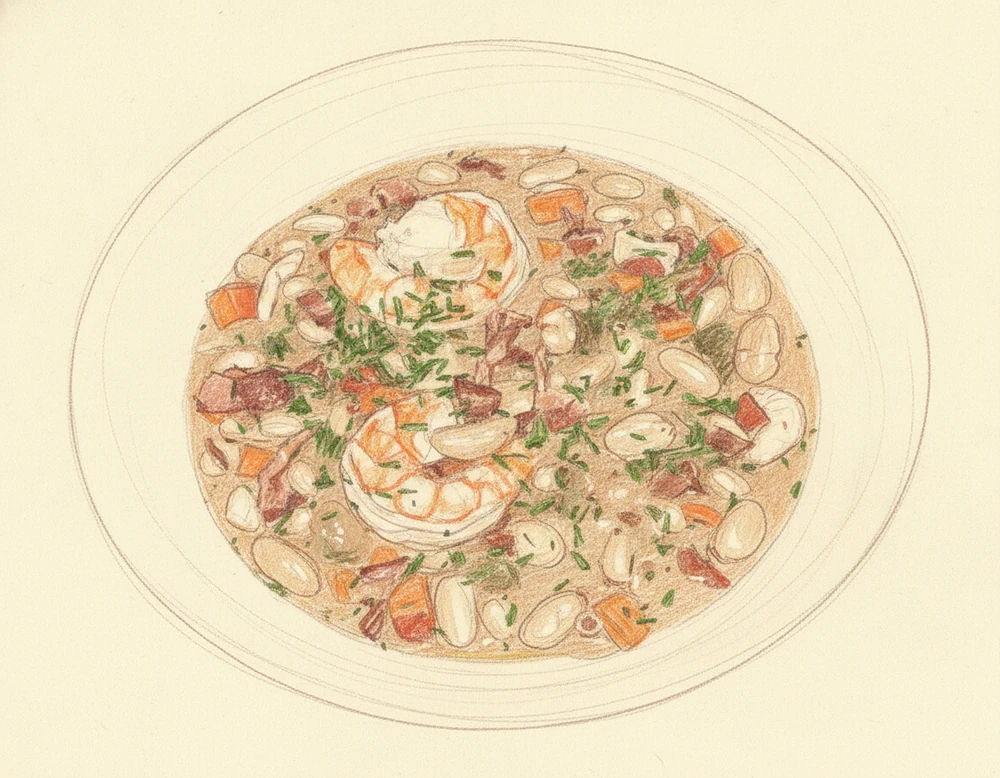
Beans, lentils and favas were grown around San Quirino near Pordenone by the start of the 1800s, on the evidence of both the histories and the older people's memories, and they were worth real money: at the Pordenone market the beans fetched more than oats or maize. The variety is long, pale brown, with a white eye ringed dark brown. Cooked, the skin all but disappears while the flesh stays firm and smooth.
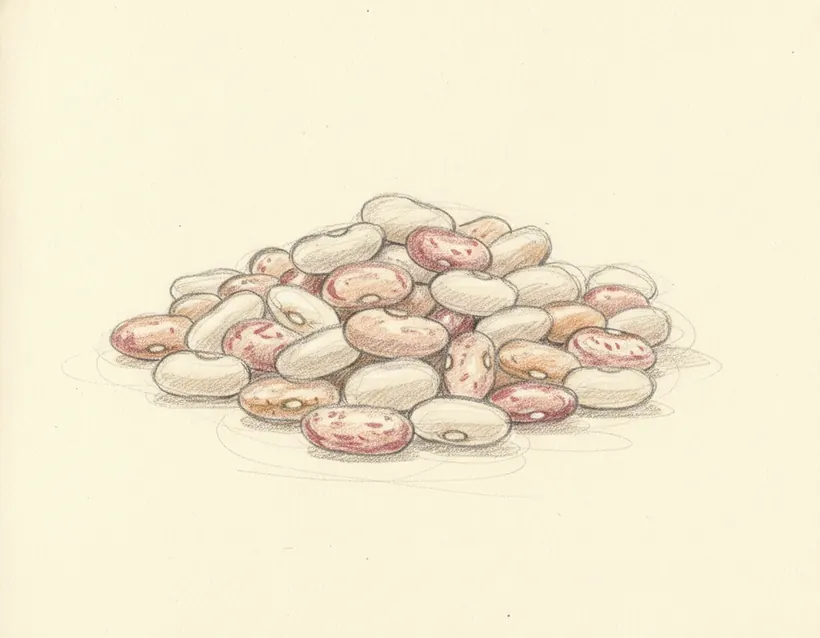
Prized borlotti, and cannellini-type beans grown in the cool Agri valley around Sarconi, thin-skinned, delicate and quick-cooking.
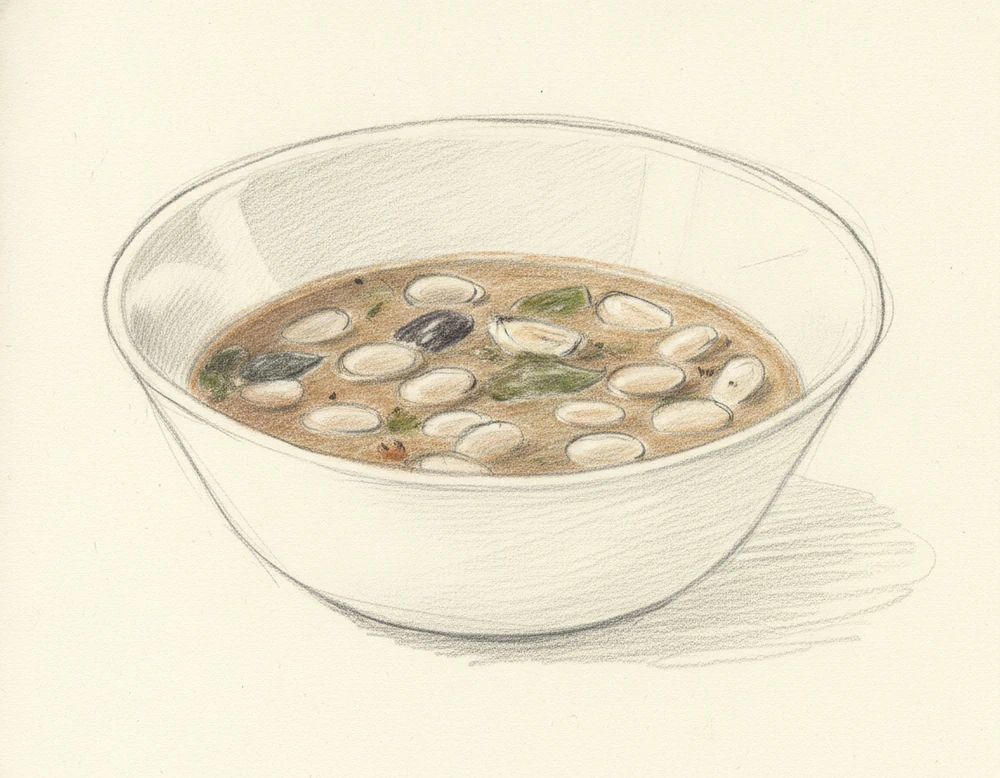
A pearly white bean, small and very thin-skinned, grown on a few hectares of small plots along the Pescia river on land the Medici drained in the 16th and 17th centuries. The growers, who have kept the seed in the family for generations, hold that the same bean is not the same thing grown in other soil. It is called Piattellino for its flat shape, and it is best cooked plainly, in water with a clove of garlic and a few sage leaves.
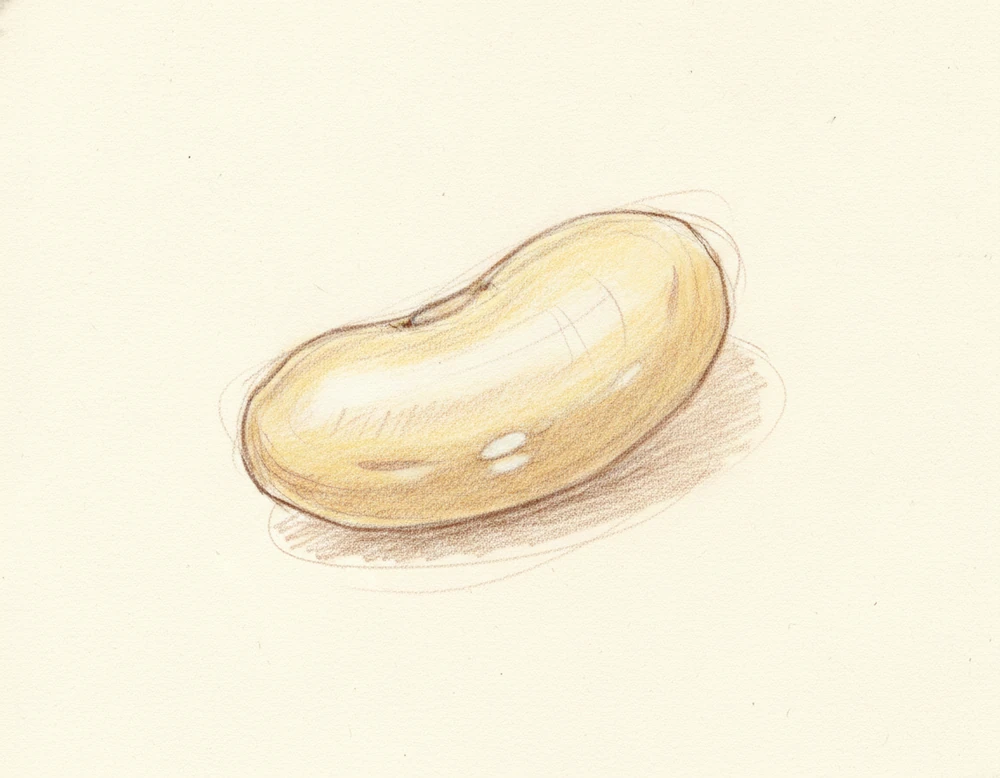
Also Fasol Biso or Solferino. Beans went out from this valley to the rest of Italy from the 1530s on, and the Gialèt is one of many grown here, documented from the early 20th century. It was always a bean of value, raised to sell to the landowner or the gentry rather than eaten by the households that grew it, which is why no peasant dish calls for it. The flavour is very delicate, so it is best plainly boiled or in a barley soup.
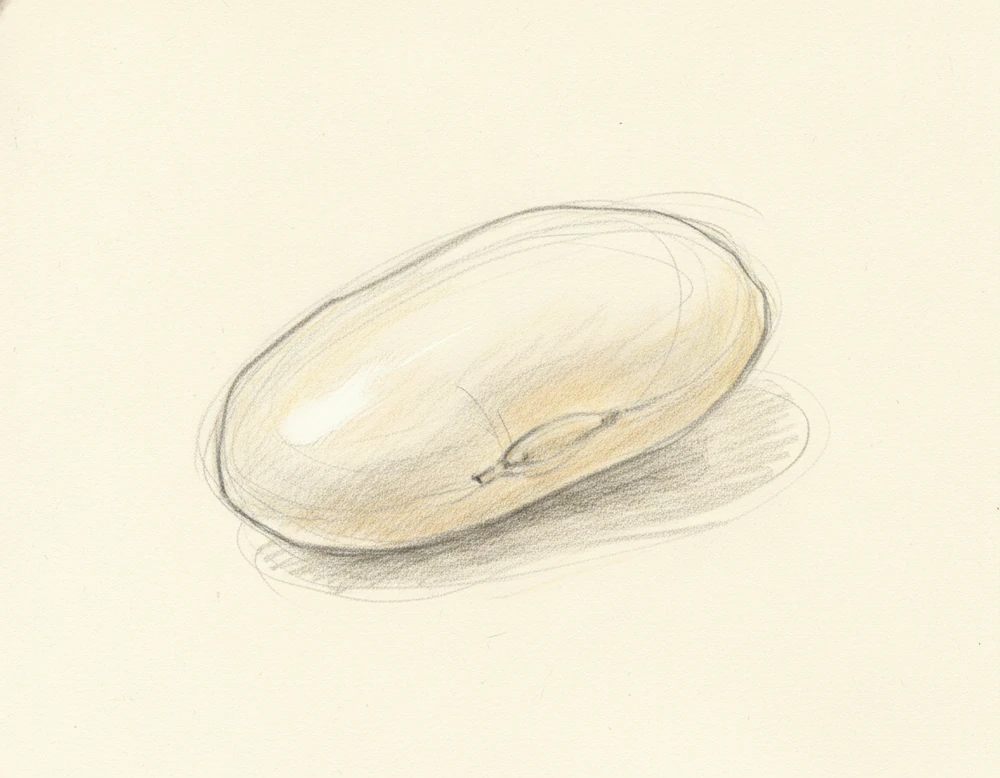
Grown from far back on the watered ground of some mountain villages of the Pollino. The seed is large and ovoid, the skin thin, white, glossy and unmarked. It cooks easily and eats delicately, and wants at least 45 minutes' soaking.
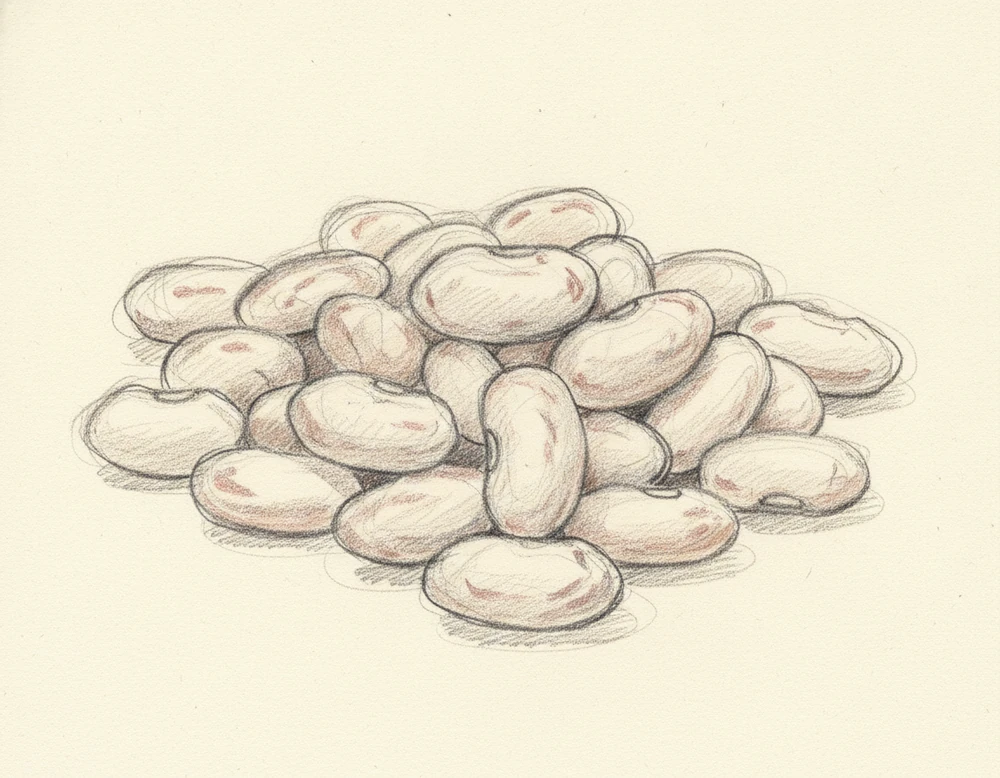
A white bean, tender and slightly floury, grown on the Irpinian plateau below Monte Terminio. It is called Quarantino for the forty days it takes to mature: small, irregular, with a thin ash-white skin, and now grown without poles.
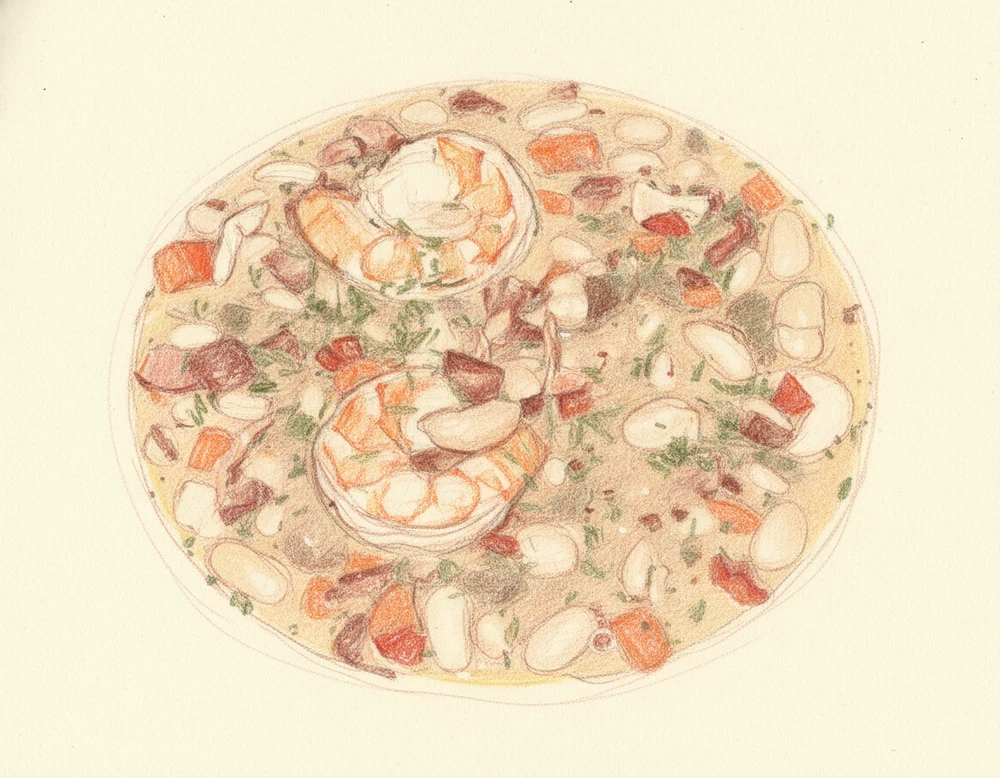
One of a whole family of Lucchesia beans, alongside aquila, lupinaro, cannellino di San Ginese, malato and mascherino. Beans run through the local table and the local record alike: the Marchese Antonio Mazzarosa wrote about their cultivation in 1846, and the 1781 Statute of Compito already names beans grown on the rises of the Lucca plain.
A few kilometres from Potenza, around the Pantano di Pignola, the Maddalena mountains close a basin into a natural amphitheatre, and the microclimate inside it is exact: July, August and September never pass 30 degrees and the humidity sits around 70 percent. The clay-silt soil drains well and yields heavily. The plant climbs; the seed is round to ovoid, beige with the dark red streaking that gives it its name, scritto, written.
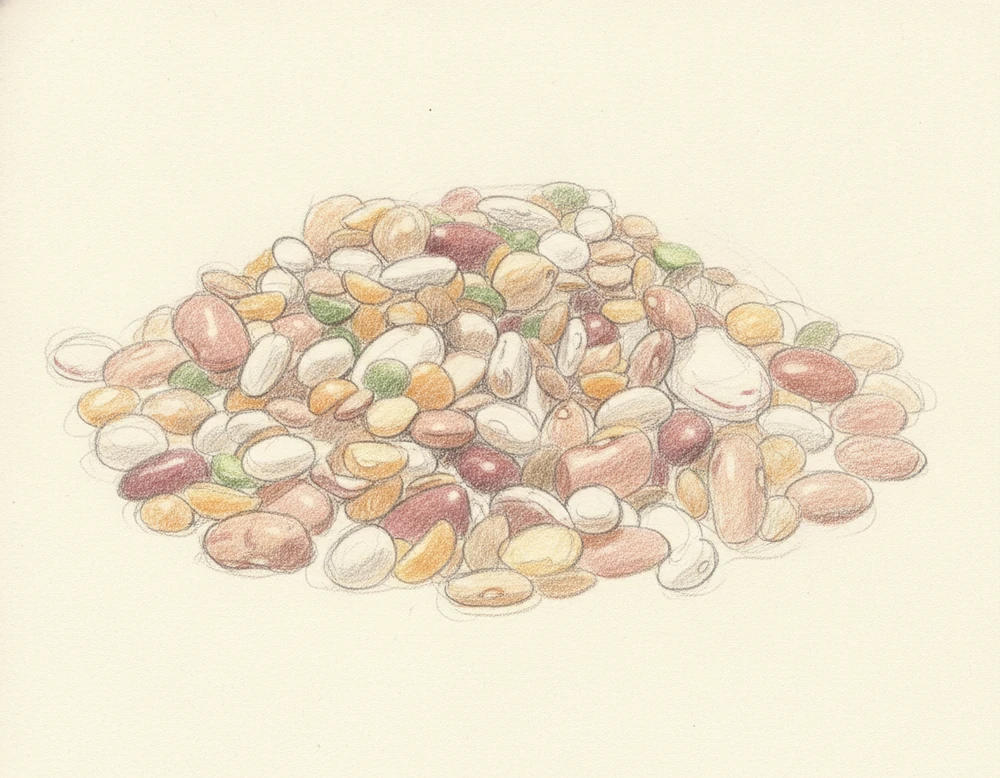
The itinerant agricultural teachers were writing about this bean in the late 1800s. Its odd name is its calendar: it goes in at the start of summer, between the end of June and the first days of July, after the wheat comes off, so it is the second sowing. It grows on the plain below the rock Orvieto stands on, along the banks of the Paglia. Older farmers remember the beans running over the fertile, permeable alluvium there, and in the 1950s it was called the white gold of the Paglia; growers sold it or traded it for oil.
The Tavo rises on the Gran Sasso and runs down through the hills, and its alluvial ground of sand and pebble suits this bean, which takes its name from the river and from being round. It is a rustic sort and has to be: the Maiella and the Gran Sasso shelter the valley from the west, but the southwesterlies come straight in, the Garbino among them, a hot wind that can reach 100 kilometres an hour, and the cold air out of the northeast arrives unimpeded too.
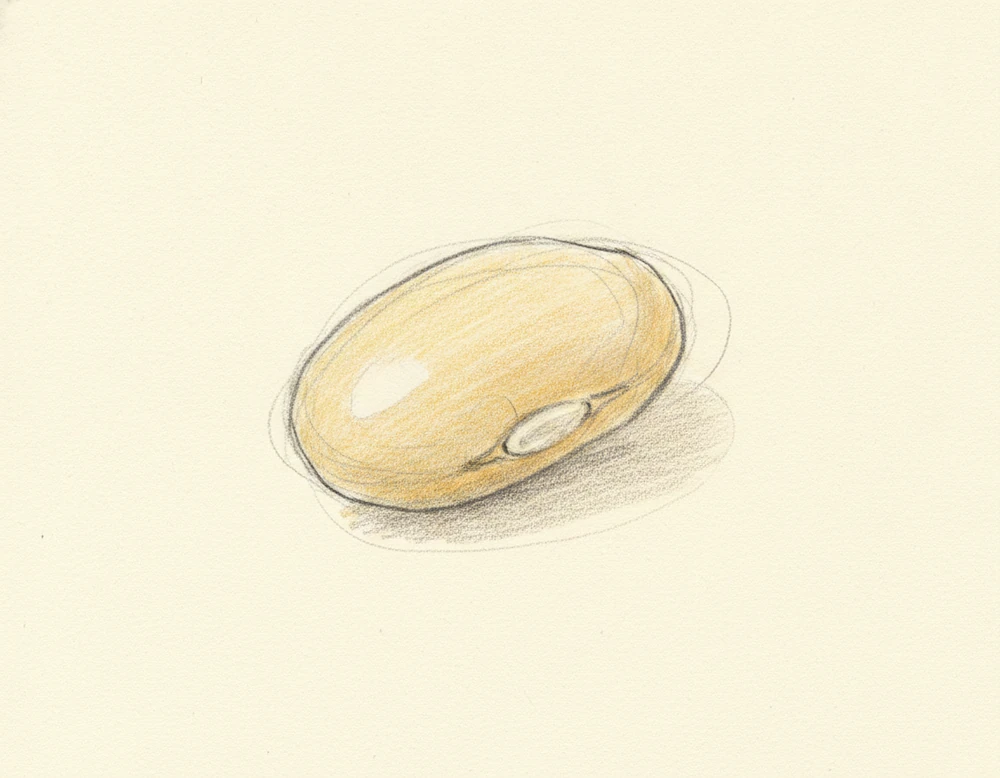
Small, round, sulphur-yellow with a pale eye. It is also called Fagiolo del Cento, for the hundredth day of the year on which it was sown, or Burrino for the way it eats. Beans reached Tuscany, so the story goes, by way of Charles V, who gave them to Clement VII; alongside the common Cannellini and Toscanelli the hills still grow rarer sorts, of which the Zolfino is the best.
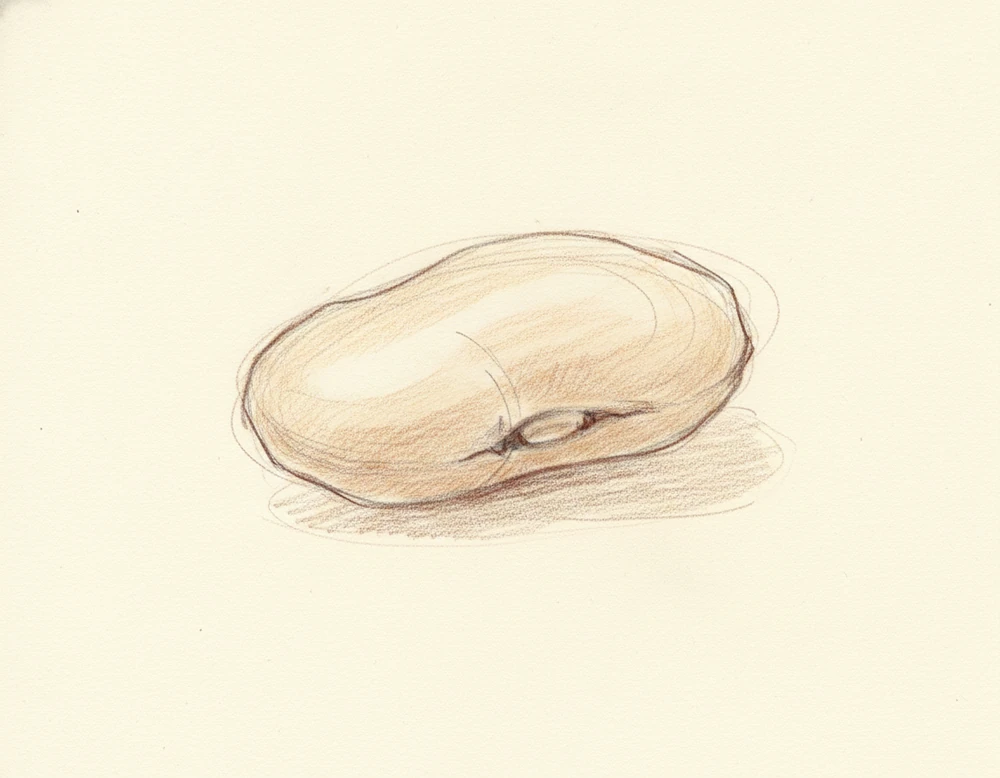
Vallepietra sits in the Simbruini park in a valley with no way out, ringed by hills; it was founded in the 6th century by country people fleeing the Roman campagna ahead of the Goths. The bean, also called ciavattone, has been grown here since Spanish rule in the 16th century. What lets it grow is water: many springs of very pure, in places very low-mineral water, feeding a small river that runs into the Simbrivio aqueduct and so to Rome.
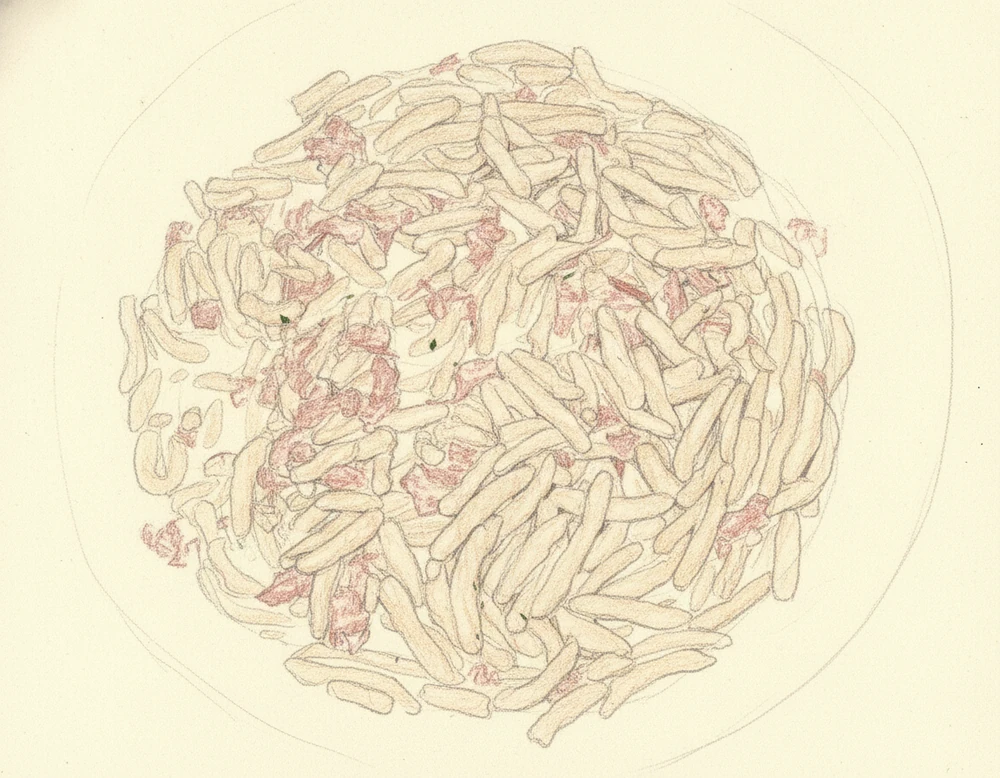
Sweet flour milled from chestnuts of Castanea sativa in varieties of documented historical presence in the Lunigiana: Bresciana, Carpanese, Fosetta, Marzolina, Moretta, Primaticcia, Rigola, Rossella and Rossola.
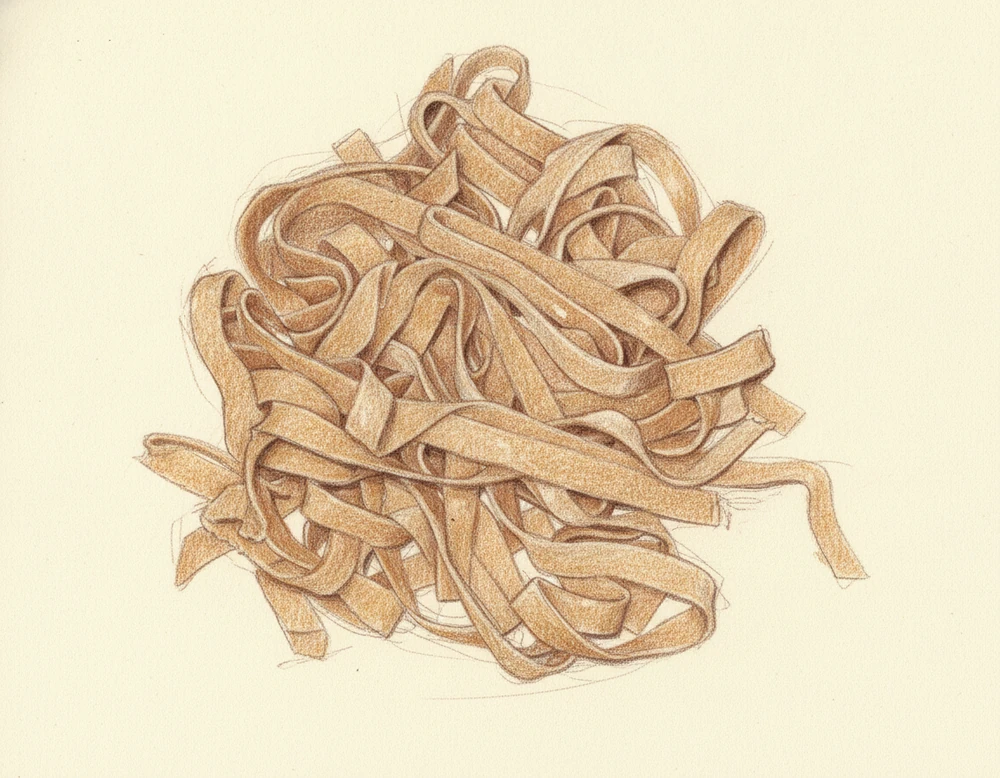
Chestnut flour made by traditional local method from Carpinese, Pontecosi, Mazzangaia, Pelosora and Rossola chestnuts, dried in the metati, the traditional smoke-drying huts, and ground in traditional mills inside the zone.
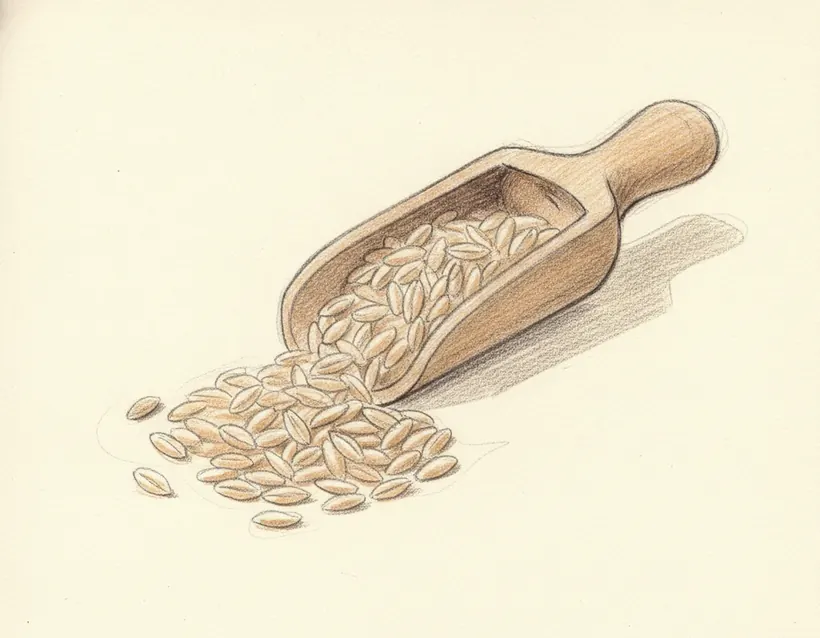
An ancient emmer wheat (farro) grown high around Monteleone di Spoleto, nutty and firm in soups.
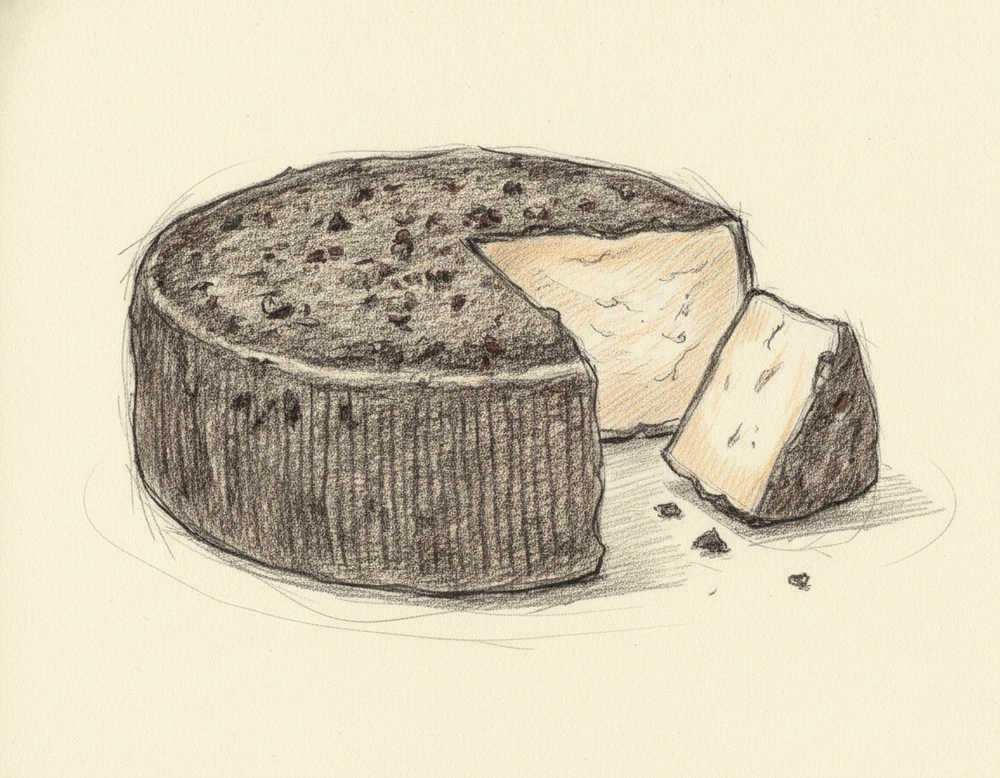
Fatulì is dialect for small piece. It is made from the raw milk of the Bionda dell'Adamello, a native goat of the Adamello massif, the Saviore valley and the Valcamonica, medium-sized and coloured from pale brown to blond. The cheeses are small cylinders with flat sides, the rind lighter or darker with the smoking and marked with the grooves of the grates.
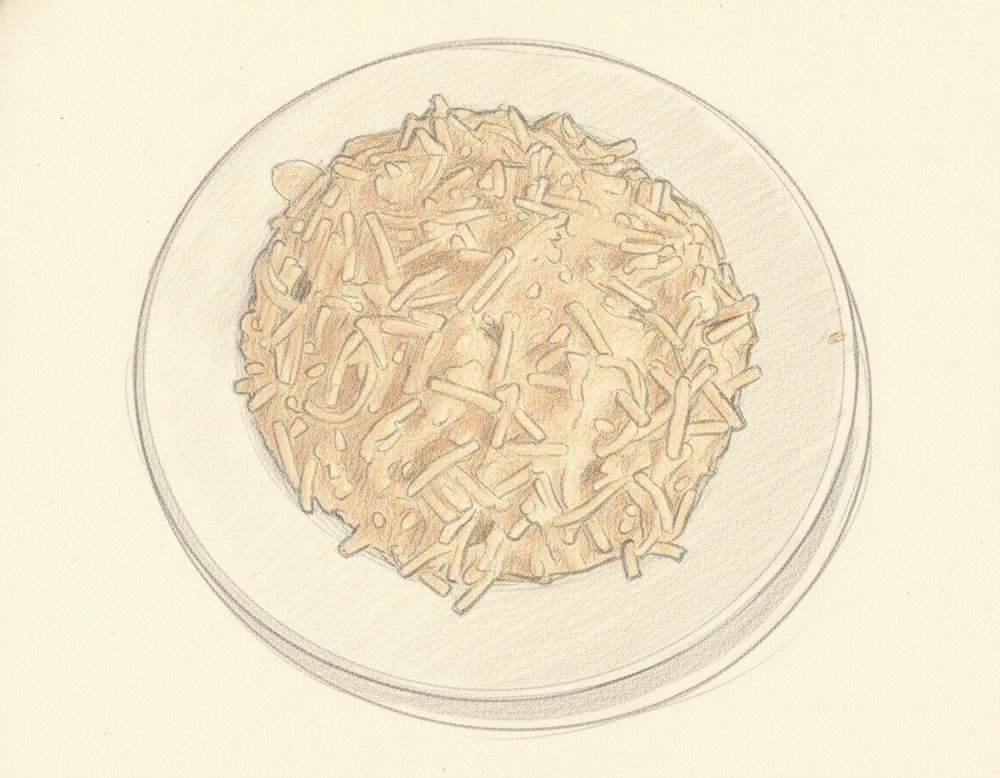
A broad bean of the Modica country. Until the late 1940s the city lived off farming and stock, its Modicana cattle pastures broken up by fields walled in the local dry stone, with olive and carob trees between them.
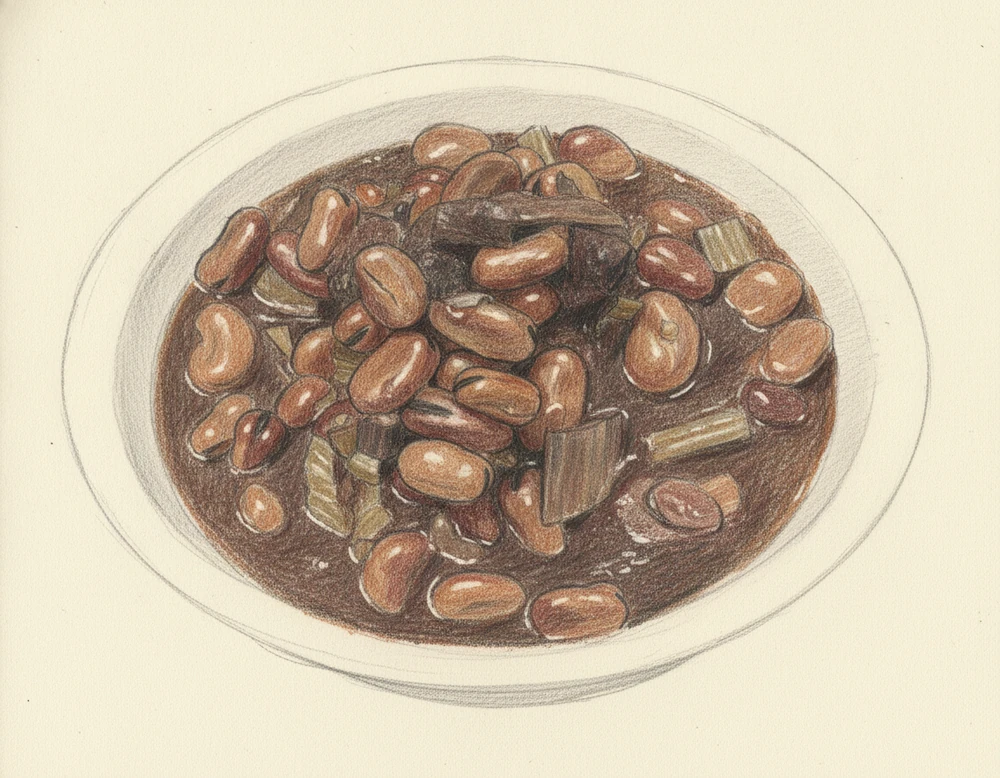
The Amerino, the country around Terni, Amelia and Orvieto, has always held that its favas cook and digest more easily than others, and the ecotype the growers selected is named for it, cottòra, from cotto, cooked. The soil is clay rather than chalk, which is why the beans can be cooked without peeling. They are best plainly dressed with olive oil, salt, pepper and raw onion.
One of the best broad beans in Puglia, grown on the chalky clay around Carpino and sown in October and November.
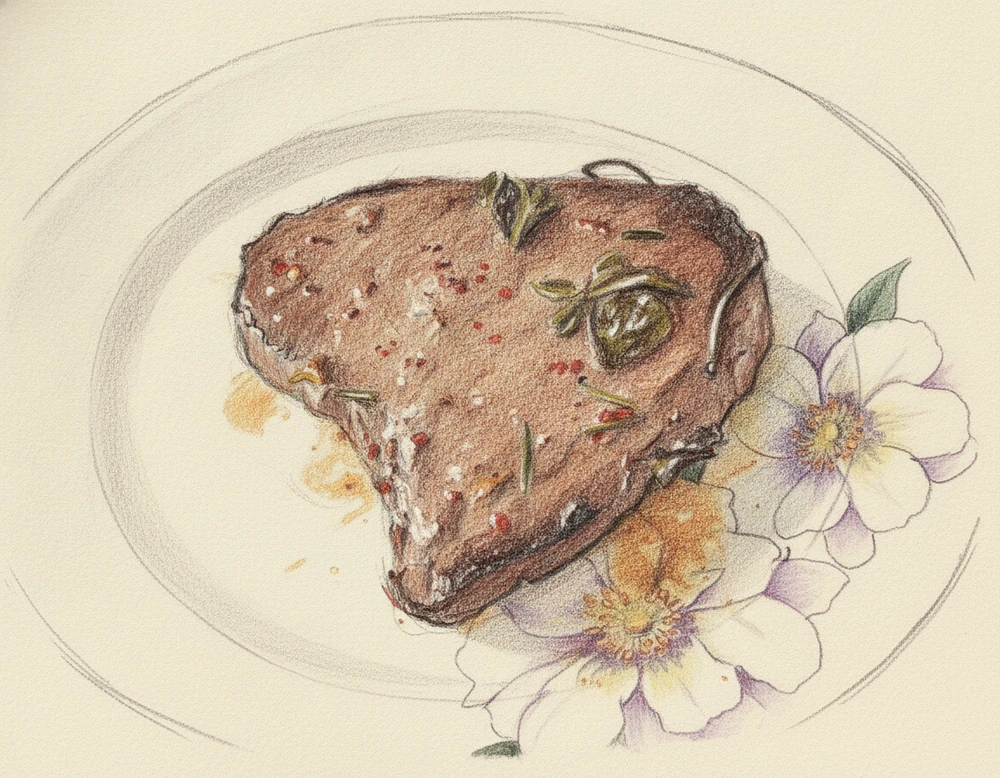
Fratte Rosa holds that the best favas come off the white clay they call i lubachi, the same clay that makes the local earthenware, the cocci; the village has been known for both terracotta and beans since Roman times. The growers have selected a short-podded ecotype averaging four seeds, the beans large and round, mild, and tender even fully ripe.
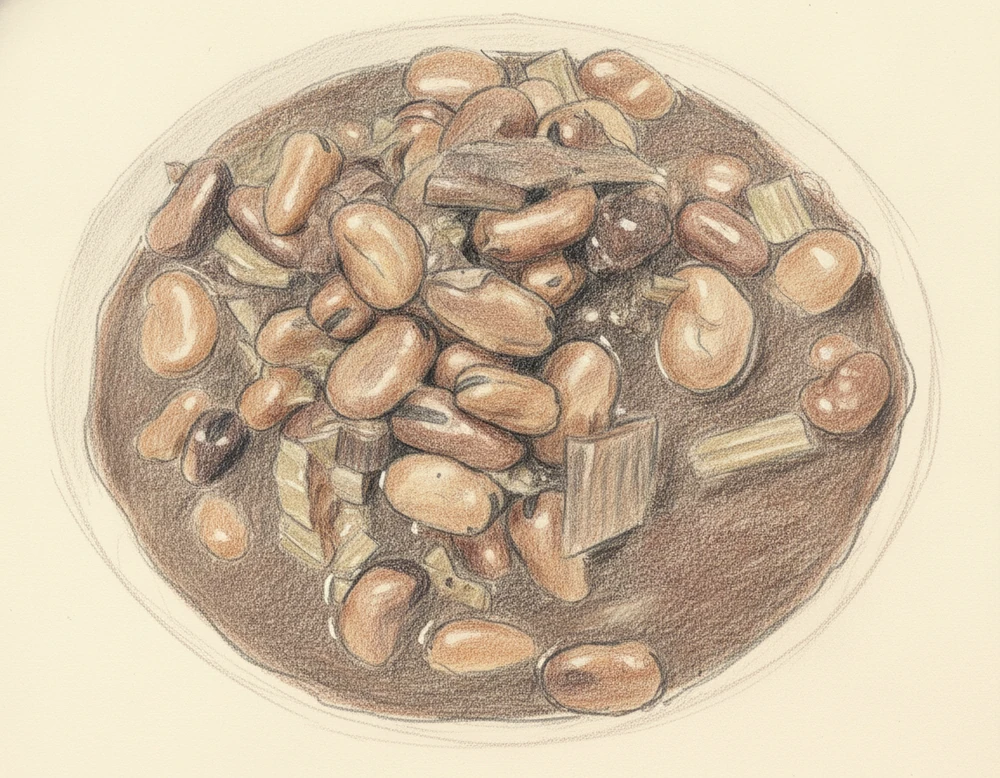
Sauris sits at 1,200 metres where the Val Lumiei opens into meadows, a German-speaking village of wood and stone under the Carnic Alps. Its fava, poan in the local speech, is first recorded in 1683, when a pilgrim from Frattina listed the local crops in his diary as wheat, rye and favas; a weekly menu of 1819 in the village archive has them on six days out of seven, twice in one day on one of them. Early 20th-century photographs show the seccaiole, the drying frames, which are still in use.
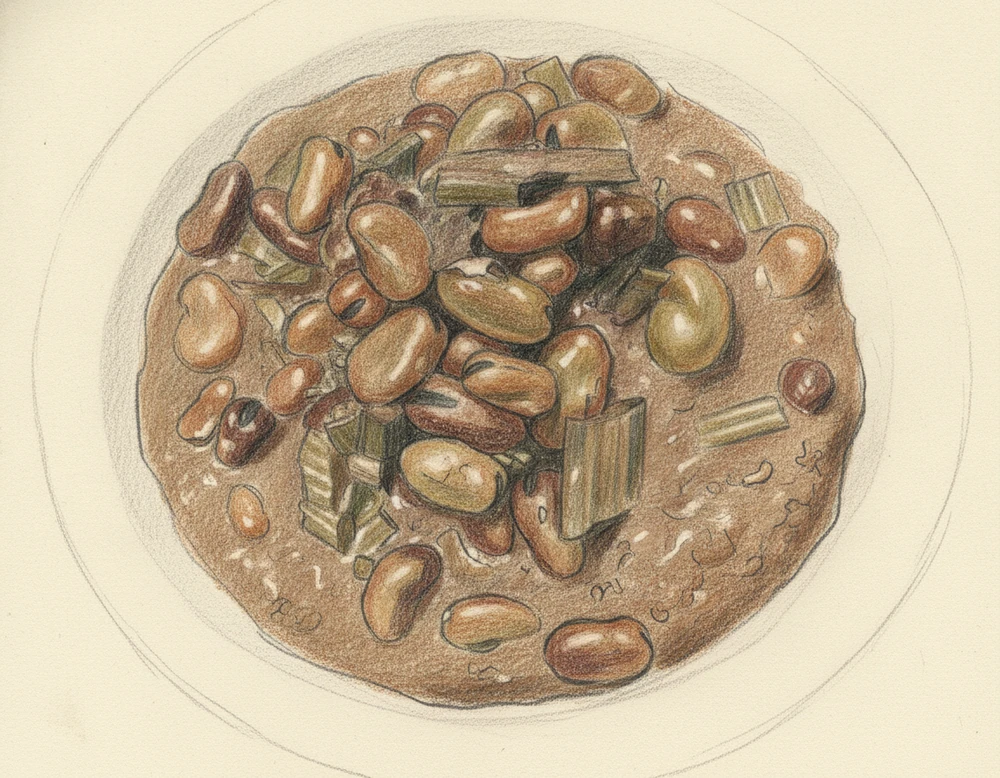
Medium-sized and tender, once grown all over Ustica, a staple of the island kitchen and feed for the livestock that has now all but gone. The oldest growers saved the seed. It is eaten fresh between March and May, raw or cooked, in a frittedda with wild fennel; the rustic dish is macco di fave, dried beans flavoured with fennel shoots, eaten alone or with pasta.
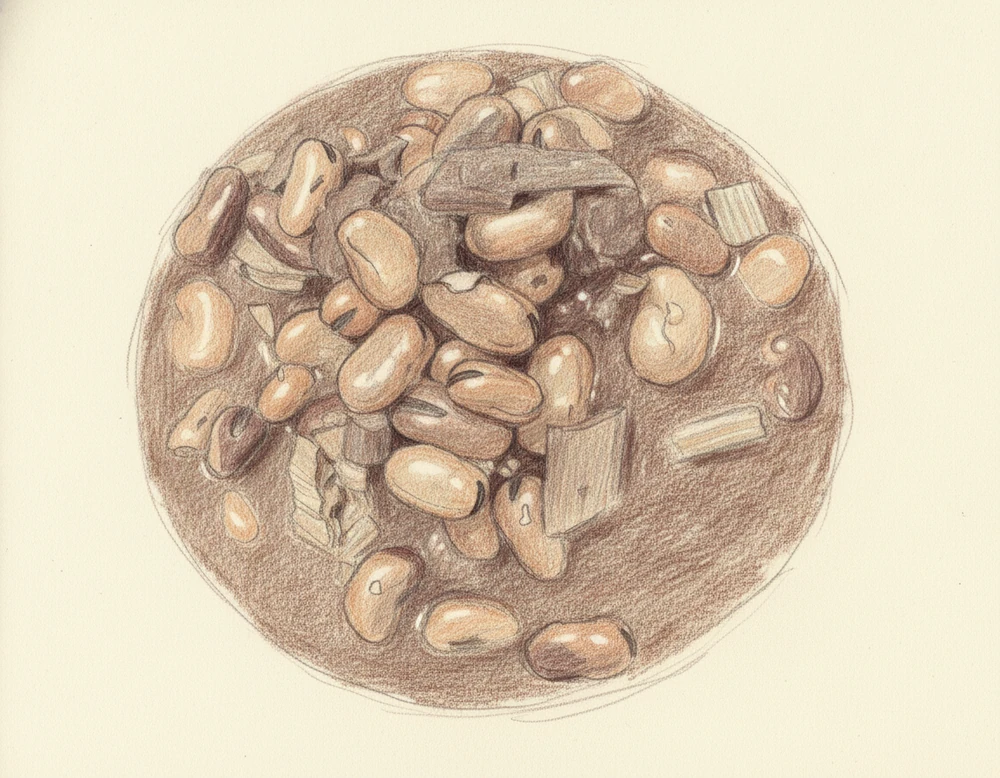
A broad bean known since antiquity and once widespread as a rotation crop with wheat, sown to put nitrogen back into the soil. It remains a fixture of the local cooking, and the whole cultivation is still done by hand.
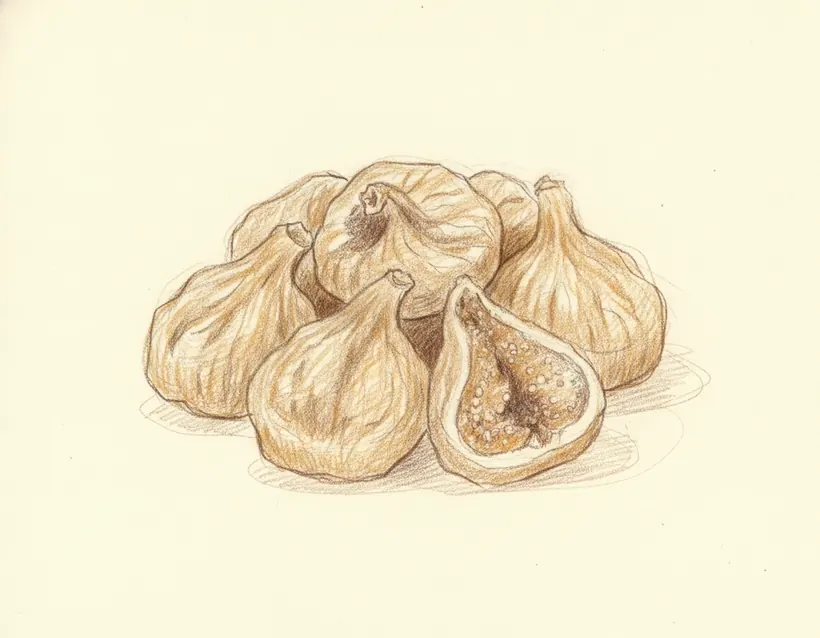
Sweet Dottato figs sun-dried in the Crati valley, eaten plain or stuffed with almonds and dipped in chocolate.
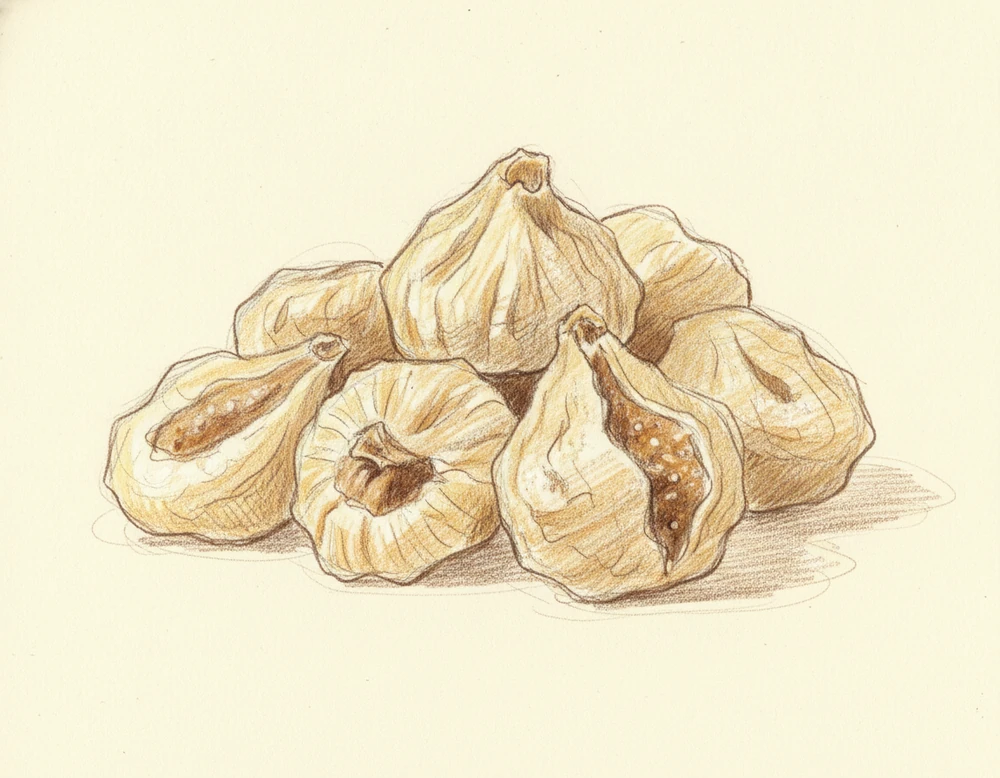
The dottato fig, better known as the Cilento white fig, grown in the district for centuries. The wrinkled skin is an even pale yellow and the flesh is soft. It is eaten fresh or, by tradition, dried in the sun.
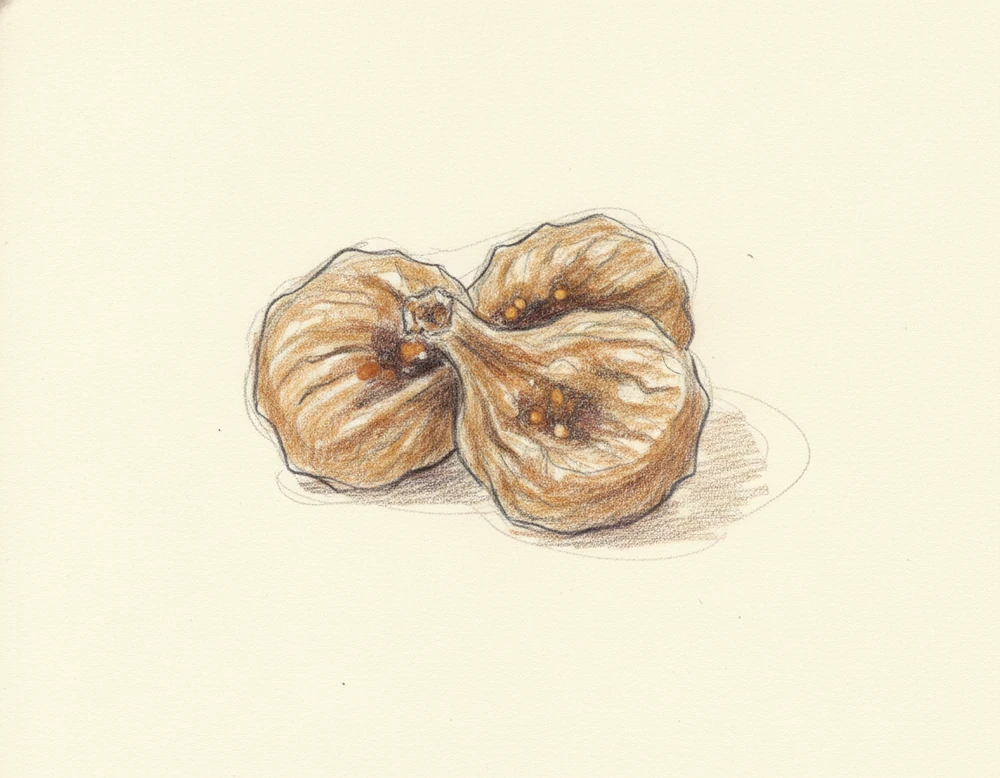
Carmignano was once nicknamed for its figs, and the drying method that earned it the name is still in use. The finished fruit is sweet and cut through by aniseed, and it is layered into figure-of-eight bundles called picce.
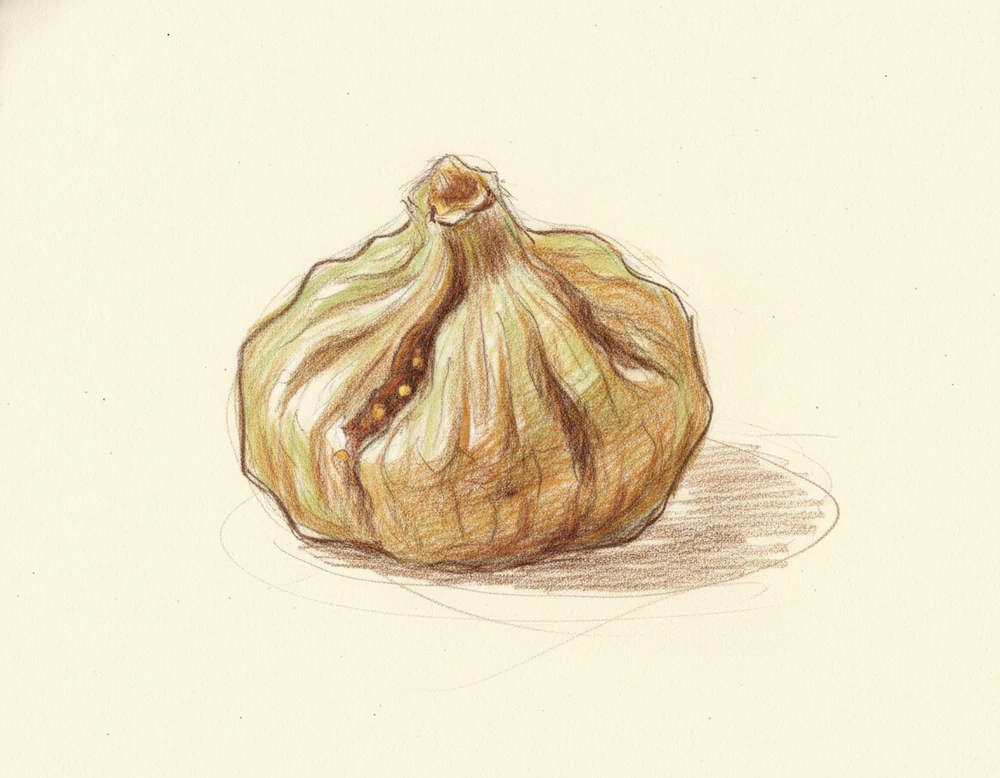
Atessa goes back to the Roman period and the digging shows figs have been grown there for millennia. The Reale, valued for at least two centuries, is the one made for drying; some historians say Robert of Anjou, who held the Chieti and Lanciano country, put a tax on Atessa's dried figs in 1320, when they were being traded by sea. The fruit is slightly spherical with a pale greenish-yellow skin and white or red flesh, very juicy and tasting of honey.
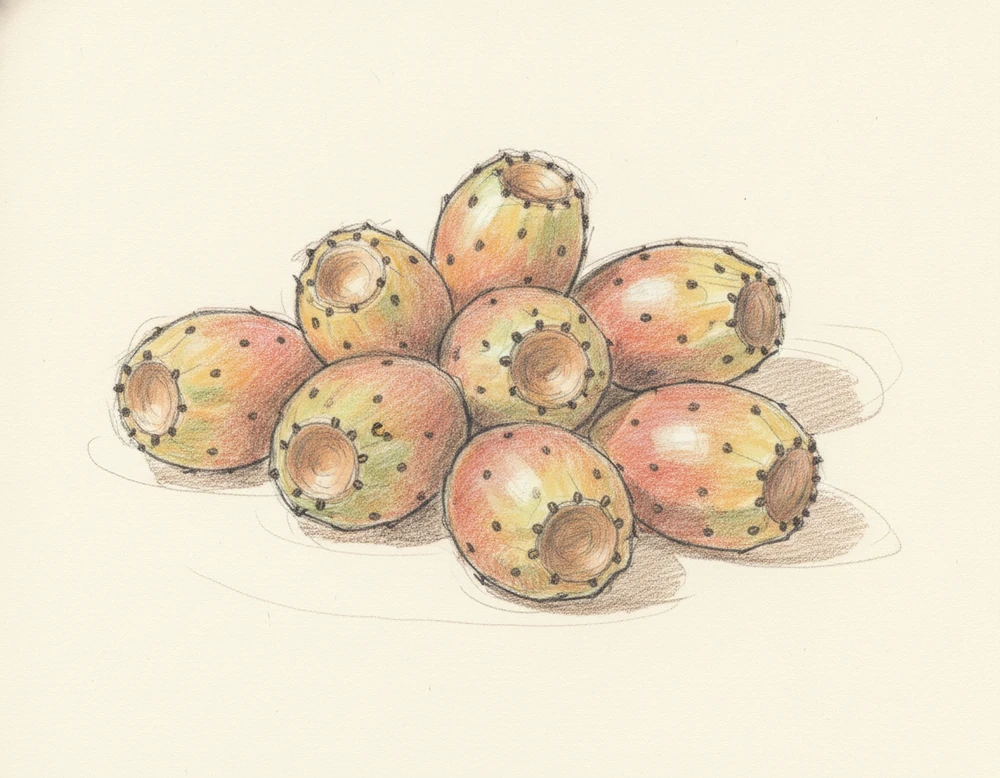
Prickly pears grown on Etna's lava soils between 150 and 750 m, in three cultivars: Gialla, also called Sulfarina or Nostrale; Rossa, also called Sanguigna; and Bianca, also called Muscaredda or Sciannarina. The Trunzara and Pannittera selections of each are treated as prized variants.
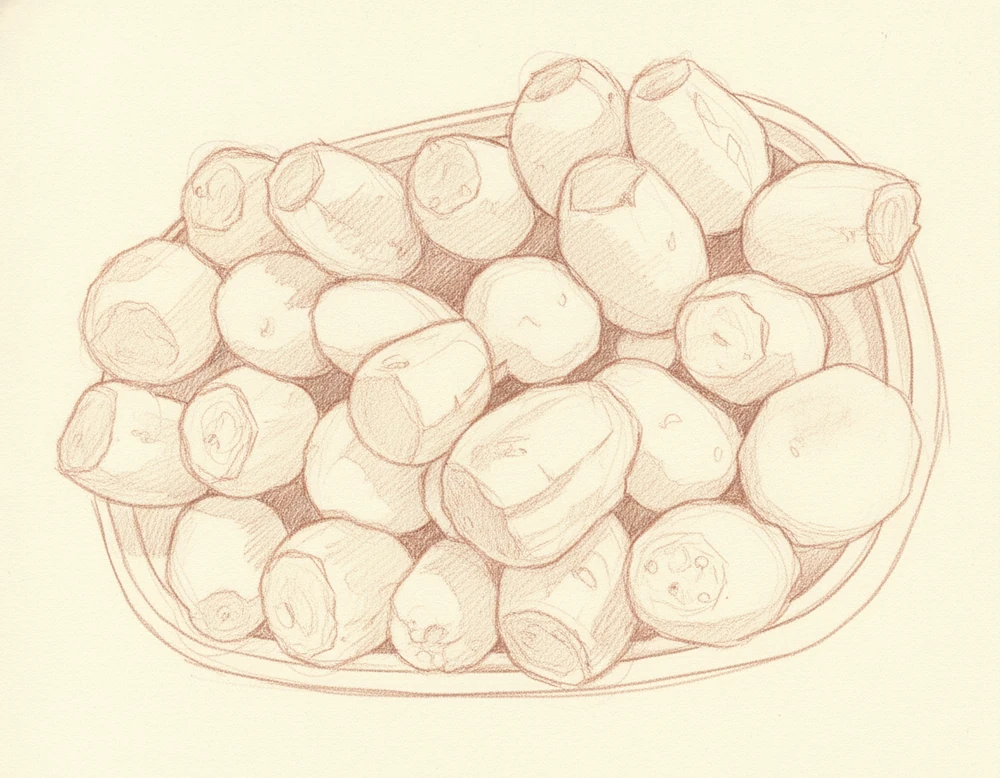
Prickly pears of Opuntia ficus-indica in three named cultivars: Surfarina or Nostrale, the yellow one; Sanguigna, the red; and Muscaredda or Sciannarina, the white.
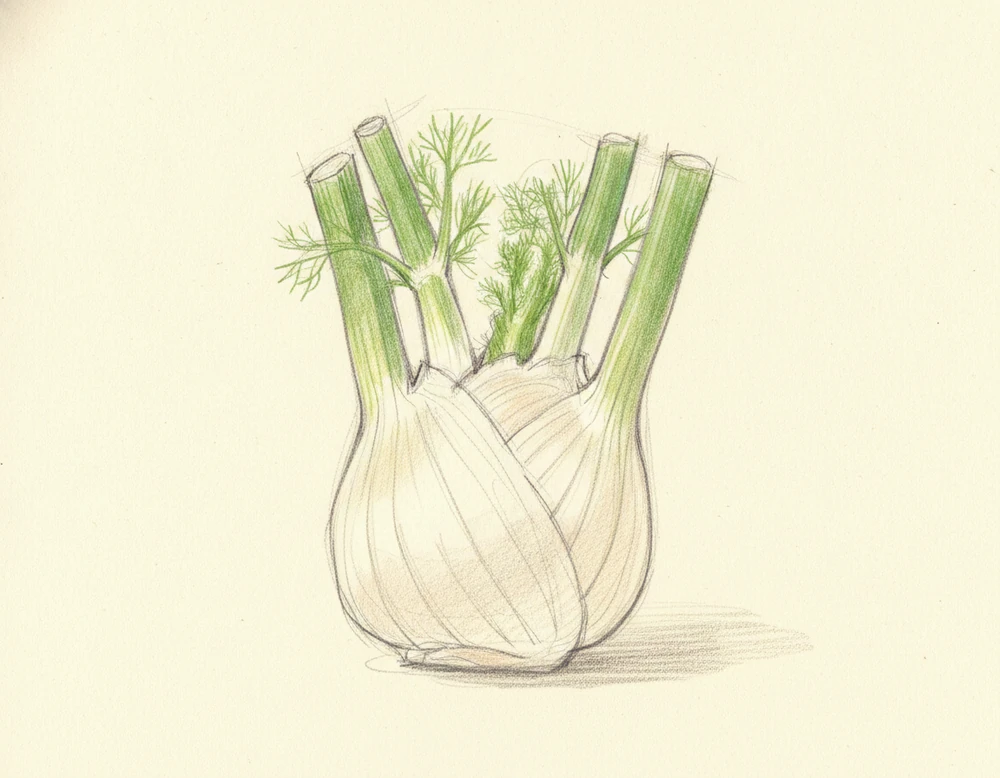
Fresh fennel of Foeniculum vulgare subsp. capillaceum var. dulce or azoricum, distinguished into types by when in the season it is grown.
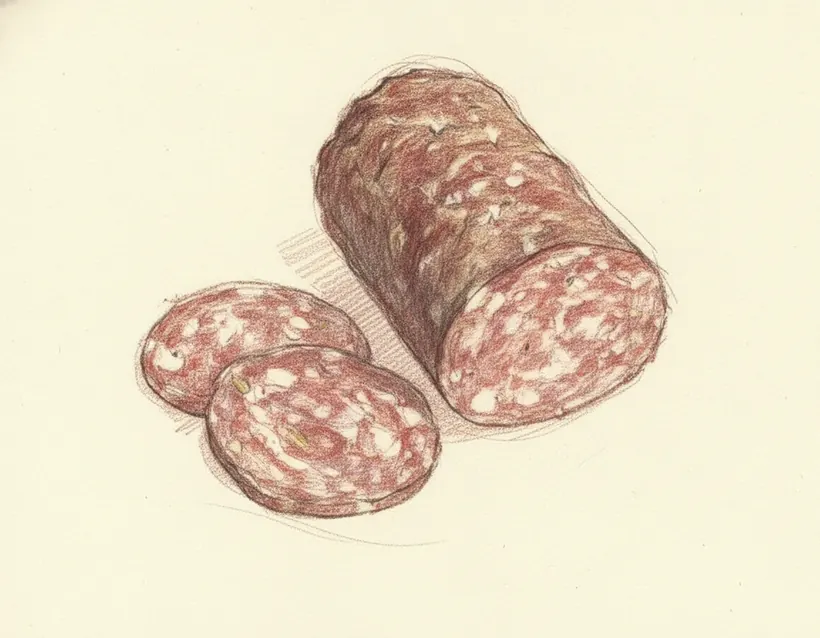
A soft, crumbly Tuscan salami of coarse pork seasoned generously with wild fennel flowers and seeds, fragrant and slightly sweet.
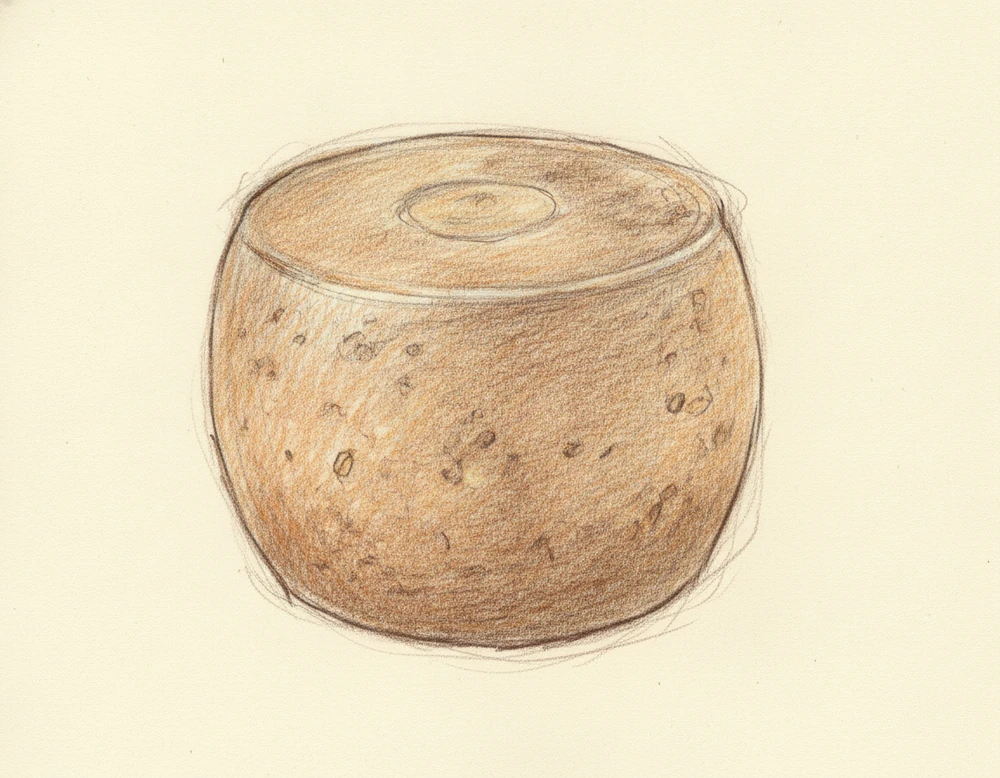
This was the cheese of the Sardinian shepherds, and the island's most-made cheese until milk went from the shepherds to the industry and Pecorino Romano took over. Fiore, flower, seems to come from the thistle flowers once used as rennet, though another account has it from the flower, asphodel or peony, carved into the wooden moulds, by which you could tell one maker or one village from another. The flavour is strong and its own.
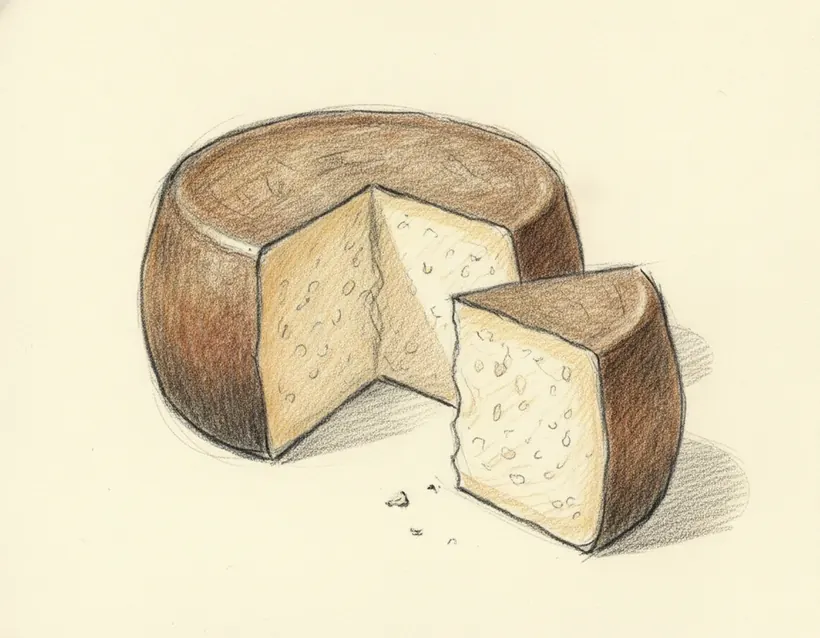
A hard, smoky raw sheep's-milk cheese shaped by shepherds and lightly smoked over aromatic wood, aged to a sharp, resiny depth.
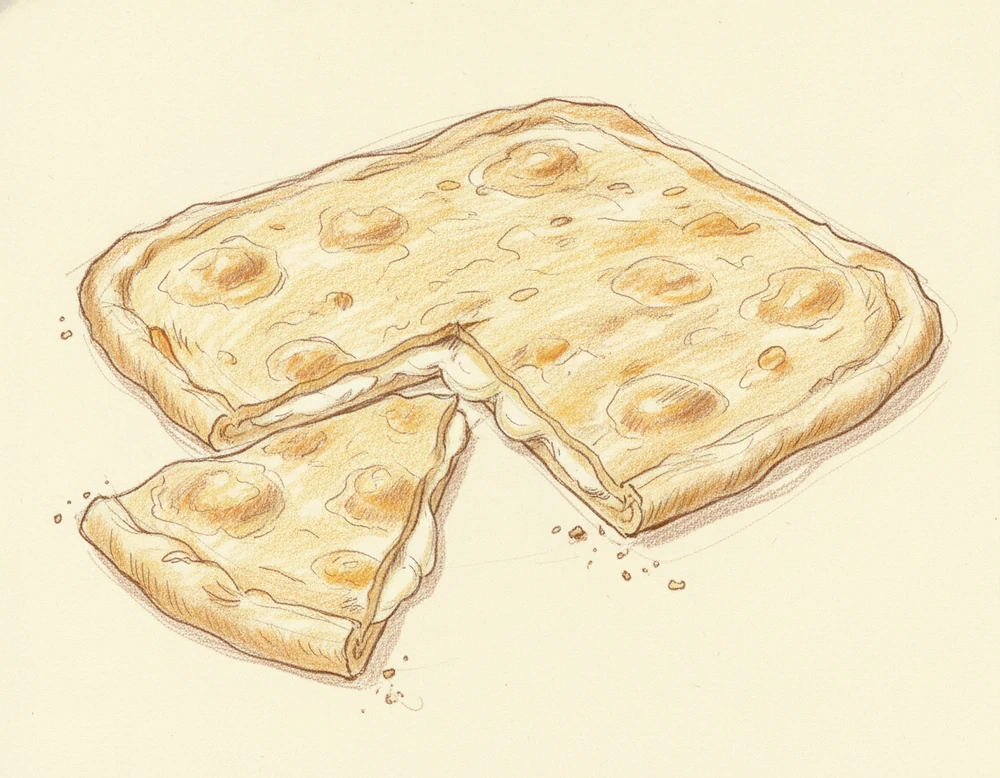
Two paper-thin sheets of dough of soft-wheat flour, extra-virgin olive oil, water and salt, filled with fresh soft cheese made from pasteurised cow's milk and baked fiercely so the top blisters.
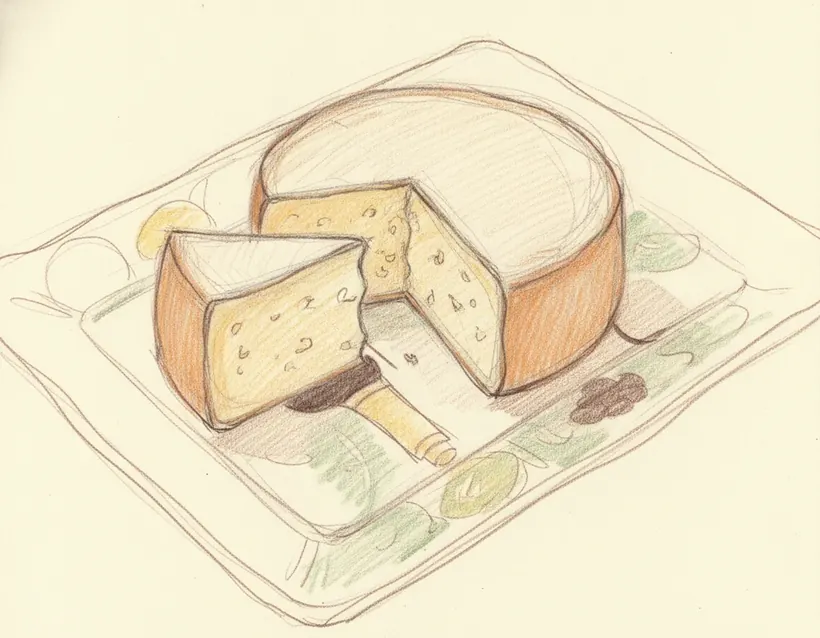
The great semi-soft mountain cheese of Alpine cow's milk, sweet and melting, the heart of fonduta and countless Valdostan dishes.
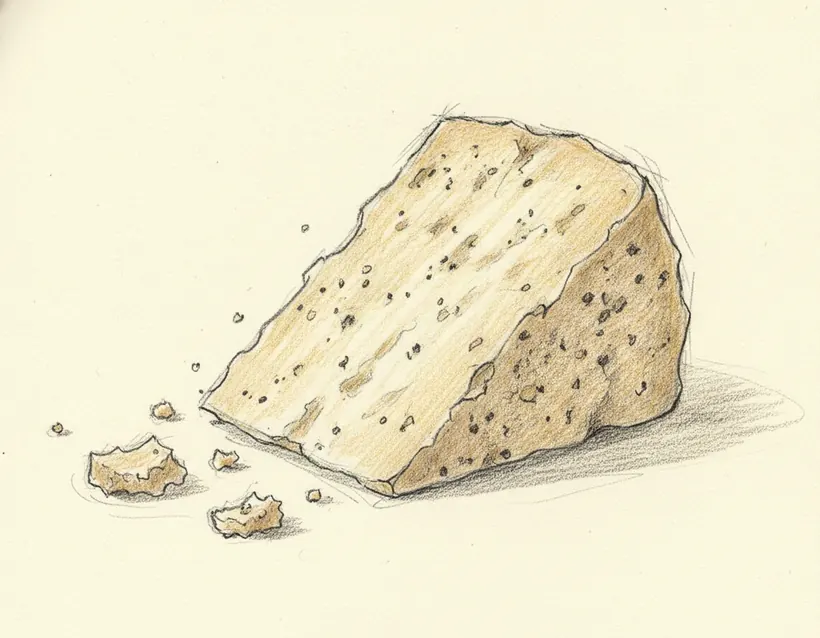
A Carnian cheese made by crumbling and re-pressing several aged mountain cheeses with milk, salt and pepper into a piquant paste.
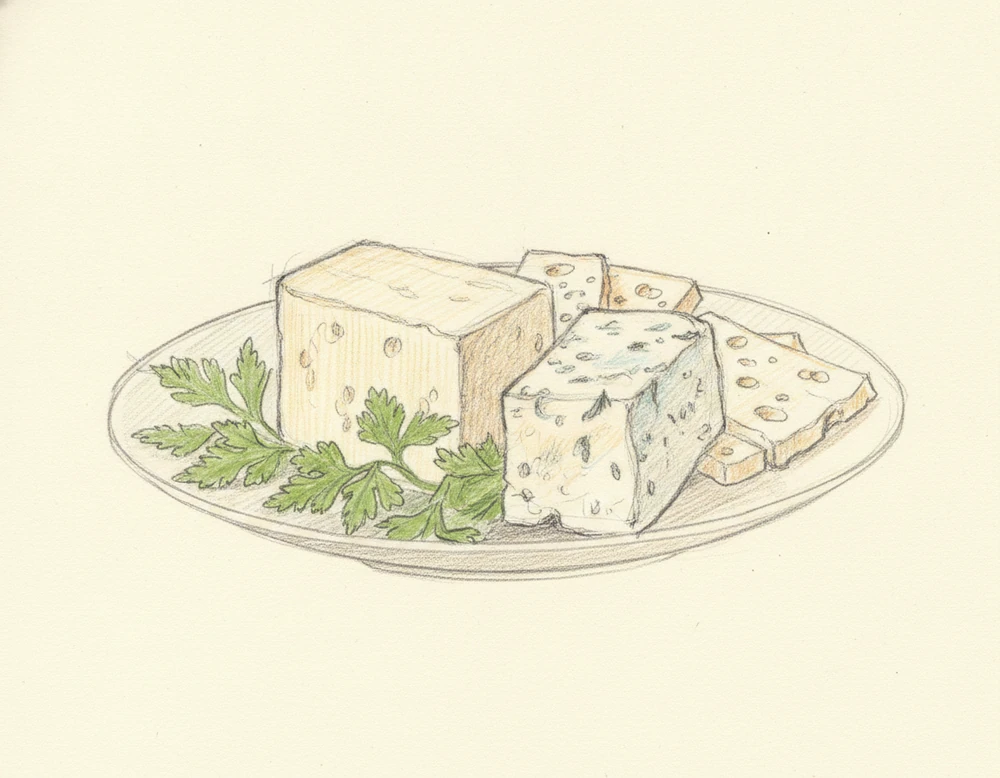
Italy's first DOP made from goat's milk alone. A semi-hard raw whole-milk cheese from the hills above Luino on Lake Maggiore, aged a minimum of 20 days.
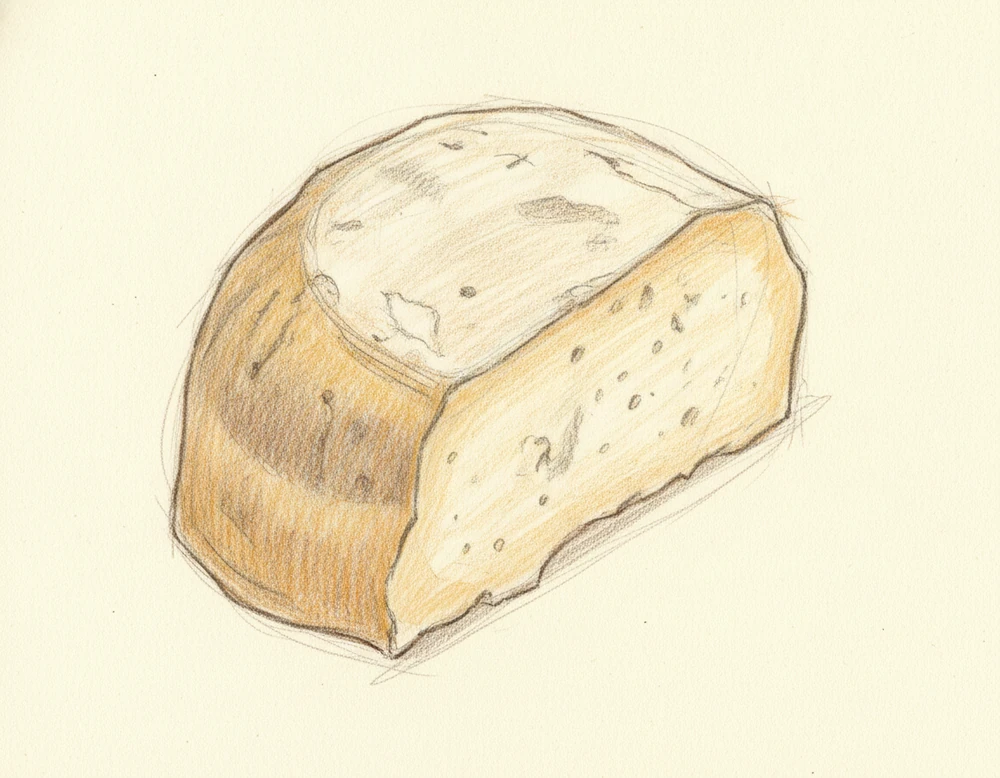
Cheese buried and matured in tufa pits, the fossa that give it its name, straddling the Romagna-Marche border at Sogliano al Rubicone. The finished rind runs from ivory-white to amber-yellow, and the pit ageing gives it the pungent, mushroomy character it is known for.
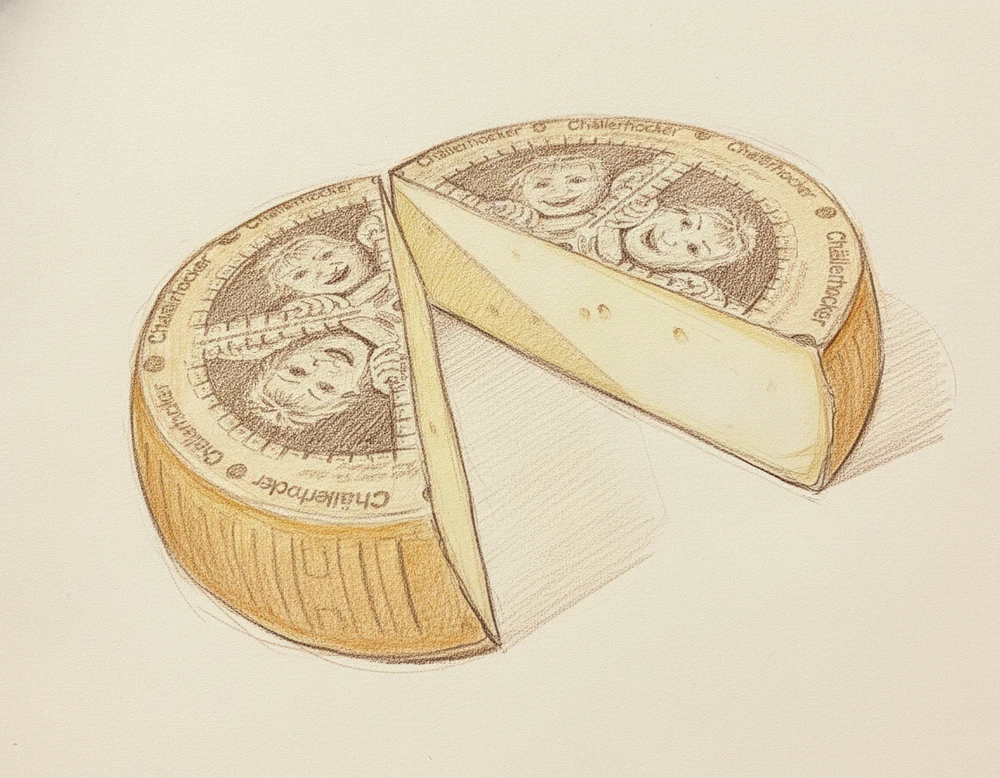
Not a recipe so much as an institution: the latteria turnaria was a cooperative dairy in which each member took his turn at the cauldron, made his own cheese and sold it himself. The system was formalised in 1880, the first opening at Maniago, and it spread by the dozen across Friuli and beyond into Veneto, Trentino and Slovenia. It was already being abandoned after the Second World War when the 1976 earthquake finished most of them; reconstruction closed many dairies outright, and the survivors went as the small family farms went and as policy pushed producers to merge for the volumes and certifications that national sale demands.
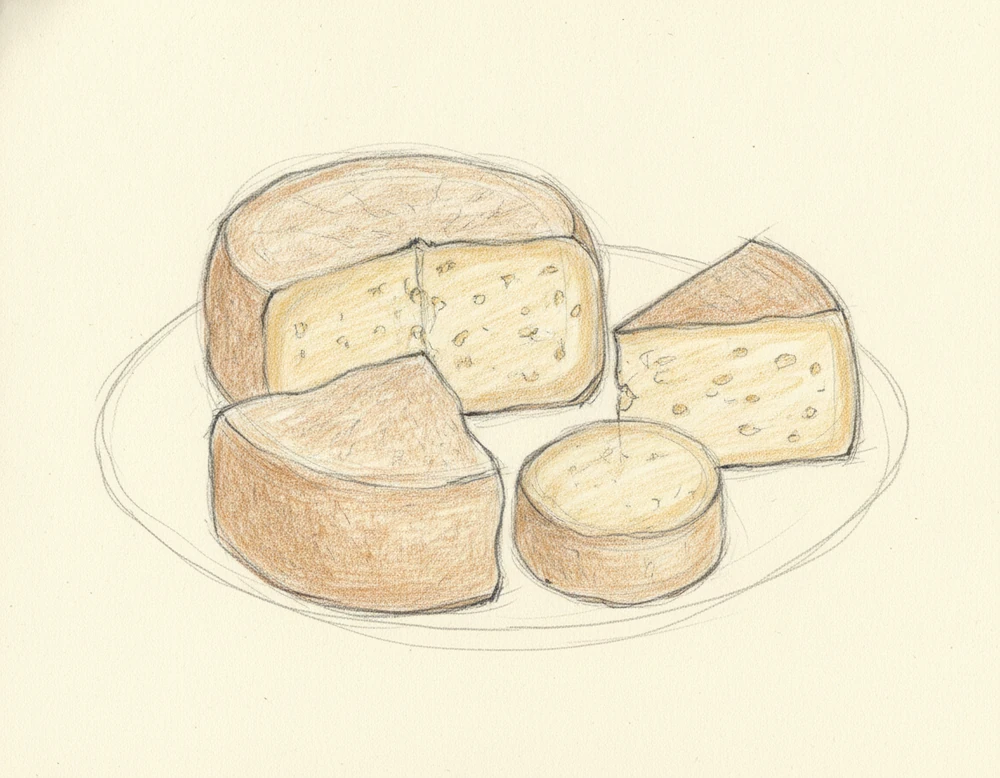
The Lagorai was once known for its cheese, and then decades of keeping the animals indoors down in the valley took the summer dairying with them. A few producers have gone back up to the malghe and are working raw milk again, against the run of the region.
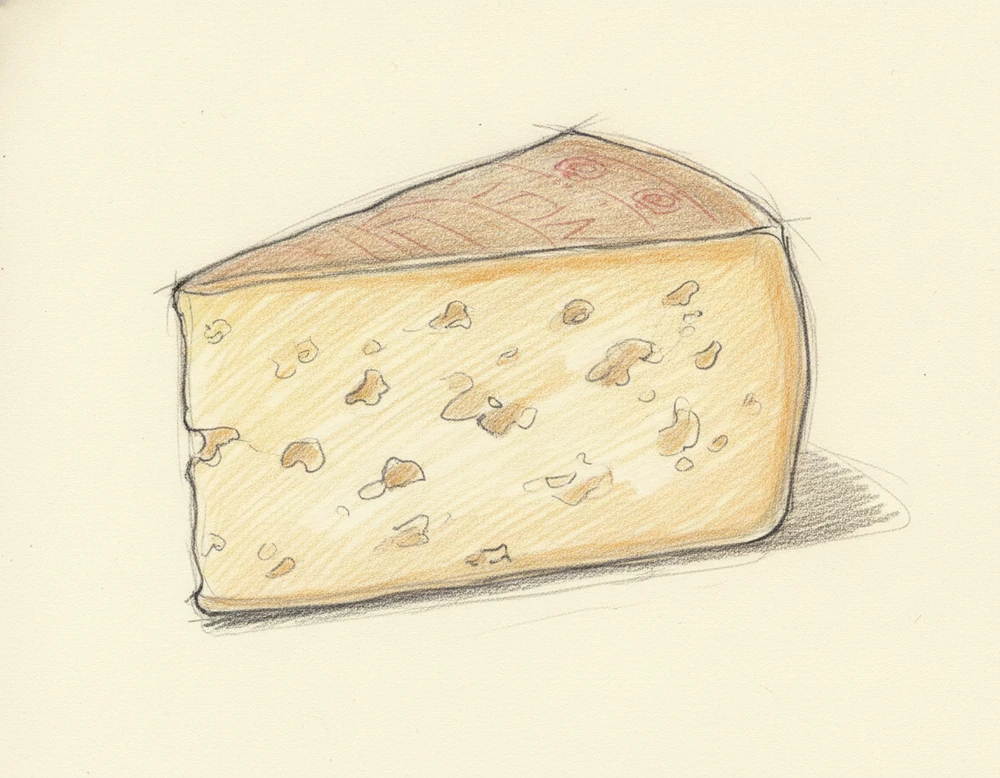
A full-fat semi-cooked cheese from the high Brembana valley, made only from whole raw cow's milk of weak natural acidity. The name is simply the mountain dialect for mountain cheese.
Cultivated strawberries (Fragaria x ananassa) grown on the Metaponto coastal plain, where the mild winters bring the crop early.
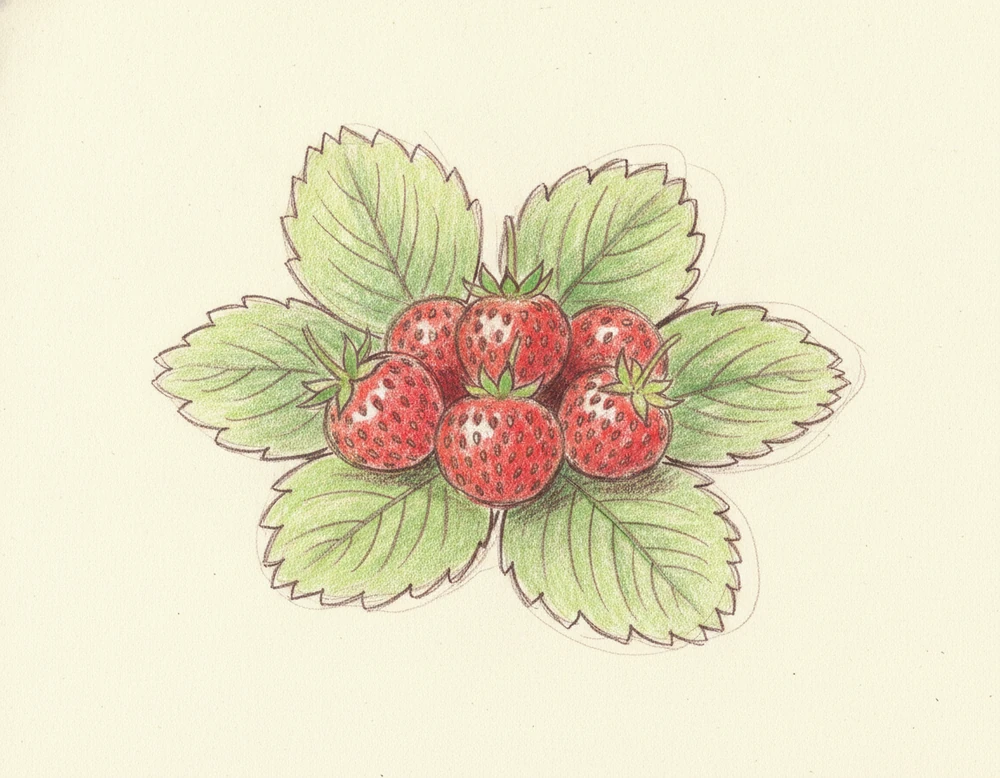
A strawberry selected in the early 20th century from wild plants on the hills around Tortona. Barely larger than a raspberry, it carries a heady scent and a sweet, delicate taste.
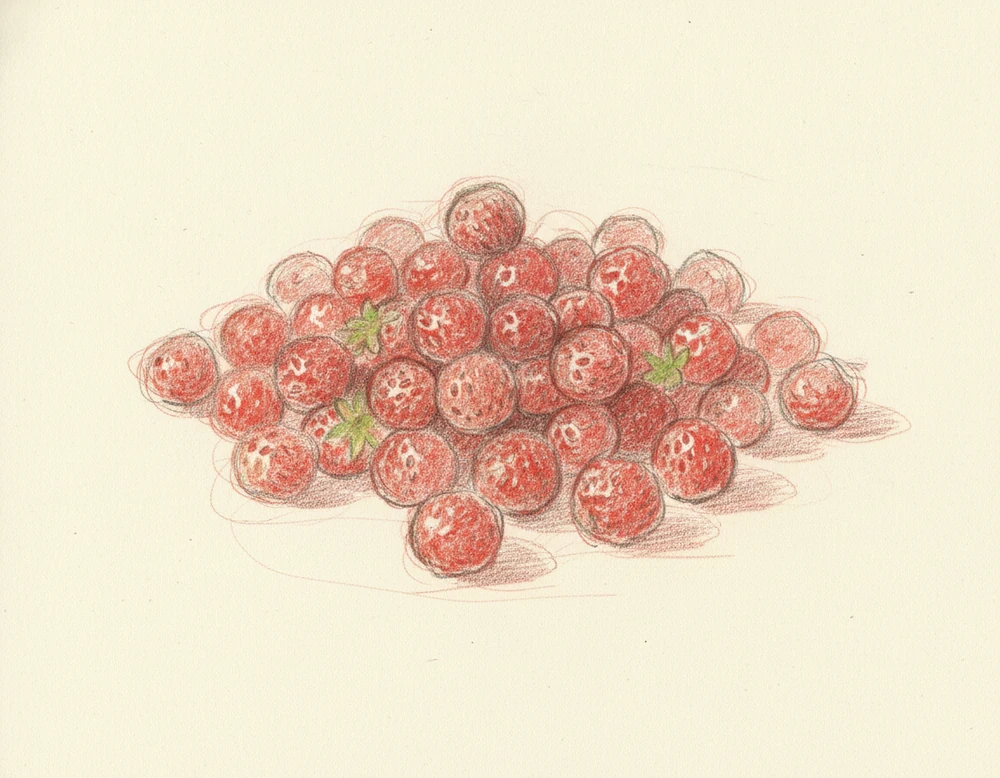
The story is that these came home from the Great War: Sicilian soldiers dug wild plants out of some Alpine wood and put them in the ground here, where they took, acclimatised and became a local ecotype that spread through the Verdura valley. The berries are tiny, round, bright red and intensely scented.
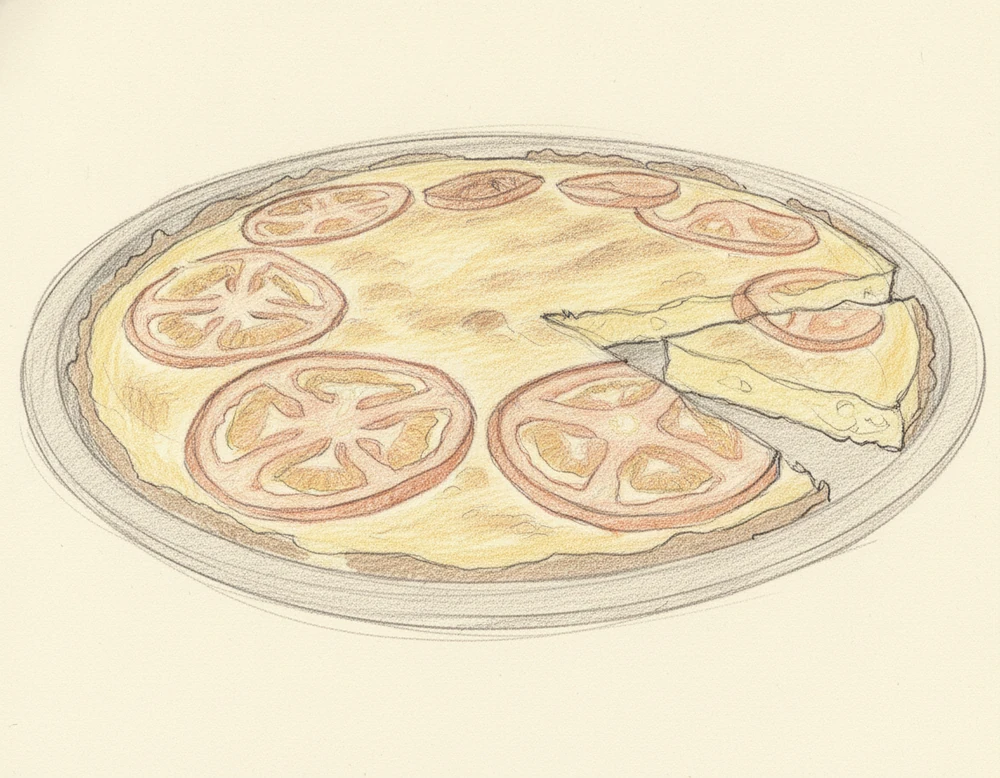
Ittiri is an old town of the Coros, in the Logudoro between Sassari and Alghero, its centre on a plateau at 450 metres among rocky valleys, ridges, streams and lakes, with nuraghi and rock-cut pre-Nuragic tombs, the domus de janas, called coroneddo in dialect, all over the country. It farms artichokes, vines, olives and sheep, and alongside the famous Sardinian raw-milk pecorini it makes fresa.
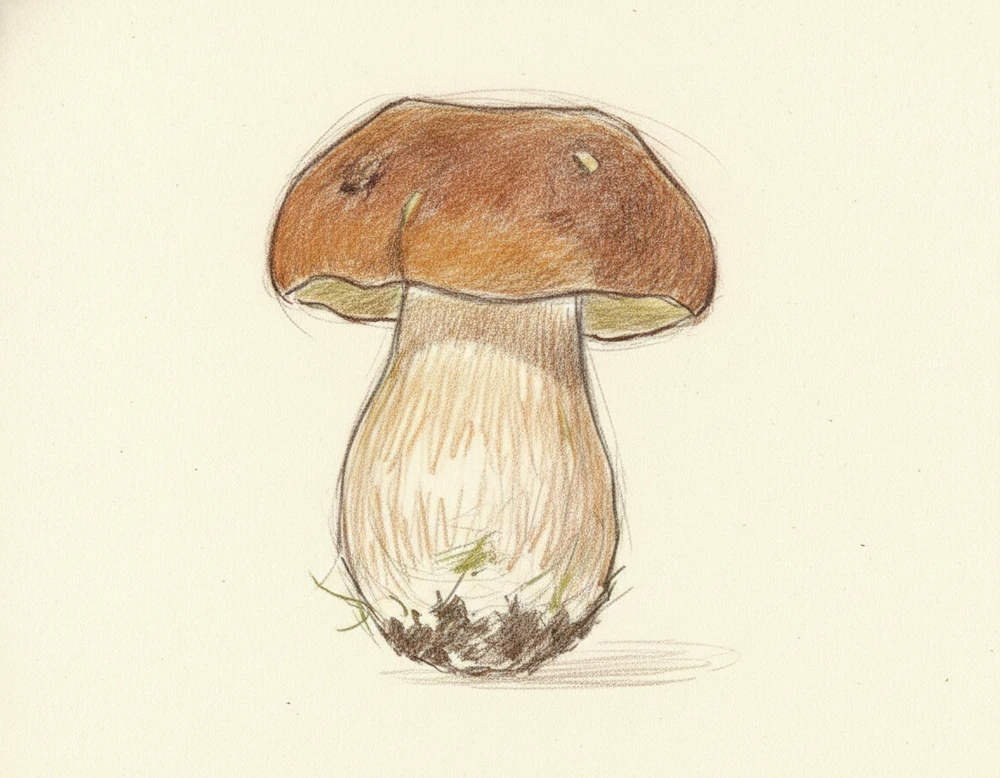
Wild porcini gathered in the chestnut and beech woods of the upper Taro valley, and the first mushroom anywhere in Europe to be given a protected designation. It covers the fruiting bodies of four Boletus species, each with its own local name, picked from spontaneous growth only.
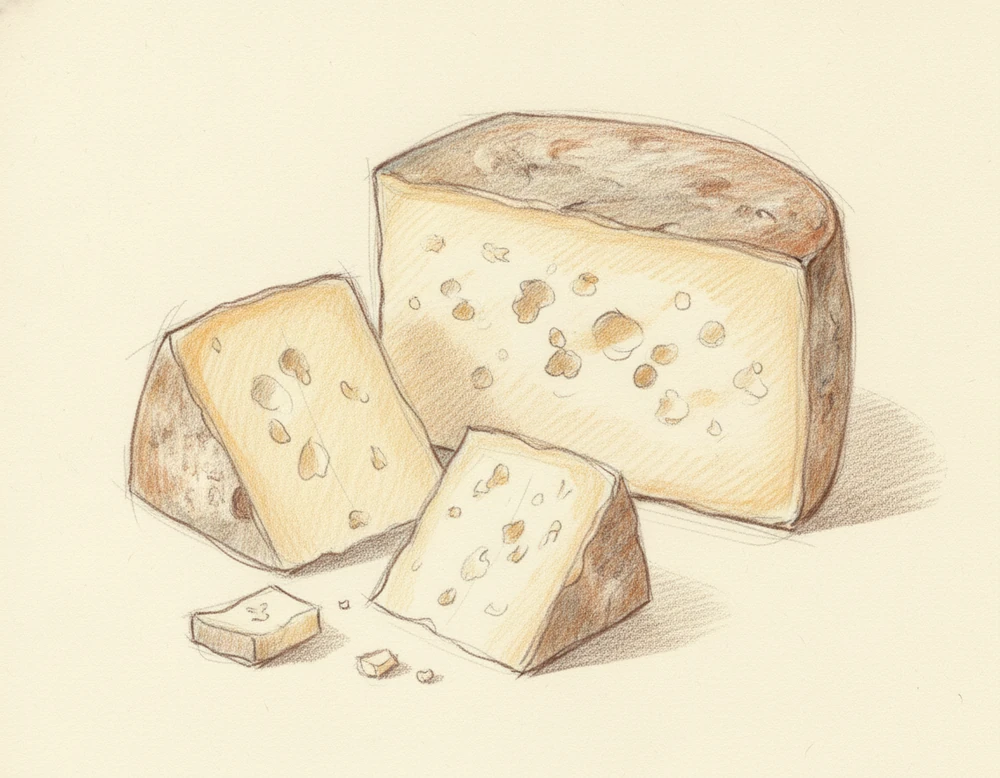
Furmàcc, furmai, formai: cheese, in the dialects of the Lombard alpine valleys. The rest of the name is a claim, cheese of the hay, and it says that what the cows ate is what the cheese is. Through the Valtellina and its tributaries, from the Val Chiavenna and Val di Lei west along the Adda to the Stelvio and Livigno east, summer cheese and winter cheese are two different things: in the hundred days on the high rotational pastures the milk goes whole into the grasso d'alpe, known locally under names like Storico Ribelle, while down in the valleys the milk is skimmed for a semi-fat or lean latteria. The making is much the same; the milk is not.
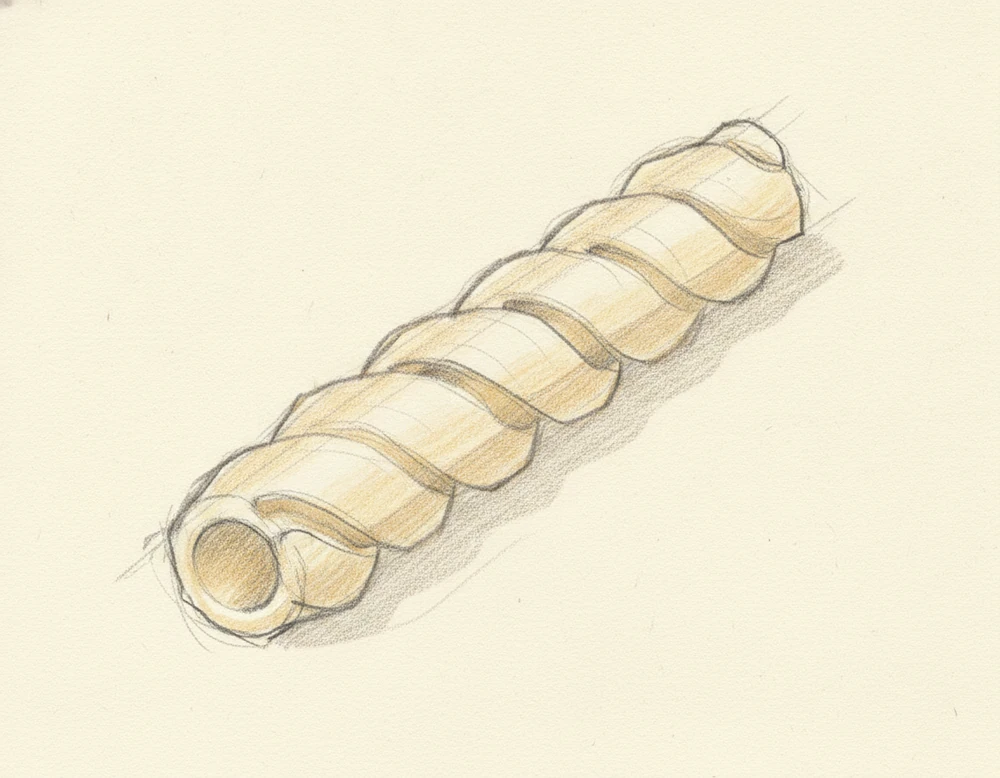
Not the short supermarket spiral: in the southern tradition a fusillo belongs to the maccaruni pertusati, the noodles with a hole down the middle, wound by hand around a rod.
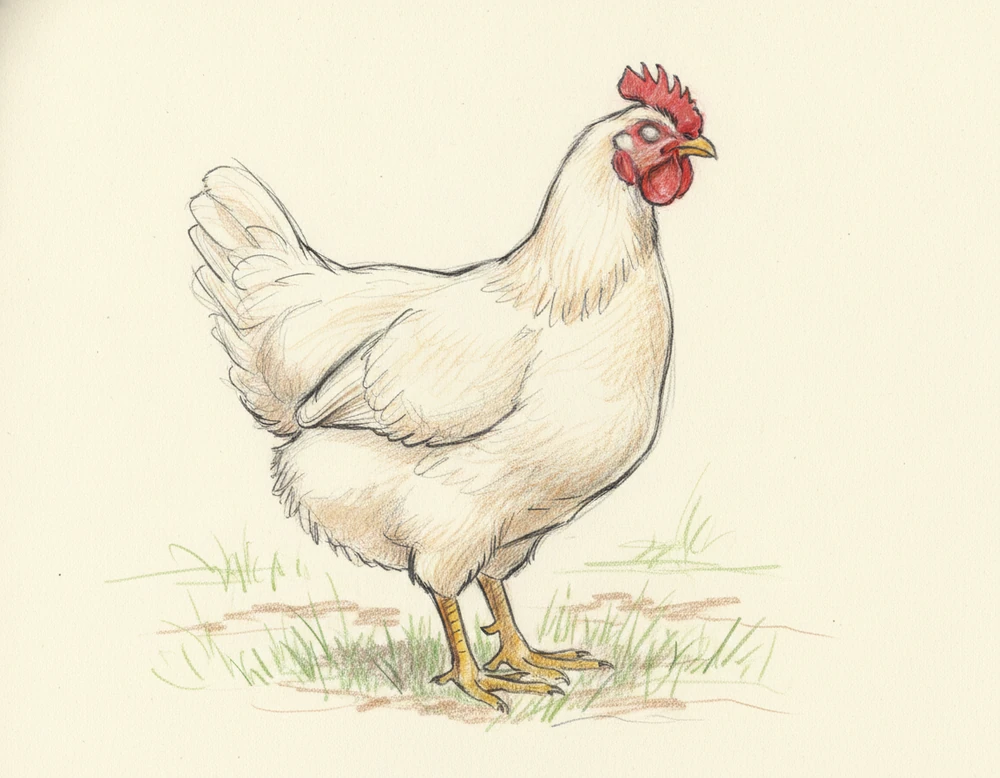
A traditional Piedmontese farmyard hen kept for meat and eggs. Every farm once had its ducks, geese, rabbits and chickens, eaten at home or sold at the local market to top up a modest income.
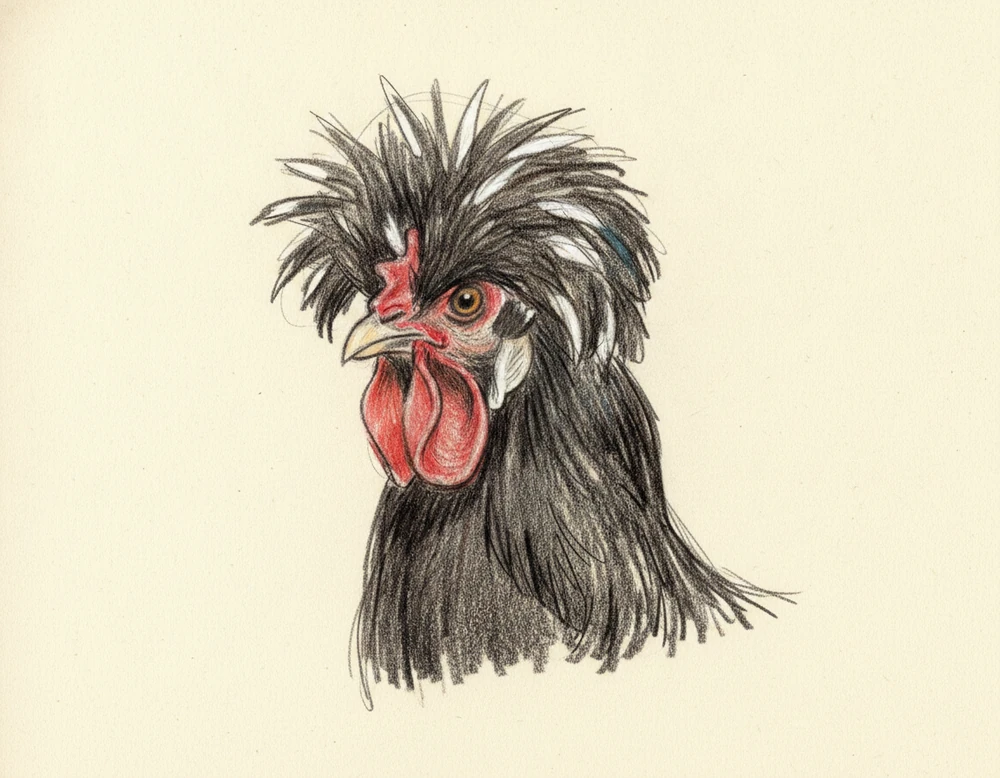
Unmistakable: a long beard, fleshy red nostrils either side of the beak, side whiskers, and a crest of long pointed feathers off the top of the head falling over the eyes. It cannot see much past them, which accounts for its tentative walk. The plumage runs black, white, gold, tan or silver. There were still several thousand birds early in the 20th century and next to none by the 1960s; the breed was held in Italy by the Duca degli Abruzzi institute in Padua and by a teacher, Gabriele Baldan, who gathered a few small breeders around it.
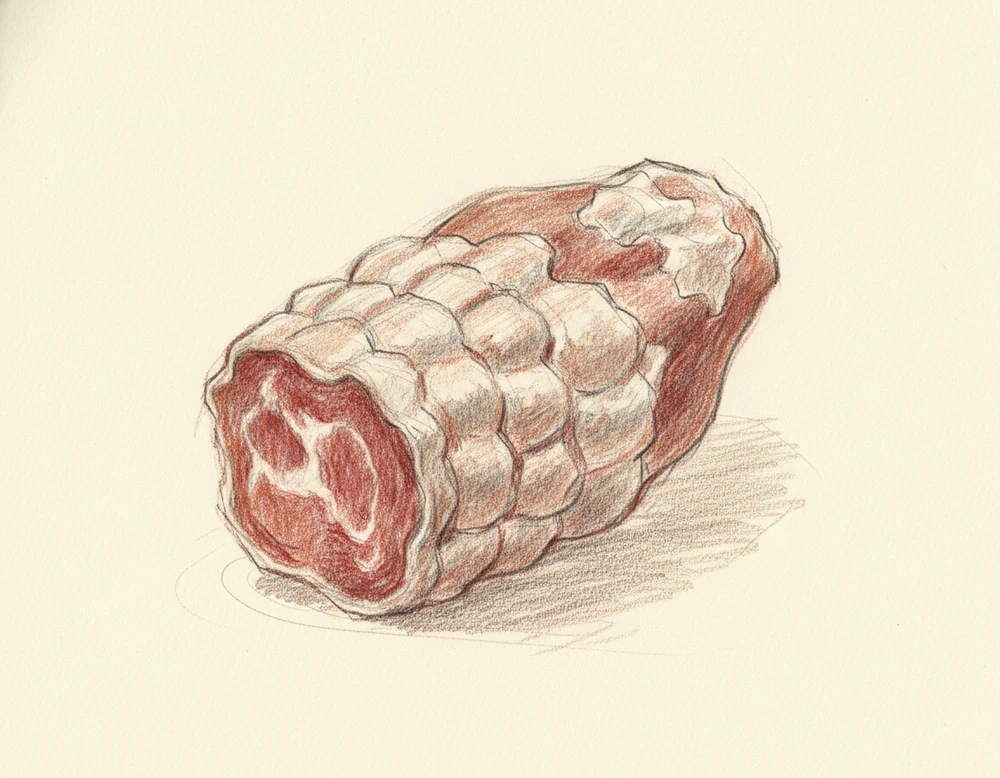
Belmonte is known for its tomatoes, but like everywhere in Calabria it cures pork too, and every family here used to keep a few pigs for the year's meat. Its own speciality is gammune, cut from the inner part of the leg much as culatello is, coated in a mild chilli paste and cased in the pig's caecum. It was what you served a guest of consequence or gave to the town's notables.
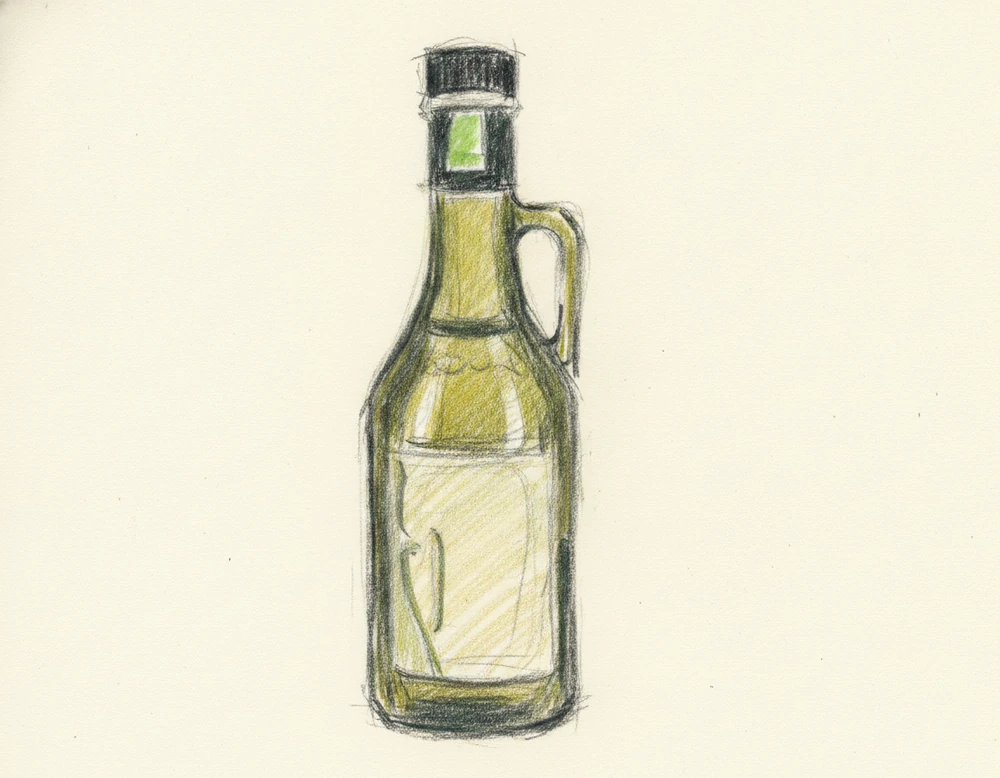
The olive oil of the Lake Garda basin, one of the northernmost olive-growing zones in the world. Green to yellow at varying intensity, with a light to medium fruity nose and a fruity taste with sweet notes and a characteristic almond finish.
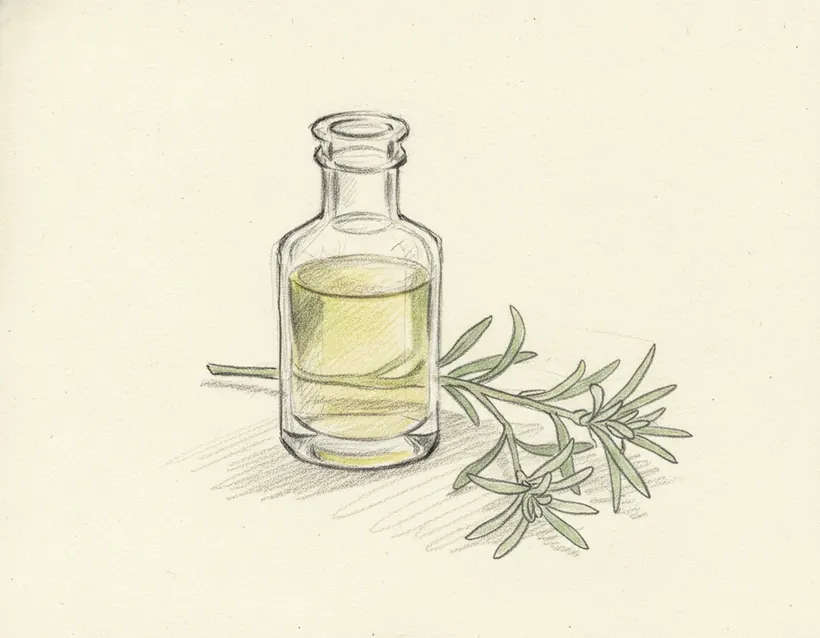
An Alpine liqueur distilled from the wild silvery genepì wormwood of the high peaks, aromatic and bittersweet.
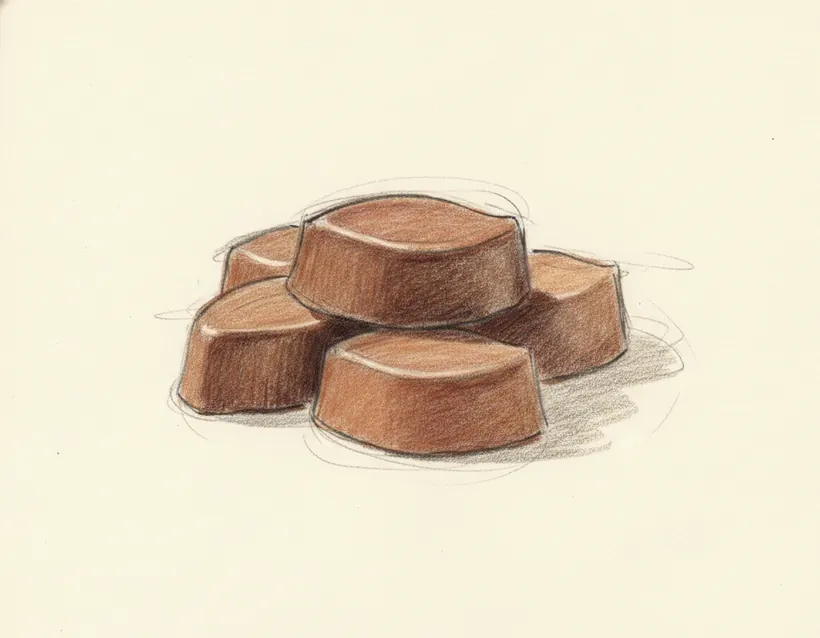
Turin's ingot-shaped melting chocolate of cocoa and Piedmont hazelnut paste, created when Napoleon's blockade made cocoa scarce.
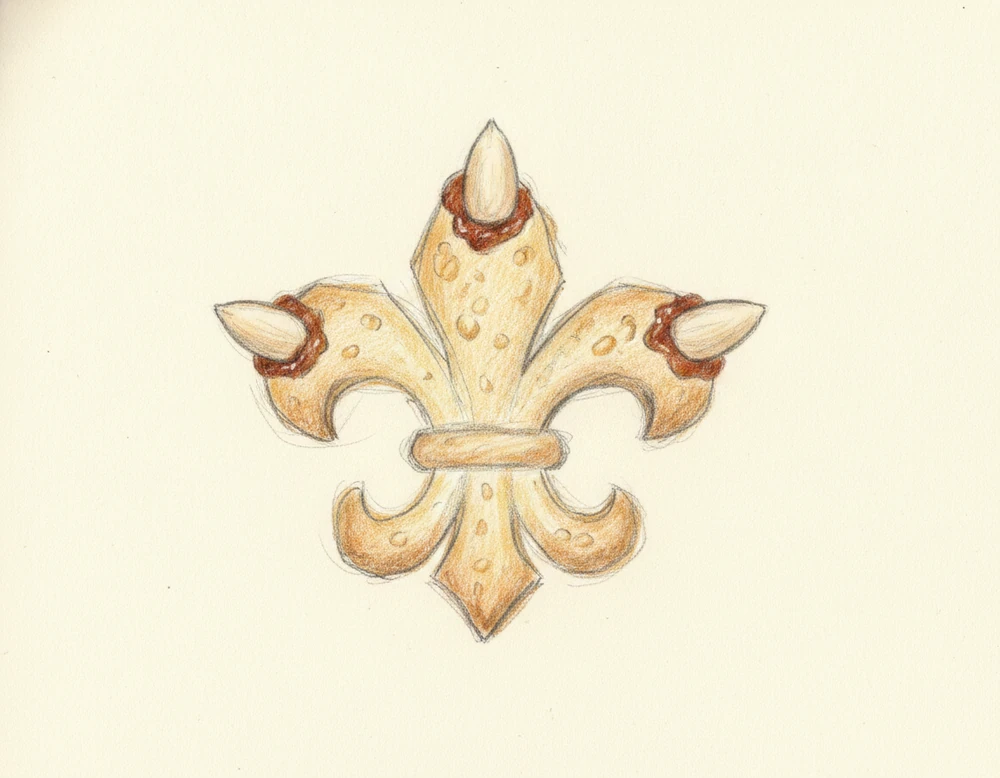
Flour, sugar and eggs, and nothing else. The biscuit follows the Barberini, lords of Palestrina, who counted a pope among them in Urban VIII; he bought the town from the Colonna and made it the family's estate. Exiled to the court of Louis XIV on charges of misgovernment, the Barberini met biscuits cut as a fleur-de-lis, the Bourbon emblem, and giglietto is the little lily. Back at Palestrina their bakers made them again with the family's bee in place of the lily; the bees did not take, and the lily came back.
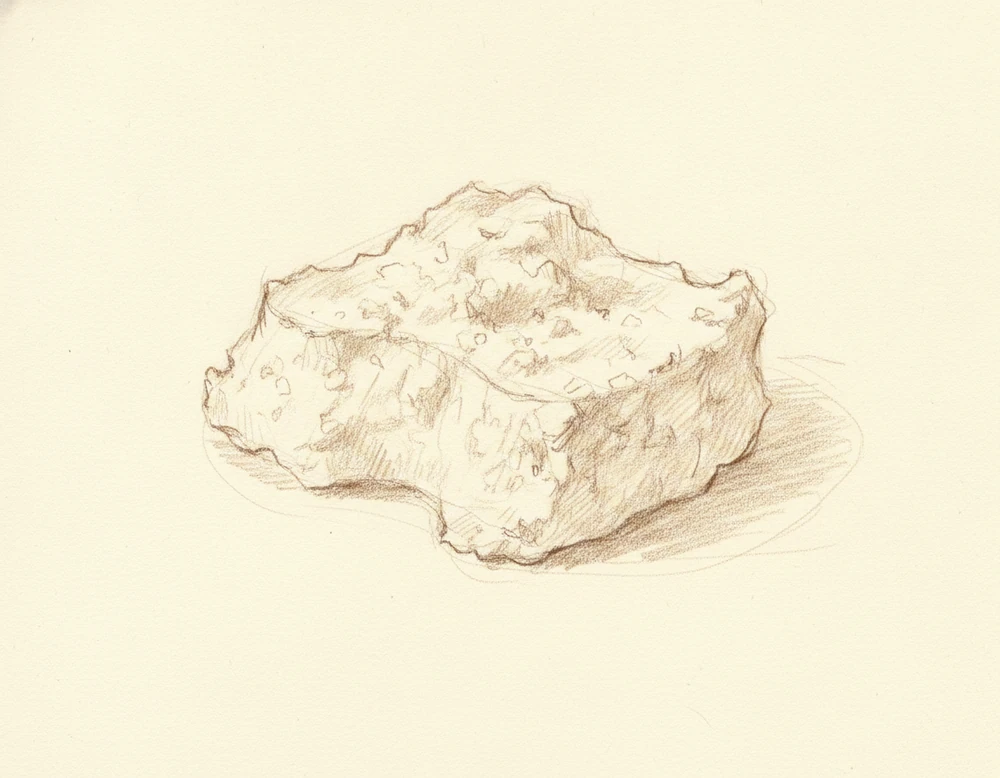
A fresh, delicate cheese of cow's, sheep's or goat's milk, most often a mixture. Nothing is added, no cultures and no salt, so it is all in the milk and the pasture: the best is made in late spring, when the mountain meadows are full of different grasses and flowers. It is white and creamy and has to be eaten within a few days, and is best of all still warm. Giuncata is made all over Italy, but in the central Apennines of northern Lazio it stayed a living thing.
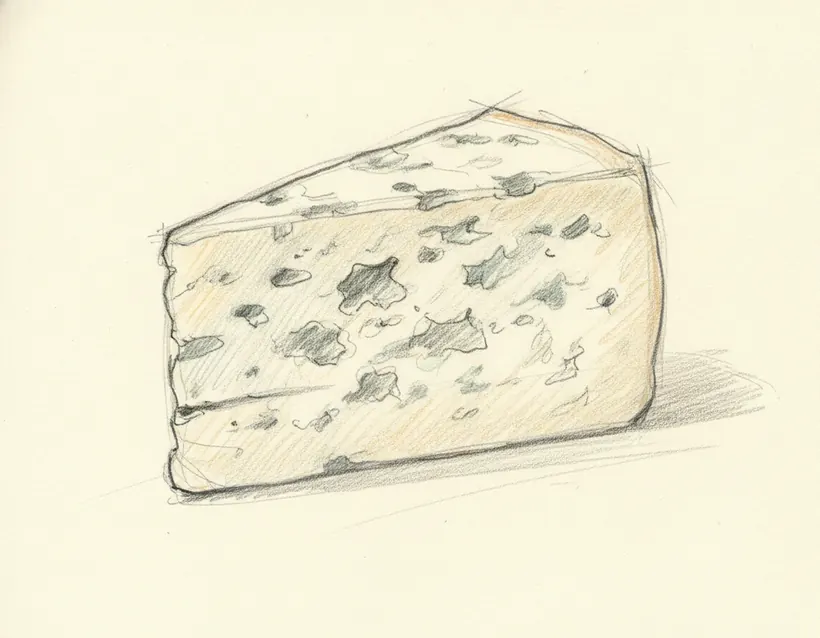
A soft, creamy cow's-milk blue cheese veined with blue-green mould, sold sweet and mild or sharp and piccante.
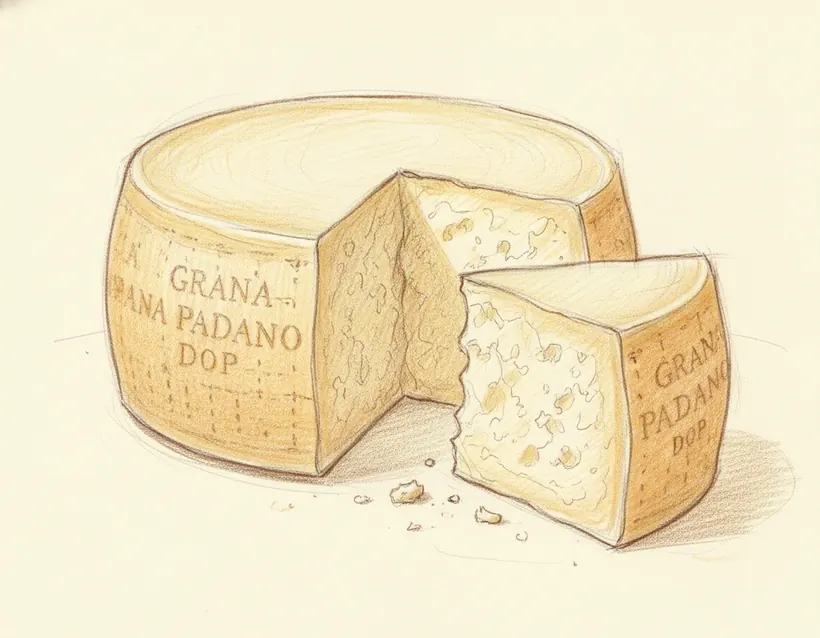
A hard, grainy cow's-milk cheese of the Po valley aged in giant drums, milder and younger-eaten than Parmigiano.
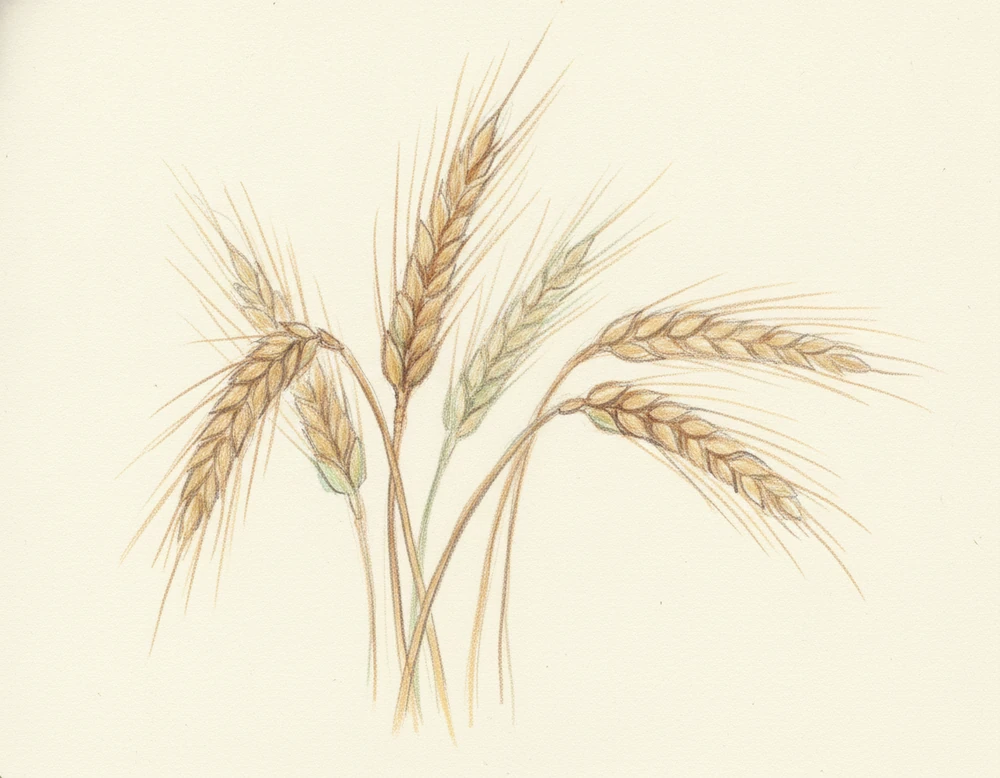
The traditional Sicilian soft-wheat varieties. The island is known as one of Italy's granaries for durum wheat, but its soft-wheat biodiversity is far less recognised, and the Gentili wheats are among the oldest of that Mediterranean farming legacy.
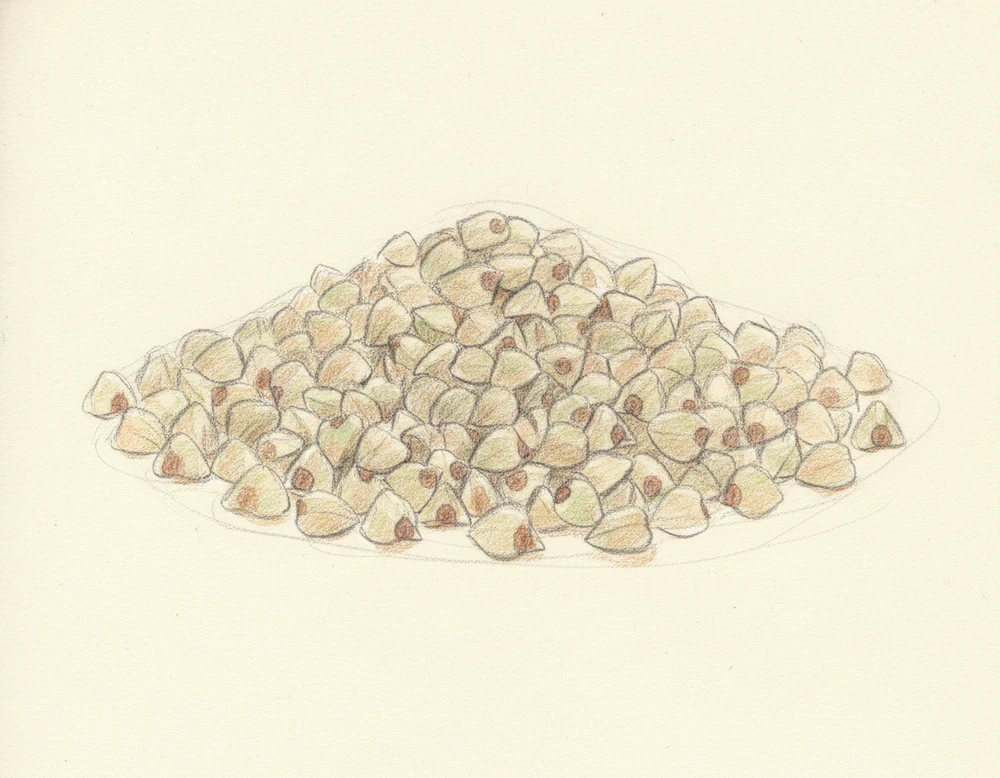
The Nera rises in the Sibillini in the Marche, runs most of its course through Umbria and joins the Tiber in Lazio. Its upper valley, in southeastern Umbria, is steep and hard to farm, and the mountains around it make the winters harder and the summers cooler than the rest of the region, which is why it grows things nowhere else does: roveja, and buckwheat, both of which will take poor and broken ground. Grano saraceno, Saracen grain, is a name that only means from far away.
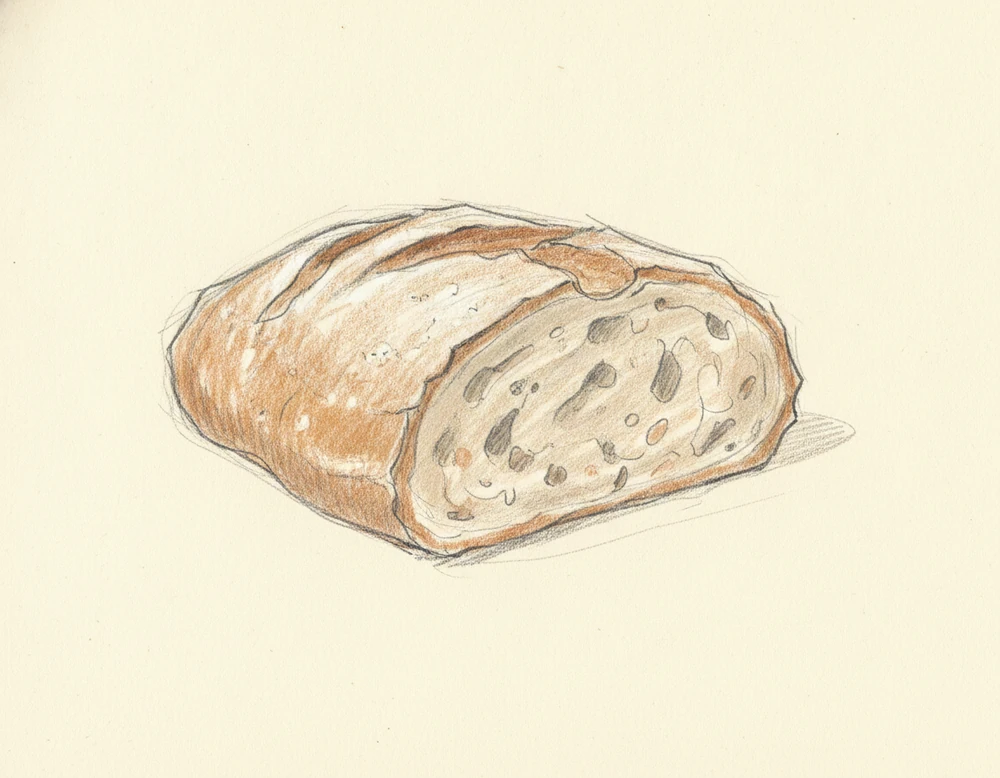
The Italian name is a curiosity: saraceno does not point to any particular origin so much as to somewhere far away, and grano to the resemblance, since it is not a grass at all but a Polygonacea, a pseudo-cereal. It suits the Terragnolo, where it is grown on small terraced plots and is known locally as formentom. The documents go back to the 19th century; local memory says the 16th.
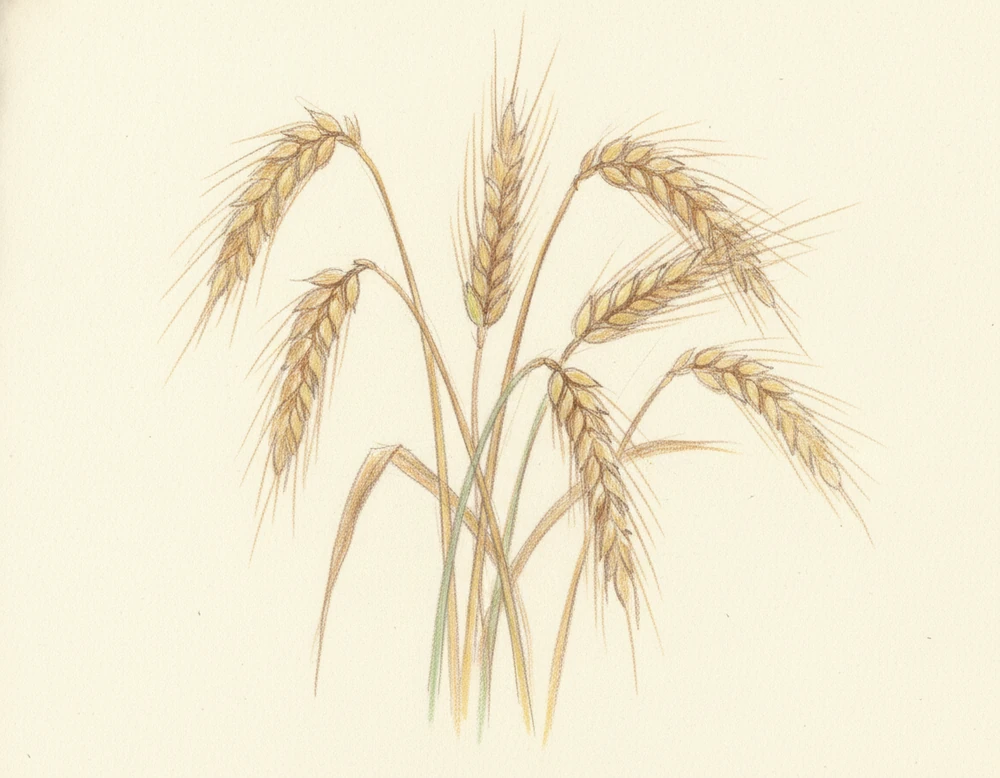
Inland Abruzzo measures wheat against Solina. The sayings say it: Solina fixes all flours; if the farmer wants to get to the mill, let him sow Solina. What was valued was that it yielded reliably, which is what kept a farming family alive. Deeds of sale drawn at the Lanciano fair show this soft wheat being grown in Abruzzo from at least the start of the 16th century, and in the early 20th the geneticist Nazareno Strampelli used it in his experiments and crossed it with other local varieties.
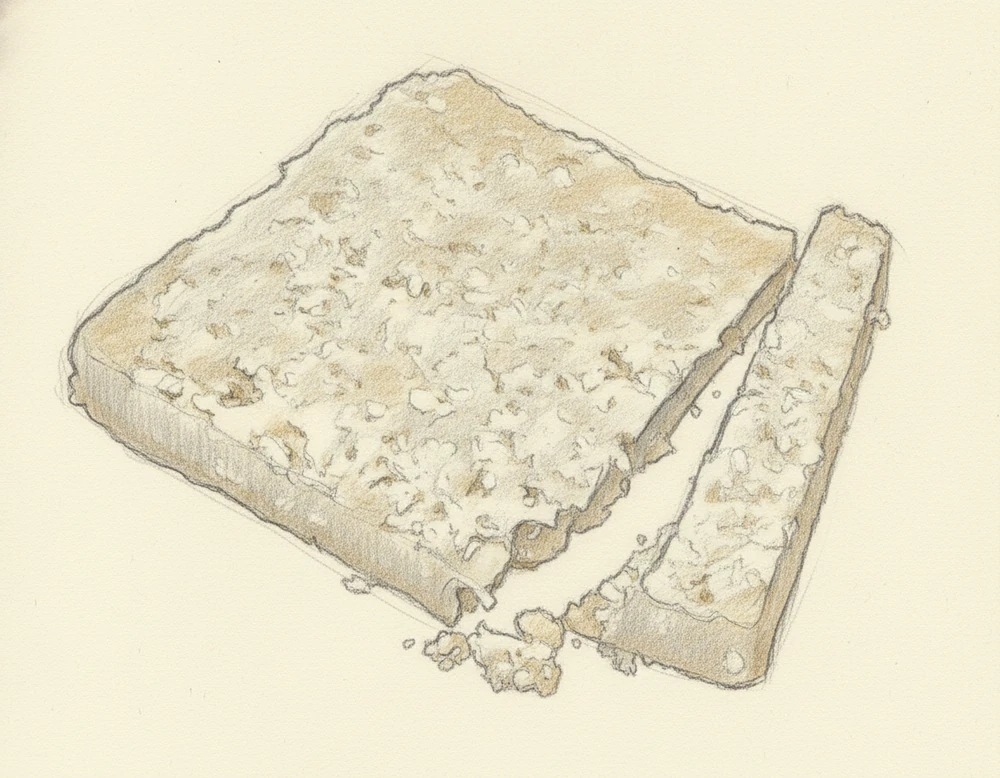
Grey cheese: one of the acid-set cheeses, made with no rennet at all, a type common through the Tyrolean Alps. It is very lean, at most 2 percent fat, being made from the milk left after the butter.
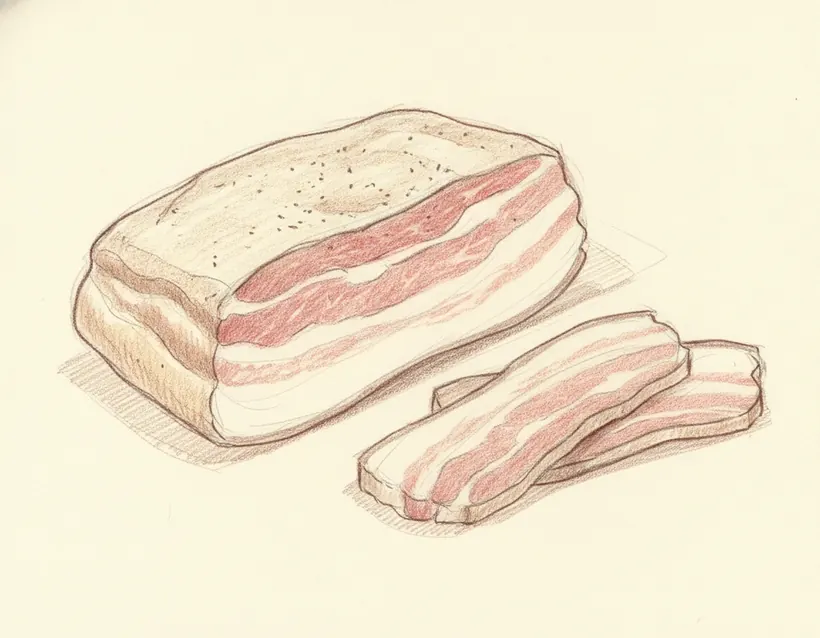
Cured pork cheek rubbed with pepper and aged, fattier and deeper than pancetta, rendered down as the fat base of Rome's four great pastas.
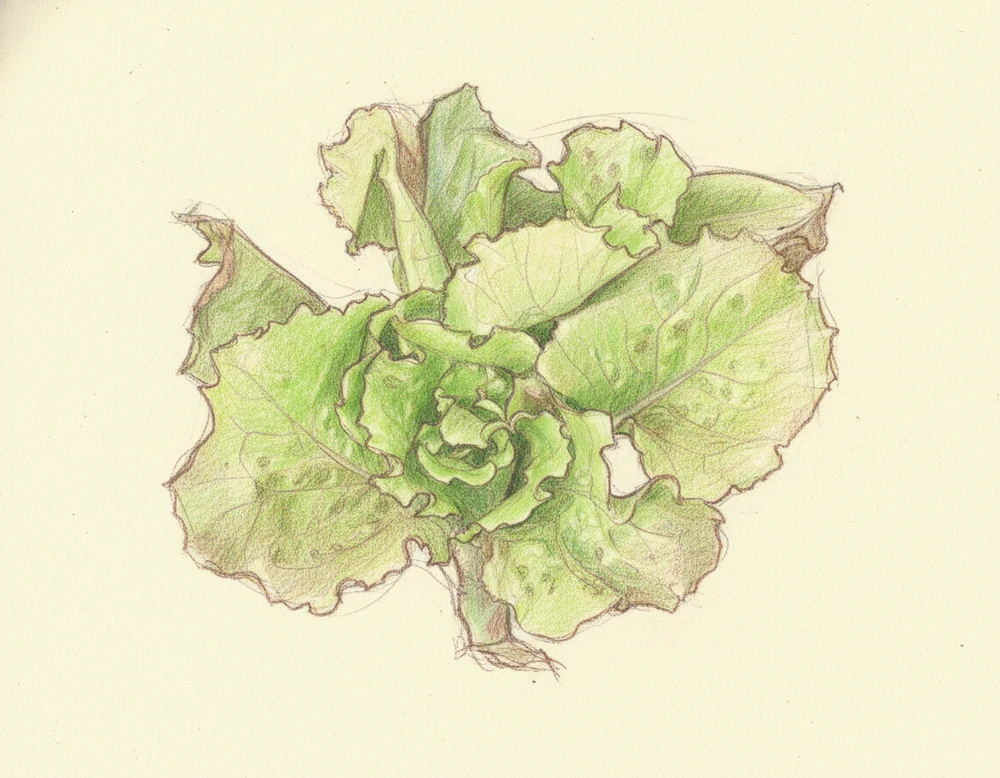
Lettuce from the sandy Adige soils around Lusia, in two varieties: Cappuccia (Lactuca sativa capitata) and Gentile (crispa). The stem is short, at most 6 cm, and very fleshy, and the head is notably light for its size.
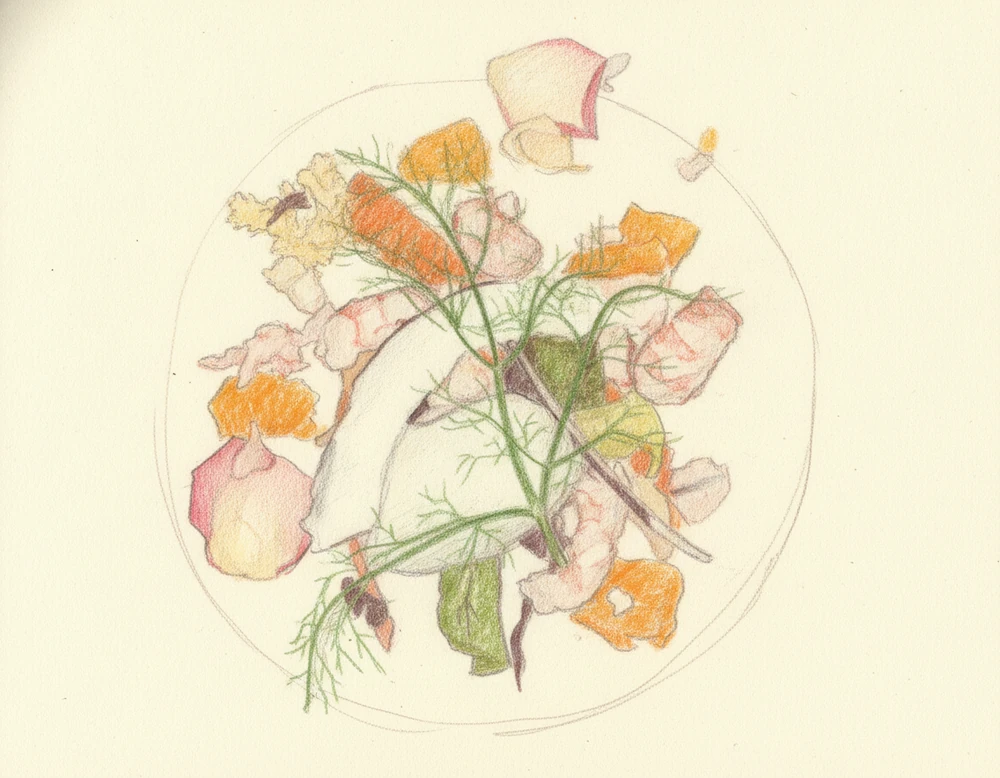
An extra-virgin olive oil from the Ufita valley in Irpinia, built on Ravece at no less than 60 per cent, a native variety known for its pronounced green-tomato note.
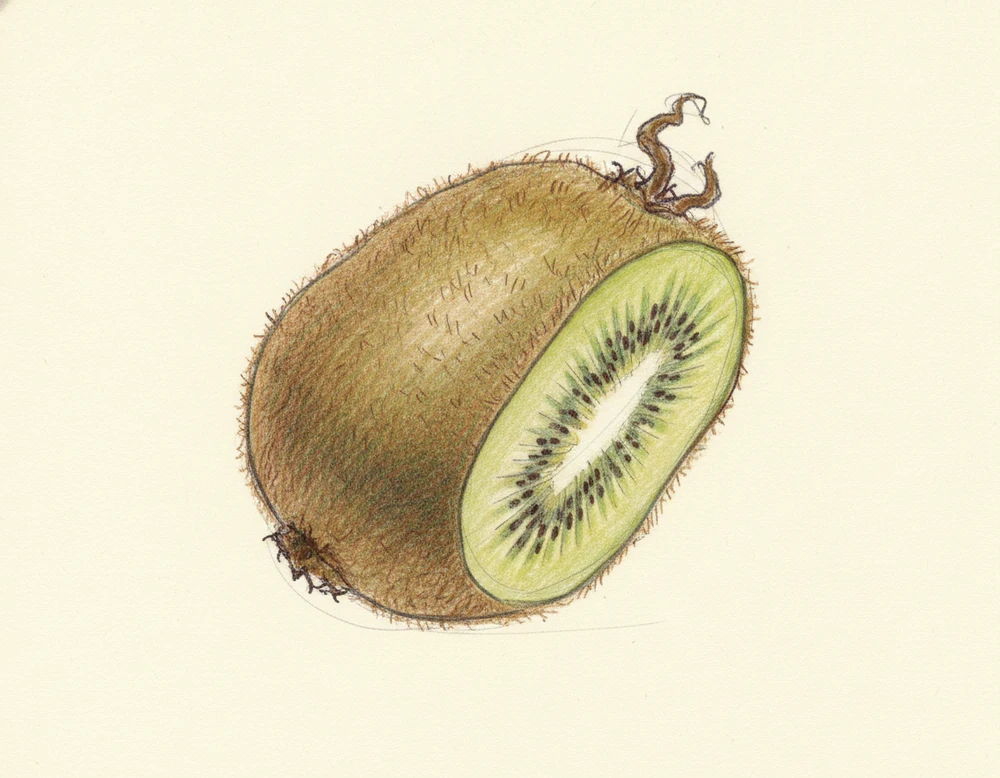
Kiwifruit from the Agro Pontino, the reclaimed plain south of Rome that became one of Europe's principal kiwi districts.
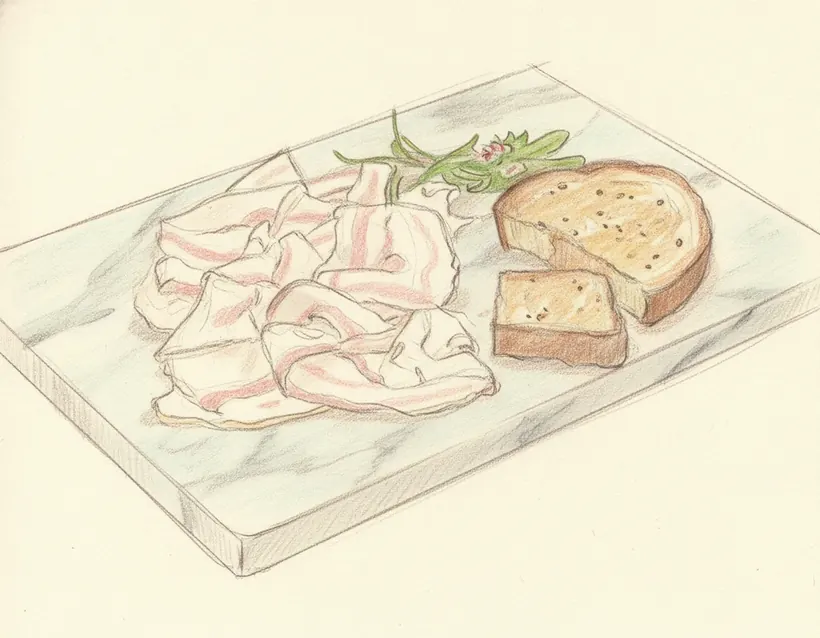
Pork back fat cured with salt, rosemary and spices in basins carved from local Carrara marble, then sliced almost translucent.
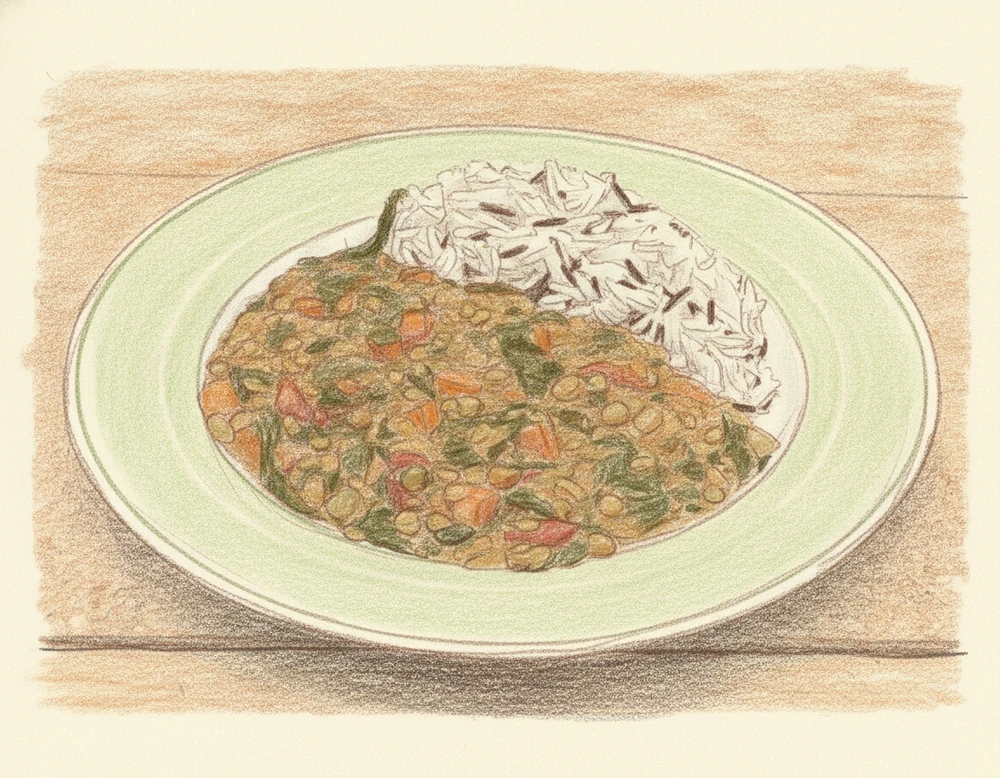
Lentils from the Alta Murgia around Altamura, round and flattened, in shades of green and brown. Eston runs 3 to 4.9 mm across, Laird 5 to 7 mm.
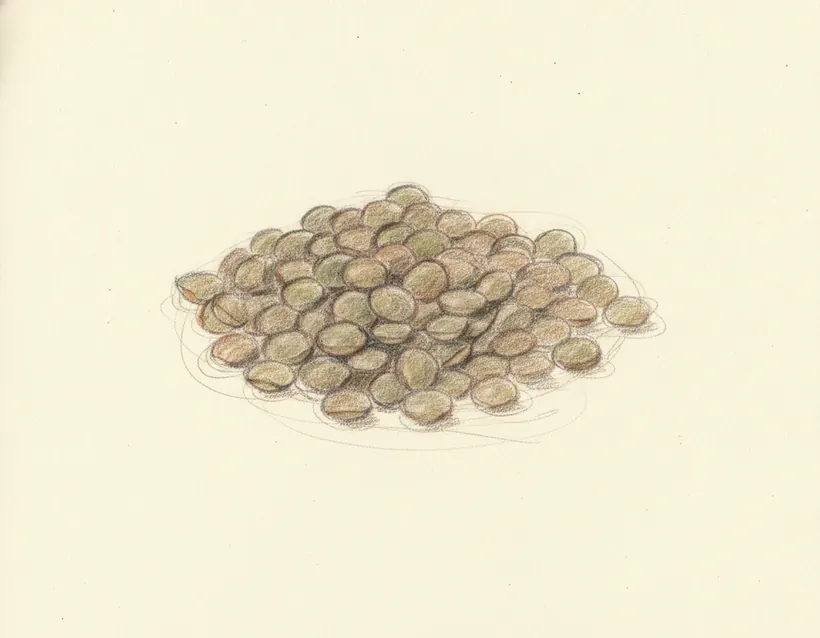
Tiny, thin-skinned mountain lentils grown high above Capracotta, quick-cooking and delicate.
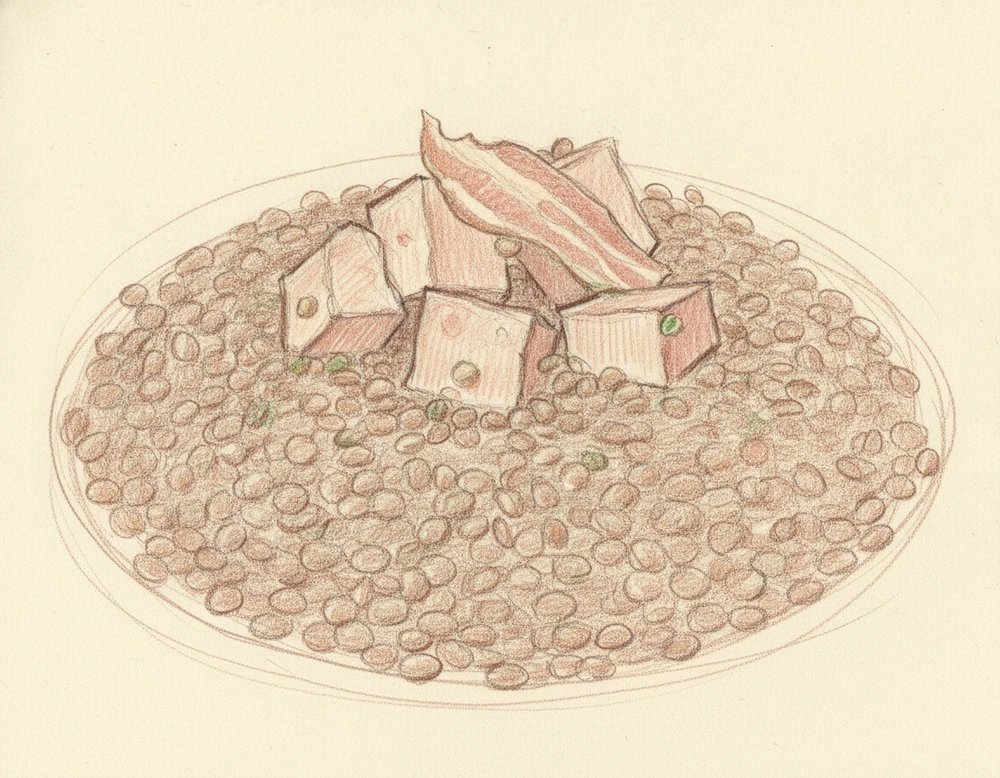
The small lentils of the Piano Grande at Castelluccio di Norcia, grown at altitude on the Sibillini plateau and thin-skinned enough to cook without soaking.
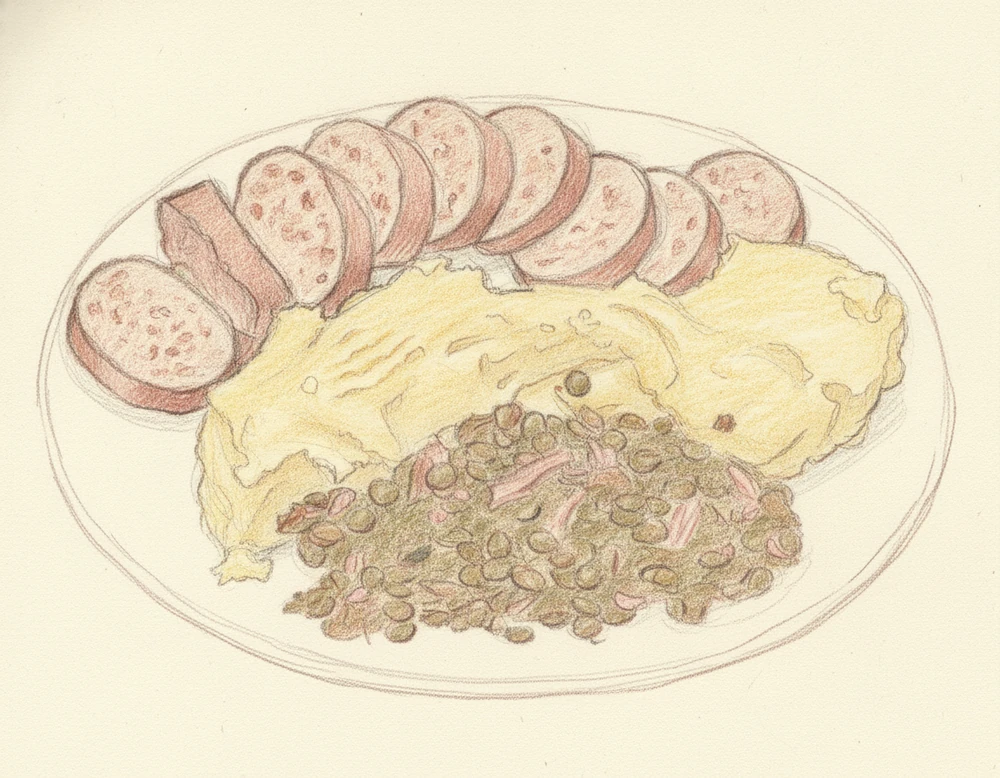
Lentils (Lens esculenta) from Onano in the Alto Viterbese, grown from the local Lenticchia di Onano ecotype and from Eston.
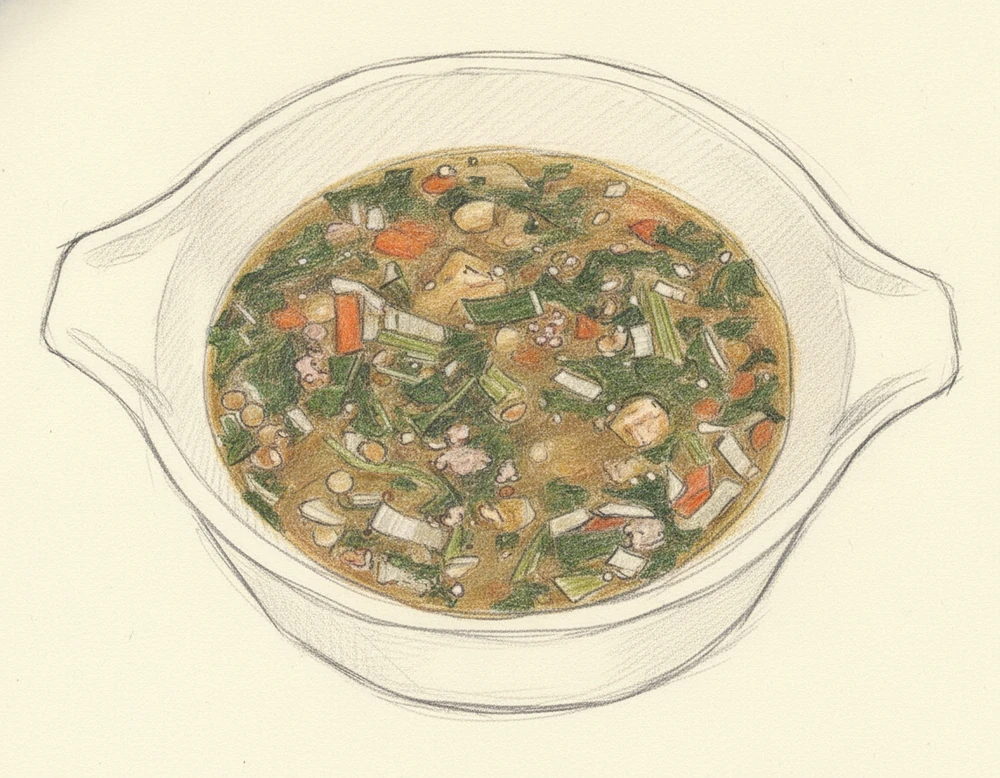
Rascino is a big karst valley in the Cicolano on the Abruzzo border at 1,300 metres, almost unpopulated and correspondingly intact: orchids, wolves, and two possible livelihoods, sheep or the growing of lentils, spelt and biancòla, a local wheat. What makes farming possible is a major spring, the same that feeds the Peschiera aqueduct and so much of Rome's water. The plateau has always been on the transhumance road down to the Roman campagna.
Tiny, round, purplish brown, a few millimetres across, and grown nowhere but the slopes of the Gran Sasso, above 1,000 metres inside the national park. Some plots go as high as 1,600 metres, though the best come off about 1,200. Being so small and permeable they need no soaking. They taste of a great deal and are best in a plain soup: covered with water with a few peeled cloves of garlic, bay, salt and olive oil, lidded and simmered until tender.
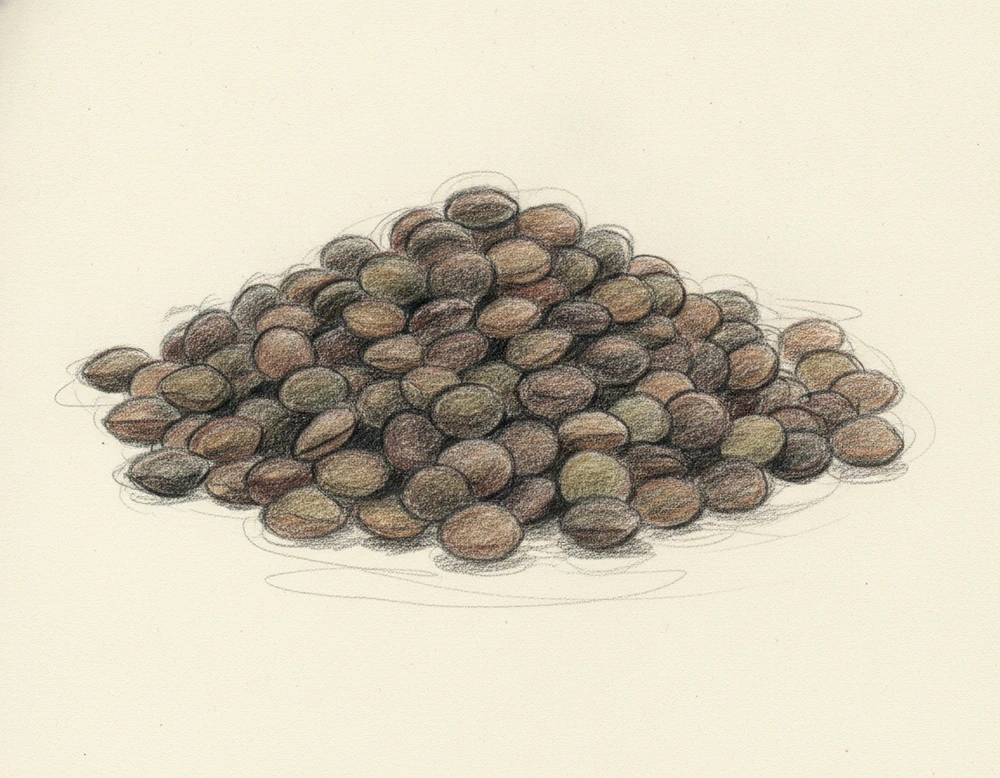
Small dark lentils long grown on Ustica's volcanic ground, by a method that has not really changed and is almost entirely manual.
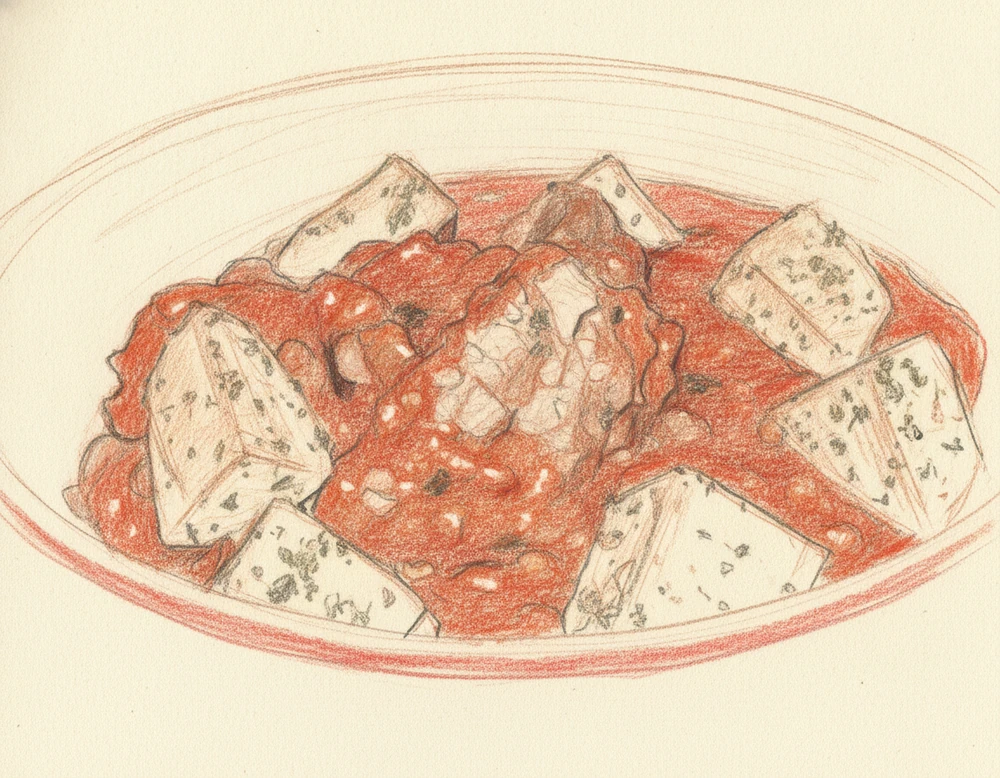
The country northwest of Caltanissetta, Villalba above all, grows lentils and tomatoes in rotation with durum wheat. The first written notice of the lentils is in Giovanni Mulè Bertòlo's Memorie del Comune di Villalba of 1900, though they are far older than that. The local ecotype is large-seeded, as in temperate countries, up to nearly a centimetre across, high in iron and protein and low in phosphorus and potassium.
A black lentil of the Enna hills, largely displaced by higher-yielding commercial varieties that mechanise more easily. Fewer than five hectares are now sown with it across the whole Colline Ennesi, mostly around Leonforte.
Lemons of the Sfusato cultivar in its Amalfi ecotype, grown on the terraces of the Amalfi coast: elongated, thick-skinned and intensely aromatic, the lemon behind the local limoncello and delizia al limone.
Lemons of the Femminello cultivar and its clones plus the Monachello cultivar, grown in specialised groves on the Etna slopes of Catania province. Fruit must reach the consumer fresh, sound, clean and free of foreign smells.
Lemons of the Femminello group (Citrus limon) grown on the high Ionian coast of Calabria, known locally simply as the Limone di Rocca Imperiale.
Lemons of the Femminello cultivar and its clones, grown in specialised groves across the province of Syracuse. The fruit is classed by picking season, starting with Primofiore from 1 October.
Large, fragrant, thick-skinned lemons of the Sorrento peninsula, rich in essential oils, the base of limoncello.
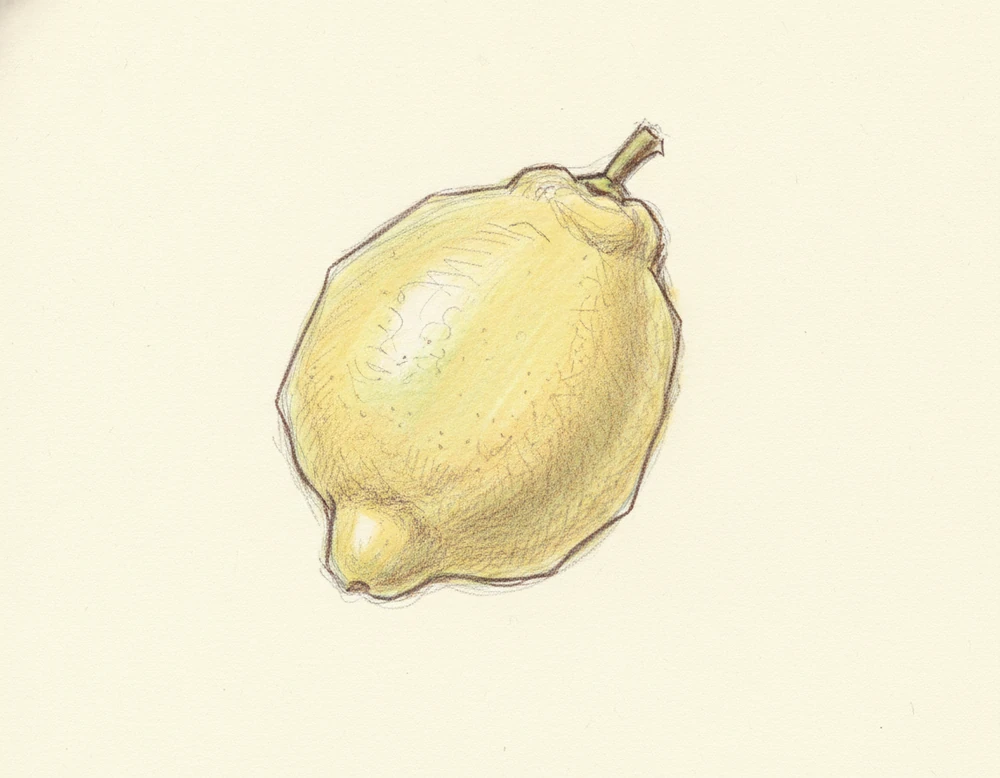
Lemons of the traditional Femminello Comune group, known locally as Limone nostrale. Shape, size and weight vary with which of the spring and summer flowerings the fruit came from.
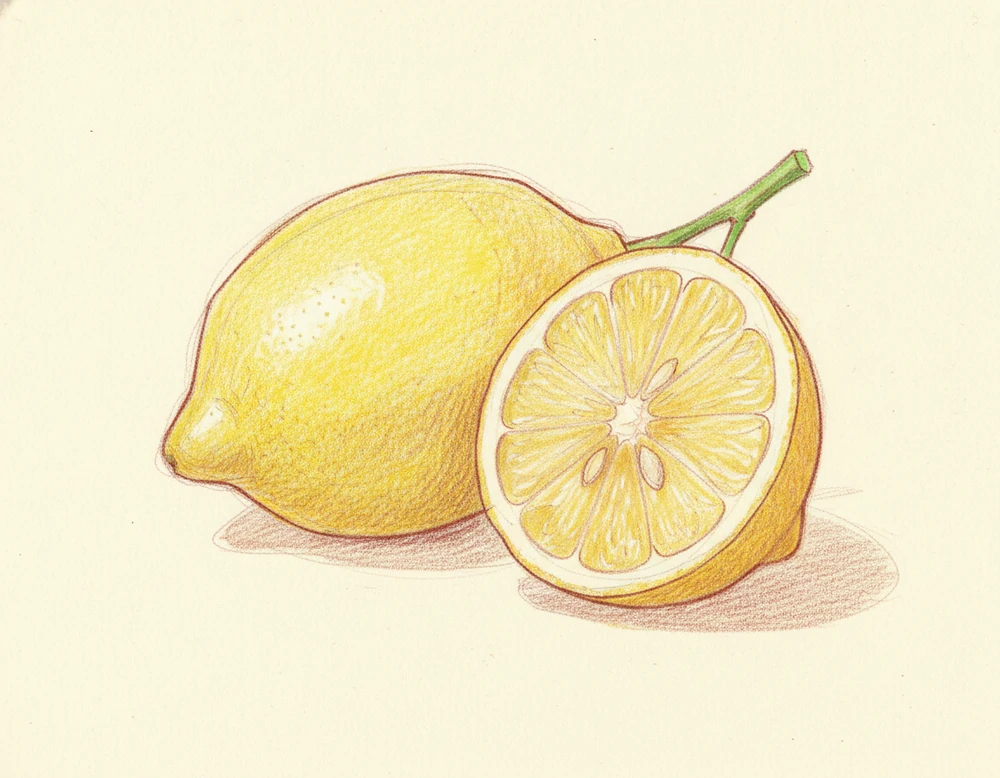
The Interdonato lemon of the Ionian coast of Messina, an early lemon with a thin, smooth skin and an elongated shape, named after the 19th-century colonel credited with the cross.
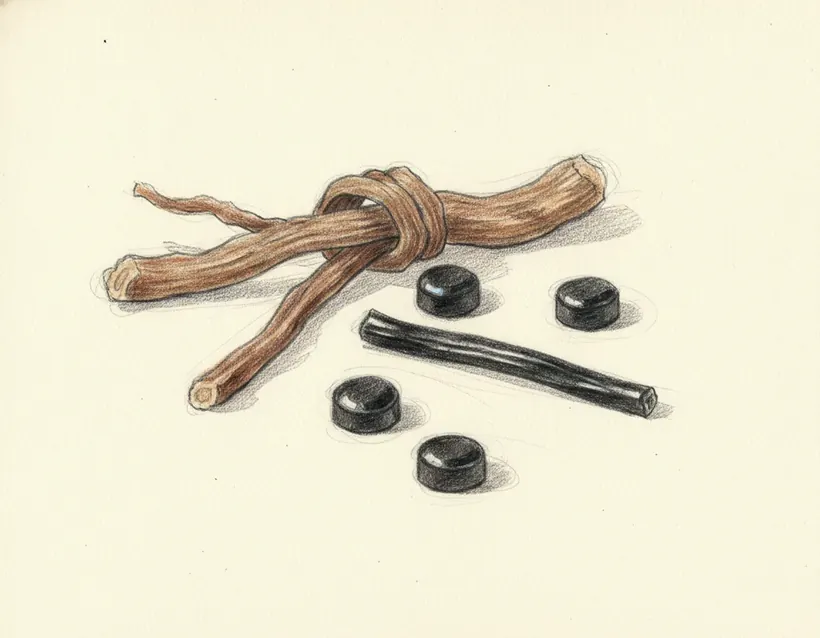
Pure licorice from the wild roots of the Ionian coast, prized as the finest, sold as glossy black sticks and pastilles.
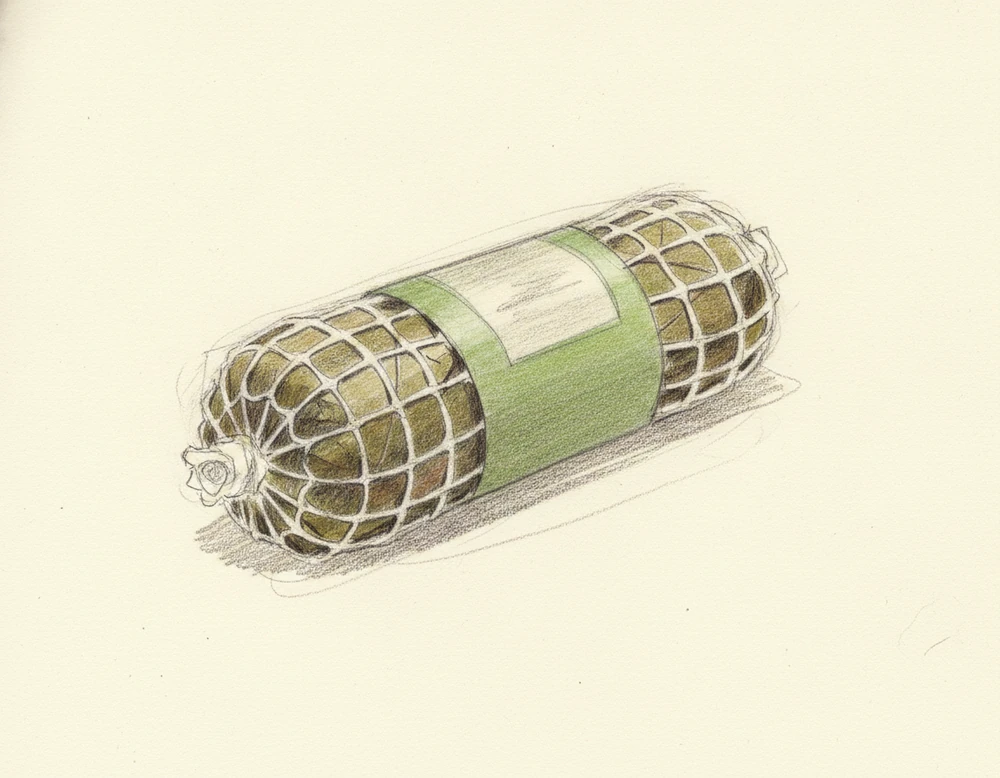
Figs grew all over the Marche countryside, the Vallesina above all, and one of the usual ways of keeping them was to turn them into a sweet salami. Slices went to children as a snack or came out after a feast; it also goes very well with cheese and a sweet wine.
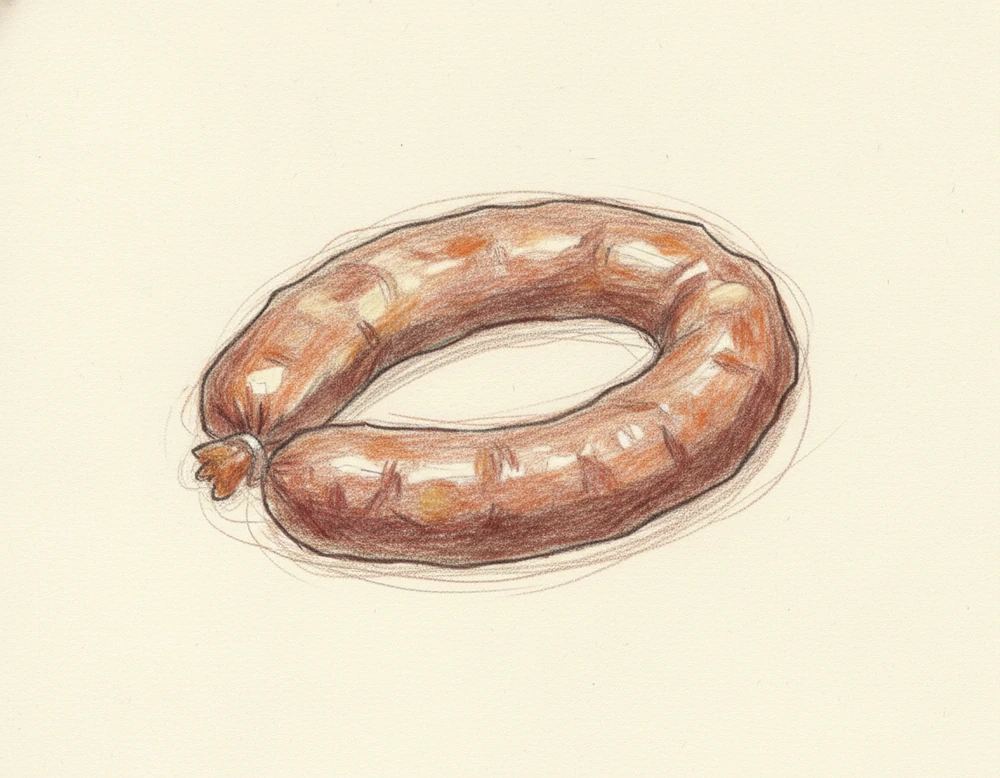
A cured sausage bent into its characteristic U shape, 250 to 350 g, 3.0 to 3.6 cm across and 20 to 35 cm long. The version destined for slicing runs up to 1.2 kg.
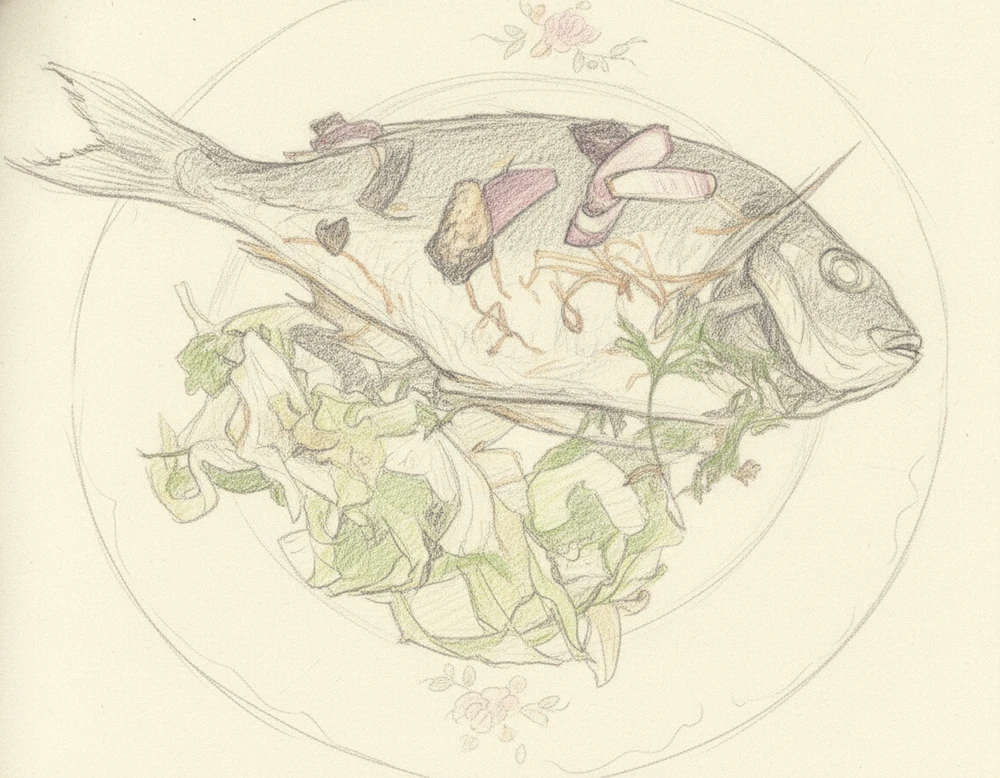
Extra-virgin olive oil from the plain and hills around Lucca, its zone written comune by comune.
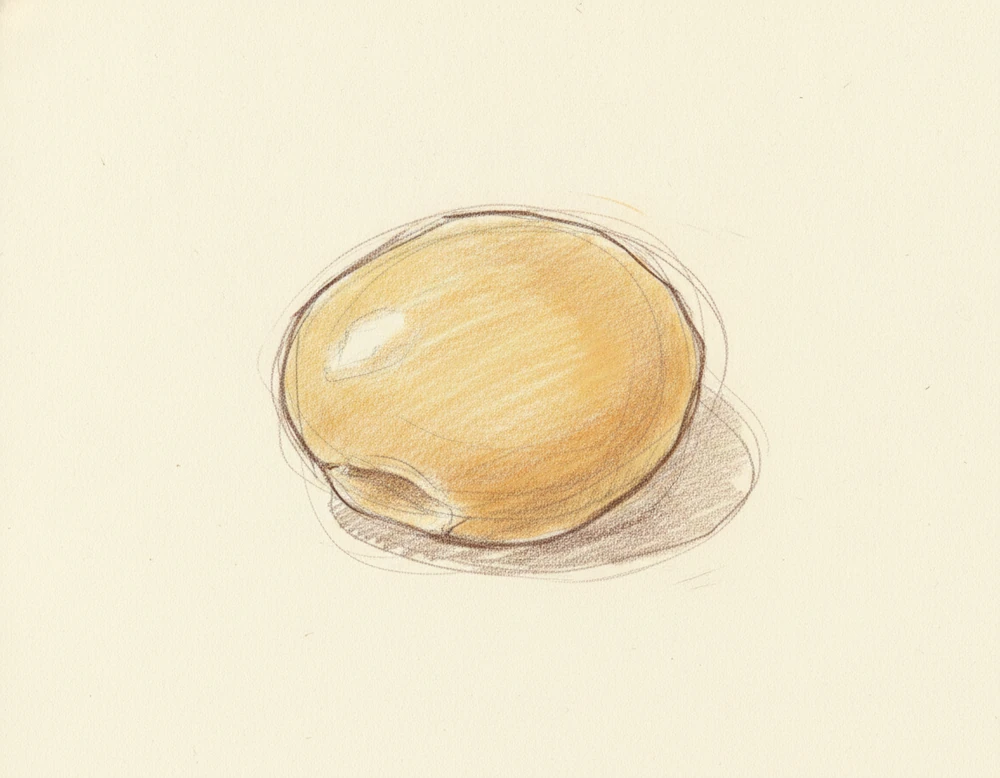
Also called Vairano lupin or lupinaccio, singular for its size. The old cultivation, since abandoned for more profitable crops, wants acid ground, which the volcanic soil around Vairano provides.
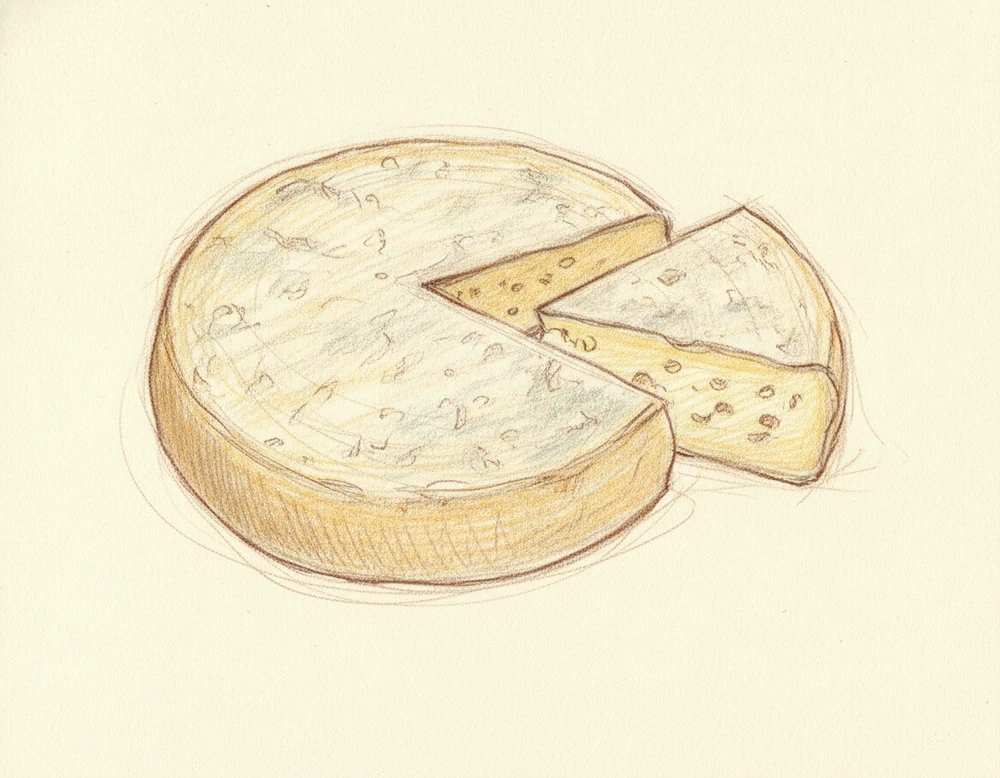
A mountain cheese of full-fat raw cow's milk, named for a foothill of Monte Rosa though actually made in the Cervo, Sessera and Sesia valleys. Its defining trait is that a cheese is made after every single milking, a method that probably grew out of working with what each milking gave.
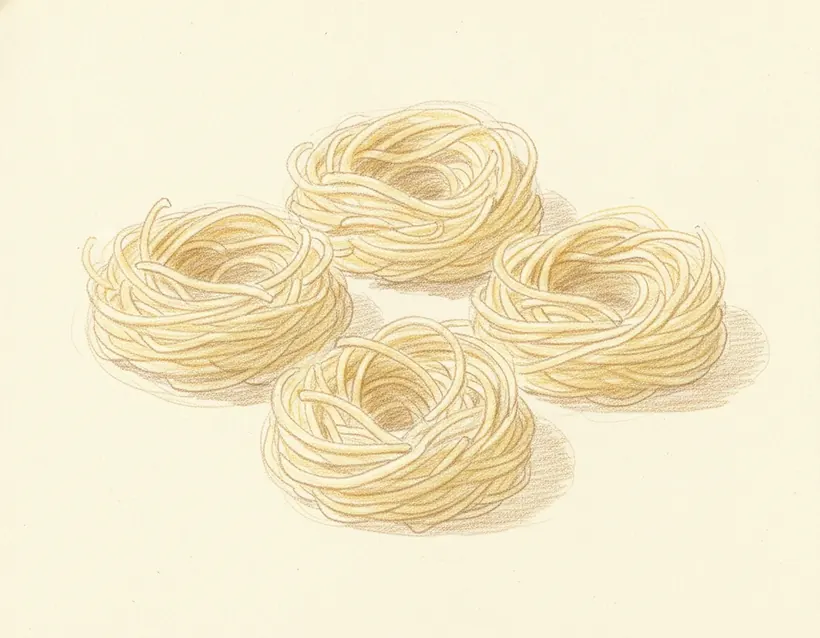
An ultra-thin, all-egg dried pasta cut fine as thread and dried in nests, the pride of Campofilone.
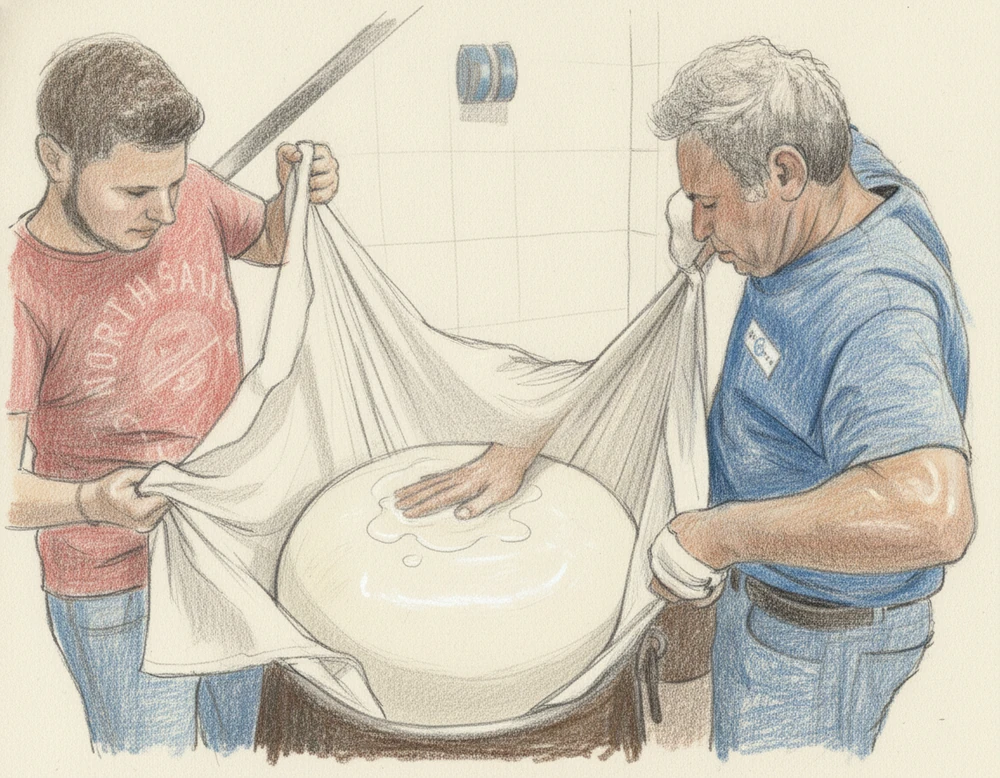
One of the largest sheep cheeses in Italy, from 10 to 20 kg, made mostly from whole ewe's milk with a little goat's or cow's milk between February and early June, when the Peloritani and Nebrodi pastures are at their richest.
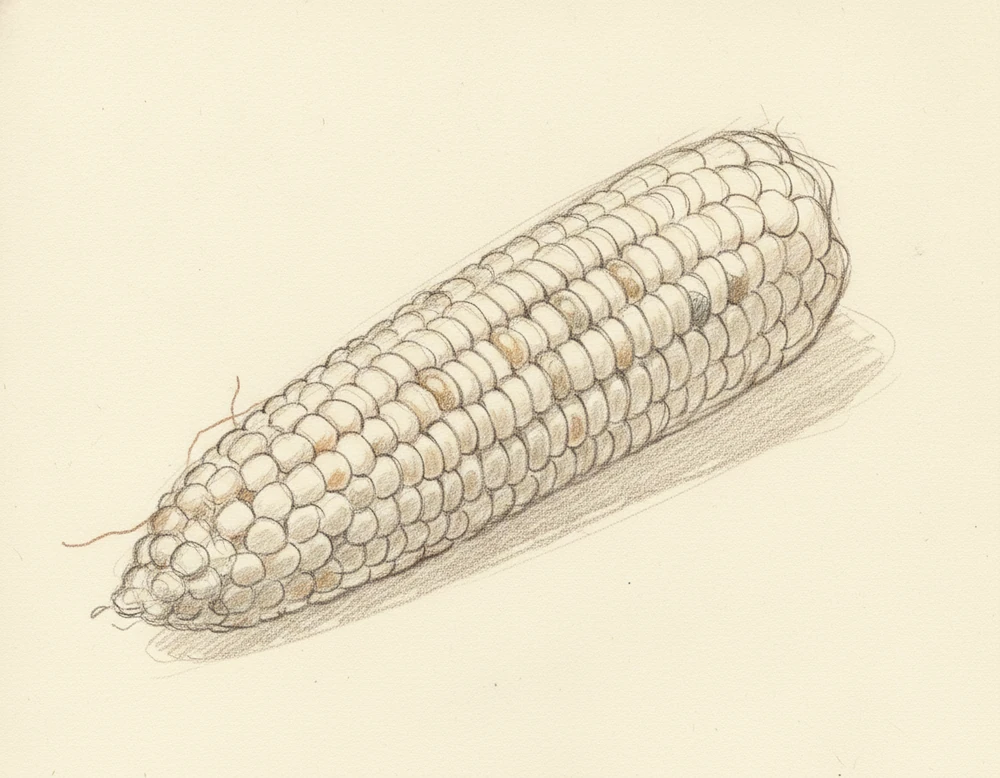
Veneto's cooking runs on polenta, usually of Marano maize, but until the end of the Second World War a white polenta was common too, and thought better of: yellow maize was hardier and belonged to the foothills, white to the plain. The white was Biancoperla, whose cobs are long and tapered with big, bright, pearl-white kernels. It was at its widest in the second half of the 19th century and still covered over 50,000 hectares in 1950.
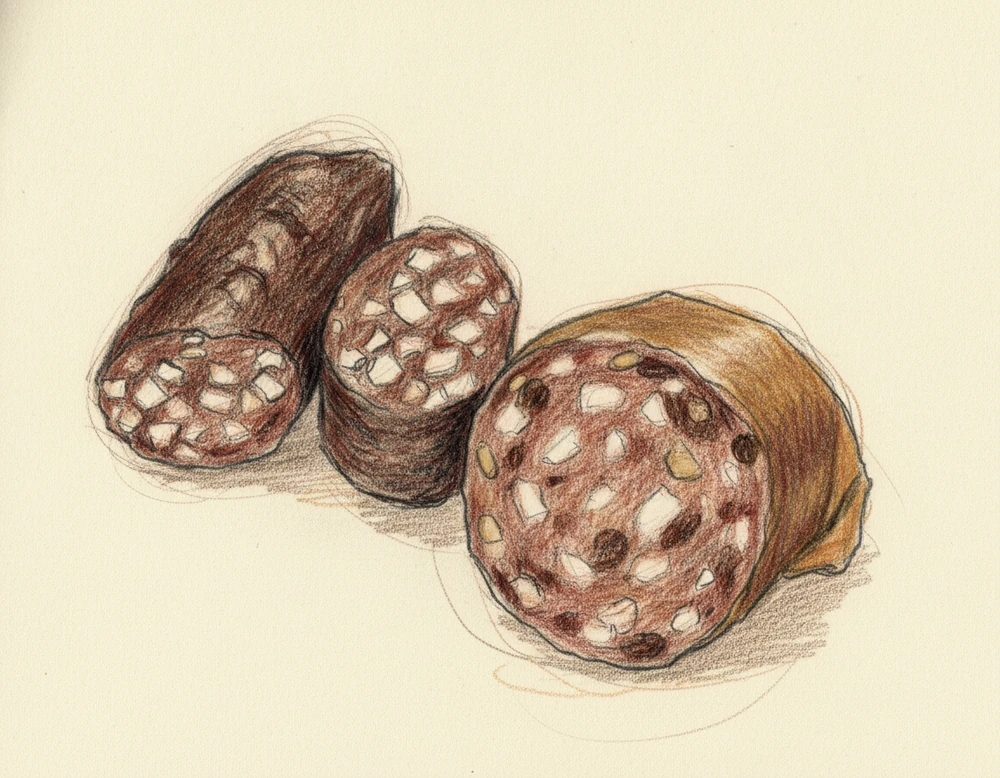
The blood sausage of the Pisan hills around San Miniato, and an unusually sweet one: raw pig's blood, diced back fat, salt, nutmeg, cinnamon, pine nuts and raisins. It was once simply the cheapest way to get iron and protein, and it is made in the cold months, from October to April.
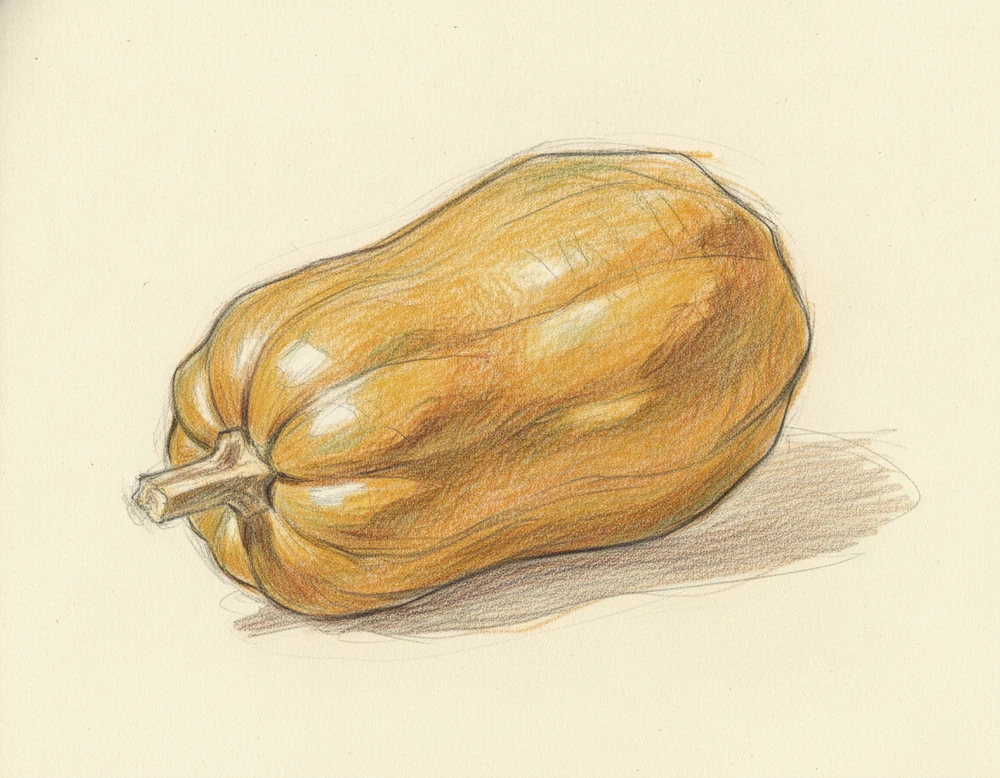
The Natisone valleys open northeast of Cividale towards the Slovene border under Monte Matajur, and they keep alpine habits: short mild summers, long winters, and a larder built on what will store. Malon is the exception, a squash grown on the high ridges for centuries although it keeps badly. Round and cylindrical, it looks like an outsized courgette when young and runs to 40 or 50 cm long and 30 to 40 across when ripe, the smooth green-and-white skin turning deep ochre yellow. A good plant carries up to five fruits.
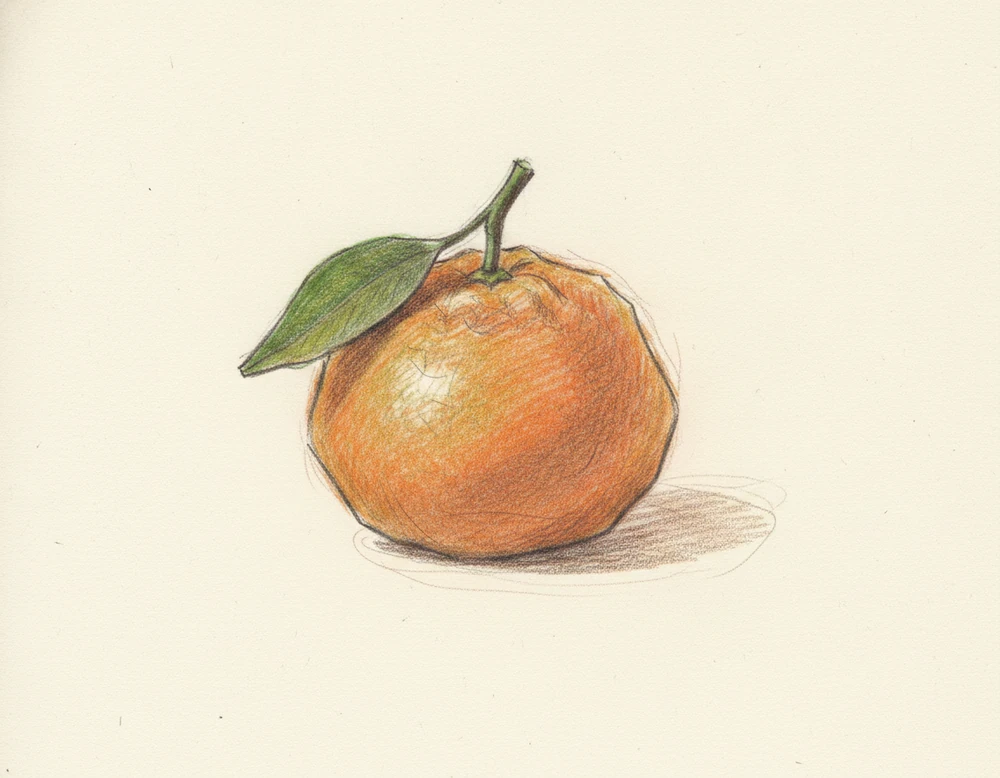
A late-ripening mandarin from the Conca d'Oro, the plain around Palermo that was once a single continuous garden of citrus running up to the mountains behind. Building has taken roughly 80 per cent of that cultivated land, which is what put the variety at risk.
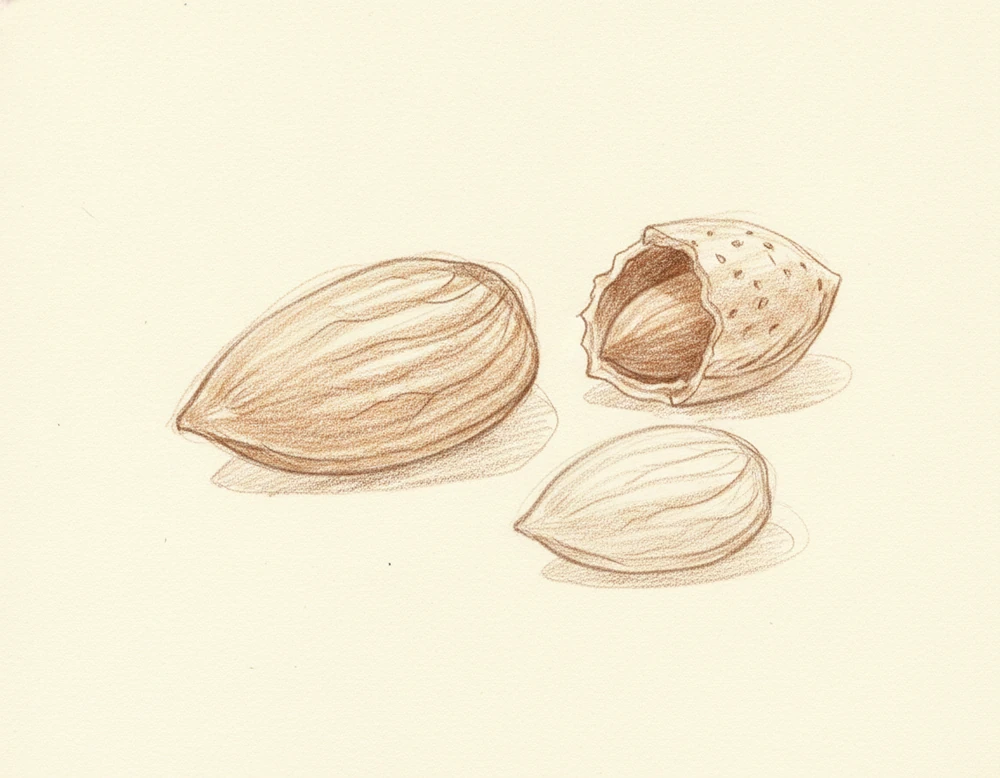
Almonds from the groves around Noto, where the trees are pruned at the end of September, wild stock is grafted in December, and the ground is ploughed three or four times a year and manured annually.
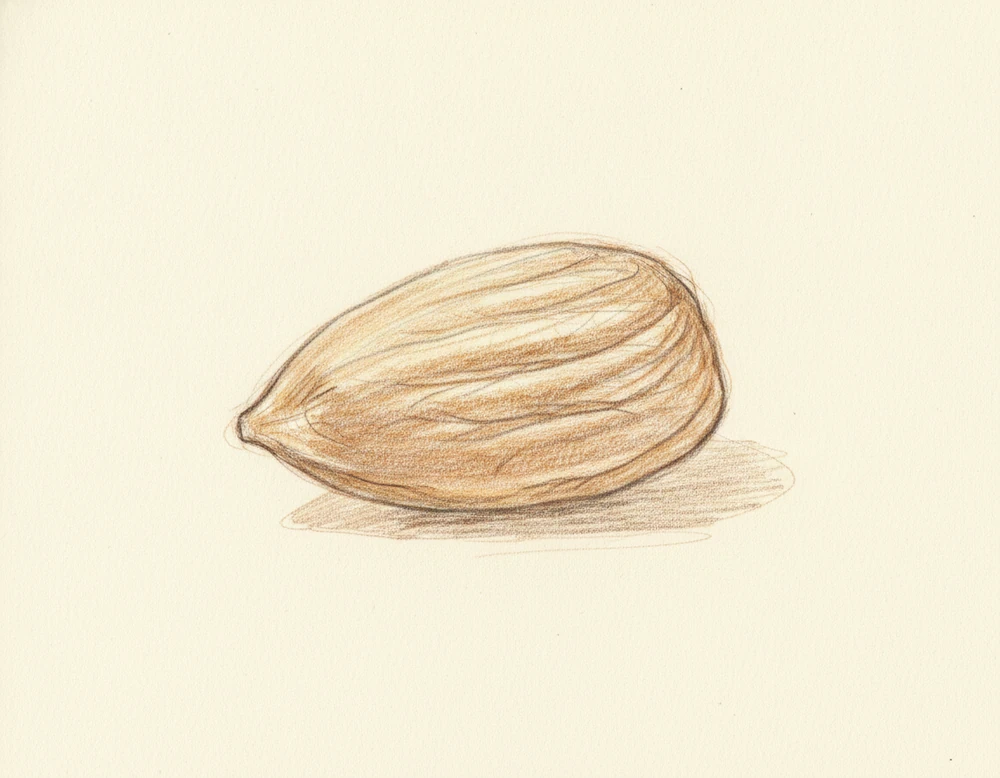
Almonds once covered the province of Bari and shaped what it looked like. Around Toritto several native cultivars came up, and some of them held out against the more productive Californian sorts; they still carry the names of the townspeople who raised them, Antonio De Vito and Filippo Cea among them. The Filippo Cea, whose mother tree survives at Matine di Toritto, is the outstanding one and is still in many groves, creamy enough to be made for confectionery.
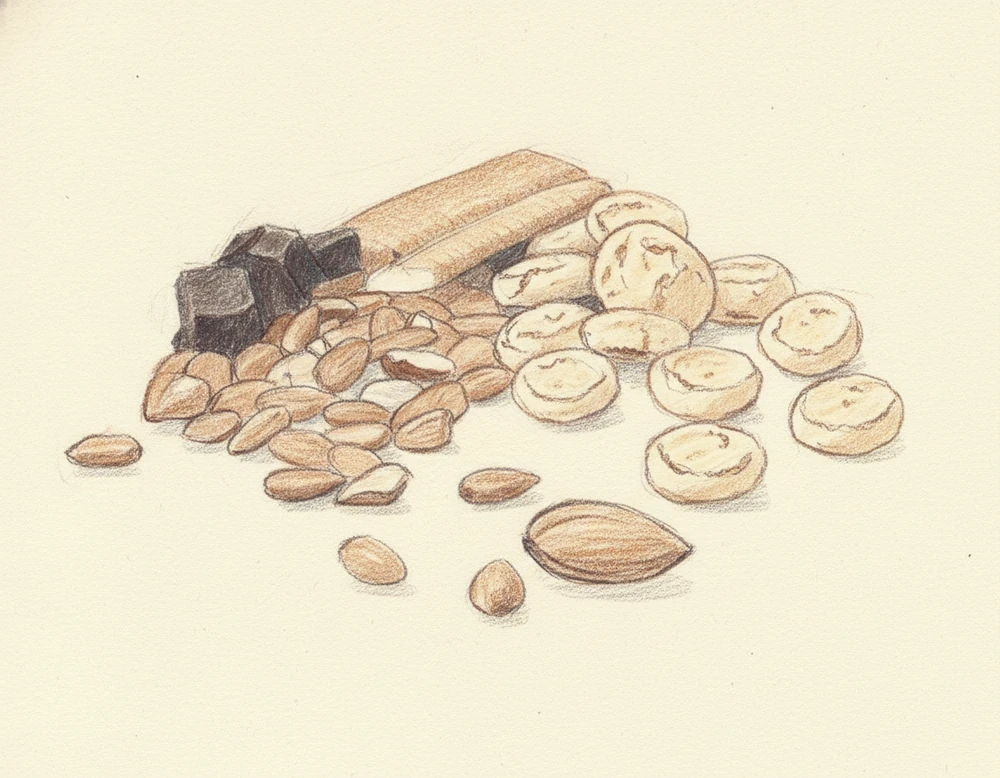
An old native almond of the Alto Salento, known in dialect as Tonnin, Sandricana or Senacante, grown around Ostuni, Carovigno, San Vito dei Normanni, Ceglie Messapica and San Michele Salentino.
The sweet sap bled from ash trees (Fraxinus ornus and F. angustifolia). Thousands of hectares once carried them across north-western Sicily; roughly 250 hectares remain around Pollina and Castelbuono. The steep, marginal ground has never suited mechanisation, which is part of why the practice survived at all.
A small legume like a squared-off pea, dark green through brown to red and often speckled or marbled, with a faintly bitter taste. Domesticated between France and Iberia at the very beginning of agriculture, and grown for centuries at Lentiscosa.
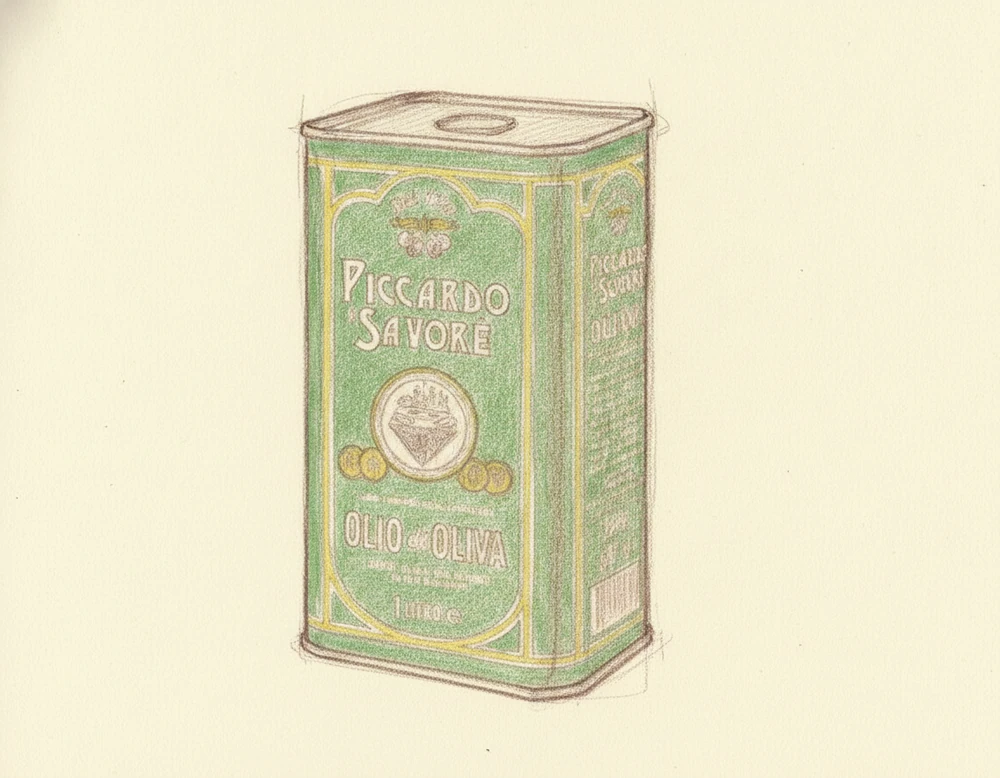
The region-wide Marche olive oil IGP, built on native varieties (Ascolana Tenera, Carboncella, Coroncina, Mignola and others) together with the customary Frantoio and Leccino.
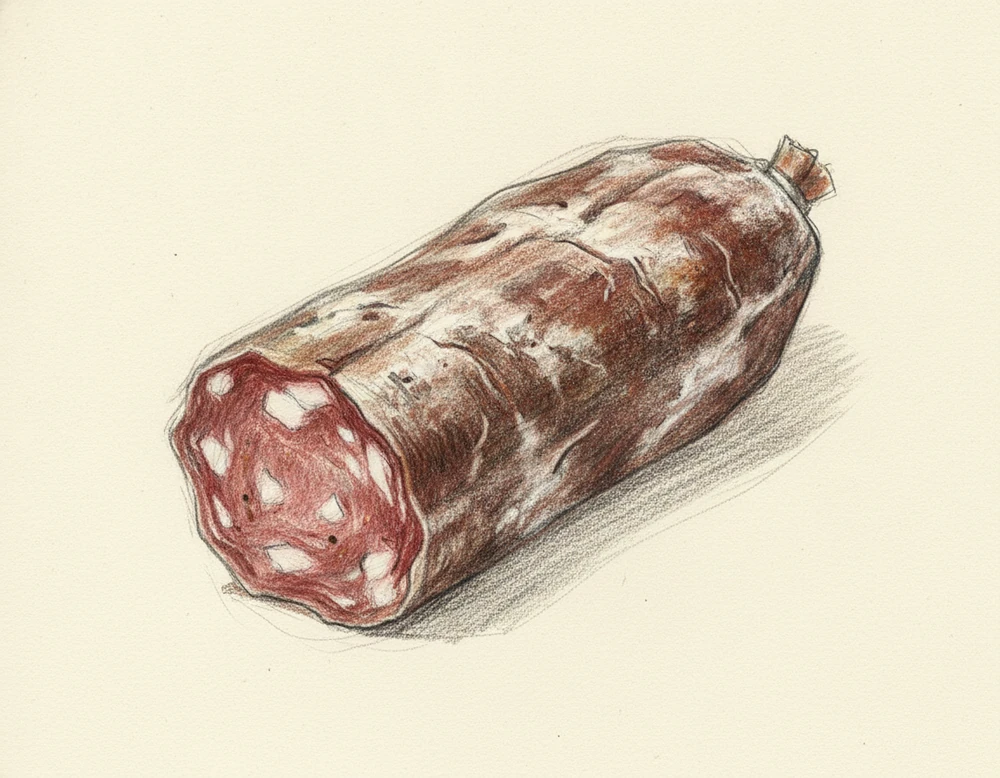
One of the old cured meats of the lower Parmense, the Piacentino and part of the Cremonese, where it is called Ciota. There are two, cooked and raw. The raw is the serious one and the hard one to age: prime cuts cased in the caecum, which is thick and holds the meat soft so that it can go the distance. Its size, its flavour and its keeping made it a Christmas meat.
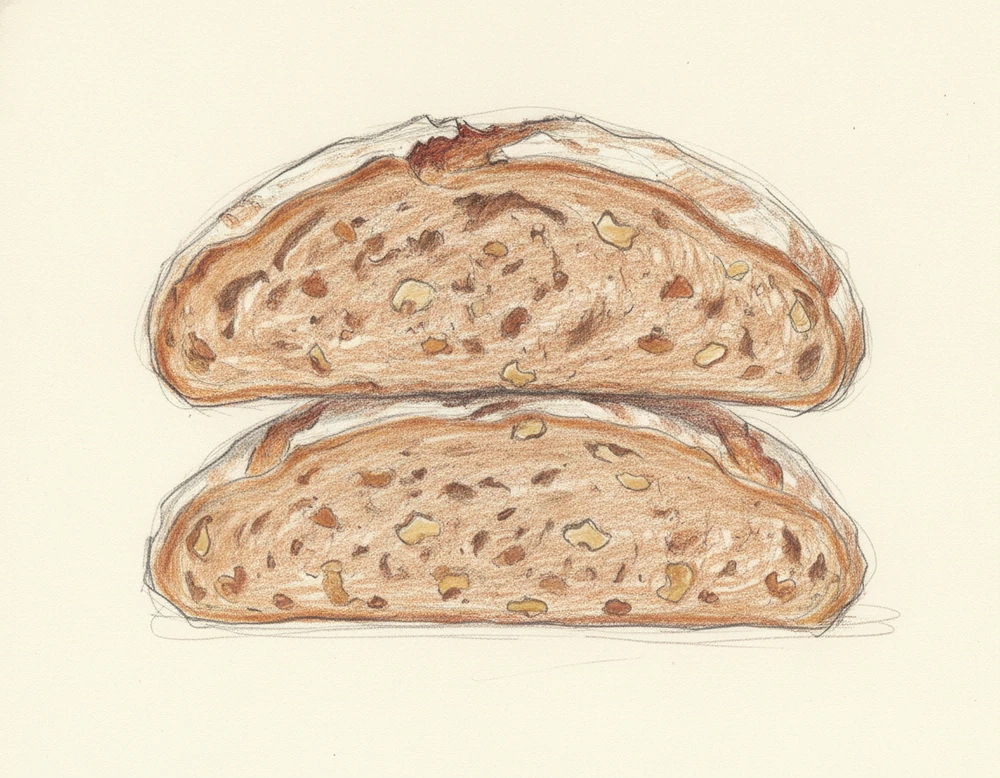
In Lunigiana wheat stayed on the valley floor, so the mountain villages ground chestnuts instead. Marocca is the loaf that came of it, a round 20 cm bread of chestnut flour from the local Carpanese, Punticosa and Rastellina varieties.
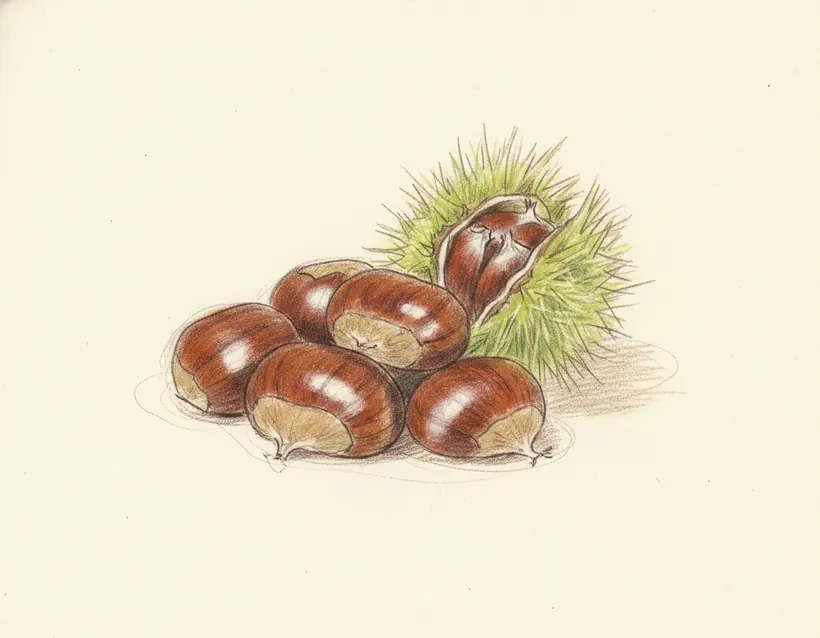
Large, sweet, glossy chestnuts from the Mugello Apennines, roasted or milled into sweet flour.
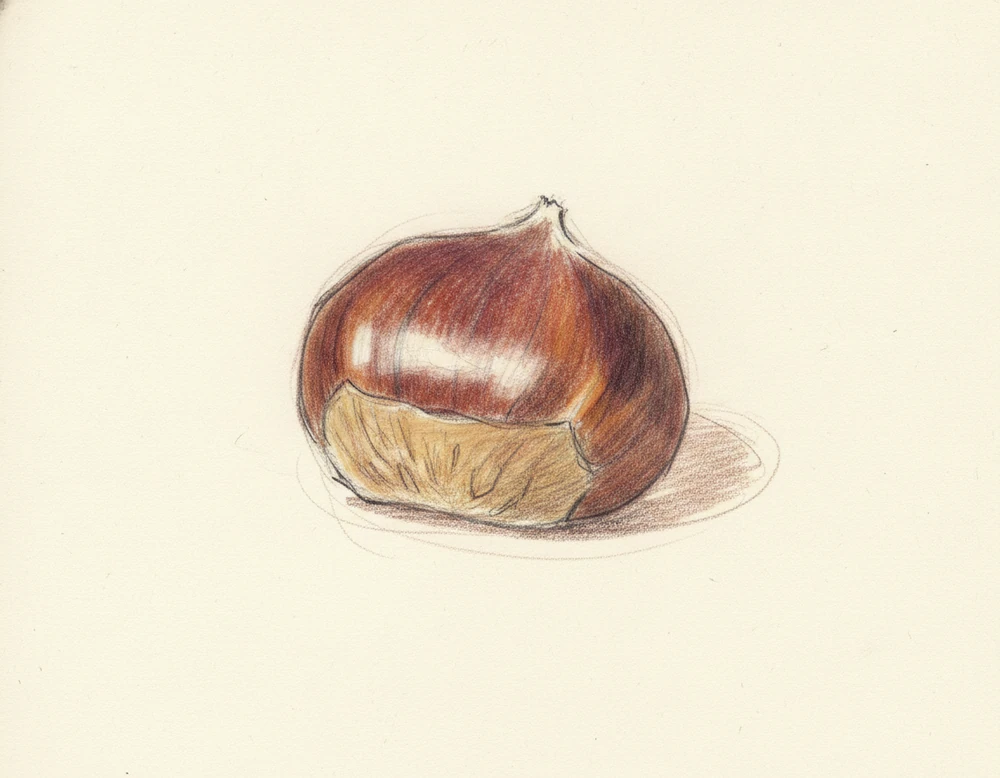
Chestnuts from local ecotypes each named after the comune it comes from: Marrone di San Giorio di Susa, di Meana di Susa, di Sant'Antonino di Susa, di Bruzolo and di Villar Focchiardo.
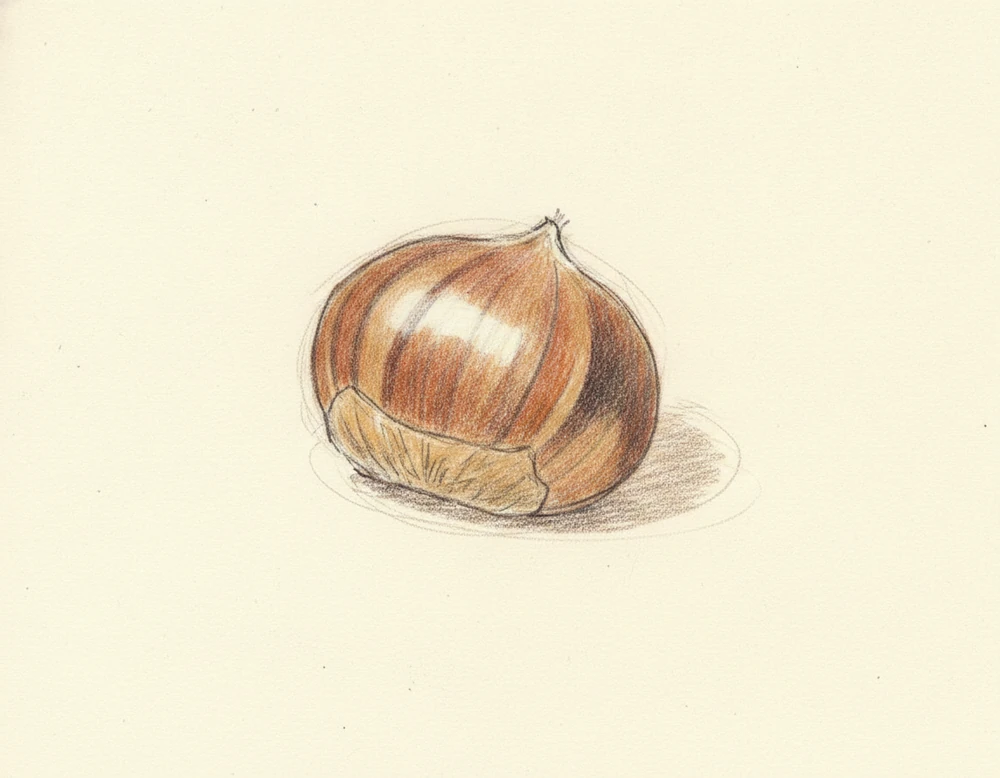
Chestnuts of the local Marrone di Caprese Michelangelo ecotype, from Michelangelo's birthplace in the Casentino, used both fresh and dried. The skin is tan with brown striping of varying intensity.
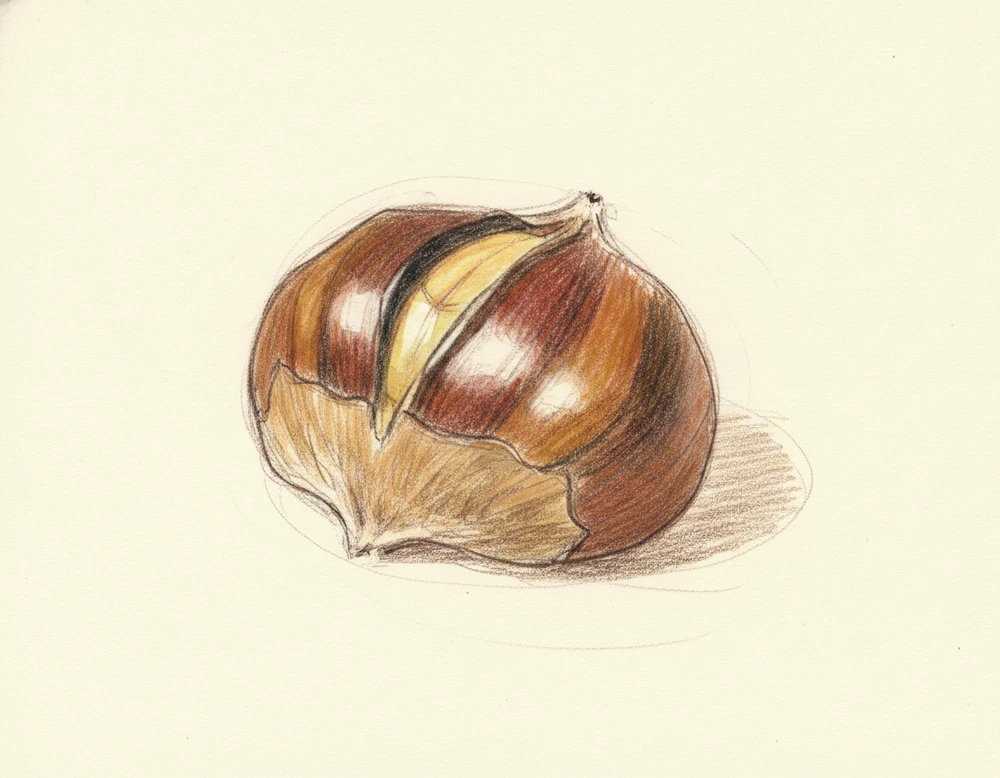
A sweet chestnut of the Santerno valley in the Bologna Apennines, from groves of Castanea sativa in three named biotypes: Marrone domestico, Marrone nostrano and Marrone di S. Michele.
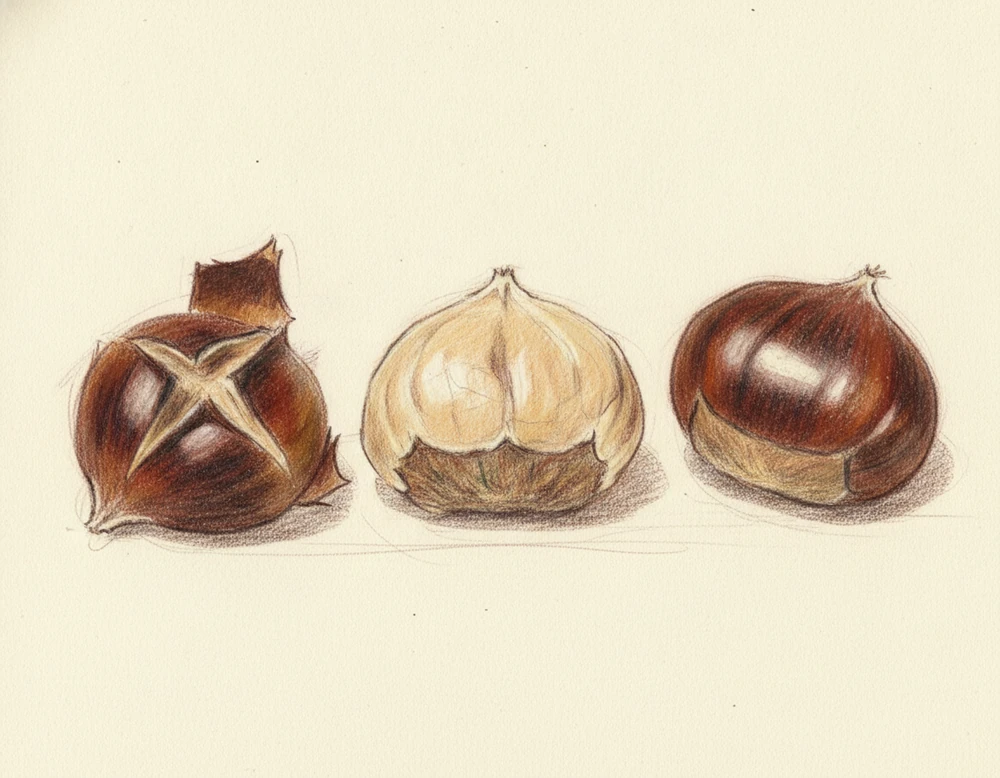
An ecotype selected in the Treviso pre-Alps by soil, aspect and generations of local tending. It is more demanding than an ordinary chestnut, wanting richer ground, better exposure and more work.
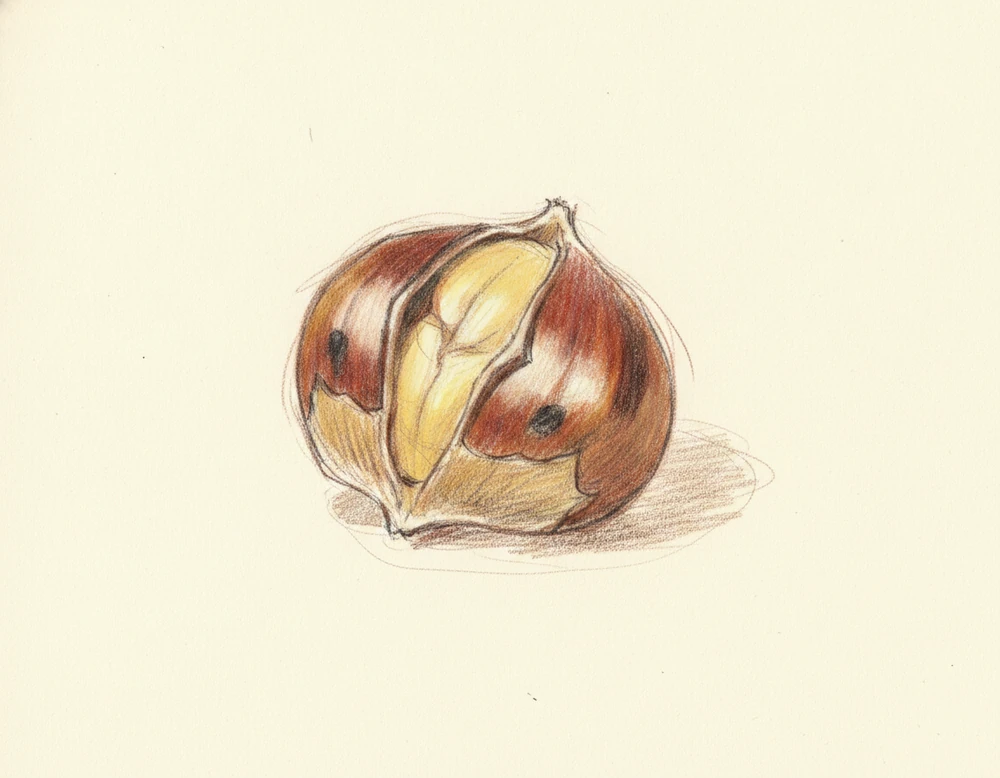
A chestnut from the slopes above Lake Garda at San Zeno di Montagna, from ecotypes of Castanea sativa selected over generations under the lake's influence and propagated agamically as the local Marrone variety.
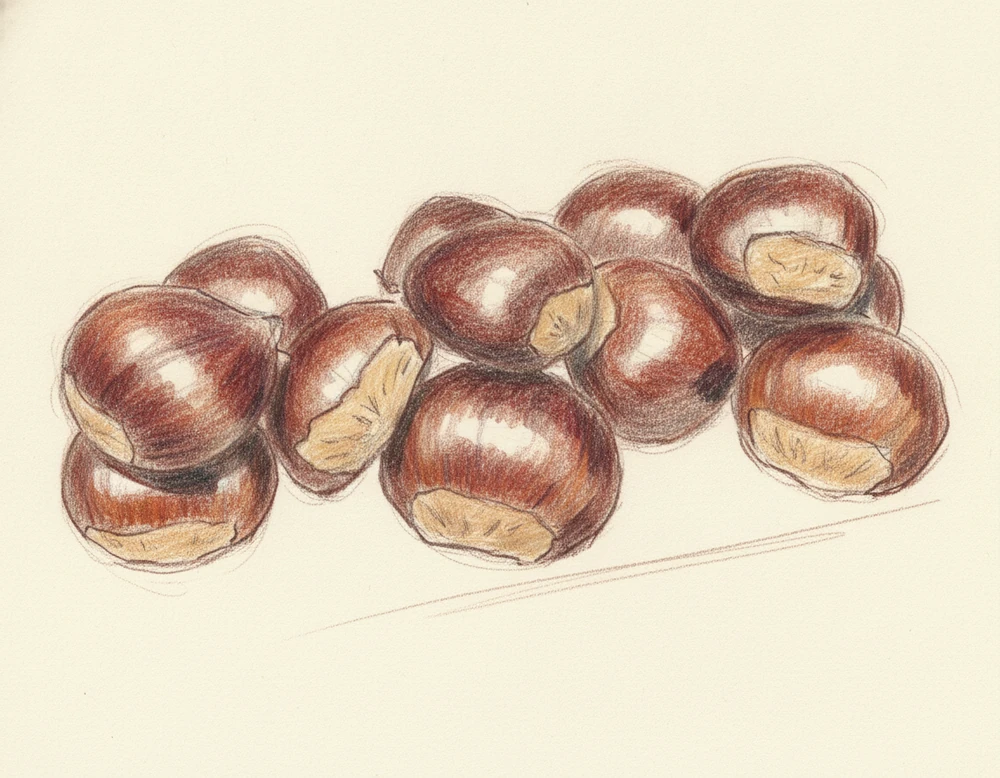
Chestnuts of Castanea sativa from the Serino valley, sold fresh, peeled, dried in shell or dried and shelled whole. The varieties are Montemarano, also called Santimango, Santomango, Marrone di Avellino or Marrone avellinese, and Verdola.
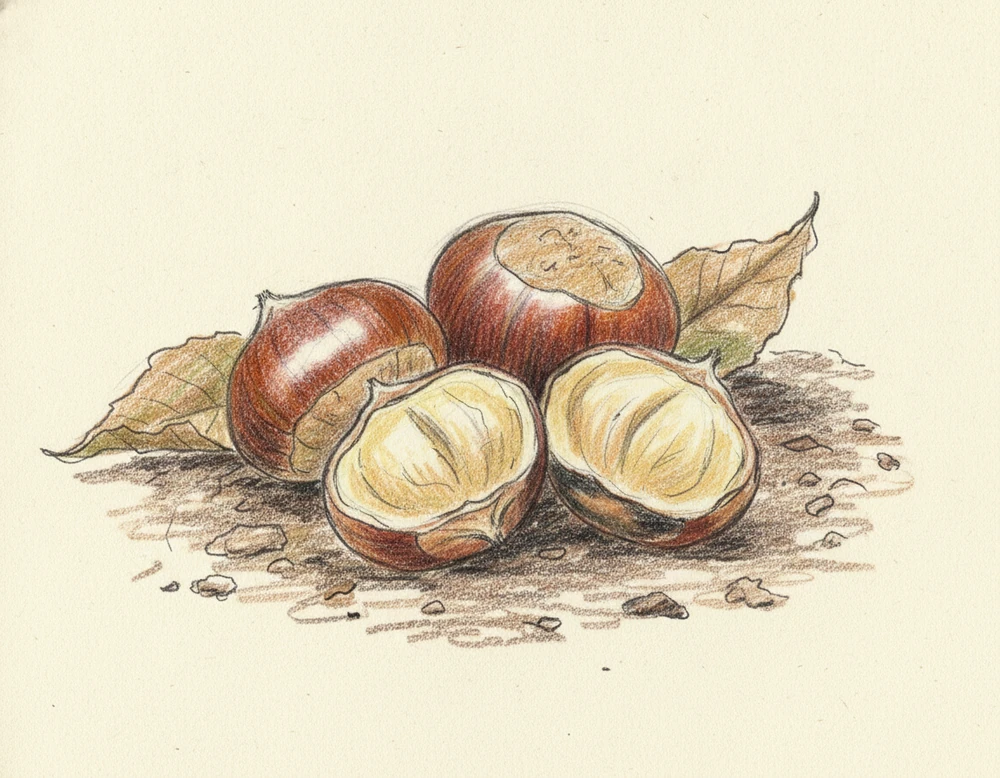
Chestnuts from the Monfenera massif above the Piave, with pale hazel to straw-yellow flesh of uniform, compact, mealy texture and a sweet, agreeable taste.
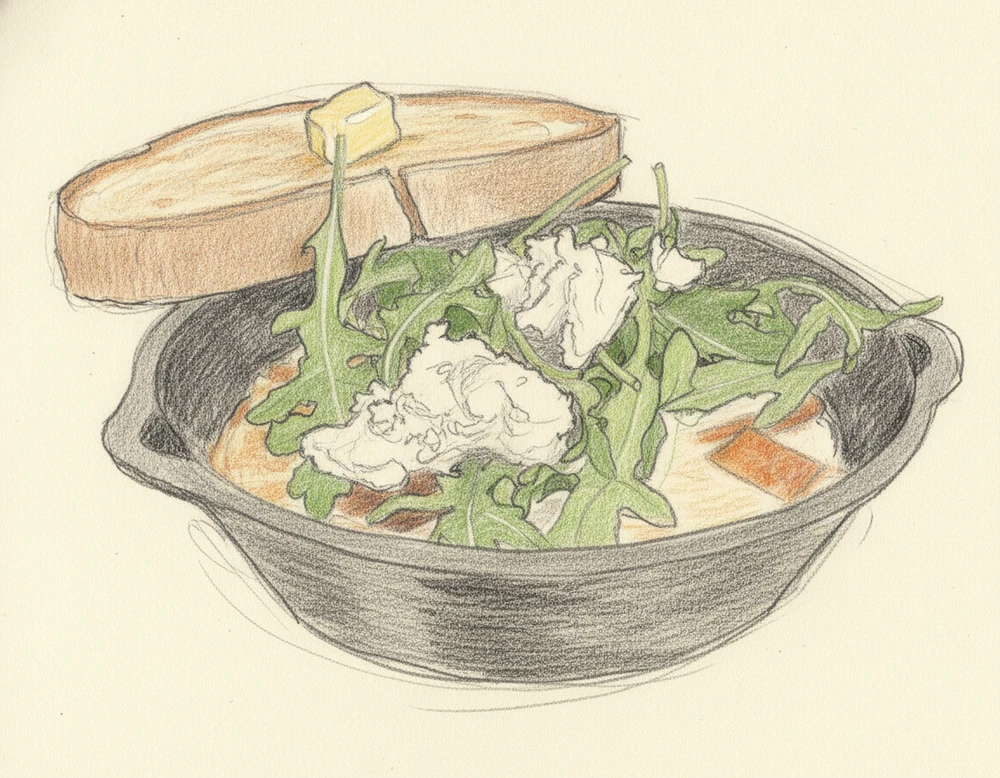
Once made only in March, when the goats had just come into milk, which is what the name says. Elongated cylinders or truncated cones with no rind, only a hard dry skin; the paste is white, compact and flaky with small holes.
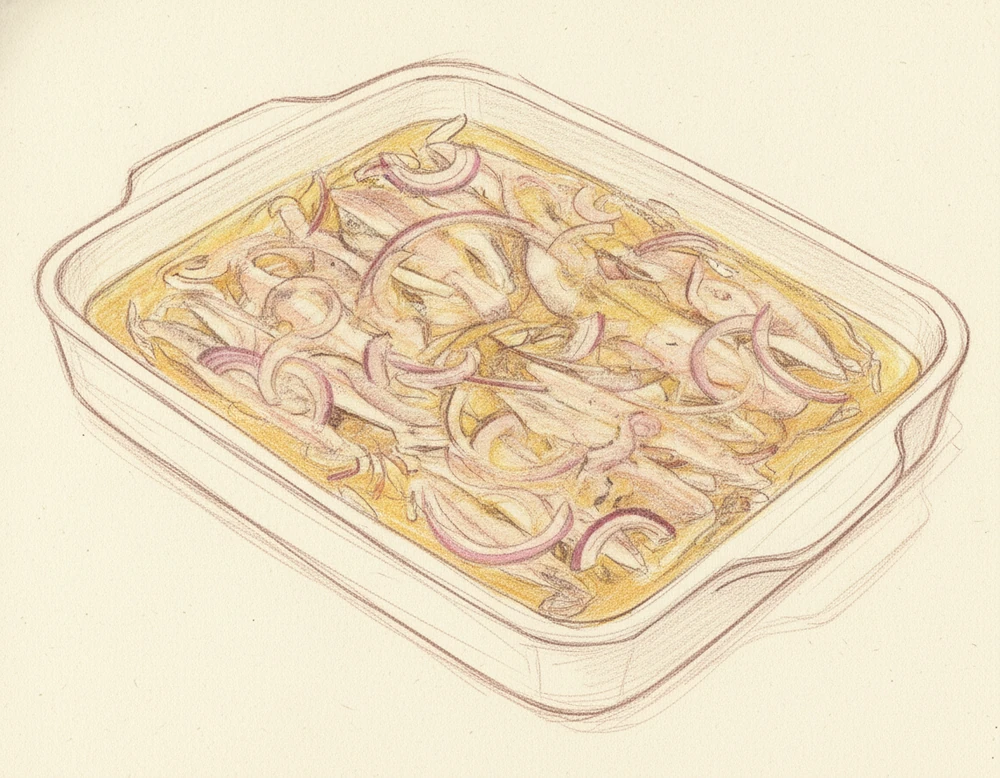
Anchovies caught in the Gulf of Catania from April, taken with tratte drift nets in the dark just before dawn. The fish are caught by the head in the mesh, the maglie that give them their name, so they come aboard whole and undamaged. The technique has been used in the Mediterranean since Homer's time.
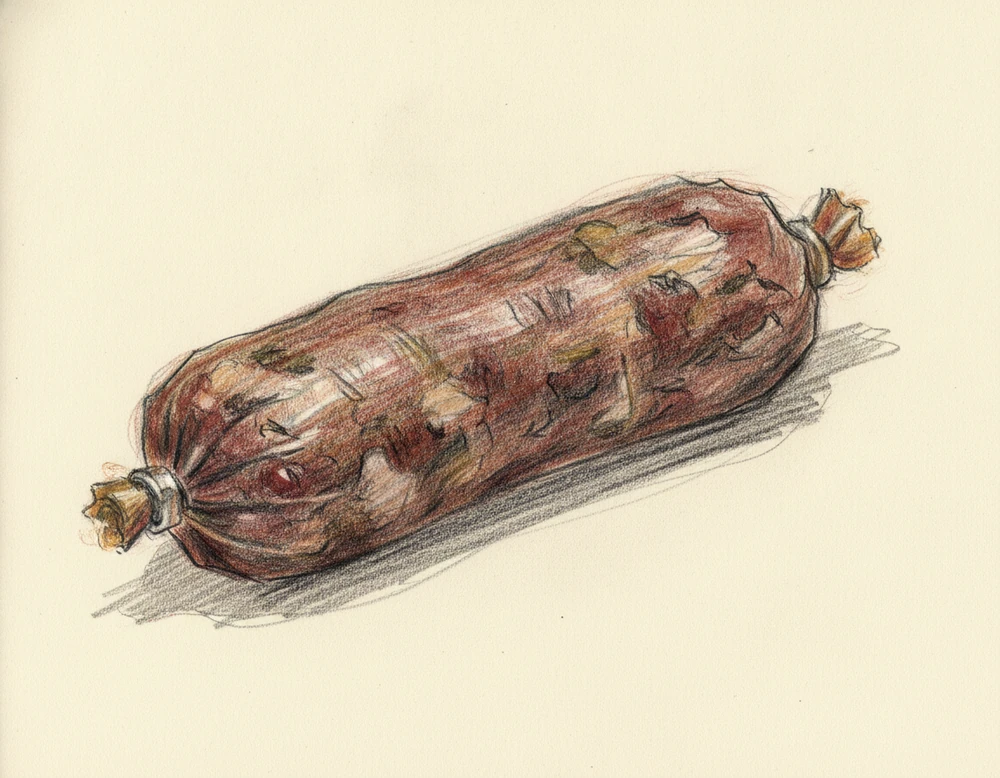
A sausage of central Italy and particularly of the upper Tiber on the Umbrian-Tuscan border, where Tuscany calls it sanbudello. Until a few decades ago it was the poor relation of the sausage, on the table all autumn and winter and tied to the household pig-killing: every family that kept a pig made mazzafegati, to be eaten soon after, often all together, or occasionally kept under lard, in oil, or buried in wheat or semolina.
Apples from four variety groups only: Red Delicious, Gala, Fuji and Braeburn. Red Delicious must carry deep vinous red over at least 90 per cent of the skin, free of greasiness and russeting.
The crisp, sweet-tart mountain apples (above all Golden Delicious) grown on the sunny terraces of the Non valley.
The 'queen of apples', small, crisp, flat-topped apples laid cheek-down to ripen on straw beds in Campanian orchards until the skin flushes red.
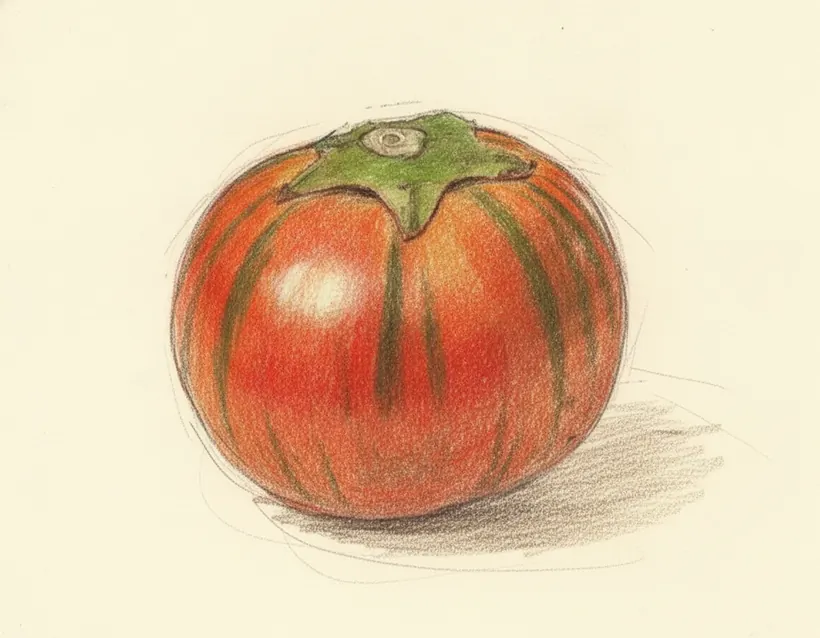
A rare round red-orange aubergine from Rotonda that looks like a tomato, with firm, slightly bitter and spicy flesh, usually preserved in oil.
An old aubergine of the Ostuni countryside in the northern Salento, a landscape of dry-stone walls, terraced fields and centuries-old olive trees.
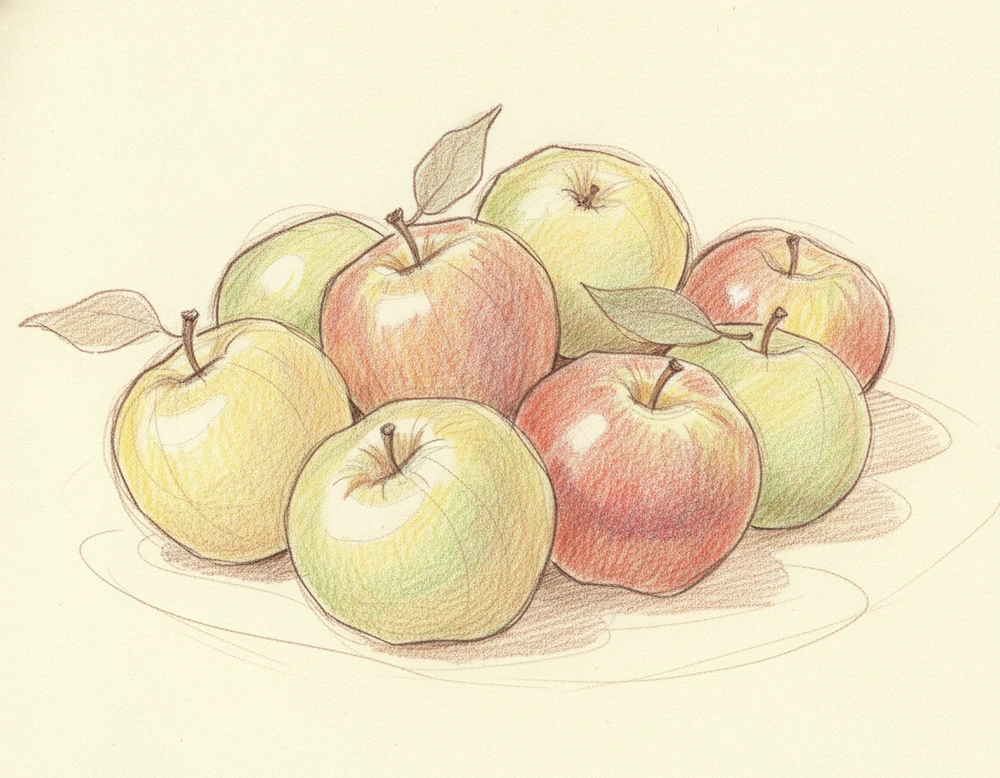
Apples of Malus x domestica in the Golden Delicious, Red Delicious, Gala, Fuji, Morgenduft, Granny Smith, Renetta and Pinova varieties and their clones and mutants.
Long grown on the slopes running up to the Sibillini. The Presidium counts eight ecotypes in three groups, varying in colour and texture but all sweet with some acidity behind it and strongly aromatic. They are very small, irregular, a little flattened, short-stalked: excellent and entirely unphotogenic, which is most of why they cannot compete with the modern varieties.
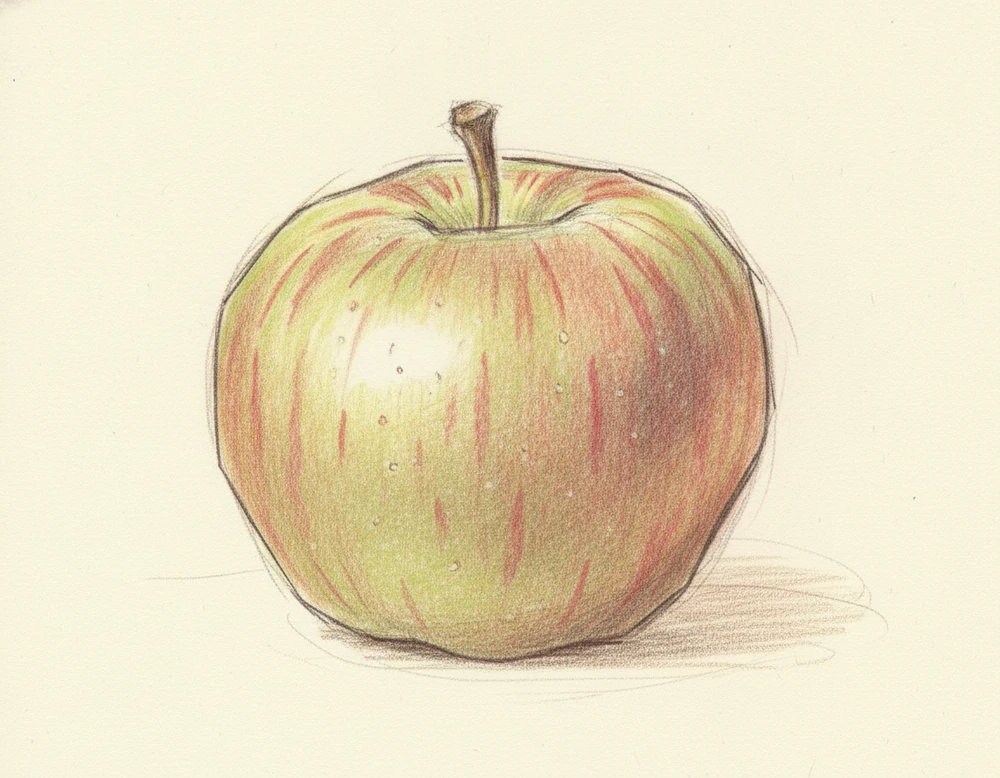
The Decio is thought to go back to Roman times and to take its name from the general Ezio, who landed at Adria and fought Attila at Padua. Primo Candioli described it for the Agriculture Inspectorate in 1941 as an old Veronese variety worth only to growers able to bring in a large, sound crop every year by pruning, feeding and managing pests, and largely confined to the soils of the middle and lower Veronese. It spread through Belfiore, which is where the best of it comes from. Slightly flattened, green with a red flush over 20 to 30 percent of the skin, the flesh white and firm.
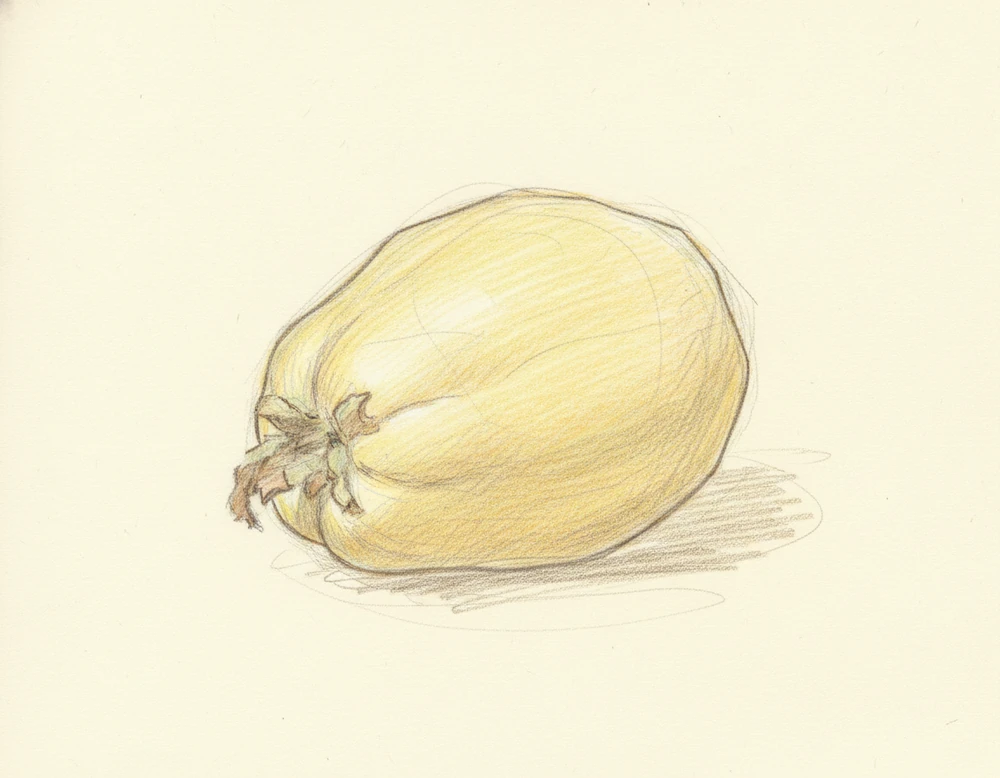
From June the fields around Paceco fill with yellow melons. They are early and very productive, so they meet the Mantuan and Sibari crops at the start of the season, and by late July the glut has taken the price down far enough that the fruit is left in the field for the sheep and goats. Helios, which displaced the old local varieties in the early 1990s, is what is mostly grown now. The Cartucciaru is one of the varieties it displaced: long with a rounded end, smooth yellow skin, white juicy flesh, and very good.
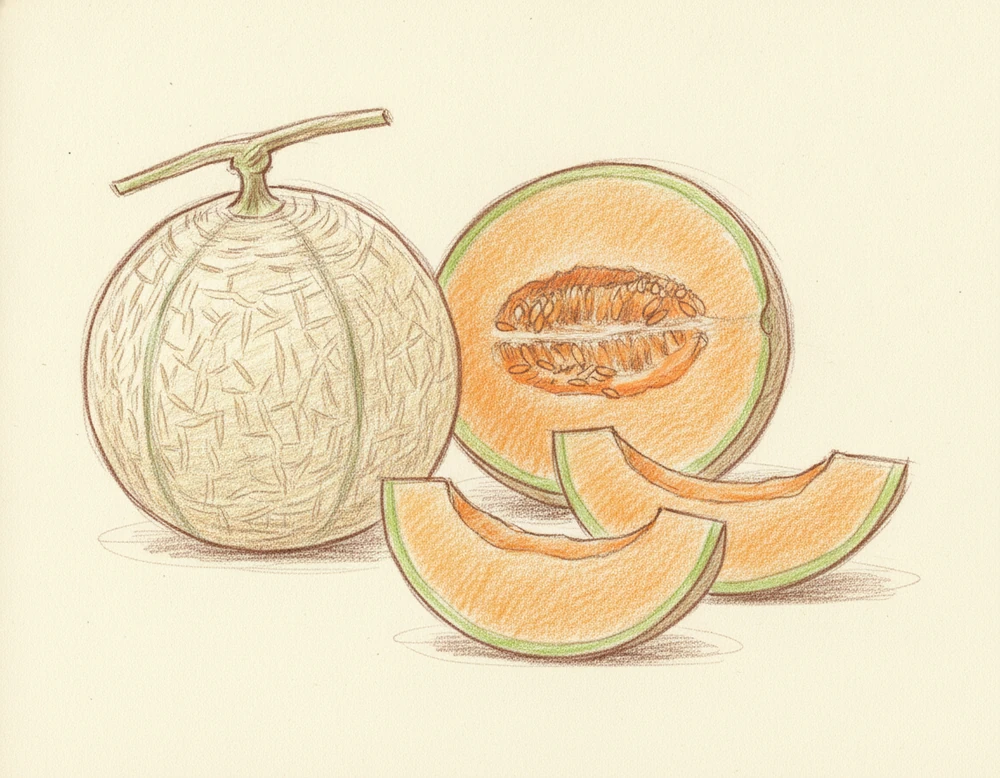
A melon from a small town south of Bergamo, held in the germplasm bank of the University of Valencia. The rind is thick and netted, the stalk pronounced and left on at harvest, the fruit oval and often very large, 2 to 6 kilos, the flesh dense, warm orange, sweet and heavily perfumed.
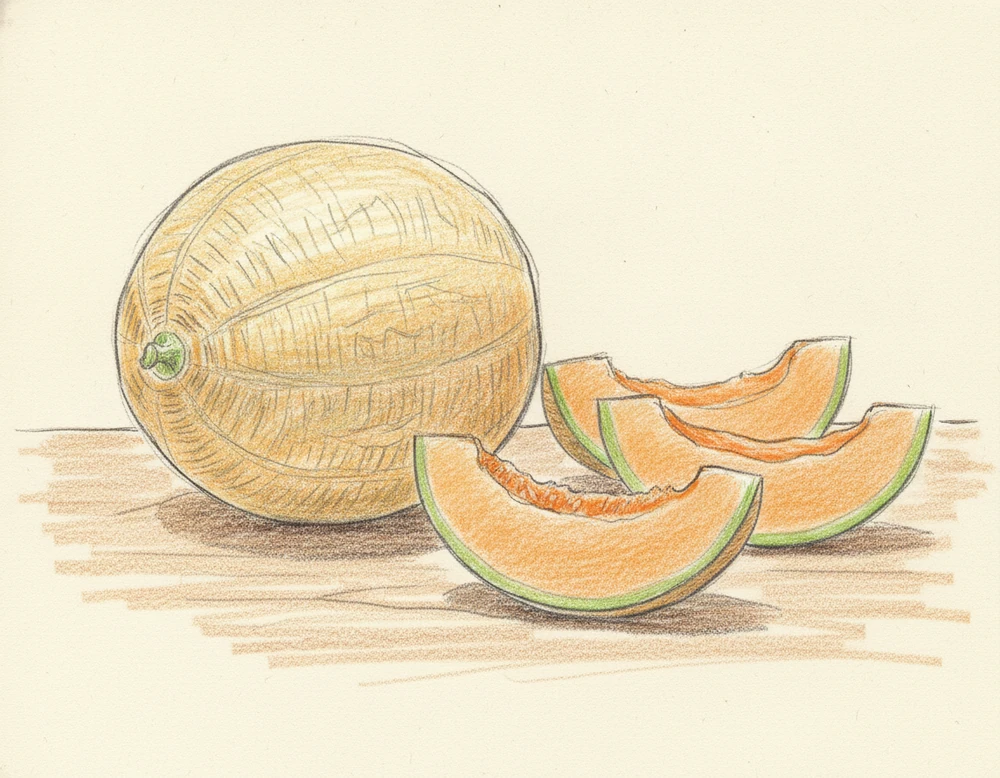
Fresh melon from the Mantua plain, covering both Cucumis melo cantalupensis and reticulatus, in smooth and netted types, with or without the segment grooving.
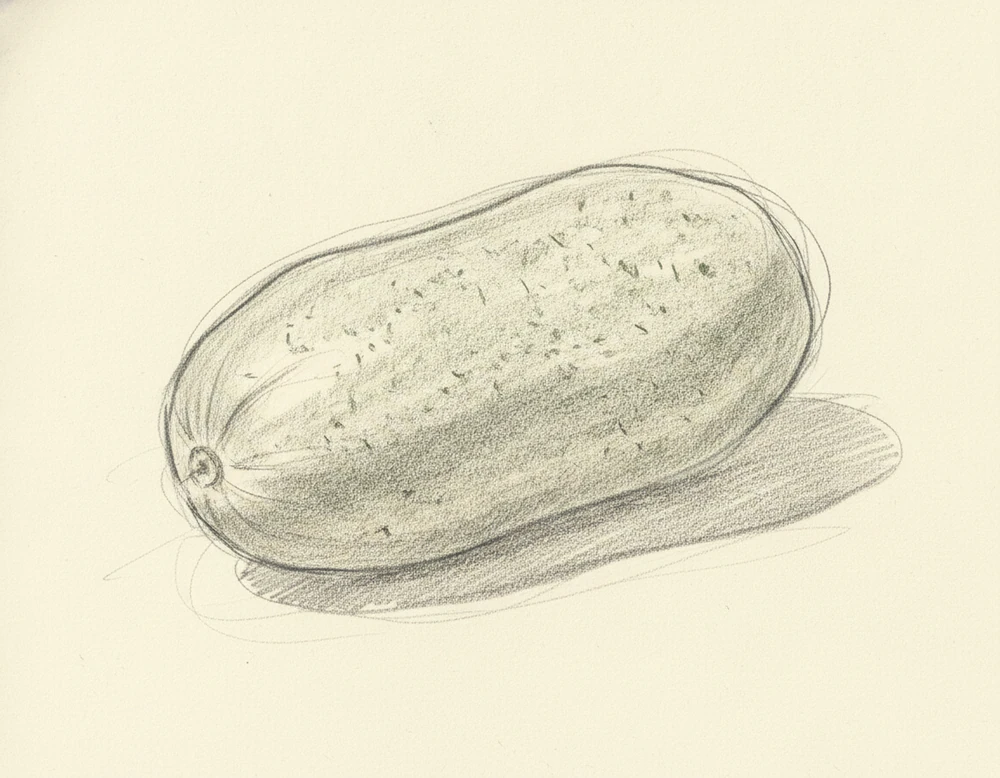
A winter melon of the Trapani country, sown in May and picked from June, whose distinguishing quality is how long it keeps: it is still good after Christmas. Traditionally the fruit was laid out on the house terraces or hung from the balconies to see out the autumn. Purceddu means suckling pig in dialect.
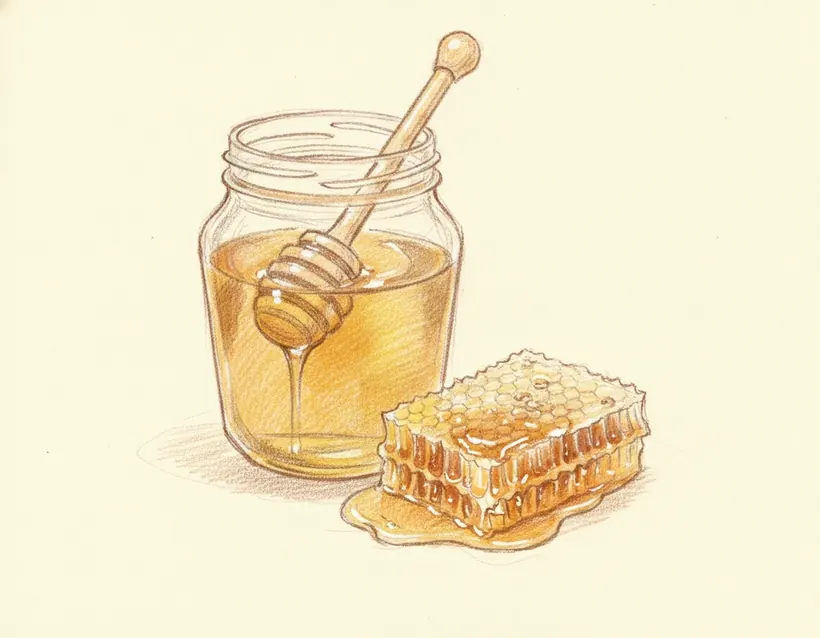
Alpine honeys of the high meadows and forests, from acacia and wildflower to dark honeydew.
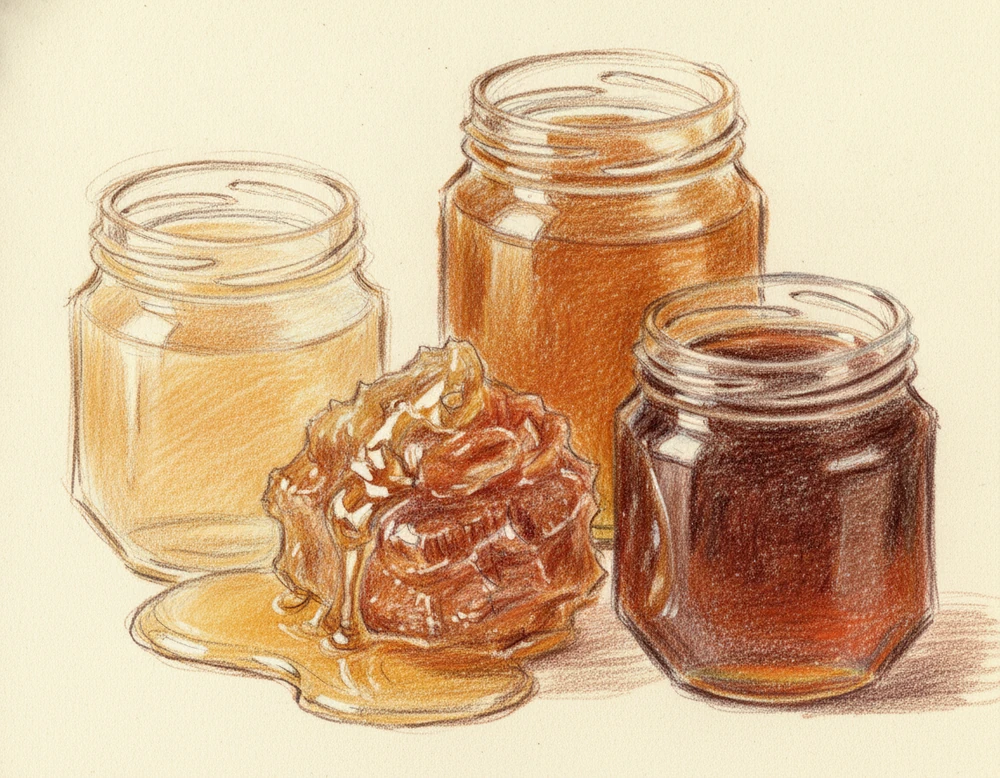
Honey from the Lunigiana in four defined types by floral source: Acacia from Robinia pseudoacacia, Castagno from Castanea sativa, Erica from Erica arborea, and Melata, the honeydew honey gathered in spring and summer.
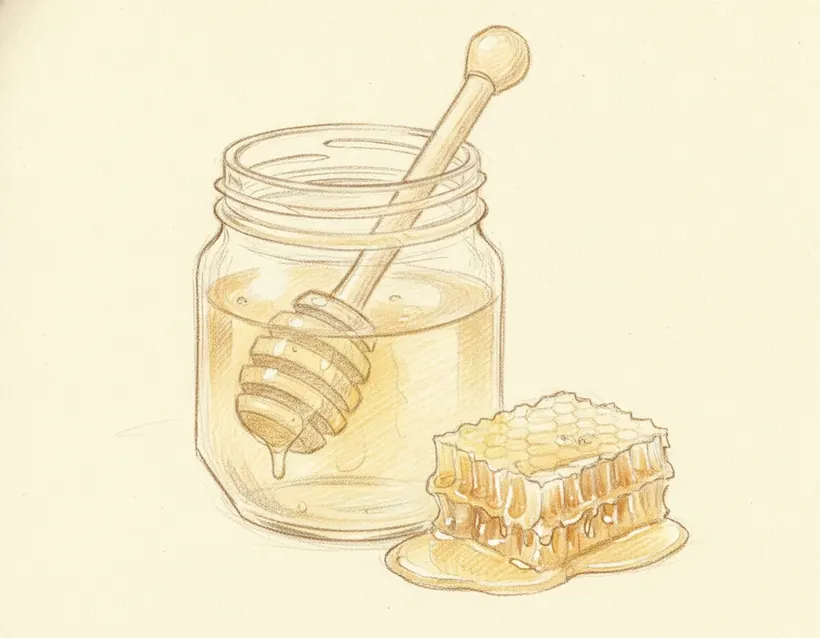
High-altitude honeys from Alpine wildflowers and rhododendron, delicate and pale.
Honey from the nectar and honeydew of the Belluno mountains, made by a local Apis mellifera ecotype that arose from natural crossing of mostly Ligustica and Carnica bees and has adapted over time to the Alpine environment there.
Rešelikov med in Slovene: a honey from the blossom of the mahaleb or St Lucie cherry, a small tree of the Trieste and Gorizia Karst. The species belongs mostly to the eastern Mediterranean and the Black Sea and is rare in western Italy; on the Karst it found its microclimate along the edges of the broadleaf woods, pastures and fields, though there are never many trees, so the crop is always small. Its presence there is documented by the botanist Francesco Blasi in 1933.
A single-flower honey from Thymus capitatus, the only thyme species that yields one. Known locally as satra or sataredda, it grows wild across much of the Mediterranean and, in the Iblei mountains, gives this honey.
Honey gathered, extracted and prepared entirely within the province of Varese, the green province of the lakes, bounded west by Lake Maggiore and the Ticino, north and part-east by the Swiss border.
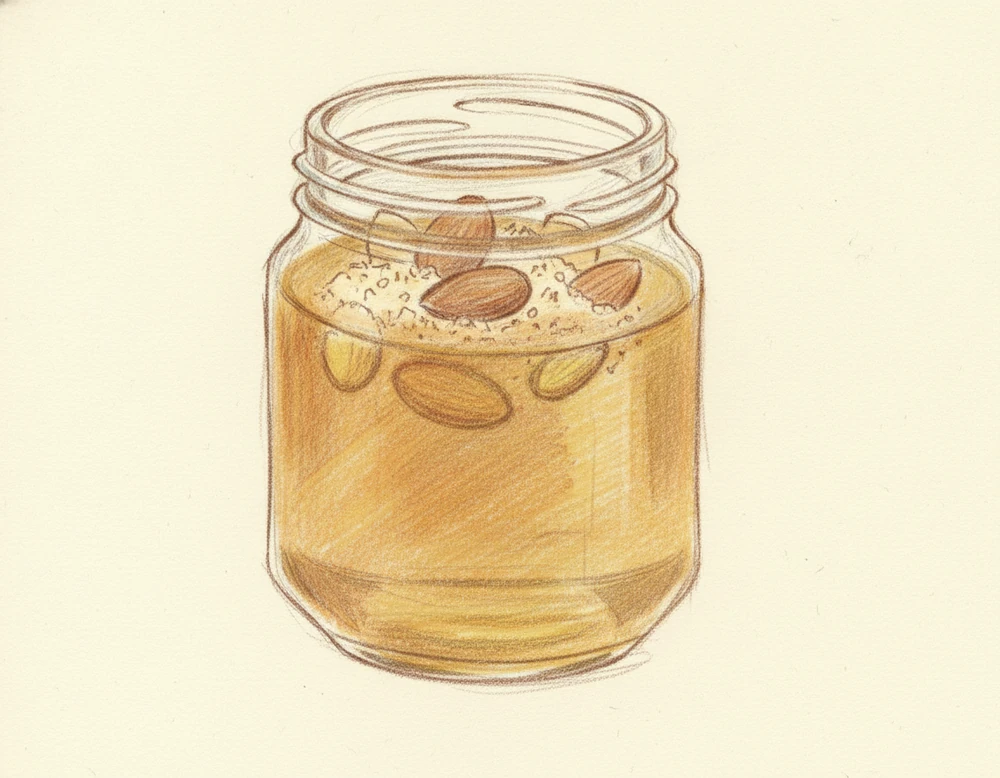
National parks and reserves protect 30 percent of Abruzzo, and nomadic beekeepers move their hives from one protected area straight into another. Low-impact farming and grazing and a wild flora that intensive agriculture never touched make the honey. Two monoflorals here are particularly worth attention, both from mountain herbs of the Lamiaceae that grow on dry grassland: winter savory, Satureja montana, and ironwort, Sideritis syriaca.
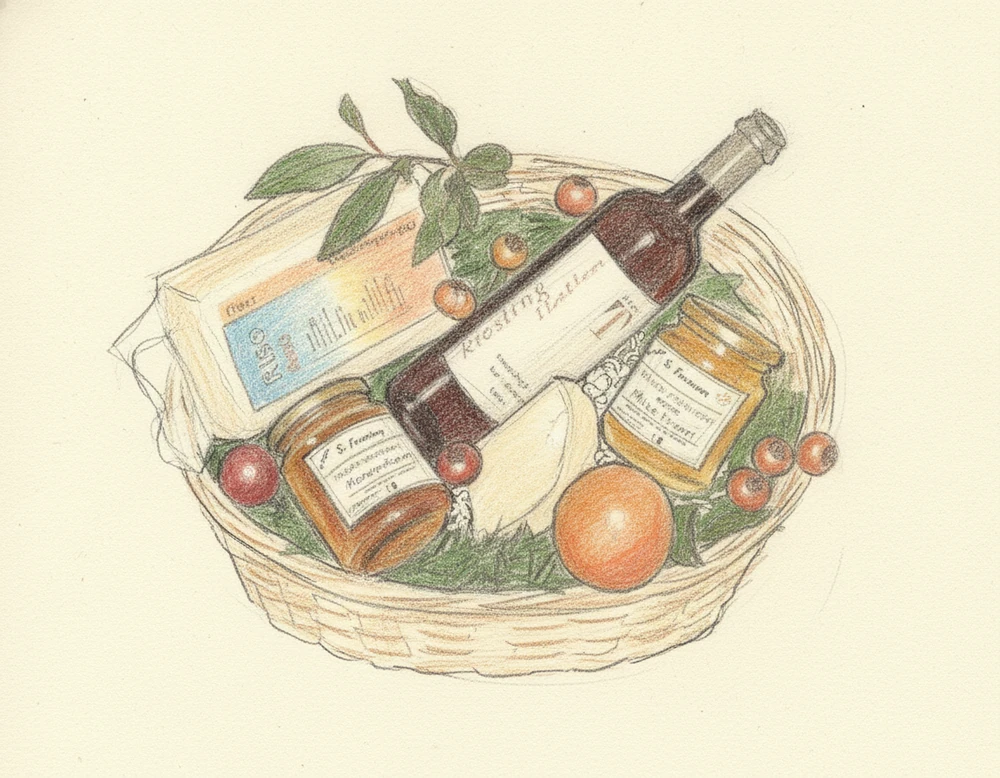
The classic Alpine honeys: rhododendron, millefiori and fir honeydew. Only nectar foraged above 1,400 m counts as high mountain, and even in a good season, which comes round every four or five years, the yield runs to a few hundred quintals.
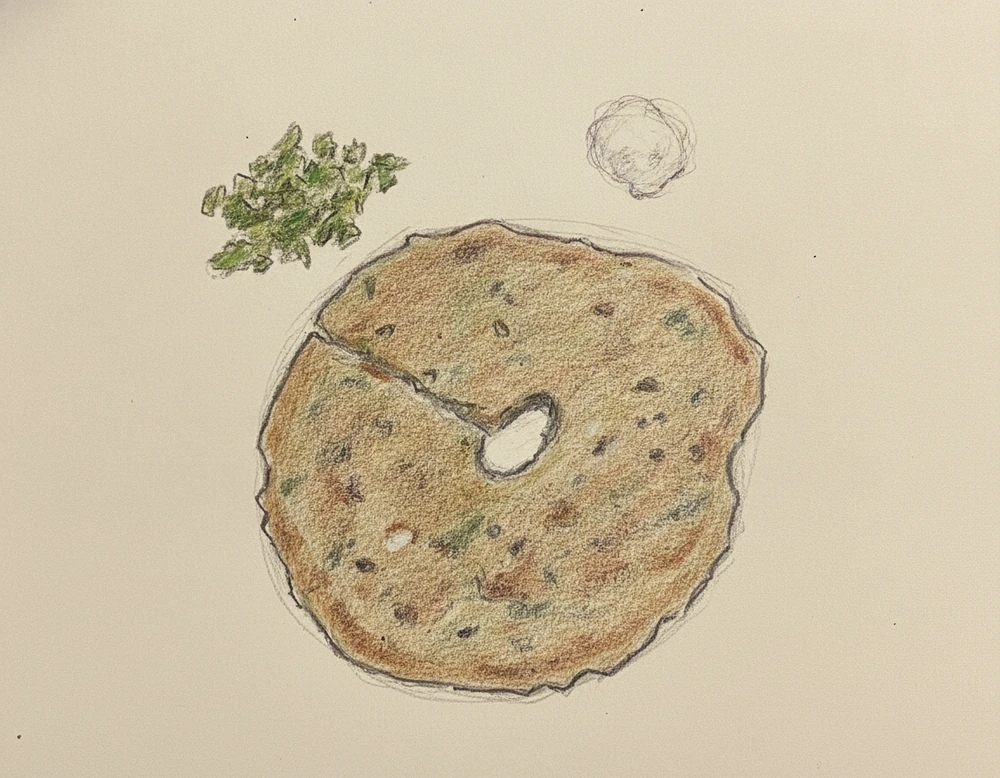
Four comuni of the Serrapotamo valley between the Sinni and the Serrapotamo, inside the Pollino park; Chiaromonte sits on a spur above the whole valley. The ground is fertile enough to have been called a little Mesopotamia but does not suit grain, and in past centuries the farmers grew wheat mainly to pay their taxes, with too little left to feed the household. Mischiglio was the answer: wheat flour extended with other cereals, oat and barley, and with pulses, chickpea, fava and field bean. The mixture makes a particular version of rascatielli.
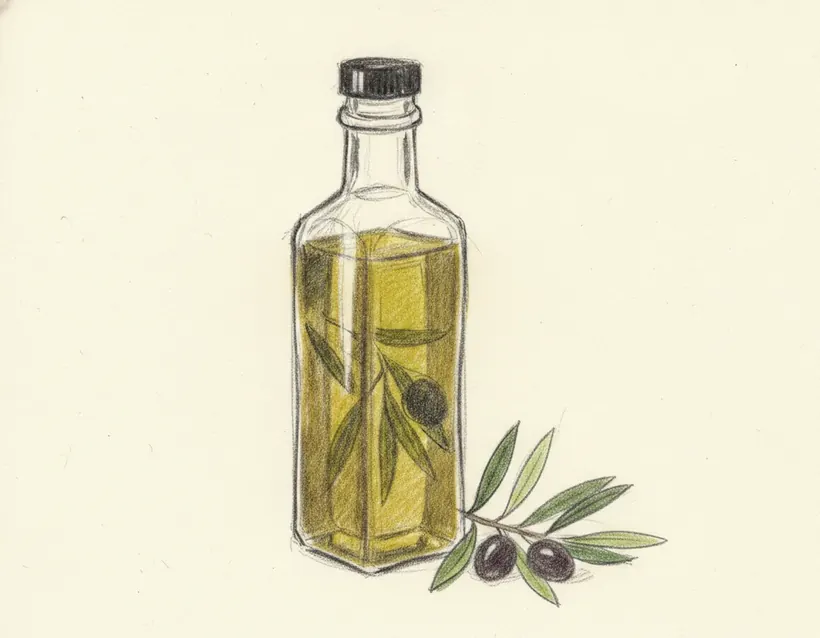
The region's only exclusively-Molisan protected product, a fruity green oil pressed from Gentile di Larino and Aurina olives.
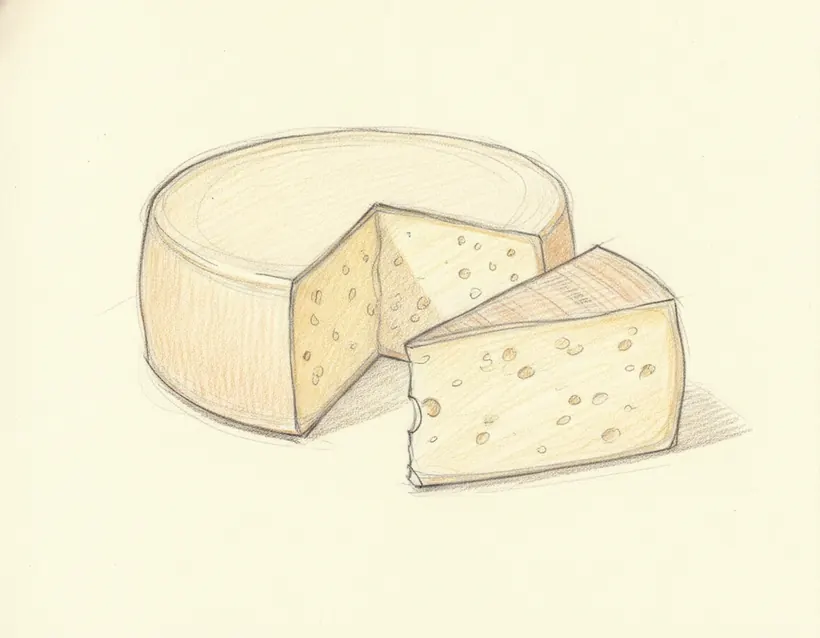
An Alpine cooked cow's-milk cheese first made by Benedictine monks, eaten fresh and springy or aged hard and grainy, and fried into frico.
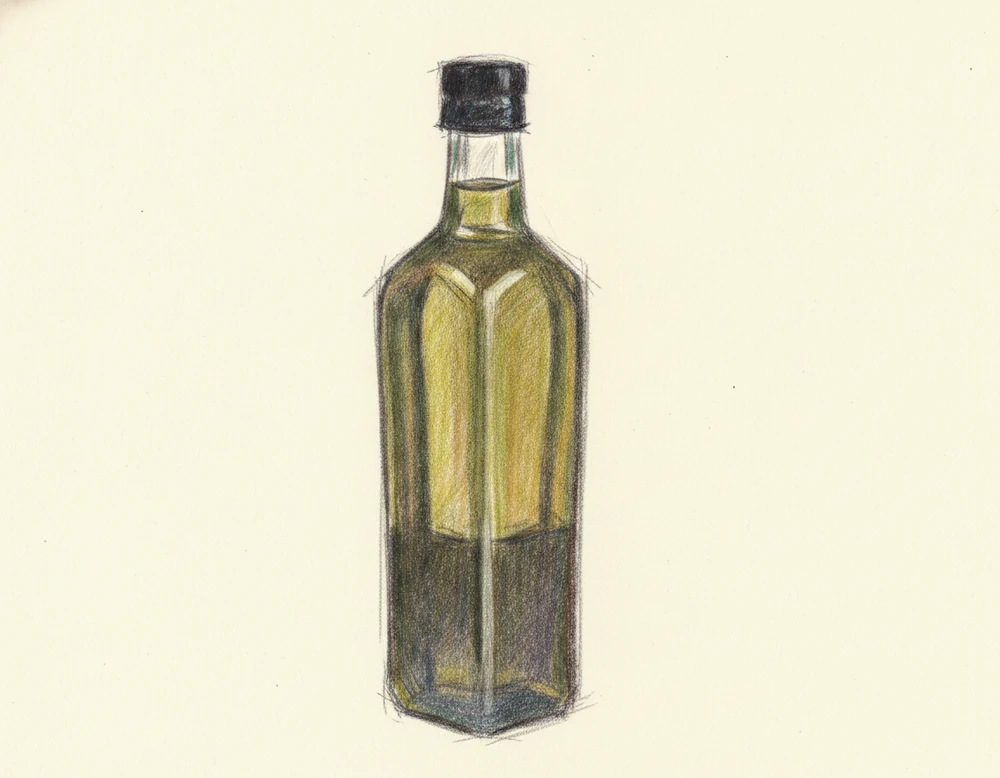
Extra-virgin olive oil from the Etna slopes, at least 65 per cent Nocellara Etnea, the remaining 35 per cent from any other native Sicilian cultivar.
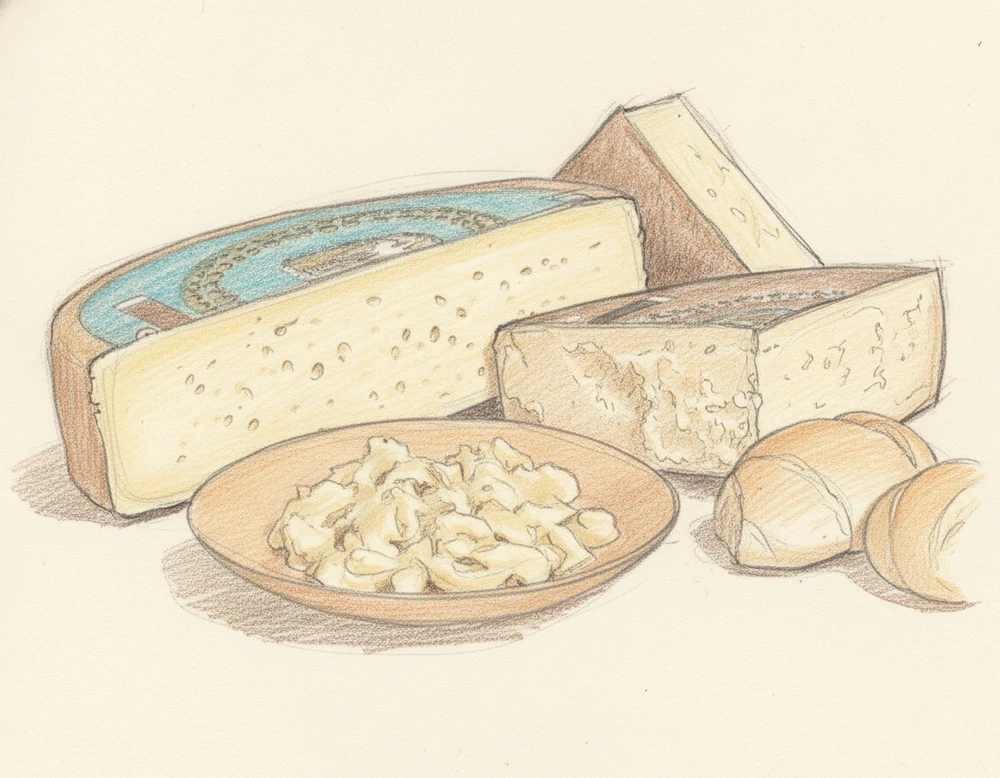
The Lessini above Verona are good cattle country, gentle grassy slopes with a long growing season, and their cheeses are nearly always made from milk already skimmed for butter. The Monte in the name probably refers not to the mountain but to the method, monte being dialect for working the milk of more than one milking together. The malga version, which is the one built to age, is made up at the dairies from grazing milk; Monte Veronese as such can also be made lower down from cattle kept indoors.
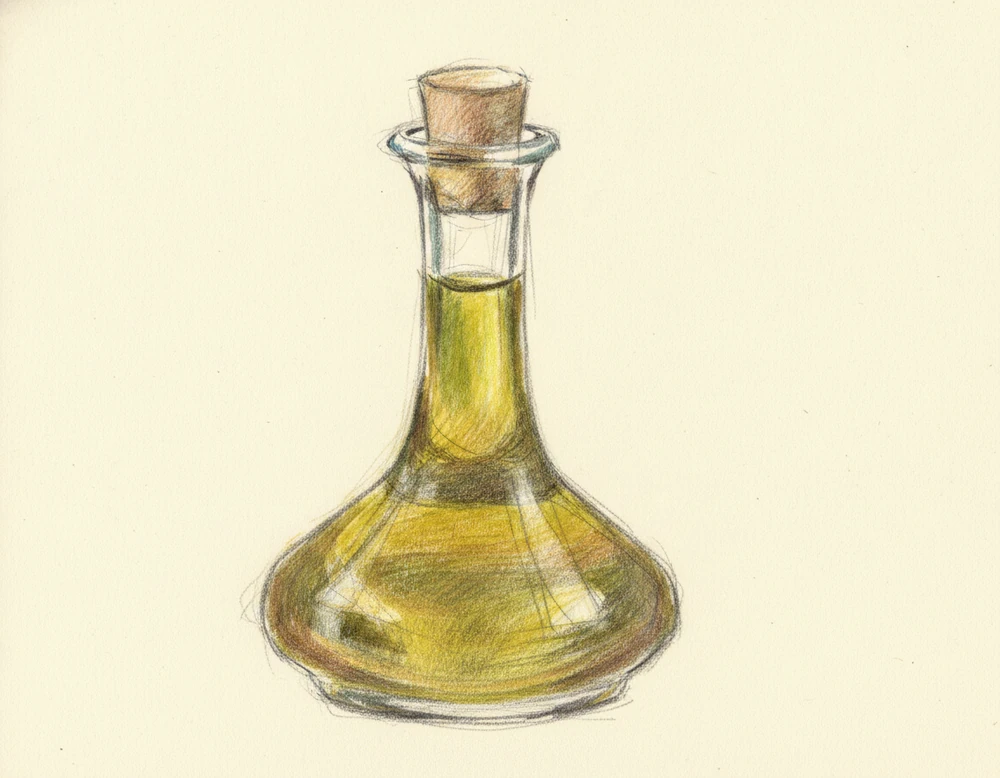
Extra-virgin olive oil from the Iblei plateau, optionally carrying one of the named sub-zone mentions. At least 80 per cent must come from Tonda Iblea, Moresca, Nocellara Etnea, Verdese, Biancolilla or Zaituna and their synonyms.
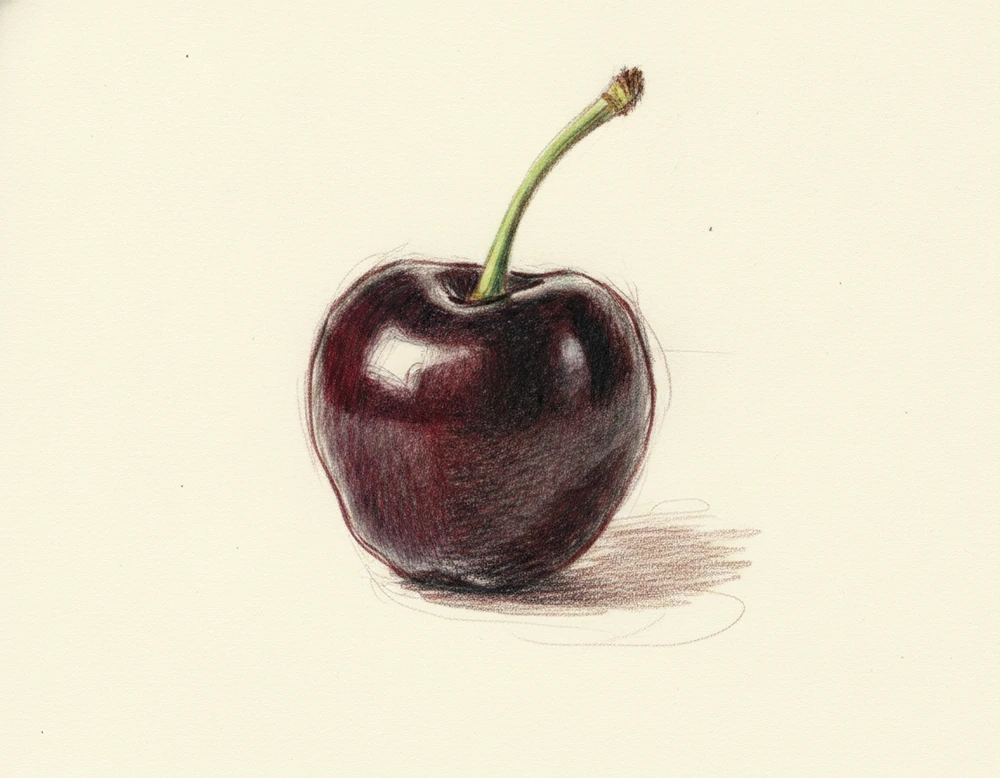
A soft cherry of the Modenese, grown since the 19th century and sold widely from the early 1900s. It goes by ciliegia mora, Mora di Vignola, ciliegia nera or just ciliegia, as against the firm-fleshed duroni of the same country. Medium-sized, the skin thin and glossy and nearly black when fully ripe, the flesh dark blackish red, tender, very juicy, sweet with an edge and strongly aromatic. Good fresh and good for jam.
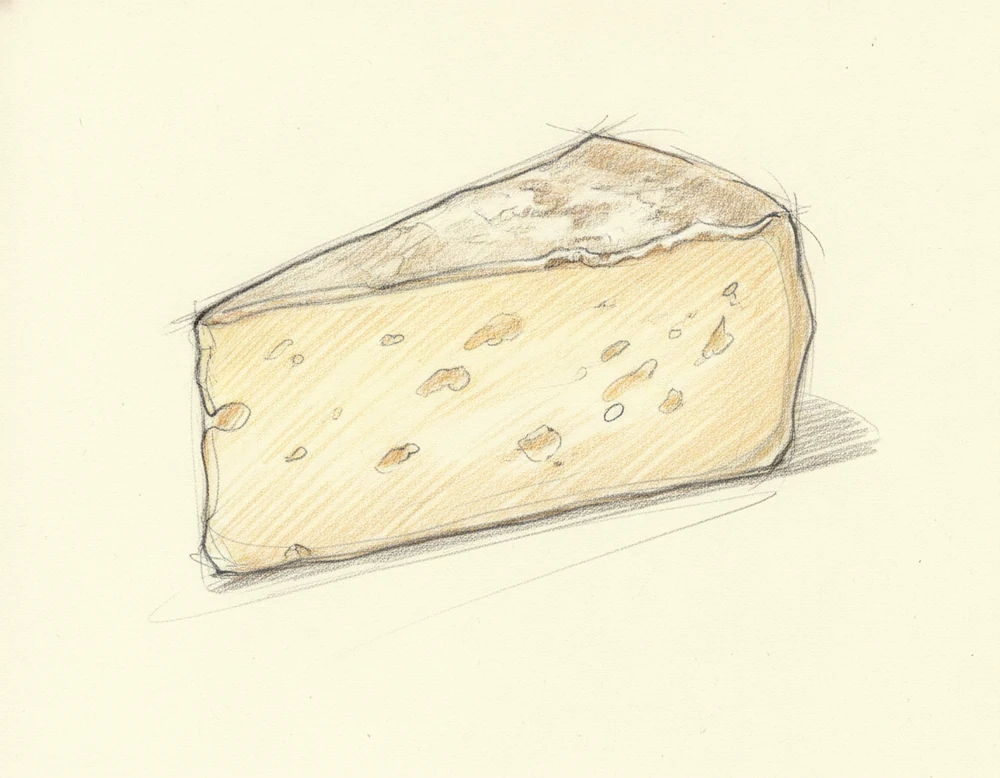
The herders and woodsmen who settled the slopes of Monte Grappa made a soft, lean, uncooked-curd cow's cheese and named it after where they had come from in the Balkans, Morlachia. The milk was skimmed right down, the fat going to butter to sell on the plain, and what was left made a poor man's cheese that was a staple up there.
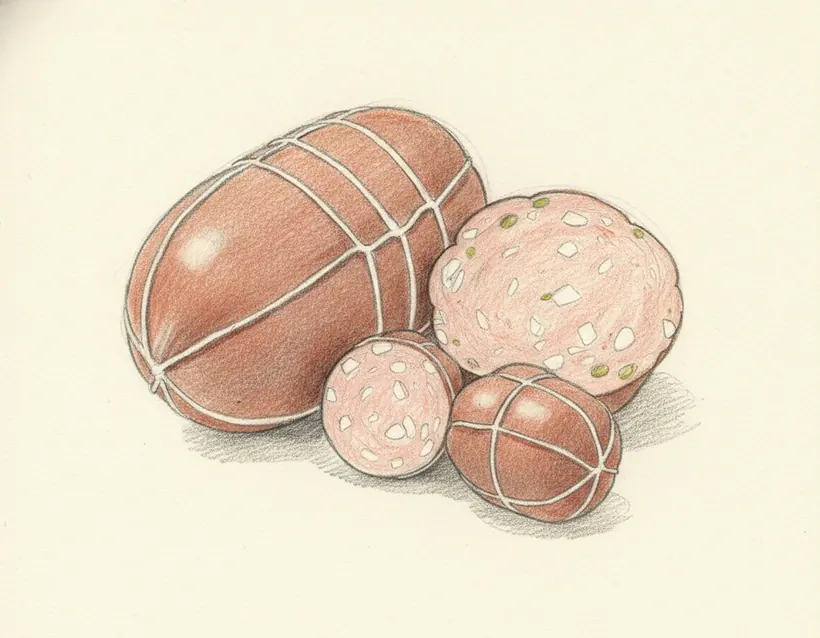
A large, silky pink cooked pork sausage studded with white fat cubes and pistachios, gently spiced, the pride of Bologna.
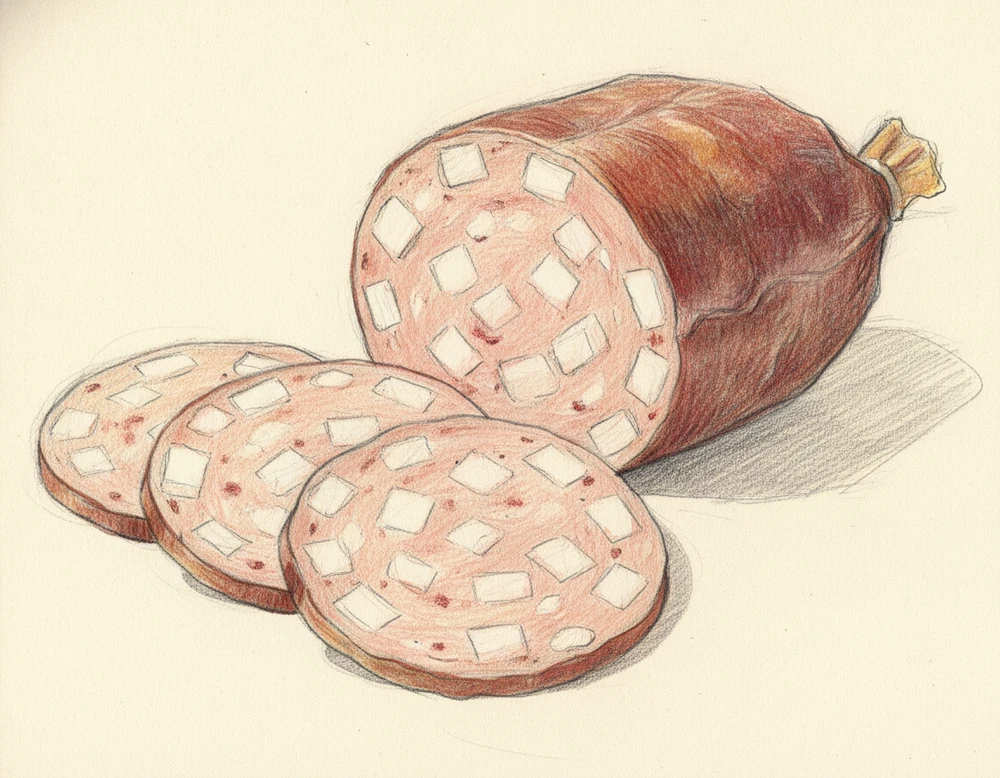
Cristoforo di Messisbugo, Renaissance cook and steward, set down a mortadella recipe in his Libro novo of 1557, with the steps and the ingredients in order. What has happened since is that the thing became a mass-produced food whose quality swings enormously with the meat, the cooking, the additives and the casing, which is why its price does too. The Presidium exists to hold the older standard, in Bologna's province and a few comuni around Ferrara.
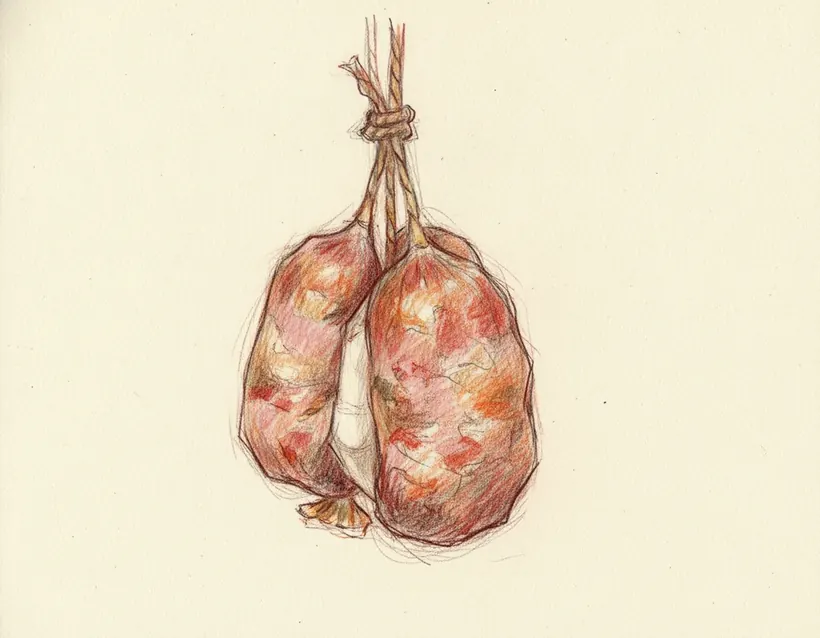
Small cured pork sausages from the Campotosto highlands, each hiding a central column of lardo; aged hung in pairs.
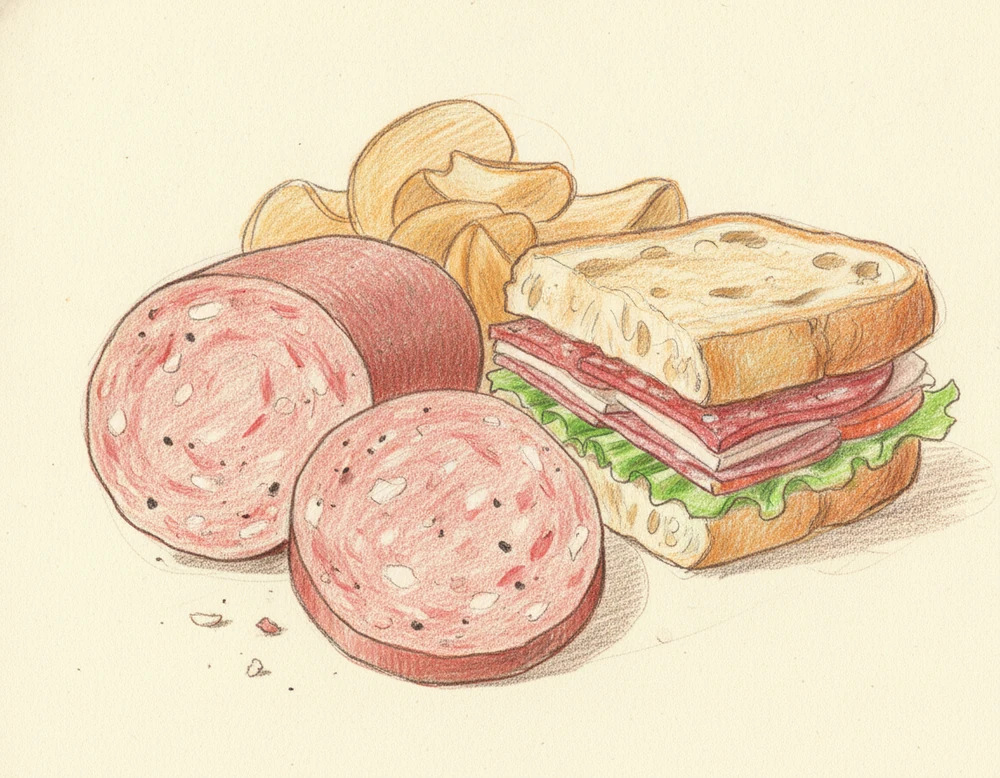
Not the Bologna kind: a pink-red cooked pork sausage flavoured with sea salt, garlic, spices and, distinctively, alchermes liqueur at 0.3 to 0.6 per cent, which gives it its colour and its faintly sweet, spiced edge.
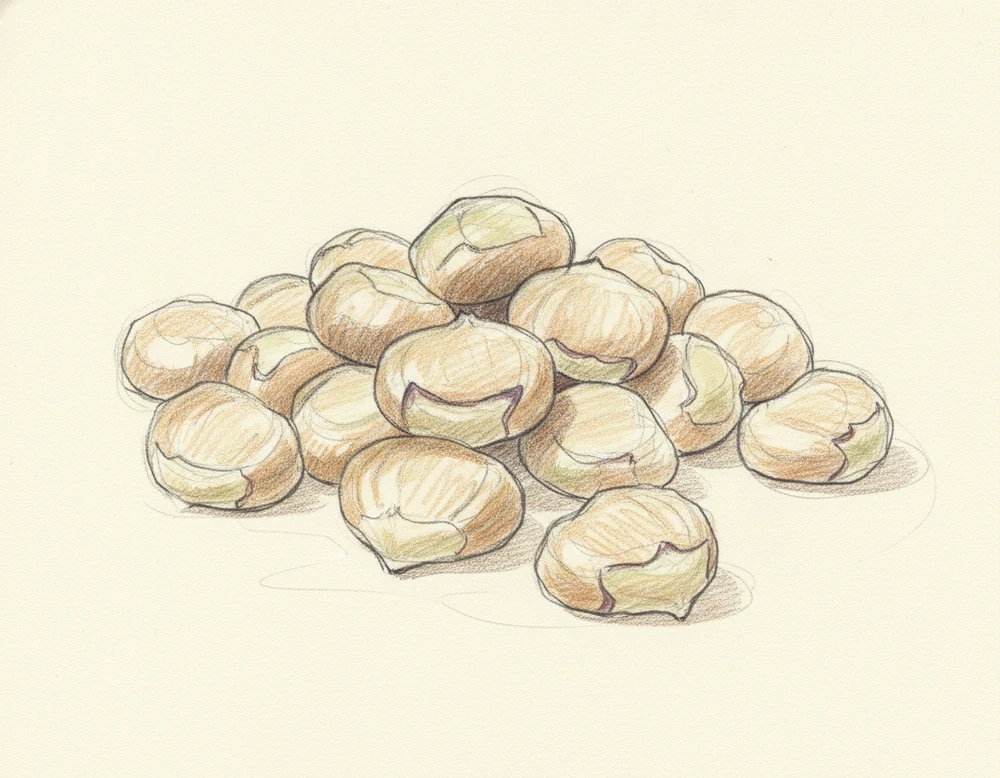
Capranica Prenestina stands on a ridge of the Prenestini among woods and chestnut groves that are centuries old. Cato already names the chestnuts of these mountains in the De agri cultura, and they fed the people here for a very long time. Real cultivation was pushed first in the Middle Ages, under the impulse of the Countess Matilda of Canossa, and the two comuni's statutes, the earliest from 1200, show how the groves were valued: their use for fruit and for timber was closely regulated, with penalties for damage and theft.
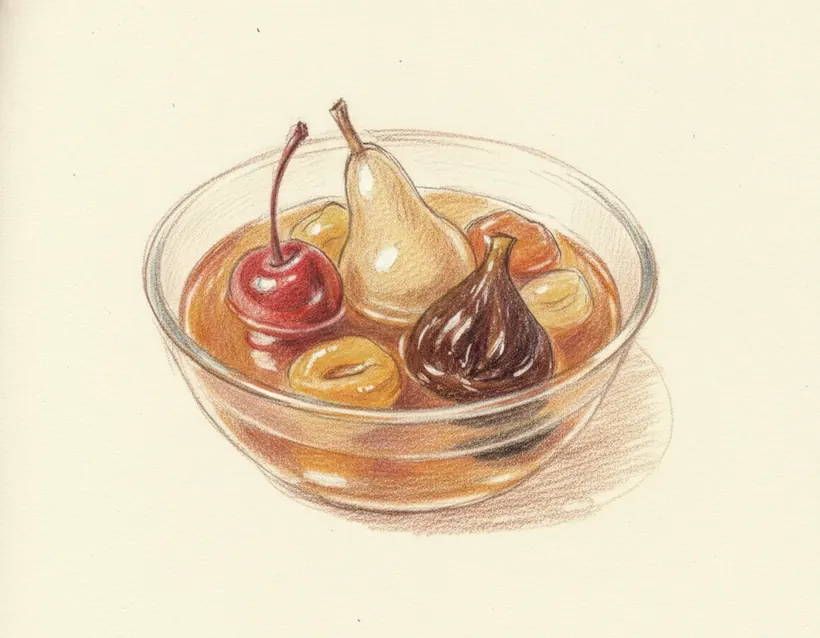
Whole candied fruits suspended in a clear, fiery mustard-spiked syrup, served with boiled meats and cheese.
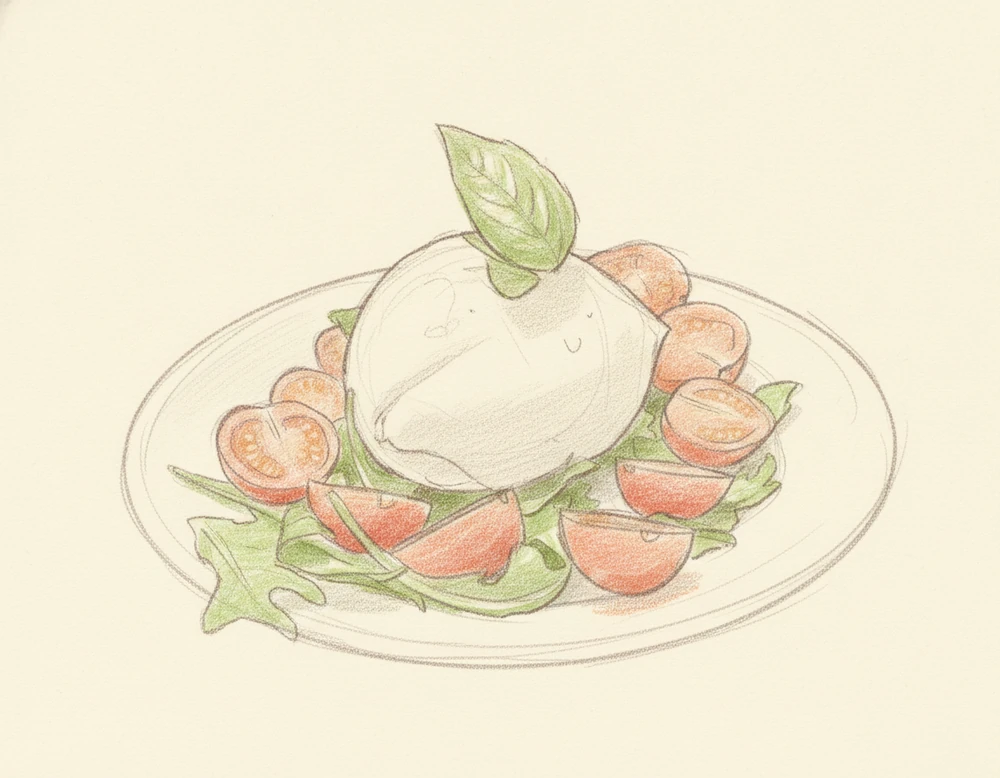
A fresh pasta-filata cheese made only from whole buffalo milk, and by some distance Italy's best-known DOP cheese. Beyond the classic round it is made in the shapes traditional to its zone: bocconcini, trecce, perline, ciliegie and nodini, from 20 g up to 800 g, with braids reaching 3 kg.
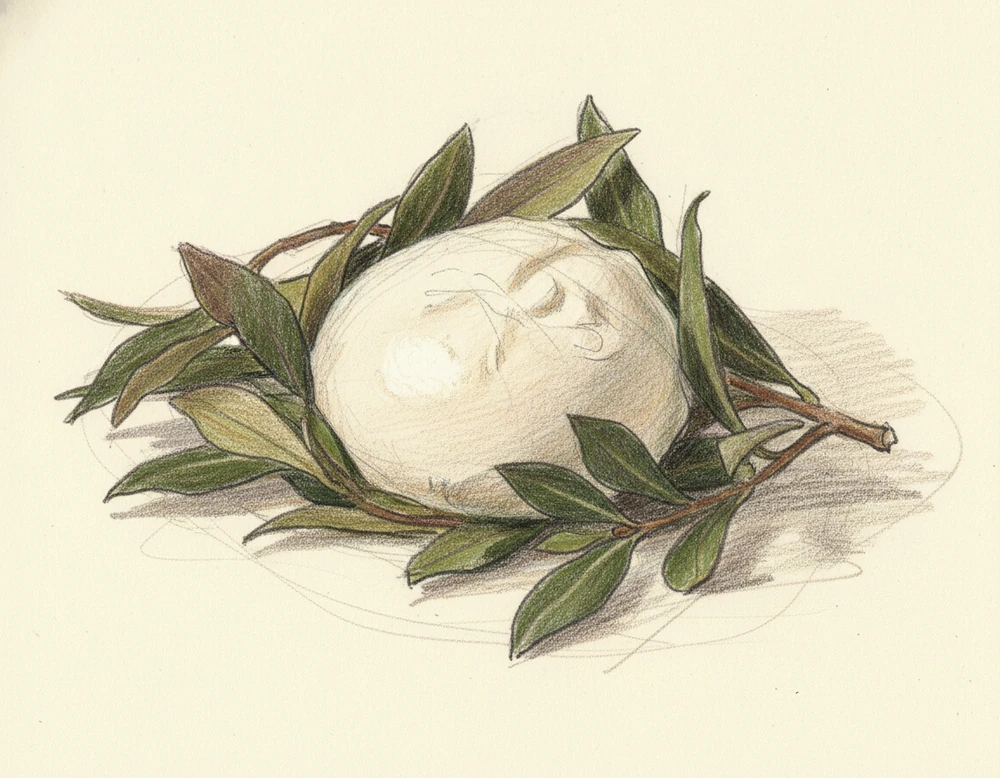
Called muzzarella co' a mortedda in dialect and wrapped in myrtle branches. Italian calls it mozzarella but it is really a very fresh caciocavallo, made the same way: raw cow's milk from one or two milkings brought to 36-38 °C before the rennet goes in.
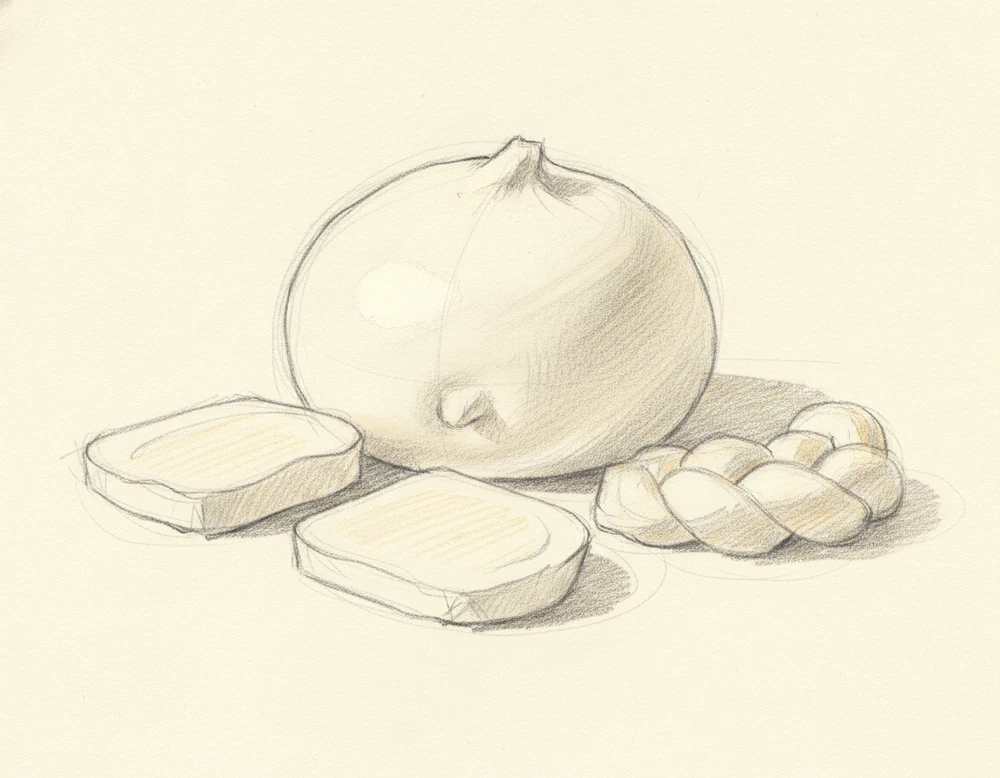
A fresh, soft pasta-filata cheese made by lactic fermentation. Spheroidal from 20 to 250 g, optionally with the little head on top, or braided from 125 to 250 g, packed in a protective wrapper and sold in its governing liquid.
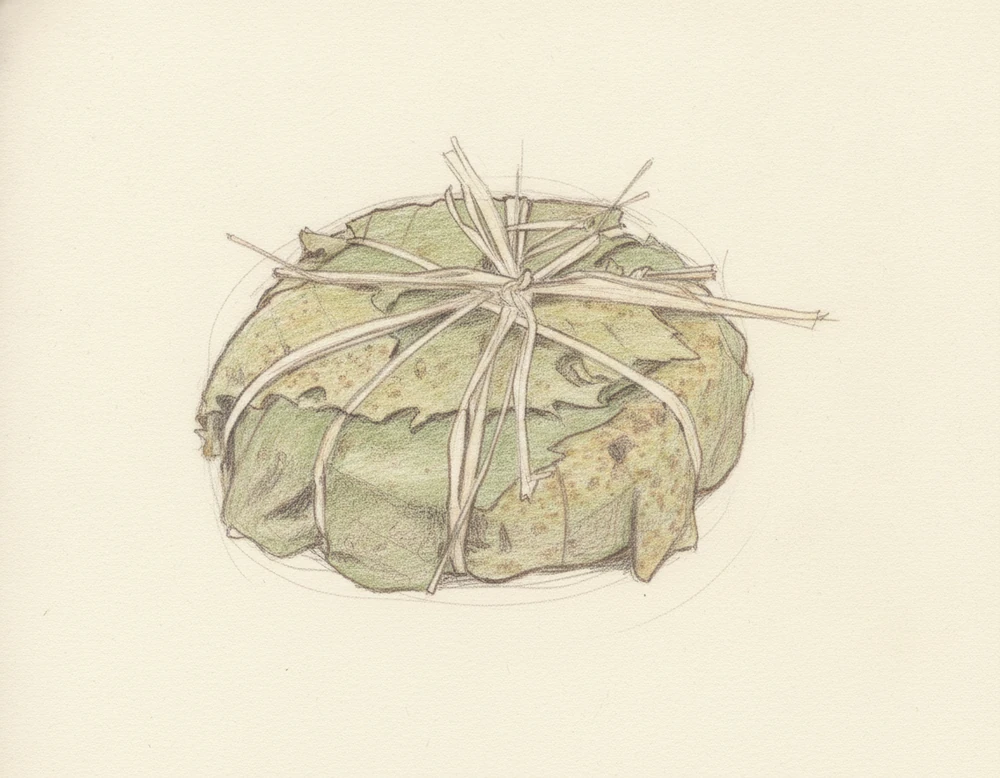
A fresh, full-fat table cheese from the Alta Langa, made from Langhe-breed sheep's milk either pure or as a mixture with at least 60 per cent sheep's milk and up to 40 per cent cow's.
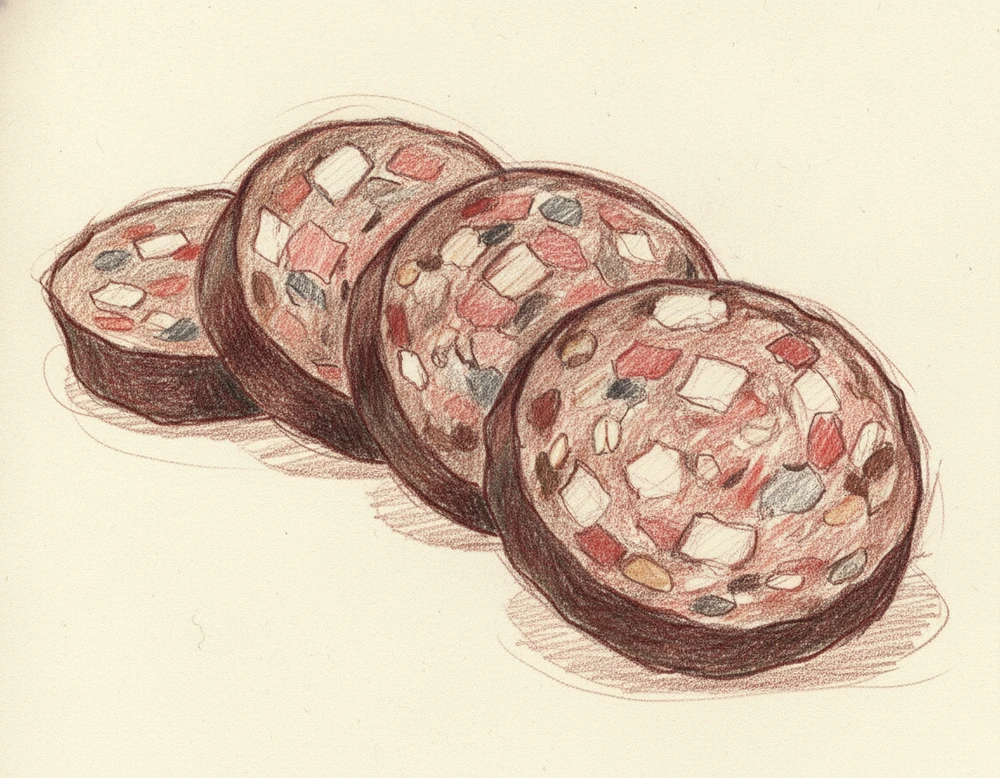
A humble blood sausage of the Waldensian valleys, built like all of them to use the least prized parts of the pig: head, lungs, tongue, kidneys and rind, with a little belly fat added.
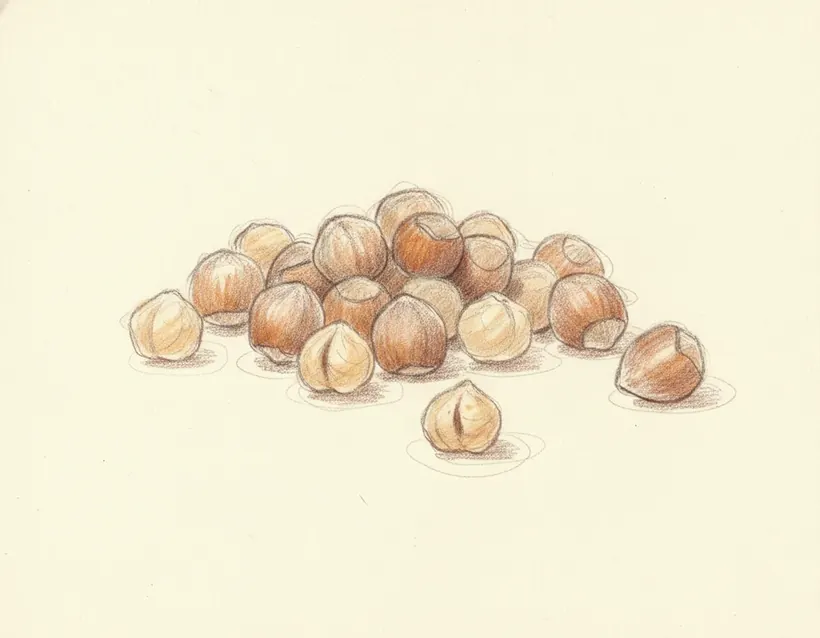
The 'Tonda Gentile' round hazelnut of the Langhe, reckoned the finest in the world and the heart of gianduja chocolate.
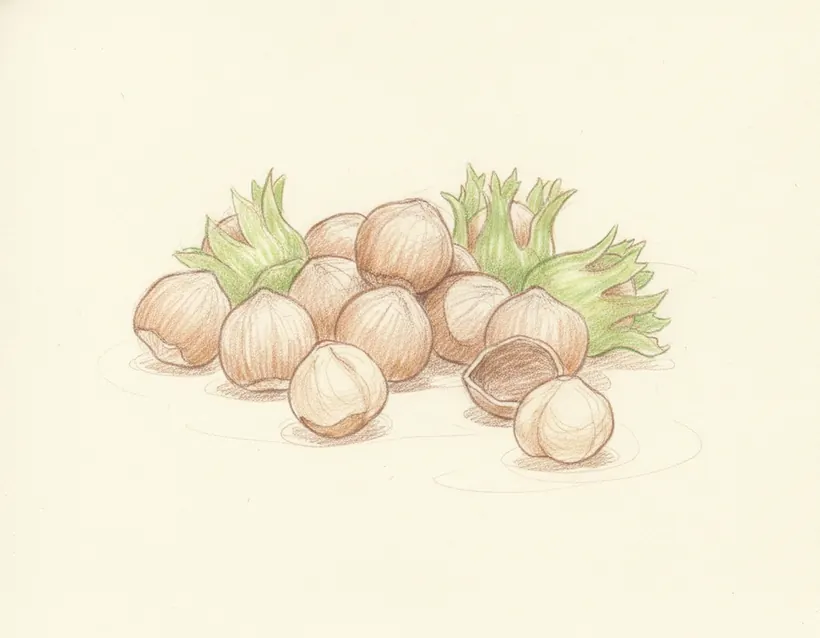
Round, sweet hazelnuts from Giffoni in the Picentini hills, prized by confectioners across Europe.
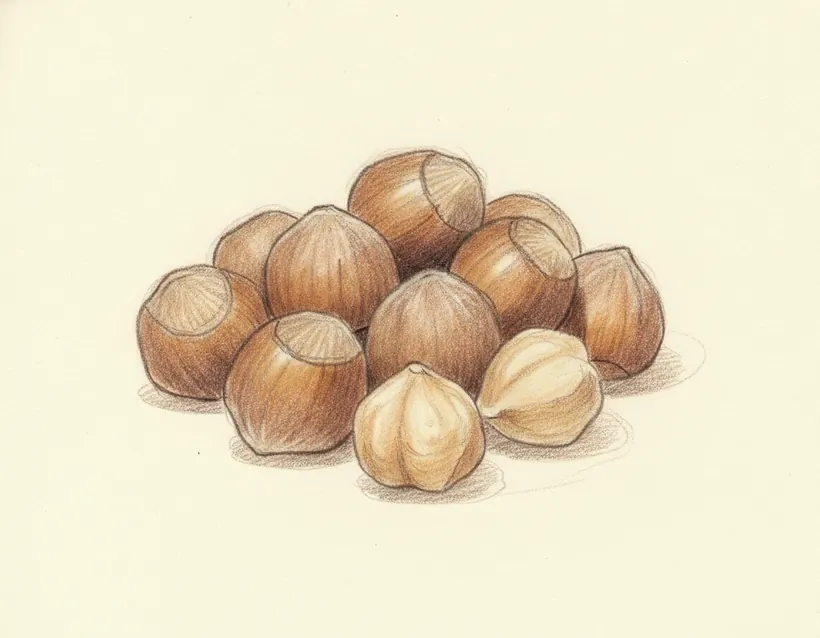
Round, sweet hazelnuts from the volcanic Cimini and Sabatini hills north of Rome, prized for confectionery.
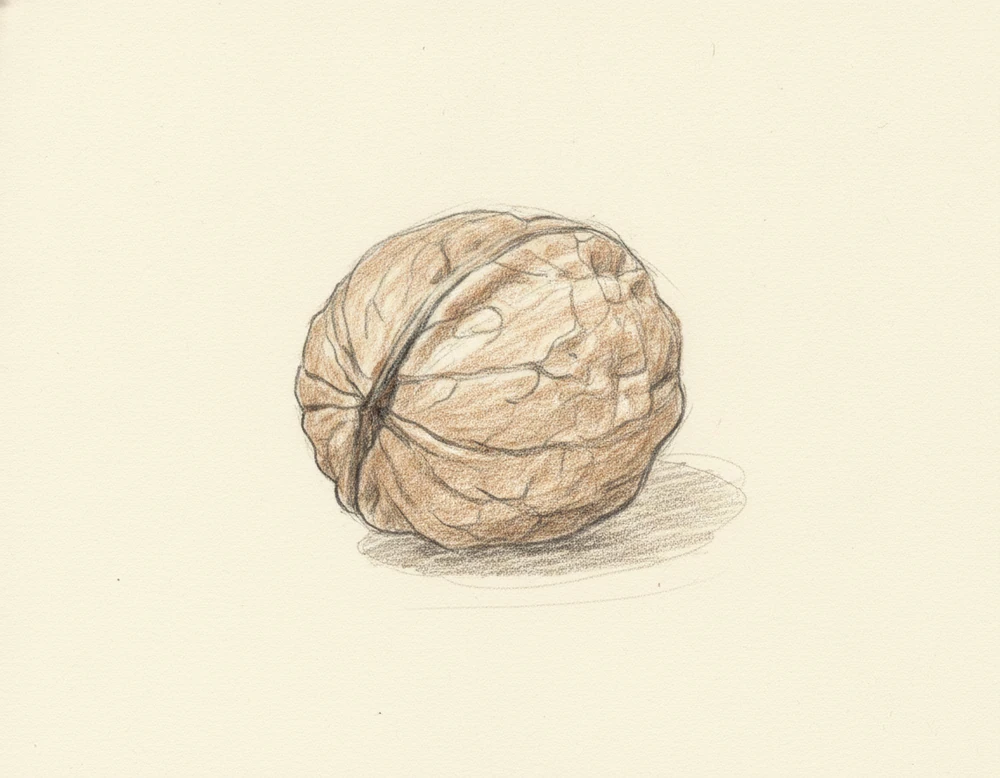
A small walnut, very aromatic, sweet and spiced. It is odd in more than size: oval and round at the base, thin-shelled, the shell cut by deep furrows with prominent ridges along the suture. Walnut trees have shaped the Giudicarie Esteriori for centuries and the record shows what they were worth, particularly in wartime, when the crop was both food and cash.
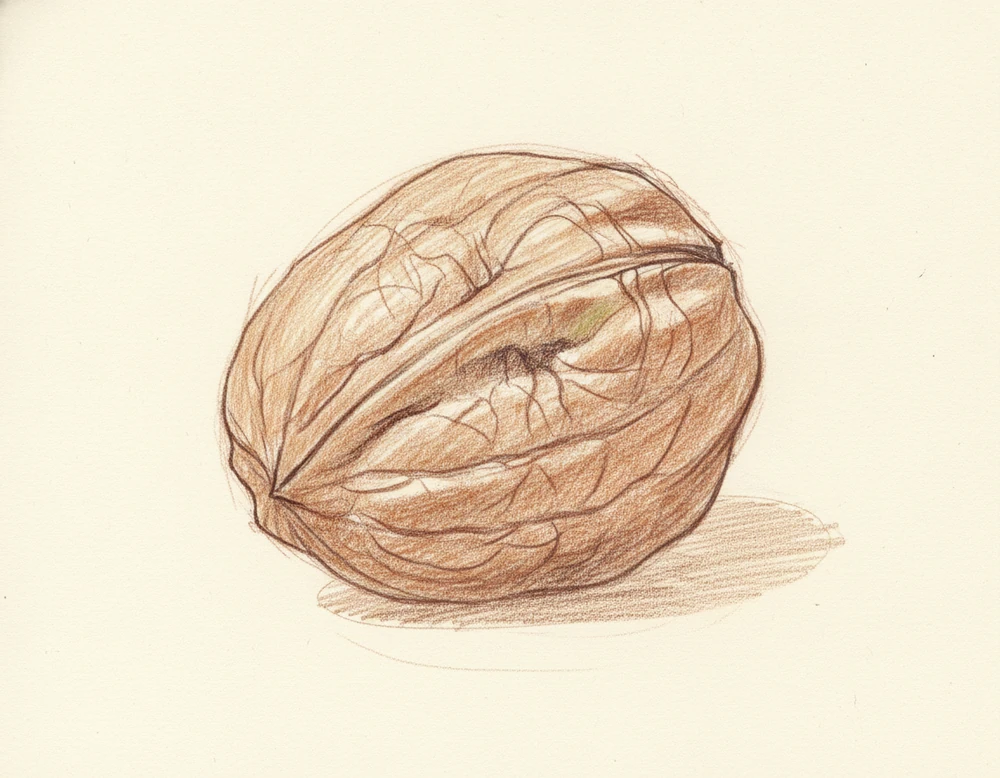
A walnut long prized on the Sorrentine peninsula. Medium-sized and oval with a rounded base and slightly pointed tip, the thin cinnamon shell holding a pale, plump kernel that is crisp but tender.
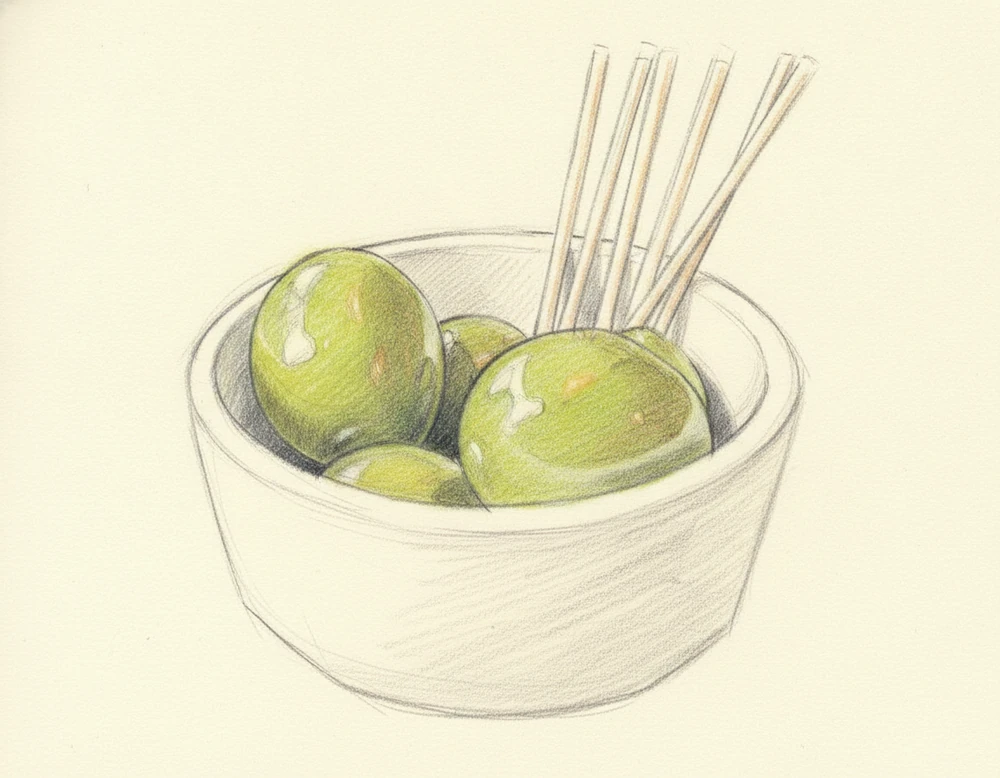
Table olives from groves of clones of the native Nocellara del Belice variety, identified by the Sicilian regional technical services. They are the big, bright green olives of the Belice valley.
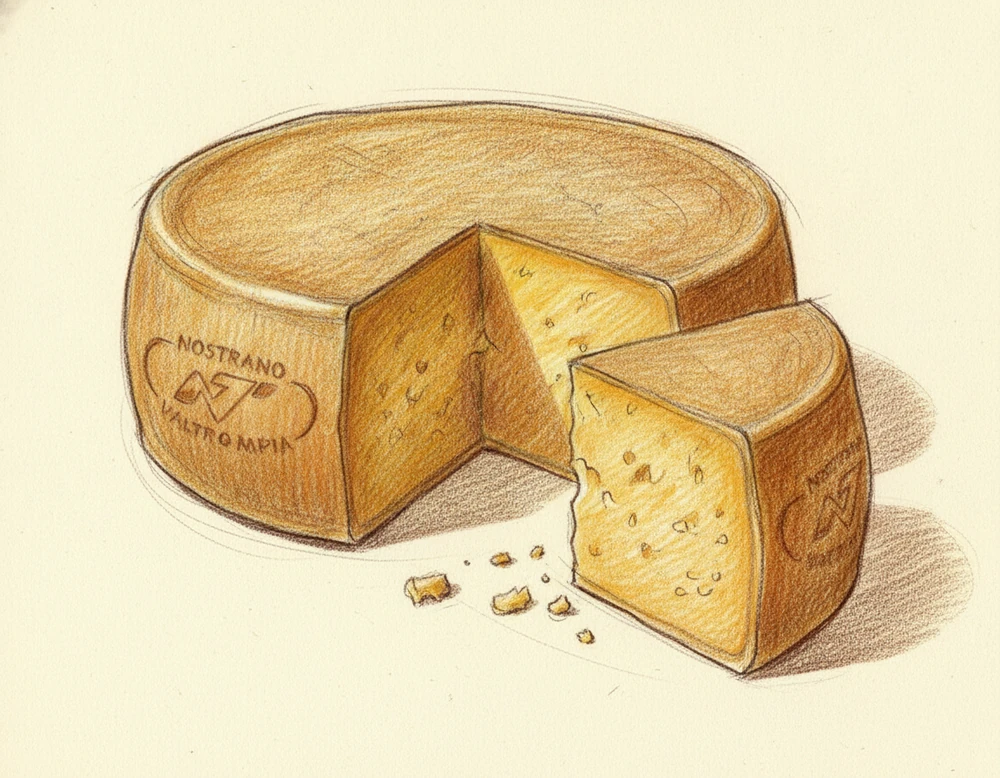
An extra-hard semi-fat raw-milk cheese from the Val Trompia, made year round and, unusually for an Italian cheese, coloured and flavoured with saffron.
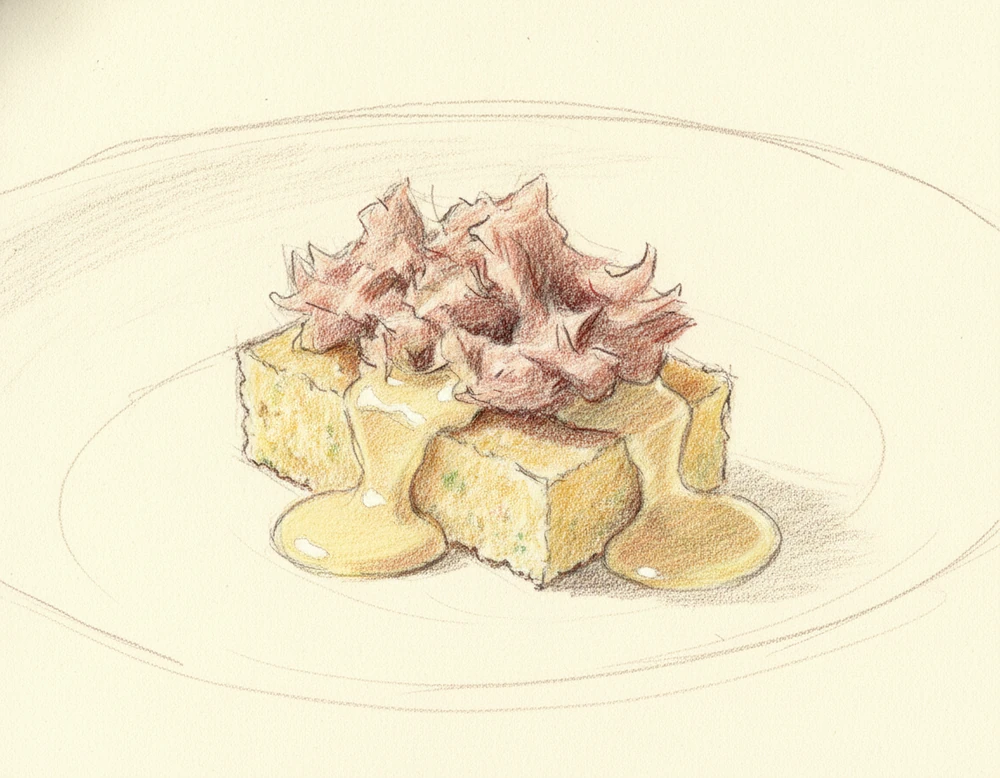
Veneto farms once kept grey and grey-and-white geese, later displaced by the big white Romagnola. The birds went into cured meats, a prosciutto they call parsuti in dialect, and into oca in onto or oca in pignatto, goose in its own fat: a confit that used every part of the bird and would keep for months. The women made it in winter, in the slack time, against the summer to come, and the first geese were traditionally killed and eaten in early November for Saint Martin.
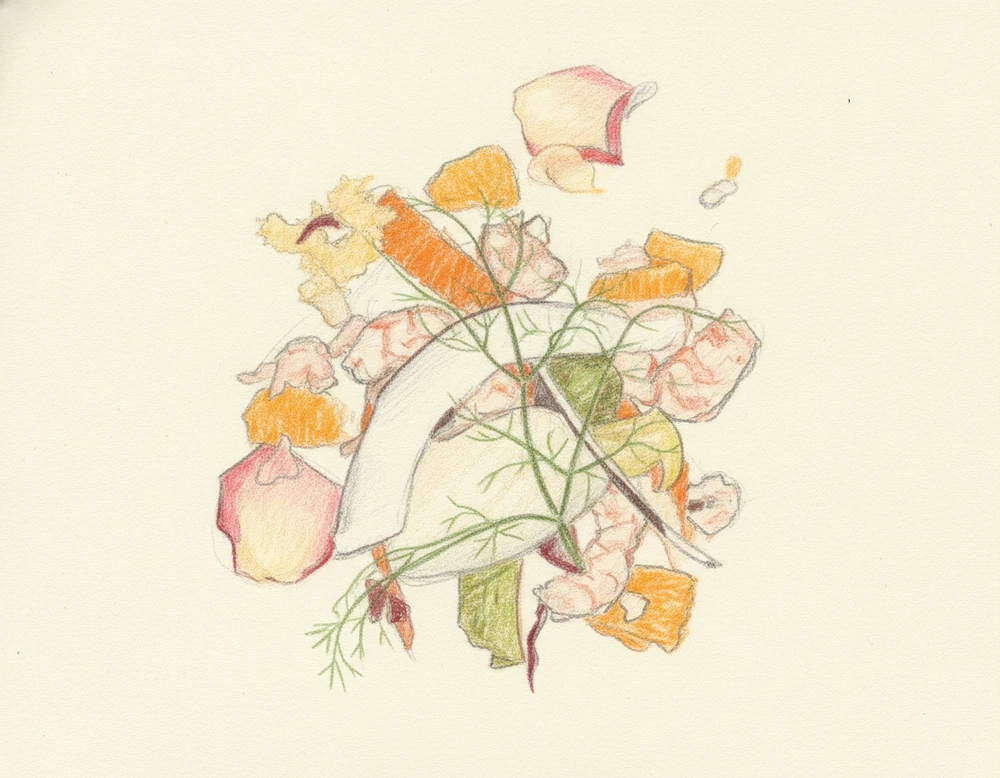
The region-wide Campanian olive oil IGP, drawing on a long list of native varieties alone or together: Asprinia, Caiazzana, Carpellese, Marinese, Minucciola, Nostrale, Ogliarola campana, Ortice, Ortolana, Pisciottana, Racioppella, Ravece and Rotondella, alongside Frantoio, Leccino and Leccio del Corno.
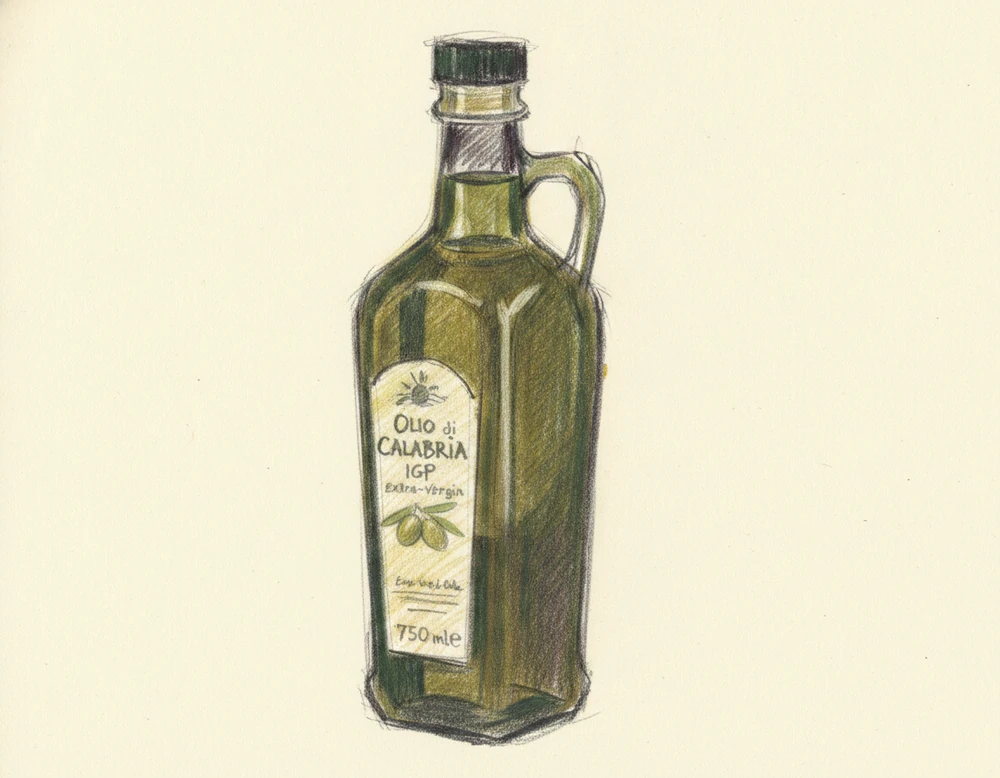
The region-wide Calabrian olive oil IGP, pressed from olives grown anywhere in Calabria that meet the disciplinare's requirements.
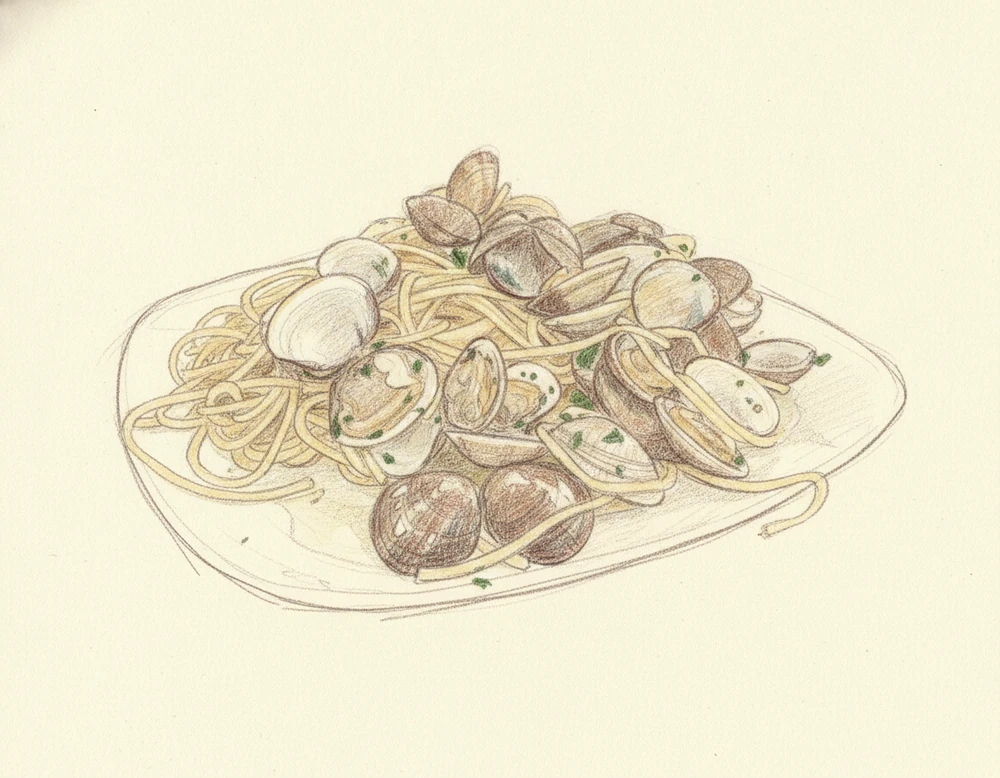
The region-wide Apulian olive oil IGP, whose sensory range comes from the genotype of its many native cultivars, the geography and soils, and the growing and pressing techniques of the territory.
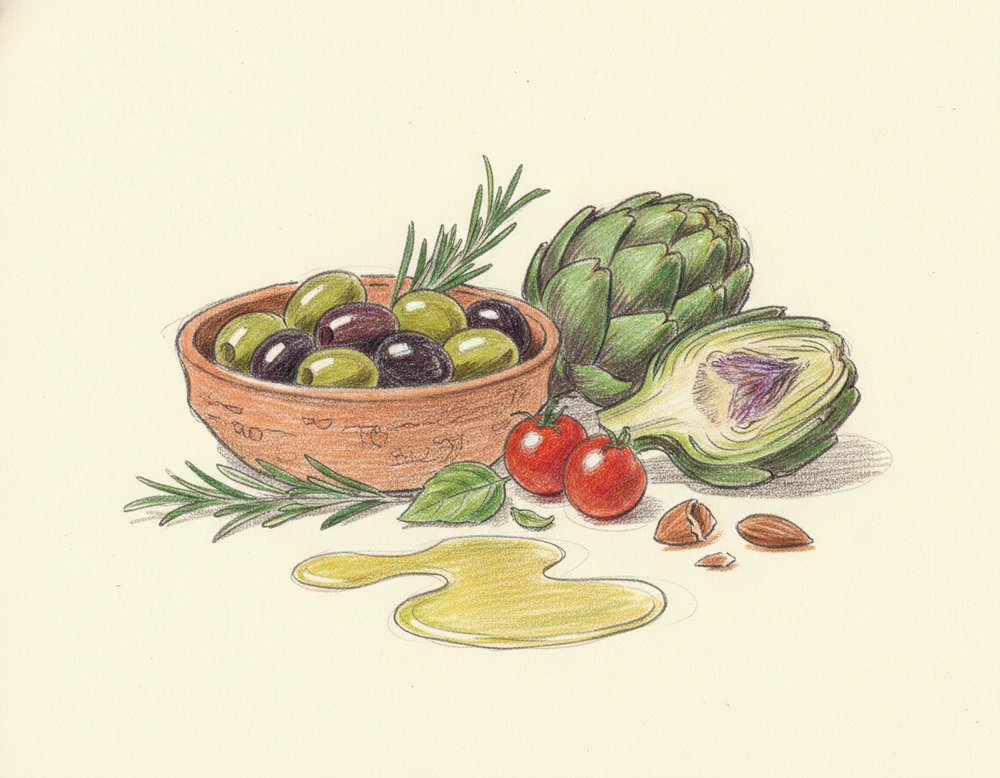
A wide-ranging IGP covering the olive oils of the Roman countryside, whose sensory range comes from the many native cultivars grown there. The nose is clearly olive-fruity at varying intensity, with tomato, artichoke, almond or grassy notes.
The region-wide Basilicata olive oil IGP, drawn from native varieties and their synonyms alone or together: Acerenza, Ogliarola del Vulture (also Ripolese, Rapollese, Ogliarola di Melfi or Nostrale), Ogliarola del Bradano and Maiatica among them.
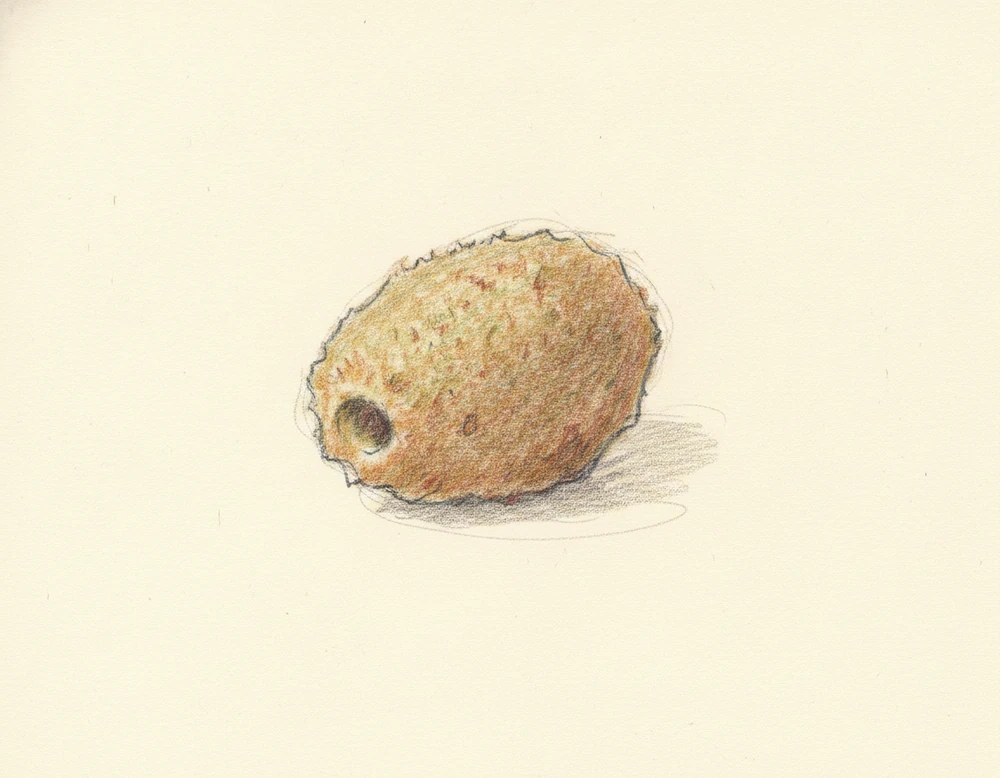
The large green table olive of the Ascoli country, the one stoned, stuffed with meat, breaded and fried as olive all'ascolana.
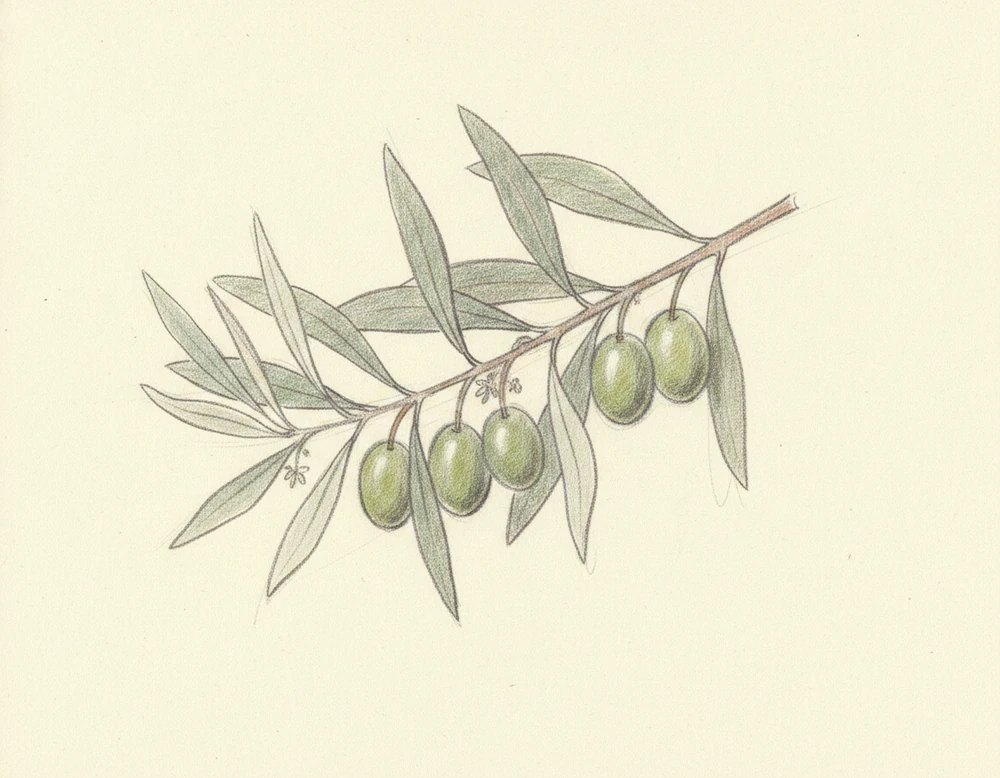
Friuli grows little oil but has grown it a long time: ancient trees between Trieste and the Karst attest that the olive settled on this corner of the Adriatic with the Phoenicians and then the Romans, though the frost of 1929, worse here than the famous one of 1985, killed 90 percent of the region's trees. The regional variety is the Bianchera, Belica in Slovene, probably out of San Dorligo della Valle and Muggia: vigorous, long fruiting branches, narrow slightly curled leaves, and a natural resistance to the bora, to cold and to chalky soil.
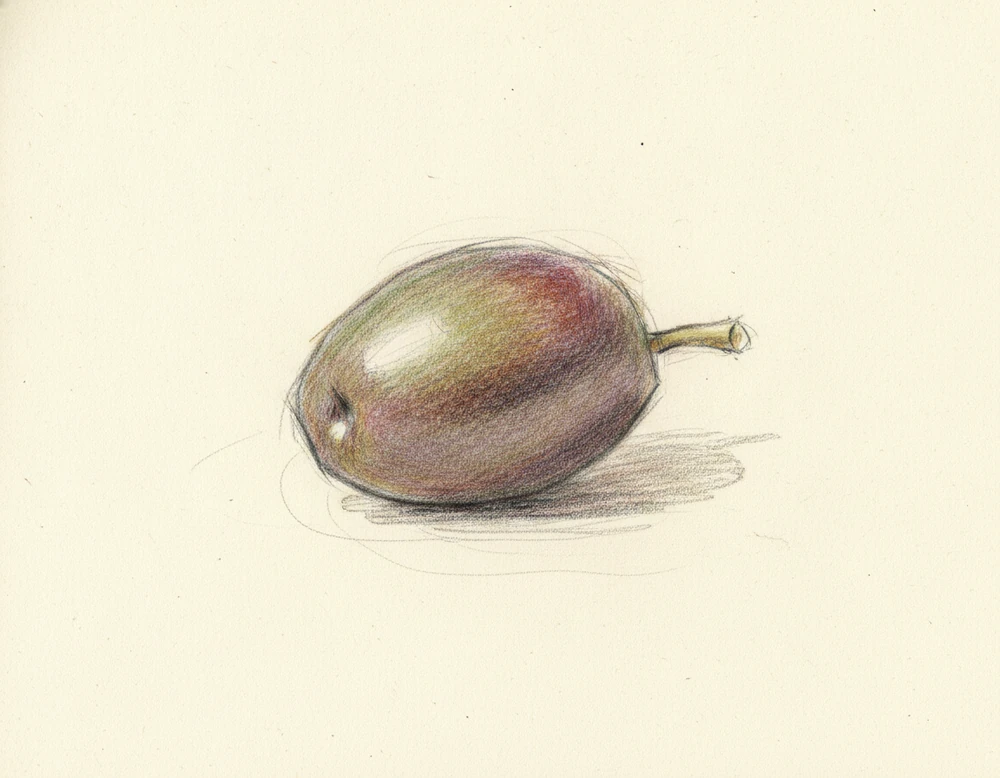
A table olive of the Caiazzo hills, which climb from the plain toward the Matese. The cultivation is old: stone basins hollowed for pressing olives survive there from the medieval period, and the Alvignano and Chiazzo statutes set down rules for it.
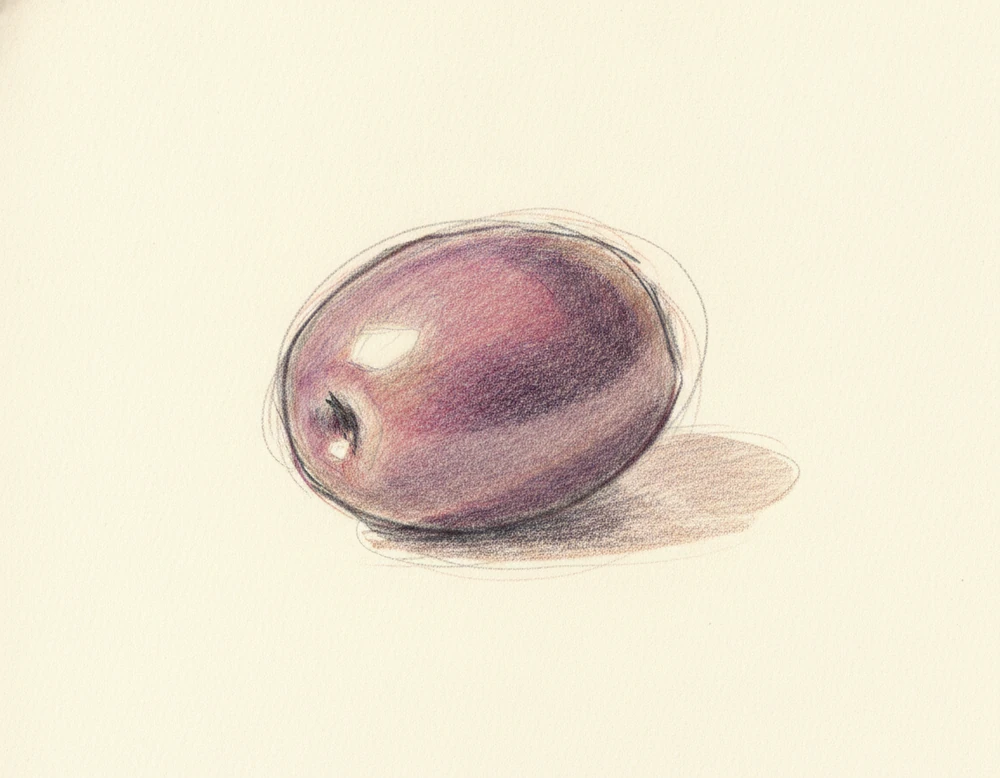
A spheroidal table olive of intense pink to violet, at least 12 mm across and no more than 410 fruit to the kilo, with a flesh-to-stone ratio of at least 3. The flesh must come away from the stone cleanly and completely.
Olives cover 80 percent of the arable land in the hills of the Matera country, and the usual cultivar is the Majatica, whose drupes are large with small stones for the amount of flesh, which is exactly what baking them requires.
The name is the curing. Before they could be eaten the olives had to be ndosse, softened with lye and then with clean water, as the linguist Gennaro Finamore explained in his Abruzzese dictionary of 1880. The fruit is oval with a small point at the base, medium-sized, 3 to 4 grams.
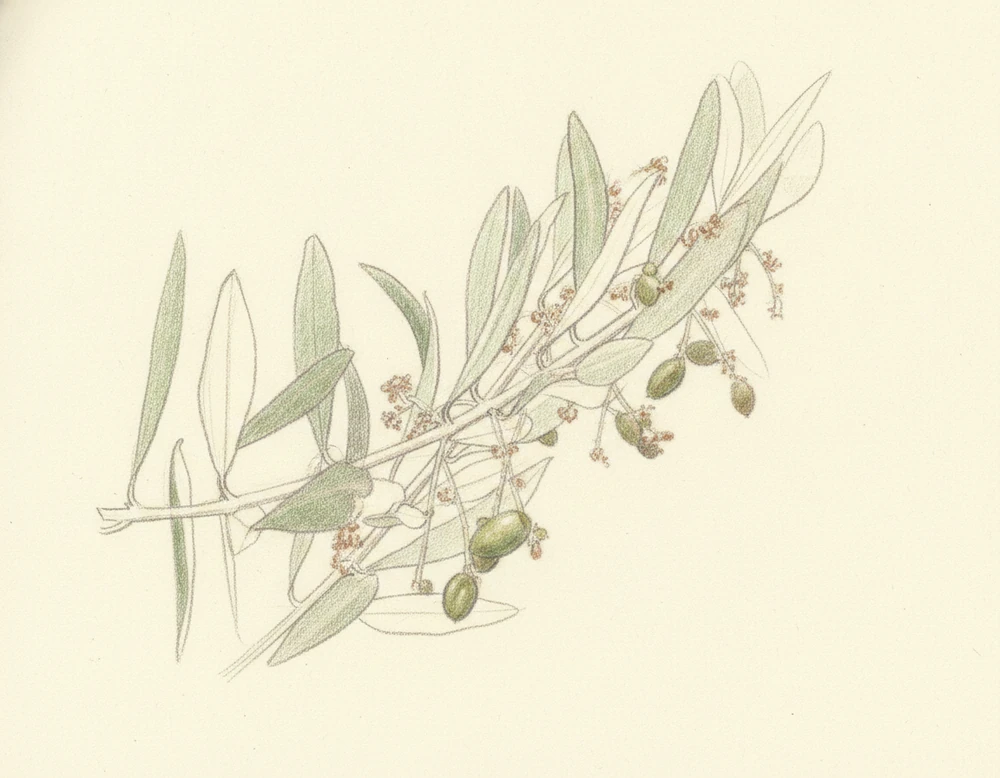
A rare old Sicilian olive cultivar of the Nebrodi, concentrated in the Fitàlia valley and around Castell'Umberto and Sinagra. It accounts for roughly 90 per cent of the groves higher in those hills, and stands up to bad weather better than the Santagatese.
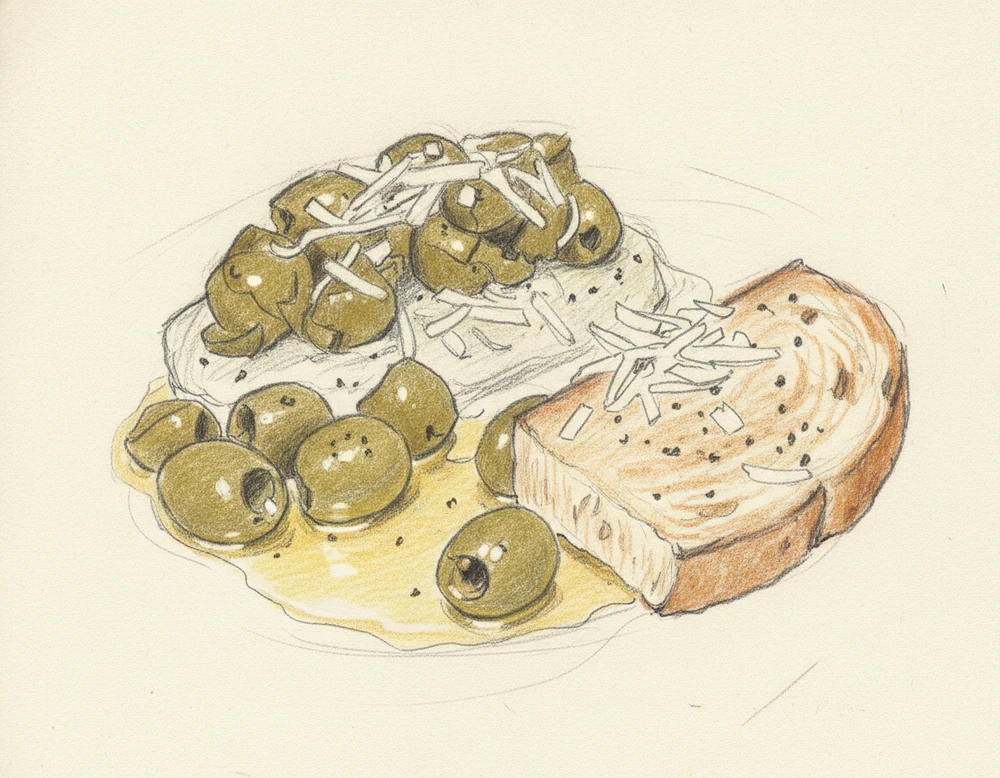
Olives made only from fruit that is fleshy but not yet ripening, cracked one at a time with a sea stone and patiently stoned.
The name is the Arabic zaytūna, and the Zaituna is widely held to be the first olive cultivated in Sicily. It grows only on the hills above the Gulf of Syracuse, in a landscape that documents itself: rock-cut presses from the late Bronze Age, Hellenistic amphorae, centuries-old trees. The fruit is large, heart-shaped, deep green with paler highlights.
The small, sweet, brown-purple olive of the western Riviera, eaten in brine or pressed for the region's finest oil.
A native olive of Seravezza, and specifically of the Querceta plain, from which it spread along Versilia. That plain sits high enough that it escaped the waterlogging which took much of the Versilian coast, so its old groves survived; Pisa and Lucca fought over them, and Versilian oil mattered enough to Pisan trade with the Arab world to pass almost as currency. The tree is vigorous and upright with drooping young wood and long, narrow, glossy leaves; the olives are small, oval and slightly pointed.
An alpine cow's-milk cheese from the Ossola valleys. Cylindrical with a straight or slightly convex heel, 6.0 to 7.0 kg, or 5.0 to 6.0 kg for the d'Alpe mention, 6 to 9 cm deep and 29 to 32 cm across.
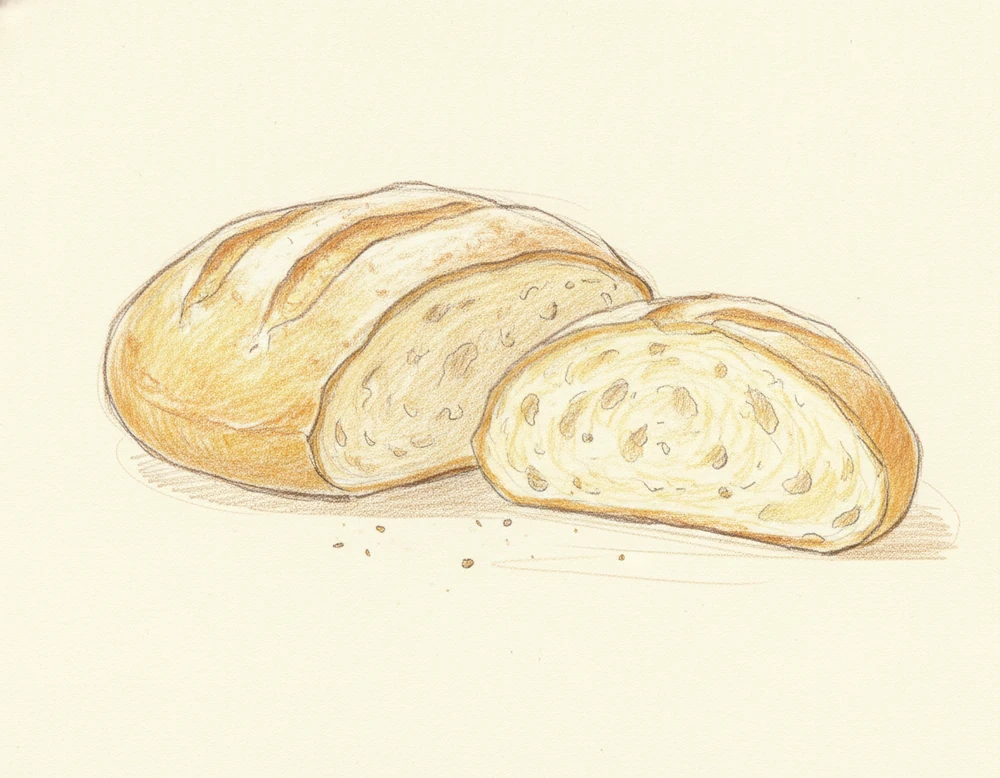
A round durum-wheat loaf from the Dittaino valley, 500 to 1,100 g, also sold as a sliced half. The crust is 3 to 4 mm thick and moderately firm; the crumb is pale yellow with a fine, compact, even structure.
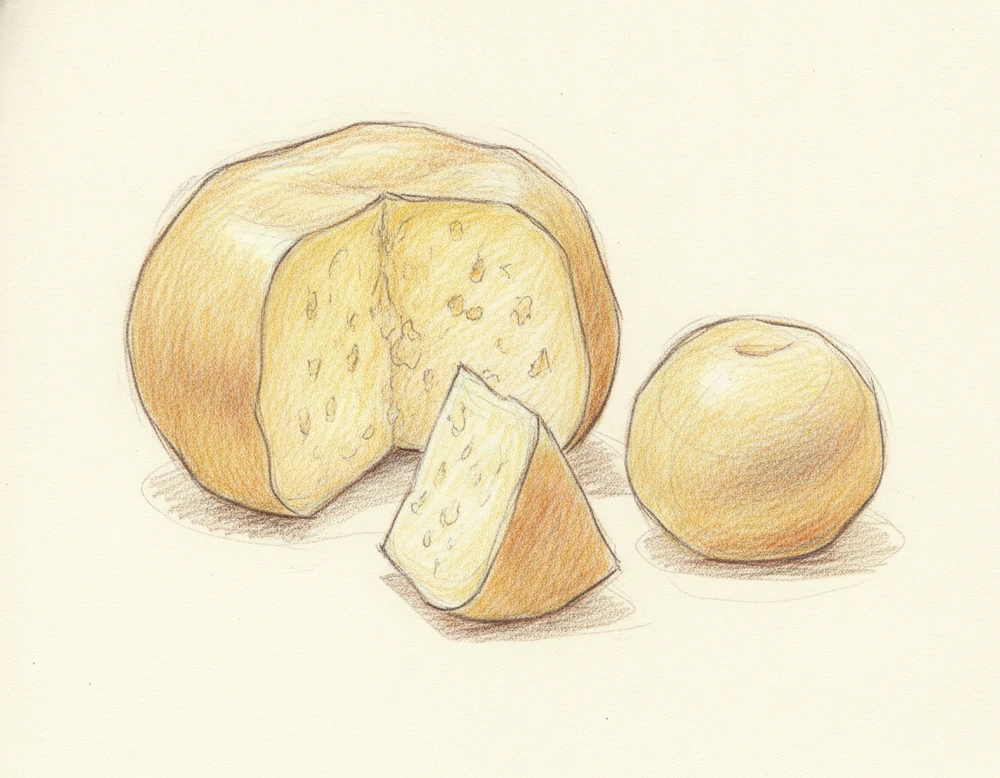
A semi-hard pasta-filata cow's-milk cheese going back to the transhumance, when flocks and herds of thousands moved along the Puglian drove roads. Gravina was one of the most important stops on those routes.
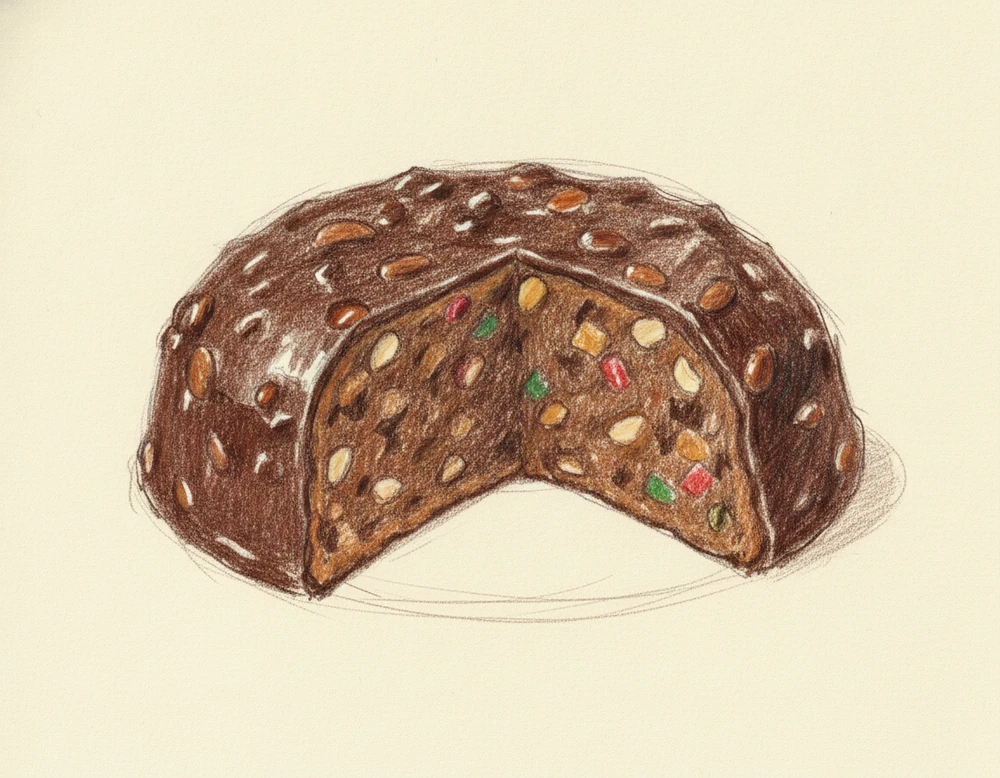
A domed Ferrara Christmas cake of flour, candied peel, nuts, sugar, cocoa and spices, coated in extra dark chocolate. Flat-bottomed and convex on top, glossy dark brown outside, and inside a compact, open crumb studded evenly with nuts and candied fruit.
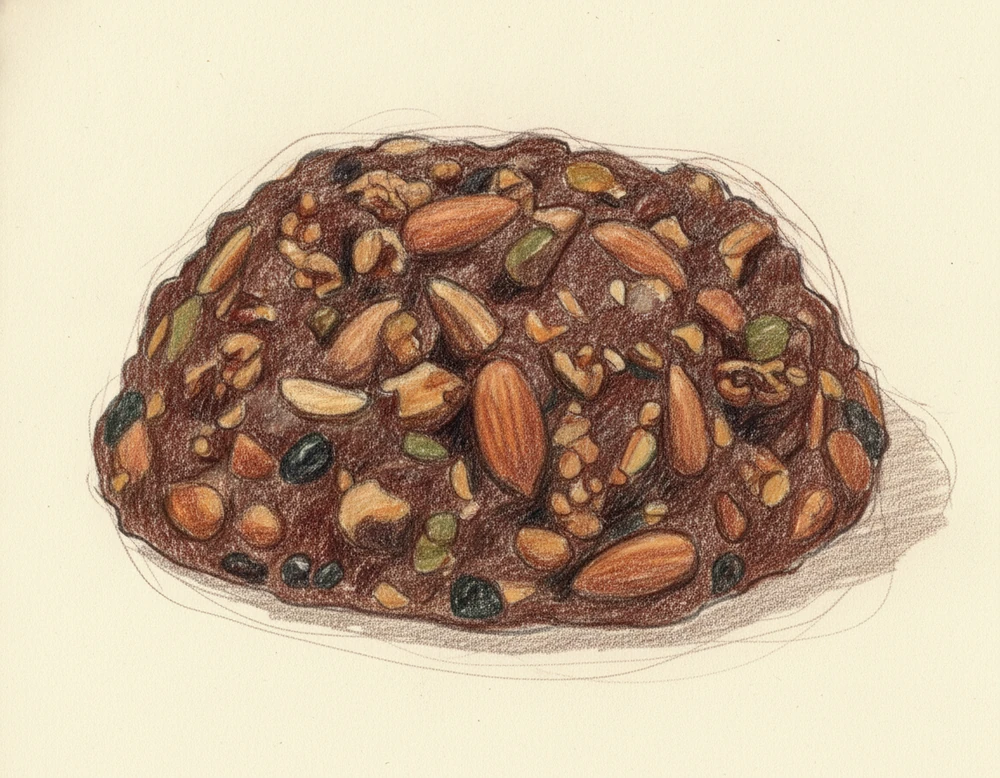
A dense Umbrian Christmas cake of nuts, chocolate, raisins, candied peel, bitter cocoa, honey, coffee, spices and flour.
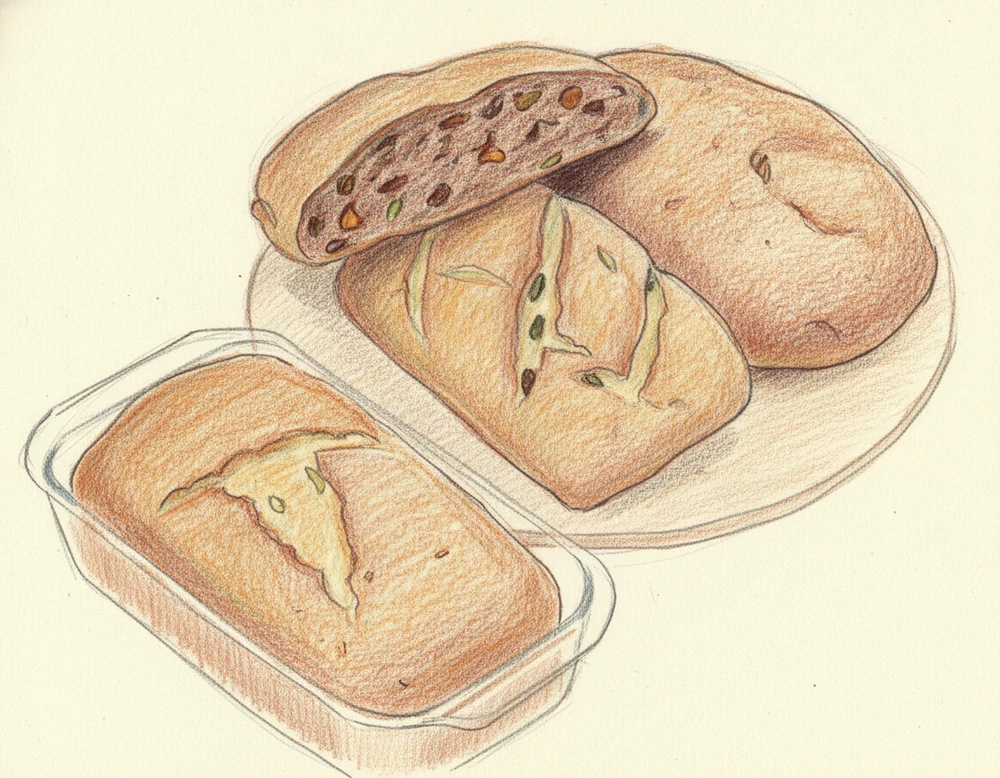
Anyone travelling from Italy into central Europe came through Gemona, and under the Habsburgs these valleys sent seasonal builders, artisans and skilled workers up to Vienna. They brought habits home, and pan di sorc is thought to be one of them: a sweet spiced bread made for feast days and above all at Christmas. Every family had its own version, always on maize flour (sorc in dialect) with rye and wheat and dried figs, usually raisins and fennel seed too.
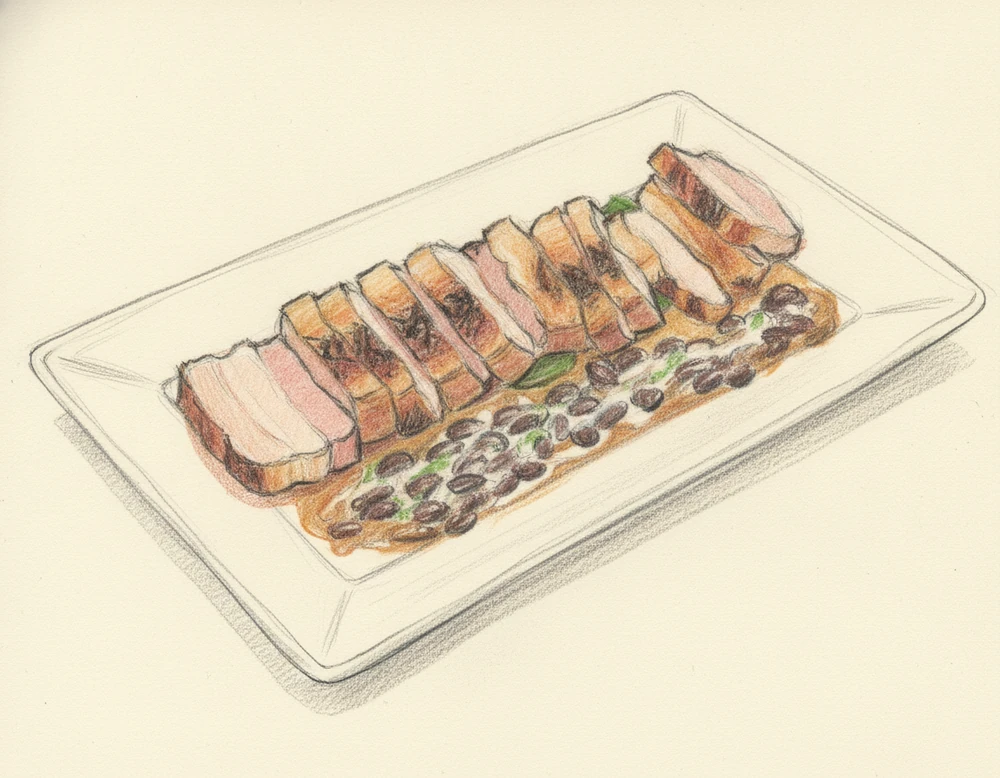
The cured belly of the Calabrian pork family, worked and matured entirely inside the region alongside Capocollo, Salsiccia and Soppressata di Calabria.
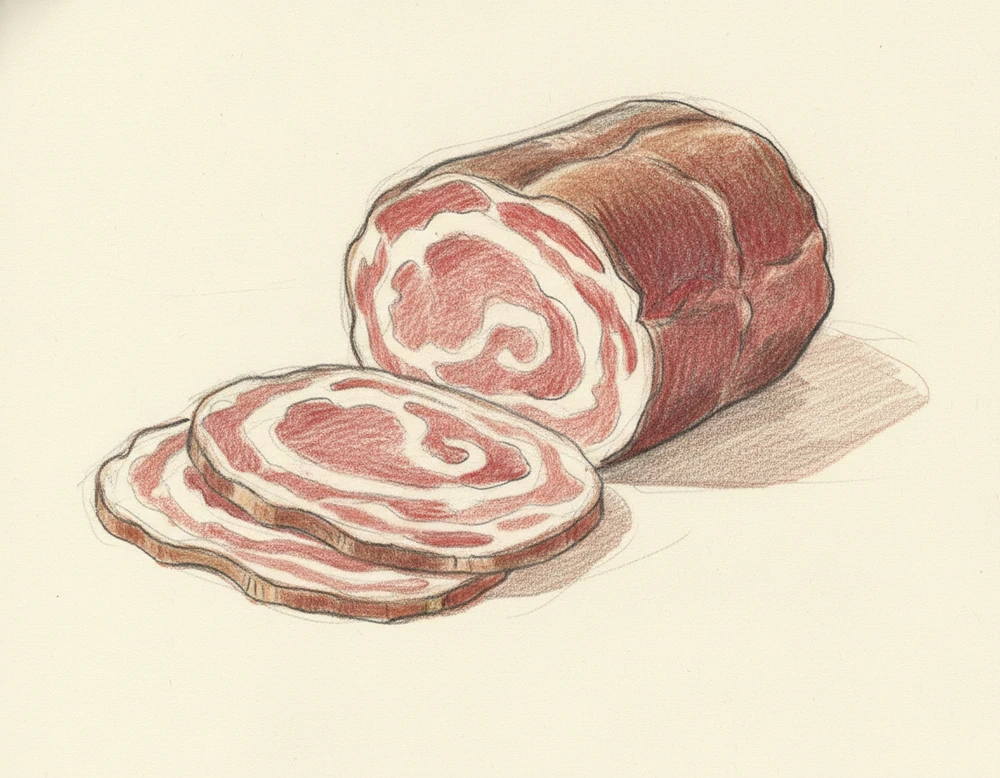
The salted, rolled and matured belly of the same Piacenza pig tradition that gives Coppa and Salame Piacentino. It cures into a cylinder of 4 to 8 kg whose slice is a vivid red laced with the white of the fat, sweet and savoury rather than sharp.
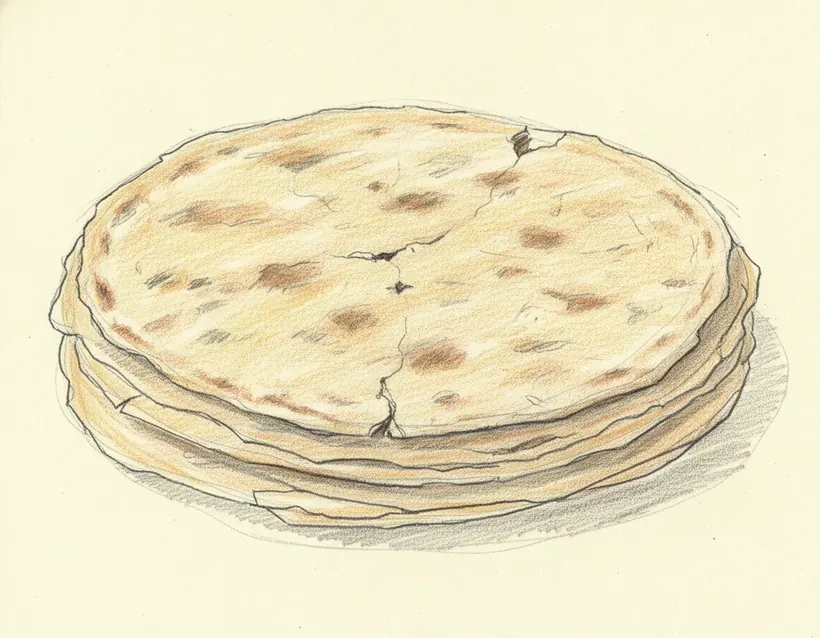
The shepherd's paper-thin, brittle crisp-bread baked twice into wafer-like golden sheets that keep for months, 'carta da musica'.
A large sourdough loaf from Genzano in the Castelli Romani, made from top-quality type 0 or 00 flour, natural leaven, salt and water, with bran dusted on the crust and no chemical additions.
A tall, golden durum-wheat sourdough from Altamura with a thick crackling crust and a long-keeping amber crumb, baked in wood ovens since antiquity.
A tall durum-wheat sourdough loaf from Matera with a thick dark crust and a golden, long-keeping crumb, traditionally shaped like a high horn or cottage loaf.
A Garfagnana loaf that tastes less of potato than the name suggests. The potato makes it more savoury than plain Tuscan bread, and softer, and it keeps far longer.
Bread from Saragolla, an heirloom durum wheat still grown inland in the Sannio. It reached Italy from the Middle East around 400 AD with arrivals from what is now Bulgaria, and the name comes from that language: sarga for seed and golyo for yellow.
The unsalted 'sciocco' Tuscan bread with a crisp crust and open crumb, made to carry salty salumi and to thicken soups.
The 19th-century stone ovens are still part of the streetscape of the Alta Murgia: very tall hoods, peels with absurdly long handles, and room for 300 kilos of bread at a time. The loaf is the wide-brimmed hat shape the dialect calls skuanete, under a golden crust.
The medieval Sienese cake: flour, candied fruit, nuts, a mix of sugars, honey and spices, baked dense and flat. It comes in a white version dusted with icing sugar and a black version finished with spices.
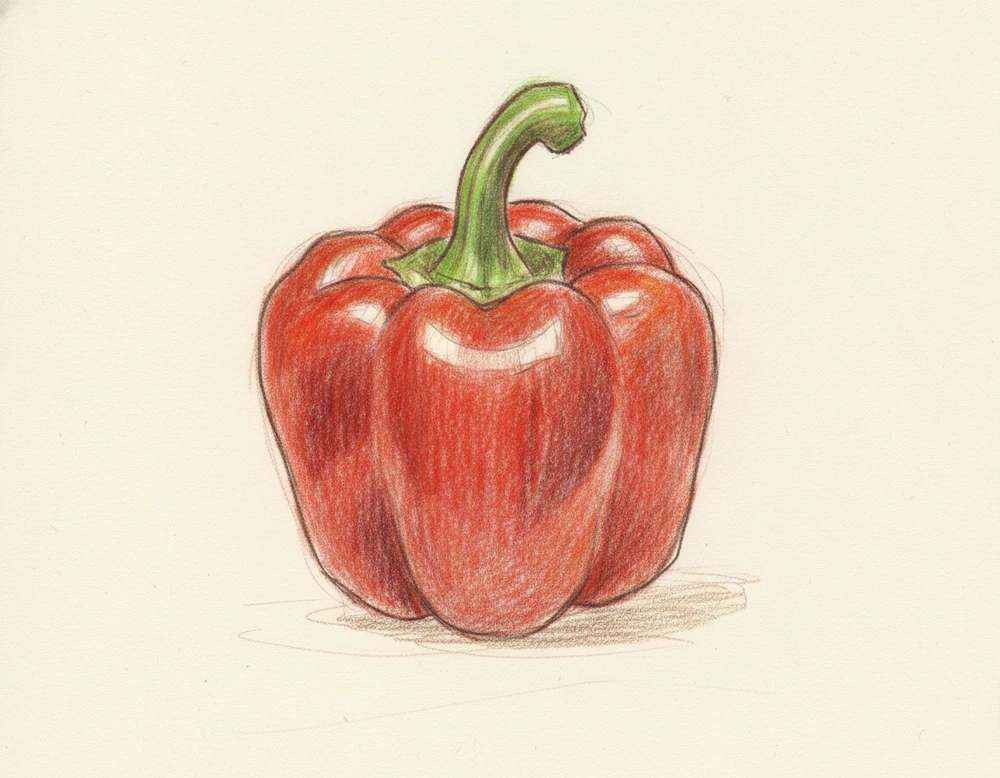
A small ribbed pepper, slightly squat, either bright yellow shading to green or dark red shading to green. Naples market stalls fill with peppers from July to the first cold, but only Neapolitans reliably tell the true papaccella from the common hybrids.
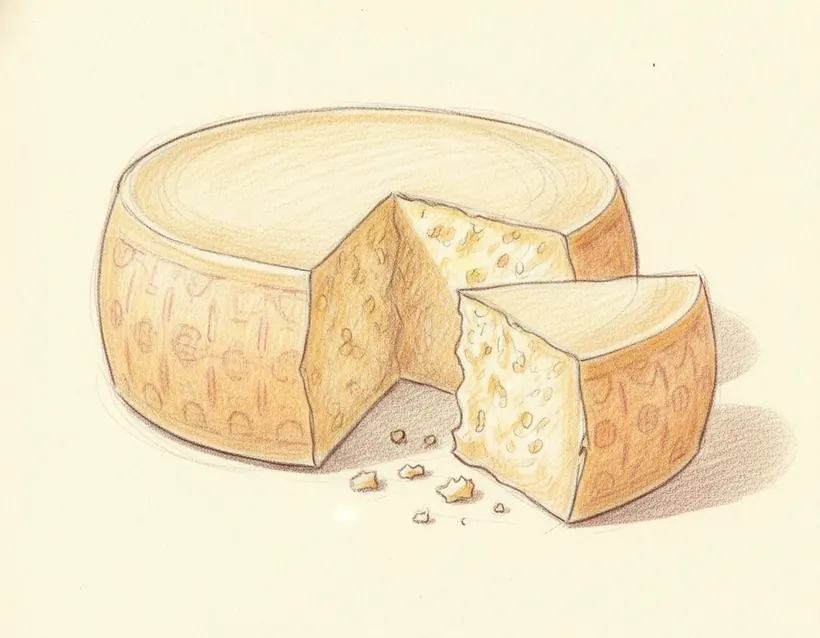
The 'king of cheeses', a hard, granular cow's-milk cheese aged one to three-plus years in vast drums, made only from raw evening-and-morning milk within a strictly bounded zone.
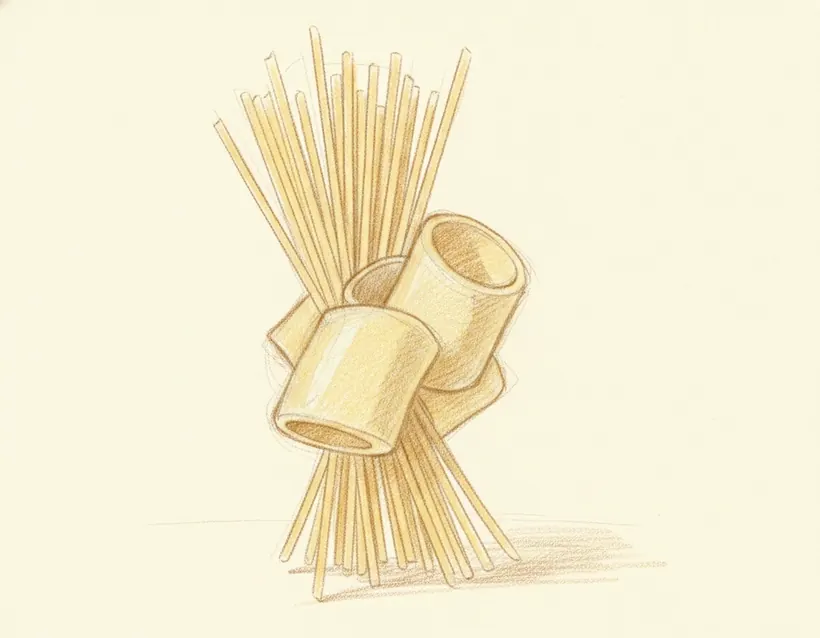
Bronze-die durum pasta slow-dried in the sea air of Gragnano since the 1500s, its rough surface made to grip sauce.
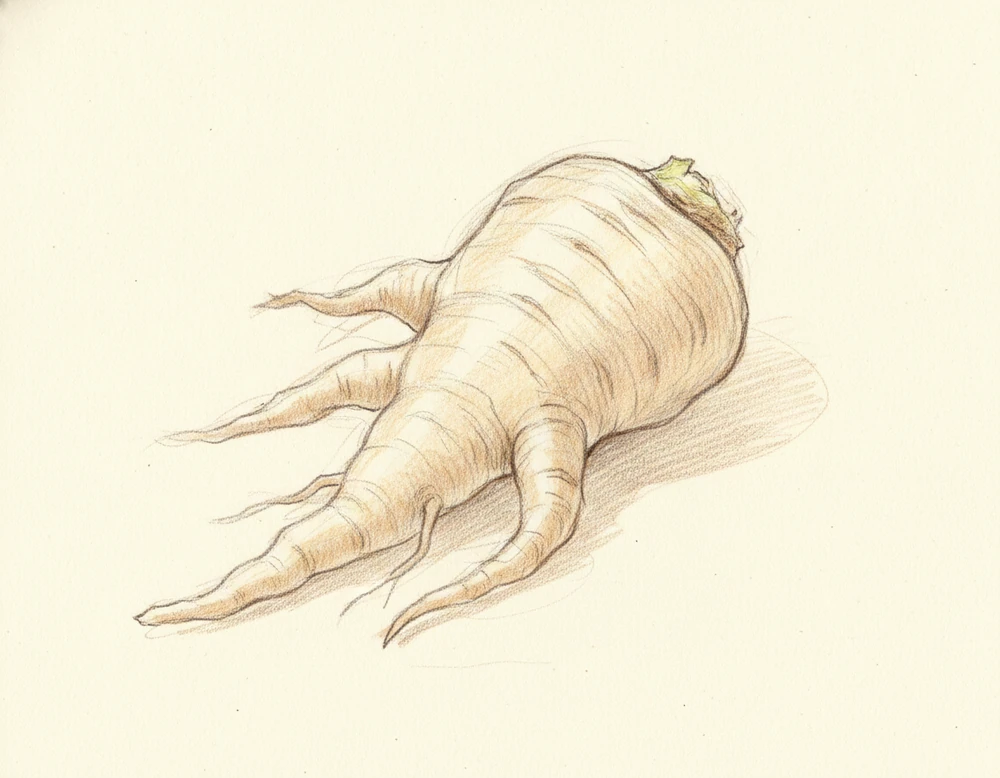
A root like a carrot but creamy white and branching in a way that recalls ginger. It is a local ecotype settled into the soil and weather of Capitignano, at 900 metres in the highest part of the Aterno valley northwest of L'Aquila on the Lazio border, partly within the Gran Sasso and Monti della Laga park.
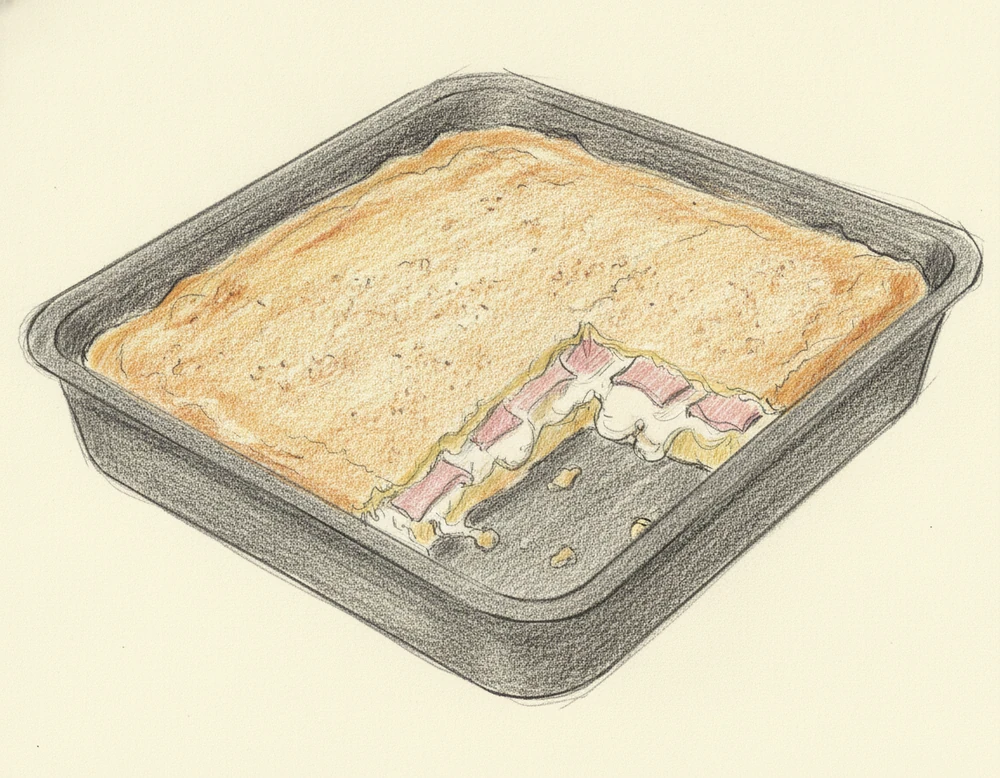
Mature potatoes grown from seed tubers of varieties in the common EU catalogue, planted, grown and lifted entirely on the drained bed of the former Lake Fucino.
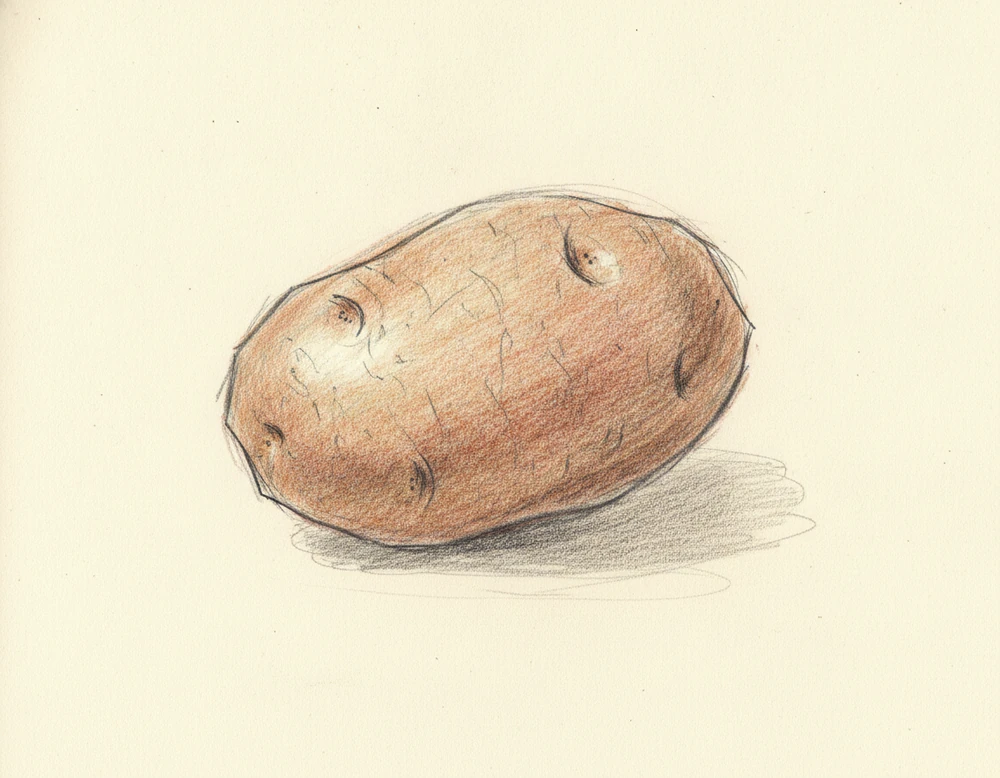
Mature Solanum tuberosum tubers grown in the volcanic Alto Viterbese from seed potatoes of varieties registered in the common EU catalogue. The shape is regular oval to elongated oval.
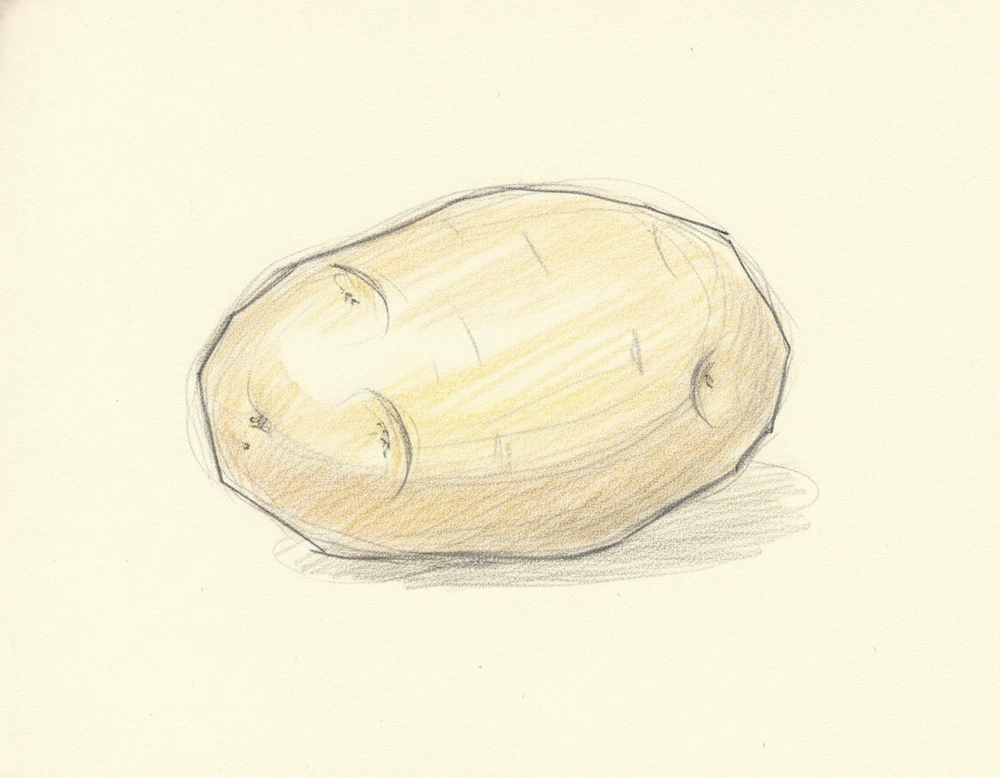
A single-variety DOP: only Primura qualifies. The tuber is oval-elongated and regular, with firm flesh from white to straw-yellow and a smooth, characteristically pale skin that comes from the soils it grows in.
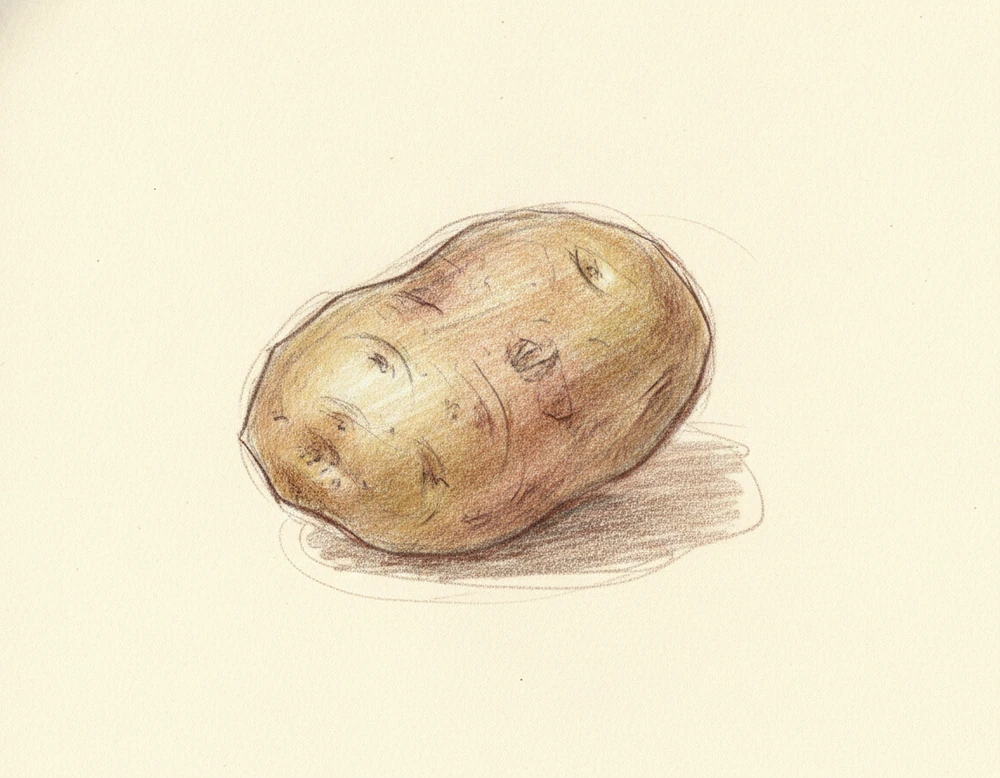
Potatoes belong to mountain farming although they have not been there long. They reached Europe from the Americas at the start of the 16th century and spread into the mountains slowly and with difficulty, for all their hardiness and food value. The Valle d'Aosta began growing them towards the end of the 18th century, probably through trade with Piedmont, but not at any scale until 1817, when a bad famine drove people to them. The fresh, free-draining, mineral-rich soil and the wide swing between day and night temperatures suit them exactly.
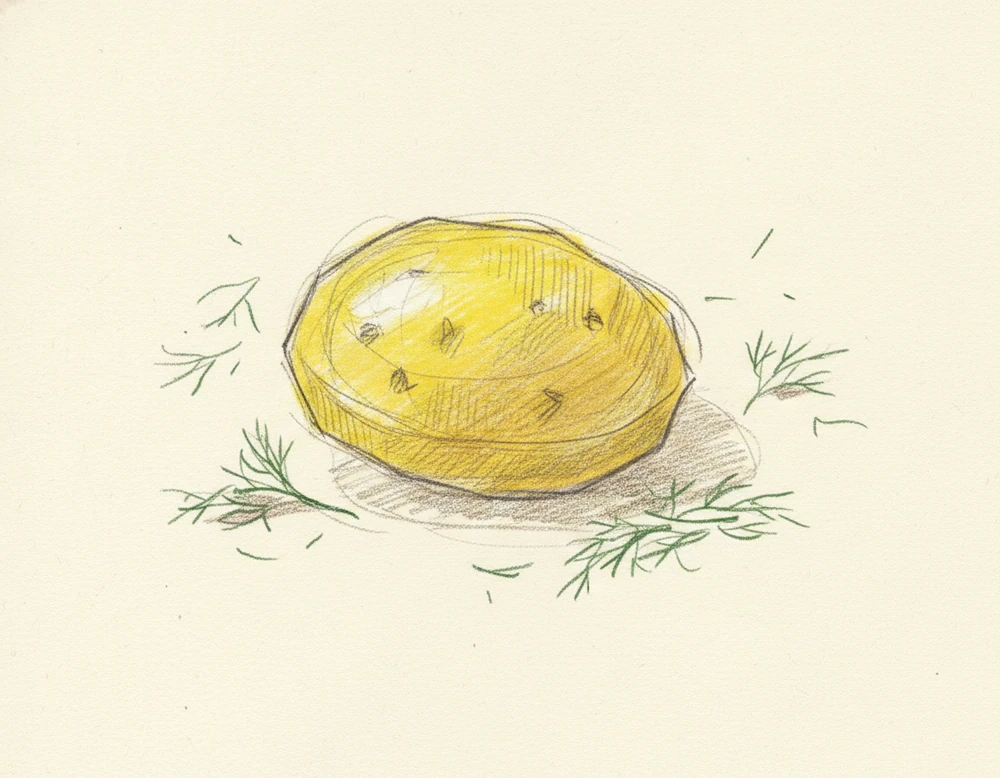
A single-variety DOP: only Sieglinde tubers qualify. The skin is an intense, brilliant yellow, and being a new potato it is lifted before the skin sets.
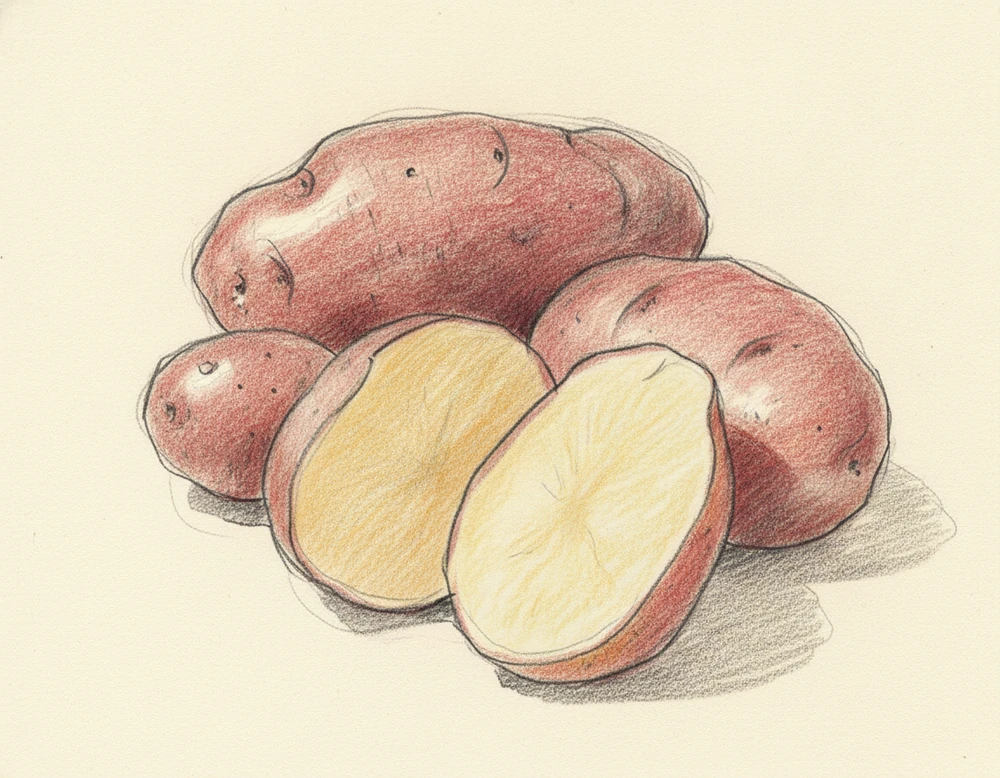
Mature Solanum tuberosum tubers grown on the Colfiorito plateau from basic seed varieties listed in the national variety registers of EU member states.
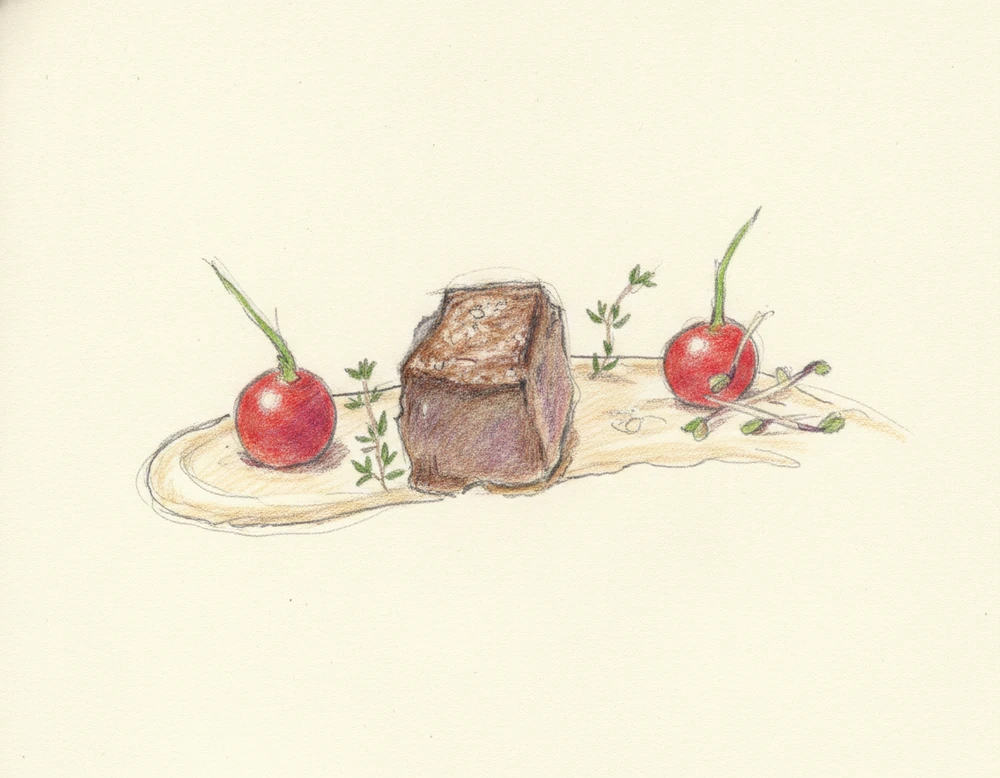
Turca, Turchesa, Turchesca: the names for this purple mountain potato go back to the late 1700s and all say foreign, the way granoturco does for maize, another crop that came from a long way off. Like maize it was wealth: it would grow above 1,600 metres, it stored easily, and it could be eaten or bartered for other staples. In some villages in the mountains above L'Aquila the caves and cellars near the houses were given over to keeping it.
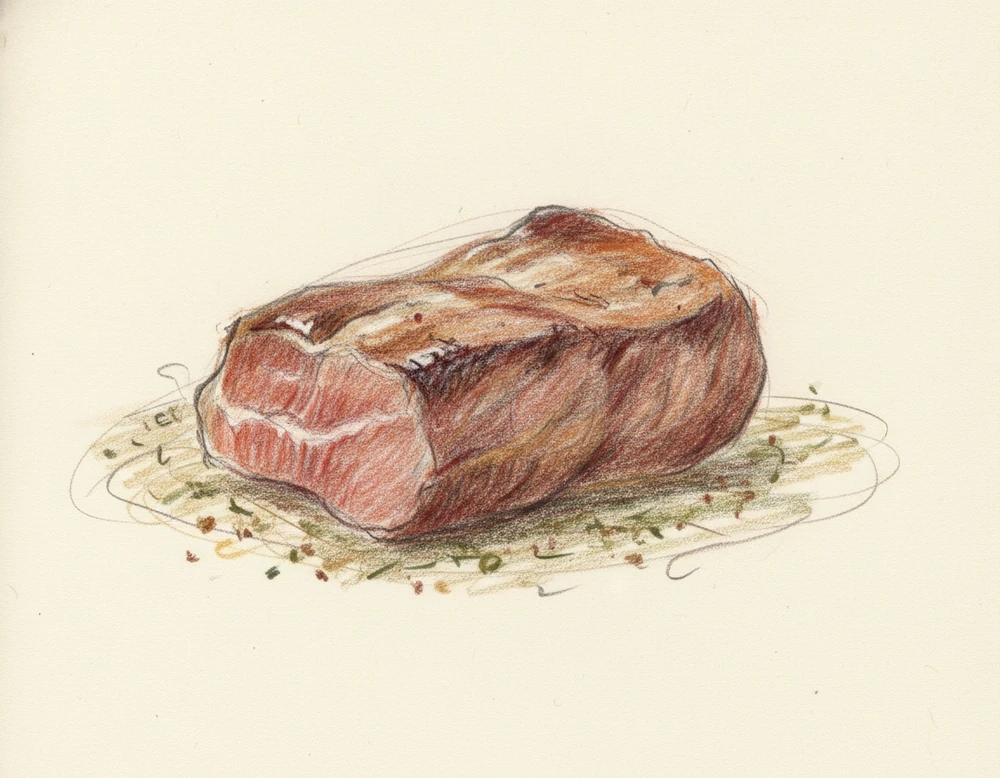
A native sheep once common across the Murgia and part of the Salento, above all around Altamura, now within the Alta Murgia national park. The landscape there is studded with old fortified farmhouses that housed the folds.
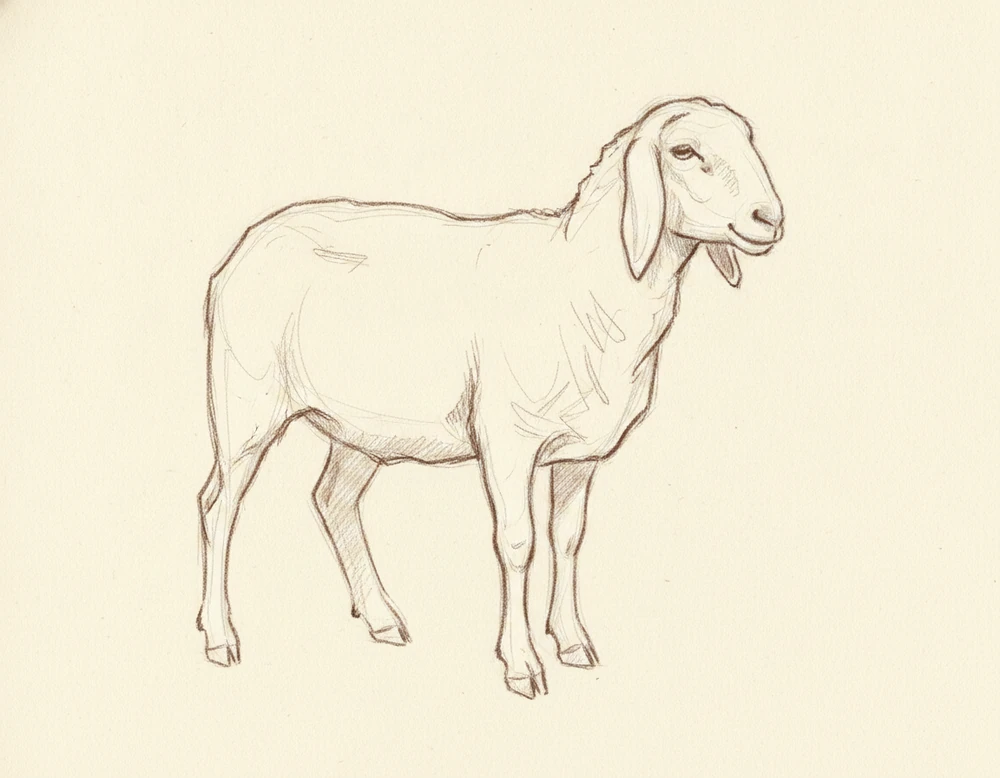
The Brianza is lake country running up to the Prealps with no great sweep of pasture, so its sheep grazed the margins, steep and often terraced ground, and in doing so held back the broadleaf wood that would otherwise have closed over it. The Brianzola is one of the big alpine meat breeds: tall, rams to 100 kilos and ewes to 80, convex profile, hornless in both sexes, thin drooping ears, an unspotted white fleece of medium-fine wool that shortens to a bright coat on the head, throat, belly and legs. It was simply the razza locale or nostrana until the 1930s, when the name Brianzola first appears in the Como provincial agricultural bulletins.
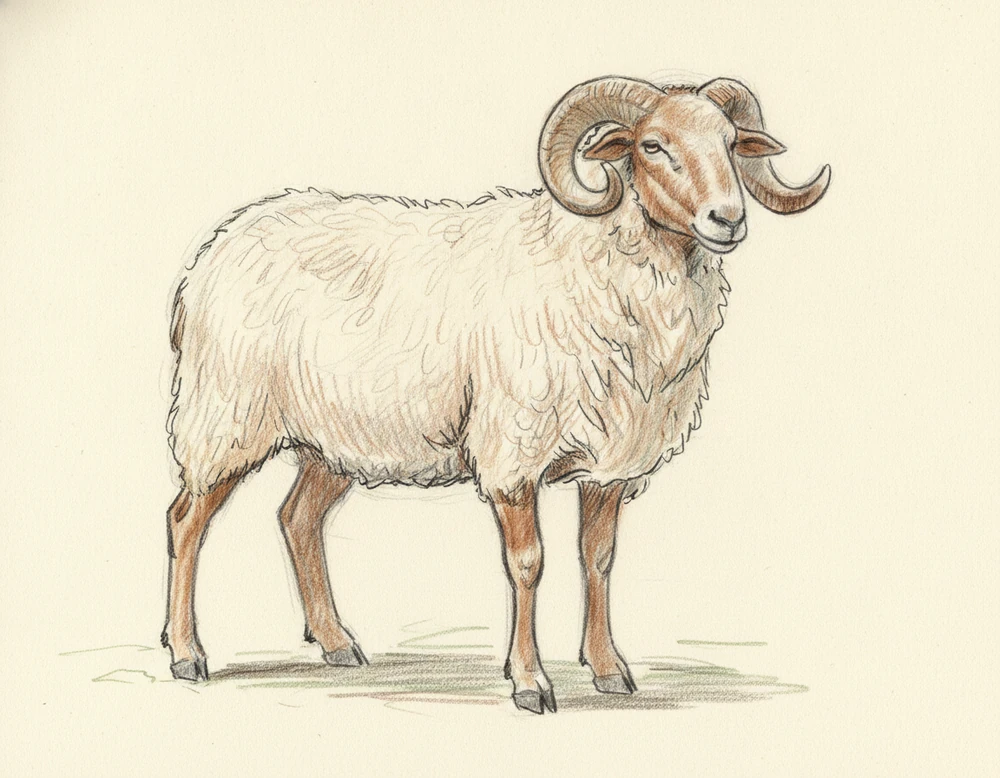
Kept for centuries on the Lessinia pastures, part of them now inside the Monti Lessini regional park. Sheep have been here since the Neolithic, but it was the arrival of the Cimbri in the 14th century, settlers of Bavarian and Tyrolean origin, that cleared the mountains and made herding serious. Between the 14th and 15th centuries Verona's woollen cloth went as far as northern Europe against the wool of Flanders and England, and the city still carries the traces: the Capitello dell'Agnello, whose column holds a sheep much like a Brogna, emblem of the Arte della Lana, and the Sgarzarie loggia where the cloth was sold. From the 16th century silk undercut the wool trade.
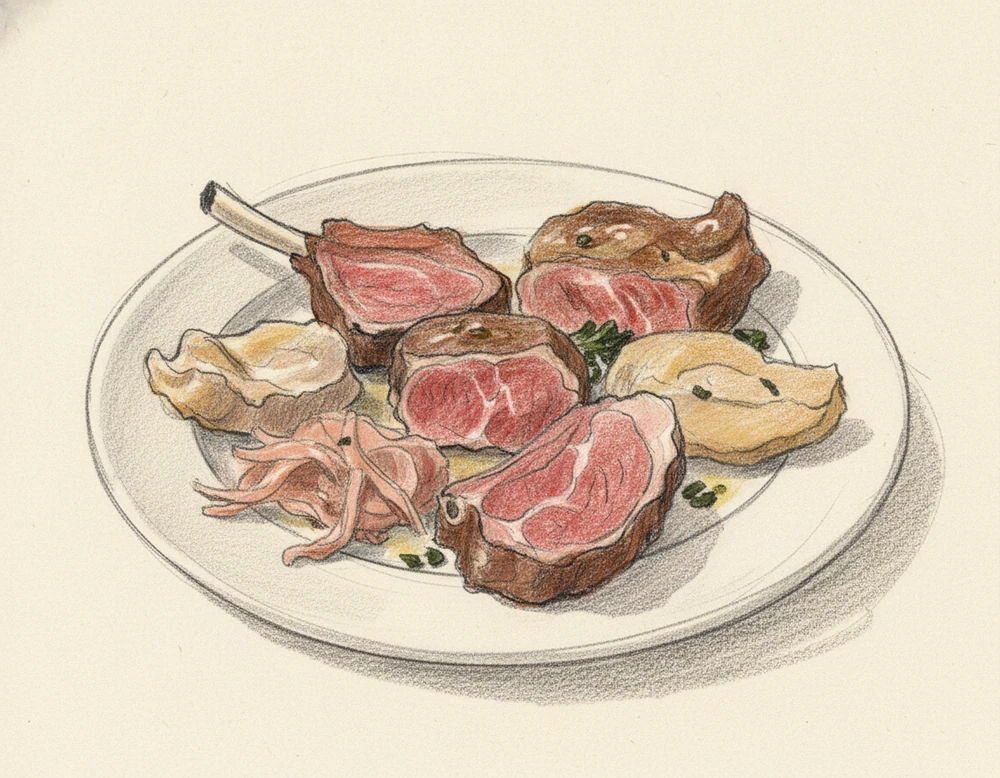
The kraška ovca, the sheep of the Karst plateau between Trieste and Istria, kept by Karst shepherds until the Second World War. Its country is the gmajna, a word out of the German Gemeinde that says what the place is: common land, still partly run through the collective Comunelle. The dry limestone meadows there are a half-natural habitat that centuries of sheep and goats made, and which is now closing over with scrub as the grazing goes.
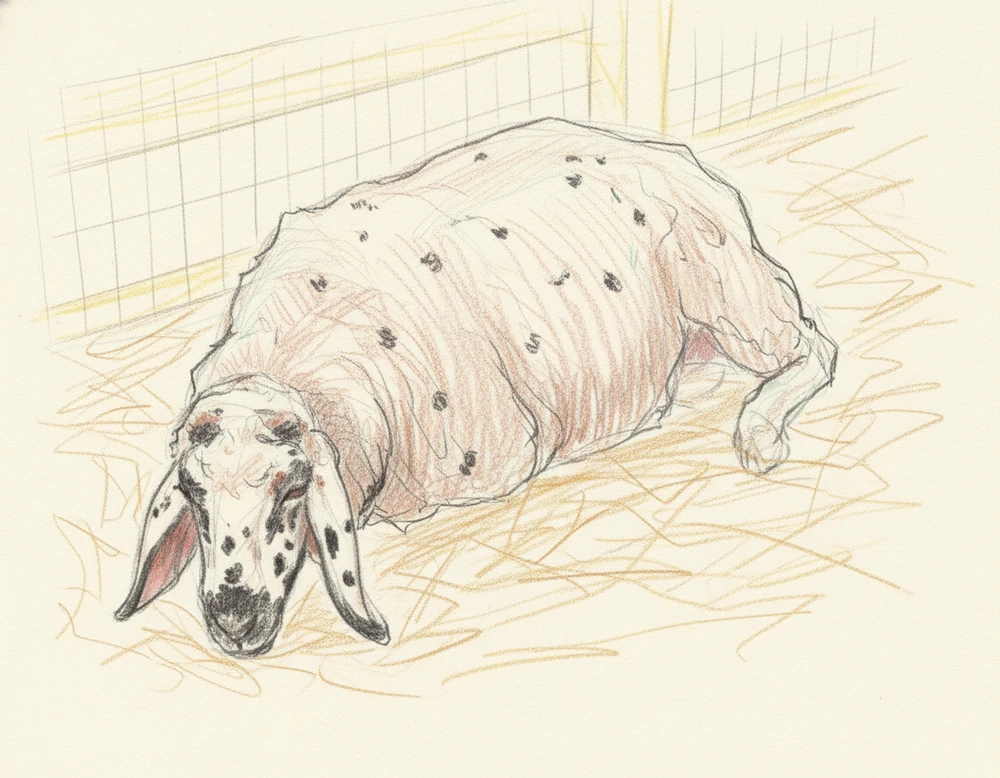
Named for Corniglio in the Apennines above Parma, where it has been kept for centuries. A big sheep, rams over 100 kilos, hornless in both sexes, with long wide ears hanging either side of the face and a white, sometimes spotted fleece that carries on to the belly, the upper limbs and the forehead, the head and feet flecked black. It was made in the middle of the 18th century, when the Bourbon dukes of Parma and Piacenza ordered the local sheep crossed with Spanish Merinos for better wool, and crossed again with Bergamasca rams early in the 20th century for meat.
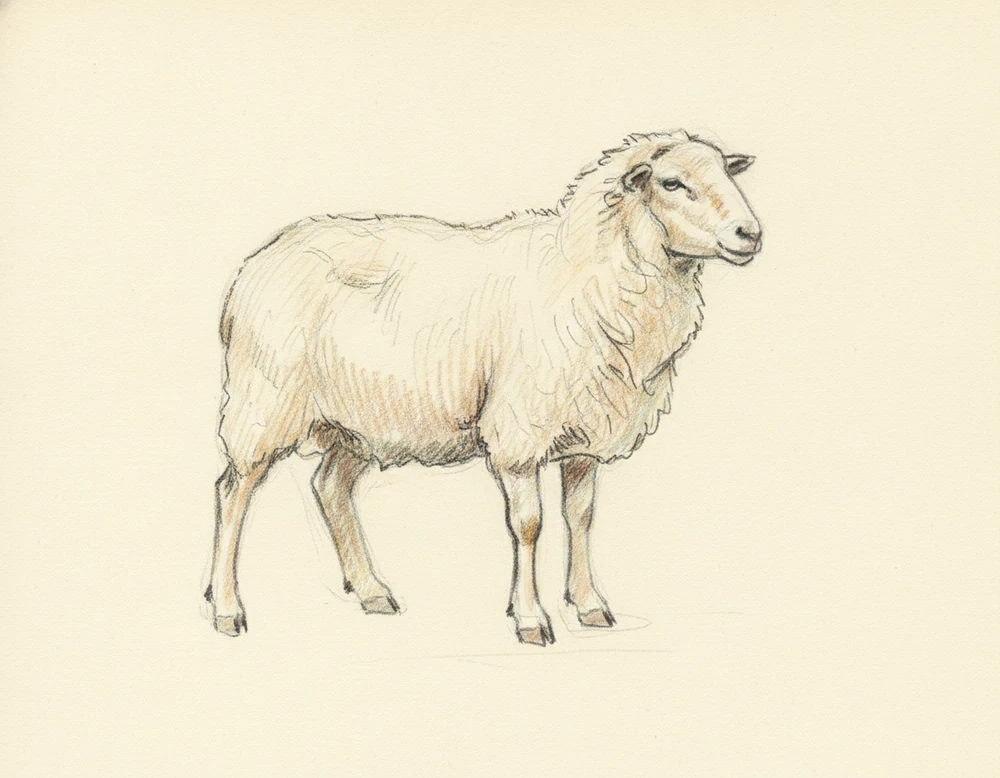
The Val Senales runs from the vineyards at its mouth up to the Ötztal Alps and the Giogo Alto glacier at 3,200 metres. Ötzi came out of that ice, 5,300 years old, and the flocks still cross the highest ridge on the old transhumance, so shepherds have clearly been here a very long time; the col of Ganglegg near Sluderno has yielded Bronze Age spindles from about 1200 BC and thousands of calcined sheep bones, probably from sacrifices. The breed descends from the Bergamasca and other natives, often crossed with the Slovenian Jezersko-Solčava of the Habsburg east. Medium-sized and white.
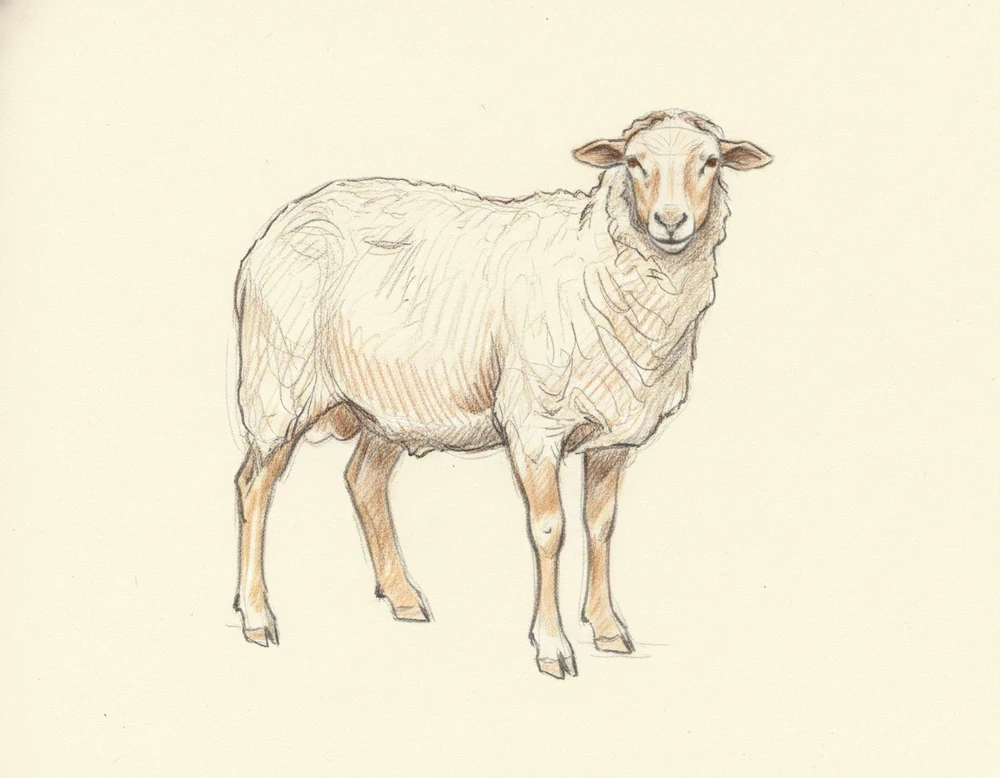
A sheep whose name is Latin latus and cauda, broad tail, and that is the first thing you notice: a wide tail that stores fat and water. The breed came out of crosses including the North African Barbary sheep with the local Appenninica.
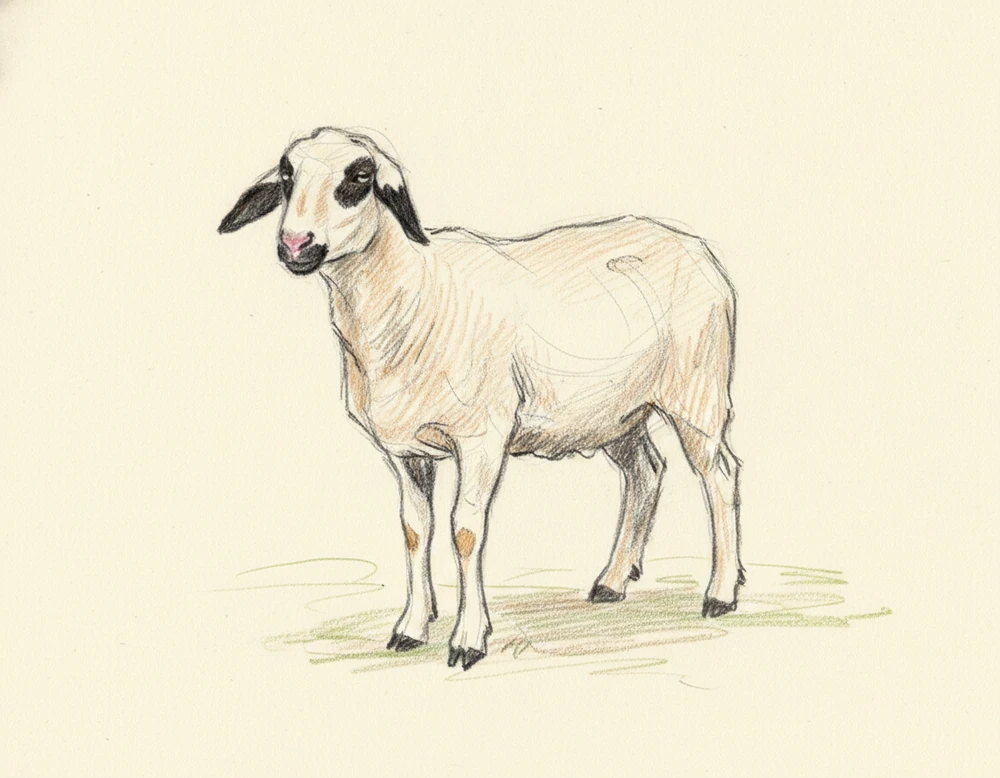
The spectacled sheep of the Villnöss, the oldest breed in Alto Adige, formed in the 18th century out of a local strain of the Austrian Kärntner Brillenschaf, itself a cross of the Alte Heimische Landschläge with the Bergamasca and the Paduaner Seidenschaf. The fleece is white, the eyes ringed black, and at least a third to half of each ear is black too. It was kept for meat and wool.
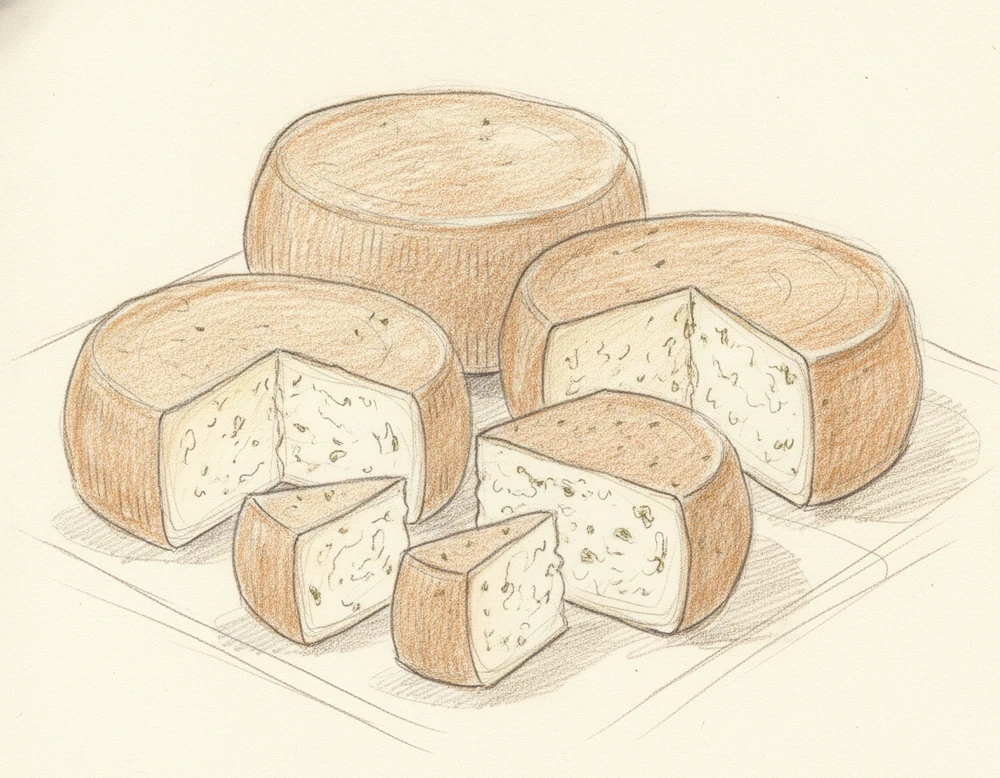
Grosseto's four rivers, the Fiora, Ombrone, Pecora and Albegna, cut the Maremma into as many plains, grazed since the Middle Ages and a winter destination for transhumant flocks from the 17th century. Siena taxed those pastures through the Dogana dei Paschi. Because the grazing was seasonal and settlement thin until the marshes were drained, the milk long went to make pecorino elsewhere, at Pienza or in the Casentino; only in the 20th century did the Maremma become Tuscany's main pecorino country.
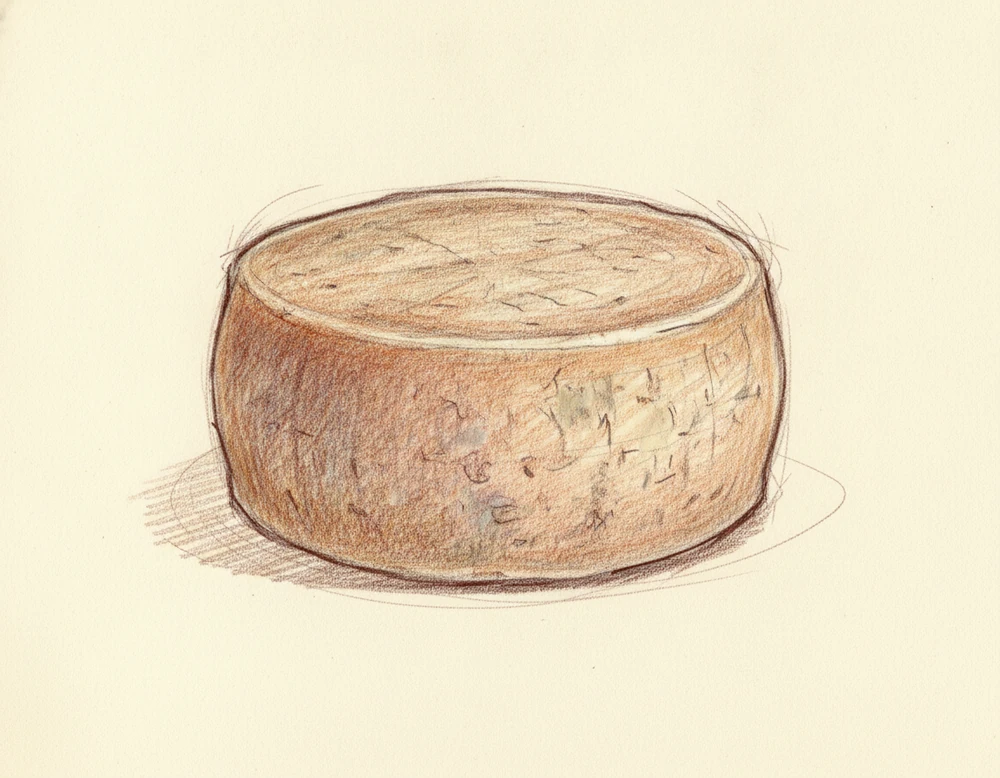
A cylindrical sheep cheese with flat or slightly convex faces and a straight to slightly convex heel, sold fresh, semi-hard and aged. Fresh wheels run 0.5 to 1.2 kg small and 1.3 to 3 kg medium.
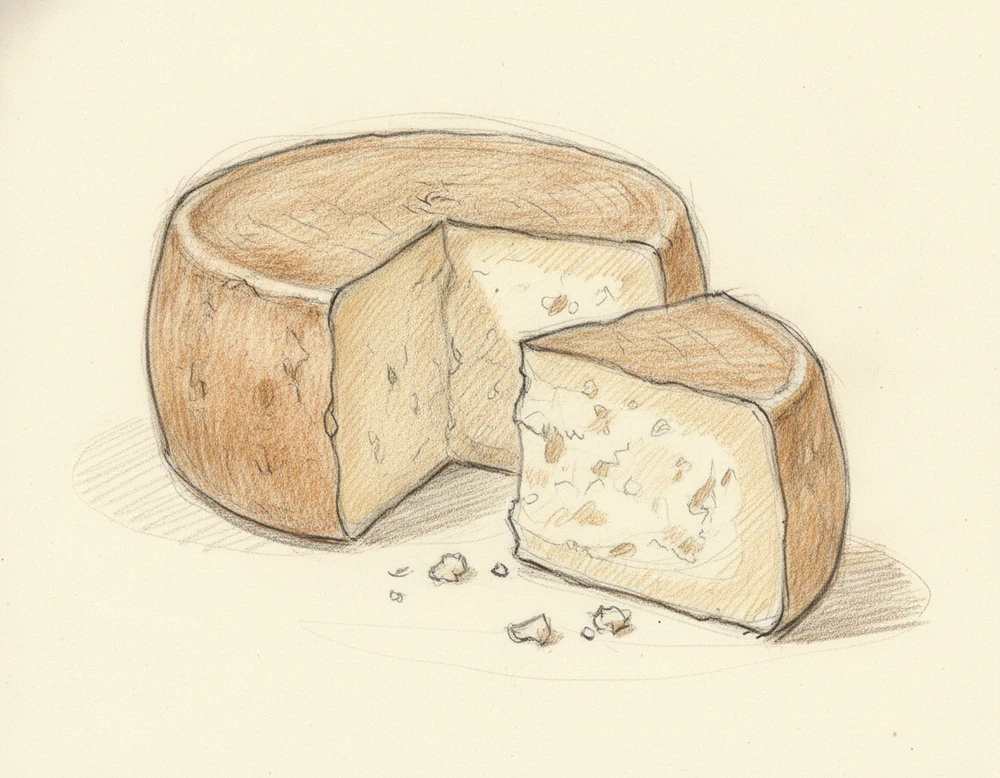
The Sibillini still show the marks of a serious pastoral world built on transhumance, though there are far fewer shepherds up there now. They were the ones who made the raw-milk pecorino.
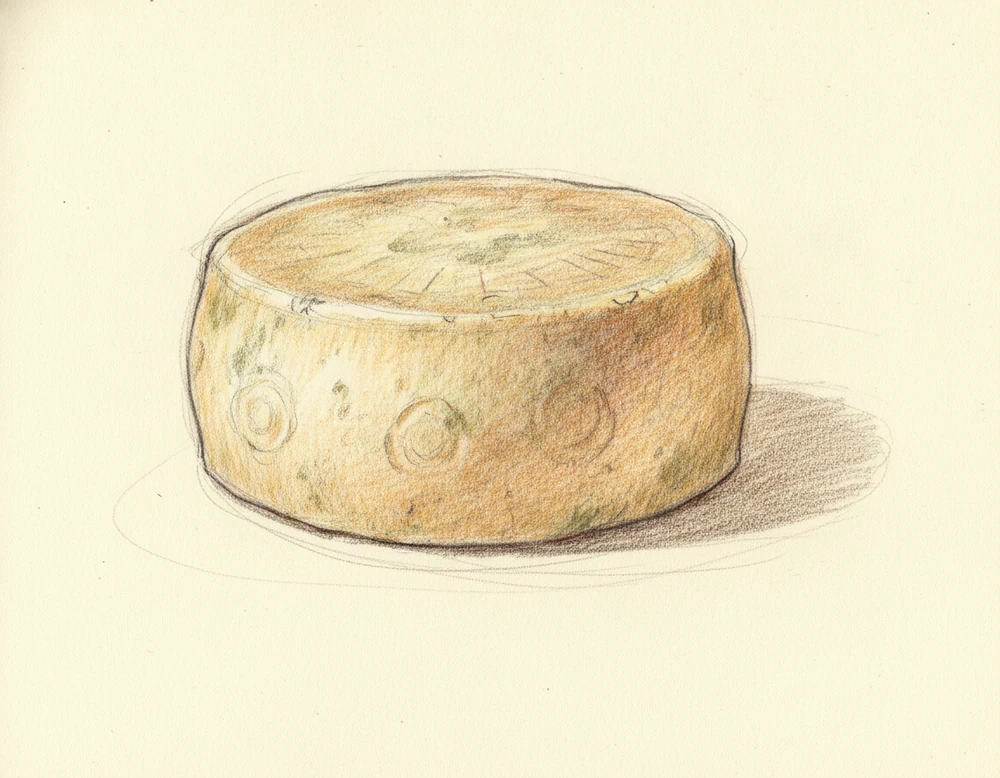
A sheep cheese from the Monte Poro plateau above the Tyrrhenian coast, sold at three ages: fresco kept 20 to 60 days, semistagionato 61 days to 6 months, and stagionato from 6 months up to 2 years.
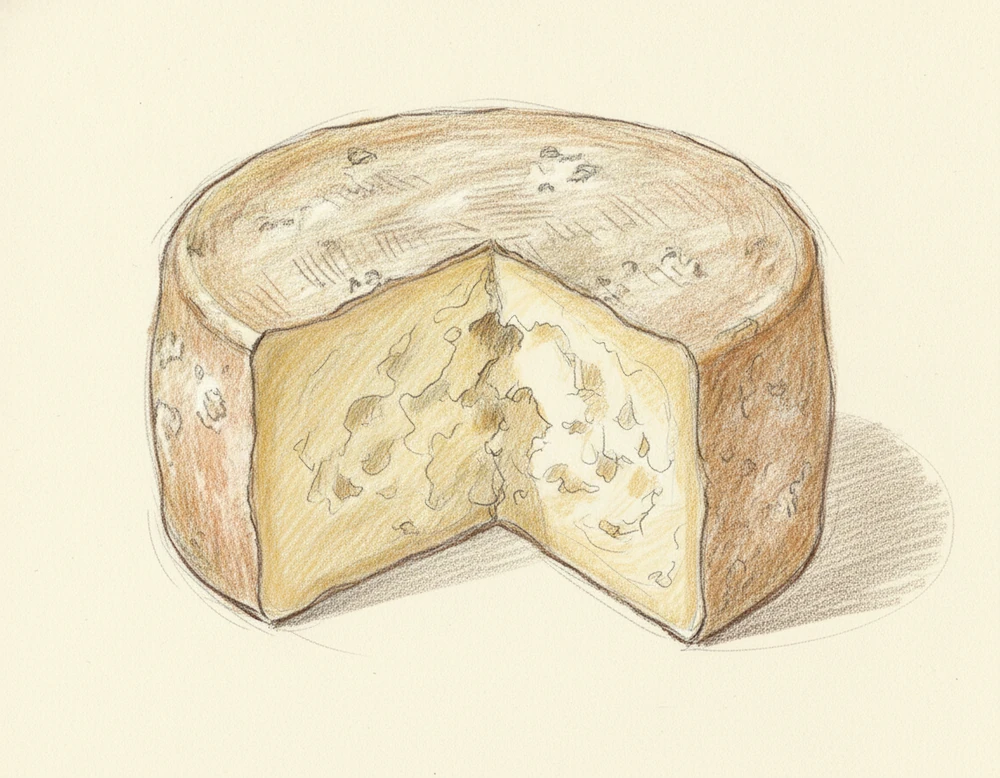
Thinly populated country in the northeast of the island, inside the Tepilora park, over a hundred thousand hectares of it, rising from 300 metres under the limestone of Monte Albo, which tops 1,000. It is heavily wooded and also carries wide pasture of mastic and strawberry tree, the Mediterranean scrub the sheep here eat; the ground has always suited grazing better than anything else. The cheese is a Sardinian pecorino of semi-cooked curd.
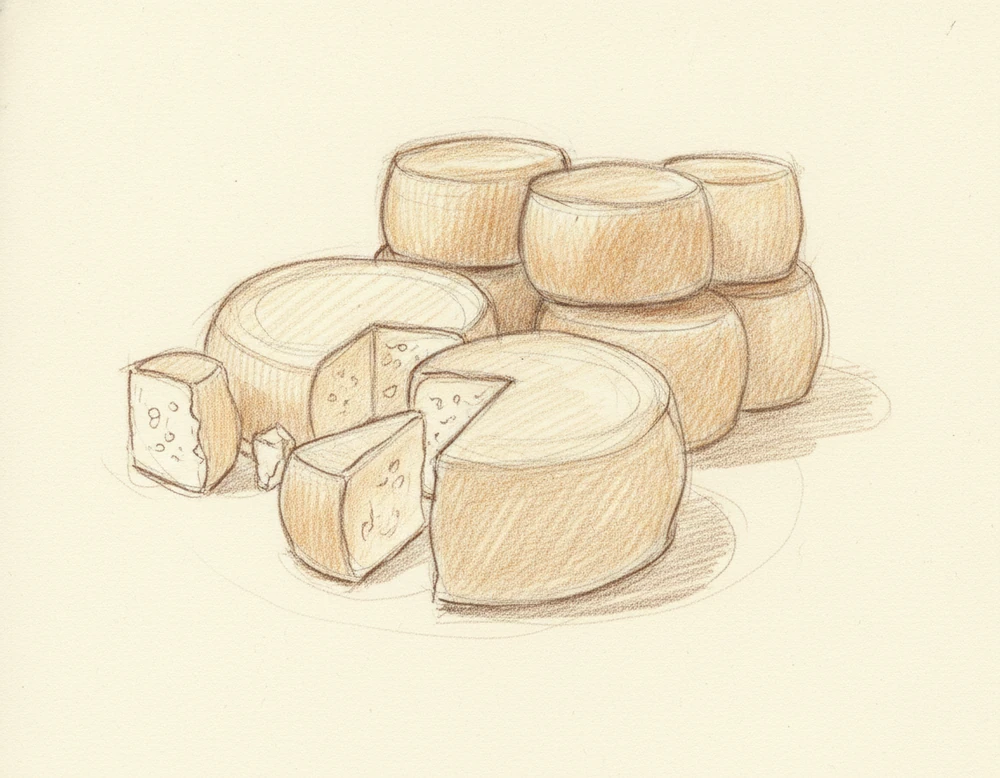
A handful of families in the mountains above Pistoia still make sheep's cheese as they did a century ago: mountain-meadow grazing, natural rennet and raw milk, which makes them rare in Tuscany. Their flocks are the black Massese, which lambs three times in two years, so milk runs all year and the same farms also turn out raviggiolo and ricotta.
A sheep cheese made exclusively with vegetable rennet, from the thistle, and whole raw ewe's milk from the eroded balze country around Volterra. It is sold at four ages: fresco, semistagionato, stagionato and da asserbo.
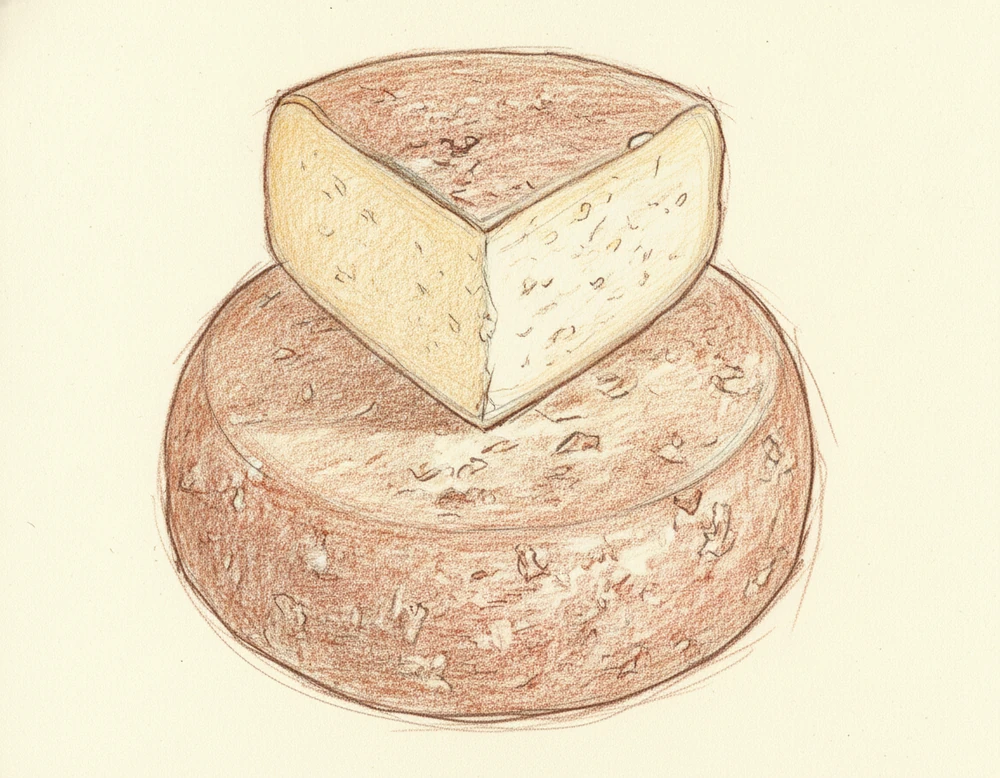
A sheep cheese from Carmasciano, a grazing area of roughly four kilometres' radius in the Ansanto valley of upper Irpinia. The pastures run down the south-facing slope from Monte Forcuso between 800 and 500 m, ground Virgil describes in the Aeneid.
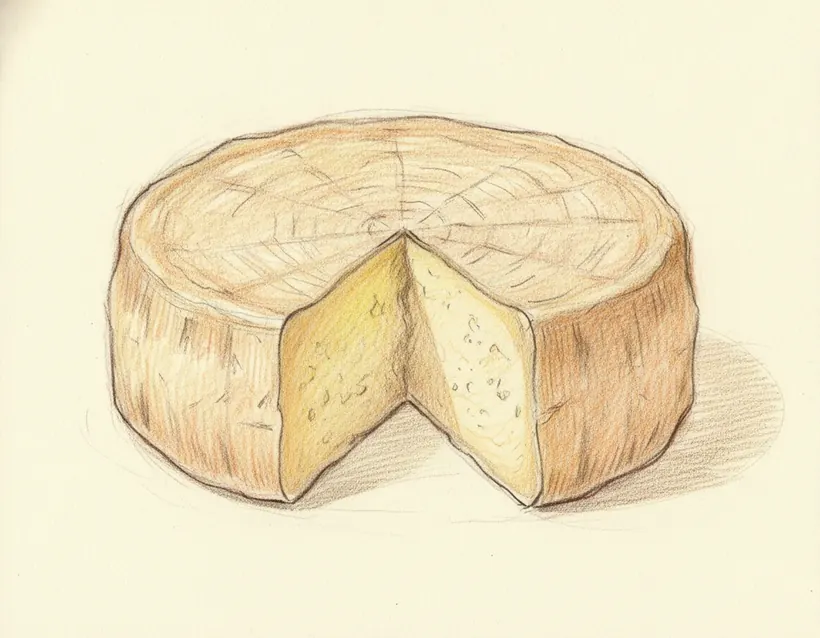
A rare pecorino from the Gran Sasso foothills, uniquely set with pork rennet and traditionally made by women; aged to a piquant, complex depth.
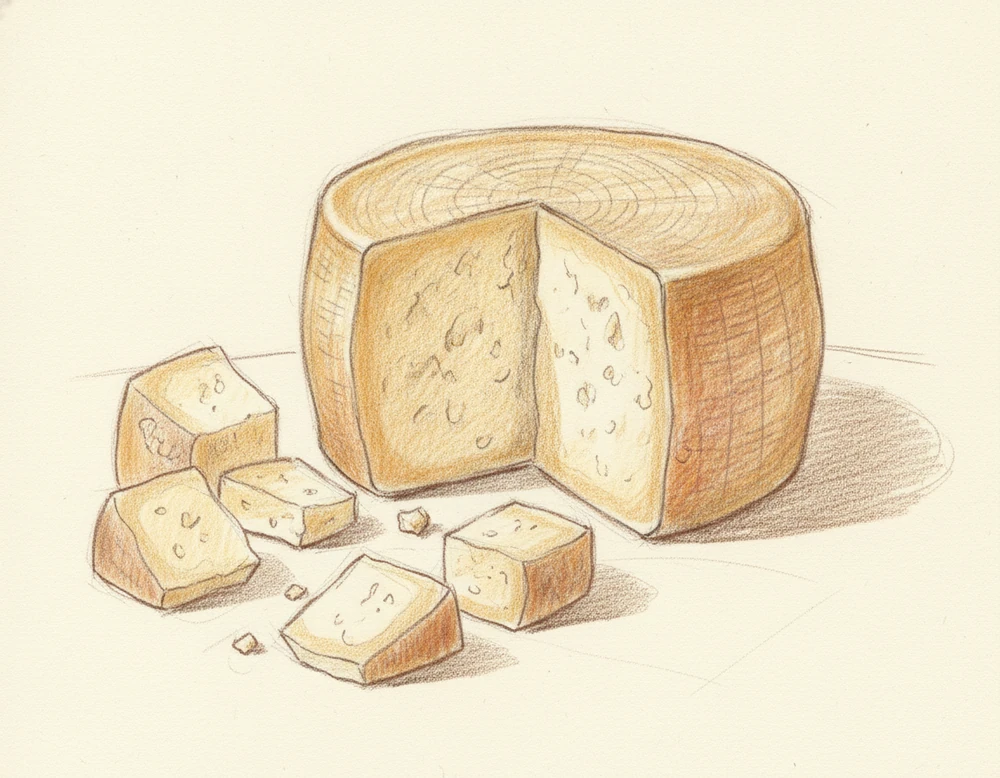
A table and grating sheep cheese from the Vulture, cylindrical with flat faces and a straight or slightly convex heel.
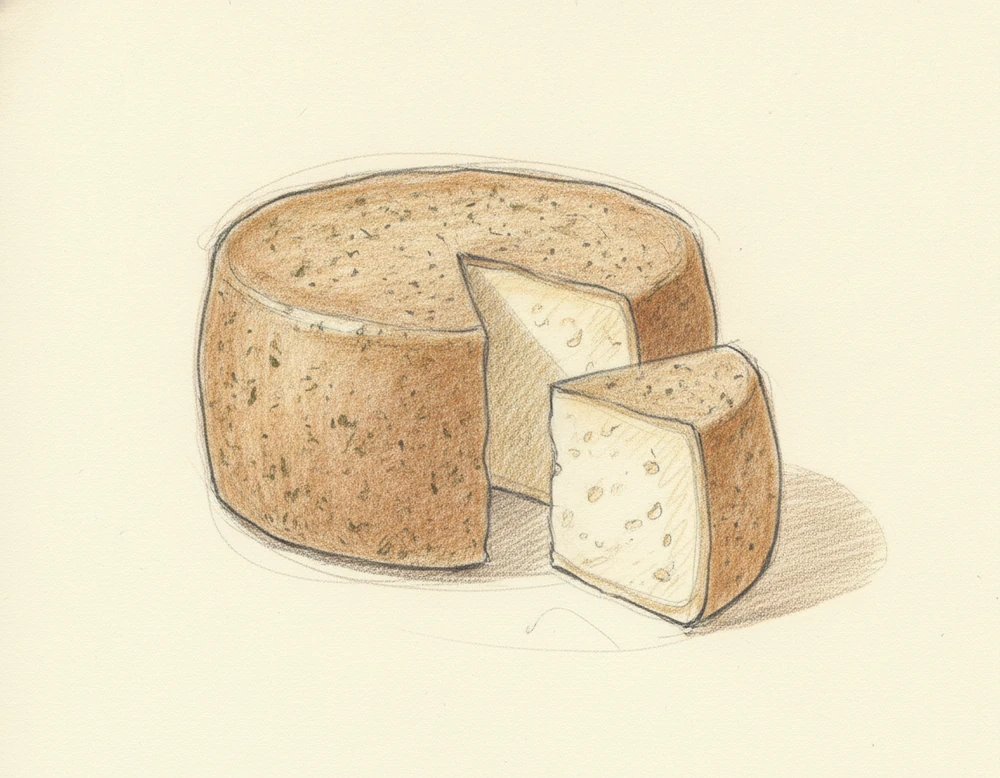
A little smaller and taller than the standard Sardinian wheel, and remarkably smooth on the palate, which comes from pressing it.
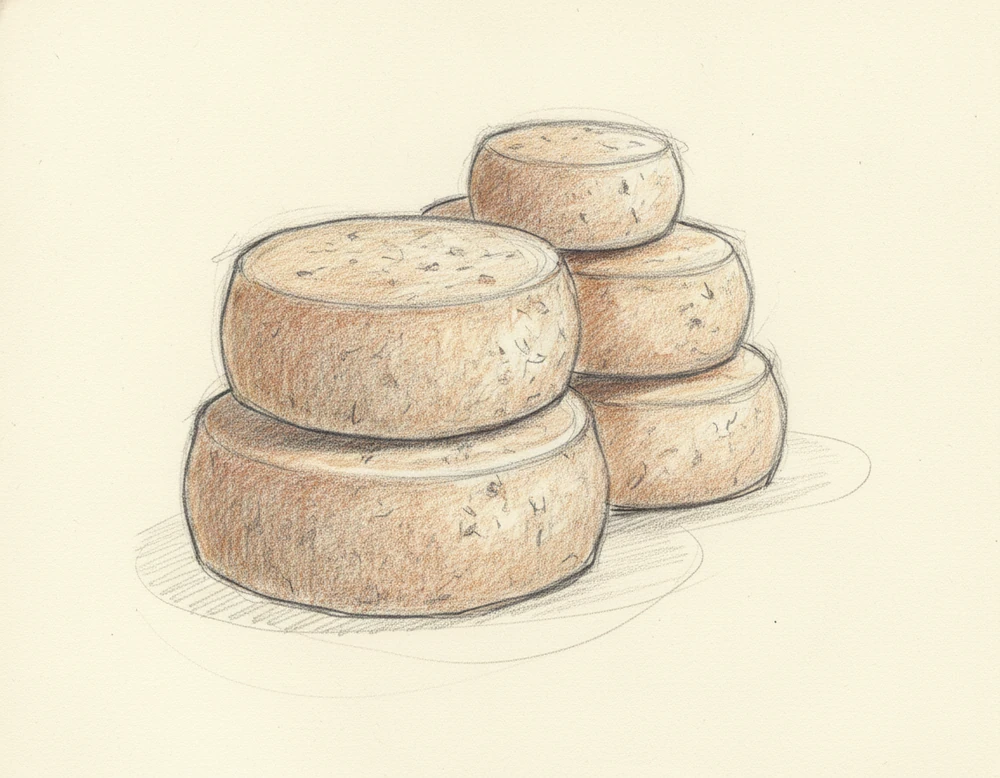
A raw-milk, raw-curd cylindrical sheep cheese from the Comino valley in the Lazio Apennines, made from Sopravissana, Comisana or Massese ewes or their crosses.
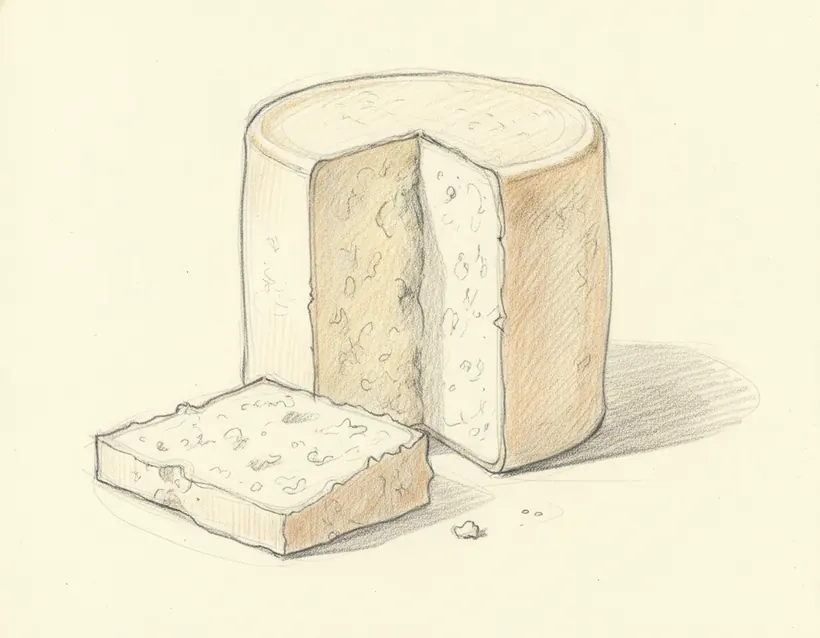
A hard, salty sheep's-milk cheese aged in tall drums, the sharp grating cheese behind carbonara, gricia, amatriciana and cacio e pepe.
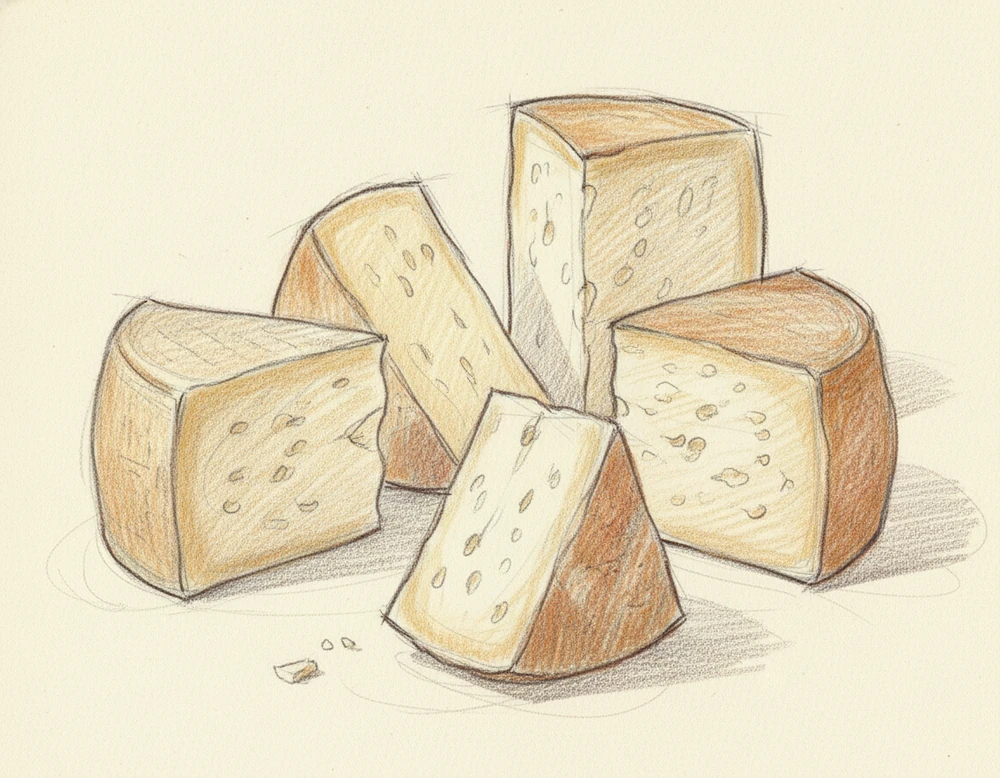
A semi-cooked cheese made only from whole sheep's milk, optionally thermised or pasteurised, in two types: Dolce, briefly matured at 20 to 60 days, and Maturo, aged no less than two months.
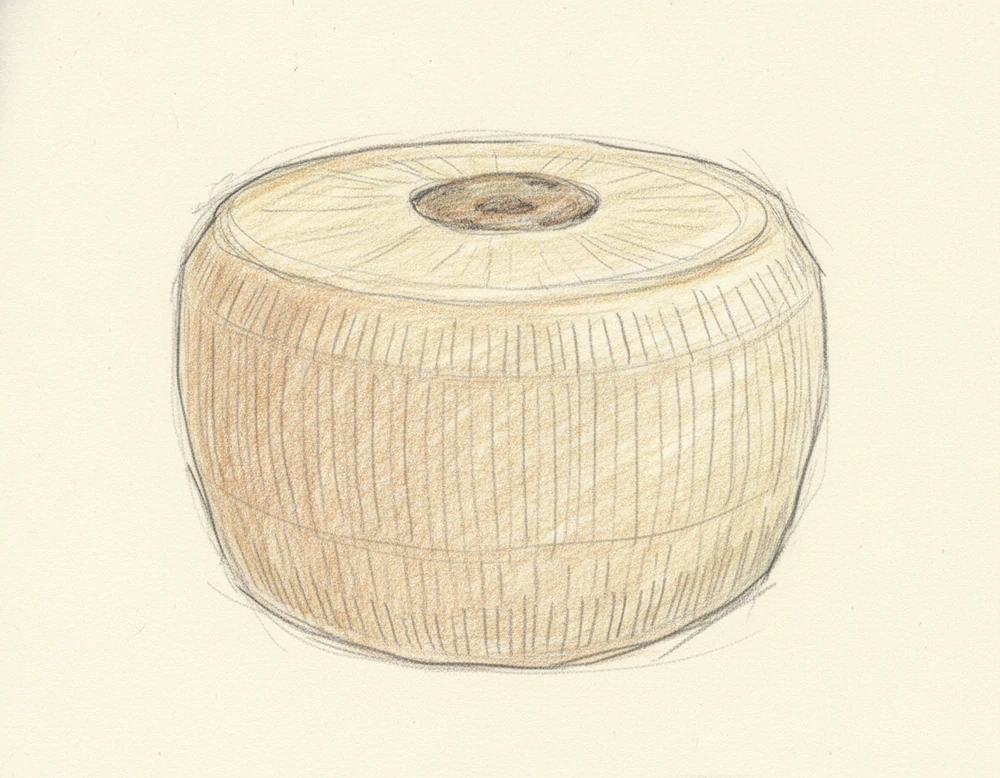
A raw-milk, semi-cooked sheep cheese, cylindrical with flat faces or a slightly concave top. It is sold at three ages: Fresco, Semistagionato and Stagionato.
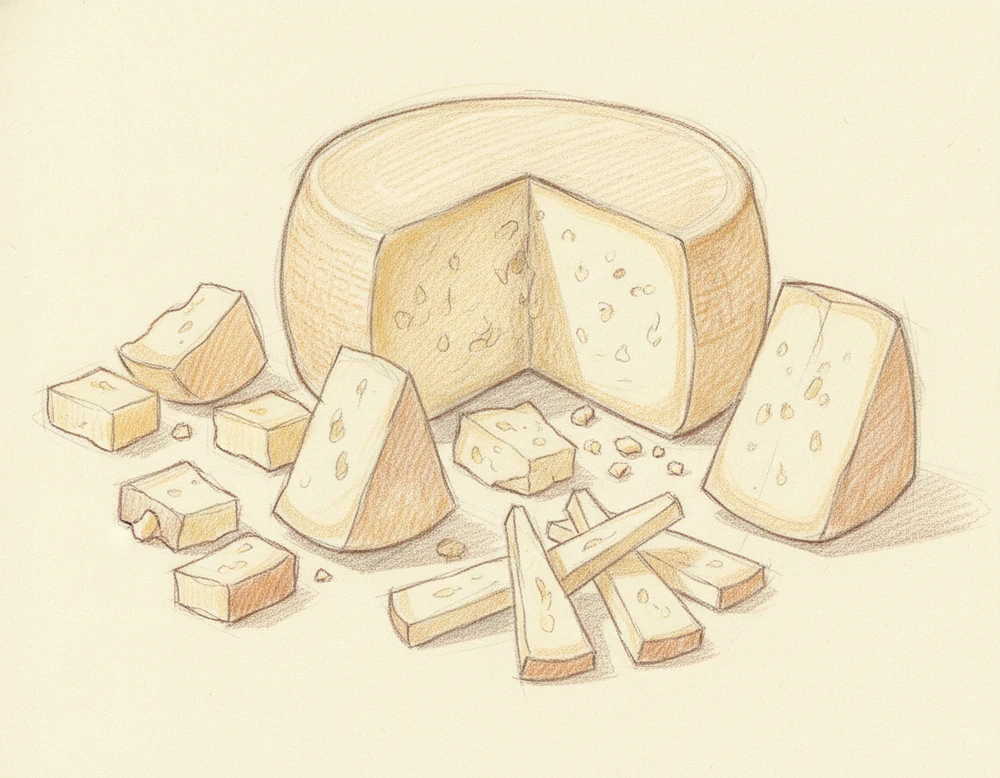
Made from whole sheep's milk from the zone alone, in a soft-paste and a semi-hard type. Soft matures at least 20 days, semi-hard at least four months.
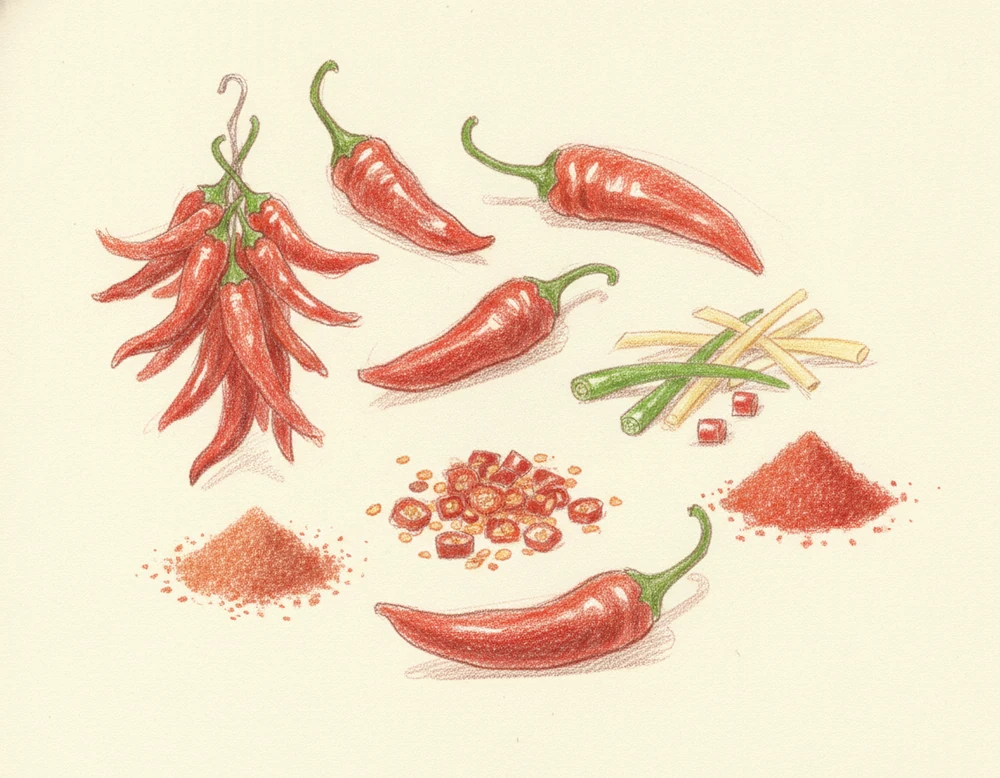
Capsicum annuum chillies sold fresh or dried, whole, in pieces, in flakes or ground. The permitted varieties include Amando, Barbarian, Corno di capra, Cayenna, Ciliegia, Pinocchio, Red devil, Rodeo, Picaro, Shakira and Trottolino amoroso, known locally as Naso di cane.
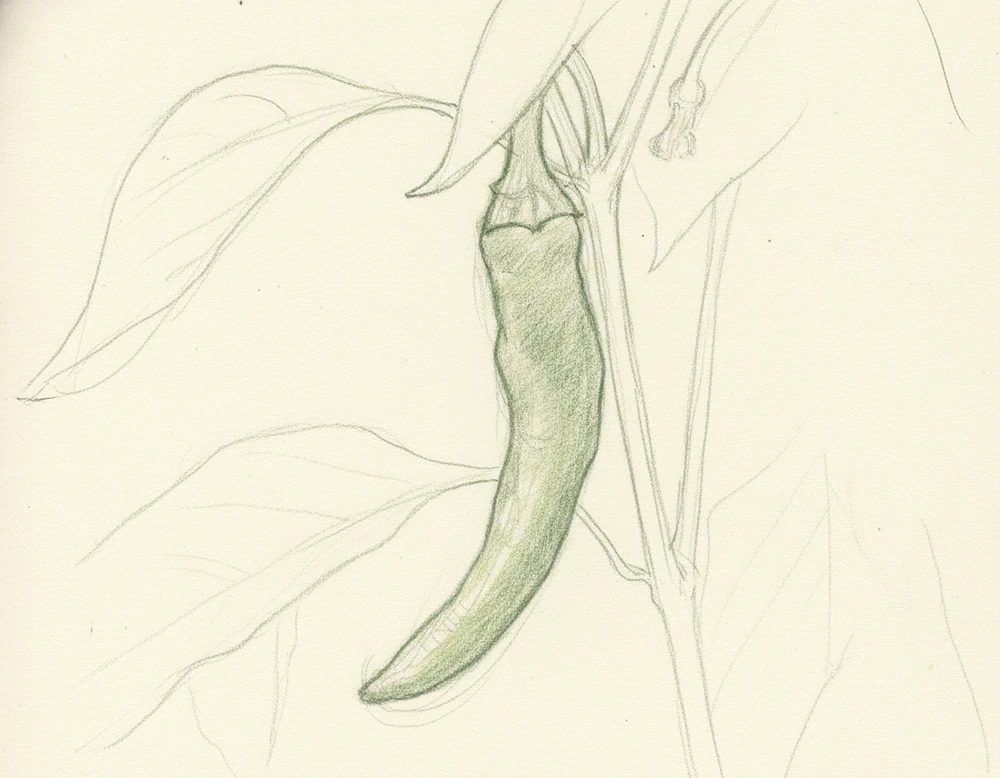
Carmagnola is one of Italy's pepper capitals, with four types: Quadrato, nearly a cube with four points; Tomaticòt, round as a tomato; Trottola, heart-shaped; and this one, the Corno di Bue or ox-horn, deep yellow or bright red and long.
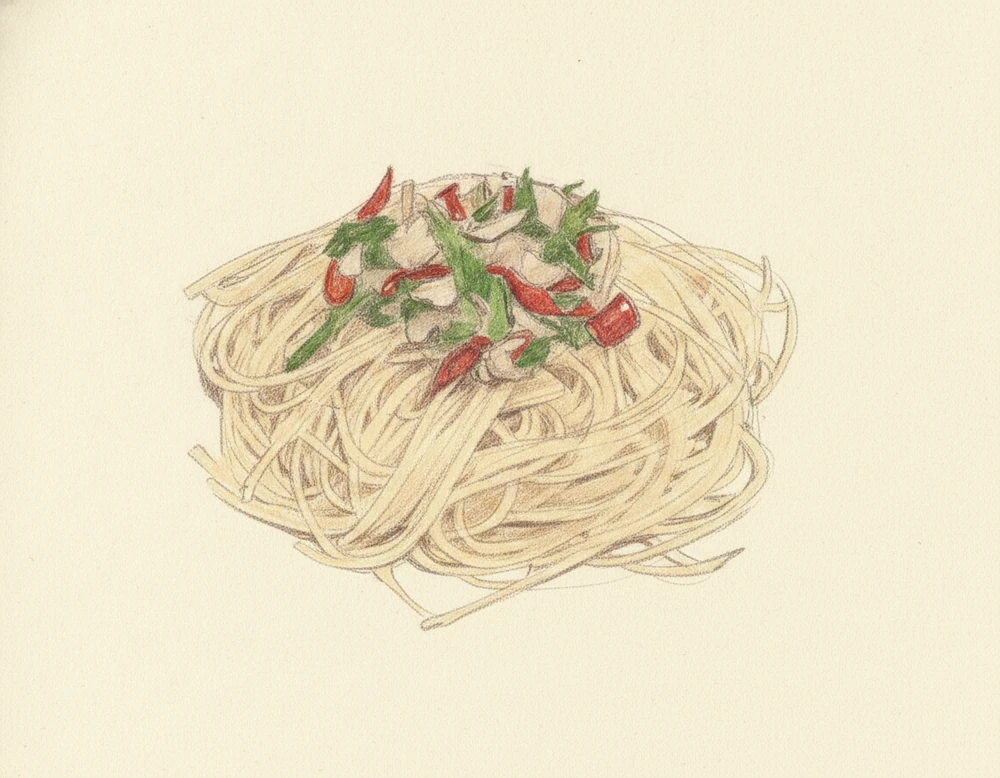
A pepper grown at Capriglio in the Monferrato for more than two centuries, probably a cross between small old cultivars and the larger ones from around Cuneo. Being a traditional variety, the plant is hardy and vigorous.
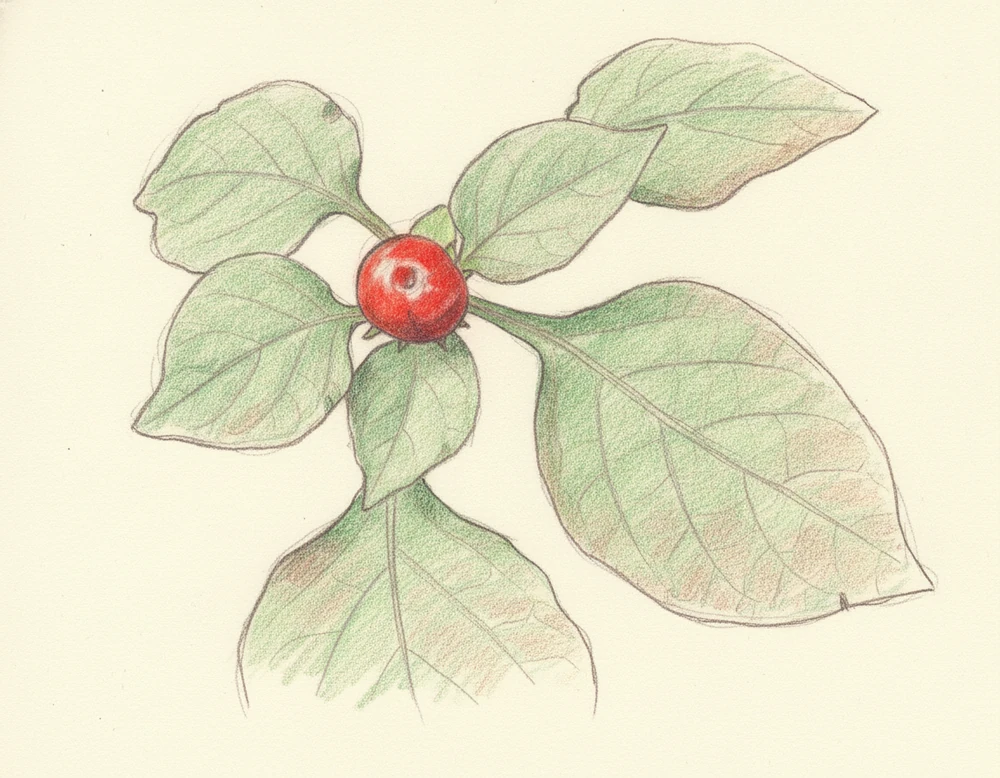
Polizzi Generosa is a stone village of barely 3,000 people and more than 40 churches, on a ridge in the middle of the Madonie, and it keeps its food as it keeps its palaces: Badda beans, hazelnuts, and the pepper the dialect calls pipiddu. Small and roughly conical, bright green turning red, and odd in that it grows upward, the pod standing above the leaves instead of hanging below. Its history is oral only: the seasonal hazelnut pickers were apparently paid partly in bread topped with olives, pecorino and roast pipiddu.
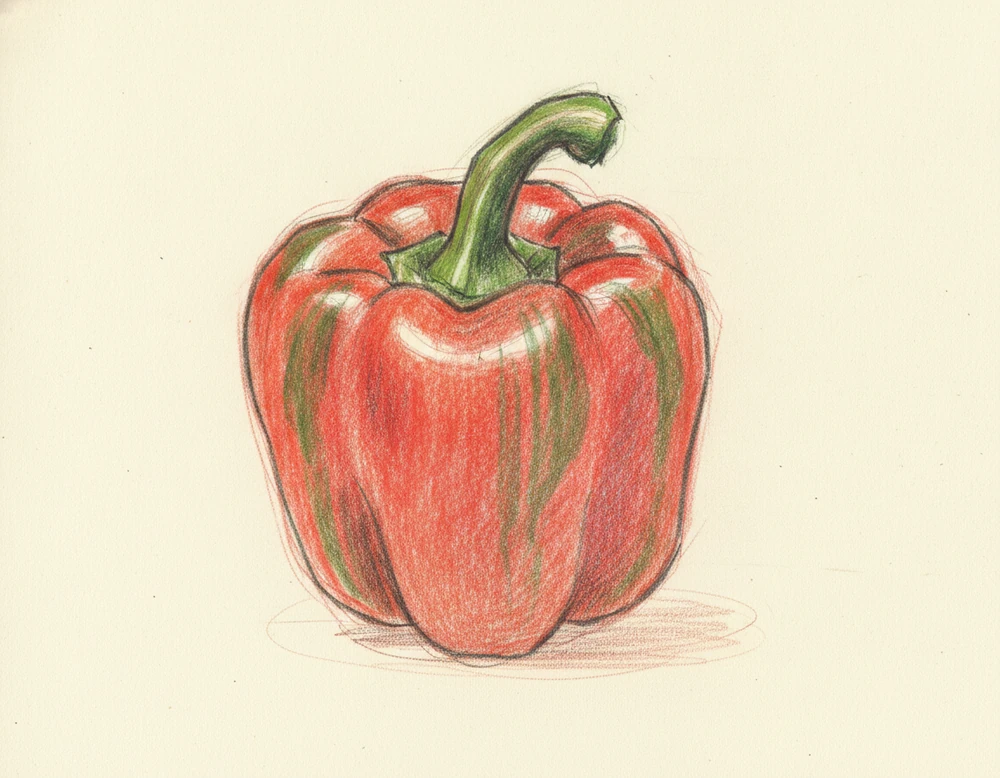
A sweet pepper of the local Cornetto di Pontecorvo ecotype of Capsicum annuum. The fruit is whole and three-lobed, cylindrical-conic, red, with green striping permitted over up to 40 per cent of the surface.
Squarish, with four ribs or sometimes three, one of them often longer and hooked. Ripe it is yellow to nearly orange, but it is very good several days before that, still pale green. Thin-skinned, firm and meaty without being watery, sweet and delicate with an occasional flash of heat.
Altino sits on a rocky spur over the Aventino valley and gives its name to small horn-shaped peppers, bright red, called a cocce capammonte, head up, because the fruit points skyward.
A square pepper grown for over a century in the Tanaro flood plain south of Asti, in the gardens of Motta, a district of Costigliole d'Asti. Of the many square capsicums, this is held to be among the finest.
A sweet, thin-skinned, low-moisture red pepper of the Sinni valley, strung up and sun-dried, then flash-fried crisp to make the region's famous peperoni cruschi.
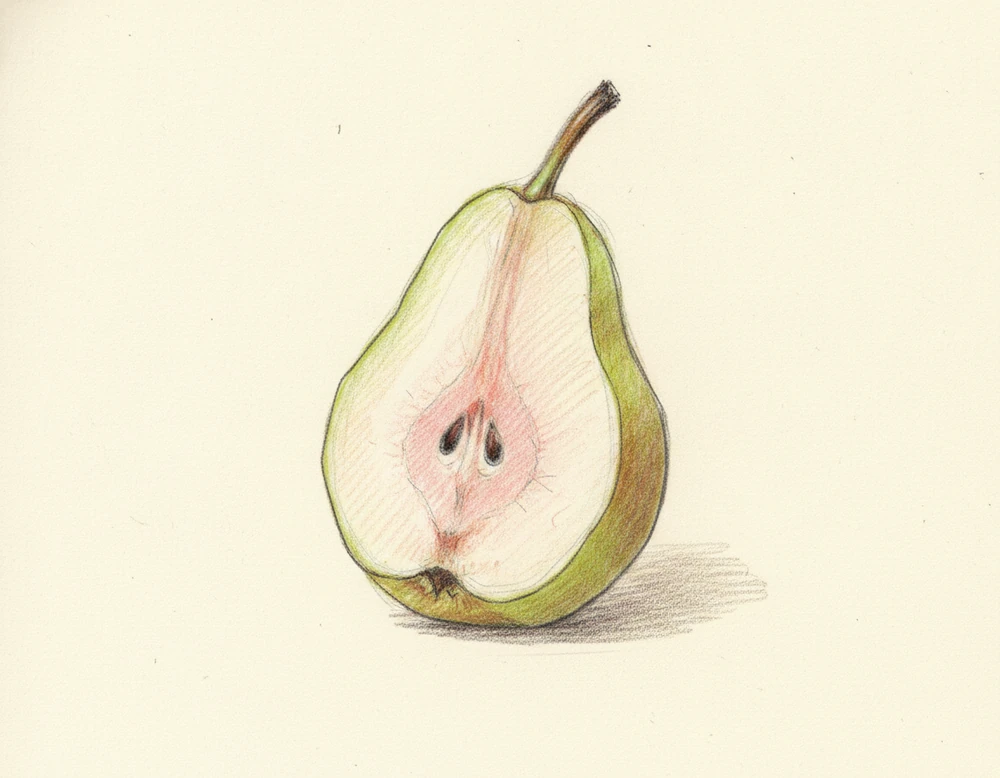
Cocomero is watermelon, and the name is about the colour: the flesh is pink, deepest at the centre of late-picked fruit. The pears are small and oval, green-skinned, 20 to 60 grams. They are aromatic and fragile, which makes them nearly impossible to sell fresh but excellent for jam and liqueur. Like most heirloom fruit they were grown for the household, so what is left is a scatter of trees.
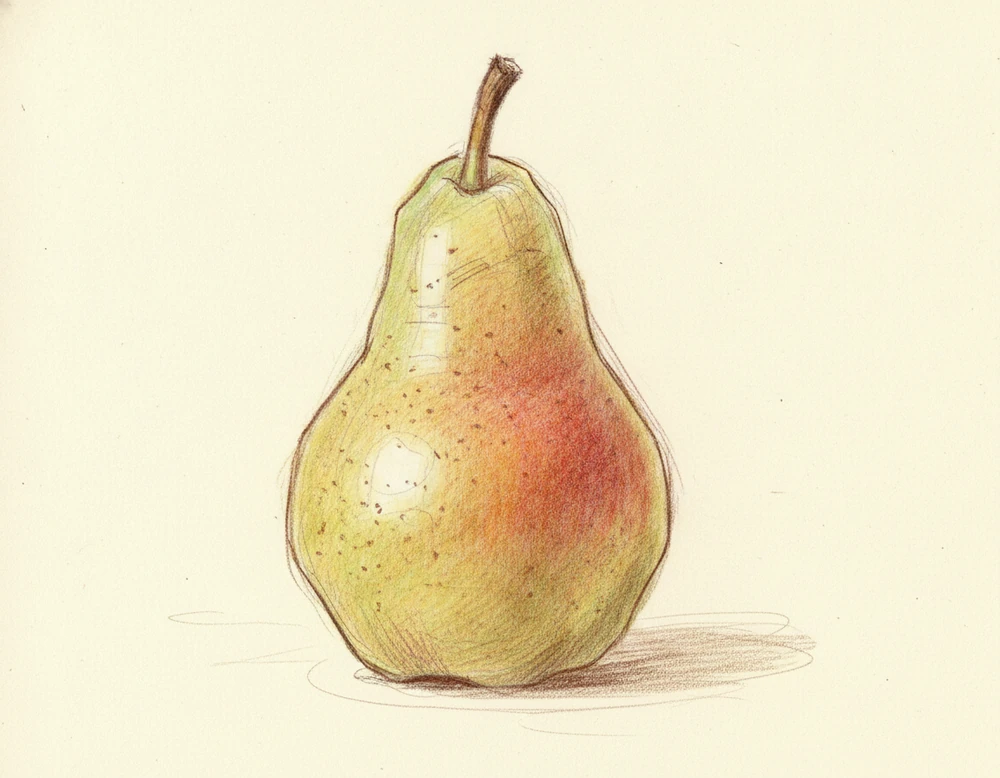
Pears from the Emilia-Romagna plain, restricted to ten named cultivars: Abate Fetel, Cascade, Conference, Decana del Comizio, Kaiser, Max Red Bartlett, Passa Crassana, William, Santa Maria and Carmen.
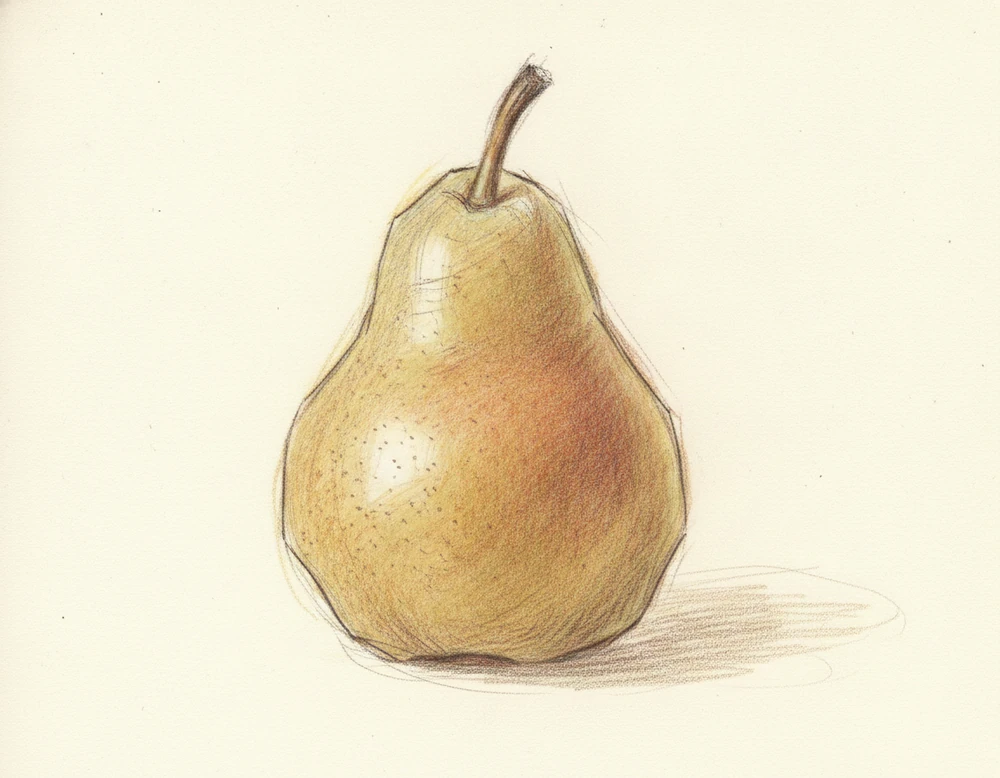
Pears from the Mantua plain in eight named cultivars: Abate Fetel, Conference, Decana del Comizio, Kaiser, Max Red Bartlett, William, Carmen and Santa Maria, each with its own size, sugar and firmness minimums.
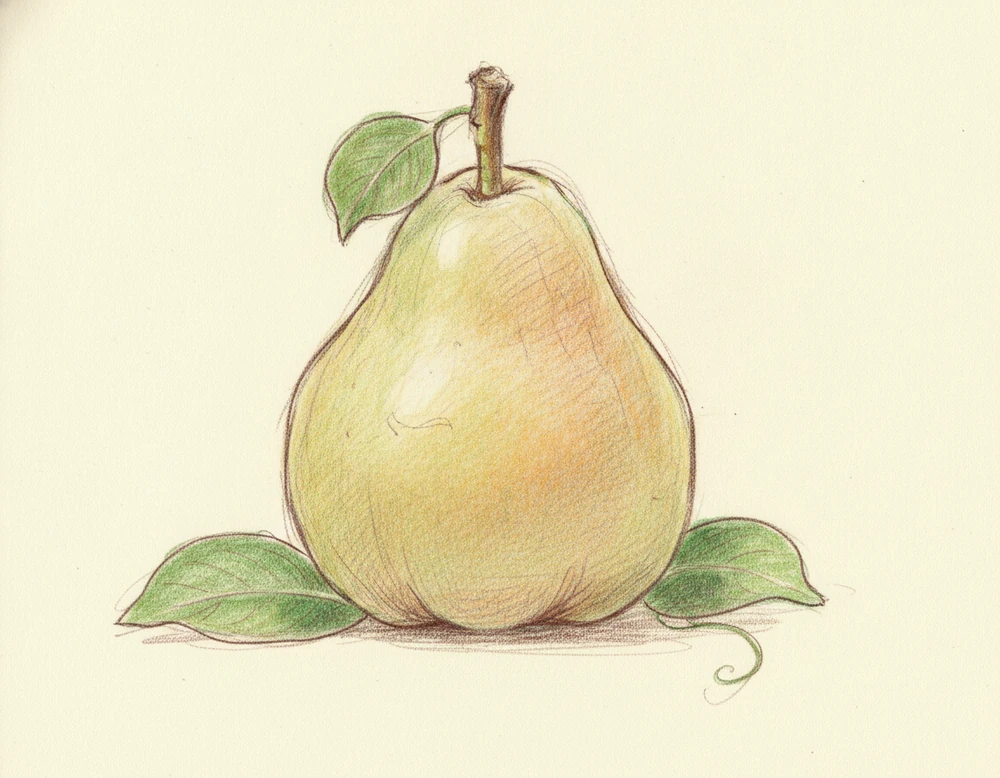
Nobile around Parma and Reggio, lauro around Piacenza. Where it came from nobody knows, though its oddity argues it was not imported the way the bergamotto, the curato or the regina claudia plum were, but arose here from a chance seedling that farmers liked well enough to keep propagating. Grafted on wild pear the tree gets large, over ten metres, upright with a dense vertical crown, the leaves pale green, round and heart-shaped. The fruit is medium to small and unmistakable in shape, broad and round at the base and tapering above.
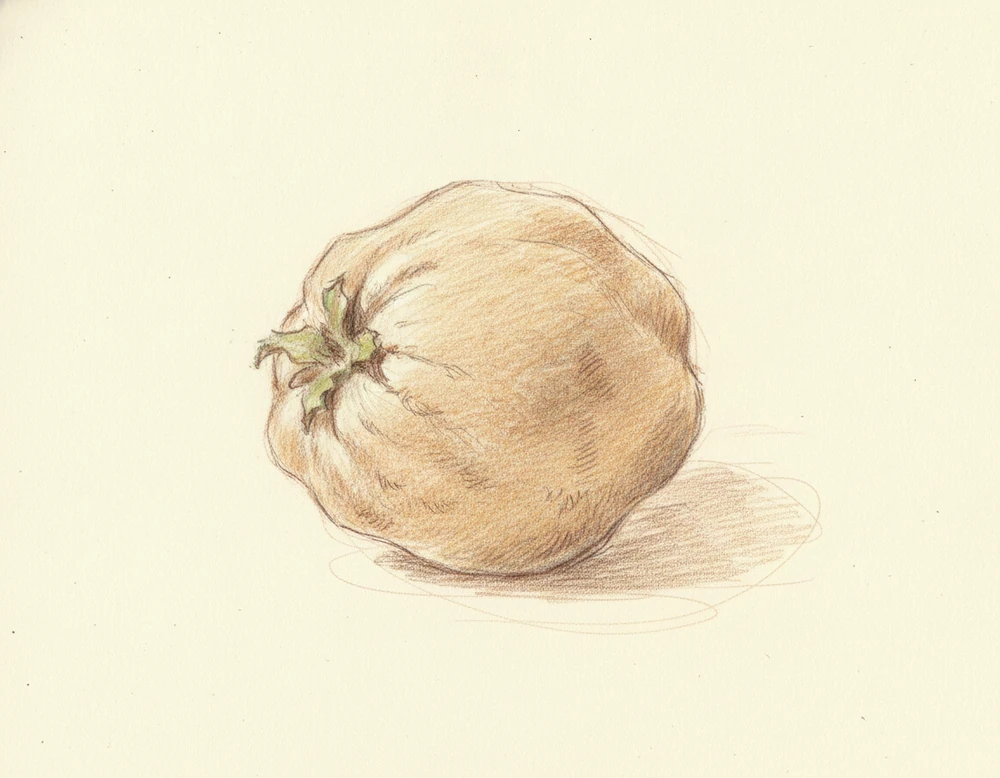
Pears have been grown in the Metapontino since at least the 18th century and are written of in the 19th, and they made the look of this hill country: farmers grafted wild pears along the edges of the cereal fields, onto whichever ecotype, and the crop fed the household and the animals. The local sorts, Muscarelle, Muone, Lardere, Sciesciuu, Granete, San Giuvan, are all worth eating, and until the 1950s some went through middlemen as far as Naples. The best and the most widespread in the Sinni valley was the Signora, delicate in scent and texture and best eaten the moment it is ready.
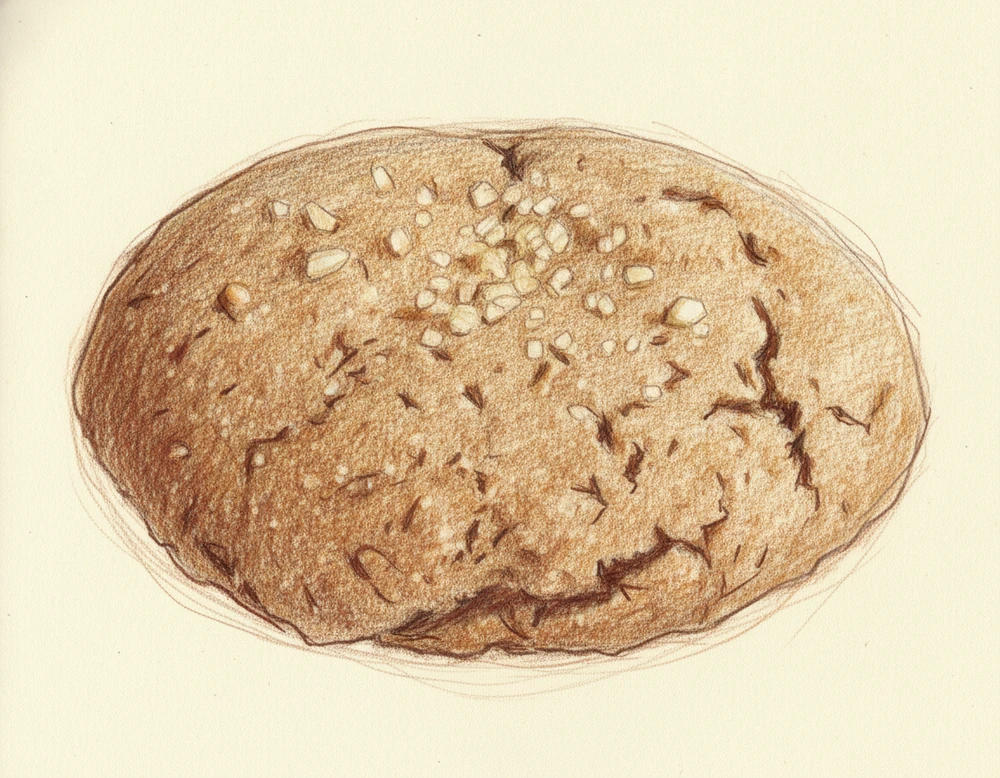
Per Martin in Carnia, Klotzen or Doerrbirne in Carinthia, Tepka in the Slovene valleys over the border. It is probably not one variety at all but a population of mountain pears adapted to that frontier, mixing Pyrus nivalis, the snow pear, silvery from the down on its young leaves, with the bright-green-leaved common pear. The flowers are small and white, the fruit small and round.
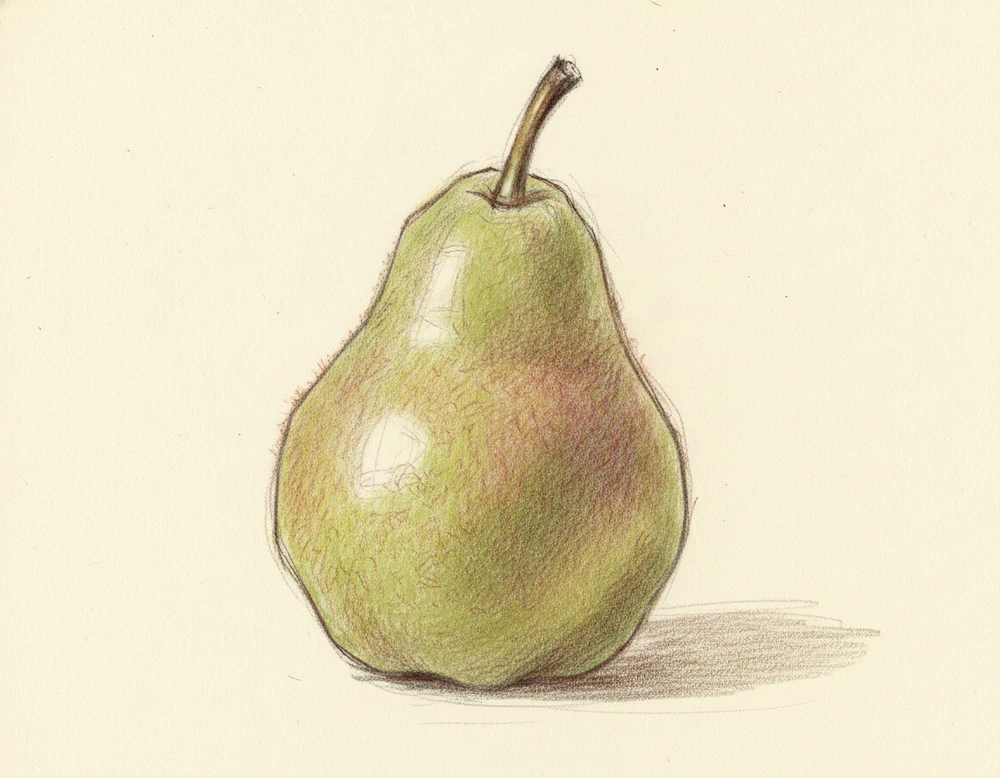
About 200 trees are left, scattered through the Valpantena and the Mezzane and Illasi valleys and, in better numbers, the upper Valpolicella. The pears are medium-small and green with faint reddish markings at picking, and they have to be ripened after it.
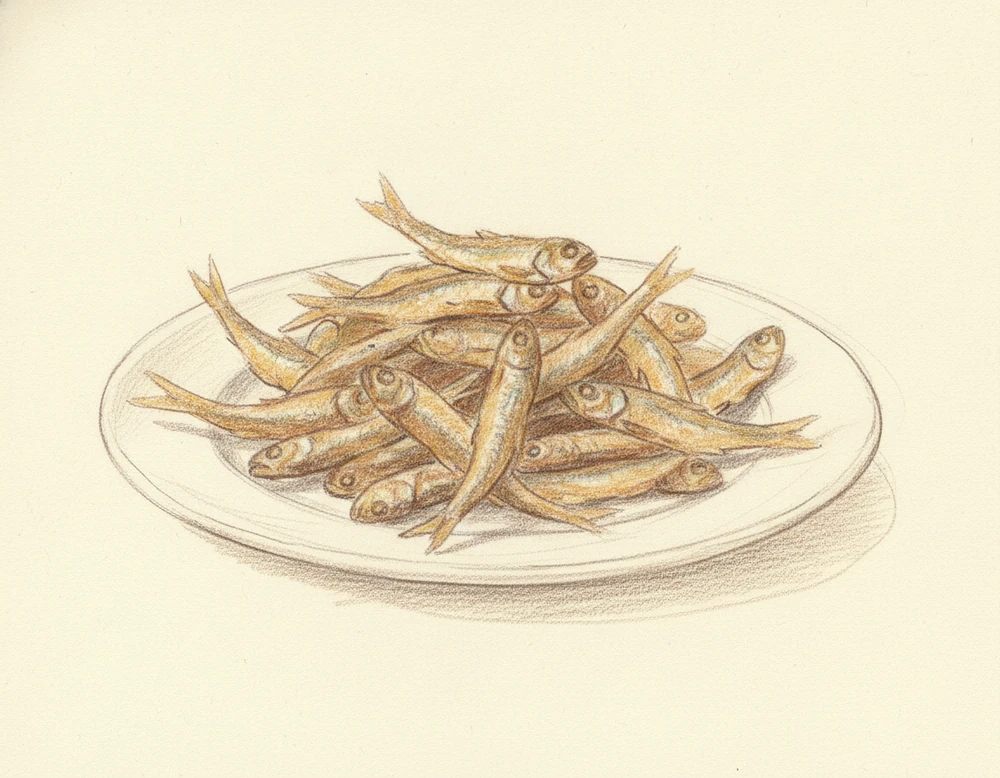
Deep water, and a coast the mountain winds come down on. Noli has fished for eight centuries, and as late as the 1960s most of the women of the town worked in the fry shops, six of them, one to a quarter, frying bughe, zerri and ciciarelli from six in the morning; dried on cloths and packed into round tins, the fish left at four in the afternoon by train for Turin and Mondovì. The Presidium's fishermen belong to a cooperative founded early in the 20th century as a mutual aid society, and still sell their catch in the morning on the seafront.
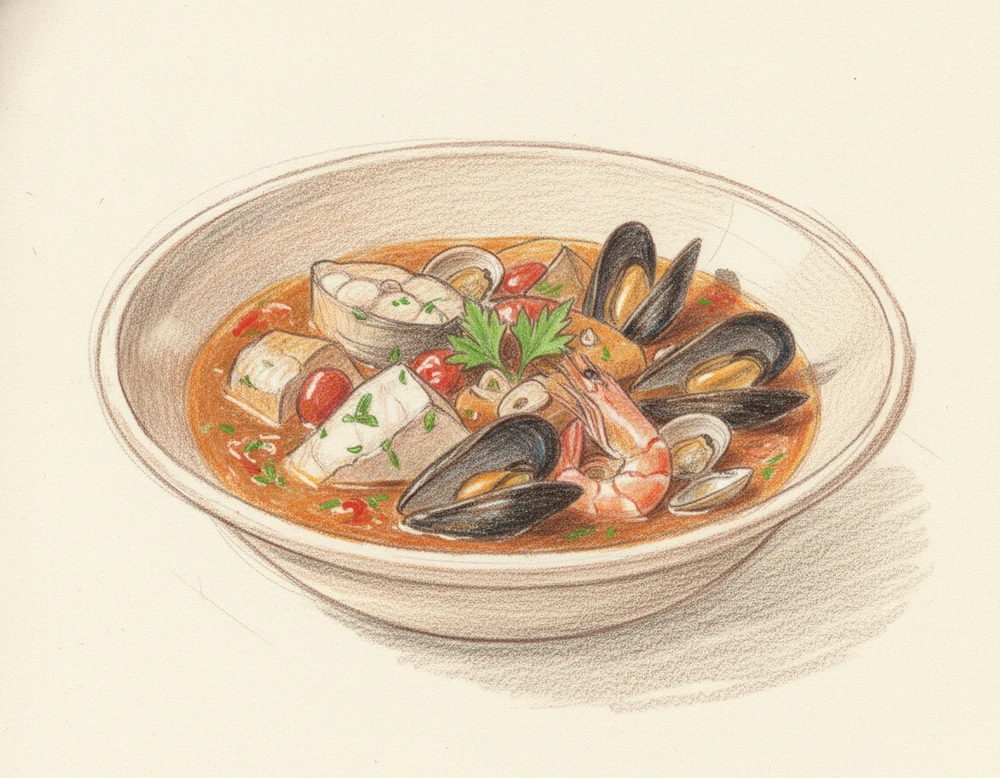
Small-boat fishing off Giglio, the second largest island of the Tuscan Archipelago, is old enough to have left Roman traces on the island, including a processing plant and a fish tank at a villa. Mass tourism nearly finished it off, since much of the catering trade switched to cheaper imported fish, and the fleet is now down to seven boats working Giglio and Giannutri.
Lower Romagna is where modern Italian fruit growing began, and Massa Lombarda in the Ravennate was its centre: the first plantings and the first sugar-beet trials went in around the turn of the 20th century, and within decades the district was producing more than half the fruit of the whole province, with the transport and processing trades that go with it. The bus incavé is the emblem of that: the most widely grown peach of the area in the early 1900s, sold as the Massa Lombarda peach. Medium-sized, deep red, spheroidal, with a very deep hollow suture that no other variety has and that gives it its name; the down is fine, almost velvet. The flesh is white-green, fine-grained, sweet and acid in balance.
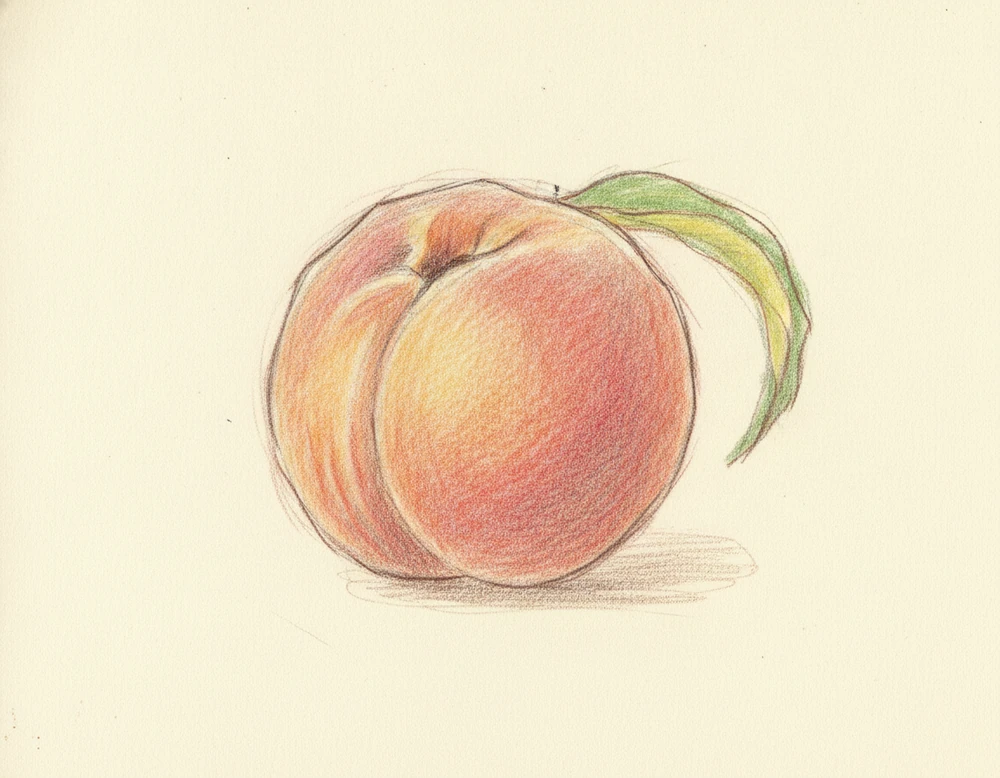
Yellow- and white-fleshed peaches from the Delia area, admitted in named early, mid and late varieties: Rich May, Ruby Rich, Spring Crest and Royal Glory early; Elegant Lady, Rome Star, Symphonie and Rich Lady mid; Fartime, Flaminia, Lucie and O'Henry late.
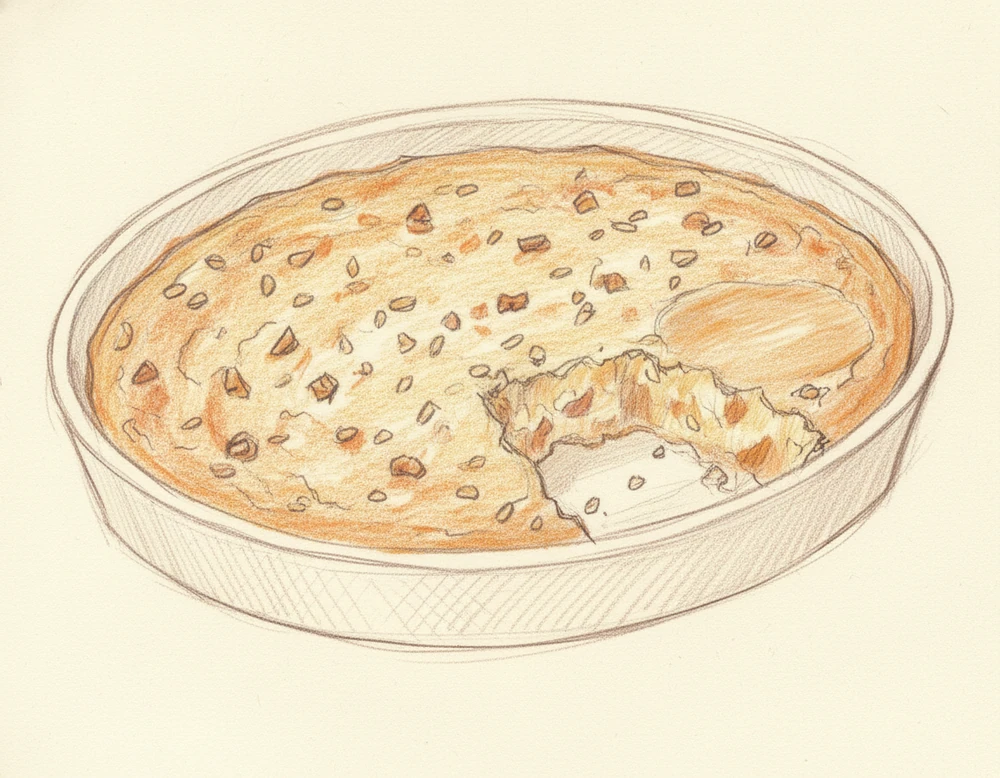
Peaches from two local ecotypes, Bianco di Leonforte and Giallone di Leonforte, neither of which is registered in the national variety catalogue. They are famously bagged on the tree, which lets them ripen late into autumn.
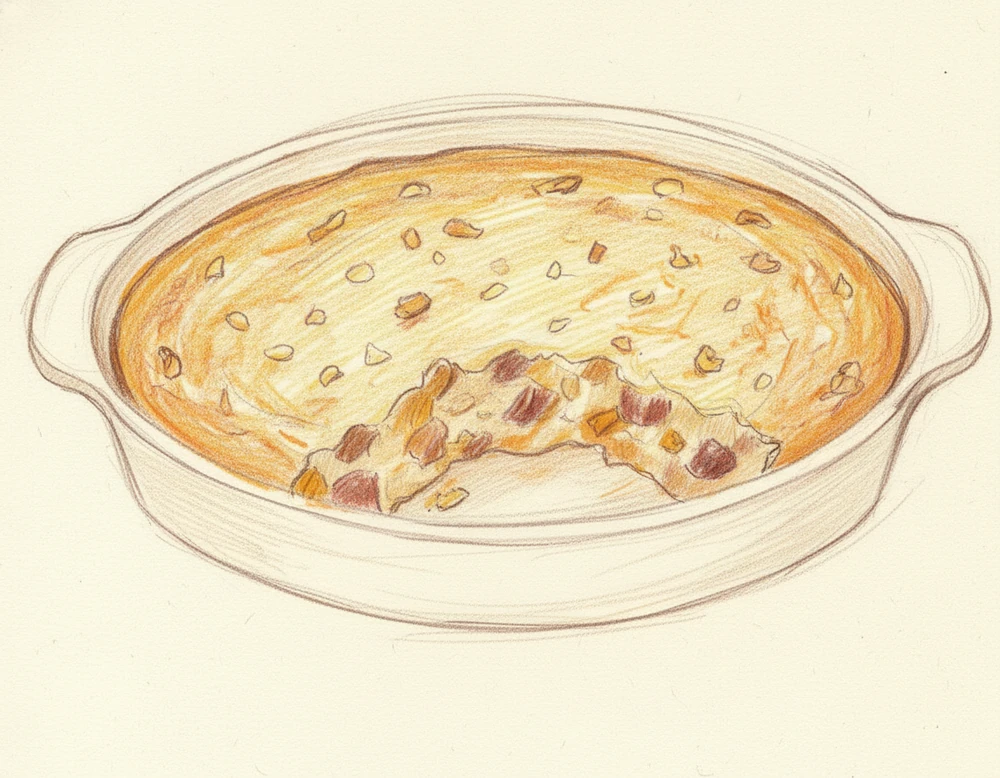
Peaches and nectarines from the Verona plain, defined by how much colour they carry: over 70 per cent of the skin for yellow peaches, over 60 for yellow nectarines, over 30 for white peaches, all as overcolour against the ground colour.
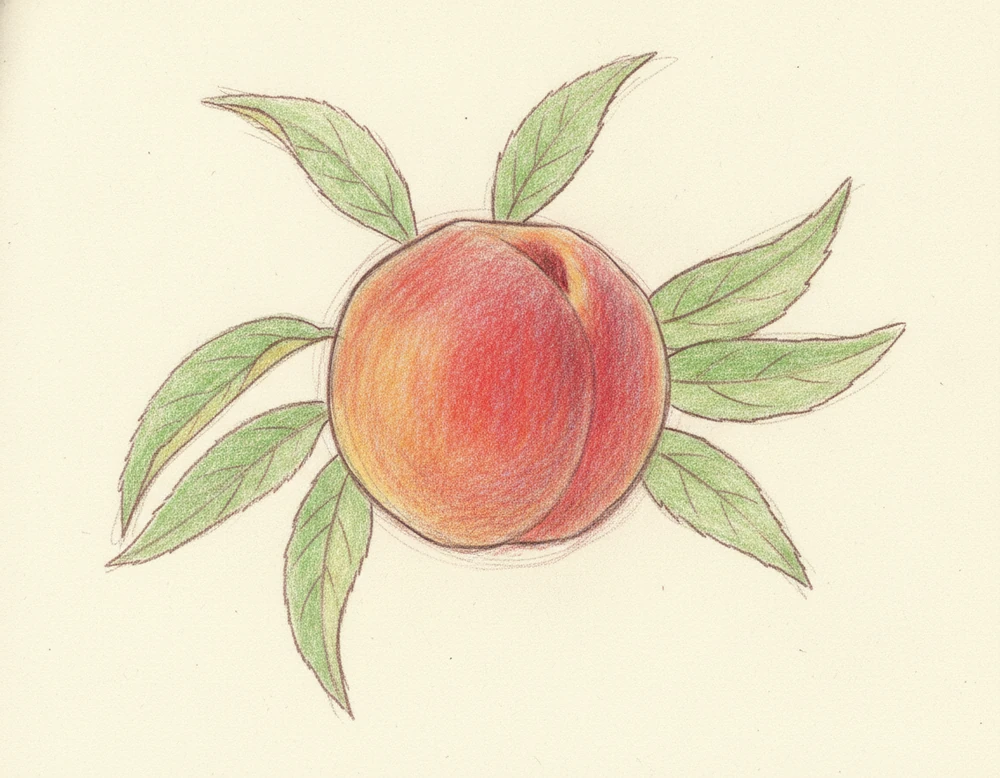
Peaches and nectarines from the Romagna plain, restricted to a long list of named cultivars sorted by flesh colour and ripening window: yellow-fleshed early and mid-late, white-fleshed early and mid-late, and the nectarine equivalents.
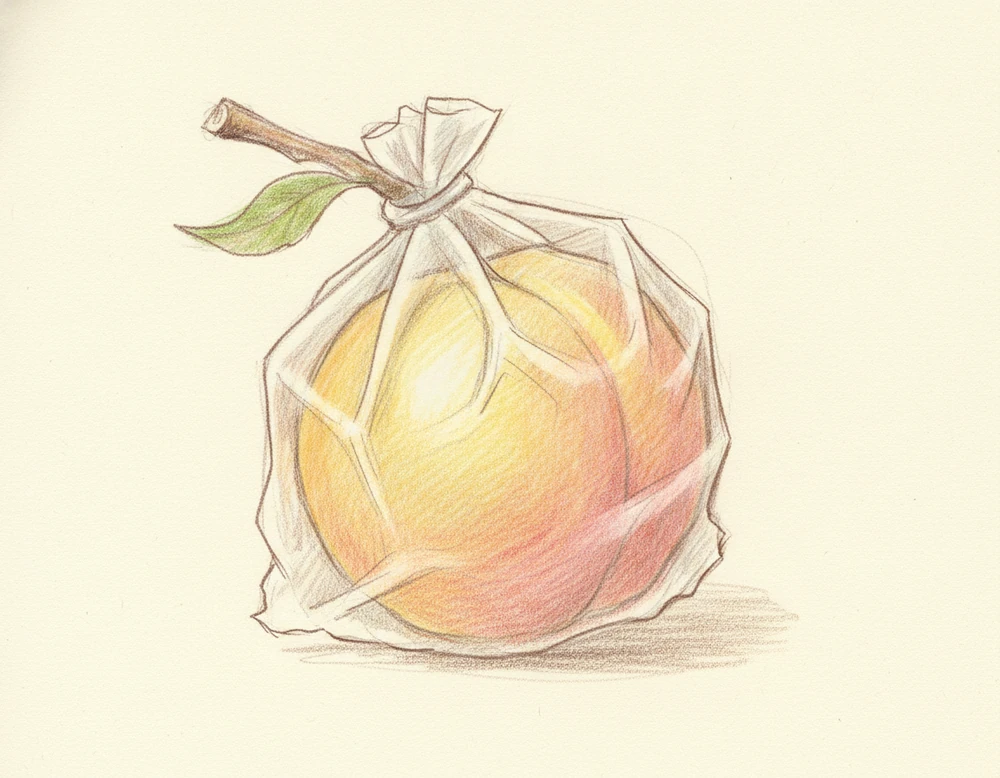
In a country of citrus and almonds, olives and prickly pear, Leonforte grows peaches, and every June does something faintly mad: as they prune, the men bag the still-green fruit one by one in little vellum sacks. It is exacting work that allows no mistakes, and the fastest can bag more than 2,000 in a day. Inside the bag the peach is out of reach of pests and wind and can hang on the tree to the last moment, ripening from August into October and sometimes November. They are not showy fruit, ripening late and in the dark, at most an intense yellow with faint red streaking, but they smell wonderful and the flesh is yellow, firm and sweet with something caramelised in it.
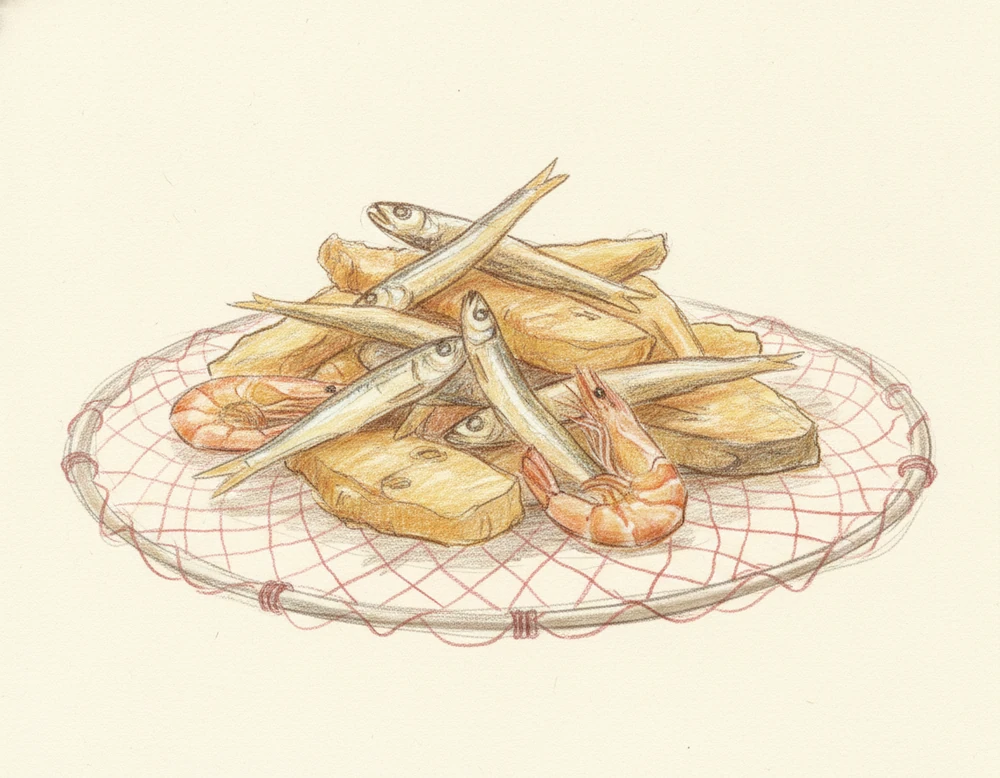
The largest lake in central Italy and a shallow one, laminar: five metres at most and in dry spells rarely over four. It was always the fishermen's lake, they in the lakeside villages and the farmers up in the hills, and the trade was close enough to itself to build a lot of mutual arrangements, among them the oldest cooperative still working, founded in 1929. Fishing was an exclusive occupation, and it was unusual for a fisherman to need any other income.
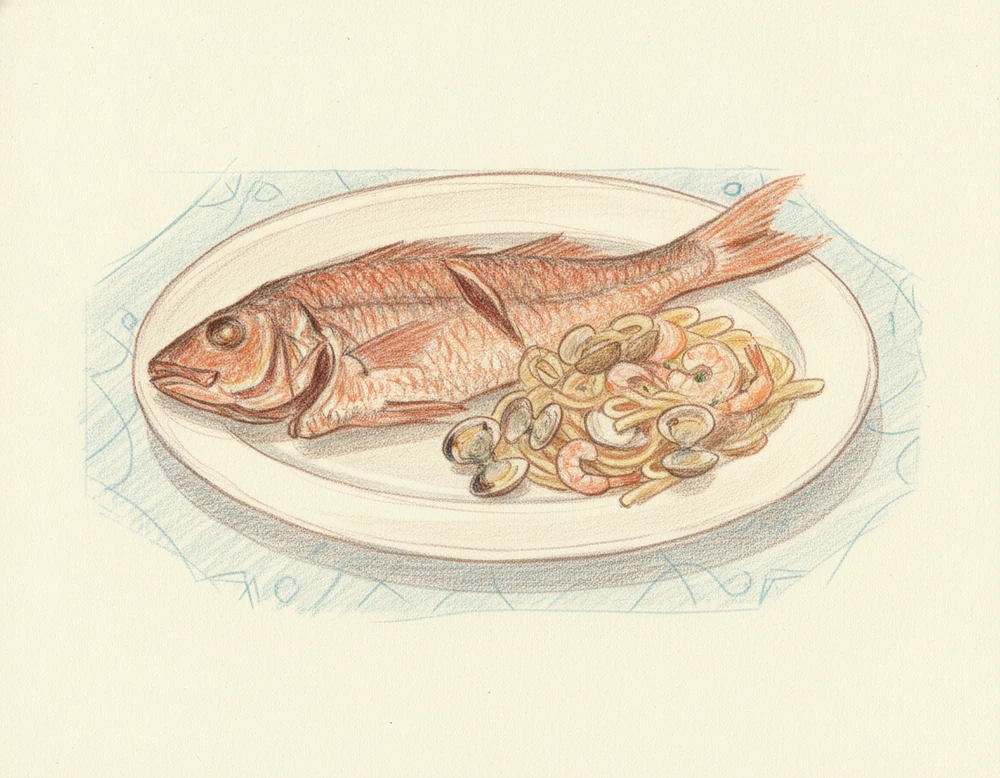
The Orbetello lagoon has been fished for a very long time and the trade still matters to the town. Sea bass, sea bream, grey mullet, eel, the small clams called calcinelli, mazzancolle shrimp and the winter crabs known as femminelle are the usual catch, and the processing tradition is as old as the fishing.
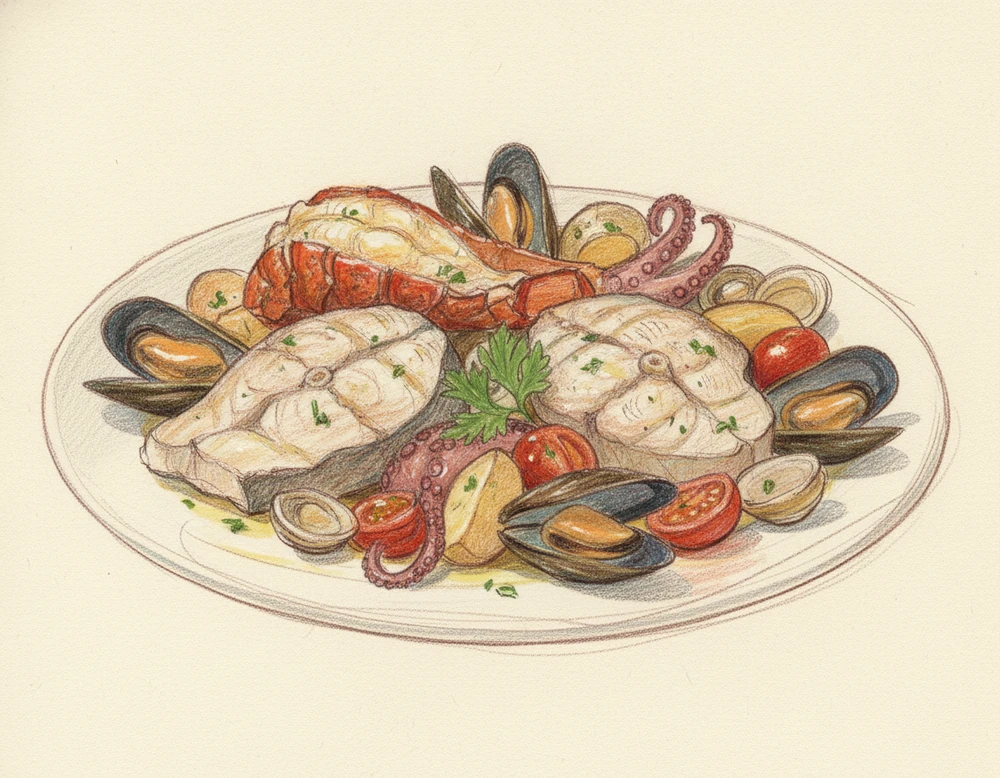
The fishing ground off Torre San Giovanni runs to about three miles out over very shallow water, the bottom broken by banks where the depth drops from five metres to seventy centimetres in no distance at all. Plutarch has the place in his life of Pyrrhus, whose boat grounded on these shallows after a storm. The fishermen who work them know the bottom, and they have inherited centuries of technique built around not exhausting it.
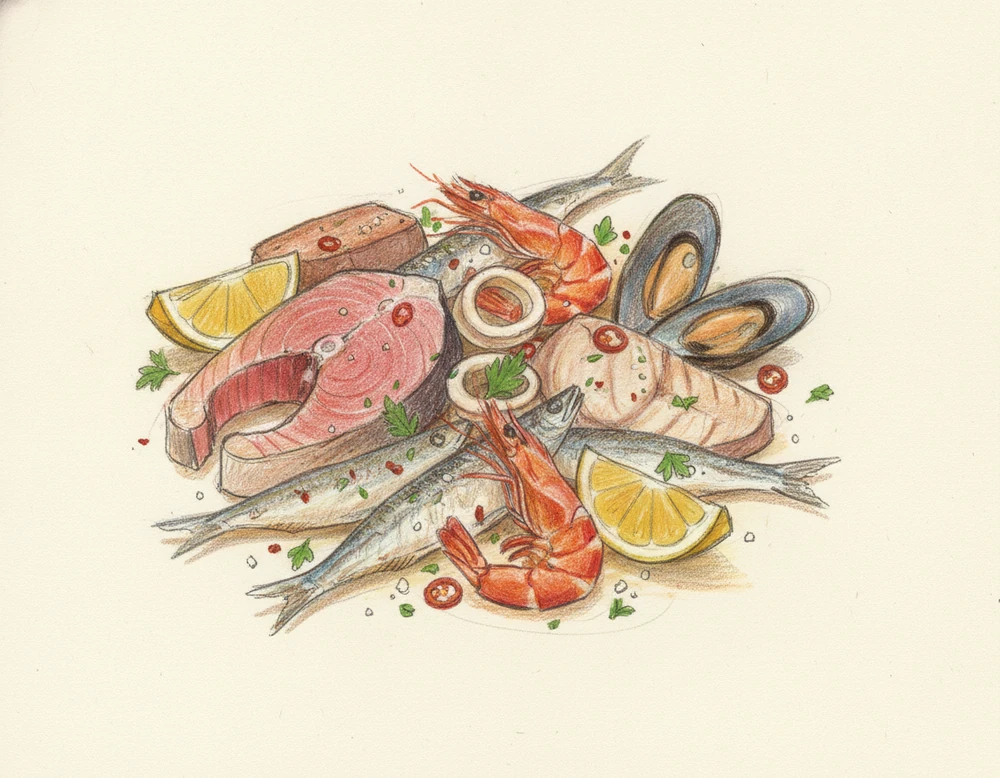
The Strait divides Sicily from Calabria and the Ionian from the Tyrrhenian, and it has carried migrations and colonies for millennia. Its currents and winds are in the Odyssey, as Scylla on one side and the whirlpool of Charybdis on the other, which is where the phrase comes from. It is also one of the Mediterranean's great biodiversity hotspots, a corridor between the western and eastern basins: the bottom is wreck-strewn and cut by canyons that begin at the Sella, the narrowest and shallowest point at 64 metres between Ganzirri and Punta Pezzo, and fall past 3,000 metres off Syracuse. Fishing here is as old as the record of eating tuna.
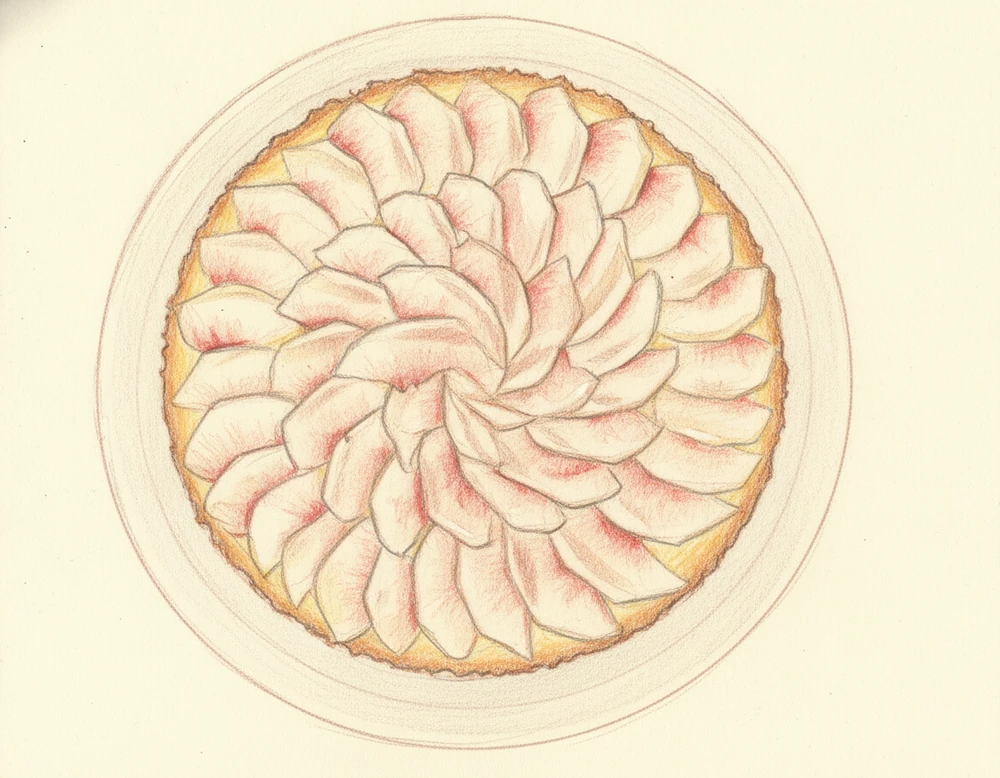
White peaches from four ecotypes that arose and evolved in the Sicani hills around Bivona, staggered so the harvest runs from mid-June to late October: Murtiddara or Primizia Bianca, then Bianca, then Agostina, then Settembrina.
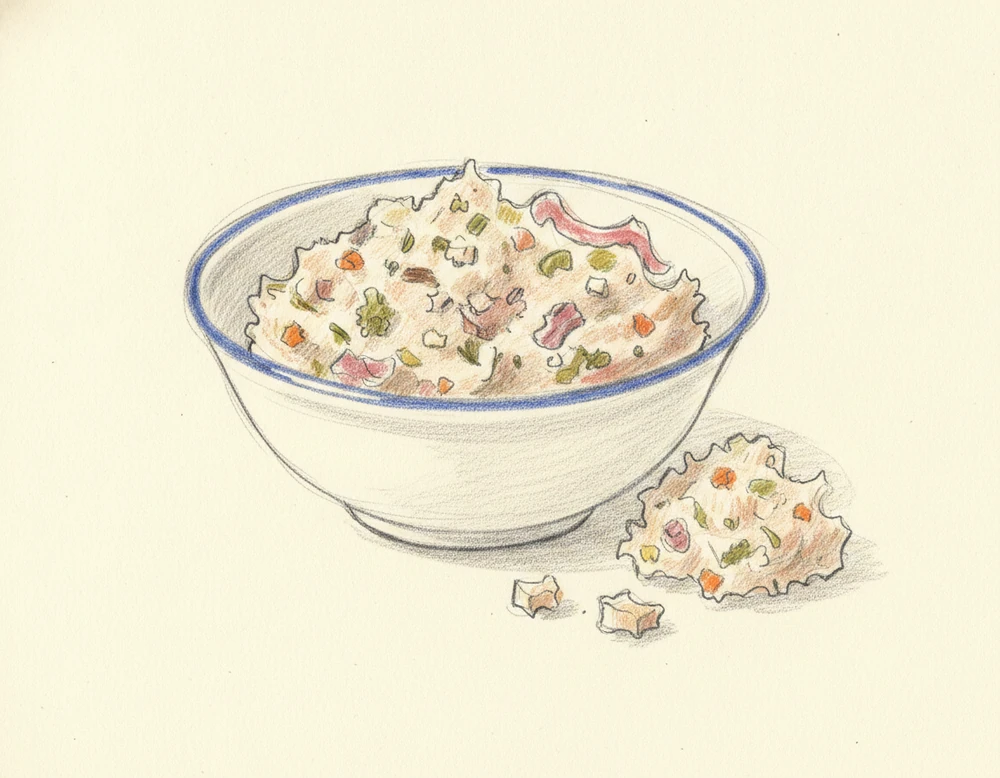
At Fagagna the purcitâr, the pork butchers, start their apprenticeship as boys, and pestàt is one of the things they kept: a way of holding the smell of autumn vegetables and herbs in pork fat through the winter.
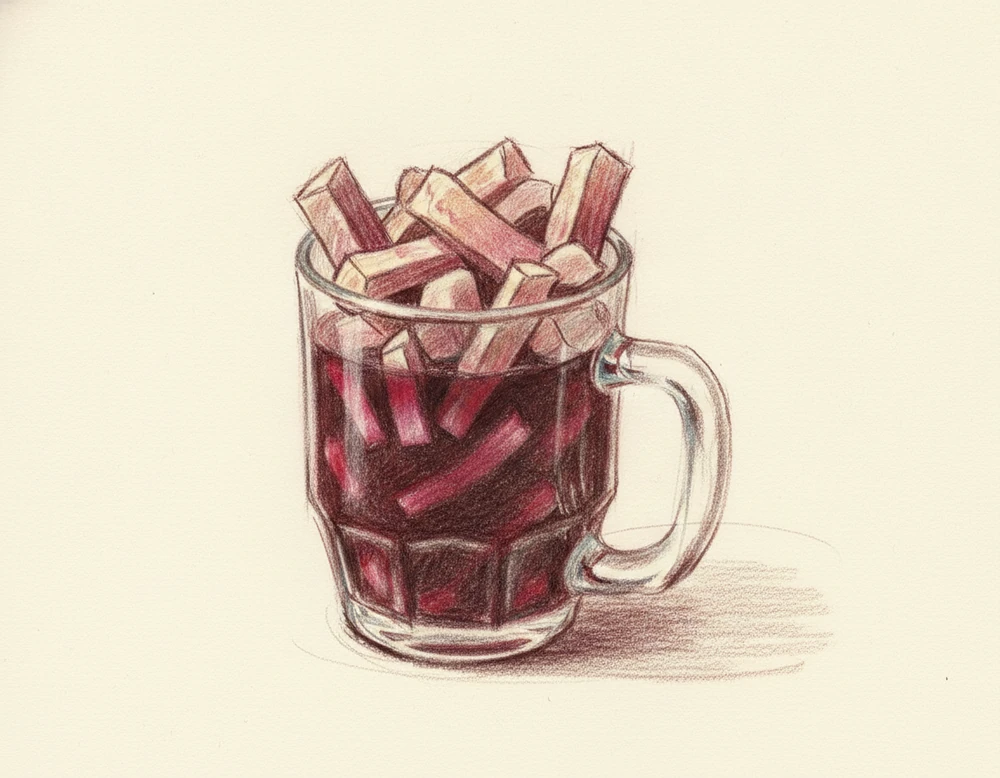
Winter food in the Val Cellina and the Val Vajont for centuries, made by macerating the purple-collared turnip. The valleys have many recipes for it and almost as many names.
The first Touring Club guide, in 1931, already told travellers to stop in the Matera country for pezzente. It is made of the lesser cuts, the whole point being that nothing of the pig is wasted, the better cuts going to soppressata, pancetta and guanciale.
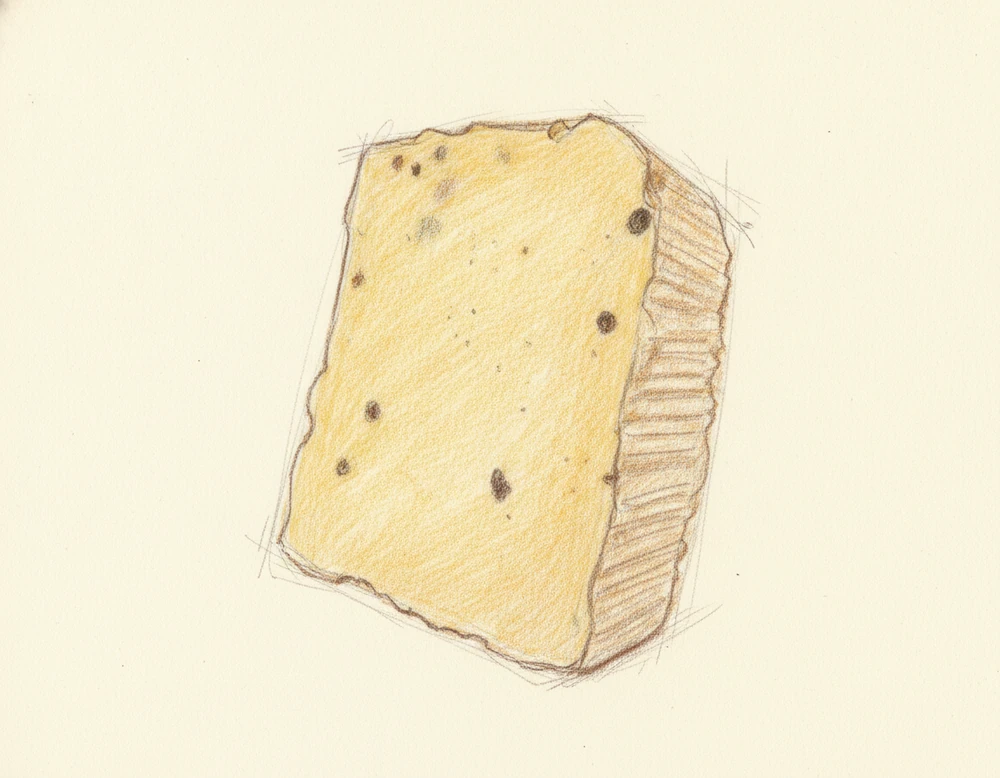
A pressed sheep cheese from the Enna highlands, made with whole raw ewe's milk at its natural fermentation acidity, from the native Sicilian breeds Comisana, Pinzirita and Valle del Belice and their crosses. It is traditionally saffron-yellow and studded with peppercorns.
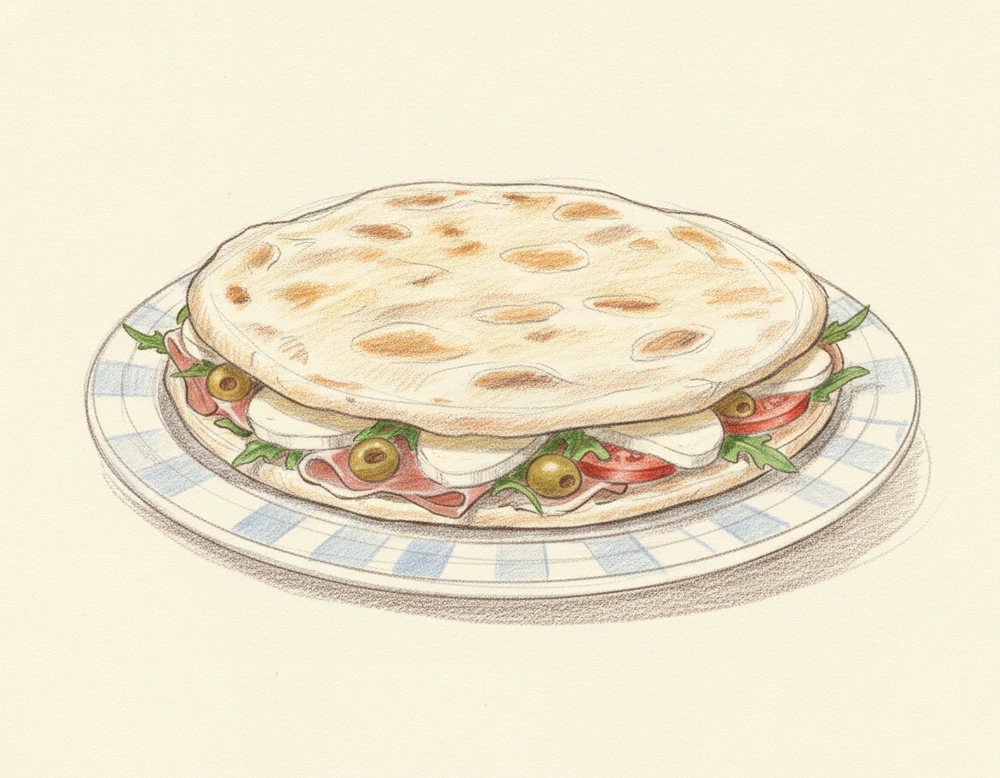
The everyday flatbread of Romagna, cooked on a hot plate and folded around cheese, cured meat or greens. It runs from ivory-white to dark amber, blistered with the characteristic amber spots on both faces, and smells like bread just out of the oven.
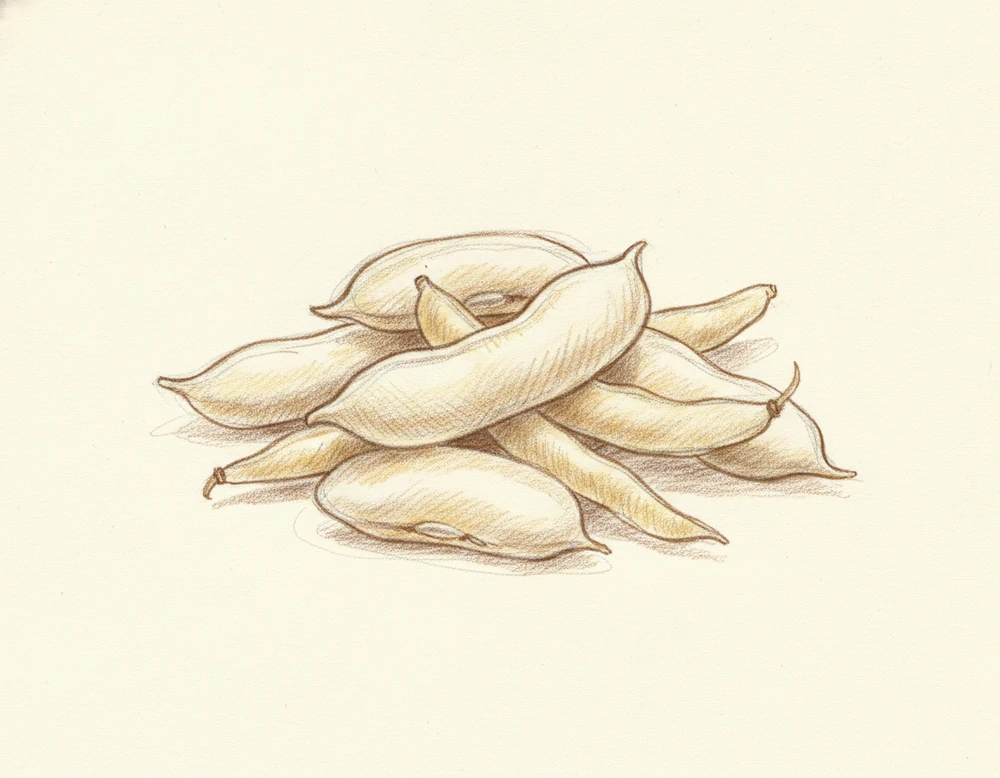
A white, flat, kidney-shaped bean from the wetland by the Orco at Cortereggio. Little calcium in that soil leaves the skin very thin. The Piattella was once real income for local families, who sold to buyers from further afield.
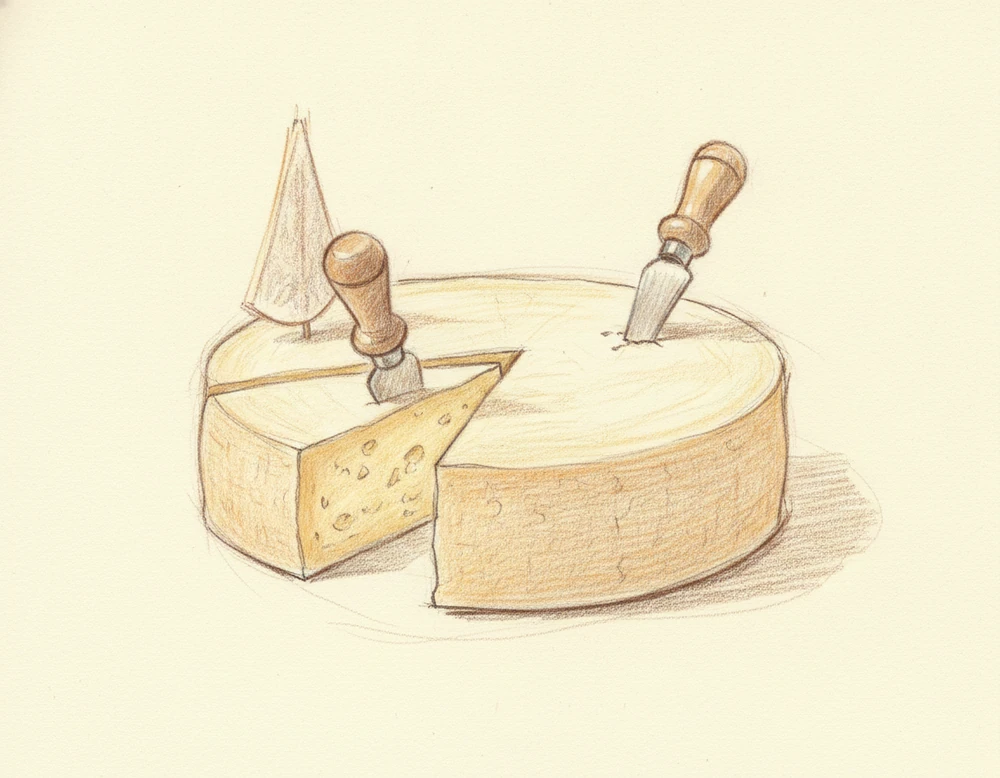
A hard, cooked-curd cow's-milk cheese from the mountain territory of Belluno, sold at five ages that each get their own name. It shrinks as it ages, from 320 mm across at Fresco to 280 mm at Vecchio Selezione Oro, and concentrates as it goes.
The protected area runs over more than 16,000 hectares along 32 kilometres of coast, taking in Porto Cesareo and Nardò and reaching west into the Gulf of Taranto. Some 250 small artisanal boats work out of Porto Cesareo, which matters to the local economy; the Salento fills with visitors every year and the fishermen have stayed with the fishing.
Two thousand hectares of clean sea in three zones, of which only Zone C may be fished. The marine area belongs to the reserve of the same name, whose land side carries Fiaschetto tomatoes, olives and artichokes. Archaeology inside the reserve shows fishing along this coast already in the Bronze Age, between 3500 and 1200 BC.
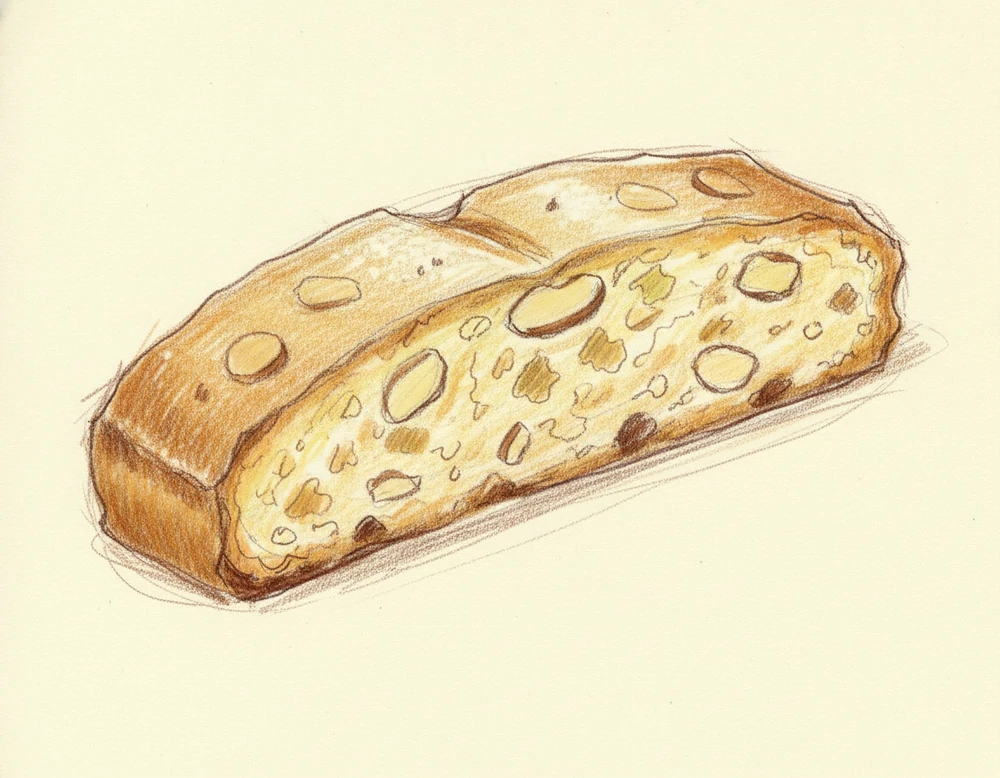
Made for over a century at Villa San Giovanni on the Costa Viola, facing the Strait. They are cousins of the Messina piparelle across the water but thinner, with a different proportion of almonds, more sparing with the spices and doing without some of them altogether, pepper among them. The name is said to come from the wood ovens they were baked in, which smoked like pipes. Two master bakers, the brothers Antonio and Paolo Strati, began making them in the early 1900s, and others followed, Domenico Adamo, Carmelo Ventre, Federico Polistena among them.
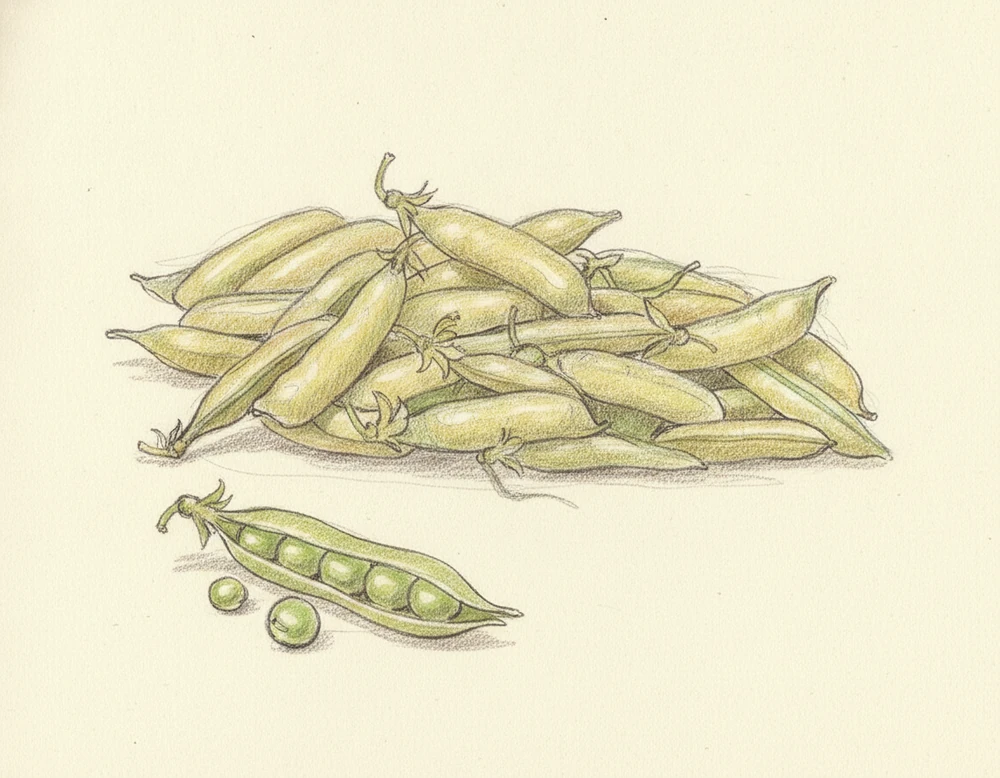
A pea grown on the Vesuvius slopes for at least a century, one of many varieties selected there over time. Peas have been a staple on that ground since the Greeks, Etruscans and Romans. The name means a hundred days, for how long it takes.
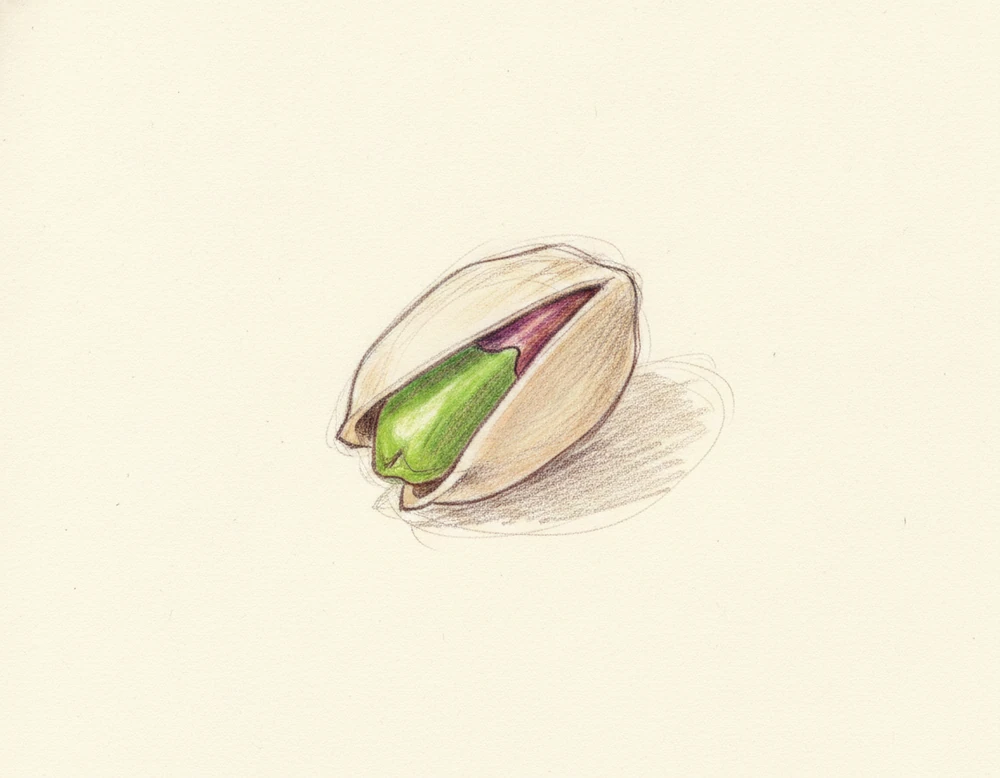
Pistachios from Raffadali in the Agrigento hills, sold in shell, shelled or peeled. The cultivar is Napoletana, also called Bianca or Nostrana, grafted onto Pistacia terebinthus, known locally as Scornabeccu.
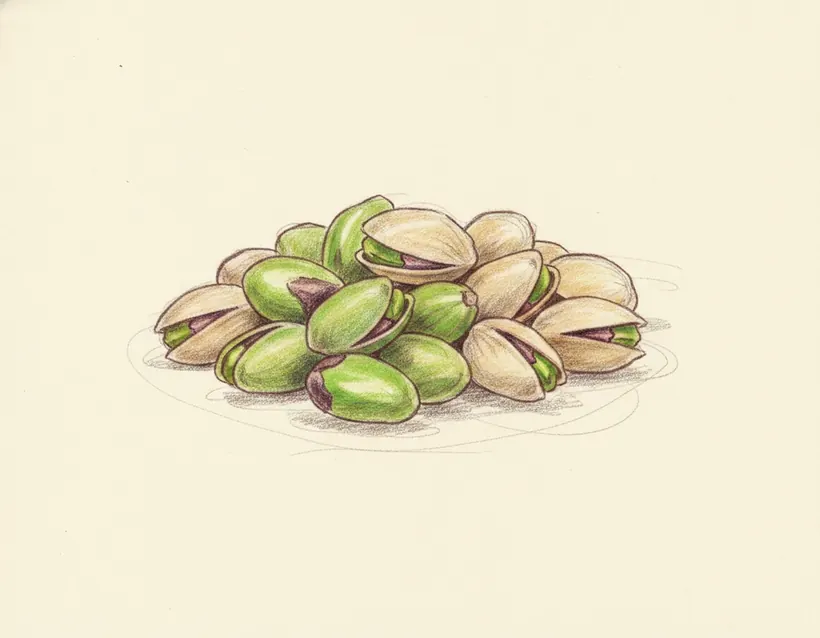
The intensely green, aromatic pistachio grown on the black lava soils of Bronte below Etna, harvested only every other year.
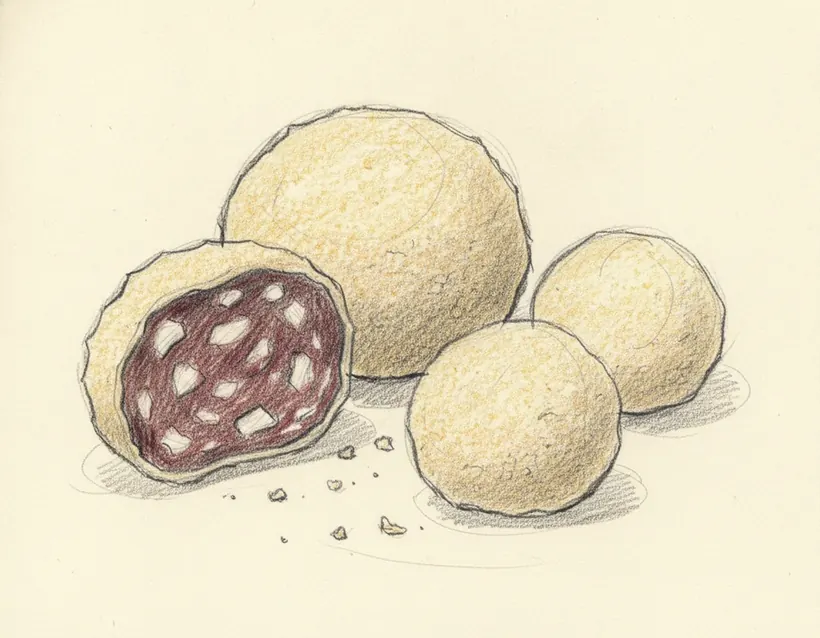
A ball of minced smoked meat (once game) rolled in cornmeal and smoked over the hearth, from the Val Tramontina.
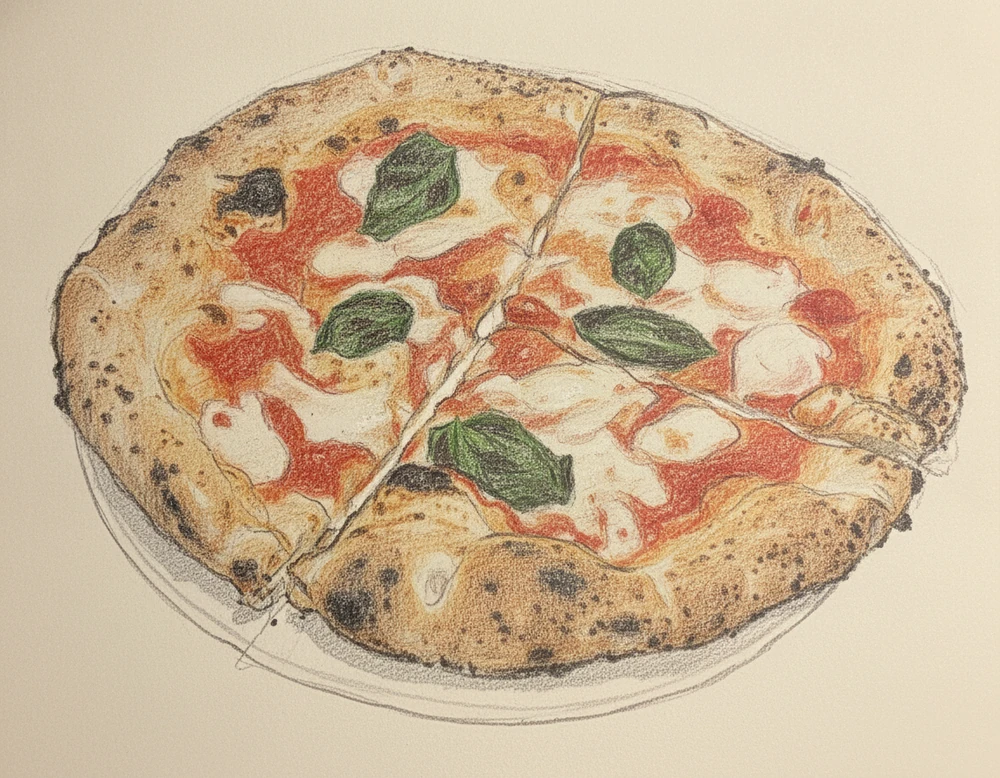
A round baked product no more than 35 cm across with a raised rim, the cornicione, and a topped centre. The centre is 0.4 cm thick with a 10 per cent tolerance, the cornicione 1 to 2 cm, and the whole pizza must be soft, elastic and easily folded into the libretto, the wallet fold.
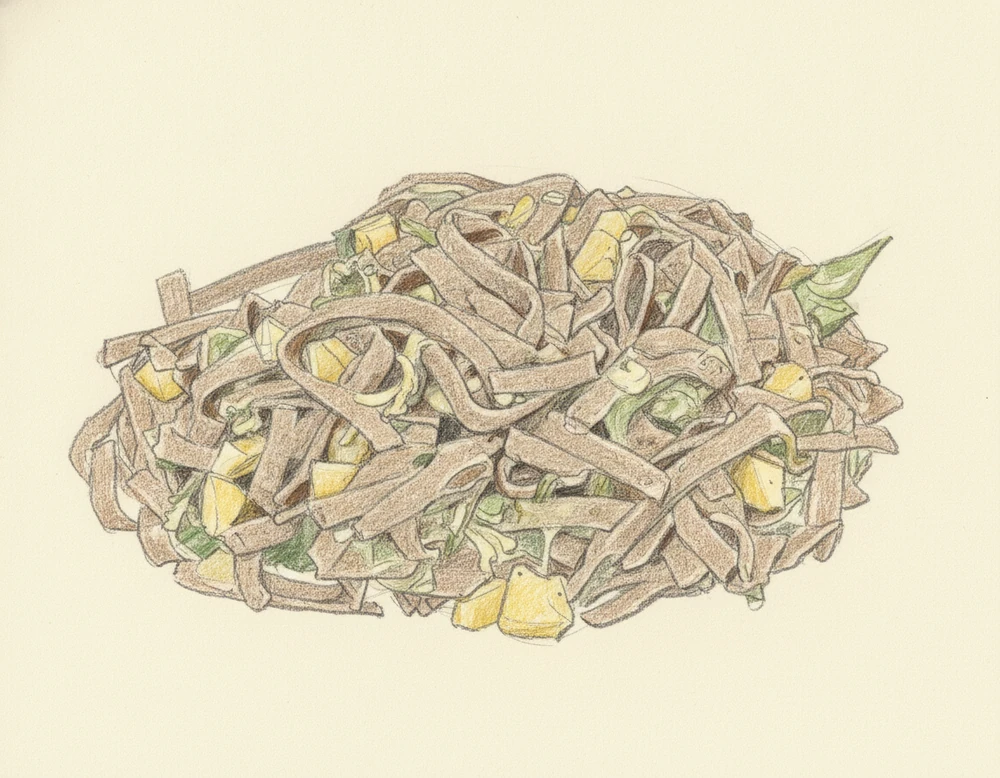
Buckwheat pasta from the Valtellina, sold both dry and fresh, cooked with cabbage or chard, potato and mountain cheese. Three shapes are recognised: flat tagliatella, rolled tagliatello, and a concave gnocchetto.
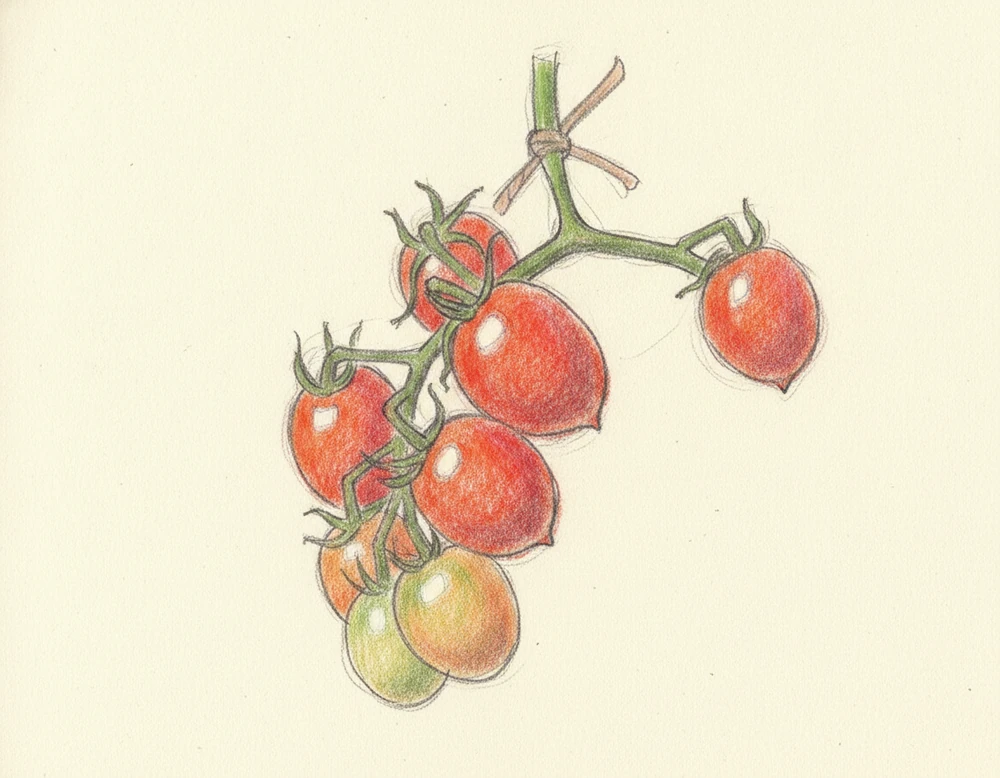
Small tomatoes of ecotypes traditionally grown on the Vesuvius slopes, descending from the popular names Fiaschella, Lampadina, Patanara, Principe Borghese and Re Umberto. They are hung in the piennolo, the bunch tied and kept through the winter.
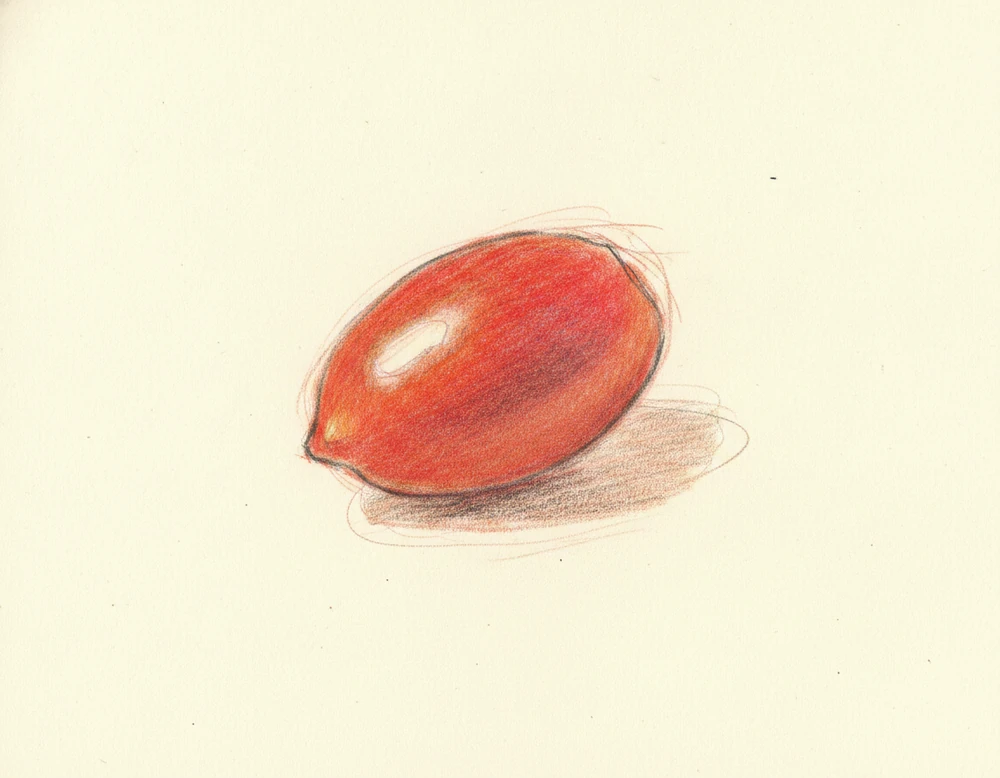
A small oval tomato with thin smooth skin, bright red and often slightly tipped, from Manduria in the northern Salento, better known for lending its name to Primitivo di Manduria.
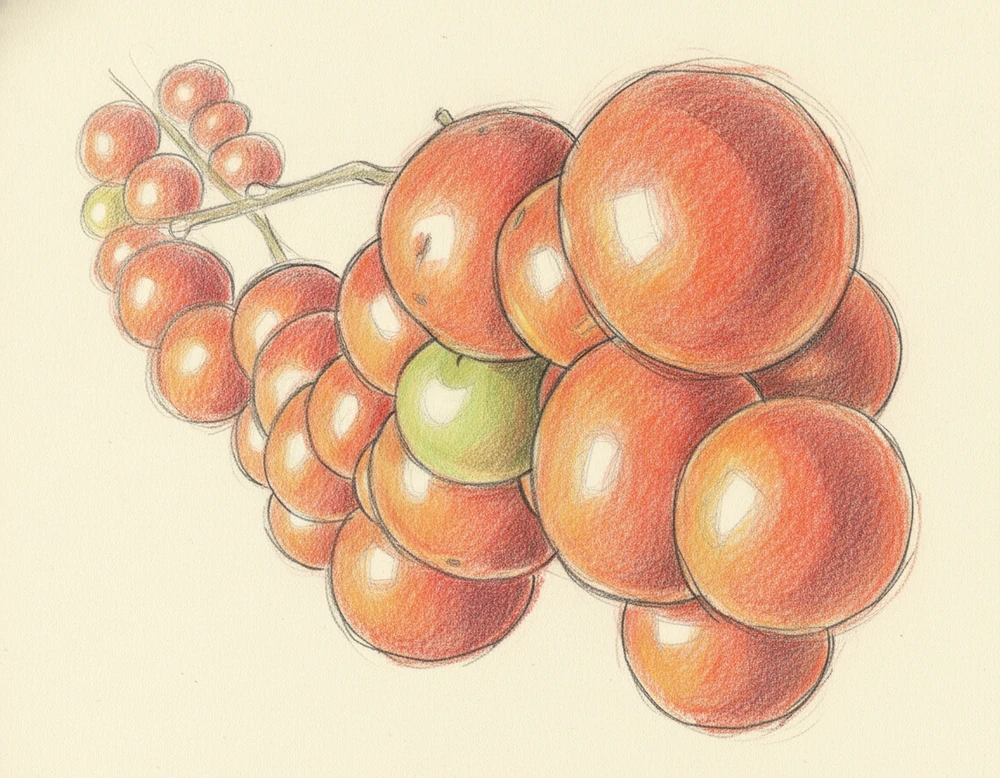
An ecotype held together by the growers of the Ionian hinterland. It was first grown on the Presila hills of the Catanzarese among the olives and climbs to 800 and even 1,000 metres. The fruit is small, about 60 grams, round and smooth or faintly ribbed, deep red; it holds very little water and has a thick skin, which is what lets it keep through the winter. Before the Second World War the seccagno or siccagno types were common not only in Calabria and Sicily but across the south.
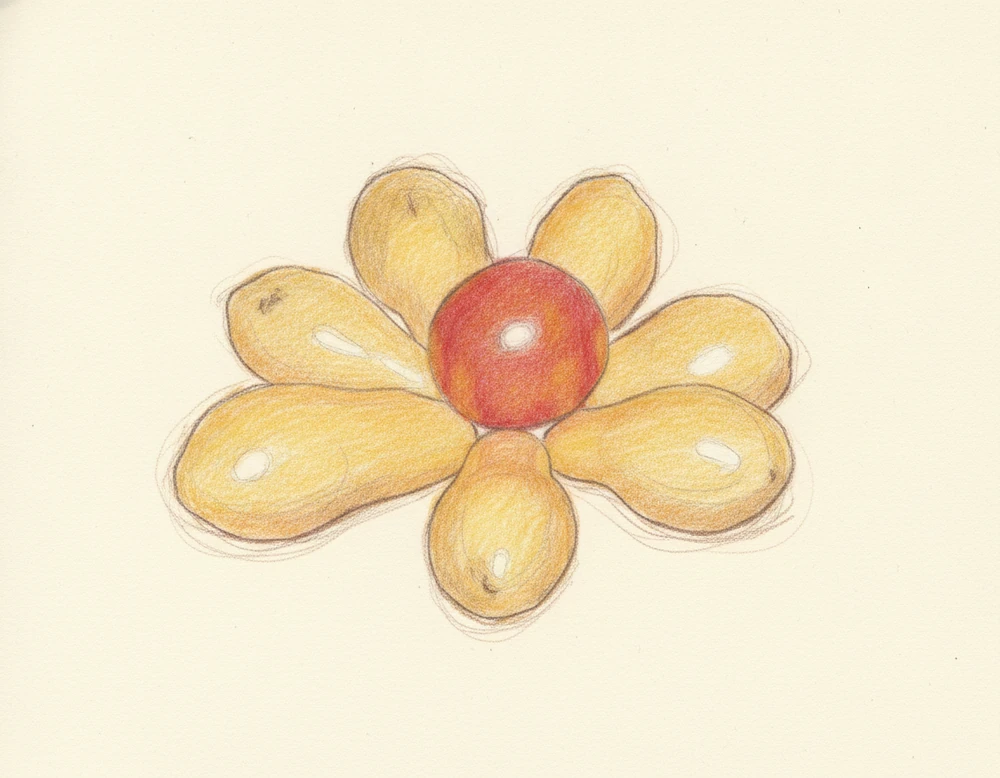
A keeping tomato of the Samnite Apennine foothills, most likely of the cherry family. The fruit is small and round, flattened slightly at the stalk end and sometimes tipped, with yellow skin over pinkish flesh.
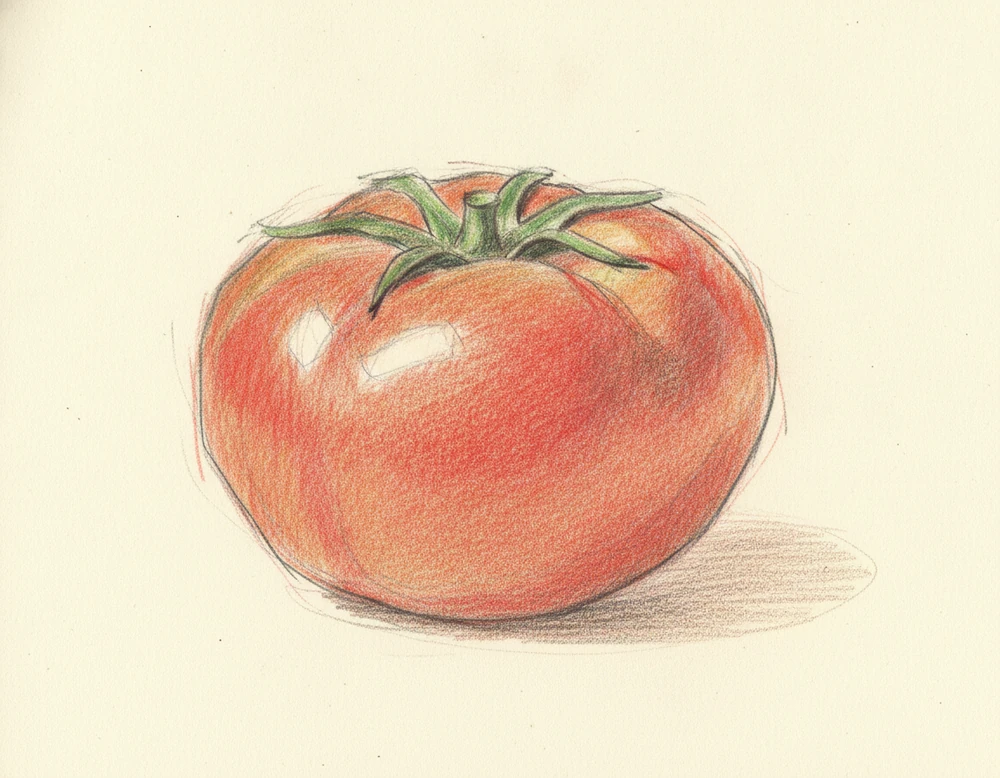
A tomato from the Licata plain on Sicily's southern coast, where the Salso river leaves potassium-rich soils. Those soils and the high salinity of the water together give the fruit its particular character.
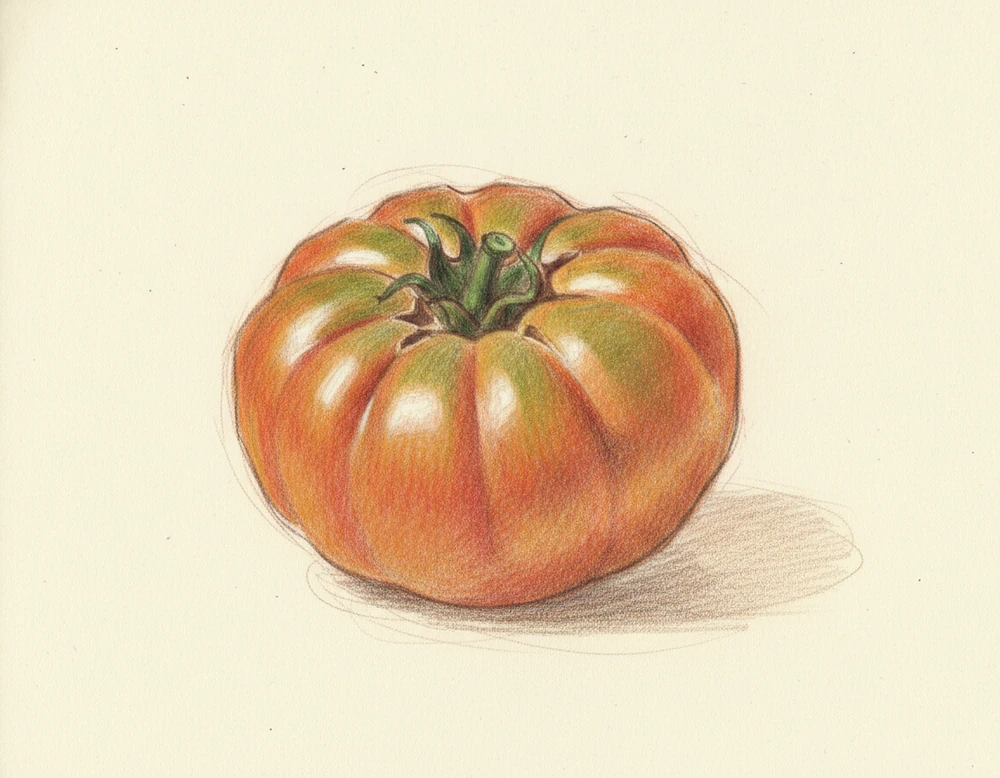
A ribbed Lucca tomato, also called Cresputo or Costoluto, long grown in family kitchen gardens and sold in the city markets, where it once fetched more than other varieties. Hybrid ribbed types pushed it aside from the late 1960s; a few custodian farmers kept the seed, and it entered the Tuscan biodiversity register in 2015. The name means little basket, and it is recognised as much by its flaws: green shoulders that stay green when ripe, and small clefts under the stem.
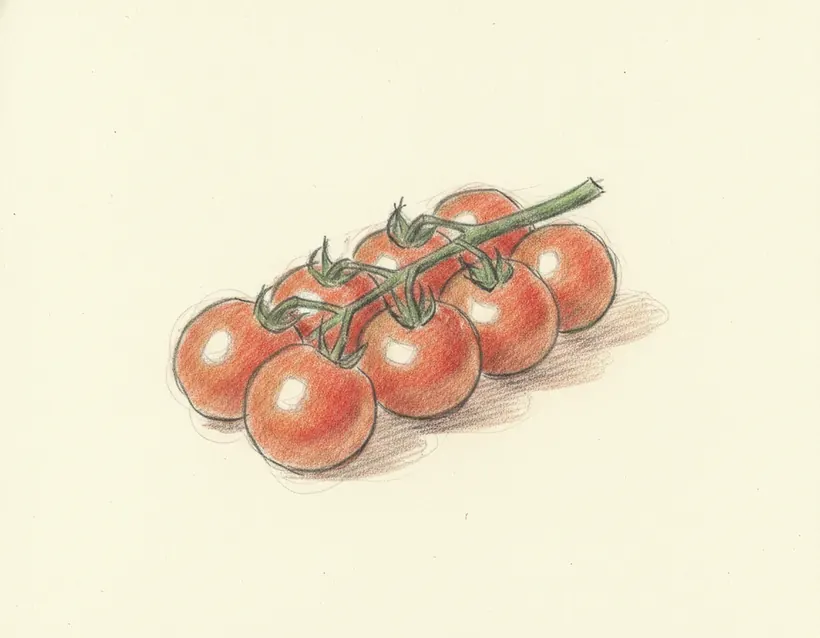
Small, intensely sweet cherry and cluster tomatoes grown in the sun-baked south-eastern tip of Sicily.
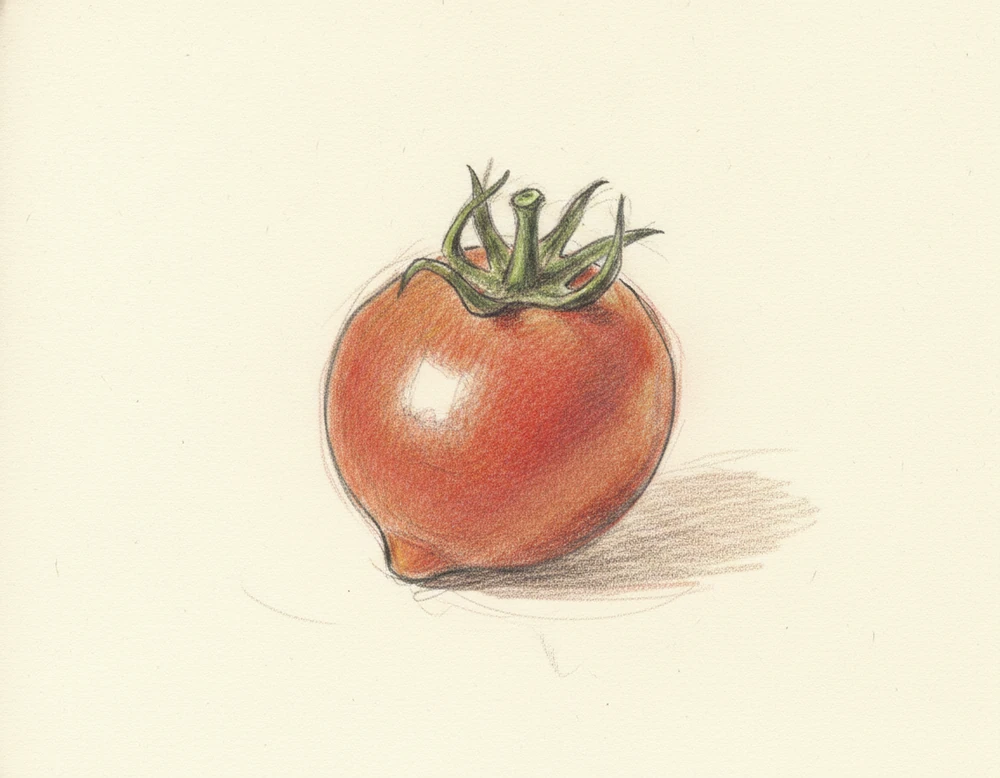
Small, sweet, juicy and made for preserving: this was the base of the passata every household in this part of the Brindisino put up for winter, town families included, and using any other tomato, San Marzano included, was not considered. It still nearly disappeared, being expensive to grow and worse to pick, with yields no match for the modern sauce hybrids.
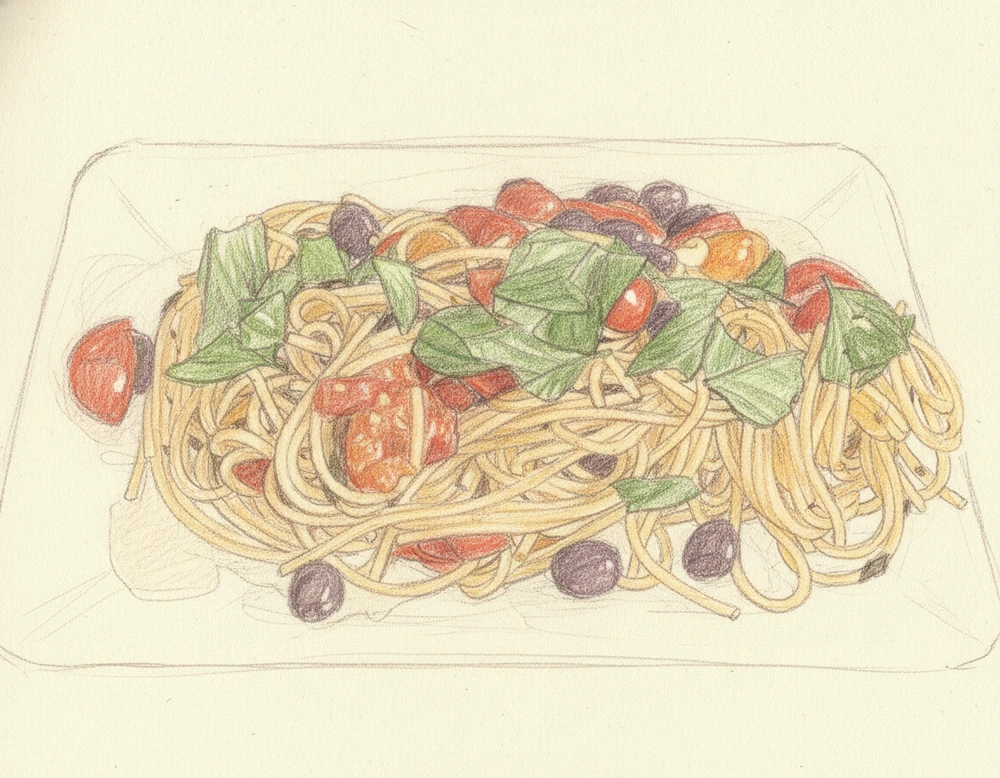
A yellow-red tomato from Crispiano in the Taranto hills, a place known for the masserie scattered through its countryside, fortified farmhouses built between the 15th and 19th centuries.
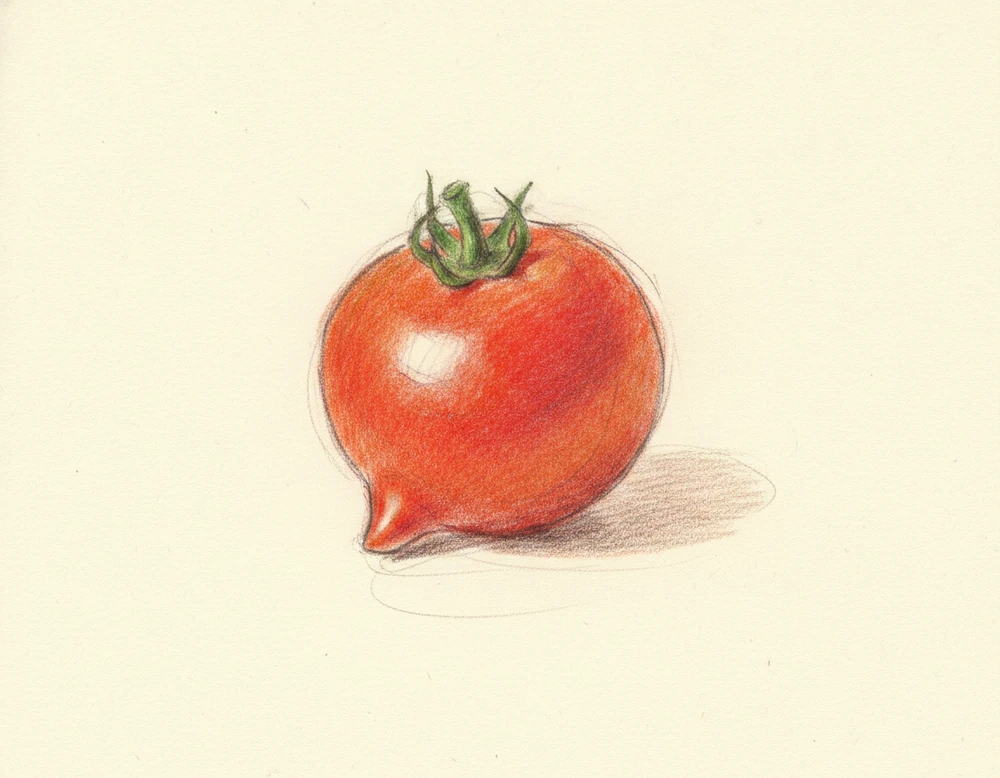
A small round tomato that turns bright red when ripe and carries a pointed tip at the base, the pizzo that names it. It is grown without irrigation, as it has been for generations, in the red, salt-rich earth of the valleys running from Monte Erice down to the sea at Trapani.
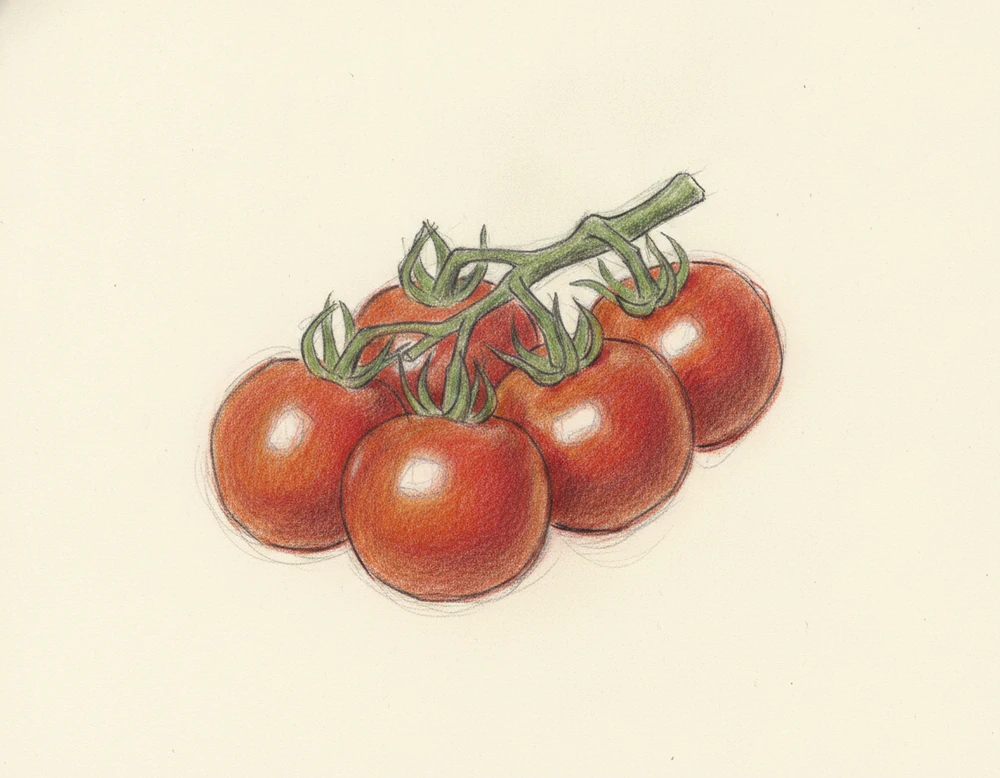
Grown in the saline soils of the coastal dunes park in the Alto Salento, from Egnazia through Torre Canne to Torre San Leonardo along the old Via Traiana. The name is the calyx, which grows in the shape of a little crown. The fruit is round and small, a little bigger than a cherry tomato, and the brackish irrigation water thickens its skin, which is what makes it keep and resist pests. It came in around the middle of the 19th century, replacing cotton, before which very little land here grew tomatoes at all.
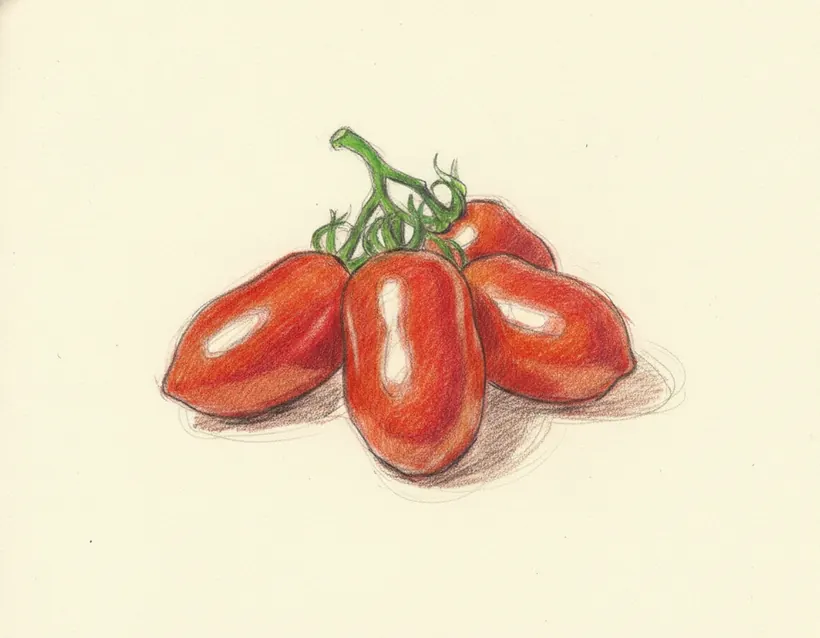
The king of plum tomatoes, long, thin-walled and low in seeds, grown in the volcanic Sarno-Nocera plain and prized peeled for sauce.
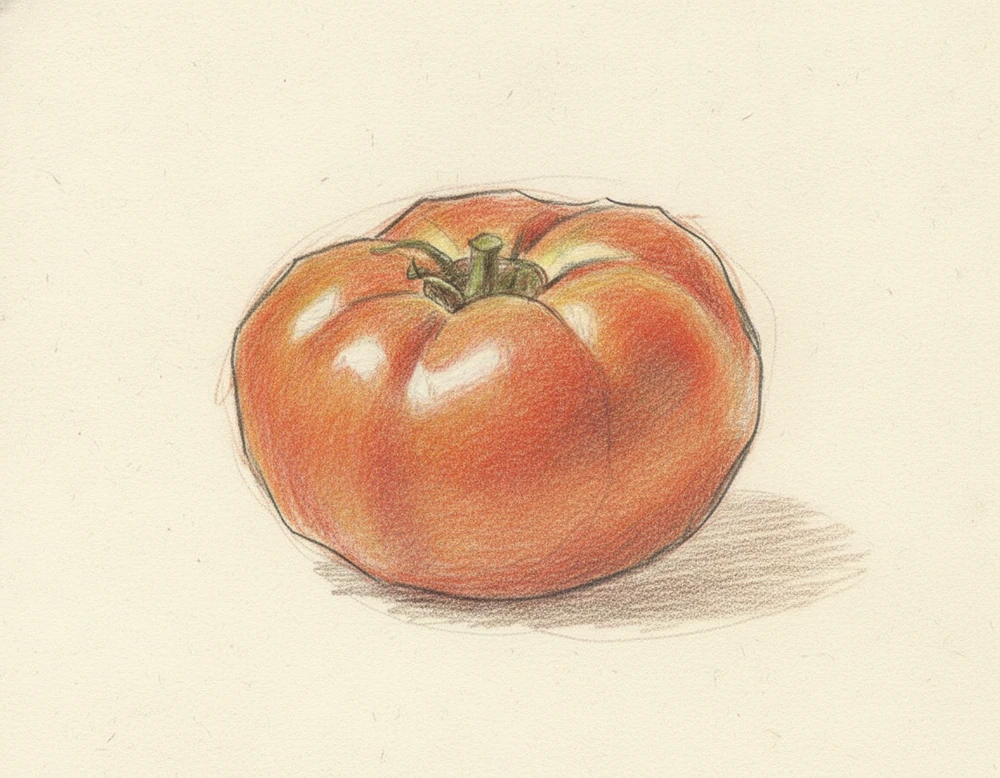
A dry-farmed tomato of the upper Belìci valley, grown for passata rather than for the table. No family in inland Sicily would once go into winter without a stock of it, put up alone or with the rest of the village.
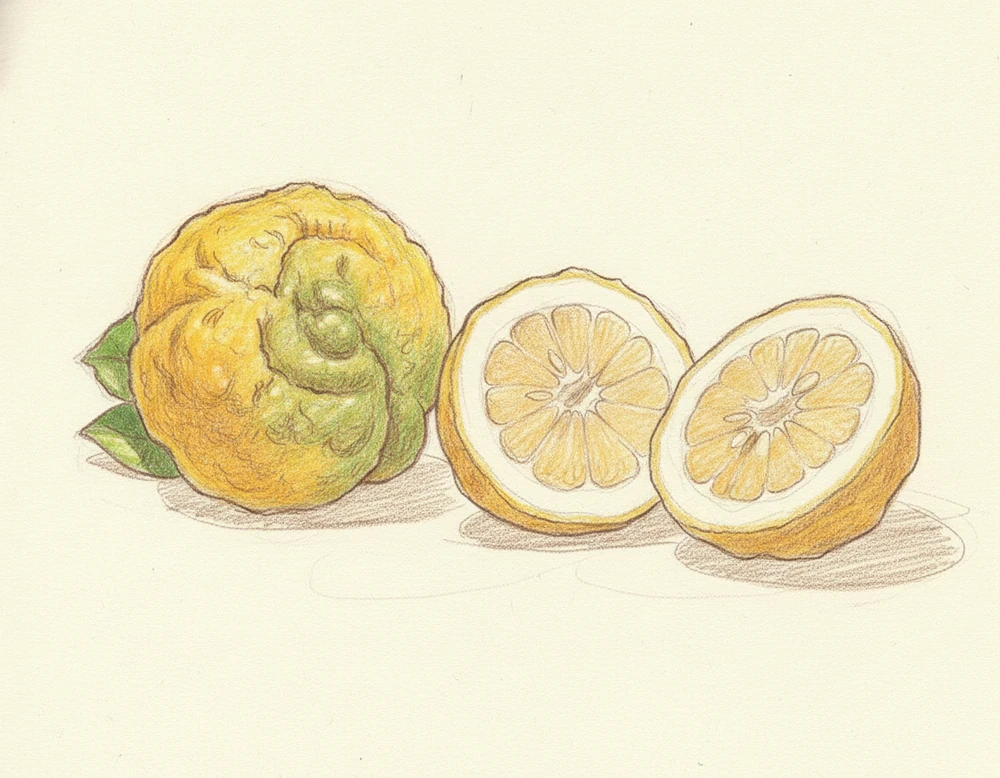
The tree looks like an orange and the fruit does not: as big as a grapefruit or bigger, bright yellow, the skin thick, ribbed and wrinkled. It grows wild in the scrub and in the citrus groves only in Sardinia, in the Baronia around Siniscola, and has been cultivated here at least two hundred years. It carries some of the island's sweets, sa pompìa intrea above all, in which the pith is candied in honey, and the rind flavours spirits.
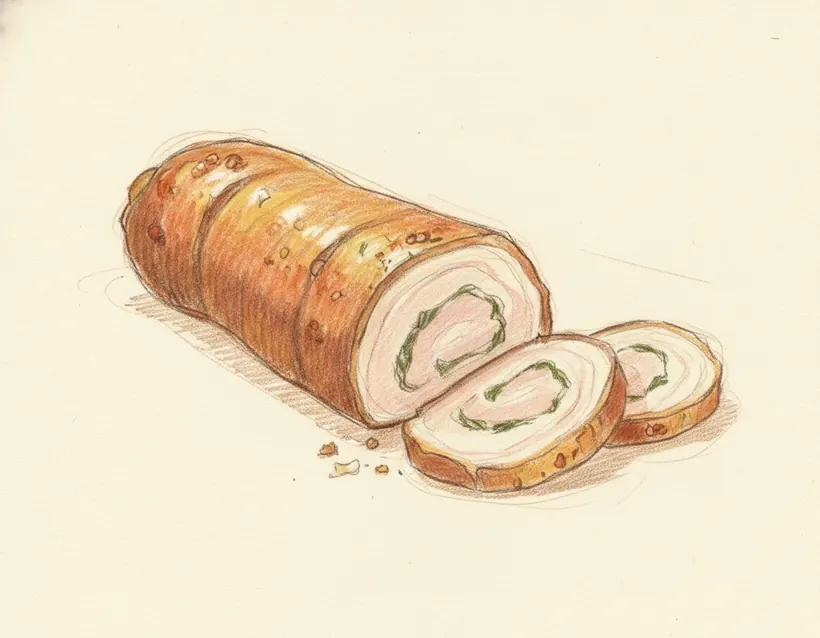
A whole pig boned, herbed with rosemary, garlic and pepper and slow-roasted into a long roll with crackling skin, the great Roman street sandwich filling.
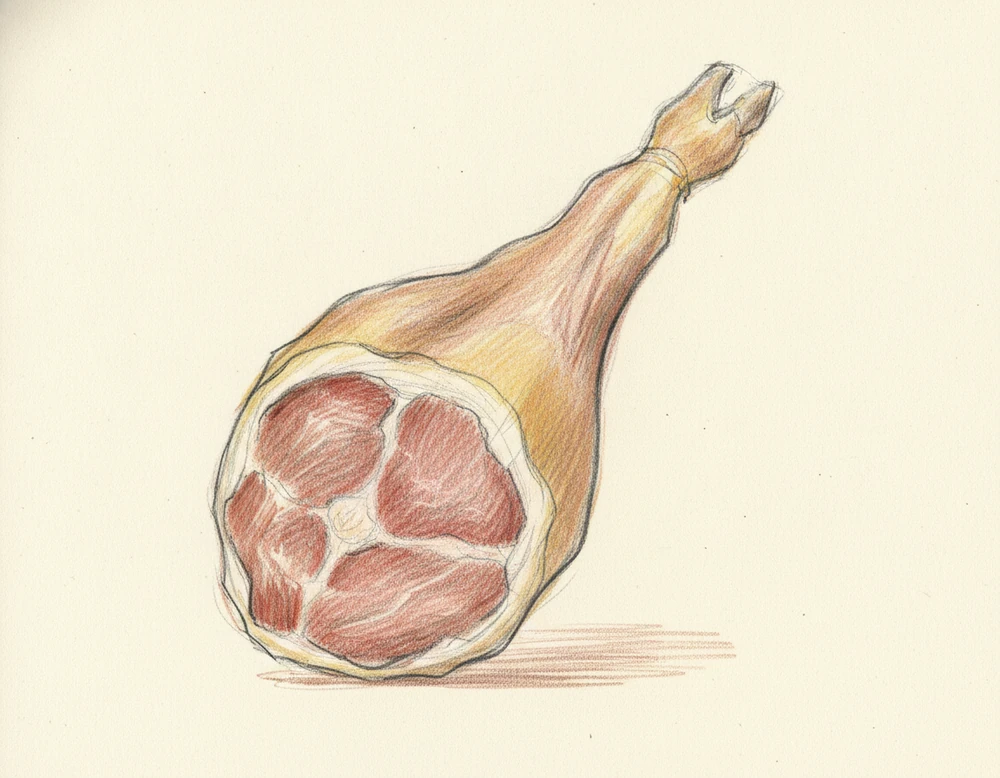
A cured ham from the Amatrice highlands, pear-shaped with the trotter removed and a high trim that leaves a wide bare face running more than halfway up the leg.
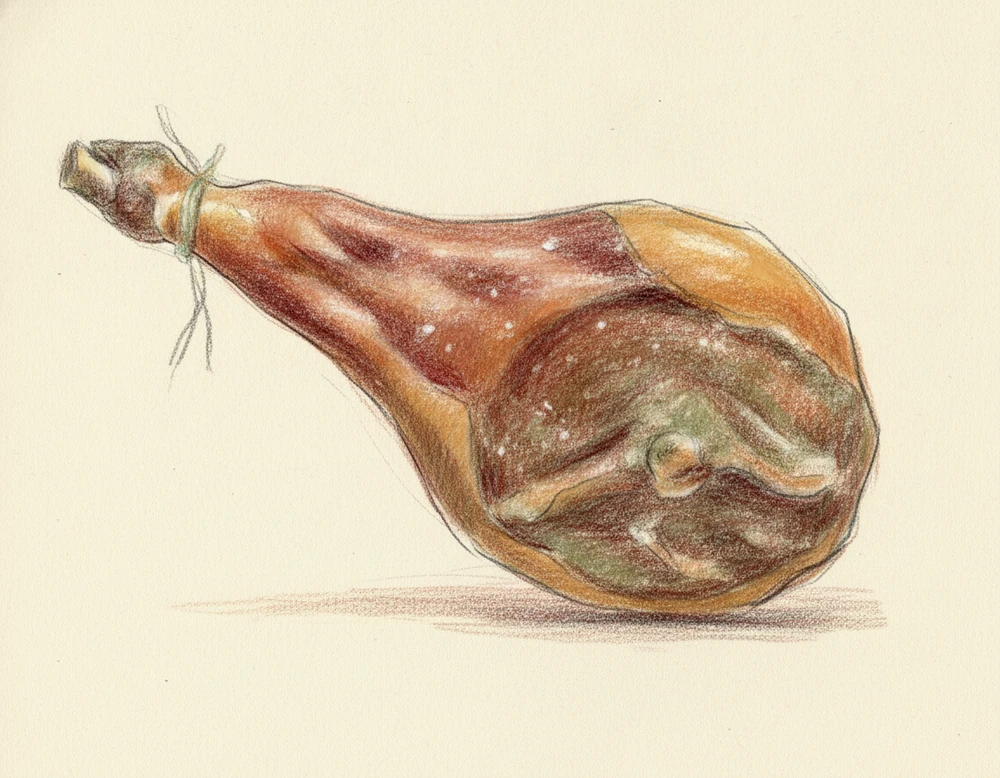
The name is dialect for a jutting chin, which is the shape of this long ham from the mountains above Lucca. Large households there raised very heavy pigs to carry them through the year, and the ham still reaches 16 to 18 kilos after ageing. Its size means it is cut by knife rather than machine.
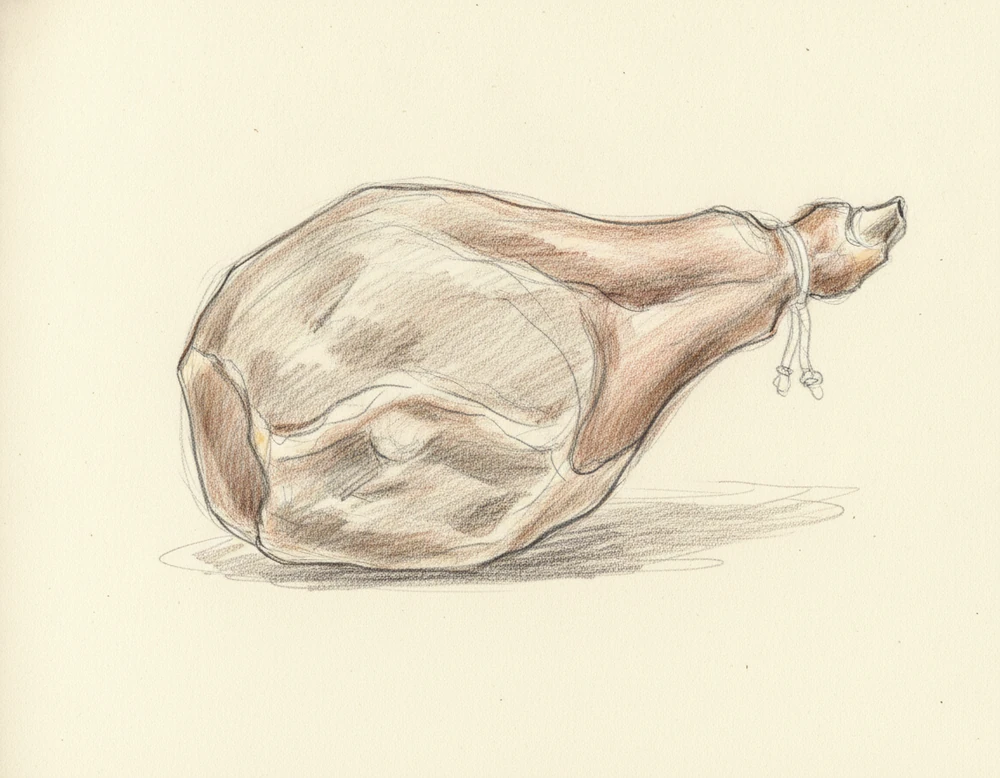
A ham from the Casentino valleys above Arezzo, already praised in print in the 19th century and shipped as far as Germany and England. Rounded, slightly long and flattened, 9 to 12 kilos, cutting a bright red with clean white fat.
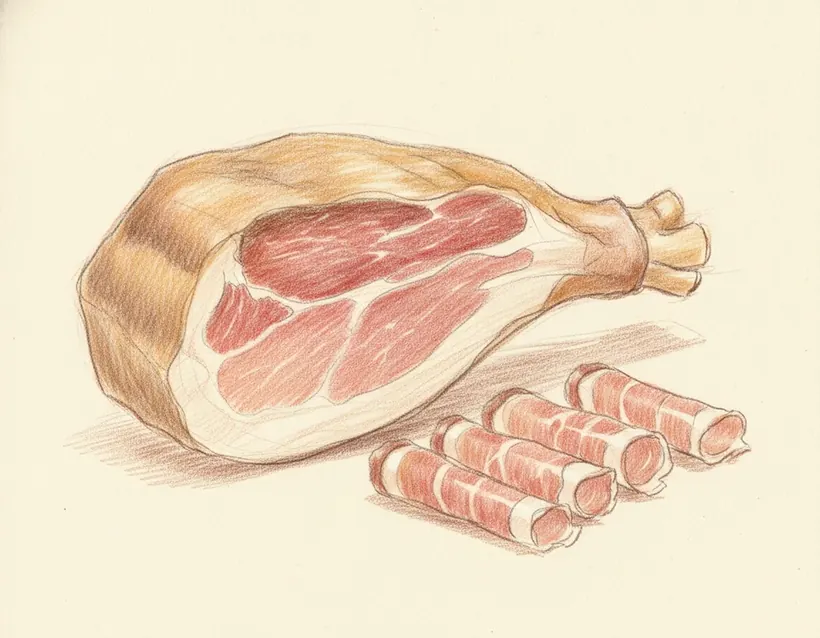
A sweet, rosy cured ham aged in the mountain air of Carpegna, lightly salted and rounded in flavour.
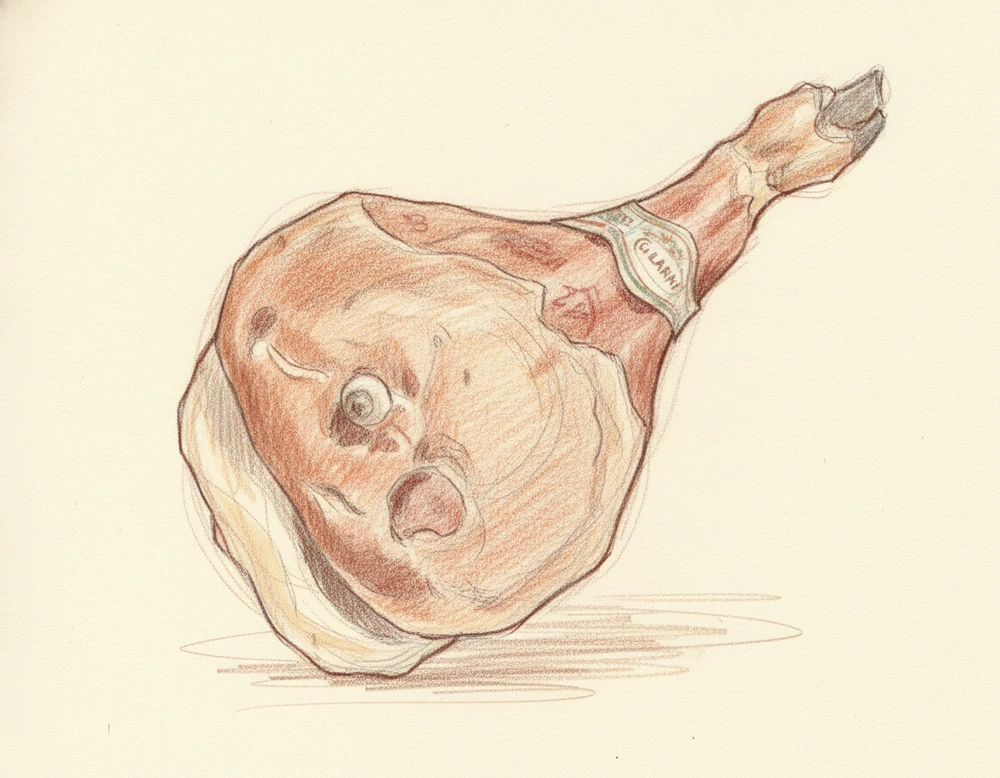
A raw cured ham whose every stage, from salting through to full maturation, must happen inside the Modena zone, attested by a mark burned into the rind. Legs come only from pigs born, raised and slaughtered in ten listed Italian regions.
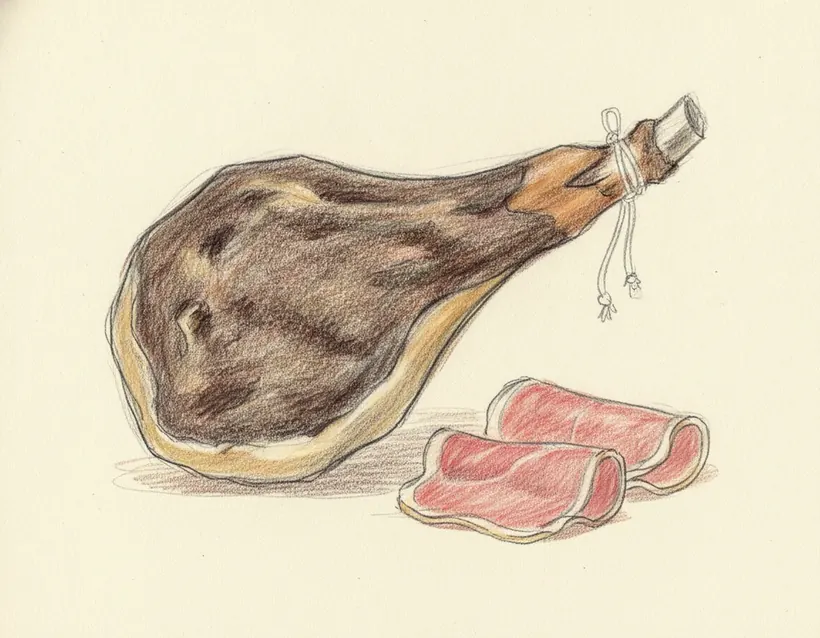
A pear-shaped mountain-cured ham of the high Valnerina, dry-salted and aged over a year to a savoury depth.
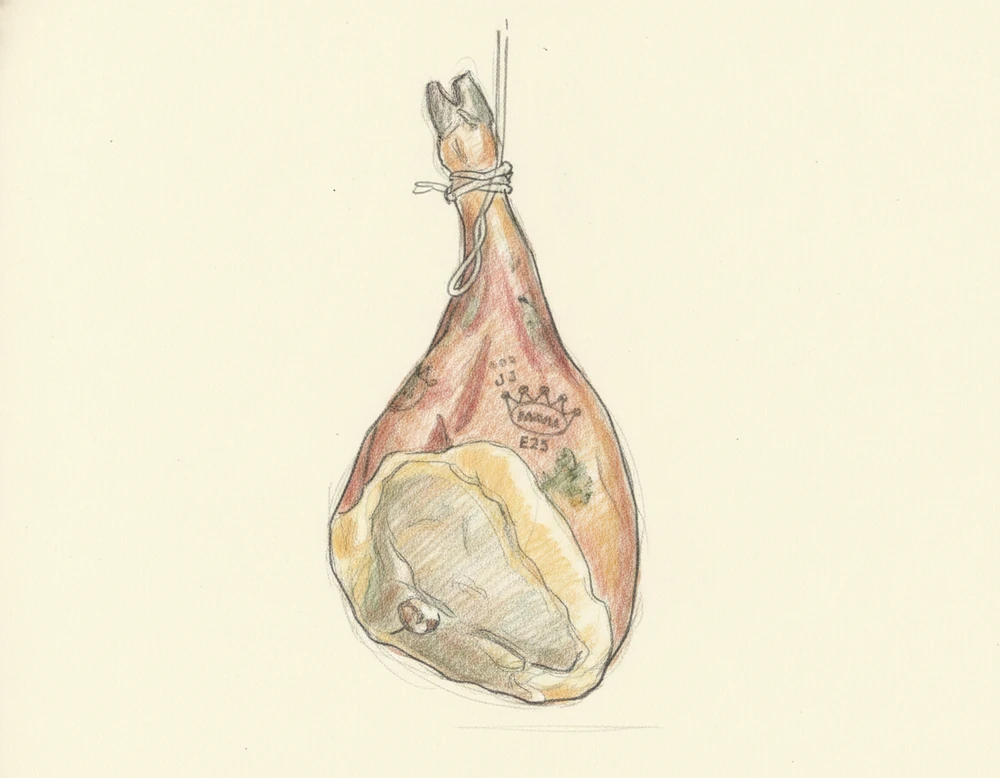
Italy's most exported cured ham: a raw, salt-cured leg from heavy Italian pigs, matured a minimum of 14 months in the hill air south of Parma. Nothing but pork and sea salt goes into it, with no nitrates, nitrites or preservatives permitted, and only hams that pass the final inspection are fire-branded with the five-pointed ducal crown.
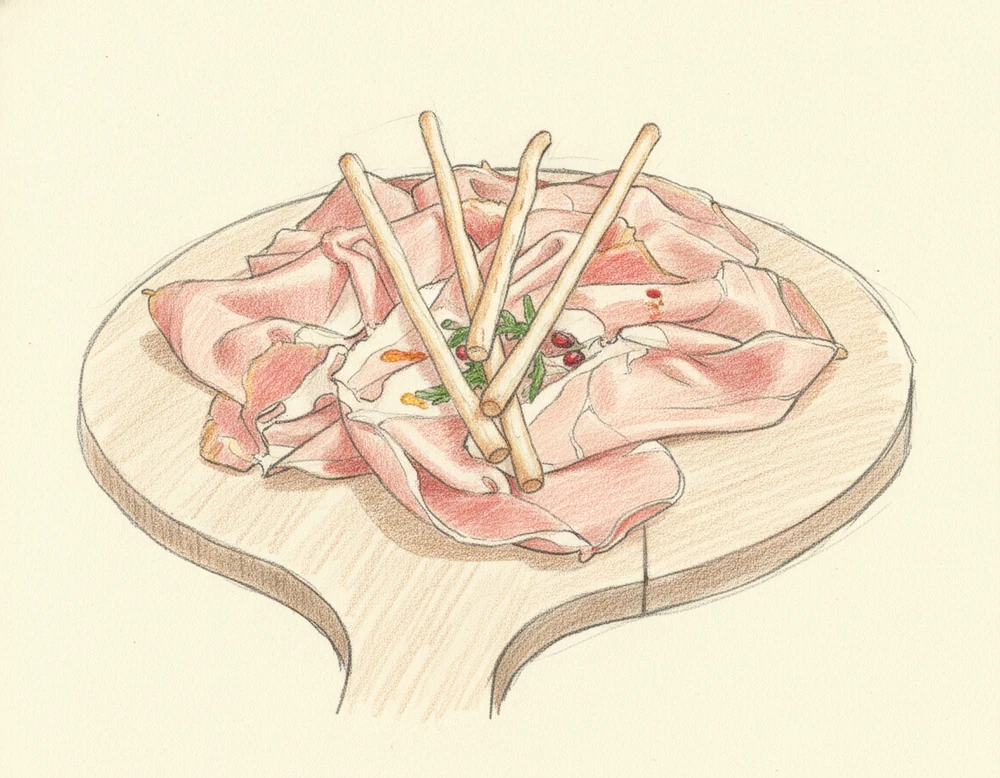
A raw cured ham salted and matured for no fewer than 400 days from the day salting begins, the longest minimum ageing of any Italian ham DOP. It keeps the trotter, which is how you tell it from Parma on sight.
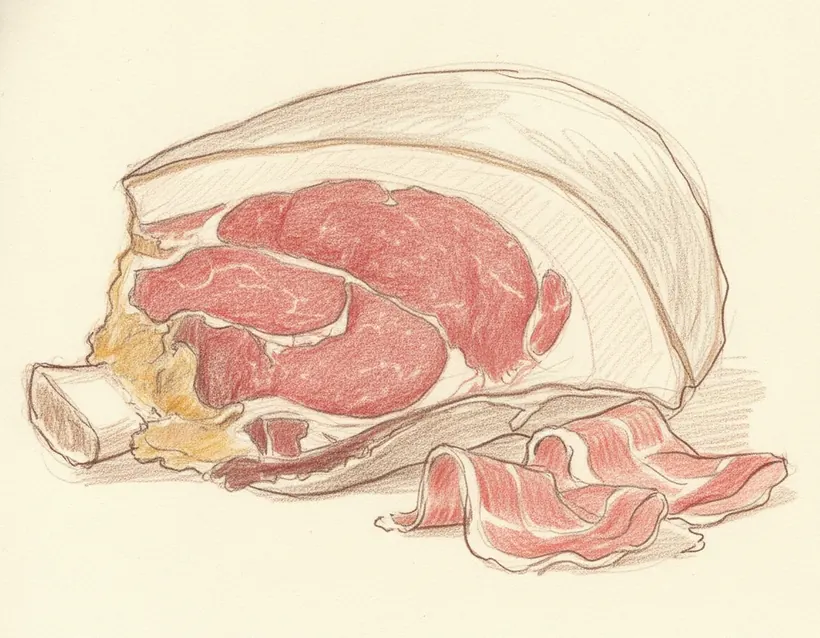
A gently beechwood-smoked cured ham from the high village of Sauris, sweet and lightly smoky.
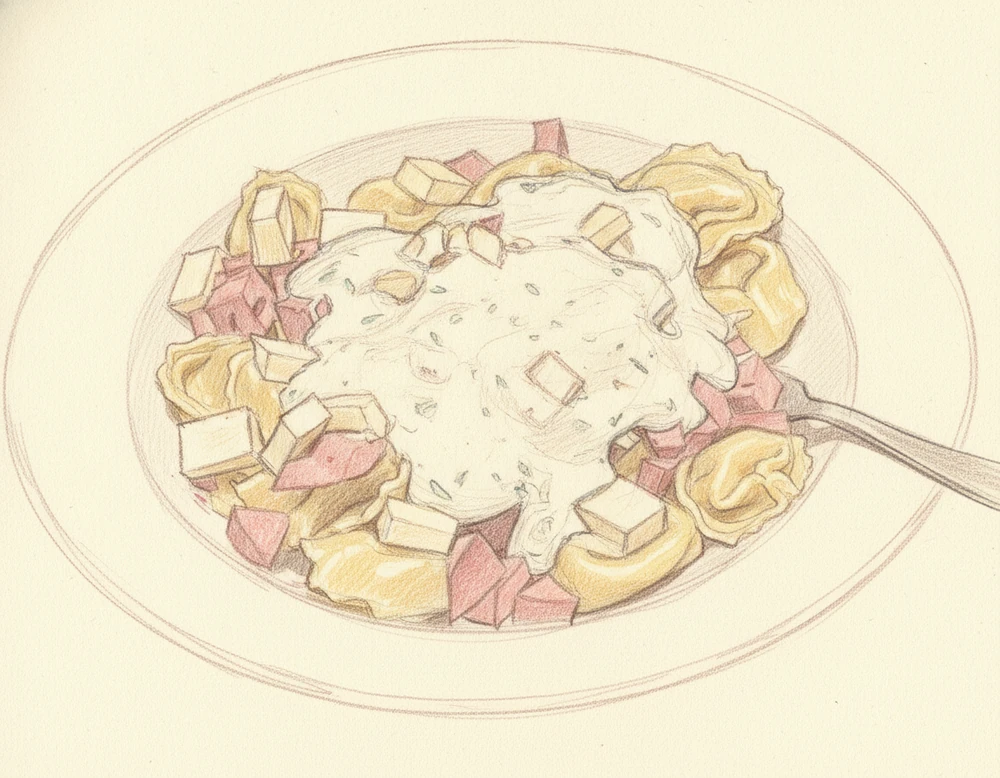
A raw cured ham matured in the Tuscan climate, which the disciplinare treats as the reason the product can only be made here: a climate quite unlike the neighbouring regions and particularly suited to a long, even ageing.
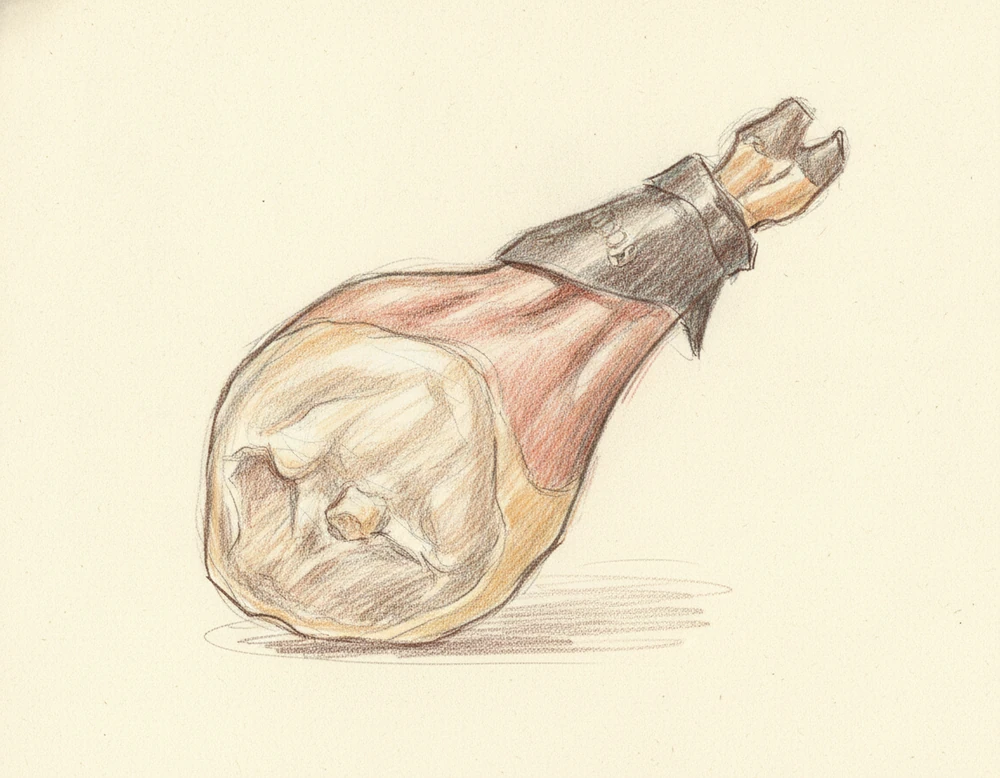
A raw cured ham from the Berici and Euganei hills south of Vicenza and Padova, the third of Italy's classic hill-cured prosciutti alongside Parma and San Daniele.
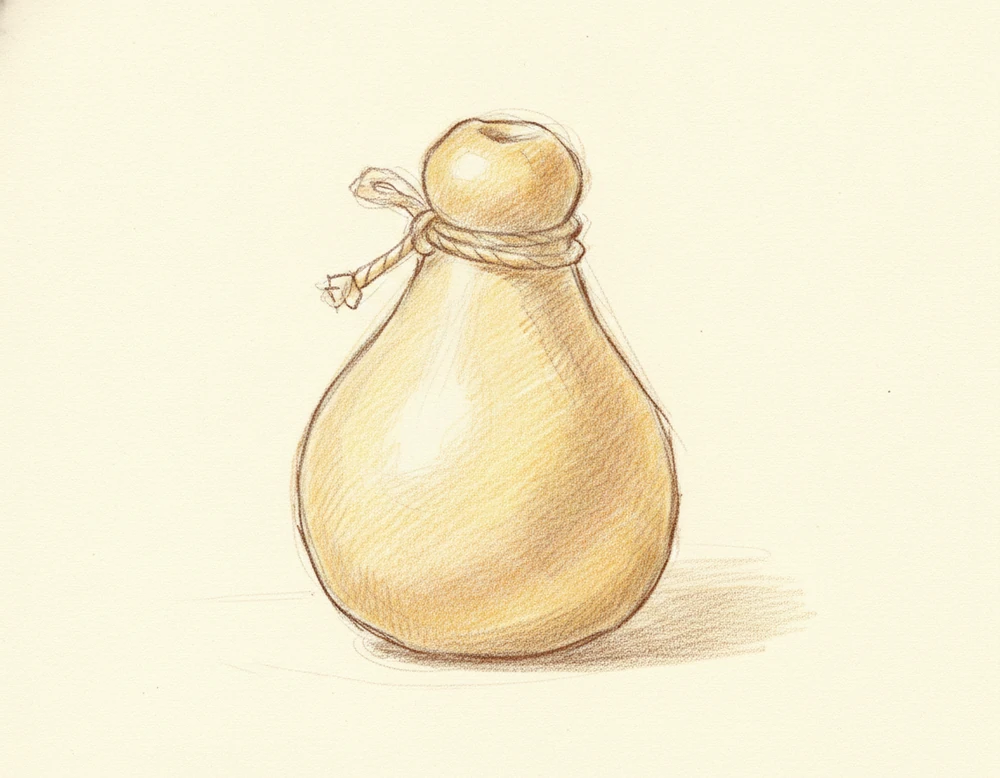
A pasta-filata cow's-milk cheese from the Nebrodi mountains, made in five types: fresh, semi-aged, aged, sfoglia and one flavoured with green lemon. The fresh type keeps the classic pear shape, with or without the little head on top.
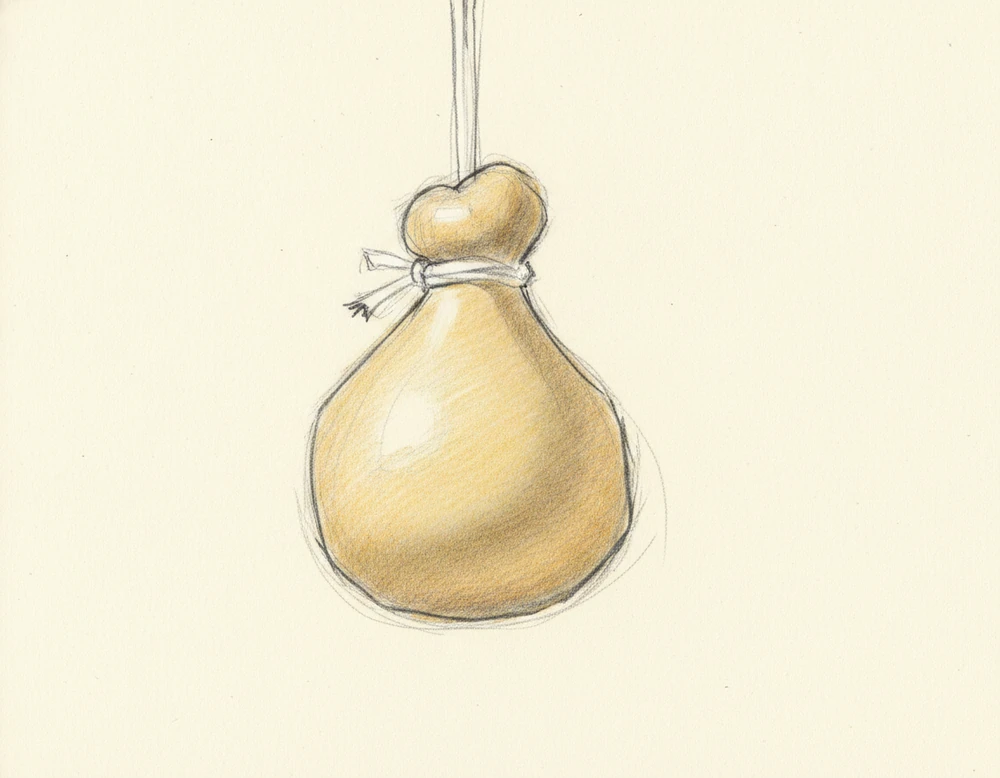
A full-fat cow's-milk pasta-filata cheese from the Madonie, squatter and more pear-shaped than the Nebrodi provola, with a short neck and a rounded head. The rind is smooth, thin and straw-yellow, and the cheeses are hung in pairs over a pole to age.
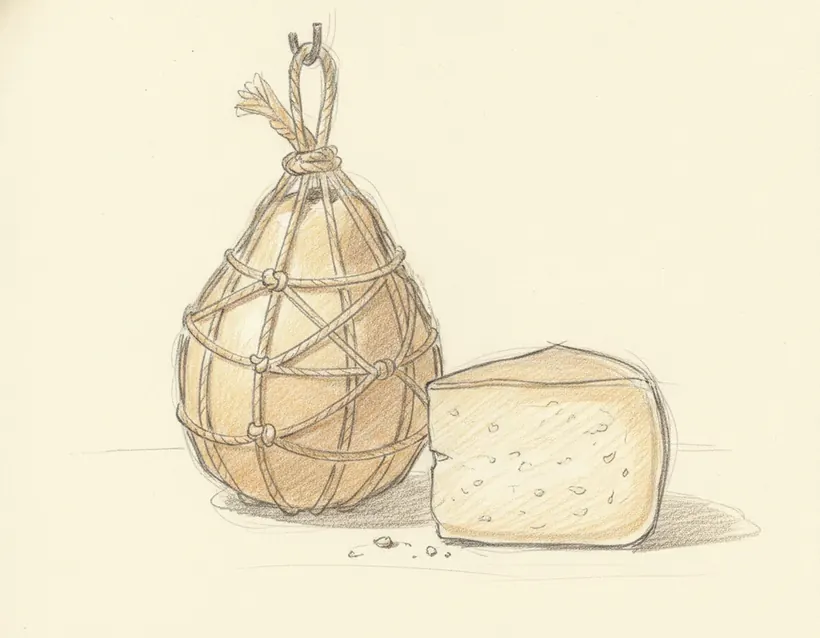
A semi-hard stretched-curd cow's-milk cheese of the Lattari mountains, shaped like a small melon and aged tied with cord.
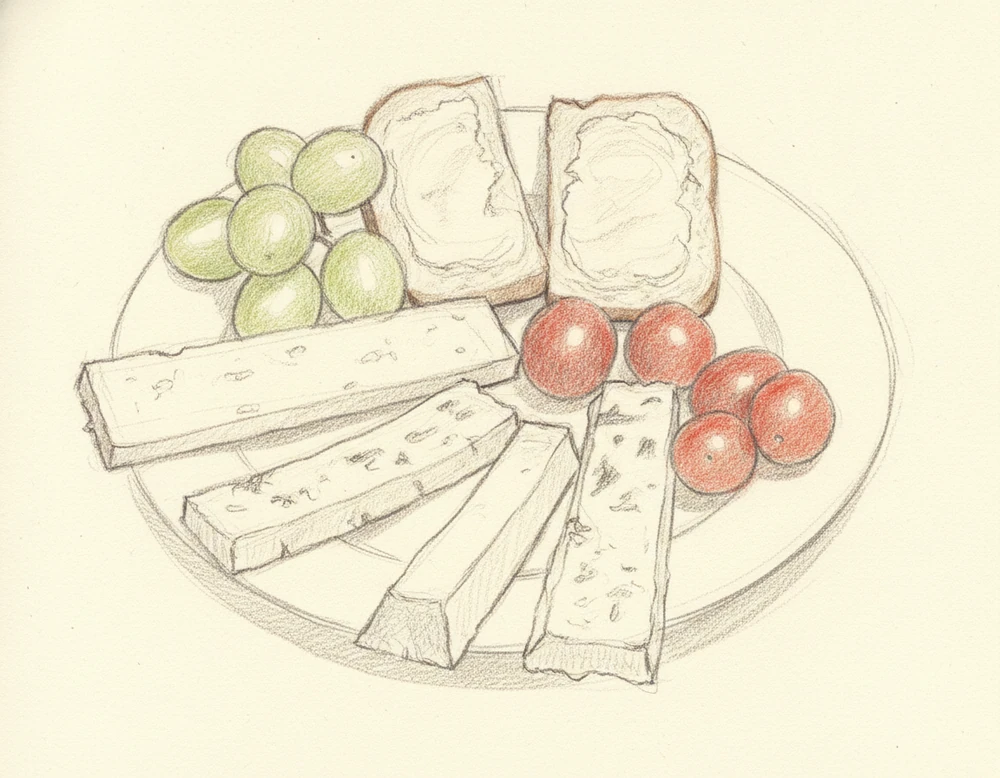
A pasta-filata cow's-milk cheese of the Po valley, made in both a mild and a piquant version and hung in ropes to age. It is one of the few Italian cheeses whose zone is written comune by comune across four regions rather than as a province or a valley.
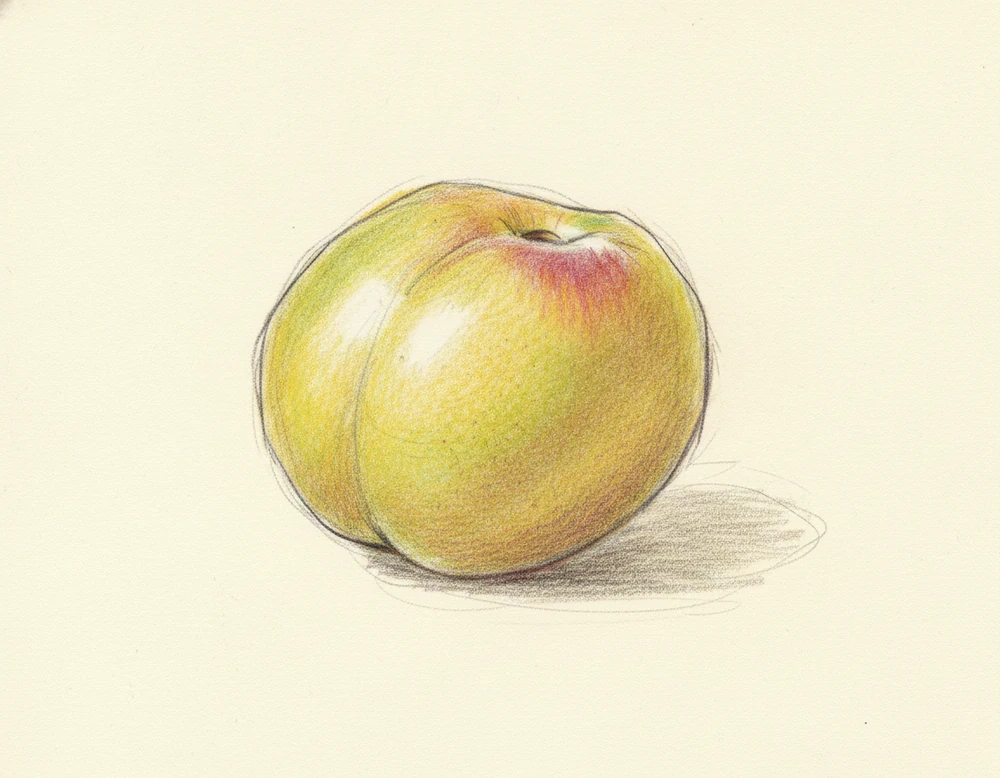
Selected in the 1500s by Celestine Benedictines in the monasteries of the old duchy of Terranova, below Aspromonte. Father Giovanni Fiore da Cropani wrote in Della Calabria illustrata in 1691 that the plums called frati are very noble and delicate. The skin is thin and yellow-green, turning a faint reddish purple when ripe under a bloom; the fruit is medium and long, the flesh firm and not very juicy and free of the stone, sweet and aromatic with a slightly acid finish.
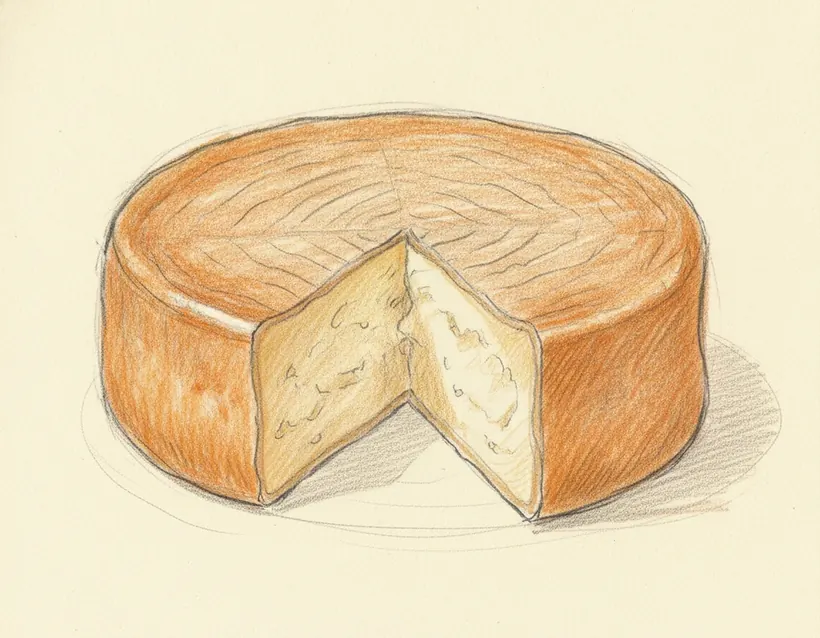
A pungent, smear-ripened cow's-milk cheese of the Val di Fassa, its damp orange rind hiding a supple, aromatic paste.
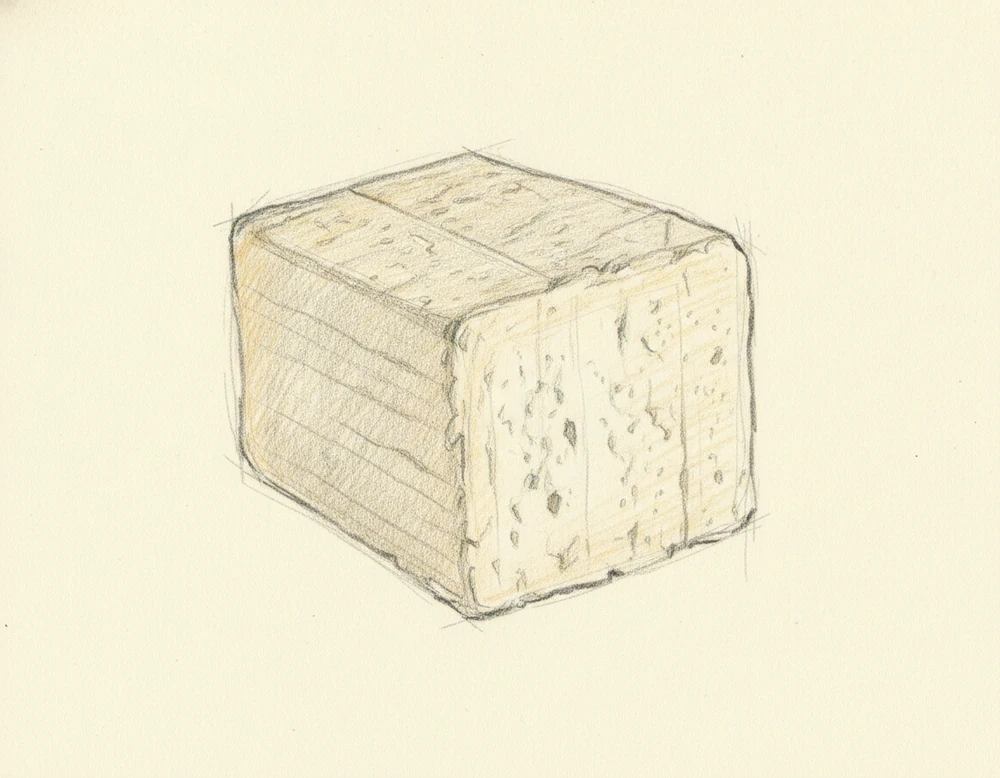
A soft cow's-milk table cheese made from at least two milkings: the first whole, the later ones optionally skimmed. The name comes from the quartirola, the fourth cut of autumn grass the cows grazed on.
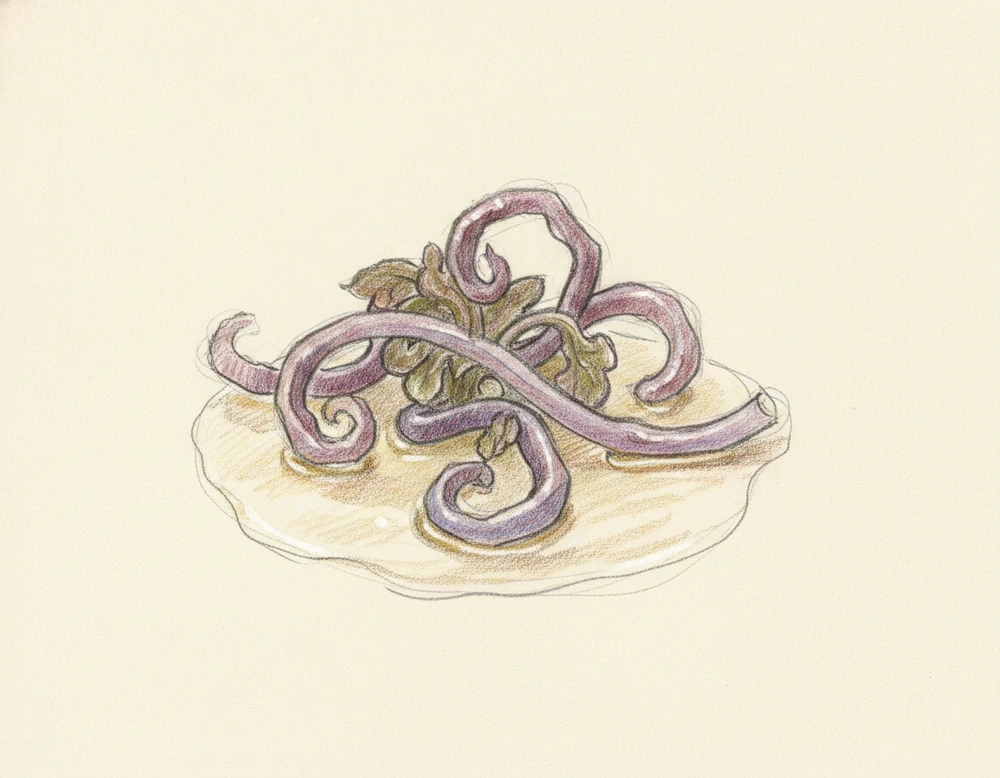
Cicerbita alpina, called radìc di mont or radìc dal glaz in Carnia, picked on the high pastures as the snow pulls back. The shoots come up an odd purple, deeper or paler with the ground, and the cold keeps them very tender. Other parts of the Alps gather it too, but preserving it in oil is a Carnian habit.
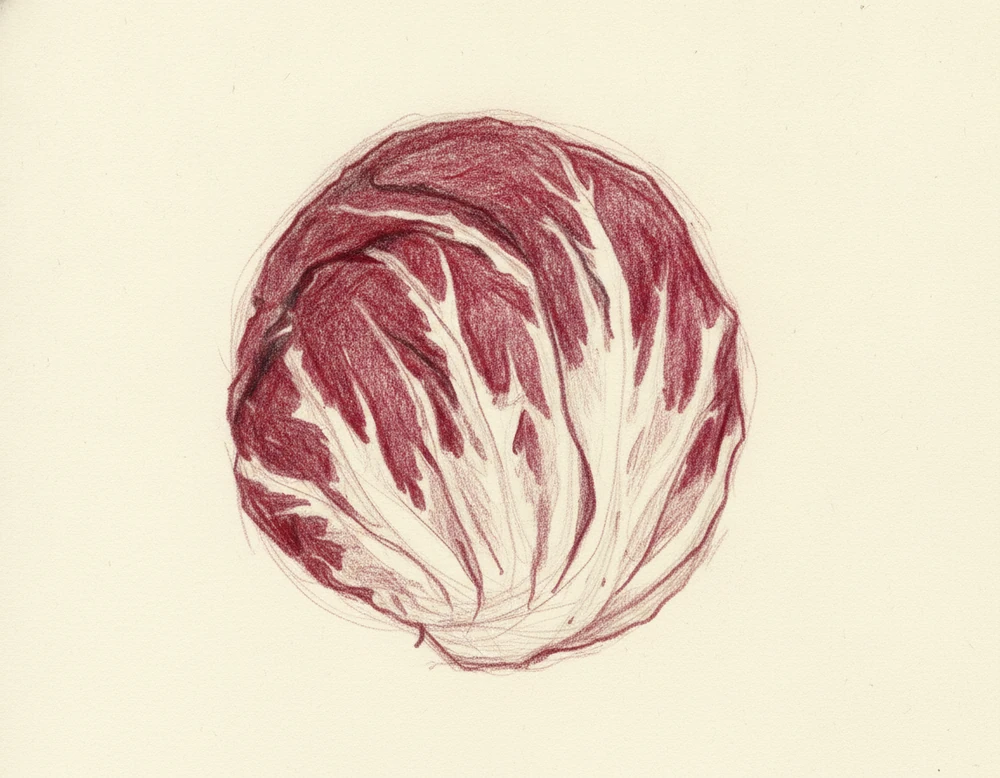
The round radicchio: rounded leaf blades wrapped tightly into a spherical head, red of varying intensity with white central ribs. Made in an early and a late type, both from wild-variety Cichorium intybus.
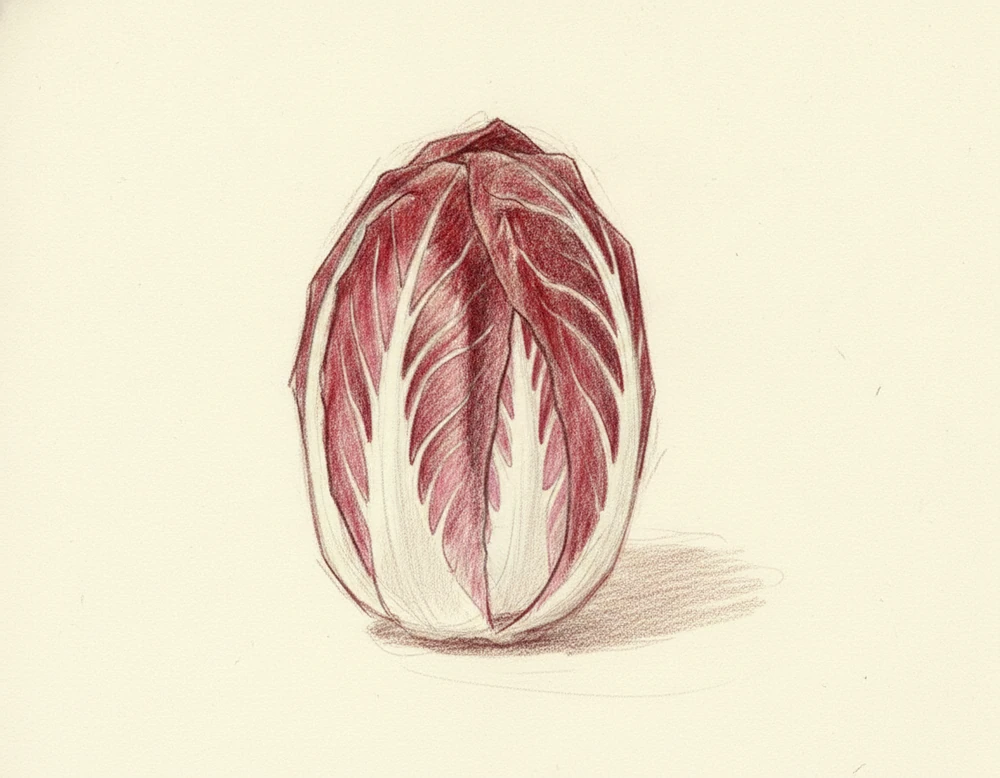
Grown from the Rossa di Verona variety in an early and a late type. The leaves are stalkless and unserrated, folded upward into a channel; winter cold turns them deep red and packs them into a tight head with a pronounced white central rib.
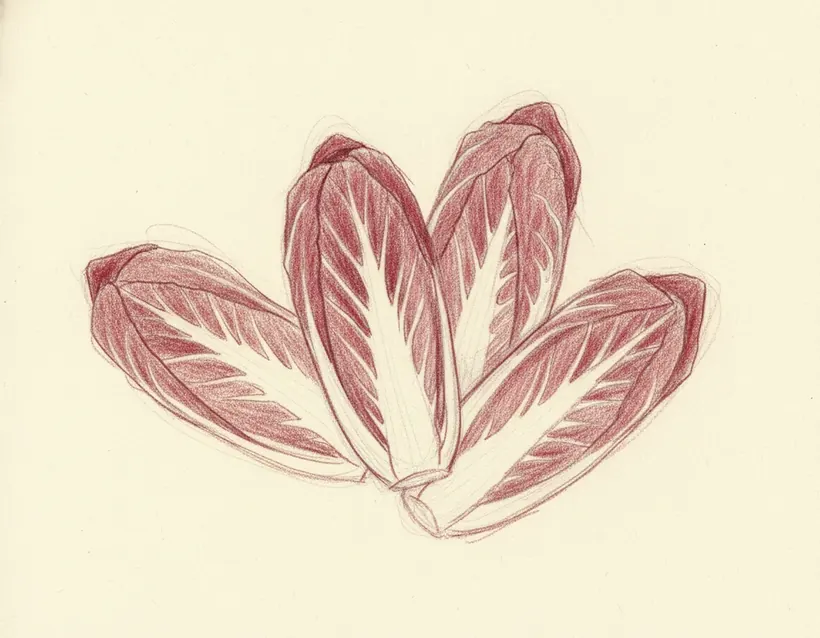
The elongated wine-red chicory of Treviso with crisp white ribs, bittersweet, grilled or eaten raw.
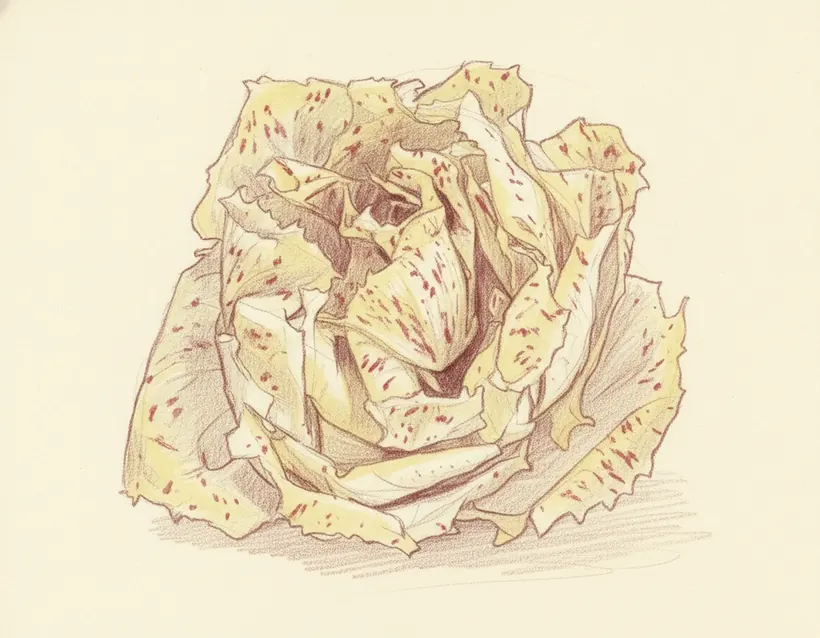
An open, rose-shaped chicory of creamy leaves flecked with wine-red, mild and tender.
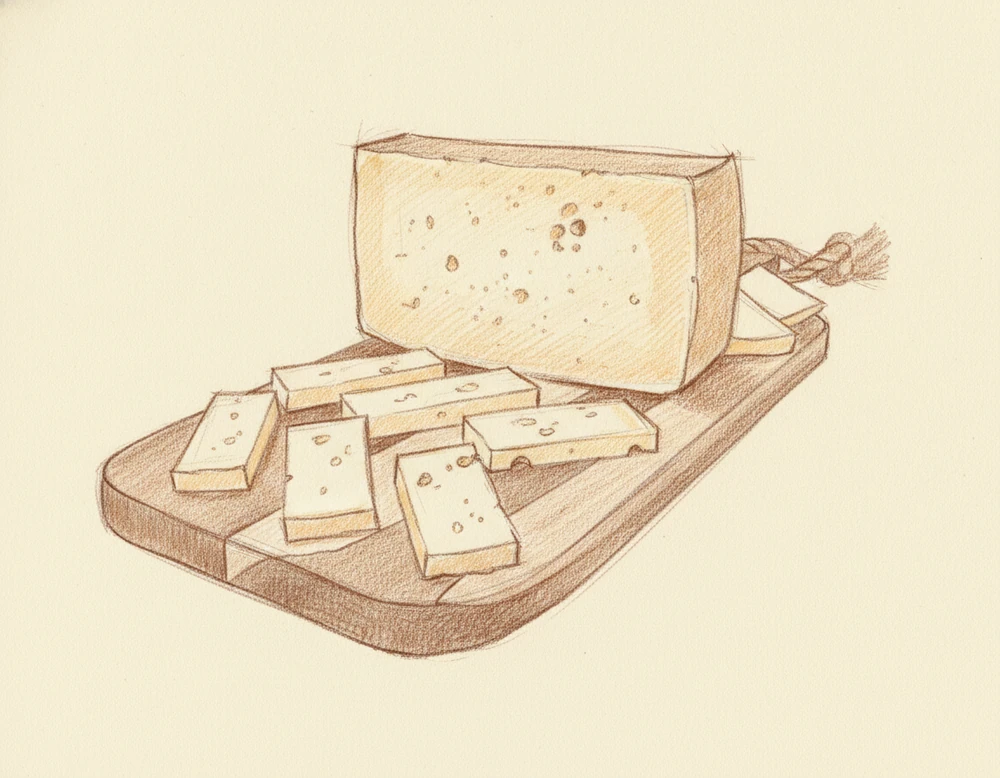
A big rectangular pasta-filata cow's-milk cheese from the Iblei plateau, hung in pairs to age. It is one of the oldest Sicilian cheeses still made to its historic shape.
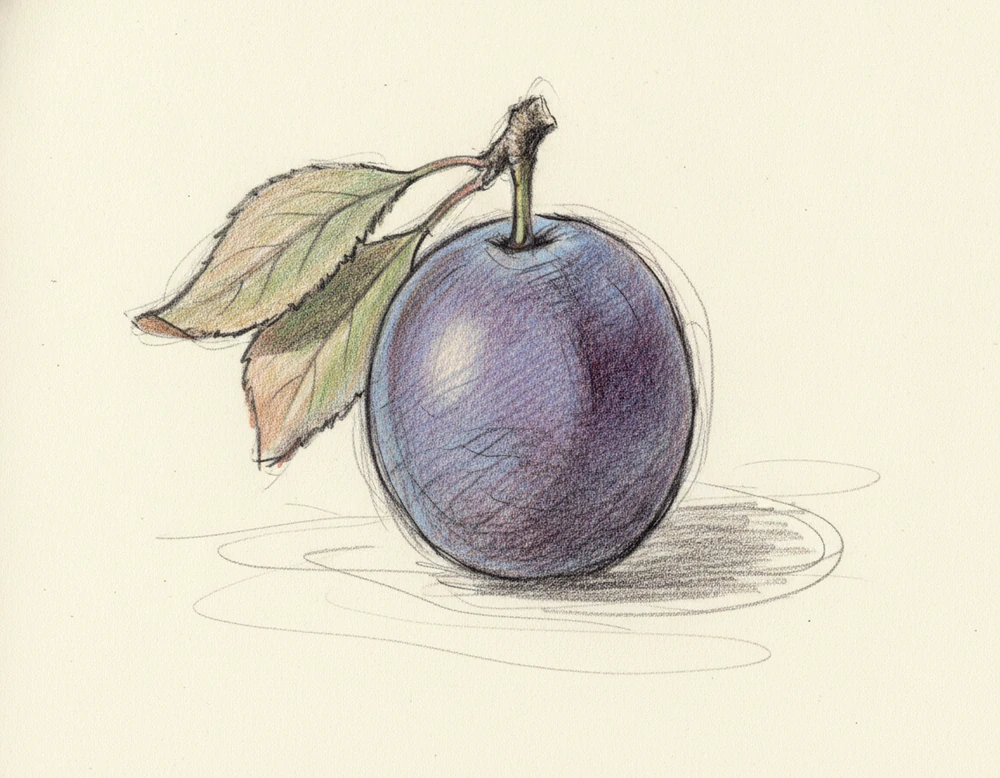
A small purple-blue damson, well known in Piedmont and almost unheard of elsewhere. The dialect name ramassìn traces to Damascus, and like all Syrian plums it is tough, which is why it was once planted to colonise difficult ground.
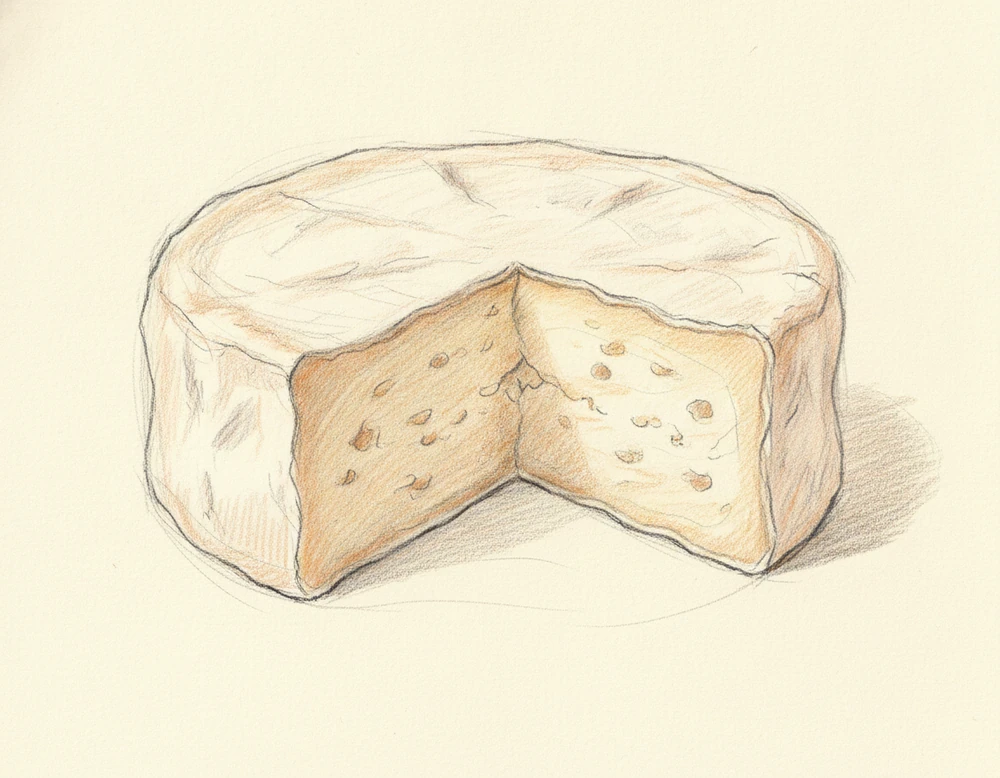
A pressed full-fat or semi-fat cow's-milk cheese from the Monregalese, sometimes with small additions of sheep's or goat's milk. Wheels made and matured above 900 m may carry the d'Alpeggio mention.
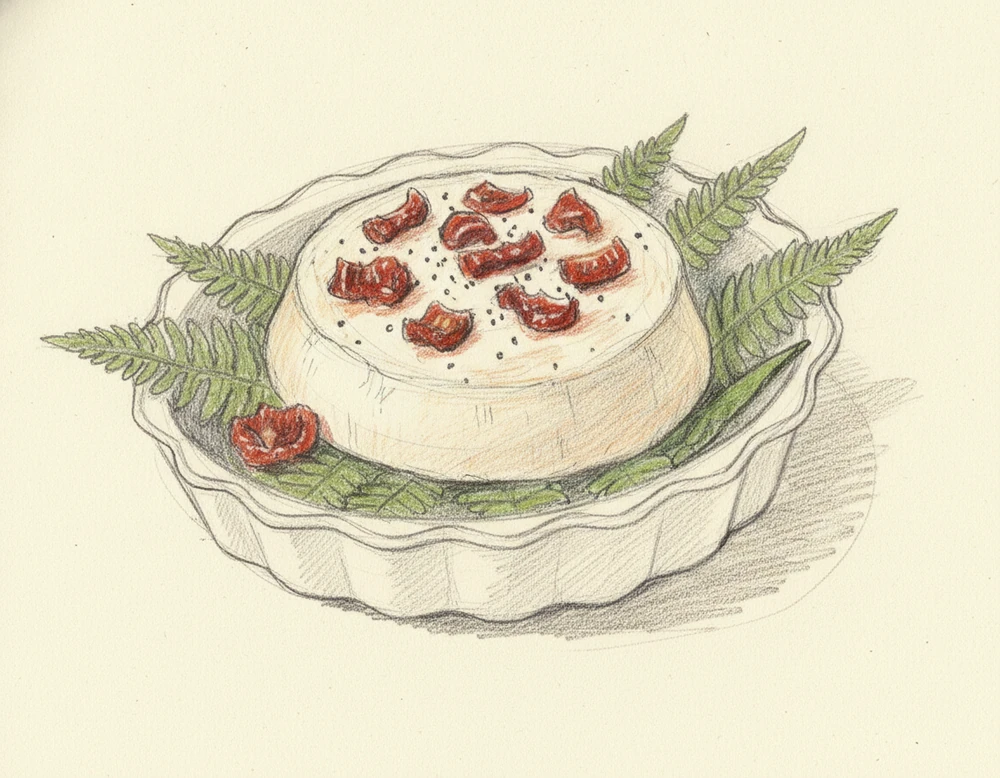
A rare raw-milk cow's cheese of a few valleys in the Romagnol Apennines, named in Renaissance documents and, nearer our time, by Pellegrino Artusi, who puts cacio raviggiolo in his Romagna cappelletti. White and soft, faintly buttery, very delicate, nearly sweet. The rounds are 20 to 25 cm across and 2 to 4 thick, and are traditionally set down on fronds of male fern.
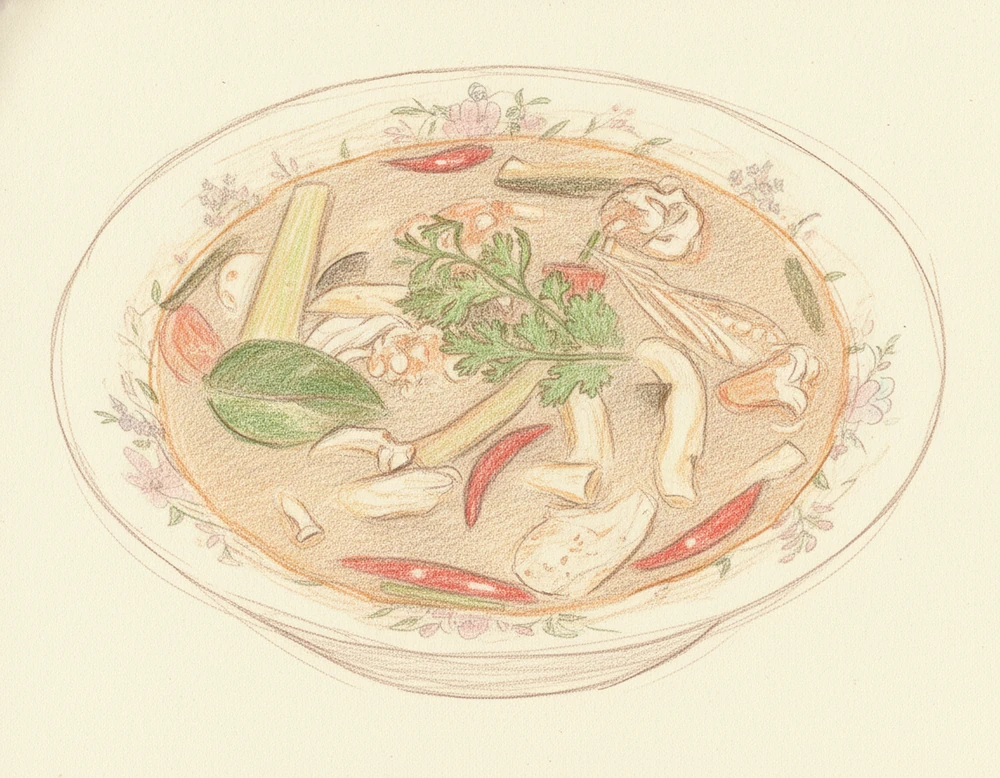
A Genoese native named for the Cabanne plain in the comune of Rezzoaglio, where enough purebred animals survived to bring the breed back from near extinction. Small and hardy, dark chestnut to pale brown with a cream line along the spine, the riga mulina, fading to red. The rumen is large for its size, so it eats well, and its short strong legs suit mountain grazing. It gives little milk, about 26 quintals a lactation, but of a quality made for cheese and full of what it has been eating.
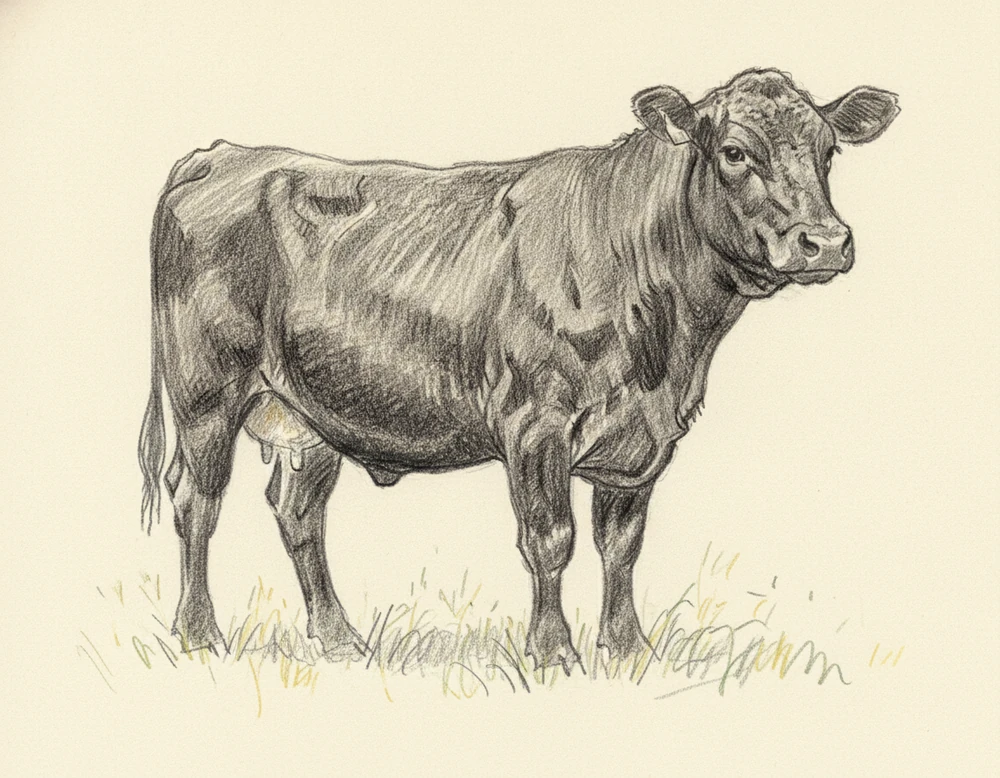
A black Sicilian cattle breed of the Palermo hinterland, kept for both milk and beef, and the source of the caciocavallo made in its area. Its cheese and its meat are available year round.
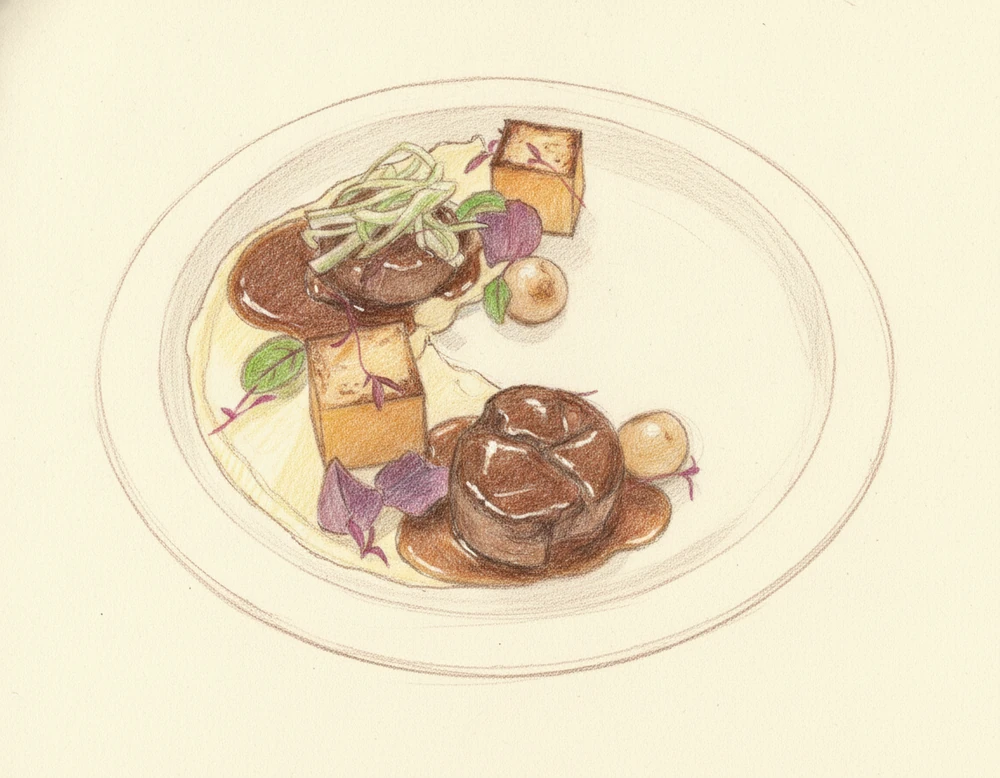
One of the oldest cattle of the Alps, kept on marginal ground and high farms. Medium in size and weight, strong-limbed with notably hard hooves, the coat pale grey shading darker. It is hardy and frugal and has a real instinct for the best forage, going up to pastures other cattle cannot reach.
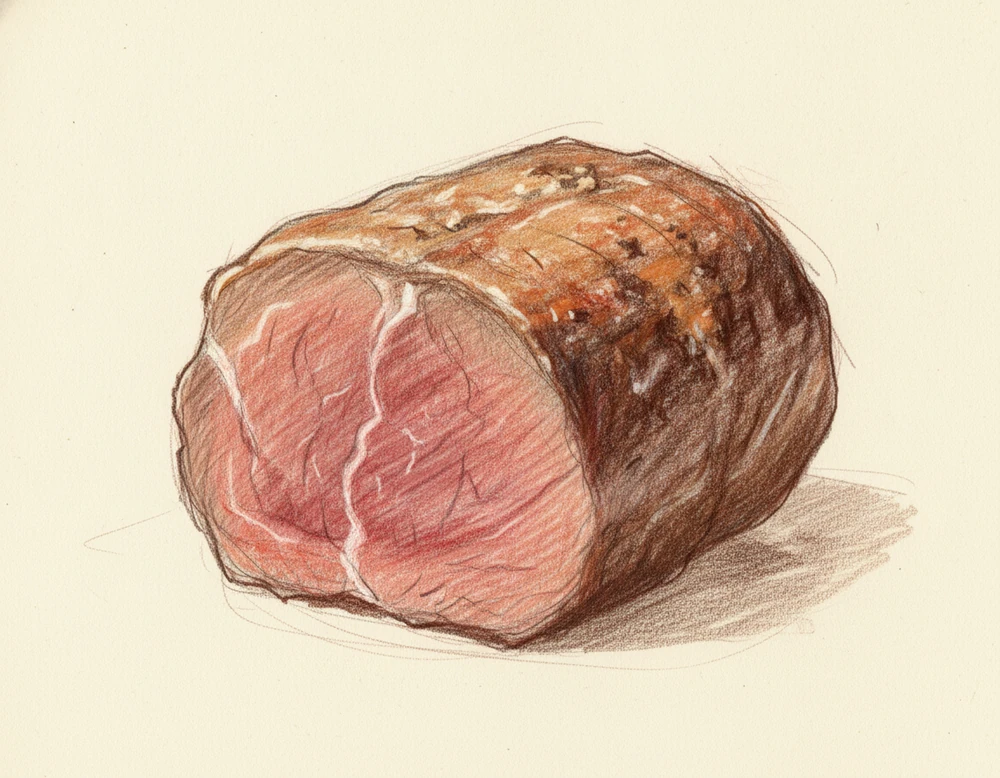
Of the white Italian cattle the Romagnola is reckoned the hardiest against weather. It takes badly to being tied in a barn and well to rough country, which makes it a grazing animal, and it is kept for meat: out on free grazing through the summer on a wholly natural diet. The big chops stand comparison with the far better-known Chianina, and rump or fillet roasted slowly in the Romagnol way is as good.
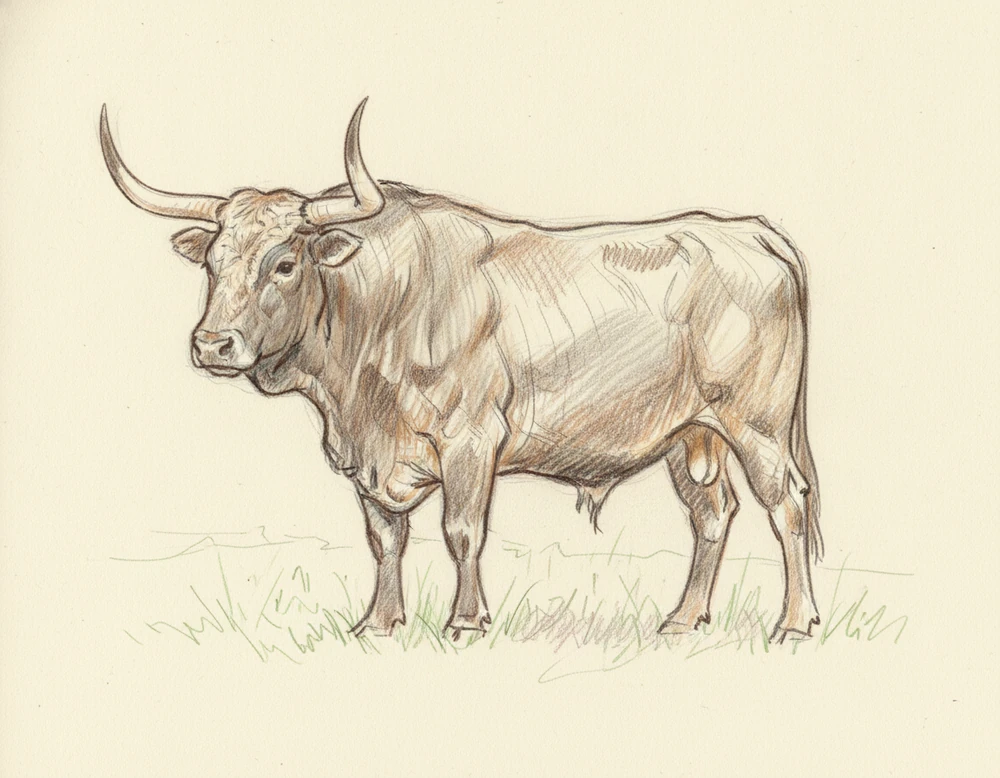
A grey-streaked, heavily built native ox: lyre-shaped horns on the cows, crescent horns on the bulls. The breed peaked between the wars, when even the quarrymen of Monte Amiata used it to haul marble, and it came close to extinction once land reclamation and mechanisation arrived. It is frugal enough to live in rough country and is still kept entirely outdoors, which is why the butteri, the mounted herdsmen who follow the cattle year round, are still at work.
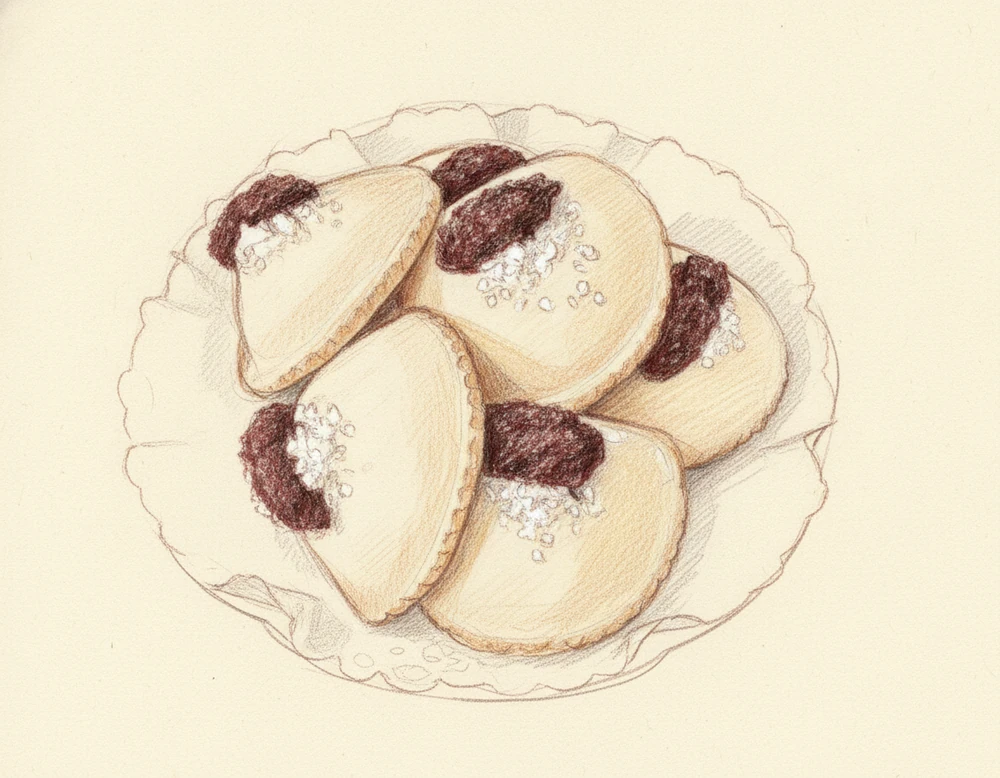
A Sicilian cattle breed of centuries' standing, with a dark red coat running from wine-red to near black in the bulls. Mechanisation, modest milk and meat yields, and dairies giving up their own cheesemaking drove the decline: from tens of thousands in the 1960s to a fraction of that.
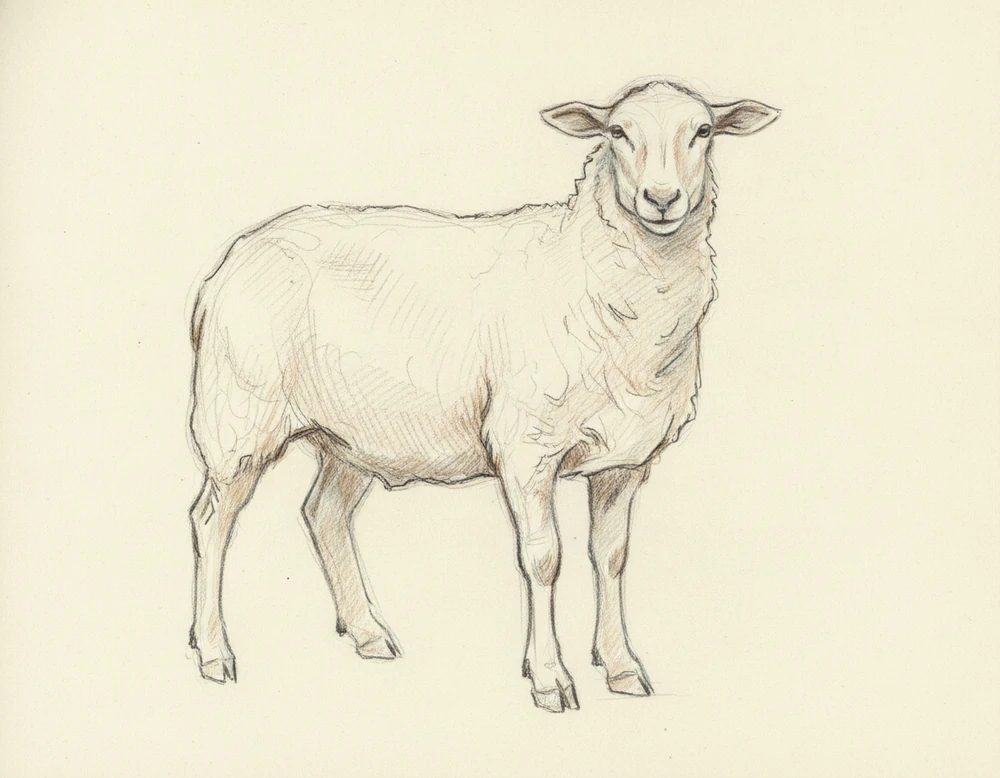
Twenty years ago only a few hundred head were left, in the comune of Pomarance that gave the breed its name and in the Cecina valley; the sheep are still found around Volterra and towards Siena. It was selected over centuries out of the Appenninica, the stock behind nearly every breed of the Tuscan-Emilian Apennines, with Merino apparently used along the way to improve the fleece. Medium-sized and white, narrow hornless head, small ears held out sideways, long body on sturdy legs.
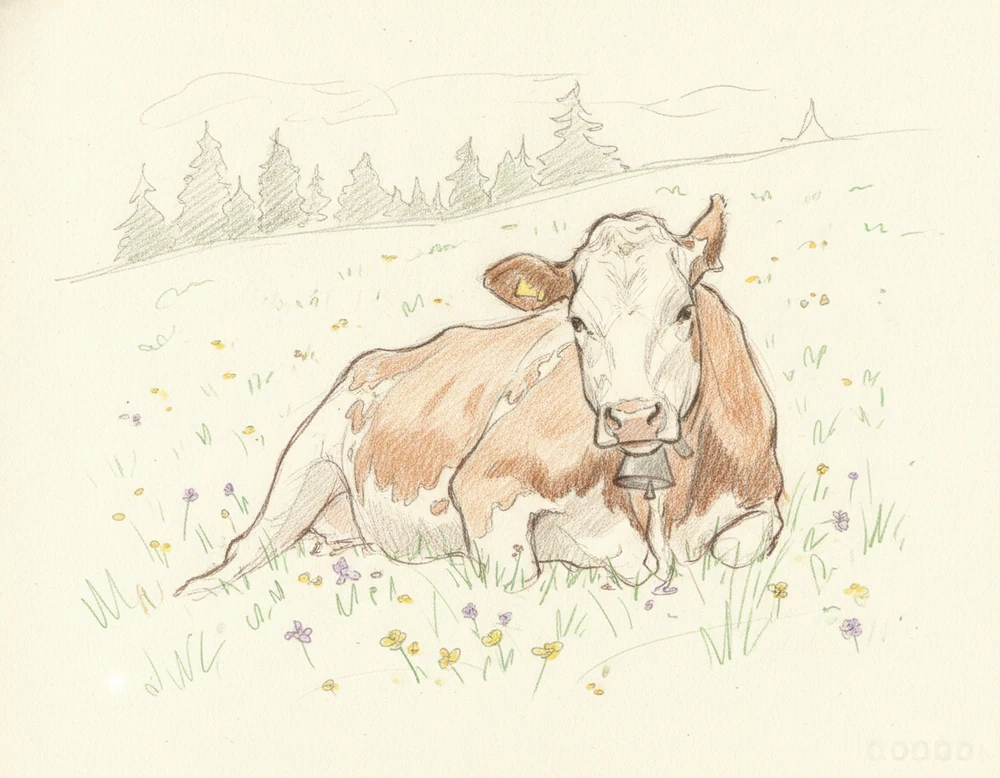
An ancient white-coated native breed whose modern history starts in 1886 at Guarene d'Alba, when a bull was born carrying the spontaneous mutation for the double-muscled hindquarter the breed is now known for.
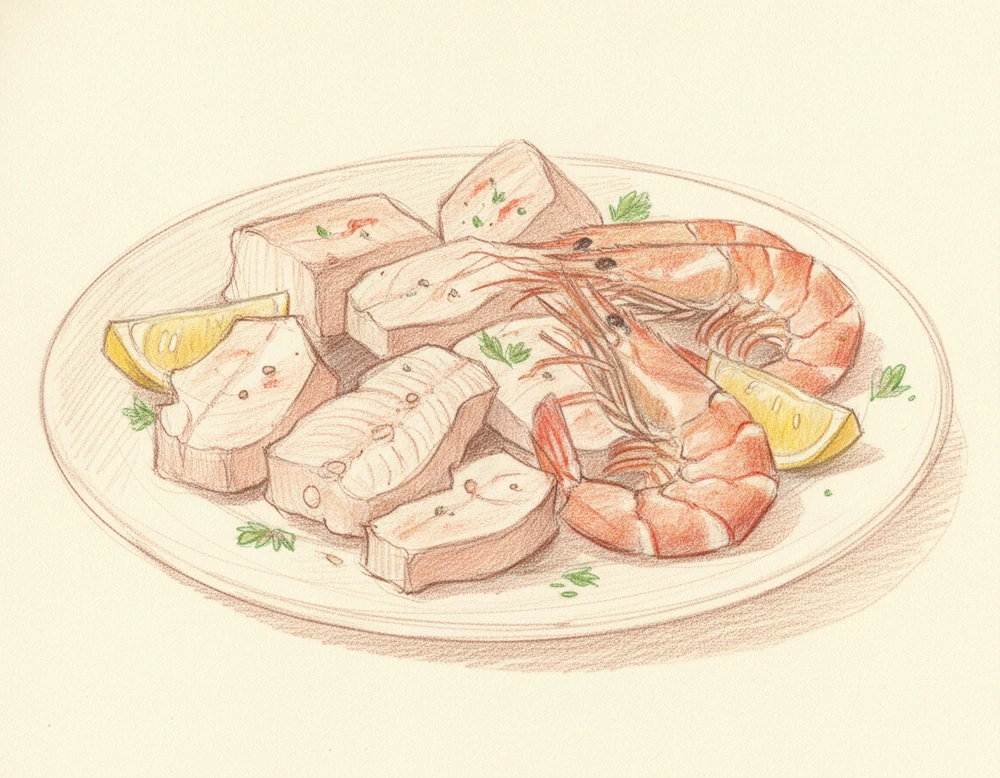
The Podolica is an old breed of the southern Apennines, from Campania through Puglia to the Calabrian hills. The coat runs grey to dark grey, generally lighter in the cows; the horns are thin and light, half-moon in the bulls and lyre-shaped in the cows. It takes steep ground and grazes where others struggle, on Mediterranean scrub, brush, stubble and the leaves of the undergrowth. It was primarily a working animal, and only then meat and milk.
Named for the Trentino valley it has been kept in for centuries, and hardy enough for both hill and mountain grazing. Medium-small, chestnut brown going almost black in the bulls, with a pale line along the back, ivory hair inside the ears and fine horns, white at the base and black at the tip.
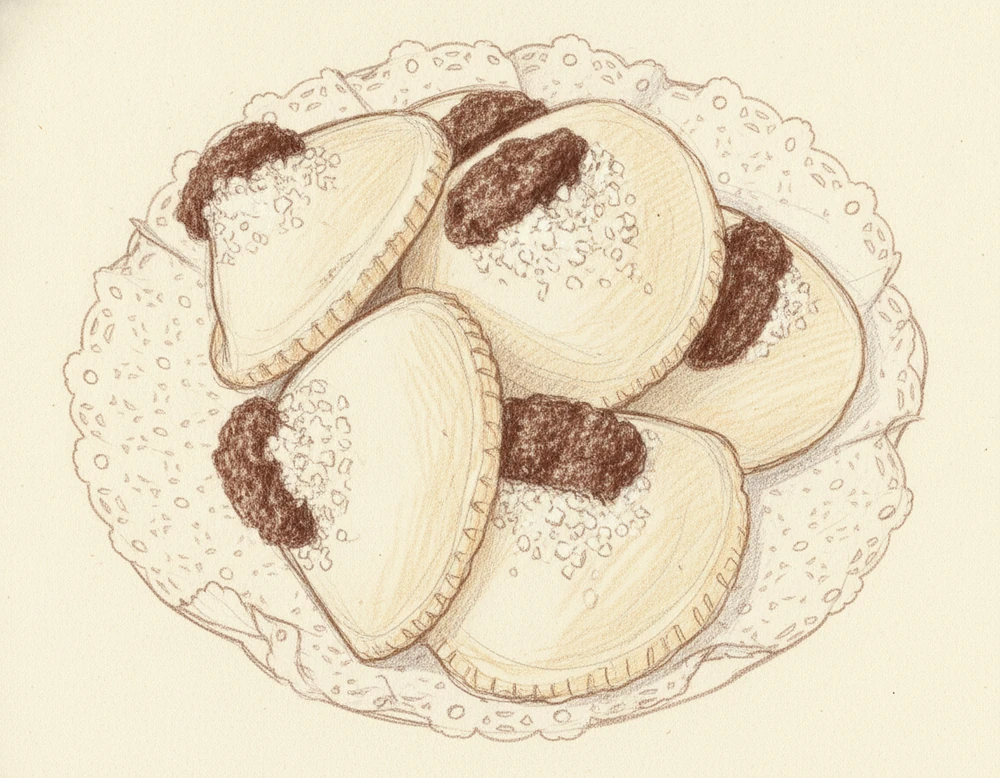
The Montiferru pastures smell of myrtle and wild chamomile and are ruled off by dry-stone walls of black lava, against which the copper-red coats stand out. The breed lives out all year, in all weather, day and night. It was made at the end of the 19th century by crossing local Podolica-line cattle with Modicana bulls brought from the Ragusano, and gives both excellent milk and dark, well-flavoured meat. Just over 3,000 animals are left and the market for them is entirely local.
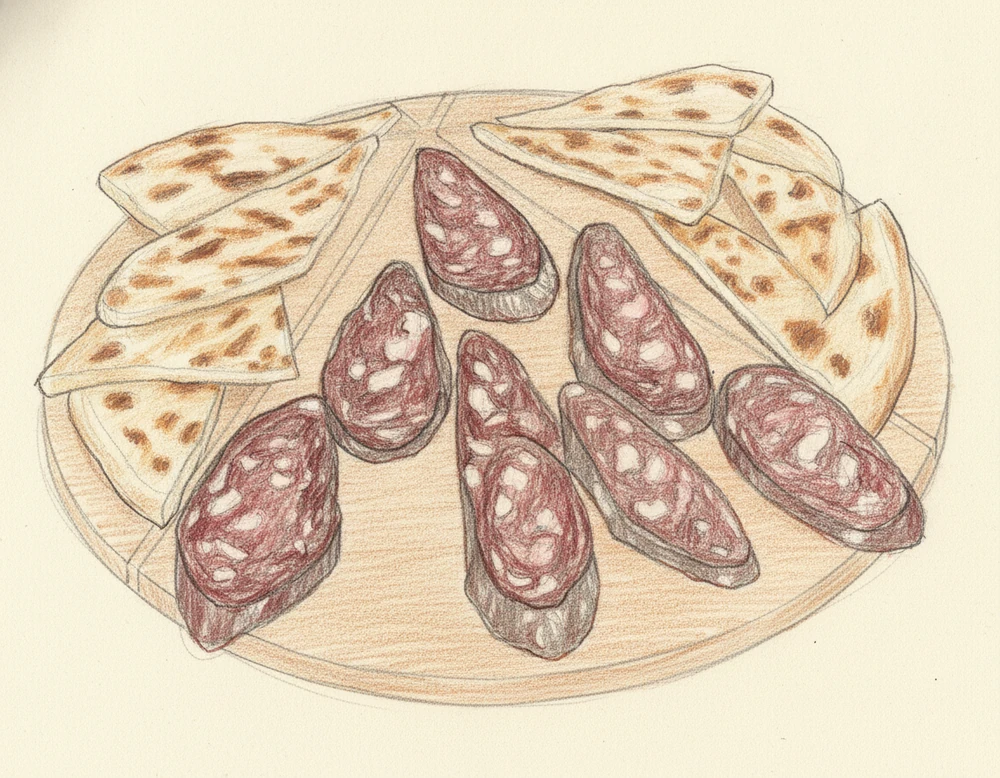
A native pig that nearly went: about 22,000 head in 1949, down to fewer than 15 not many years ago, kept alive by an old Faenza breeder, Mario Lazzari. It is unmistakable, dark brown to black (whence mora), almond-cut eyes, and tusks so long in the boars that they read as wild. Industrial farming dropped it because it grows far slower than the Large White and, perversely, because its meat carries more fat than the lean breeds.
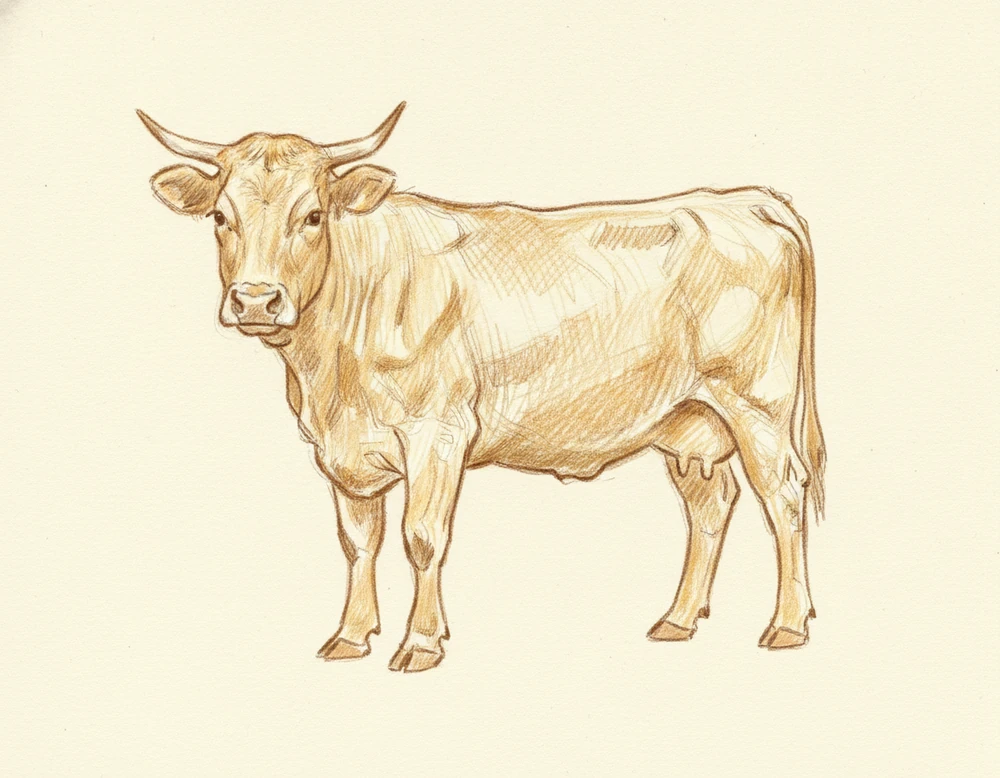
One breed under many names: Varzese, Tortonese, Ottonese, Cabellotta and Montana, and Biunda in dialect for its golden-blond coat. It was once common across the Lombard plain, around Alessandria and Pavia, and in the Apennines behind La Spezia.
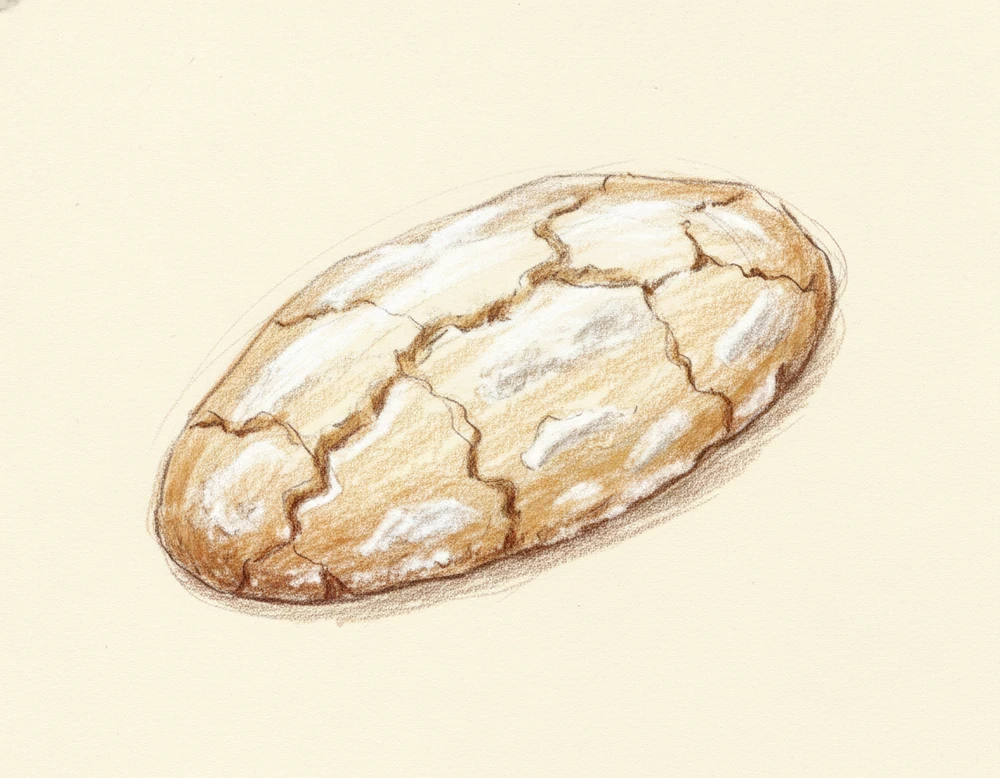
Soft almond biscuits of almonds, sugars and egg white, baked to a cracked, sugar-dusted top. Each is an ovalised lozenge of 10 to 30 g, 50 to 105 mm on the long diagonal, 30 to 65 mm on the short and 13 to 20 mm thick.
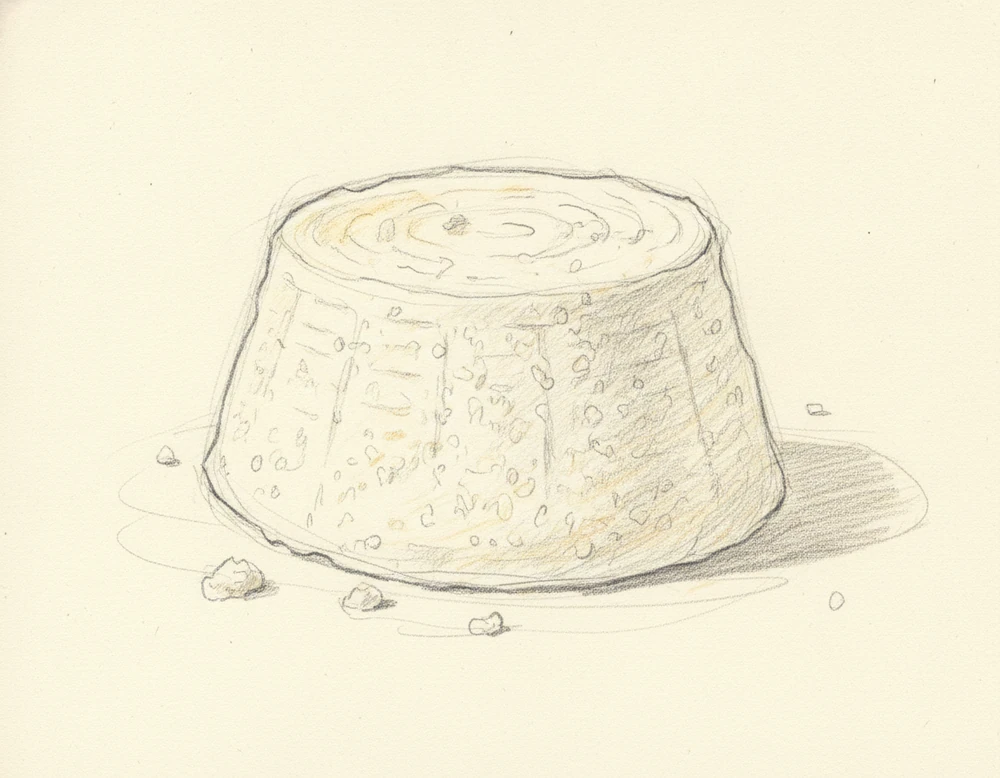
Ricotta made by heat-coagulating the proteins in buffalo whey, high in water and porcelain white. Truncated pyramid or truncated cone in shape, up to 2 kg, with no rind and a soft, grainy texture that must never be sandy.
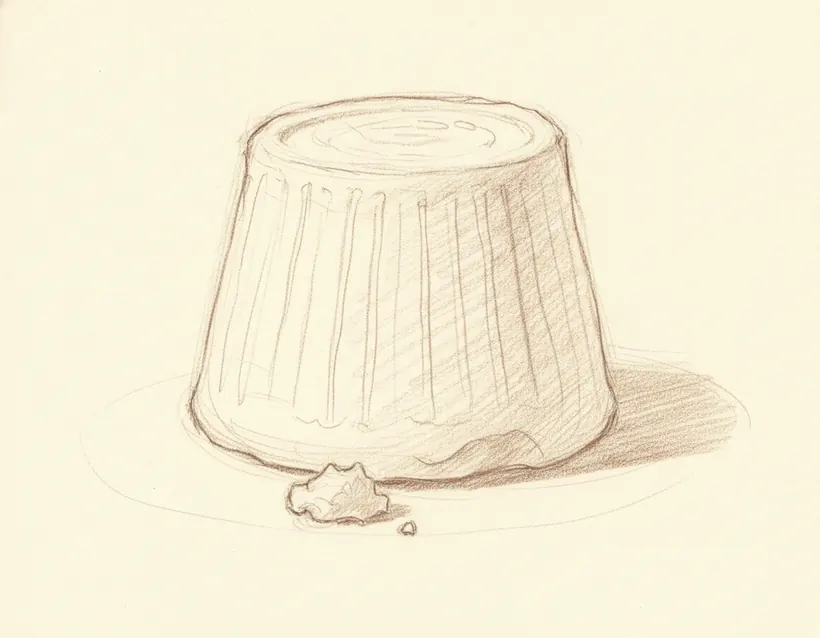
A sweet, fine-grained fresh sheep's-milk ricotta made from the whey of pecorino, eaten fresh or baked into tarts.
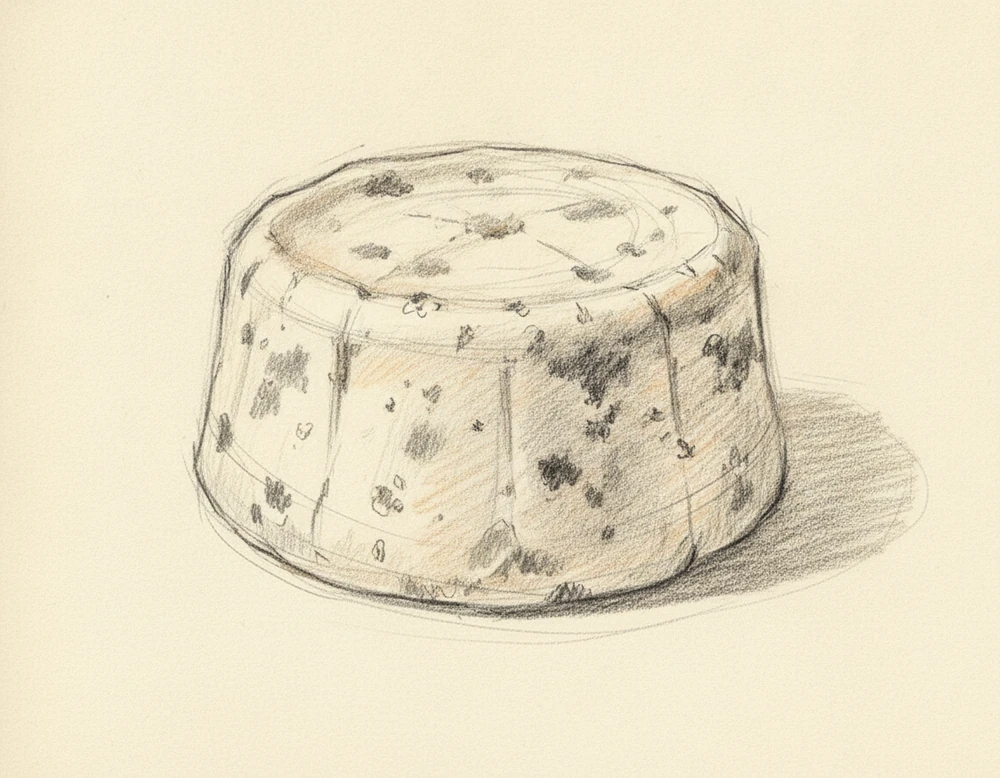
The Valnerina is rough country, wood and pasture, and shepherding was its economy: every family had sheep and goats, flocks came up from other regions to the summer pastures, and from September the Valnerina's own went down to the plains and grasslands of Lazio for the milder winter, coming back at the start of the next summer. Cheese and ricotta made on that road had to keep and travel. Some of the ricotta went into piatto or scotta, a soup of bread and whey with fresh ricotta; the rest went into a hemp sack and was pressed.
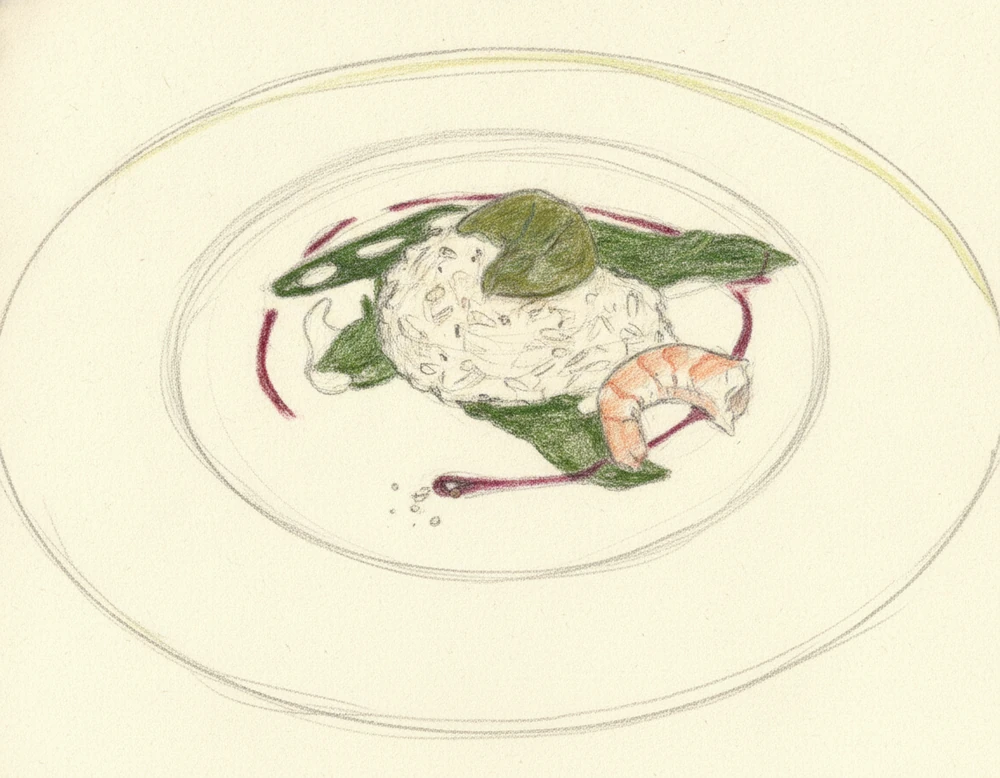
Japonica rice of the superfino group grown on the reclaimed land of the Po delta, admitted in nine varieties including Carnaroli, Volano, Baldo, Arborio, Cammeo, Karnak, Telemaco, Caravaggio and Keope. The grain is large and holds its shape in the pan.
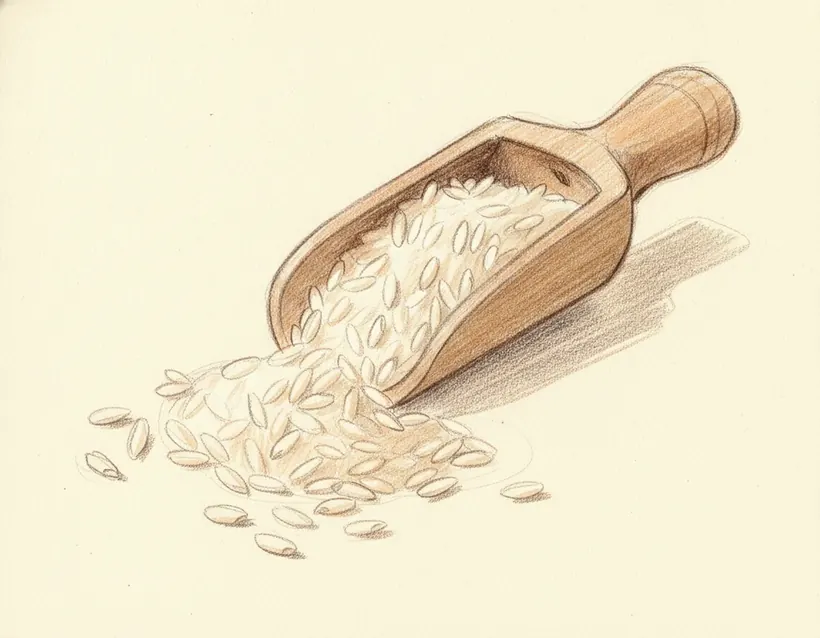
Italy's first DOP rice, grown in the cool Baraggia paddies, firm, pearly grains that hold their bite in risotto.
Rice has been grown at Grumolo delle Abbadesse, halfway between Vicenza and Padua, since the 16th century, brought in by the nuns of the Benedictine abbey of San Pietro di Vicenza. It marked the place: Venetian nobles built fine villas here to keep an eye on their land. The rice is Vialone Nano, medium-small in the grain, and the soil and the water make it very good. The crop covers about 100 hectares.
A large-grained rice from Vercelli, Europe's rice capital and the largest area under rice anywhere on the continent. A network of canals dug from the 13th century on brings water off the Po, Dora Baltea, Sesia, Cervo and Elvo.
A short, plump risotto rice of the Verona lowlands that drinks up broth while keeping its bite, the grain of risi e bisi.
A delicate, sweet, pale-gold extra-virgin olive oil pressed mostly from Taggiasca olives of the two Rivieras.
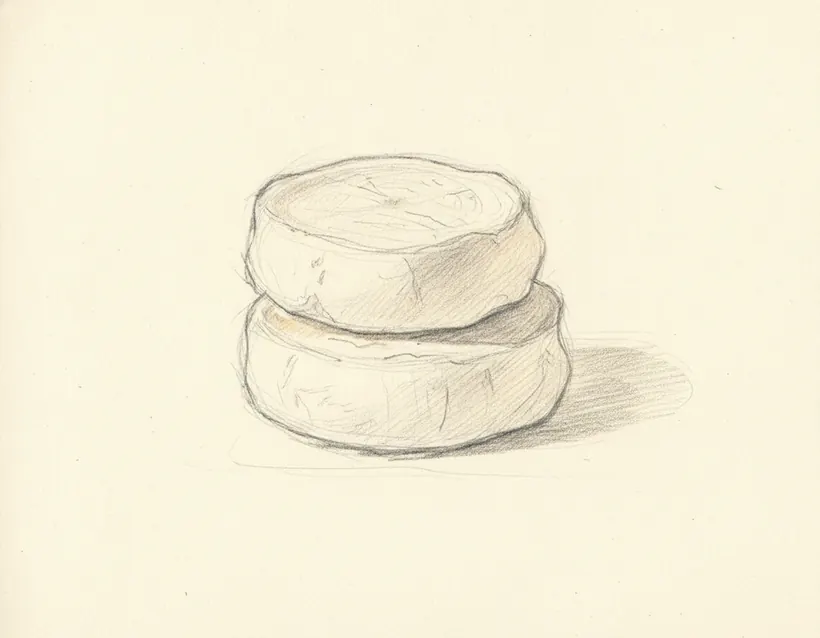
A small, soft, fresh goat's, (and cow's-) milk cheese of the Langa Astigiana, milky and faintly tangy.
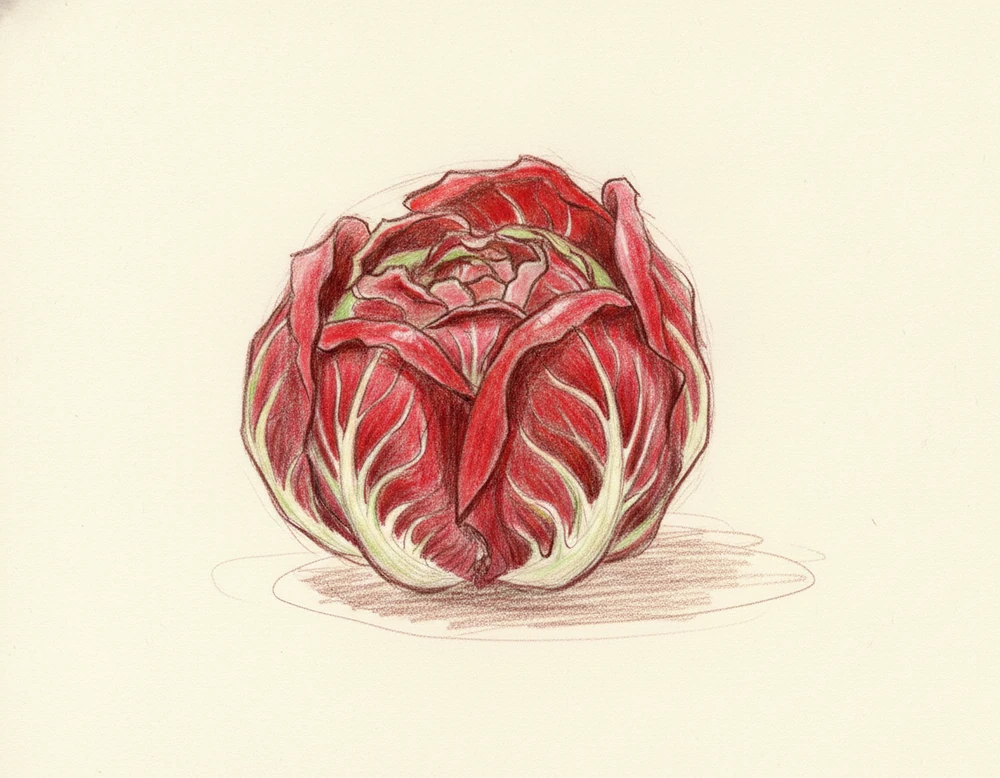
A red chicory grown in the market gardens of Gorizia, above all at Sant'Andrea and San Rocco, on the alluvial soil that made the town's name for vegetables. The head closes like a rosebud about to open, whence the name: leaves an intense bright red shaded to pink and garnet, crisp, strongly and pleasantly bitter. The oldest growers remember it always having been there, one of the few dependable winter earnings on farms that mixed vegetables, livestock and field crops.
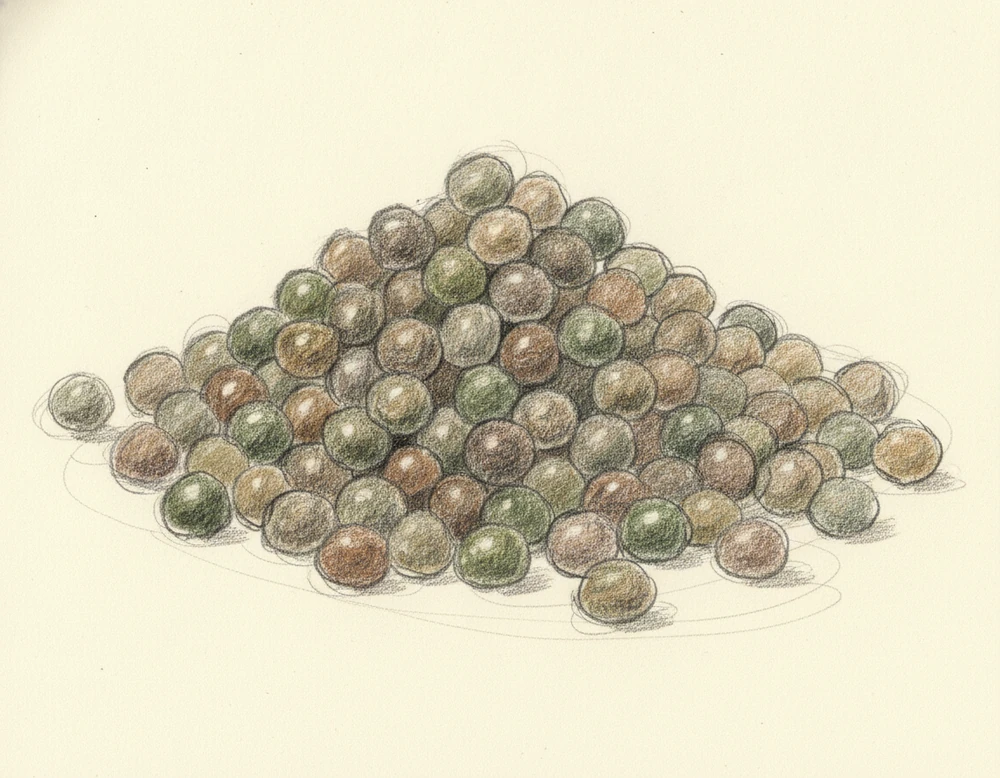
A small pea-like legume running from dark green through brown to grey. Some take it for an ancestor of the garden pea, others for a species in its own right, and its botany is still unsettled. It fed the shepherds and farmers of the Sibillini for centuries and has been nearly abandoned; only the Valnerina, around Cascia, still sows it.
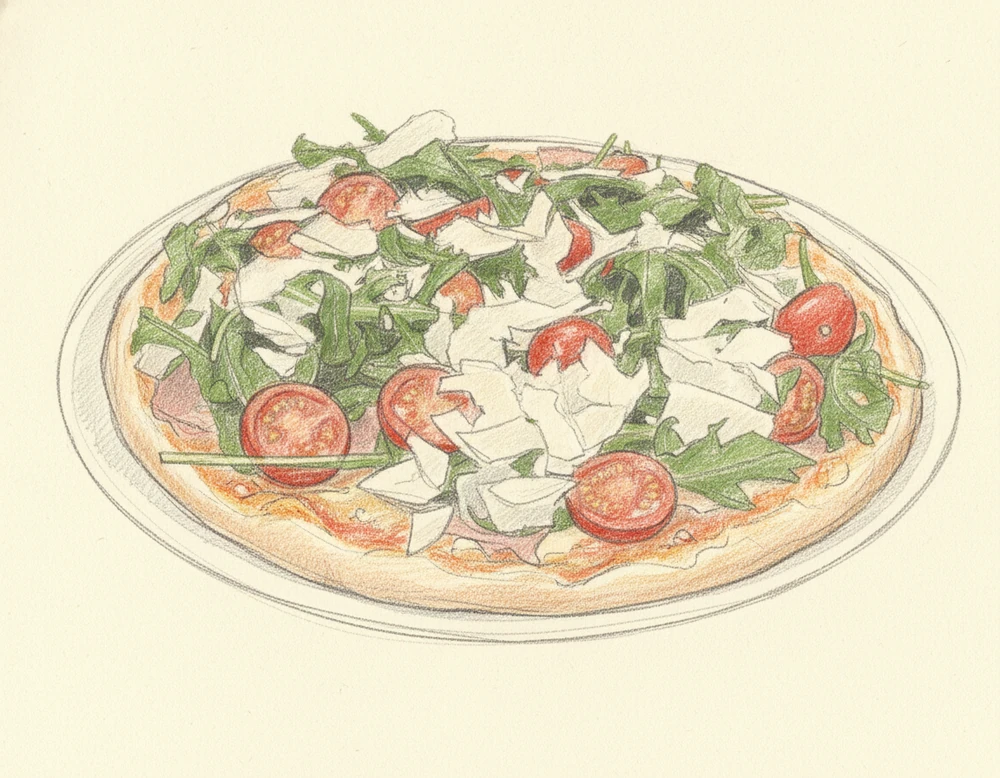
Wild rocket (Diplotaxis tenuifolia) grown on the Sele plain, sold fresh or ready to eat as a fourth-range product after minimal processing.
One of Italy's oldest olive-oil designations, from the Sabine hills north-east of Rome. At least 75 per cent must come from Carboncella, Leccino, Raja, Pendolino, Frantoio, Moraiolo, Olivastrone, Salviana, Olivago and Rosciola.
A Ferrara speciality: spiced pork packed into a natural pig's bladder, tied into six or eight segments so it cures into a melon shape with a waist at the middle. It is sold raw after drying and ageing, or cooked, and eaten with a spoon rather than sliced.
A finely ground salame from the Brianza, the hill country between Milan and Lecco, made from pork raised across three northern regions.
A cylindrical, somewhat irregular salame of at least 500 g finished, no less than 65 mm across and 150 mm long when made up. Compact and soft-textured, its microflora is dominated by lactobacilli and cocci, which is what the disciplinare actually specifies.
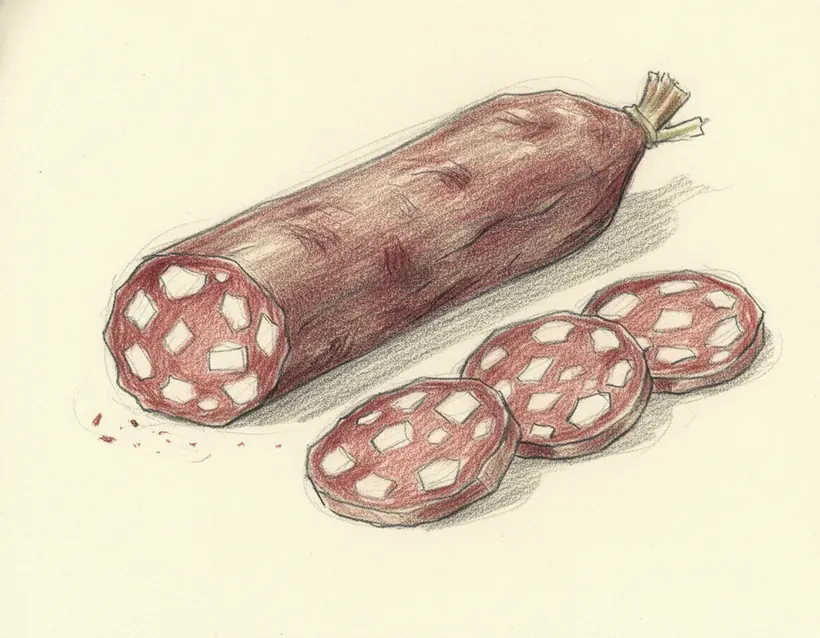
A lean cured pork salami studded with cubes of prized lardo, from the paper-making town of Fabriano.
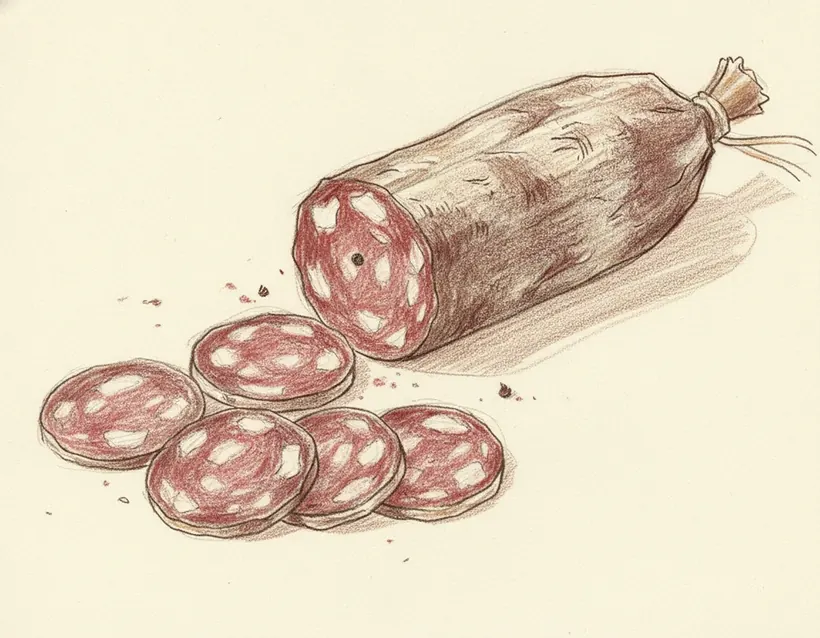
A cured pork salami of the Oltrepò hills, coarsely bound and gently spiced, matured in the Staffora valley air.
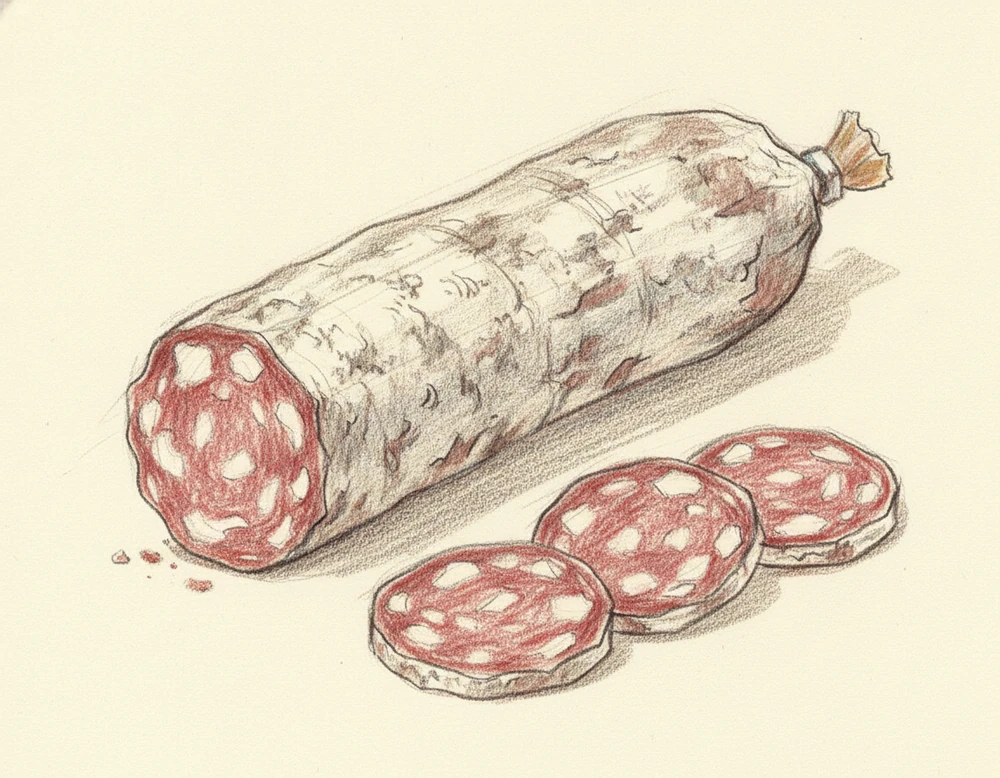
A Parma salami of coarsely ground pork in a natural casing, named for the village of Felino in the hills south-west of the city. It is cylindrical and slightly irregular, one end thicker than the other, dusted white-grey by the native surface moulds that develop as it hangs.
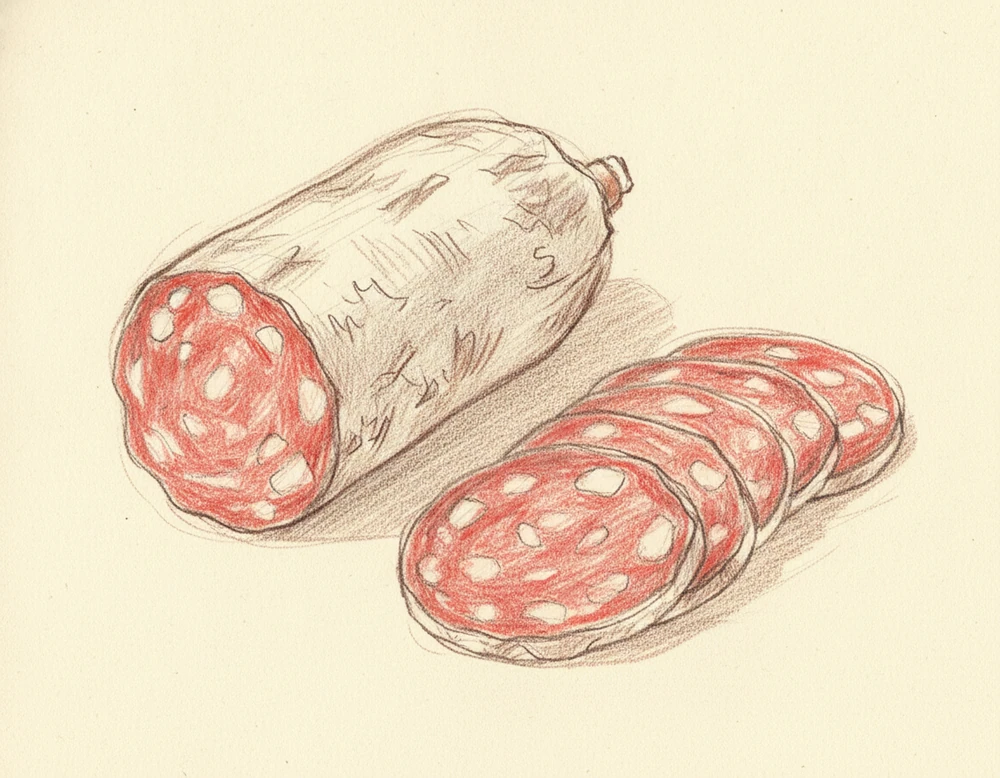
The third of the Piacenza cured-pork DOPs alongside Coppa and Pancetta. Cylindrical, 400 g to 1 kg, sliced it is vivid red flecked with the rosy-white lentils of its own fat, and the taste is sweet and delicate, its fragrance shaped closely by how long it has hung.
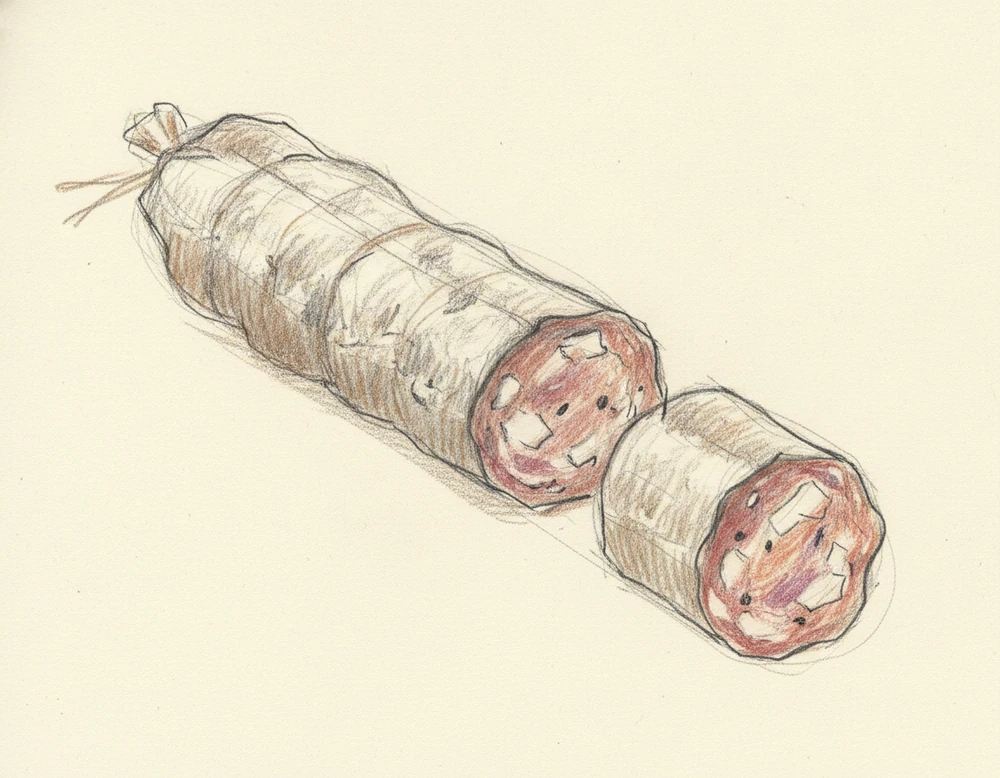
A salame of fresh marbled pork that has never been frozen. The lean comes from the striated muscle of the leg, shoulder and belly; the fat from the noble fat of the belly, throat and back.
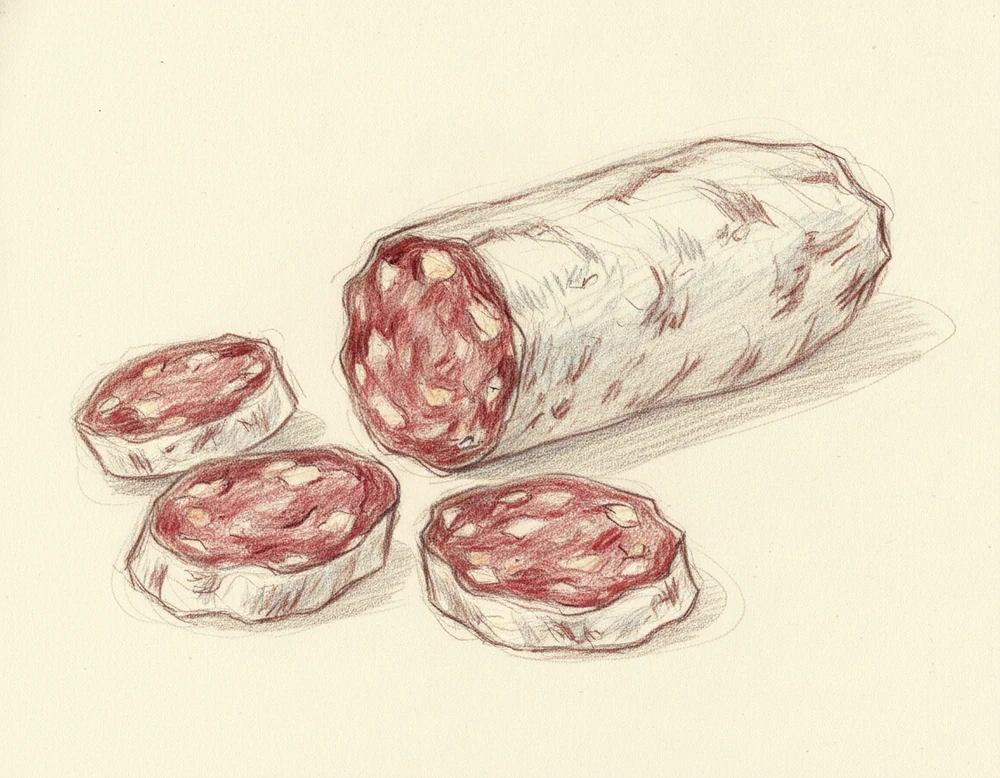
A coarse-grain pork salame from Sant'Angelo di Brolo in the Nebrodi, cased in natural pig gut. The outside is cylindrical and irregular under the classic fioritura, the whitish bloom of an aged sausage; inside it is tender and compact.
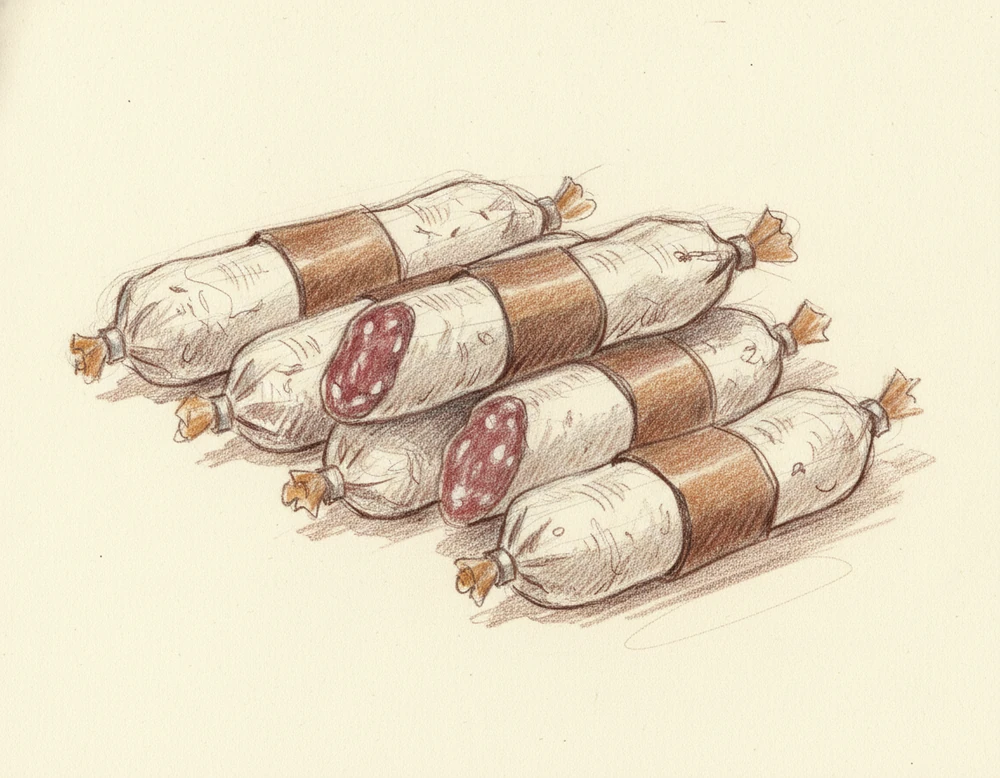
Small salami sized to be carried in a hunter's pocket, which is where the name comes from. The zone is unusually wide: pigs may be raised across eleven Italian regions, from Friuli down to Molise.
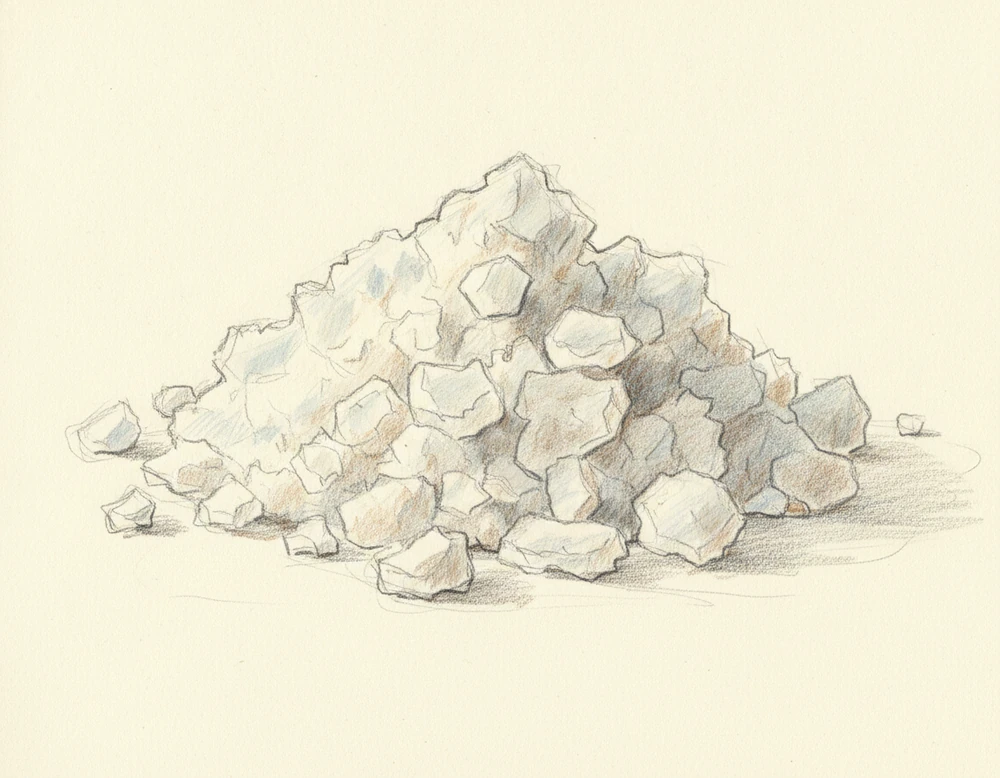
The Cervia pans were already working in Roman times and grew so far that in 1698 the townspeople had to rebuild their village some kilometres away. The state took them over in 1959 and threw the 144 harvesting basins into one, worked mechanically once a year, which lost the older method: each salter used to split his basin into five parts and lift the salt from one of them every day, the only way to keep out the bitterer salts, which need longer and stronger brine to crystallise.
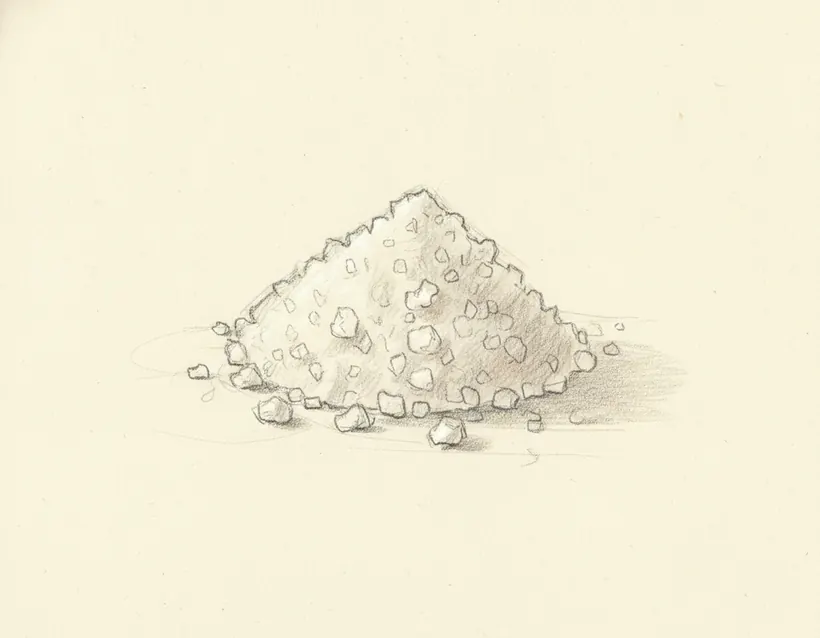
Hand-raked sea salt from the shallow coastal pans of Trapani and Marsala, dried by sun and wind.
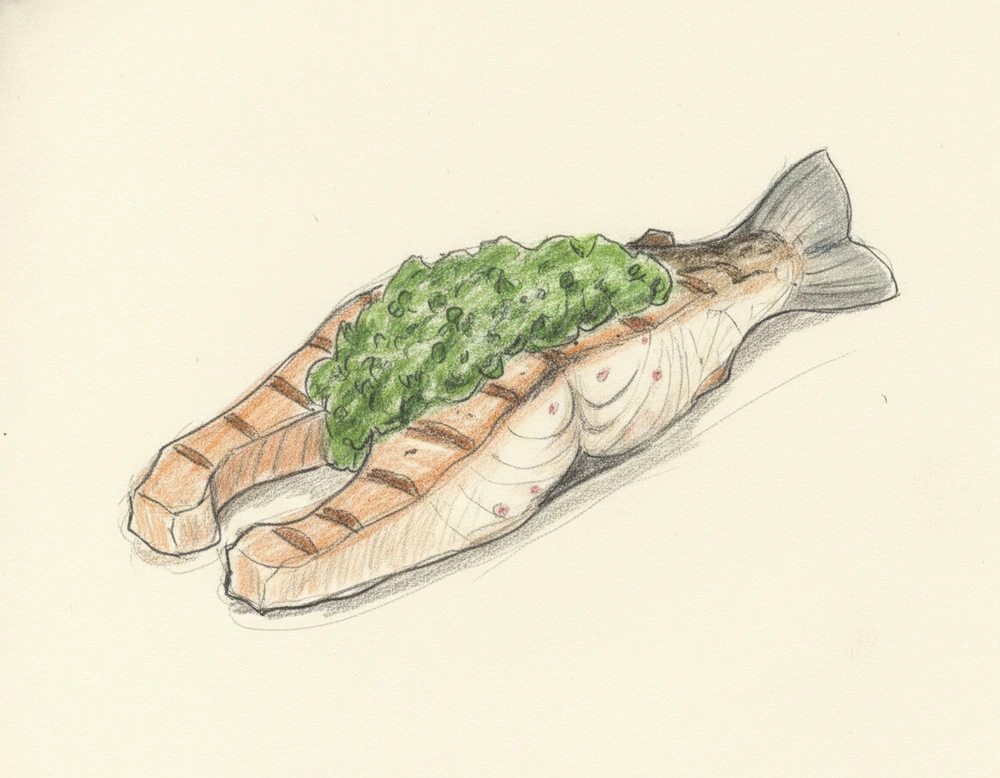
Farmed Arctic char, Salvelinus alpinus, raised in the cold spring water of the Trentino valleys. Grey-green to brown, back and flanks scattered with whitish, yellow or pink spots with no halo, dorsal and caudal fins grey.
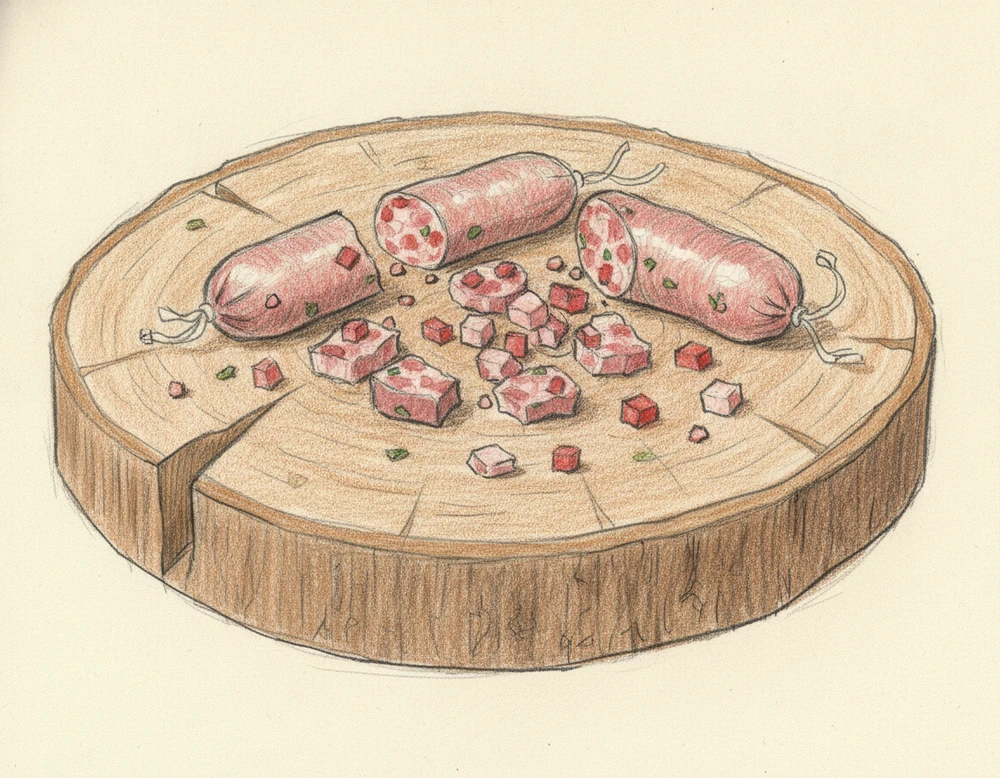
A sausage chopped by hand on the ceppo, a block cut from the trunk of an Etna oak. The volcanic soil leaves the wood very dry, and a well-kept block lasts decades: when the surface wears uneven, a local cabinetmaker planes it flat again.
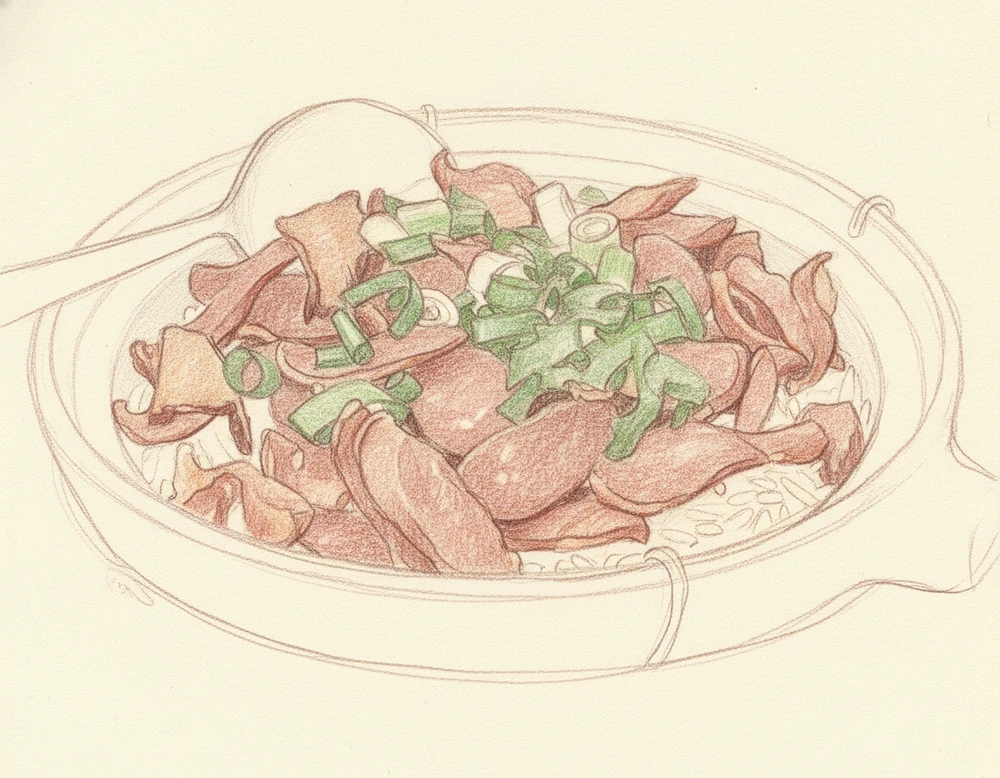
The cured sausage of the Calabrian pork family, made from pigs raised in the region and, in its hot version, coloured and heated by local peperoncino.
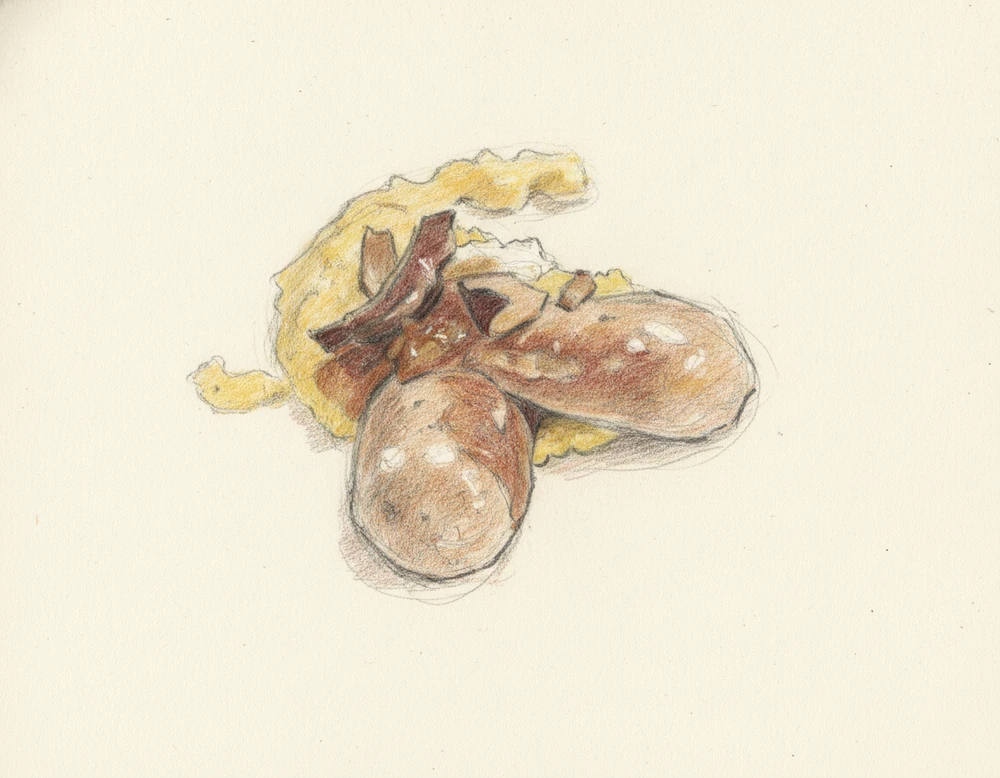
Pigs have long mattered in the wooded mountains of inland Abruzzo, killed between December and January when the cold would let the meat hang. The liver sausage, cicolana locally, is the L'Aquila version: liver, heart and tongue with some lean and some fat pork, a way of making the offal and the poor cuts worth eating through seasoning.
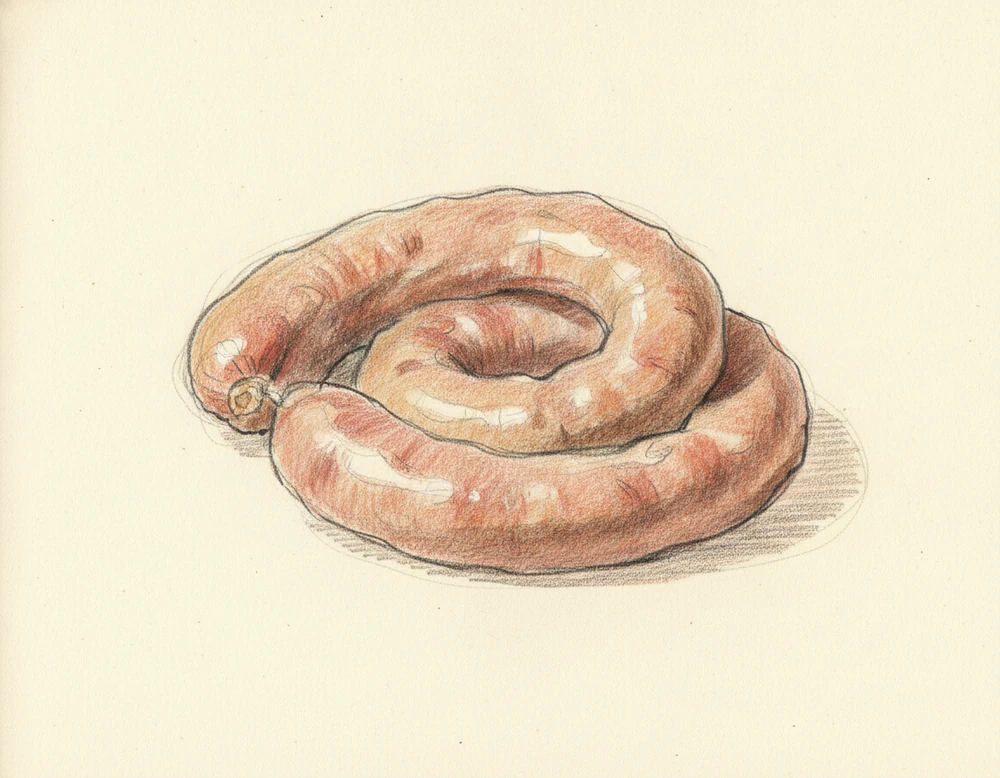
Palazzolo Acreide is a baroque town of Greek foundation near Syracuse, better known for its architecture than for its pork, though the curing there is old: the Romans travelled with pigs and sheep for meat and milk, and small pig-keeping spread across Sicily after them. Each family raised one or two black pigs, enough meat for the year, and of everything they made the sausages were the most prized, because they could be eaten fresh, to season a dish or grilled over charcoal, or dried.
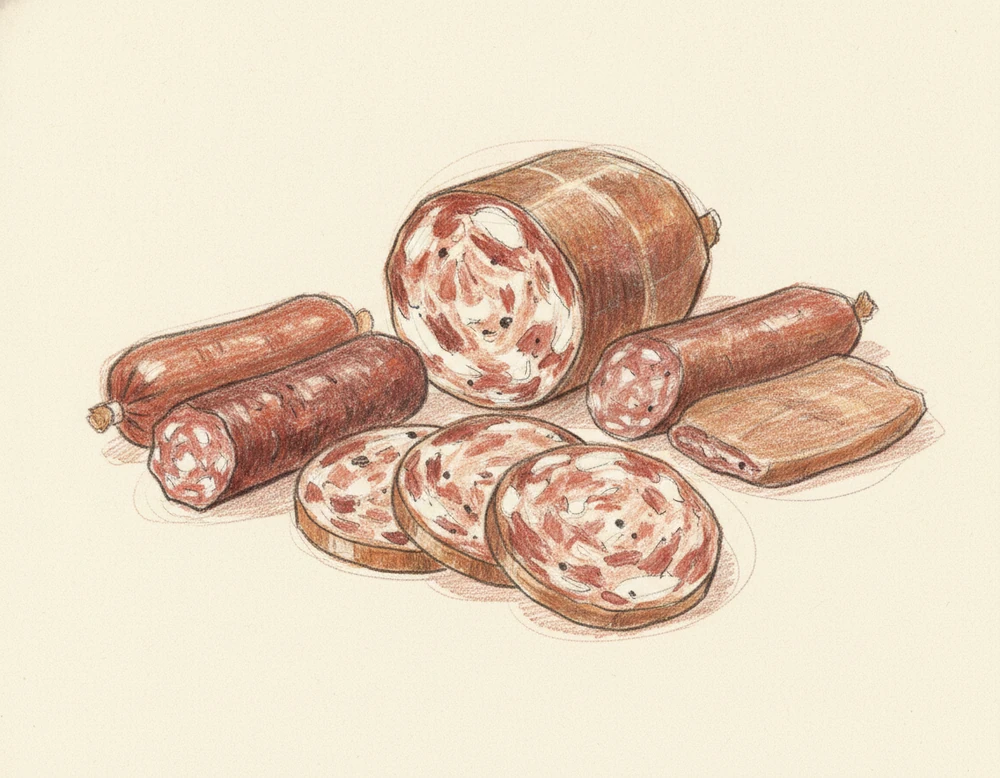
The sausage and soppressata of the Vallo di Diano, a butchery tradition rooted in the valley's farming and herding. A medieval document from Diano, now Teggiano, regulating the sale of foodstuffs already refers to well-packed soppressata and sausage sold by quantity.
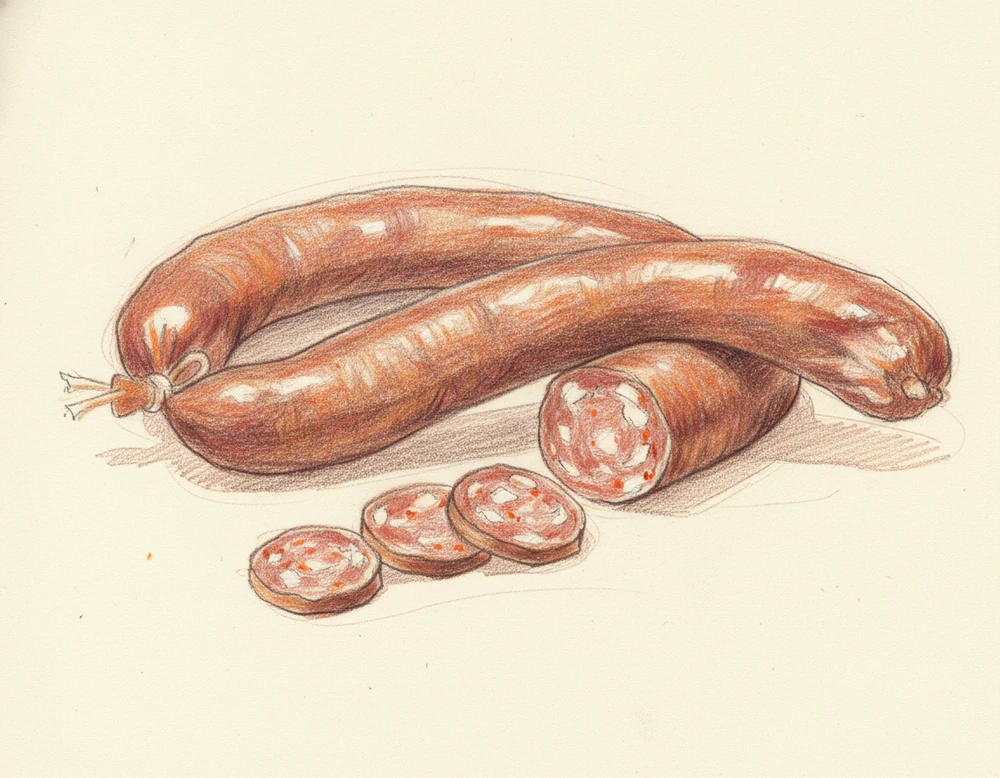
The red sausage of Castelpoto, on the slopes of Monte Taburno. It is made from selected cuts of pork, leg and shoulder, with pancetta added, and takes its colour from ground papauli, the local sweet or hot peppers toasted in a wood oven.
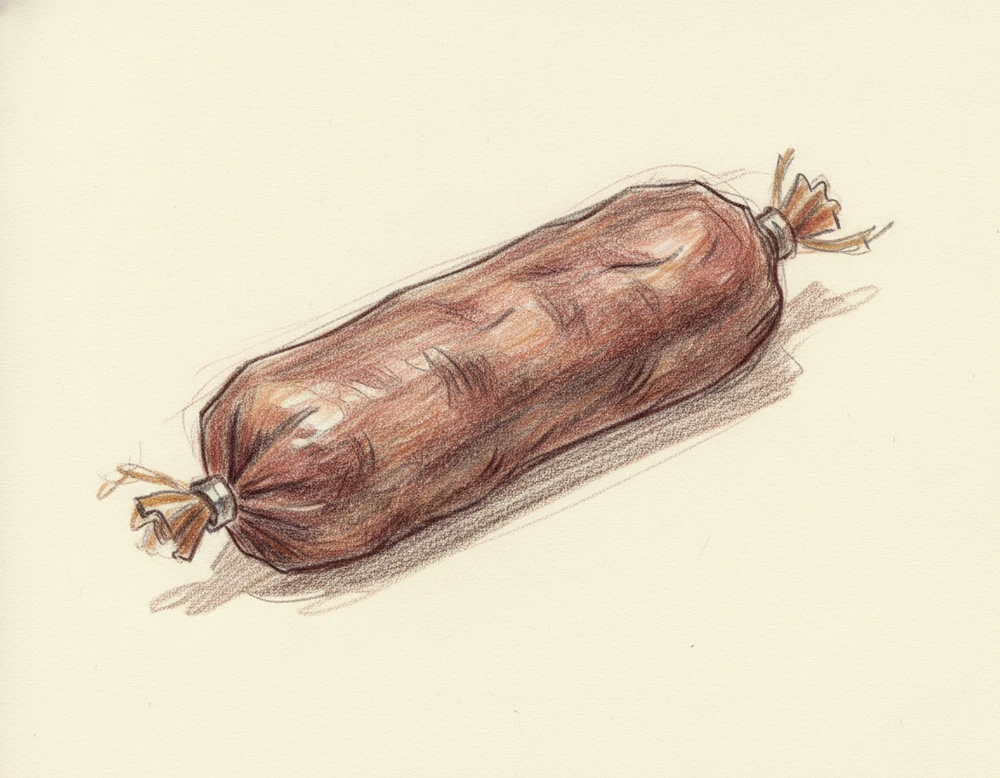
The hill country along the Sangro from Lanciano through Casoli to Montenerodomo has cured pork for a long time, and the salsicciotto is named in the Antichi Capitoli della città di Lanciano of 1592, common enough by then that a market price had to be fixed for it. The 18th-century accounts of the convent of Santa Chiara in Lanciano record it again, as payment to the lawyer who settled the nuns' disputes.
Two rare Bolognese cooked meats that stand beside mortadella. Salame rosa differs in the working: shoulder, leg and chuck go in, but only the leg and chuck are minced while the shoulder is cut by knife into large pieces, which is what gives the marbling. Lyon is mortadella's younger brother, known for centuries as salame or mortadella fina, and is simply the mortadella mixture packed into a natural pork bung, so that it comes out shaped like a salami.
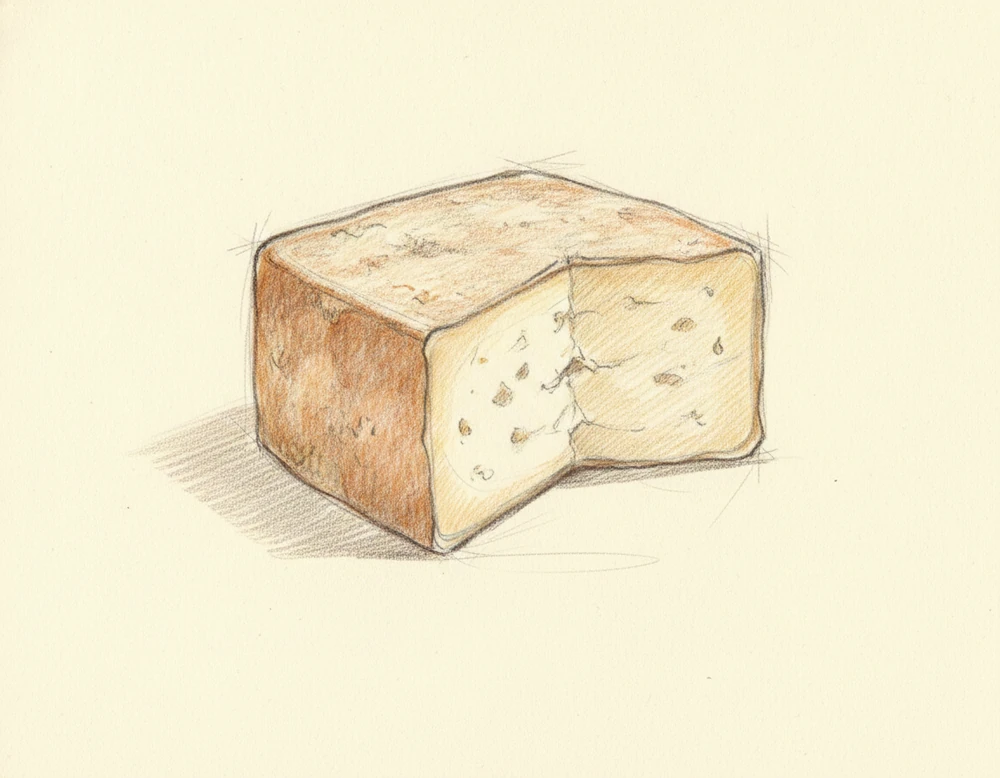
A washed-rind soft table cheese of raw curd from the Crema plain, made from whole cow's milk and aged over 75 days. Its name comes from salvare, to save: it was the way to keep a spring milk glut from going to waste.
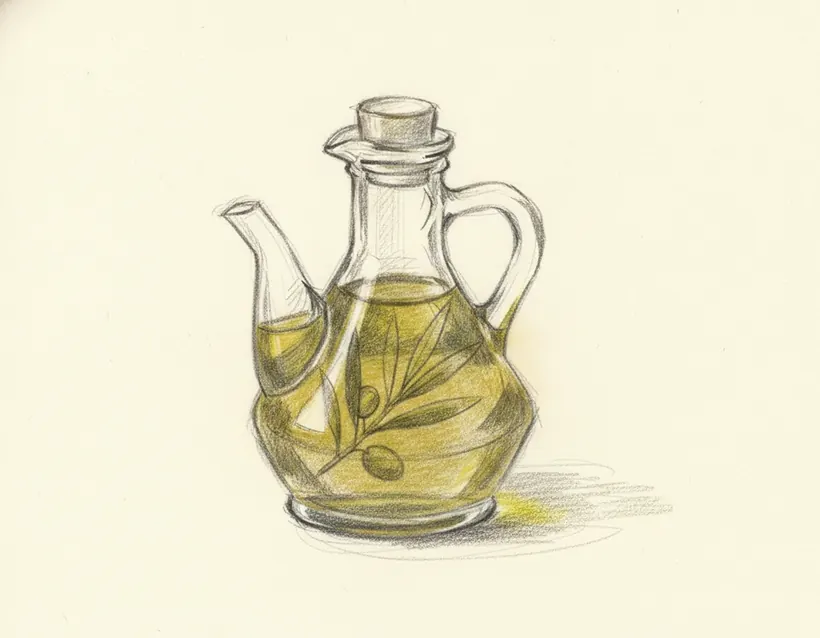
Extra-virgin oil from island olives such as Bosana, fruity, faintly bitter and peppery.
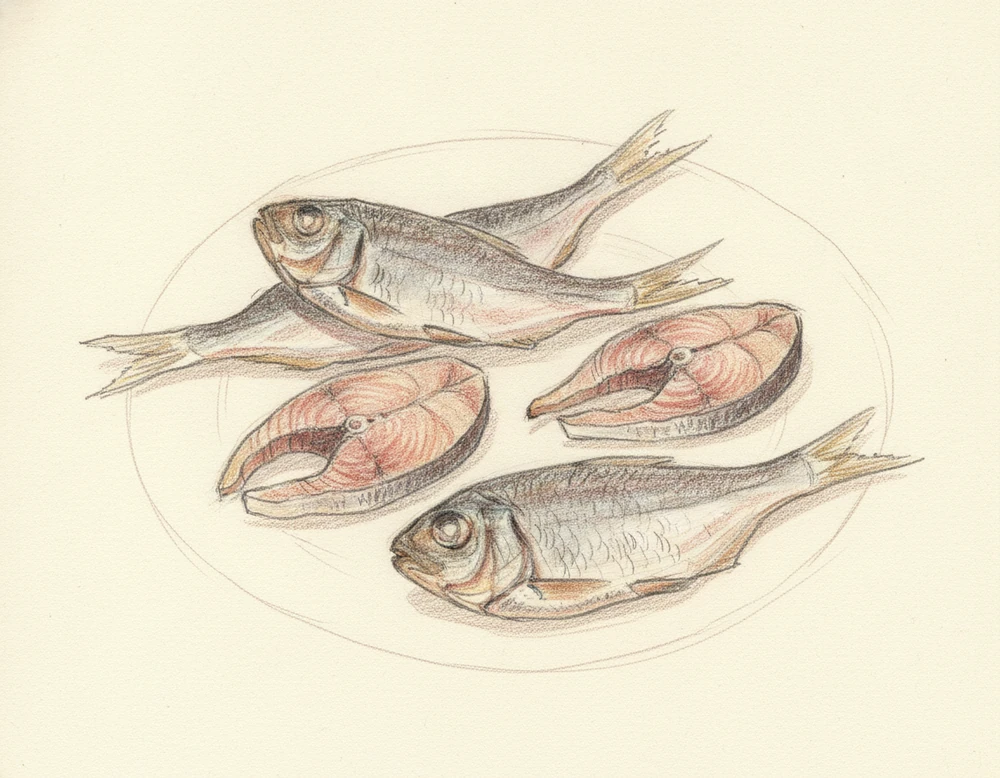
Italian calls it sardina for its shape, but Alosa agone is a freshwater fish, the twaite shad, found in many of the alpine lakes. Around Lake Iseo it is preserved in a way of its own. The fishing is hard and pays badly and is at risk of going altogether; overfishing and the absence of restocking are pulling the catch down.
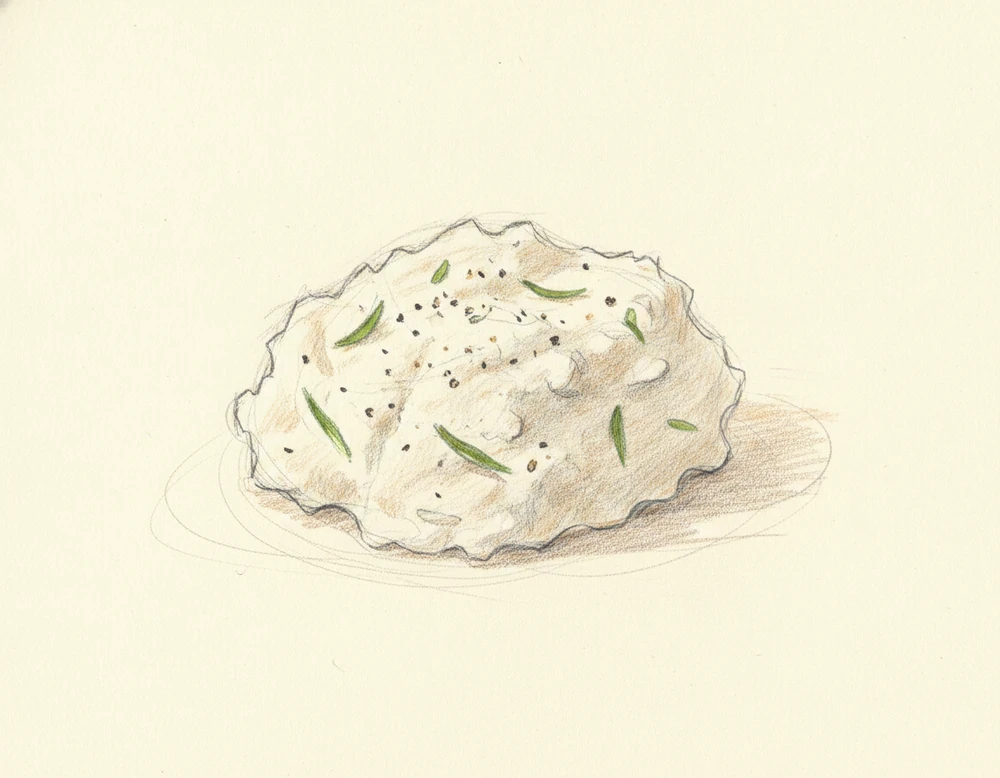
The name means sour ricotta in the German of Sappada, and the stuff looks the part, white, fresh, with no rind or set shape, but it is not a ricotta at all: it is a fresh cheese set by acid coagulation from raw whole cow's milk, with salt, pepper and tarragon. That tarragon is the point. Perschtroum, the mountain tarragon that grows wild along the edges of Sappada's pastures and woods, is gathered in summer and kept in salt for the year, and the village holds that ordinary tarragon will not do in its place.
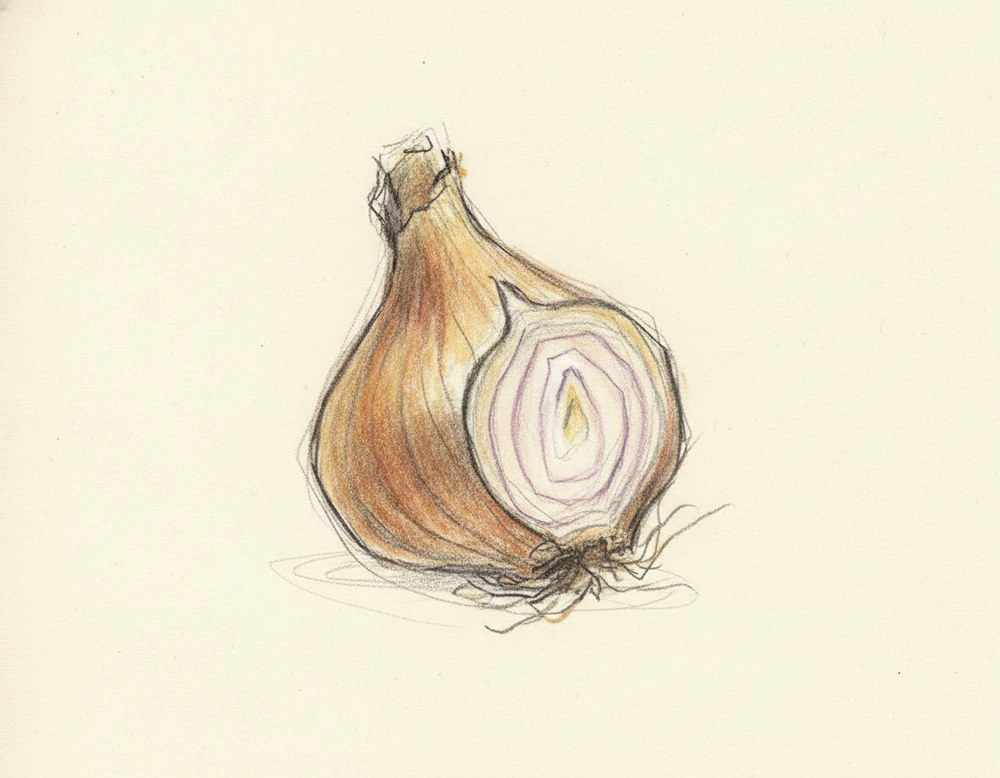
The Romagna ecotype of Allium ascalonicum, a flask-shaped bulb whose leathery outer tunic runs from yellow through leather and tawny to brown or grey, the flesh inside white to violet-streaked. The smell is pungent but the taste is sweet and delicate, closer to onion than to garlic.
A sweet from Alia, a small town on the western slopes of the Madonie with a view running from Etna to the Aeolian islands. The area's layered history shows in its monuments, notably the Arab-origin rock structures known as the caves of Gurfa.
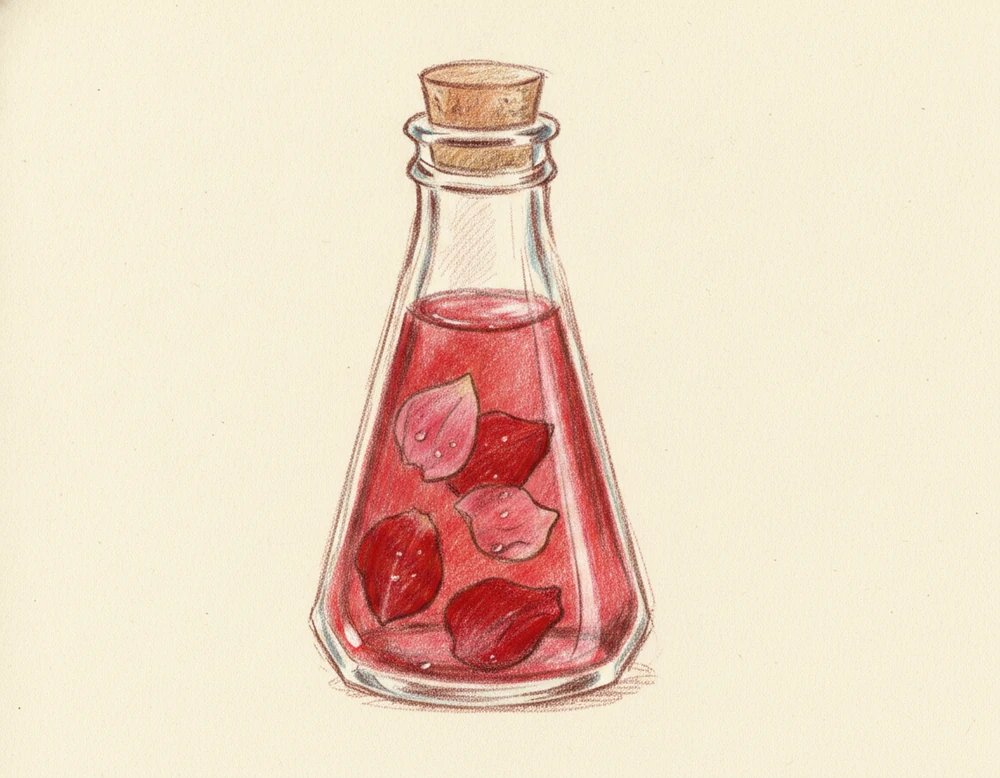
Roses stood on Genoese balconies and in Genoese gardens along with the fig and the lemon verbena. The petals were picked and steeped into a syrup and offered to guests in crystal glasses barely bigger than a thimble. People without a rose bush picked them inland in the Scrivia valley or bought them loose from the grocer or the florist, and a few Genoa shops still sell them to the few who still make it; in May you can see baskets of red and pink petals next to the crates of artichokes and the asparagus.
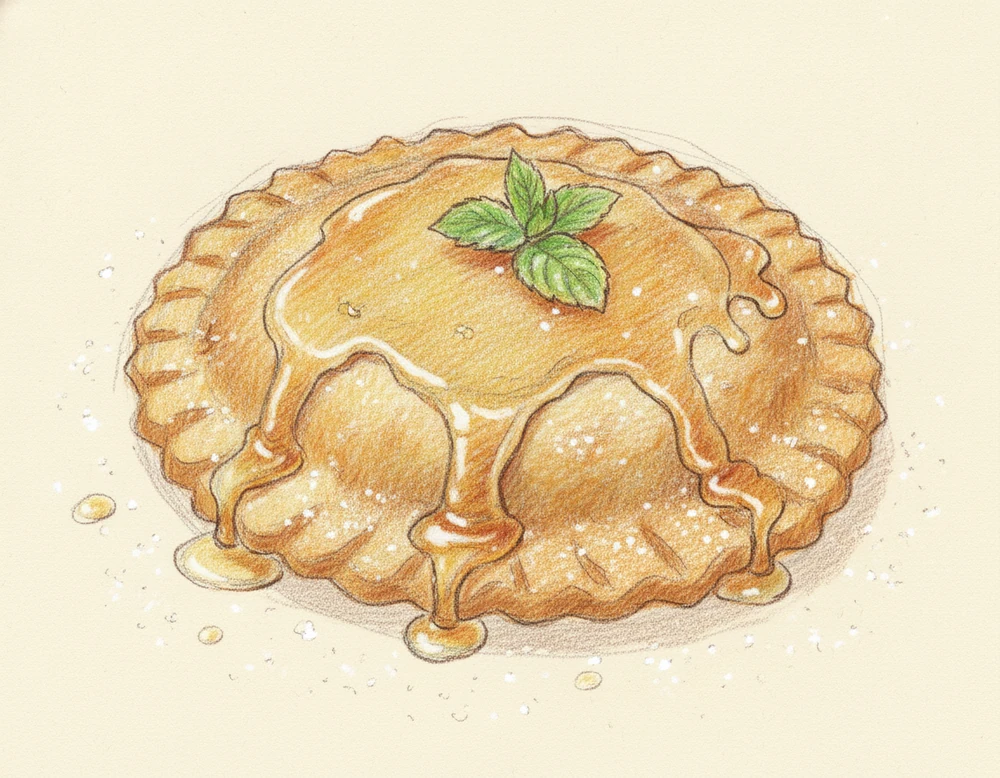
A fresh-pasta round or oval of two sheets with a wavy, sometimes decorative edge, enclosing a filling of fresh cheese. Fried and dressed with honey, it is Sardinia's best-known dessert.
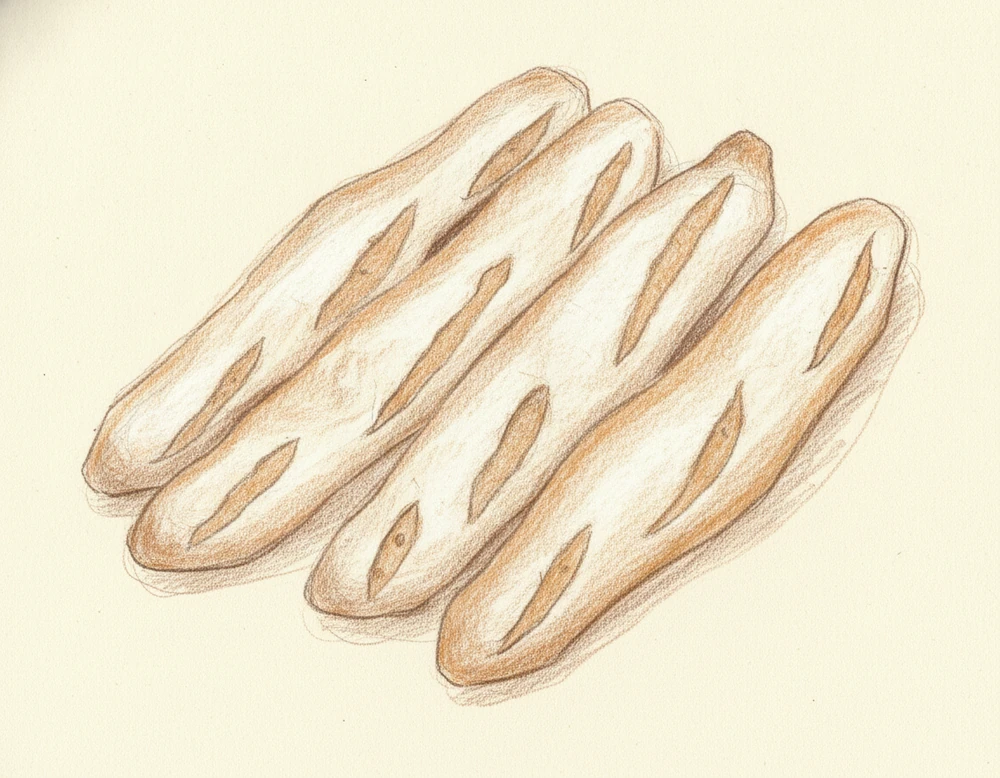
An old rye grown time out of mind by the farming communities of the Matese massif, across Campania and Molise. Hardy enough for poor soil and hard weather, it is still sown between 900 and 1,200 m without fertiliser or chemical treatment.
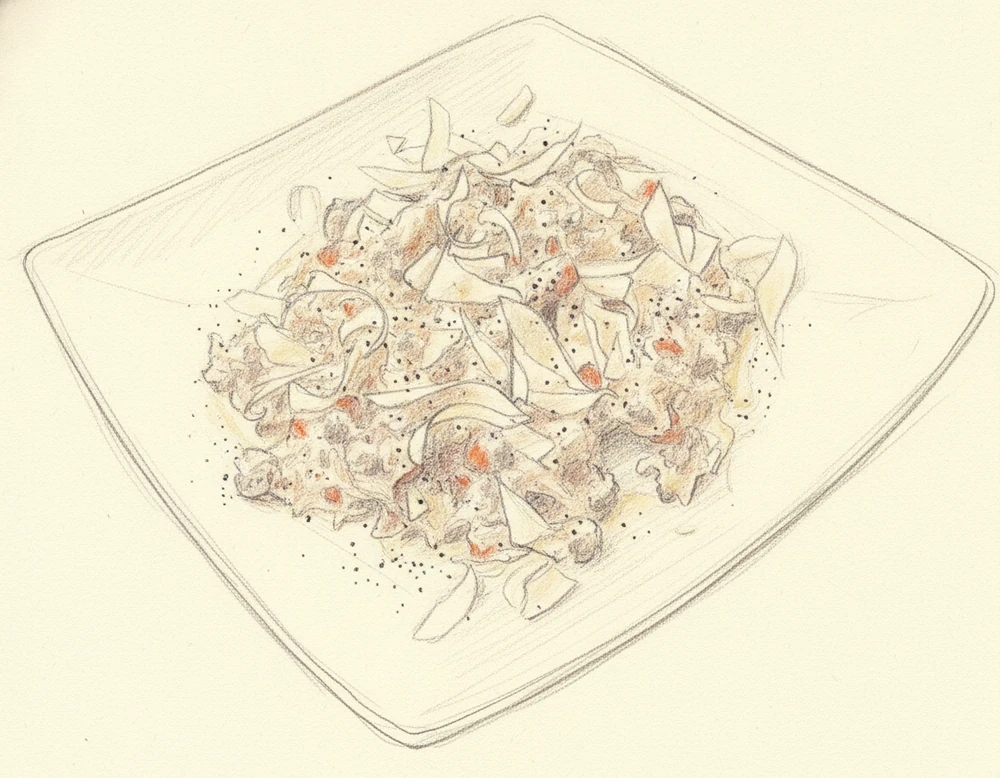
Celery of the Bianco di Sperlonga ecotype (Apium graveolens var. dulce), with white to whitish ribs. The pale colour is intrinsic to the ecotype, though denser sowing can emphasise it.
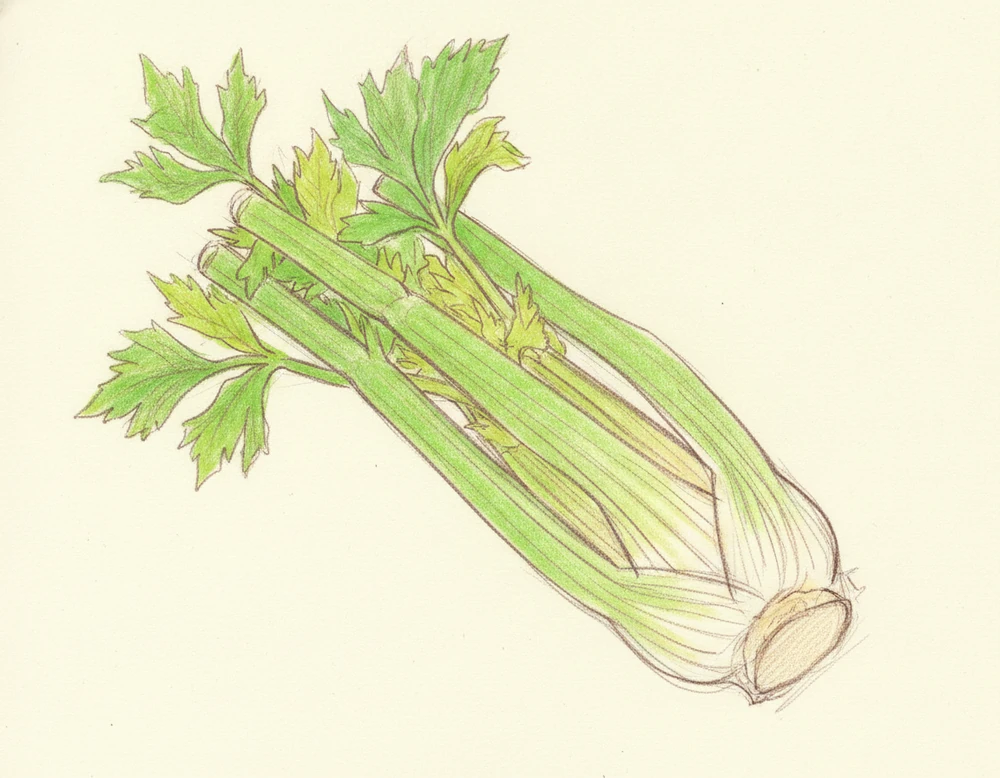
Called accio in dialect, a local celery grown around Gesualdo in Irpinia, on the ridge between the Ufita and Calore valleys. The ground there is in sun the whole day, which gives the ribs their bright green; the stem stays paler.
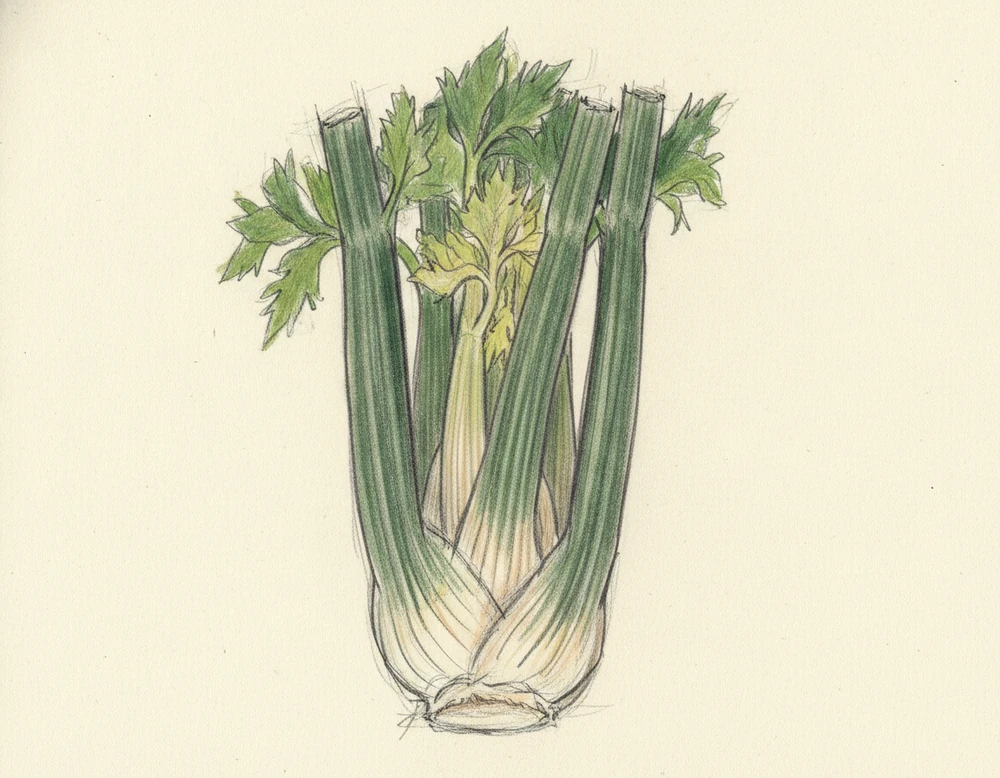
Widely known until a few decades ago and now put in by a few growers only, in the plots near the Clitunno springs that Carducci, Byron and Goethe all wrote about. It went after the Second World War, when American celery arrived. It is longer than other celery, the ribs dark green, entirely without strings, and it smells strongly; earthed up, the ribs blanch almost white and the heart turns tender and juicy.
Red celery grown at Orbassano since the 17th century, when Anne Marie d'Orléans, niece of Louis XIV, married Victor Amadeus II of Savoy and brought Tours violet celery from France, more flavourful and tender than what Piedmont grew then.
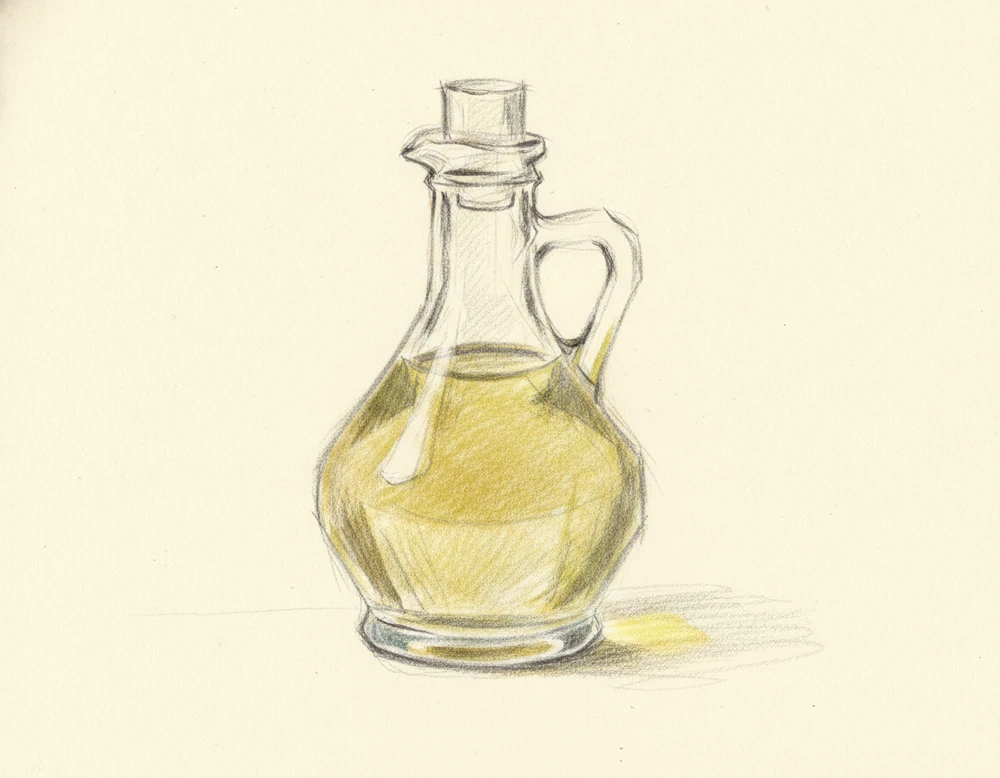
A single-cultivar olive oil from the Monte Amiata slopes: at least 85 per cent Olivastra di Seggiano, a variety that grows almost nowhere else, with a maximum of 15 per cent from other varieties.
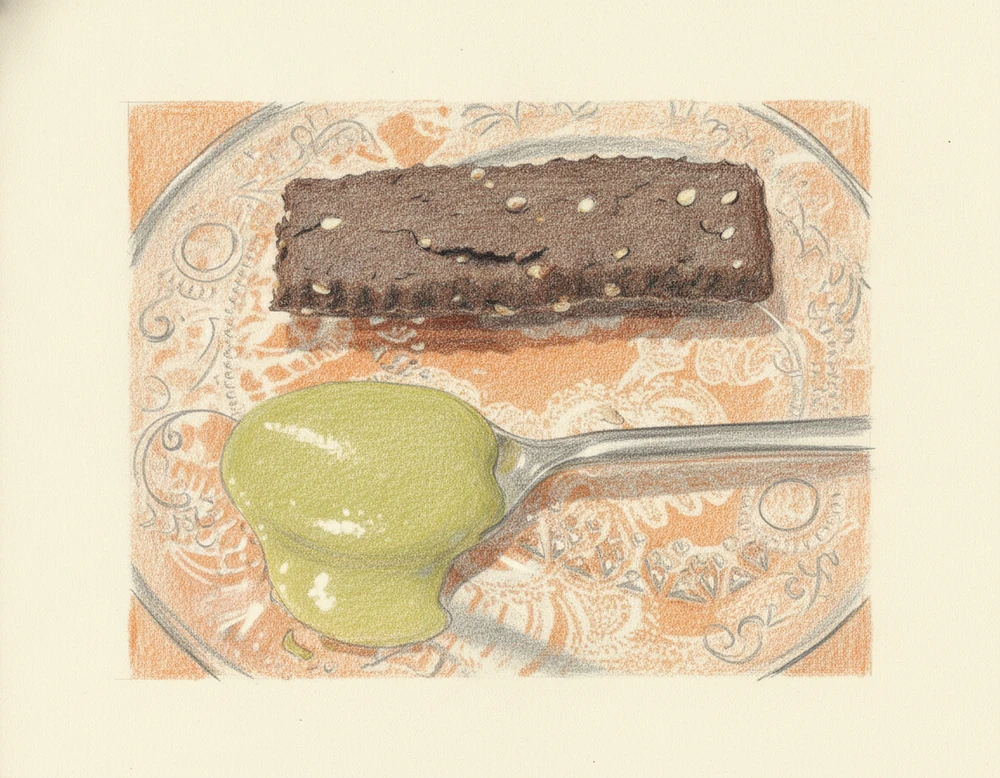
Sesame grown at Ispica, introduced to Sicily under Arab rule and still cultivated there. The local variety, with its small seed, was selected by growers about two centuries ago.
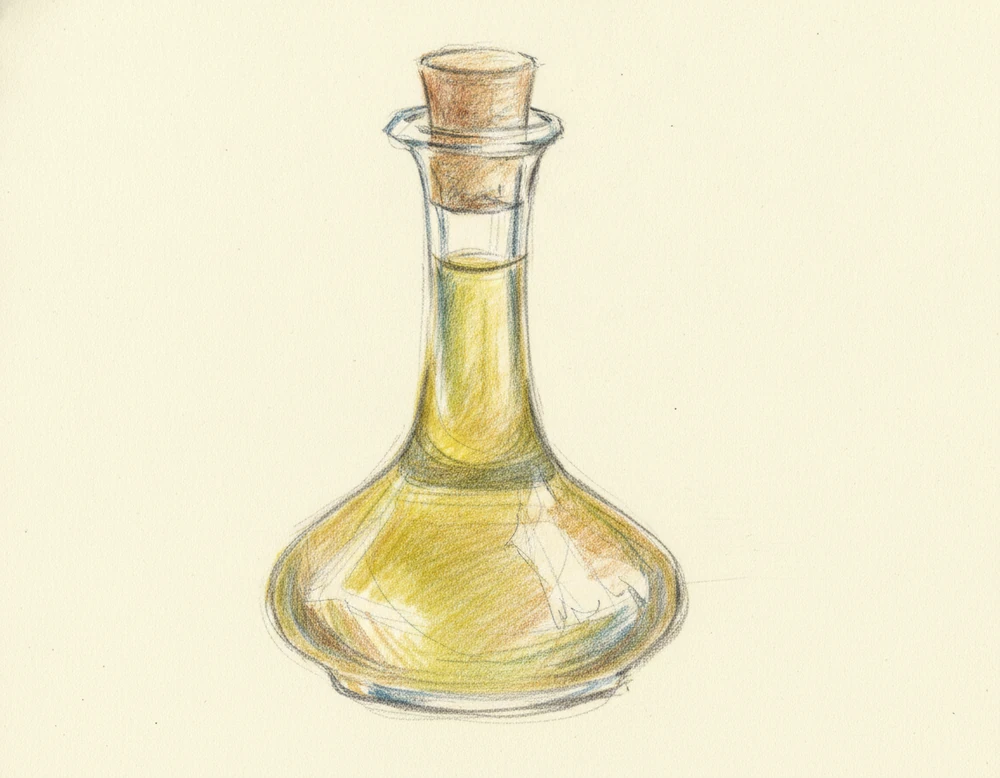
The island-wide olive oil IGP, drawing on a long list of Sicilian cultivars alone or together: Biancolilla, Cerasuola, Moresca, Nocellara del Belice, Nocellara etnea, Nocellara messinese, Ogliarola messinese, Giarraffa, Brandofino, Calatina, Minuta and more.
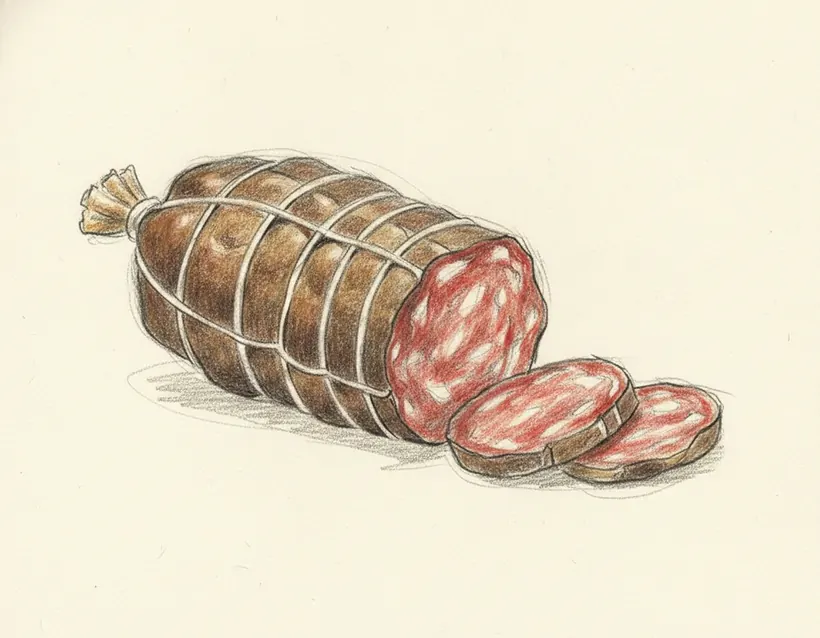
One of Italy's rarest salumi, a large hand-tied pork salami of Conca Casale seasoned with wild fennel, coriander and orange peel.
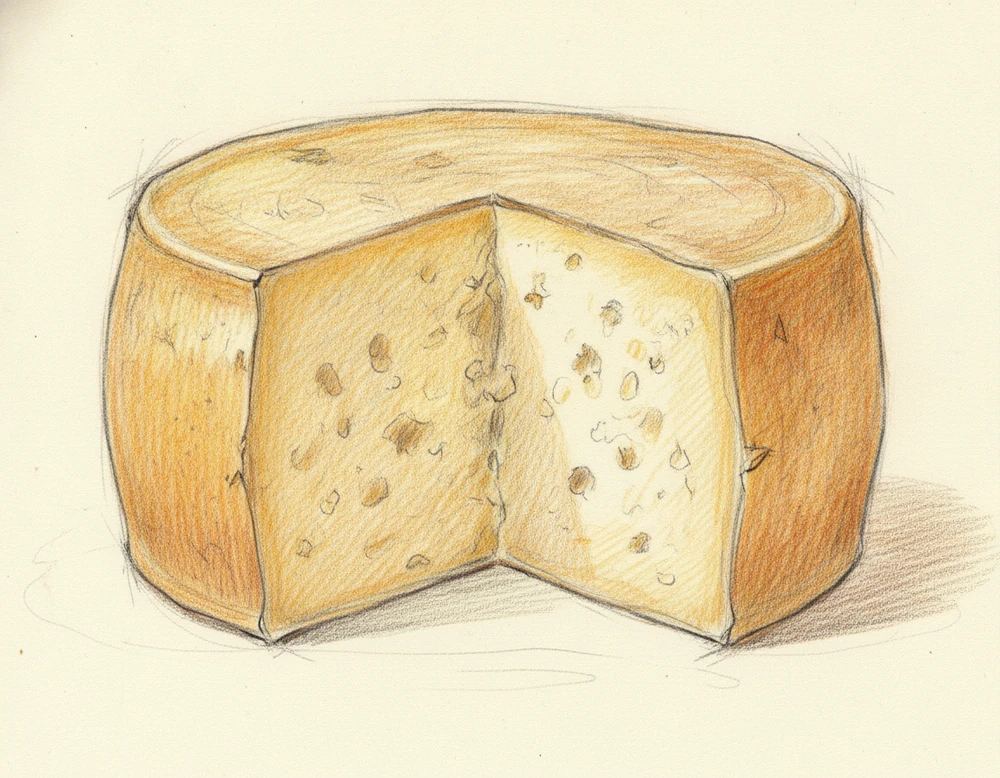
Silter is a Celtic word and it names the place the cheese was aged, a shilter, often cut into the rock and finished off in brick with a vaulted roof. Lombard cheesemaking descends from the Celts, who are reckoned the fathers of it across northern Italy, although the name itself is only documented from the 17th century. The cheese is built for ageing and is made all year, on the alpeggi in summer and at the winter stations below.
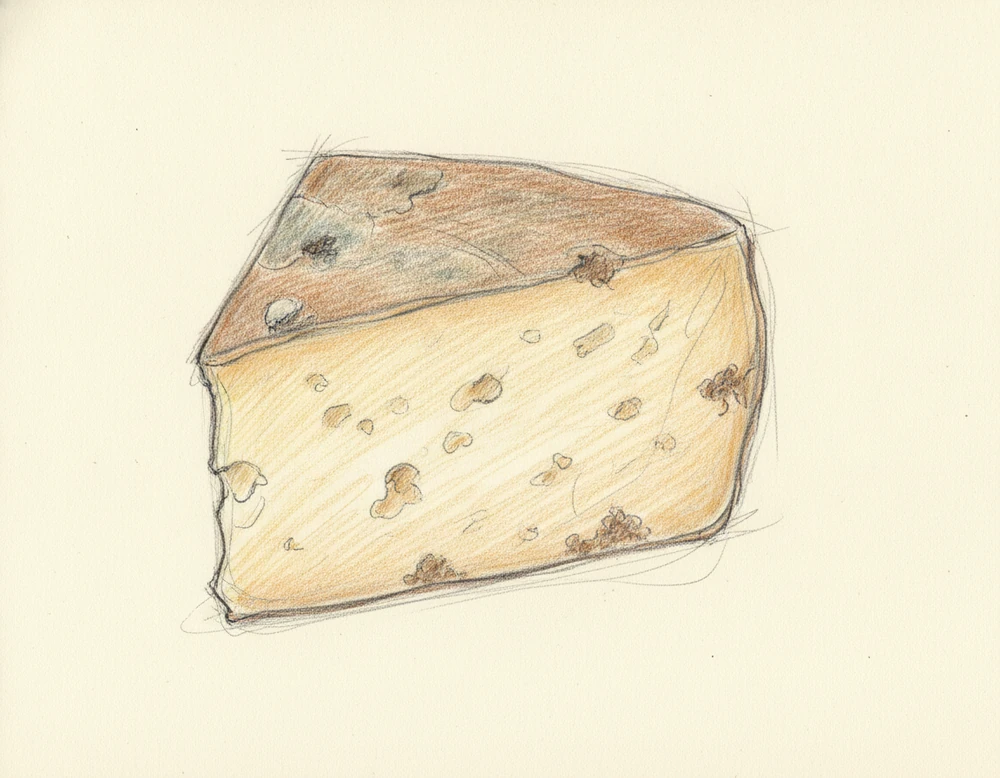
A hard, semi-fat raw-milk cheese from the Val Camonica and the Sebino, made year round and aged a minimum of 100 days. The name is the local word for the room the wheels mature in.
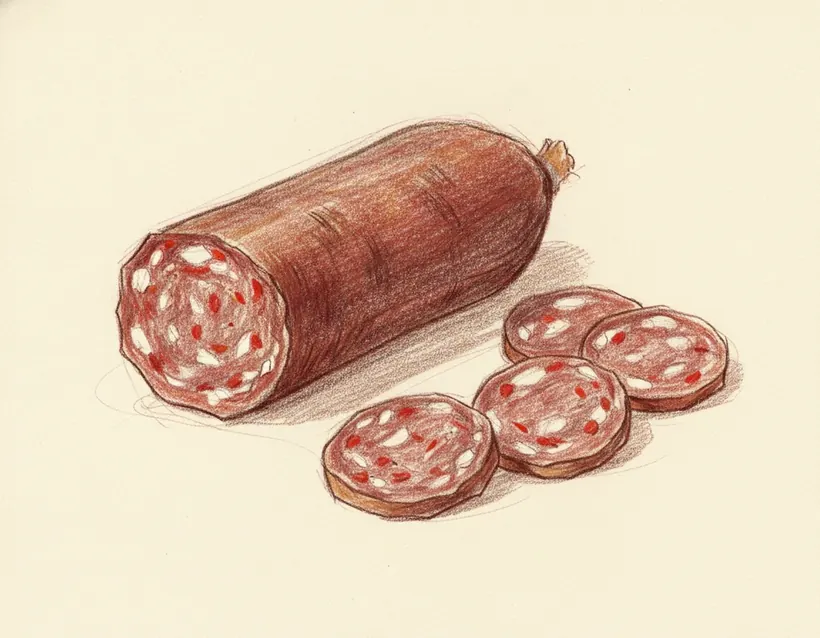
A pressed, spicy pork salami spiked with the region's sweet and hot peperoncino, matured firm.
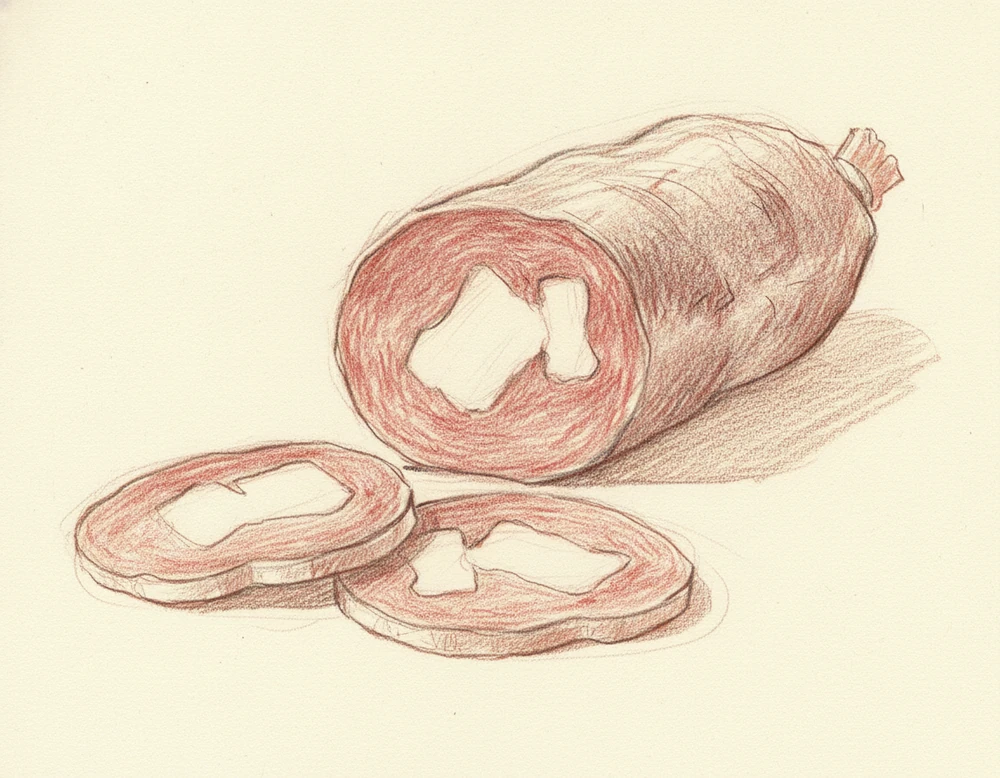
A soppressata already noted in an 1835 agricultural text, made only from the prime cuts: fillet, thigh, loin and shoulder.
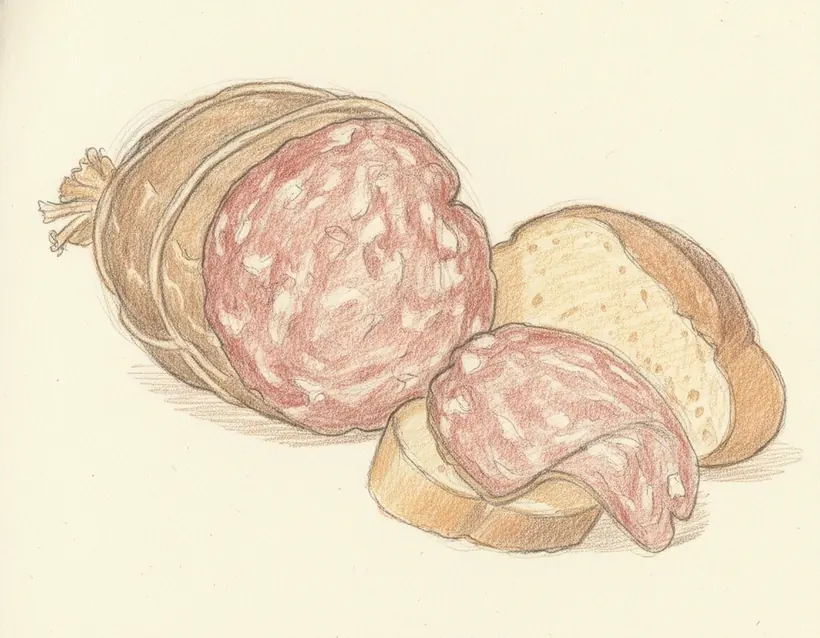
A large, soft, coarsely-ground pork salami of the Vicenza country, gently spiced and matured.
A filled sweet from Bisceglie on the Adriatic, a town old enough that dolmens still stand in the countryside around it.
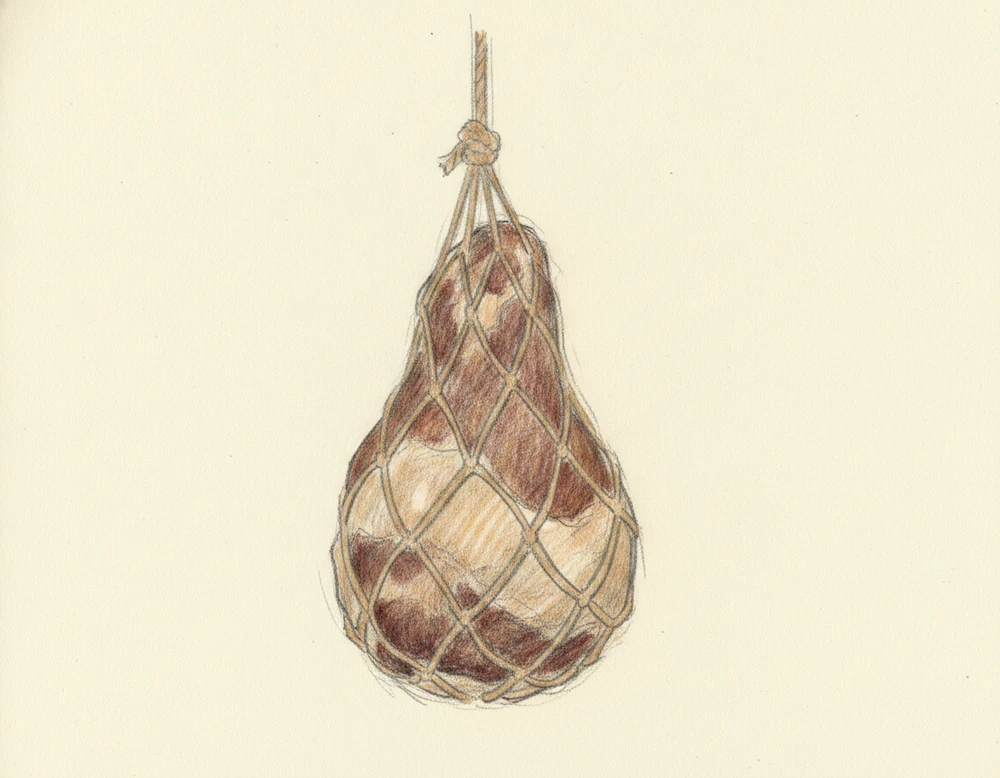
Elsewhere the shoulder is minced into salami and cotechino; around Parma it is cured whole, boned or not, and the result is one of the province's serious meats. Making and ageing it is a charcutier's job.
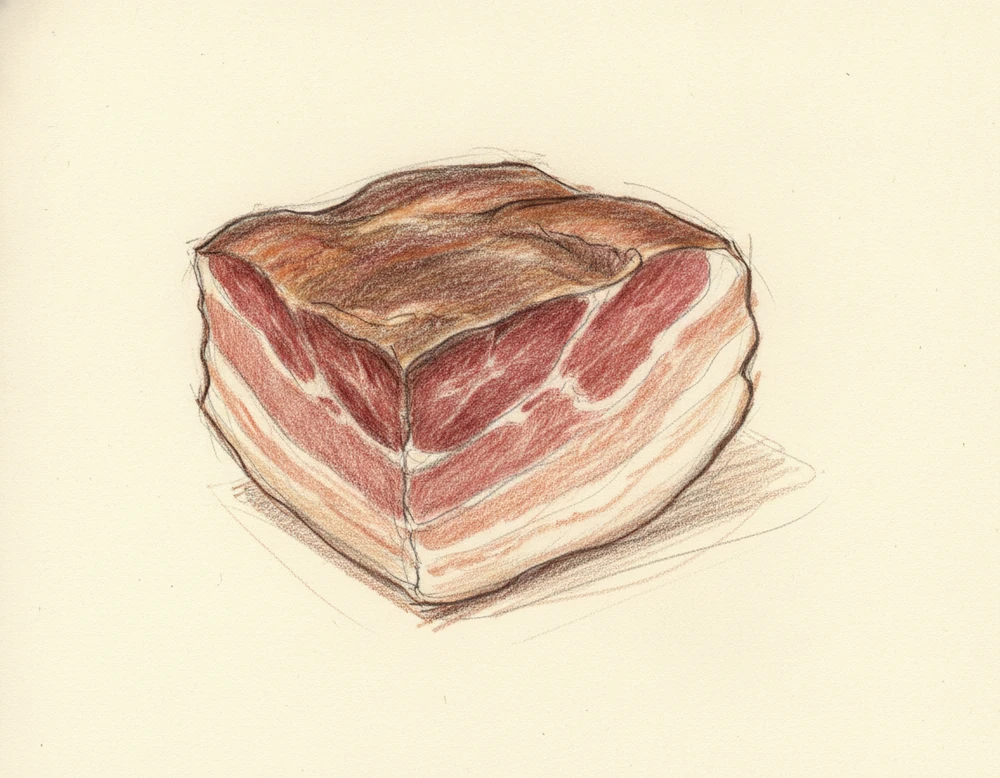
The lightly smoked, juniper-scented cured ham of Alto Adige, matured under protective food-grade films and controlled through the whole ageing period.
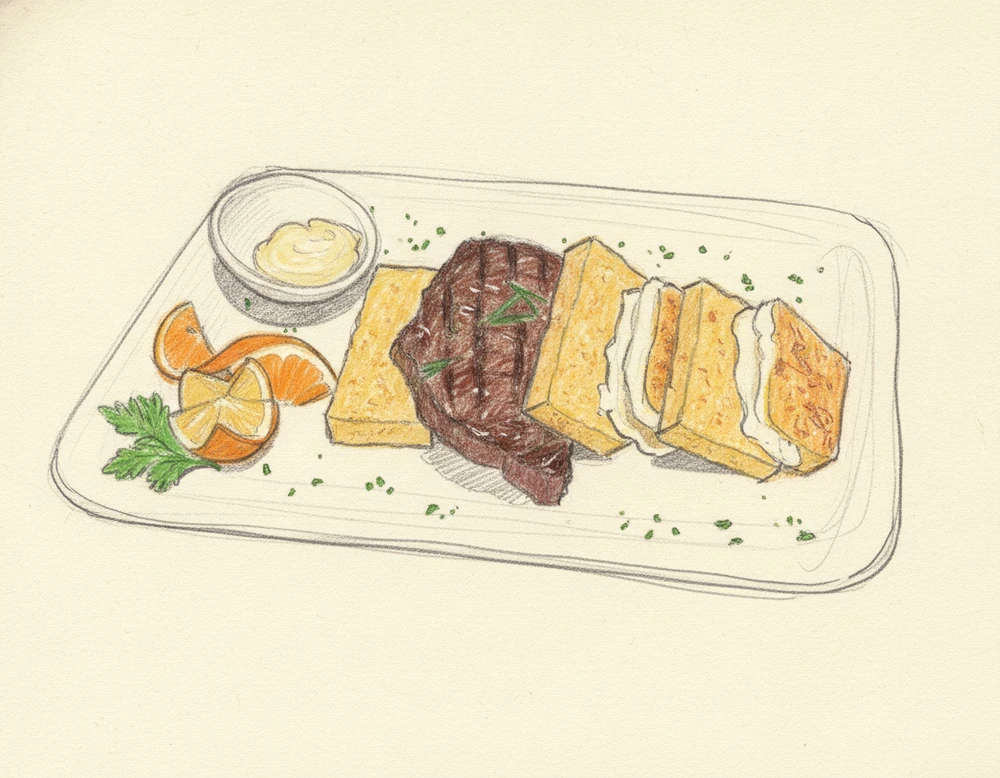
A lean table cheese from the Giudicarie valleys, made from raw cow's milk partly skimmed by natural creaming, fermented naturally or with added natural starters.
A soft, spreadable, milky-white fresh cow's-milk cheese with a faintly sour tang, classically eaten in a warm piadina.
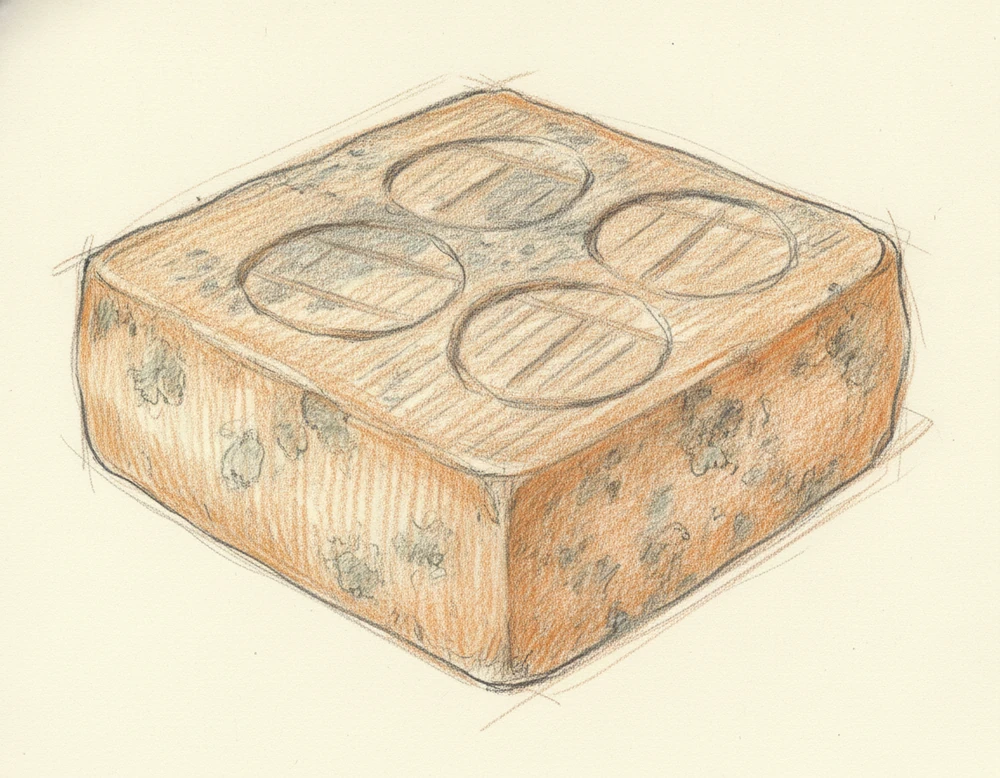
A washed-rind alpine cow's-milk cheese from the Venosta valley, aged at least sixty days, with moisture no higher than 44 per cent and fat on dry matter above 50 per cent.
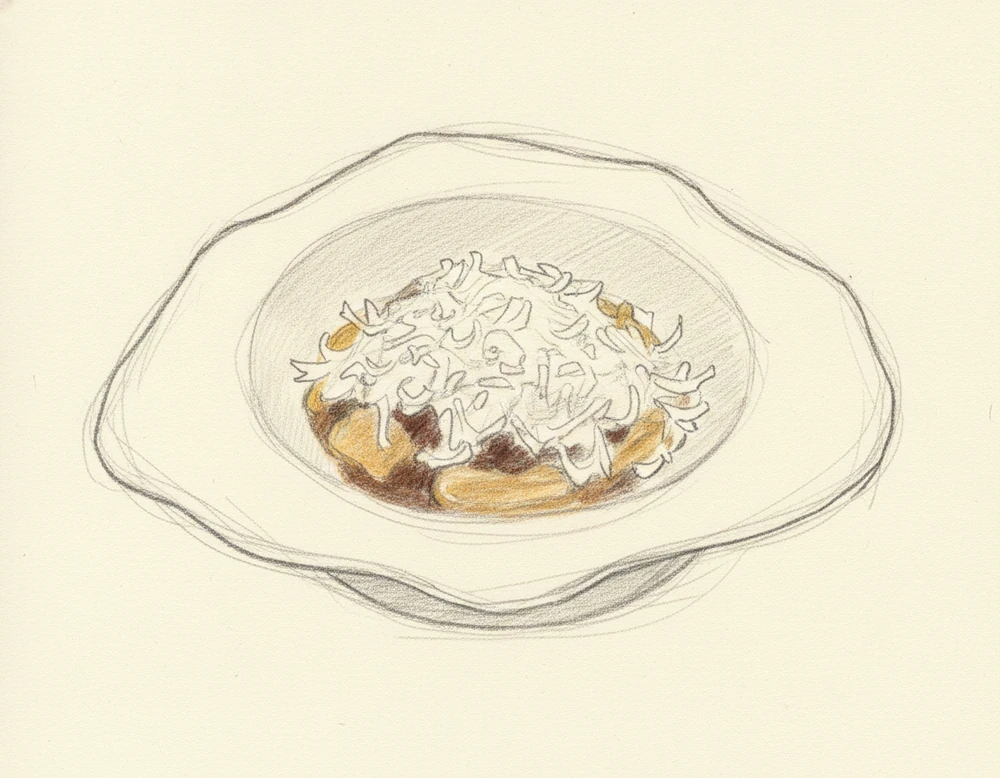
The old heart of it is the valleys of the Bitto torrent, the Gerola and the Albaredo. The dairies work between 1,400 and 2,000 metres and keep the practices that make both the cheese and, as much, the alpine grassland and its diversity. The pasture is turned: the herd moves up in stages from the lowest station to the highest, and the milk is often made on the spot in a calécc, one of the old stone shelters scattered over the slopes. Orobica goats go up too, and 10 to 20 percent goat's milk in the vat is what gives the cheese its aromatic length.
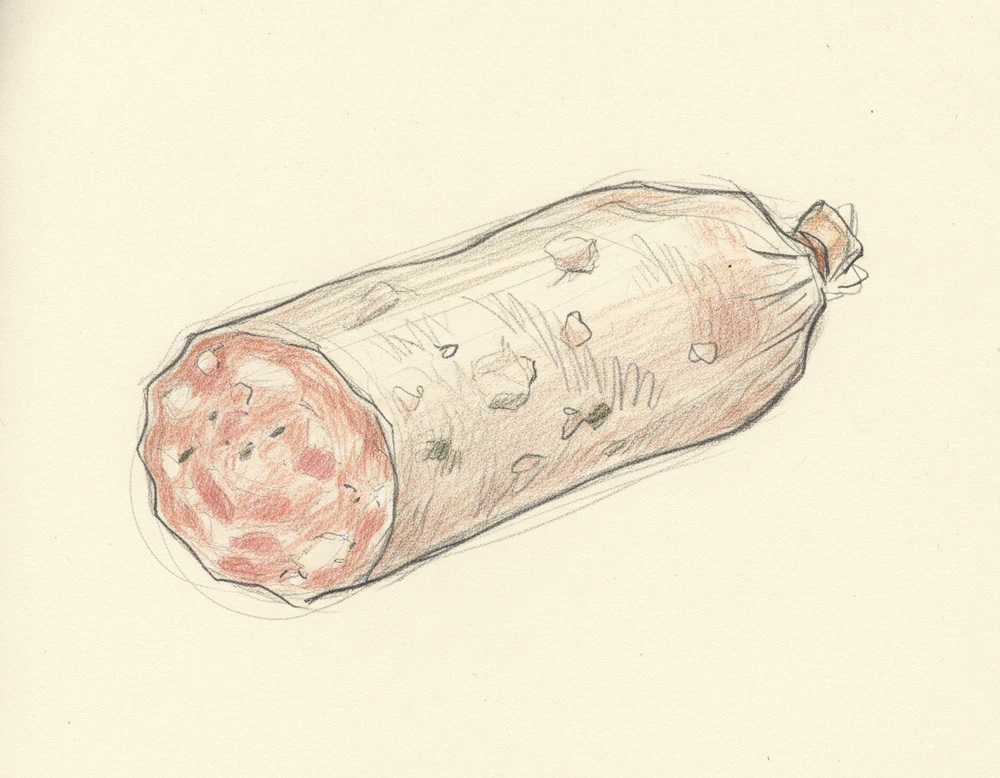
A small salami, under 200 grams, of the southern Veronese. Being that small it would dry out fast, so the trick was to keep it in lard through the winter, and it is still eaten that way, with fresh bread or grilled polenta. A second version is made without the lard; it dries quickly and is really a salamino.
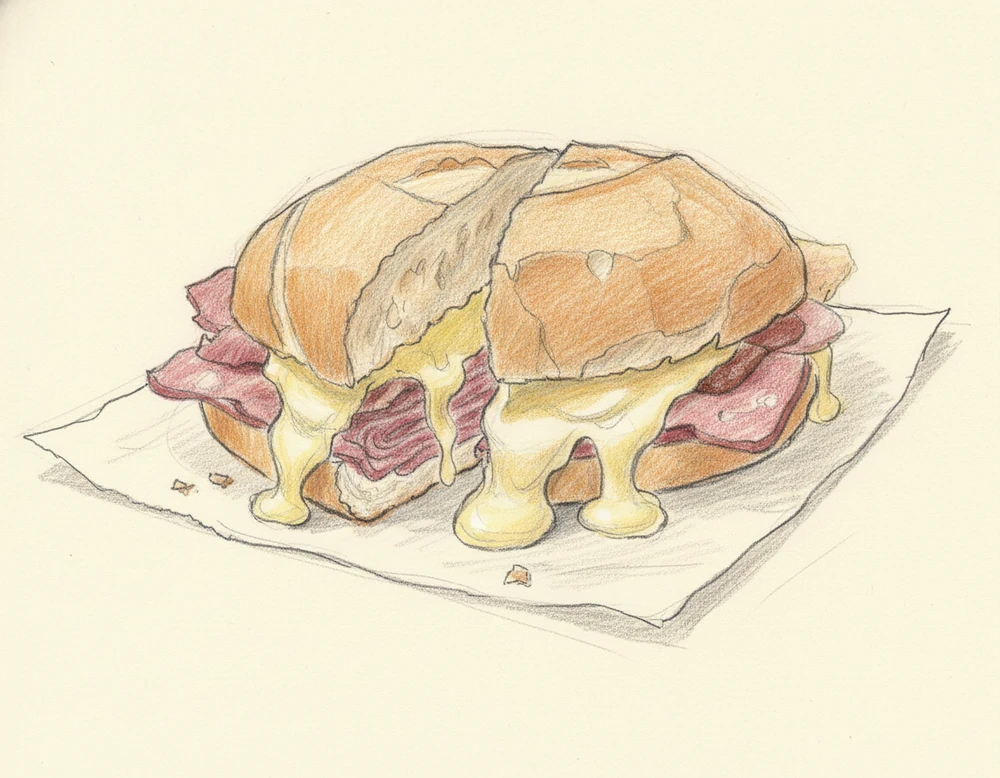
Stracchino appears to come from stracch, tired: the cheese made at the halts on the transhumance out of what little whole milk the exhausted cows would give. It had to be quick, with no heating of the milk and little time to set or drain. The Taleggio valley's version was the famous one, so much so that from the early 1900s every cheese of the type came to be called Taleggio. Taleggio now being an industrial cheese, the old word stracchino is what is left to name the artisanal mountain original.
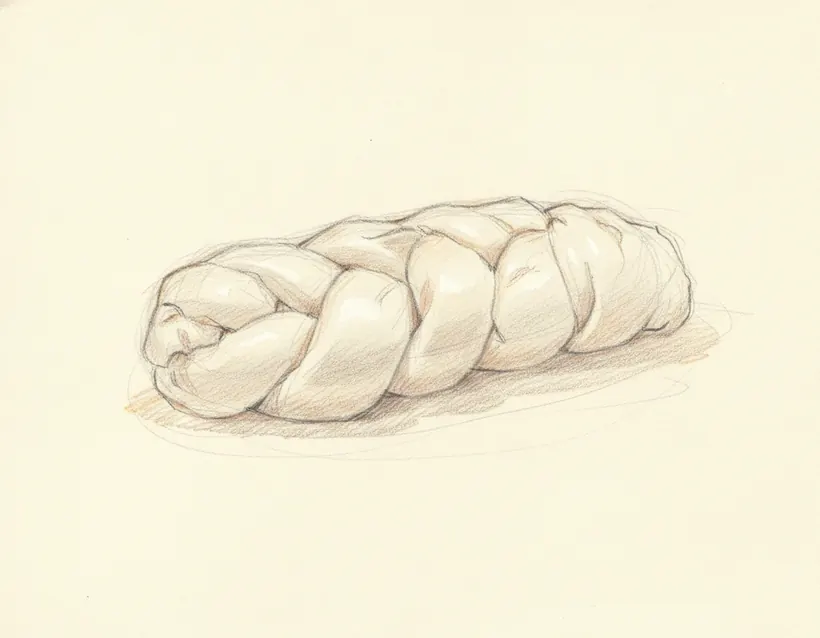
A soft stretched-curd cow's-milk cheese of Agnone worked into a flat, folded ribbon, milky and mild.
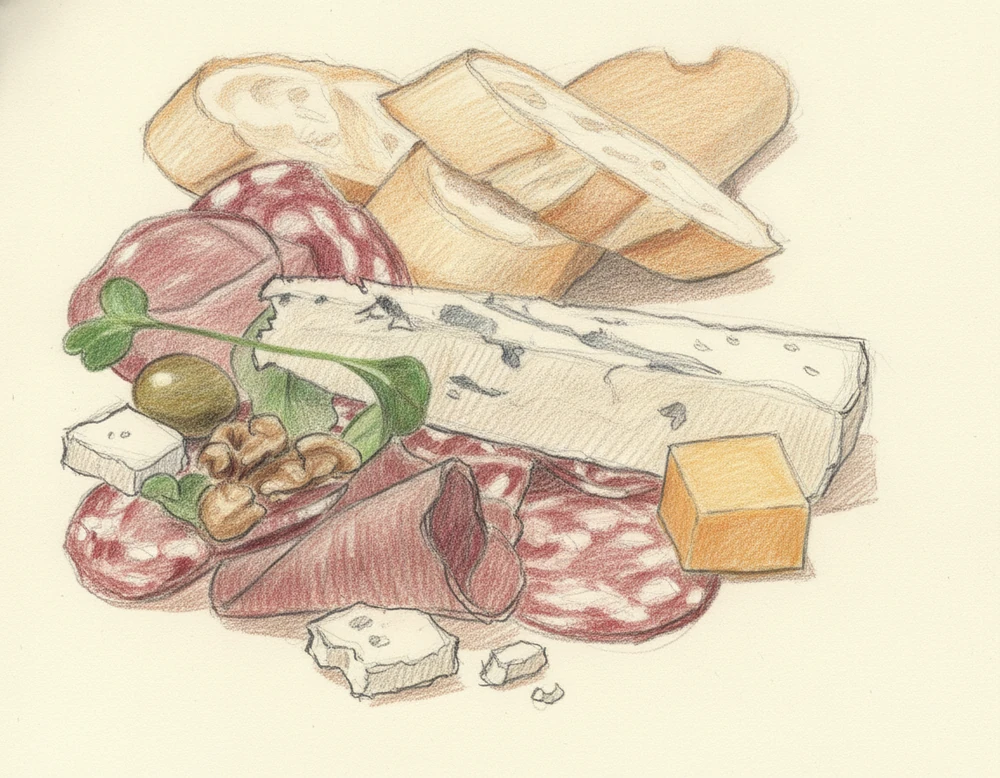
A two-curd raw-milk cow cheese from the Val Taleggio, aged at least 75 days and often veined with blue. It is the ancestor of Gorgonzola's technique, made by layering two curds of different ages so cavities form for the mould to colonise.
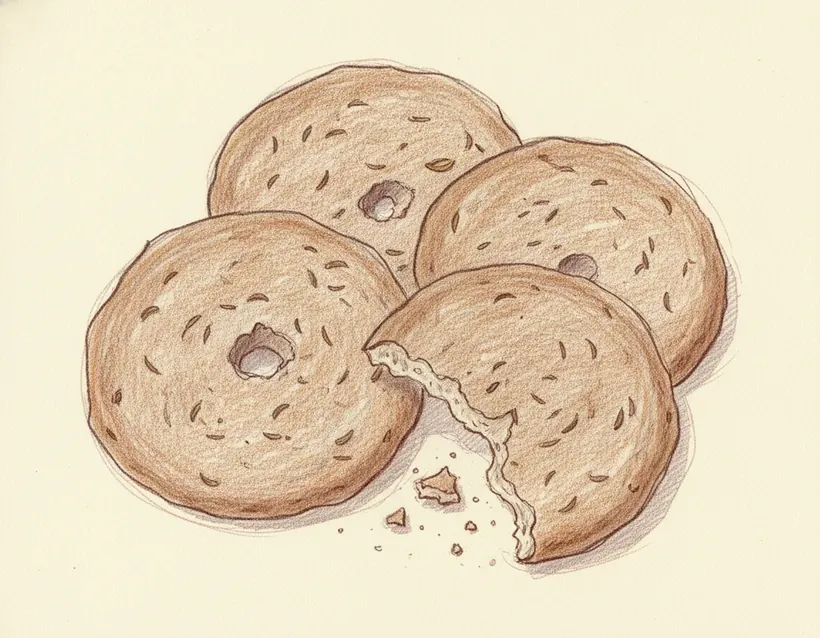
The thin, hard, spiced rye flatbread of South Tyrol, flavoured with fennel and caraway and dried to keep for months.
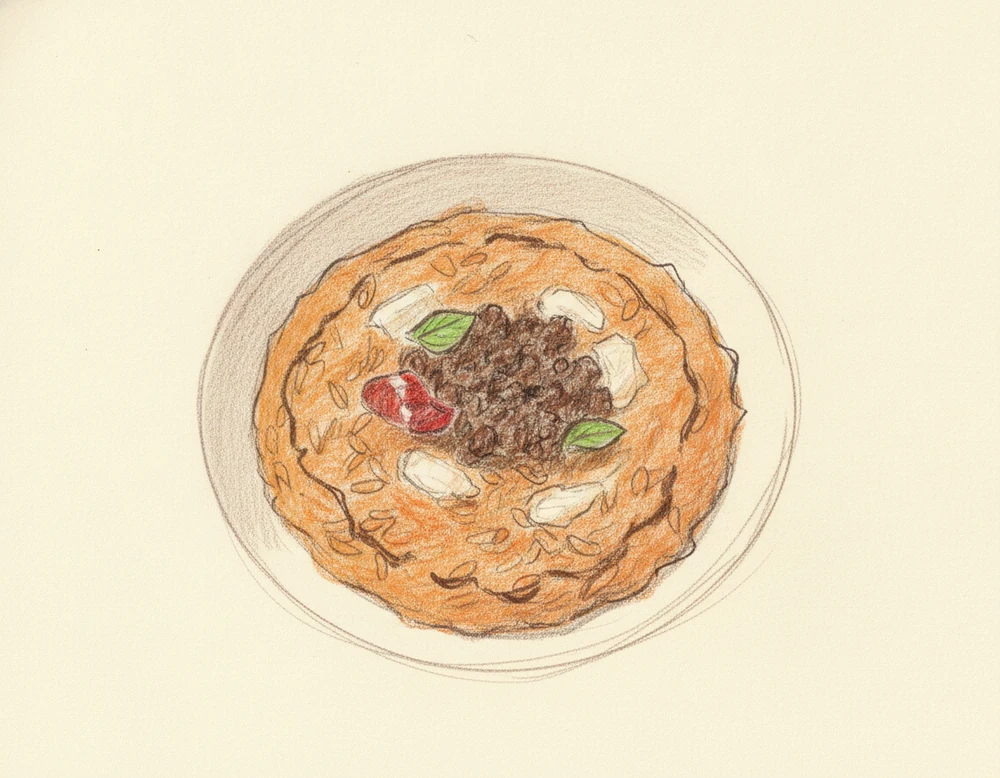
A medium-small black pig with stiff bristles forming a mane along the back, raised semi-wild or wild in the woods and meadows of the Nebrodi. It is given supplementary cereals and legumes and penned in small huts, the zimme, only when necessary or for farrowing.
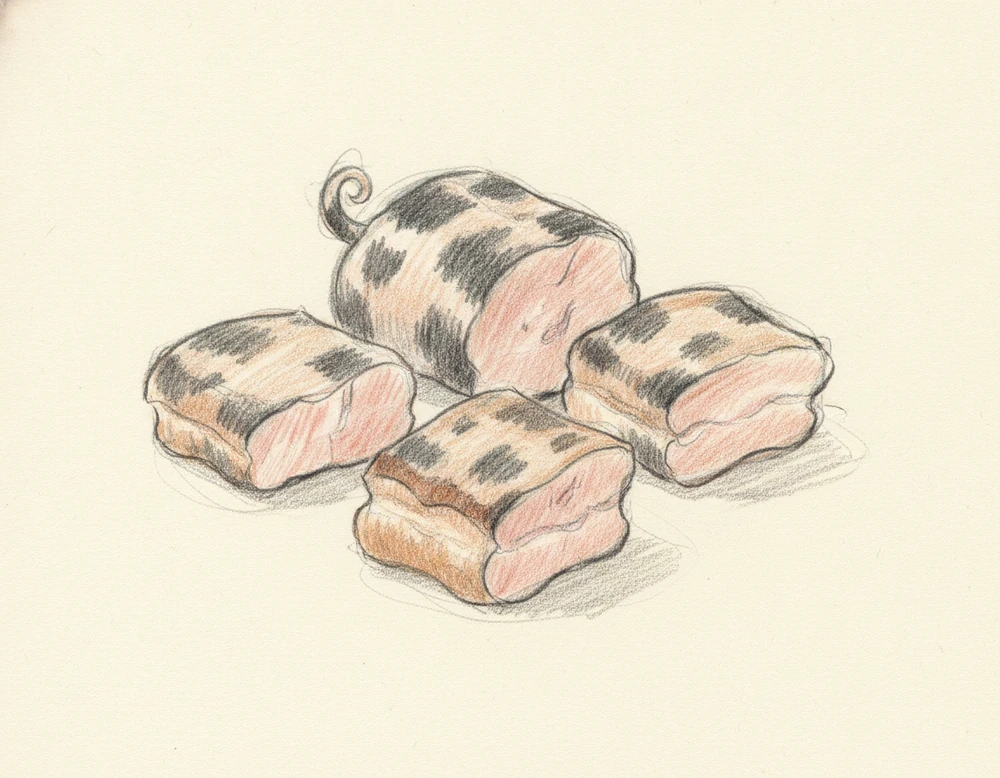
Small dark pigs were kept out in the woods across the Barbagia around the Gennargentu and the Supramonte, in Ogliastra, and less so in the Sarrabus-Gerrei, the Monte Linas country and the Sulcis-Iglesiente, alongside the dairy animals. There was forest to keep them in: until the first half of the 1800s woodland covered 70 percent of that country, and the pigs went where the crops would not. Pigs have been on the island since at least the 6th millennium BC; the Nuragic period left bronzes of both domestic pigs and boar, medieval documents record the keeping of them, and several chapters of the code of Marianus IV of Arborea deal with it.
A Viterbo cured meat whose recipe is probably Etruscan and which was well known between the 11th and 15th centuries, when offal-curing became common. It is made of heart, liver, pancreas, belly and cheek along with other cuts, from pigs grown to between 130 and 160 kilos.
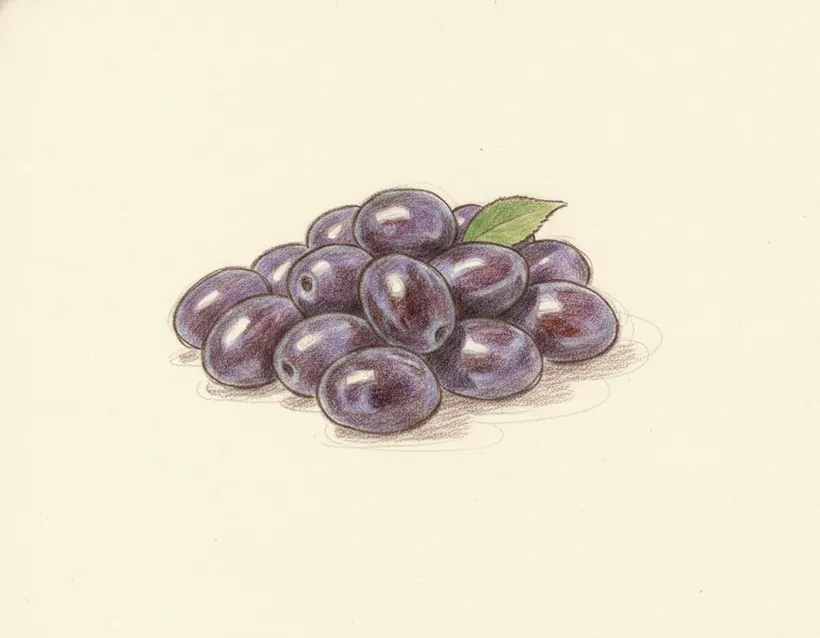
A small, dark, intensely sweet plum of the Sarca valley around Dro, eaten fresh or dried.
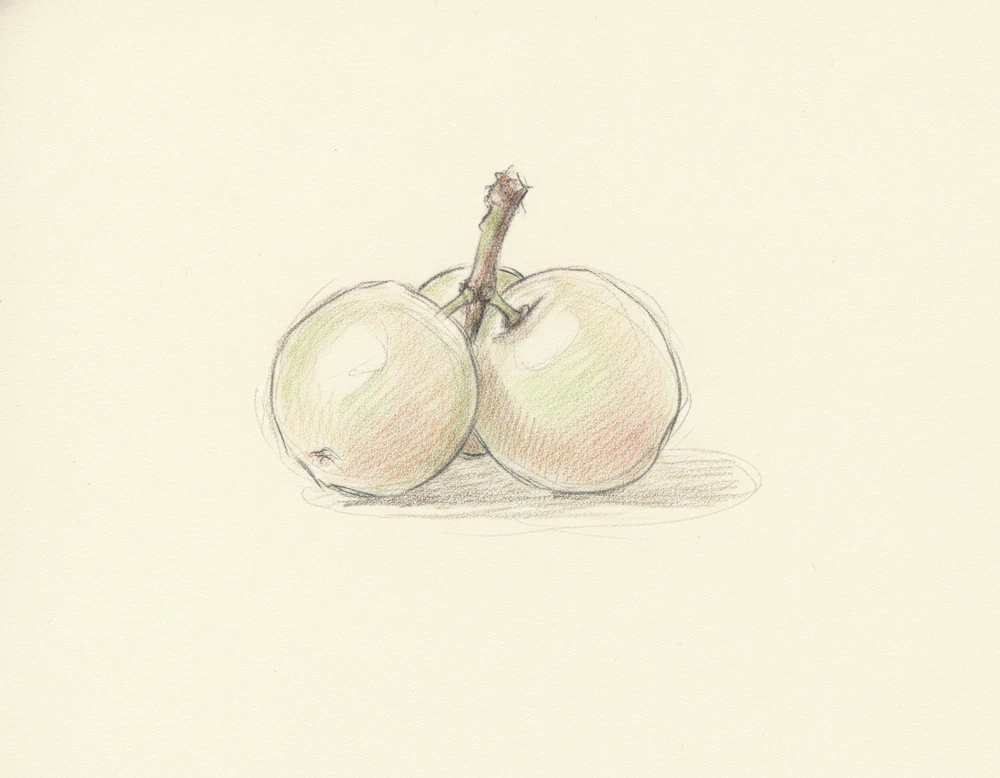
A white plum of the Conca d'Oro, the valley running inland from Palermo, where more than ten plum varieties once grew alongside citrus, mulberry, medlar and fig. Fifty or sixty years ago the area was one great orchard; Palermo's expansion has taken most of it.
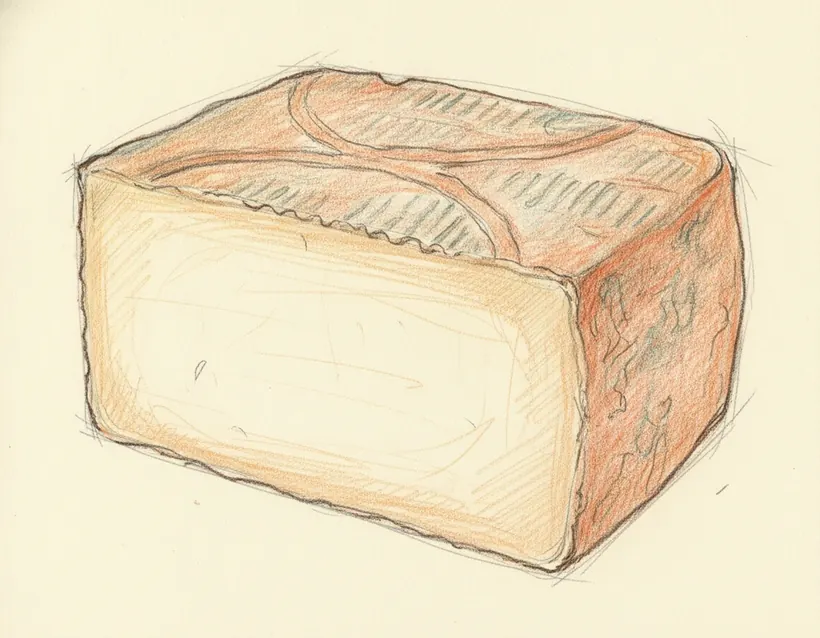
A square, soft washed-rind cow's-milk cheese with a thin pinkish crust and a buttery, tangy paste.
A flat pancetta of extraordinary size, its sides 50 centimetres and sometimes 80, cut from the back, the belly and part of the prized chine of heavy pigs that used to reach 200 kilos. The flavour is long and pronounced but softer than most cured meats made the same way.
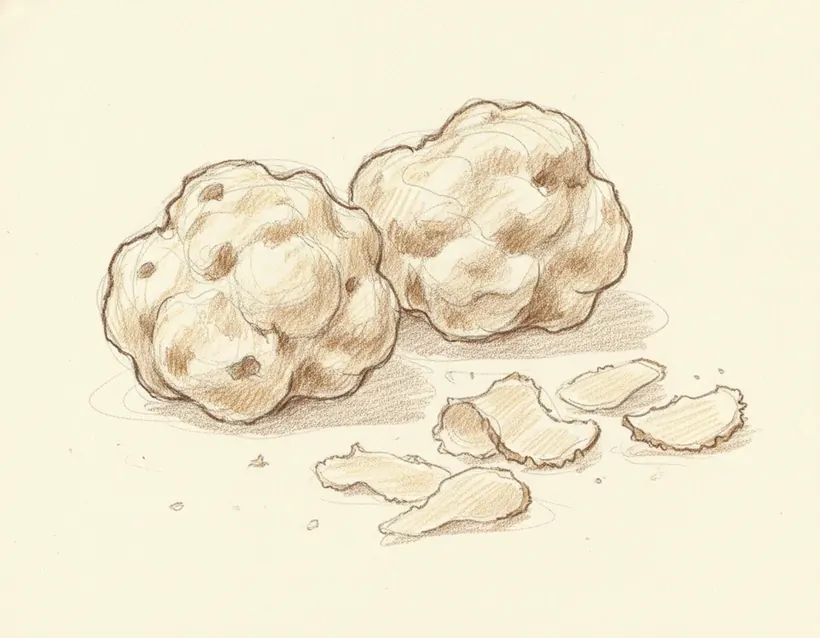
The prized white truffle of the Langhe hills, dug in autumn and shaved raw over tajarin and eggs, Piedmont's most coveted delicacy.
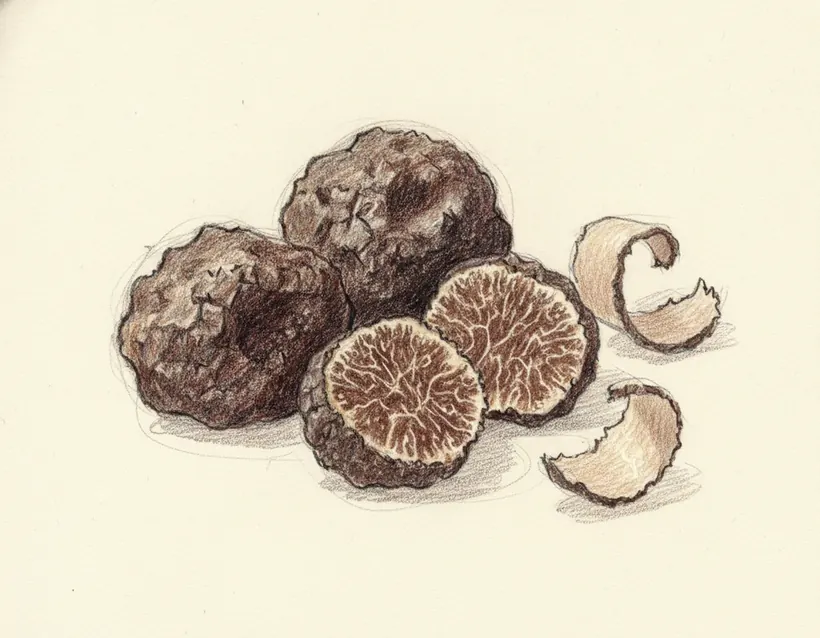
The prized black and white truffles of the Alto Molise woods, which yield a large share of Italy's harvest.
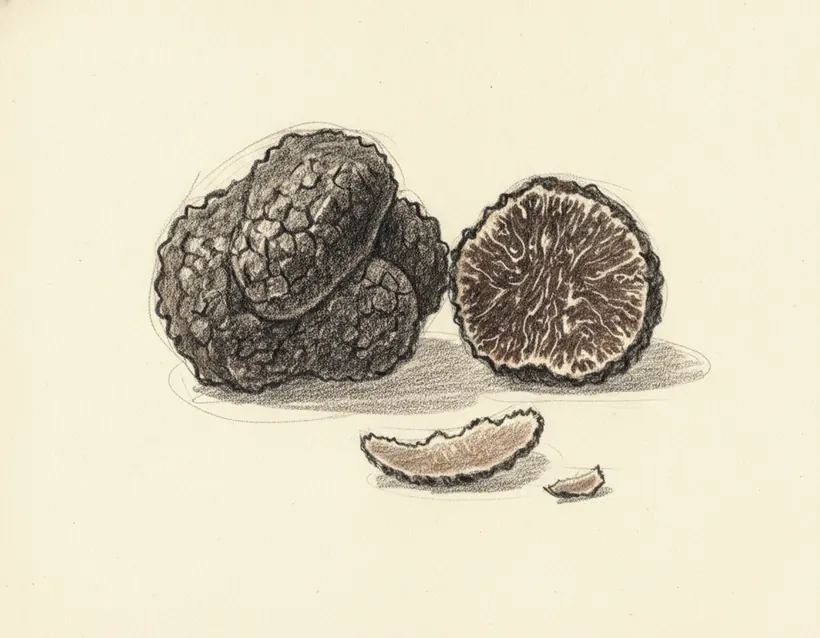
The prized black winter truffle of the Valnerina, shaved over strangozzi and eggs across Umbria.
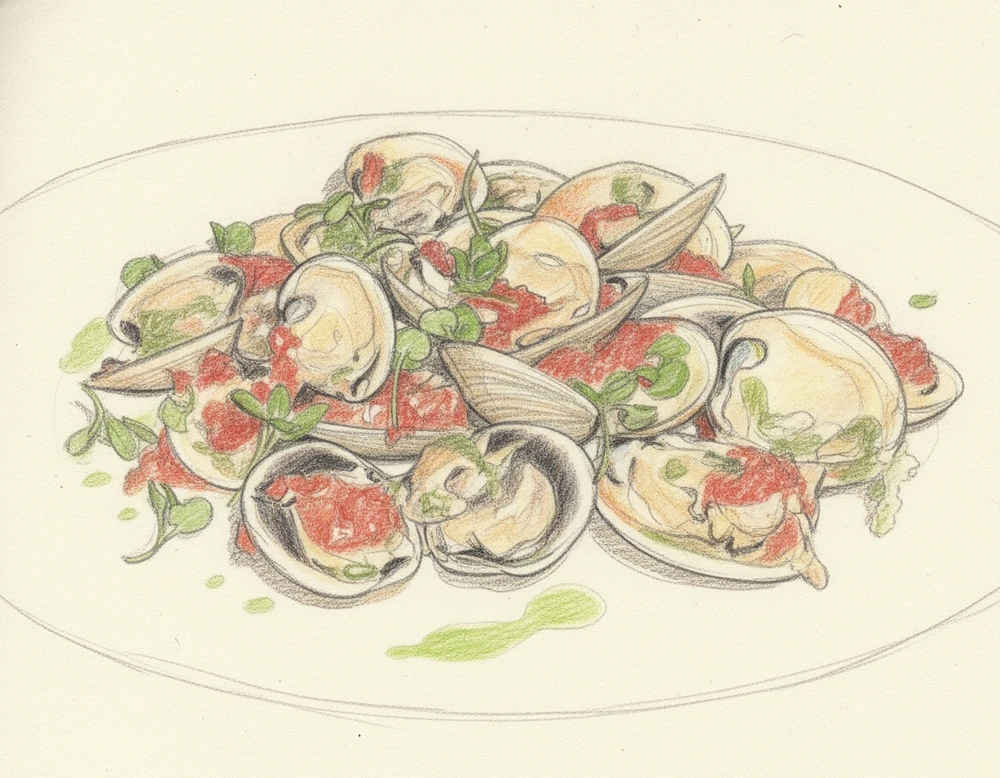
The coast west of Rome is still varied and much of its vegetation intact, and small-scale fishing communities still work it, the tellina gathering above all. The clam is sweet and delicate and the local restaurants have made it their emblem, most famously on bruschetta. Its moment was the Dolce Vita of the 1950s, when the actors and directors came down from Cinecittà to eat them; Fellini was particularly fond of them.
An intense, spicy-bitter extra-virgin olive oil of the Trieste Carso, from Bianchera olives.
Extra-virgin olive oil of the Salento, at least 60 per cent from Cellina di Nardò, Ogliarola (called locally Ogliarola leccese or salentina), Leccino, FS17 or Favolosa, Lecciana and Leccio del Corno.
Extra-virgin olive oil of the Bari hinterland from Coratina and Ogliarola olives, green, robust and peppery; Puglia is Italy's oil heartland.
Extra-virgin olive oil from the Aurunci mountains of northern Campania, at least 70 per cent Sessana, with Corniola, Itrana and Tenacella making up the rest, drawn only from groves registered with the control body.
Extra-virgin olive oil from the Sienese hills, covering the olive groves that share the country of Chianti, the Crete and the Val d'Orcia.
Extra-virgin olive oil from the Taranto arc, at least 80 per cent Leccino, Coratina, Ogliarola and Frantoio in varying proportions, the remaining 20 per cent from minor varieties present in the groves.
An old and fairly elaborate recipe. Besides the calf's head it takes cow's tongue and cheek, cow's heart (needed to brighten the colour of the slice) and a little lean beef, all long-cooked in salted water before being pressed.
A thin pale disk, 35 to 45 cm across, made from nothing but flour, warm water and salt. It belongs to the Lunigiana around Pontremoli and is treated as pasta rather than bread: cut into diamonds and dropped into water taken off the boil, then dressed with a fresh pesto of cheese, basil and olive oil.
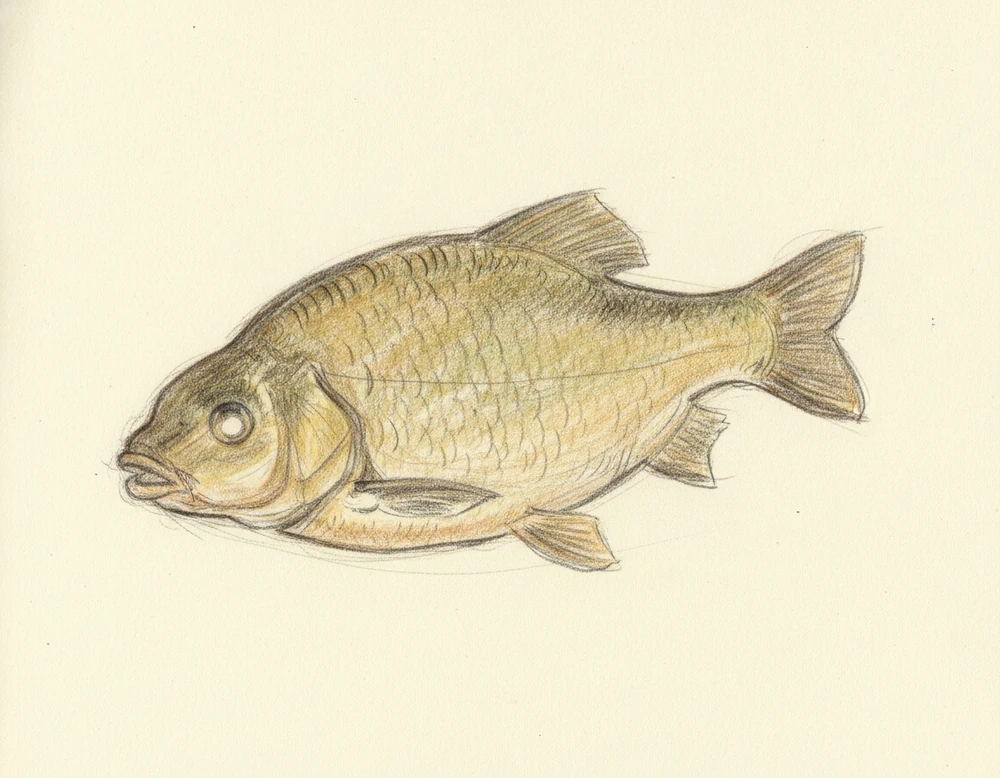
A tench with a rounded back and golden skin, which is where gobba dorata, golden hunchback, comes from. It has been raised for centuries in the ponds of the Pianalto di Poirino where Torino, Cuneo and Asti meet; every farm once had its peschera or tampa.
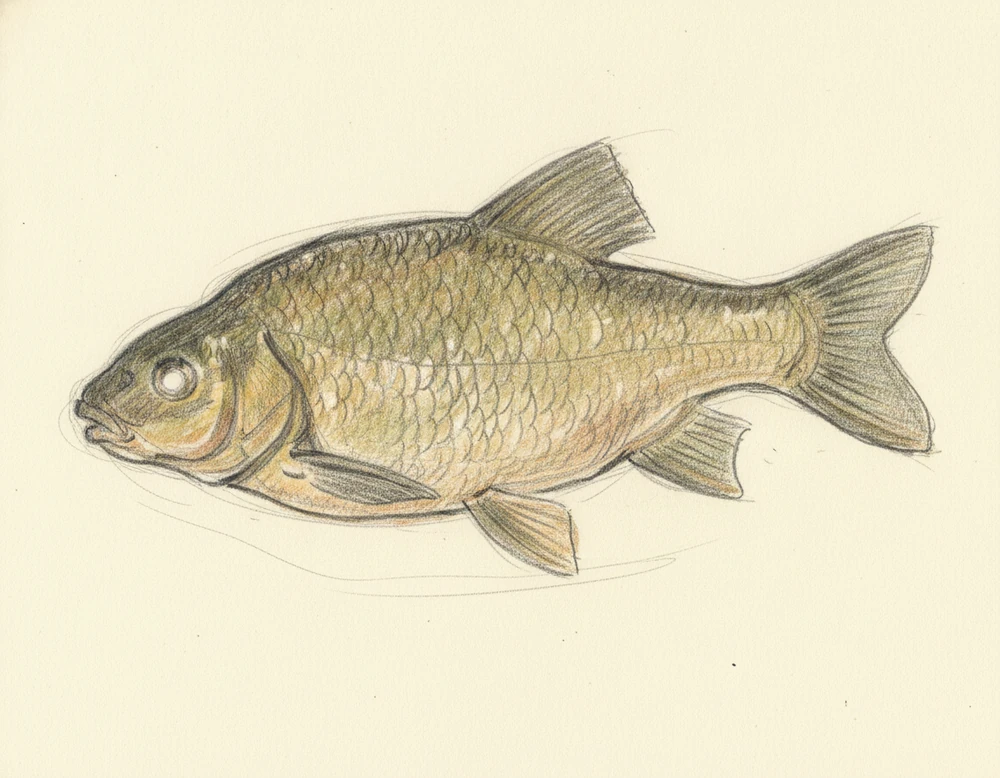
Fresh, unprocessed tench (Tinca tinca) bred, hatched and grown in the ponds of the Pianalto di Poirino, from broodstock themselves born and raised there. It is one of very few Italian freshwater-fish DOPs.
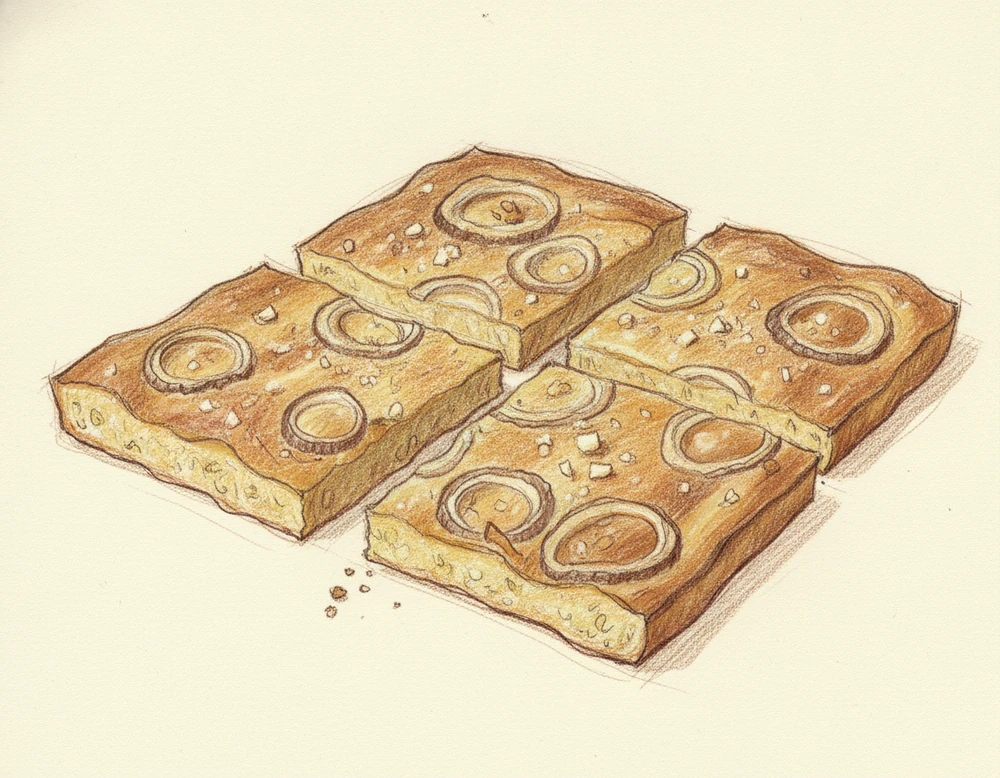
Felonica sits in the far southeast of the Mantovano where Emilia-Romagna, Lombardy and Veneto meet, and tiròt is its focaccia. The name is the tiratura, the pulling: the soft dough of 0 flour, onion, lard, olive oil, yeast, salt and water is stretched into the trays by hand. Every family made it for feast days, each woman to her own recipe, mixing at home and carrying the dough to the town ovens. It is thin, a few millimetres, deep golden, cut in rectangles, sweet and very savoury at once, and it wants eating straight out of the oven.
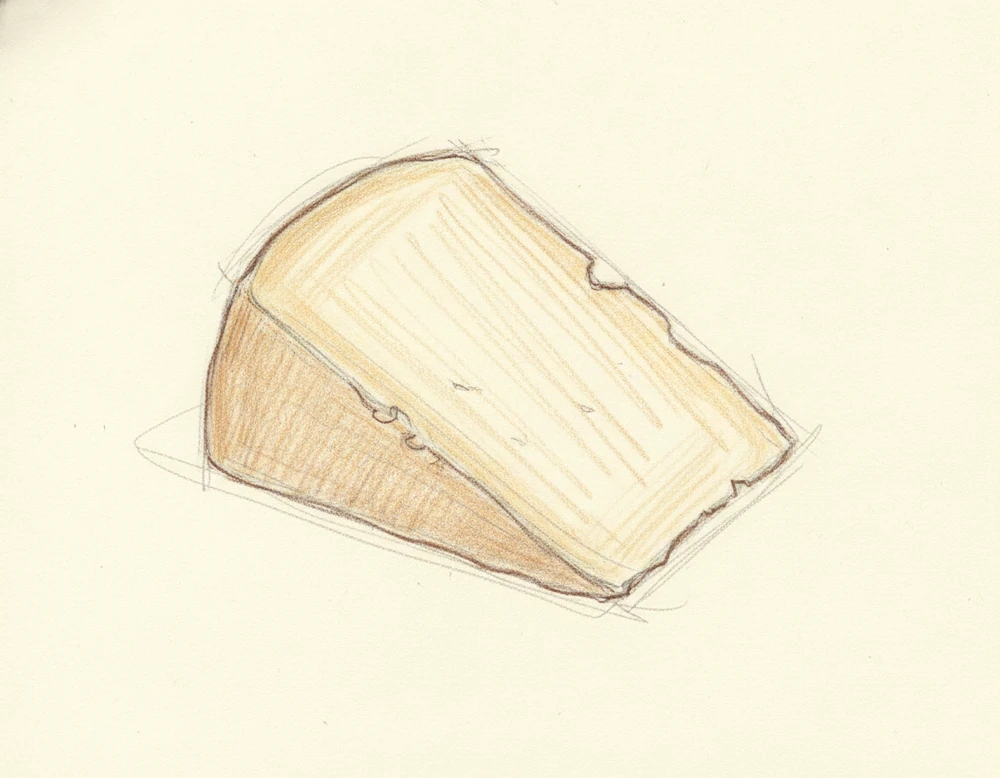
A cow's-milk cheese made either full-fat from whole milk or semi-fat from milk partly skimmed by creaming or mechanically. The milk may be hygienised and inoculated with lactic ferments or natural starters.
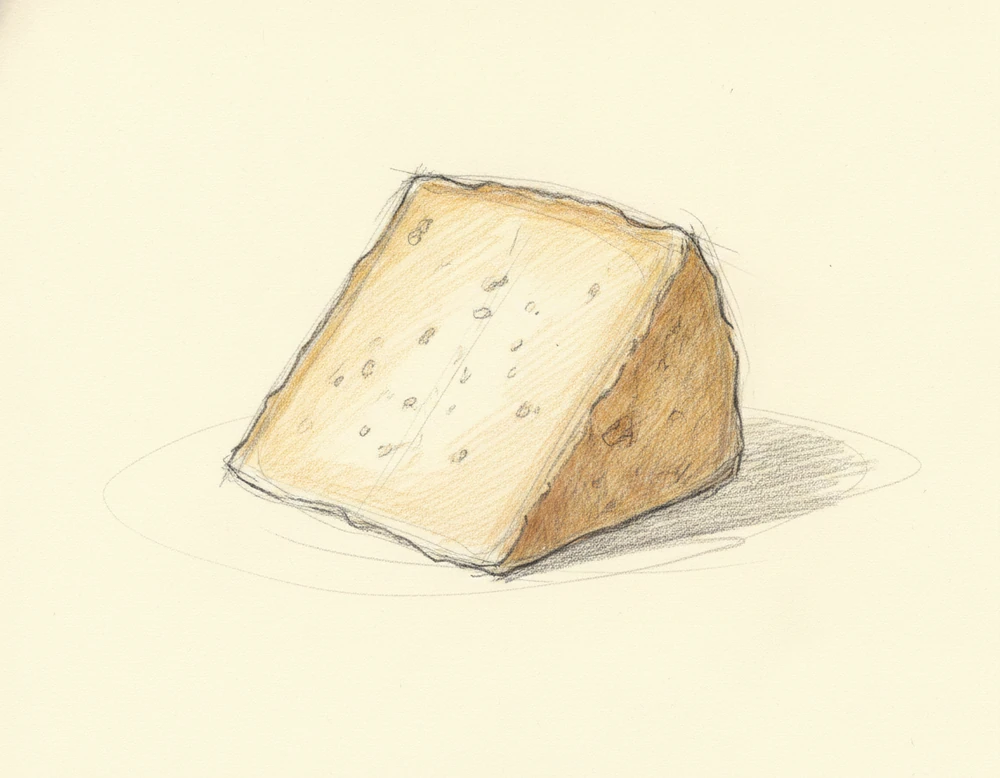
The Valvestino is a small valley between Lake Idro and Lake Garda, on the Trentino border, under Monte Tombea at 1,950 metres, which gives the cheese its name. It is made from raw milk on the Denai and Piani di Rest meadows at the foot of the mountain, where the hay barns stand with thatch sloping right down to the ground, probably a Lombard form. The valley was reachable only by a hard road, shut by snow for weeks at a time, and stayed under Austria-Hungary until the end of the First World War, though its small trade in butter, cheese, wood and charcoal always ran down to the Garda towns.
The name is La Brigue, the village in the Val Roya that was for centuries the sheep-farming centre of the country where Liguria, Piedmont and Provence meet. La Brigue has been French, then Italian, then French again, and the people have gone on speaking Brigasc, an Occitan descendant understood on both sides. The sheep is probably of the same stock as the Frabosana, sharing the convex profile and the backward-spiralling horns of the rams, if a little lighter in the body; it is hardy, well muscled, with hard dark hooves for rough ground.
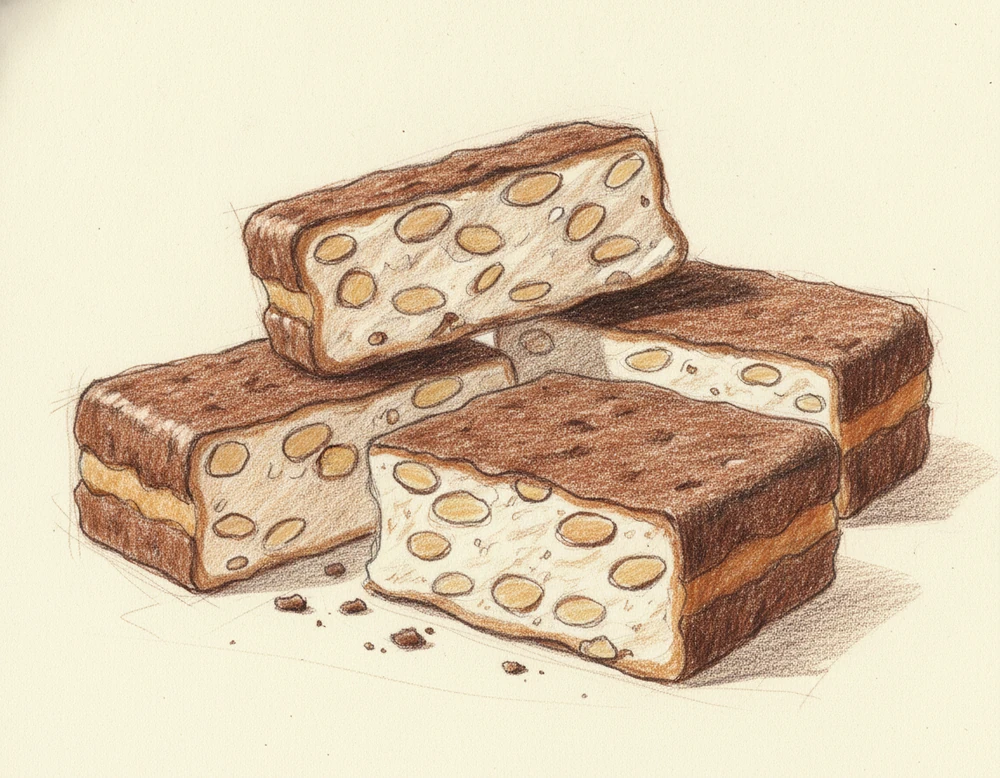
A nougat cooked from honey, sugar and toasted unpeeled almonds with cinnamon and ground cloves, finished either in sugar grains or in bitter cocoa.
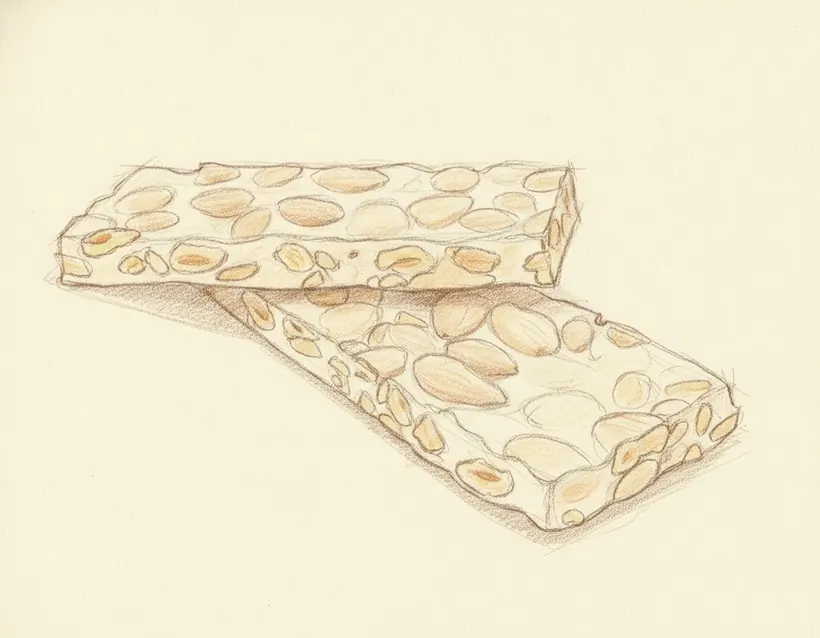
The hard or soft honey-and-egg-white nougat packed with almonds, made in Cremona since a Renaissance wedding feast.
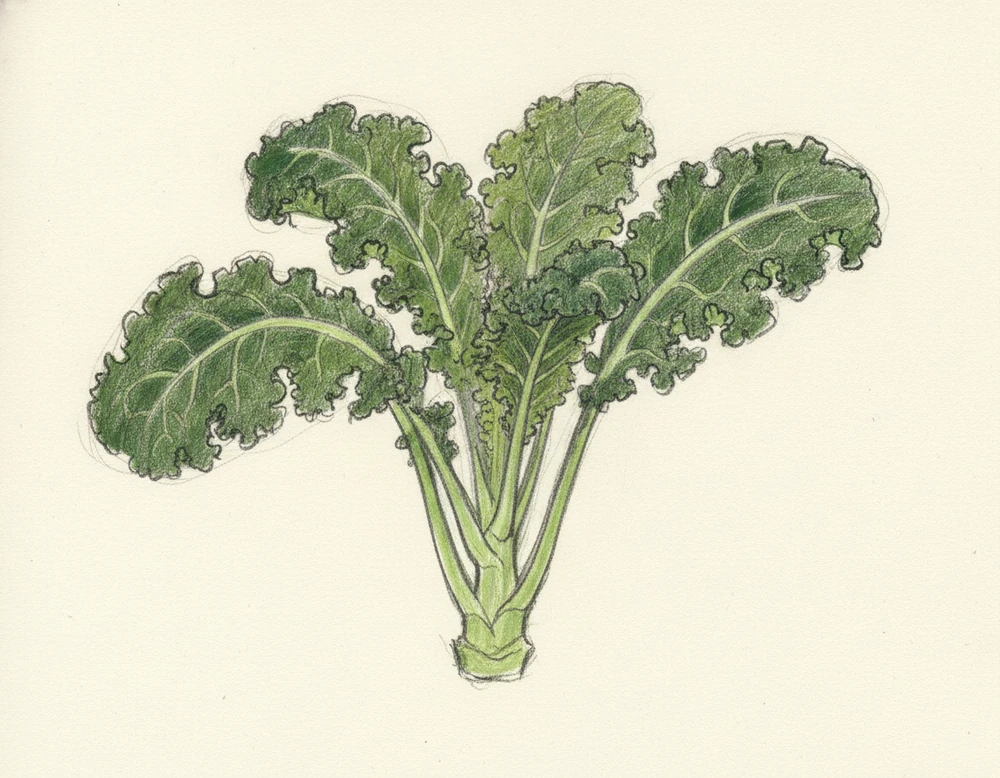
One of the oldest brassicas there is, out of the eastern Mediterranean more than 4,000 years ago. It reached the Acerra and Nola country below Vesuvius as cavolo greco, Greek cabbage, and that area became one of its most important zones.
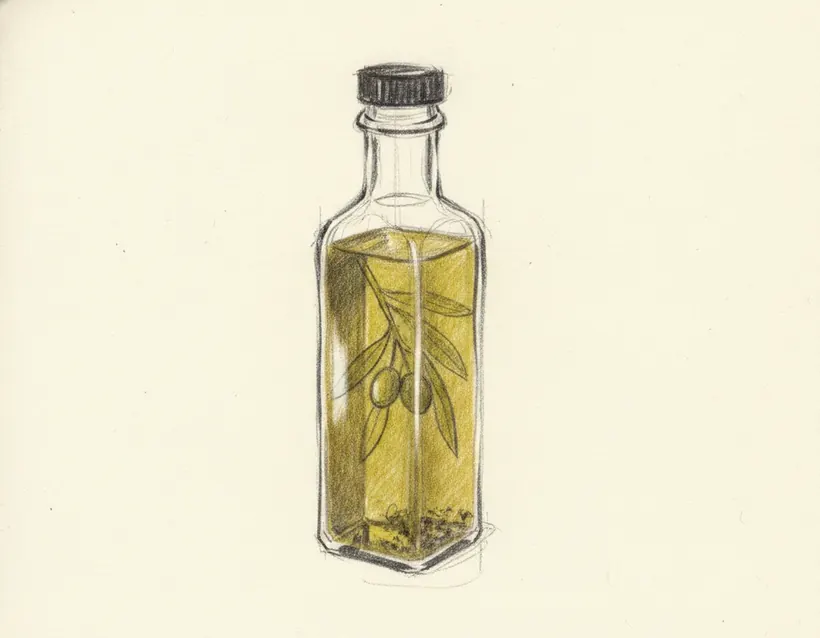
Green, peppery extra-virgin olive oil pressed from Frantoio and Moraiolo olives of the Tuscan hills.
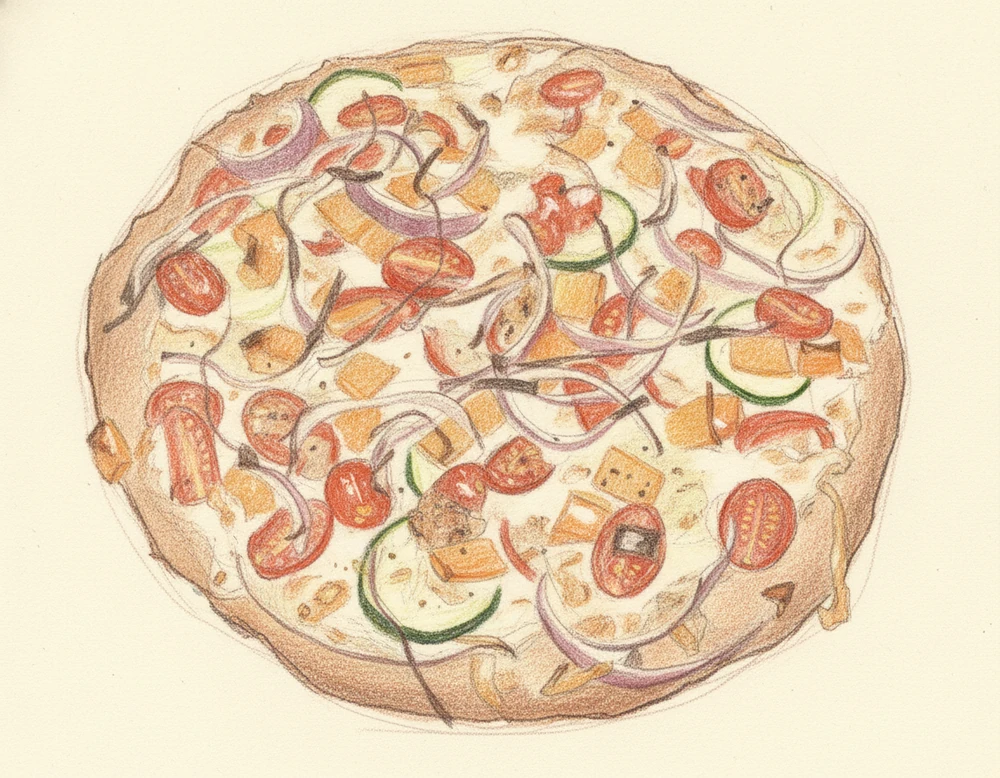
The emblematic cheese of the Val Varaita, an Alpine valley of hamlets, chapels and thick woods, Alevè among them, the largest stone-pine forest in the Alps, with Monviso standing over it.
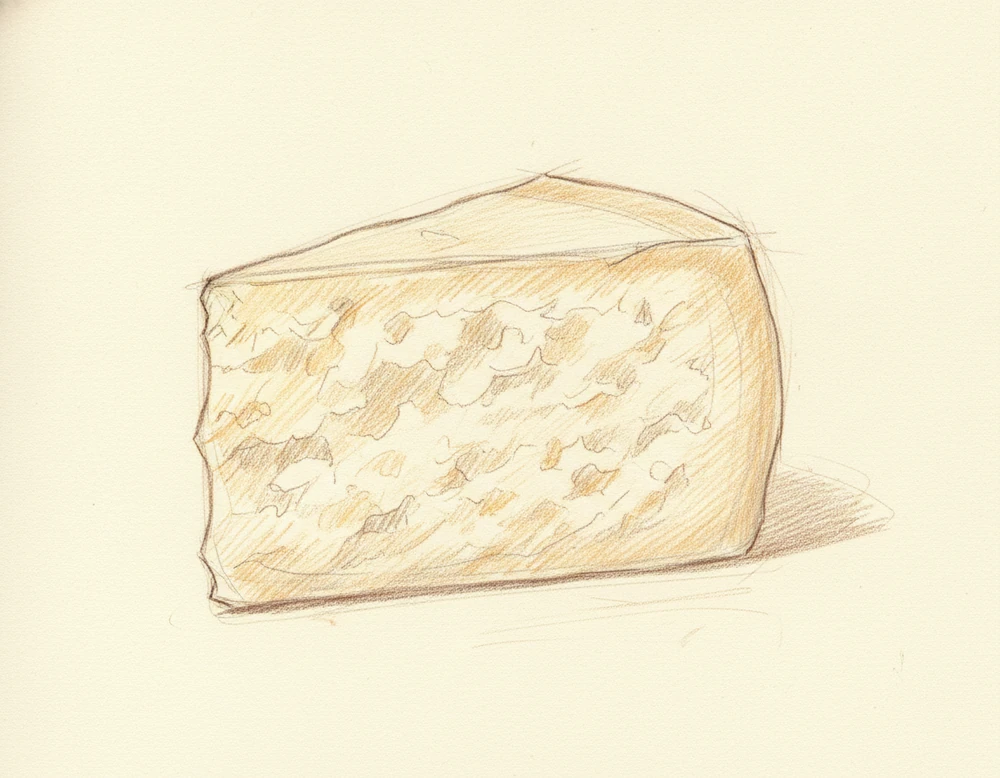
Trentino's first grana was made in 1925 by Michele Marchesi at the cooperative dairy of Rumo in the Val di Non; he was from there and had learned the trade at Mirandola. It spread fast, twelve dairies in the Val di Non by 1934, and in 1973 the Trentingrana name and its consortium brought all the region's grana dairies together. This is the version made with mountain-pasture milk.
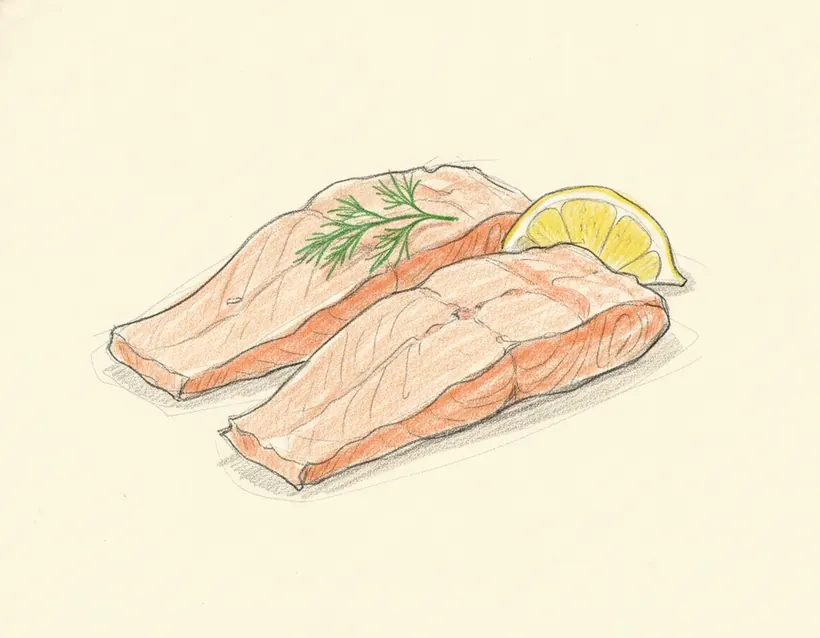
Trout from the region's cold spring rivers, filleted and cold-smoked to a delicate rosy flesh.
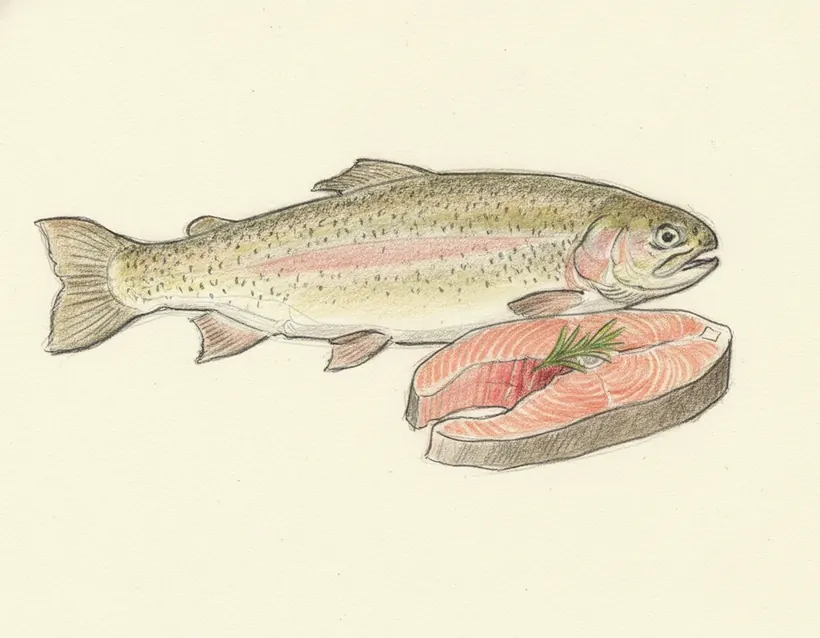
Trout raised in the cold, clear mountain streams and lakes of Trentino, firm-fleshed and delicate.
Extra-virgin olive oil from the Etruscan Tuscia, at least 90 per cent Frantoio, Caninese and Leccino, alone or together in each grove, with up to 10 per cent of other varieties permitted.
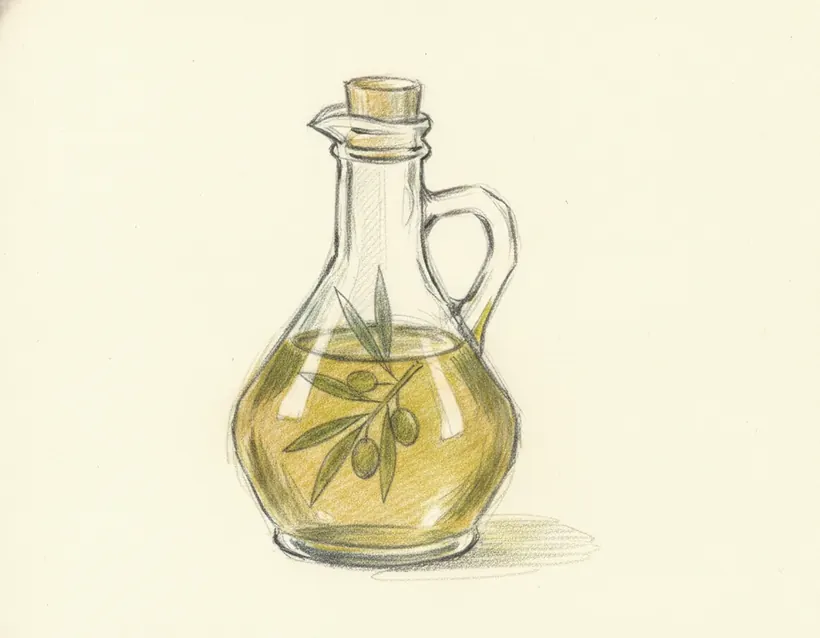
A green, peppery extra-virgin olive oil of the Umbrian hills, from Moraiolo and Frantoio olives.
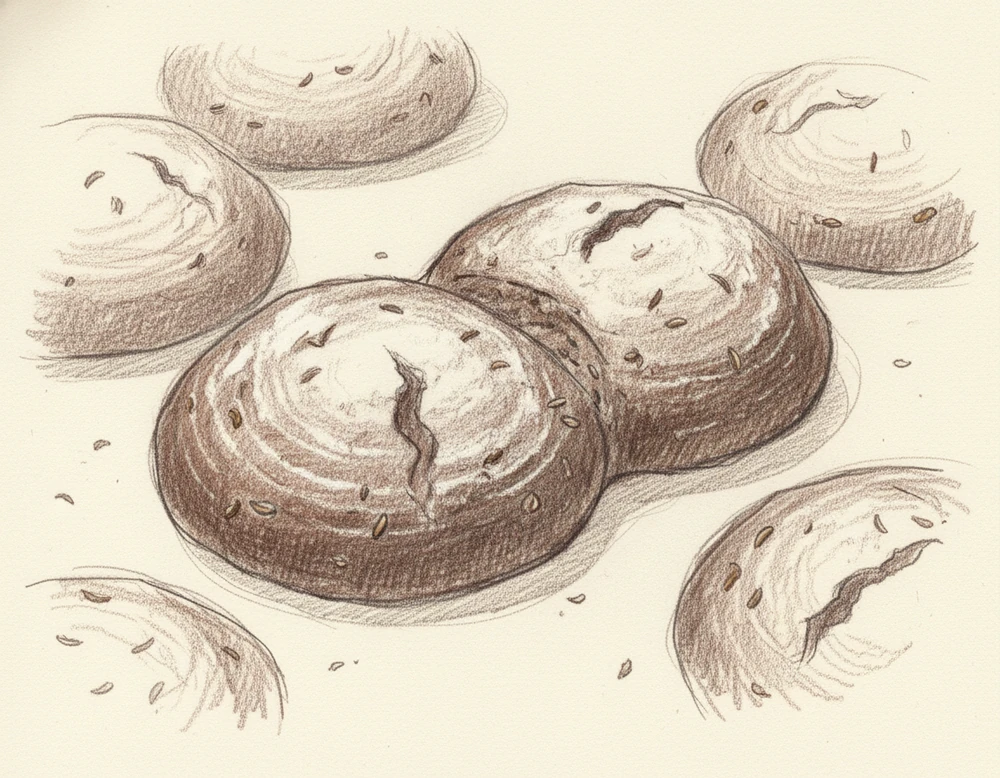
Ur-Paarl nach Klosterart, the original convent-style double rye loaf, is the oldest form of the Venosta bread. Two round flat loaves joined make a squashed figure of eight, which is the Paarl, the couple; they run 10 to 30 cm across and 2 to 3 thick. Every baker has their own version of the basic dough of rye and farro flour with sourdough, varying the fennel seed, caraway and blue fenugreek, all gathered wild off the pastures. With apricots, pears or berries worked in it becomes Früchtebrot.
Table grapes of the Italia cultivar, the Pirovano 65 cross of Bicane and Moscato d'Amburgo, grown in the Canicattì country. Bunches are medium-large, conical-pyramidal and properly loose, the berries medium-large and spheroidal-ellipsoidal.
Table grapes from eastern Sicily around Mazzarrone, made in black, red and white types, each grown as a single variety rather than blended.
Table grapes of five named varieties: Italia, Regina, Victoria, Michele Palieri and Red Globe, sold in the Extra and Class I commercial grades only.
A basket of ripe Pizzutello under fresh vine leaves is what Tivoli gives a guest. The berries are long and curved, which is why the town calls it uva corna, the horned grape, pale green, very thin-skinned, crisp and fleshy. It belongs to a small patch of Tivoli, on the pergolas that suit it. Its origin is unsettled: Pliny names a grape of the Tivoli and Pompeii country in the Naturalis Historia that sounds like it, while other accounts have Cardinal Ippolito d'Este bringing it from France in the 16th century.
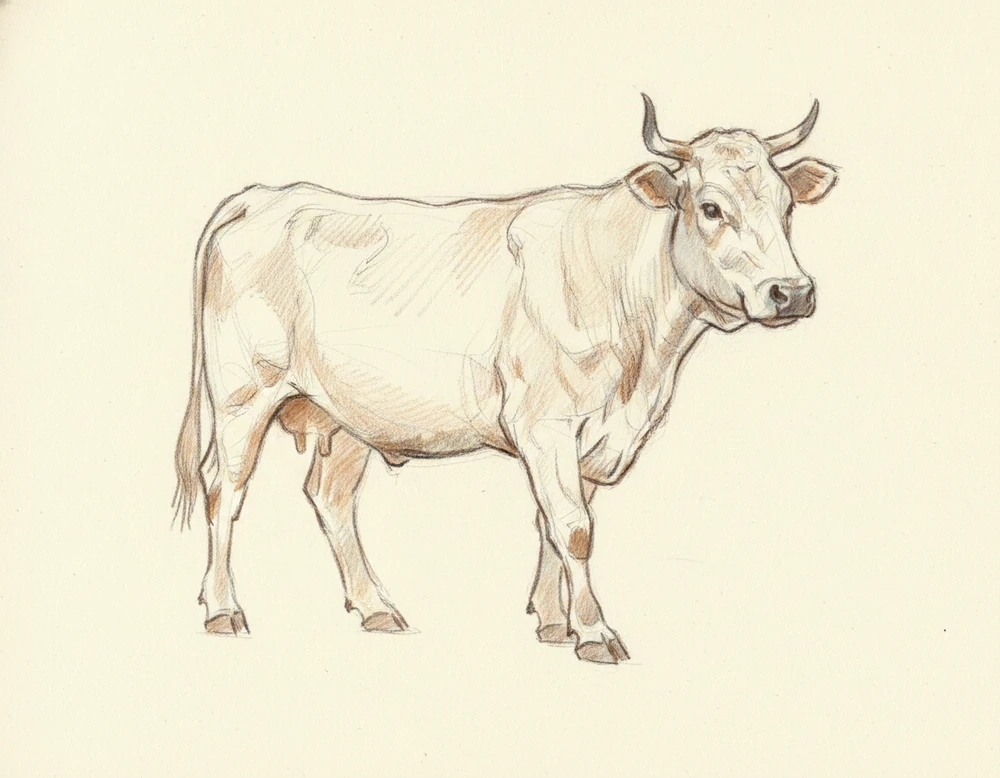
There were 140,000 head in the 1950s. What took them was Parmigiano Reggiano's own success: as the cheese grew, farmers swapped both native breeds, the White Modenese and the Red Reggiana, for Dutch Friesians, more productive and with udders suited to the machine. The Modenese is hardy and dual-purpose, milk and meat, and used to pull the plough as well; its milk is very good for cheese.
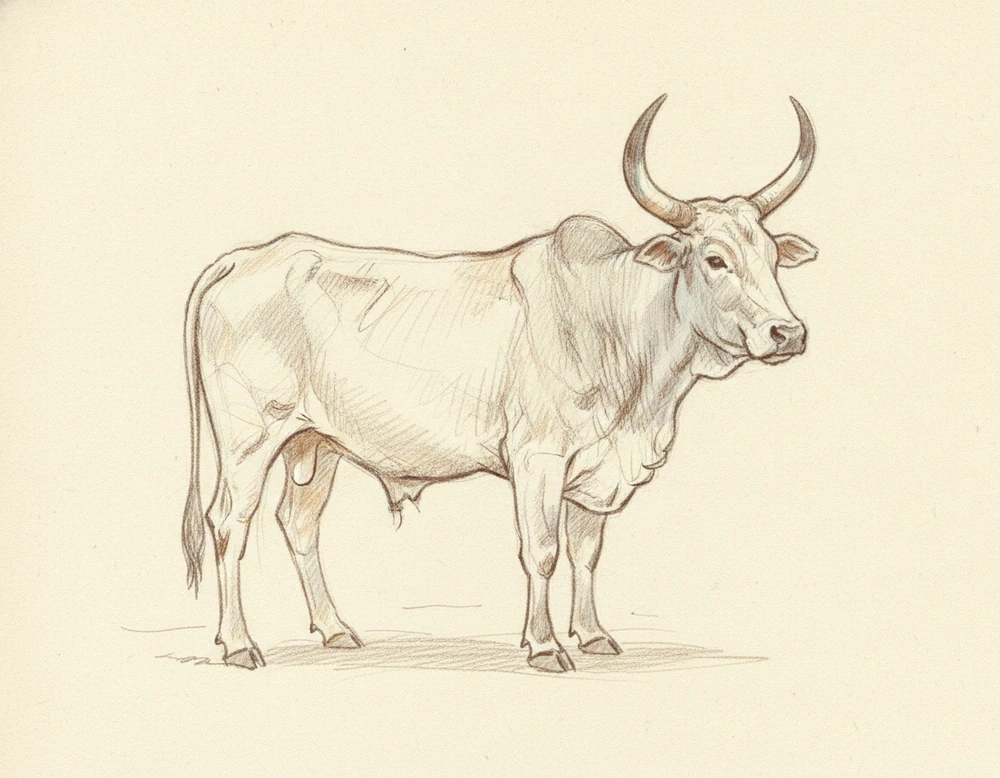
Podolica cattle of the Gargano. It is tempting to assume native Italian breeds are lost in antiquity, but most were actually fixed in the mid-19th century, when crosses of imported and local stock produced the Chianina, the Piedmontese and the rest.
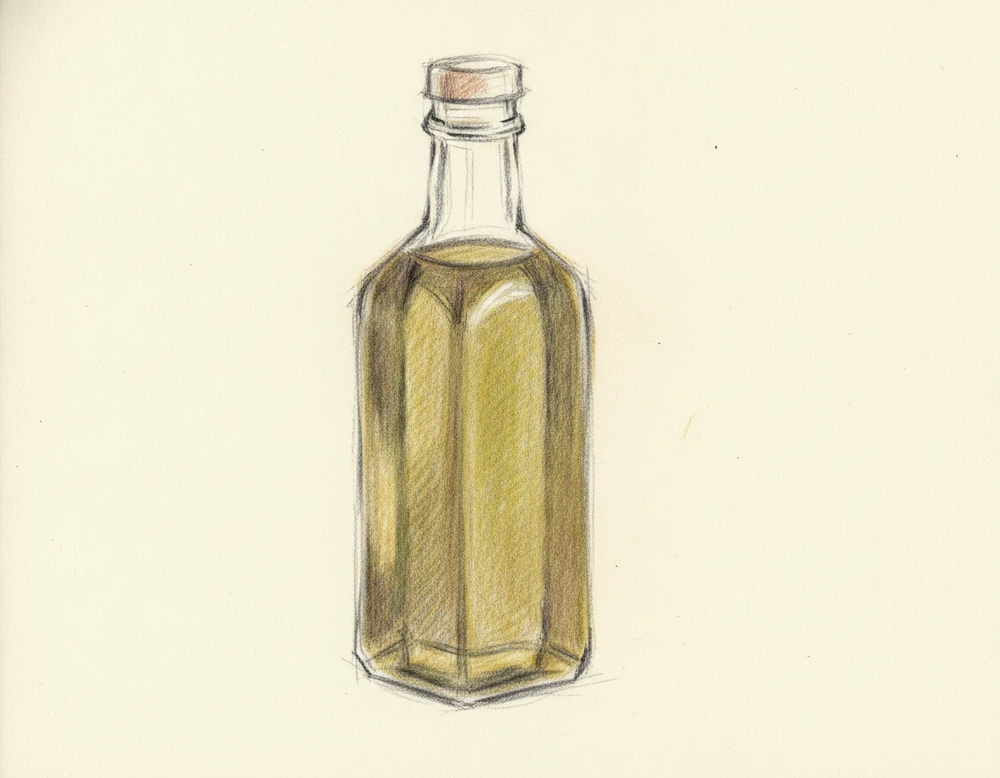
Extra-virgin olive oil from western Sicily, at least 90 per cent Biancolilla, Nocellara del Belice and Cerasuola, with up to 10 per cent of Ogliarola Messinese, Giaraffa, Santagatese or other small local cultivars.
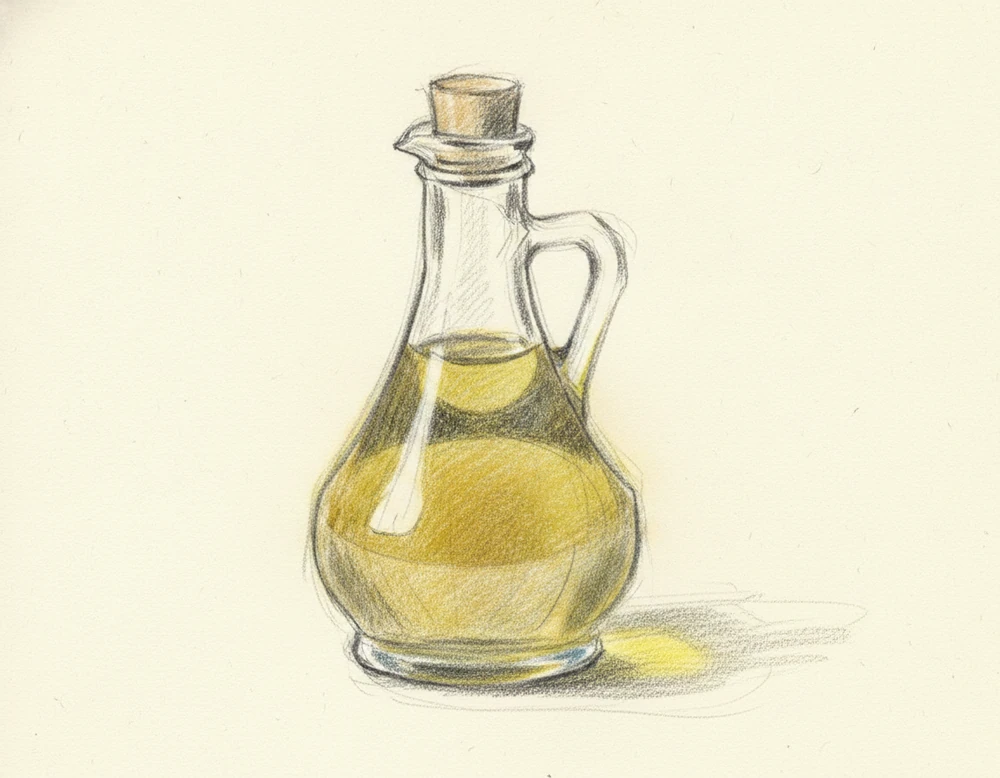
Extra-virgin olive oil from north-eastern Sicily, at least 70 per cent Santagatese, Ogliarola Messinese and Minuta, with Mandanici, Nocellara Messinese, Ottobratica, Verdello and Brandofino making up the rest.
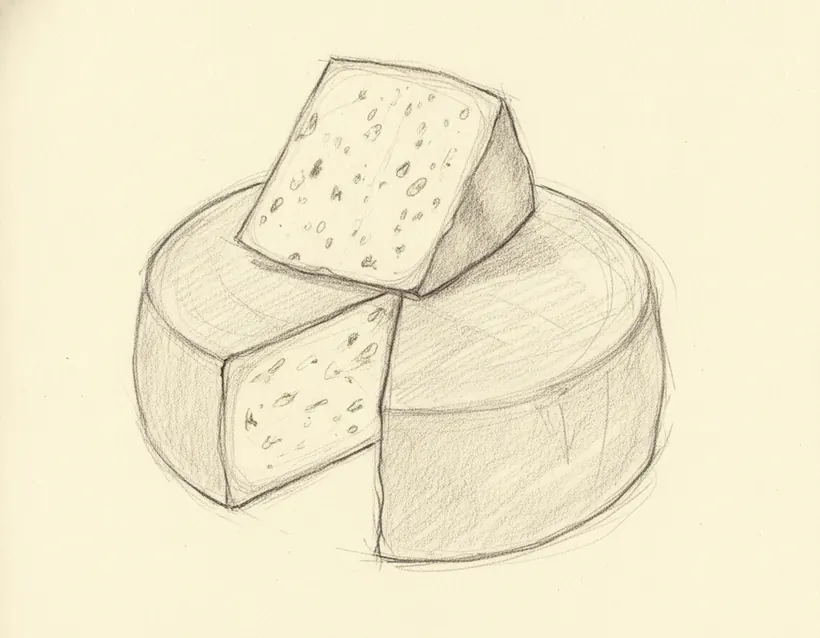
A semi-skimmed cow's-milk cheese, eaten young and mild or aged hard and sharp, sometimes scented with mountain herbs.
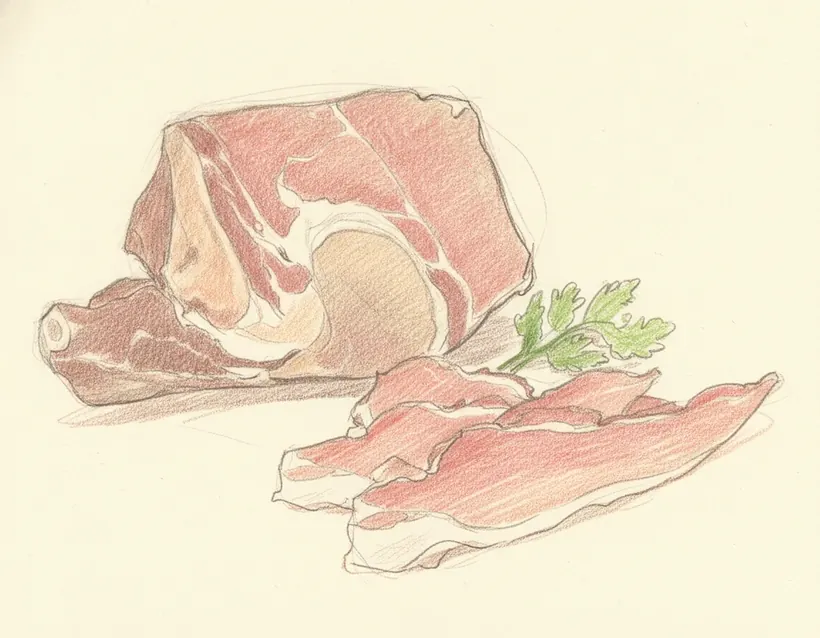
A cured, herb-and-spice-rubbed raw ham from the high hamlet of Saint-Rhémy-en-Bosses, aged in the thin mountain air.
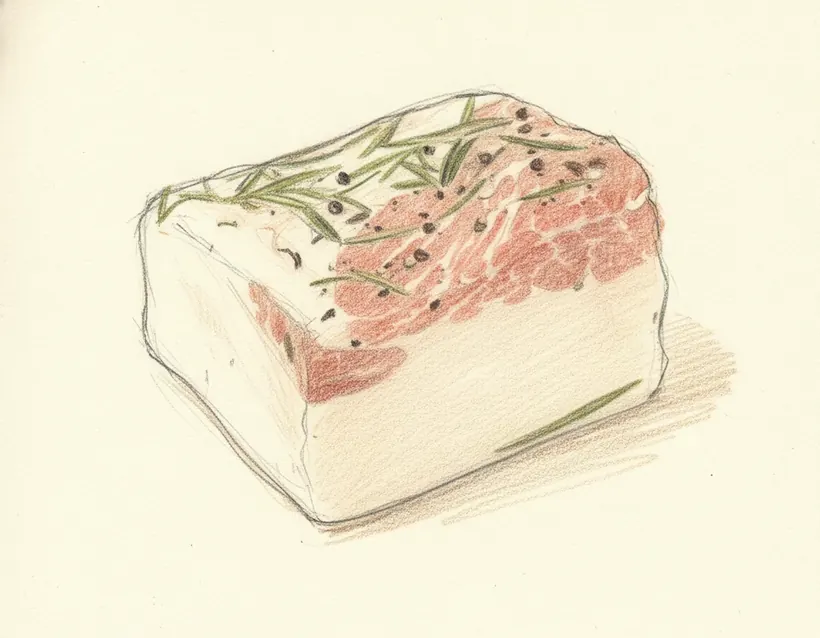
Pork back fat cured in brine with mountain herbs and spices in wooden 'doils', sliced translucent and eaten on rye bread with honey.
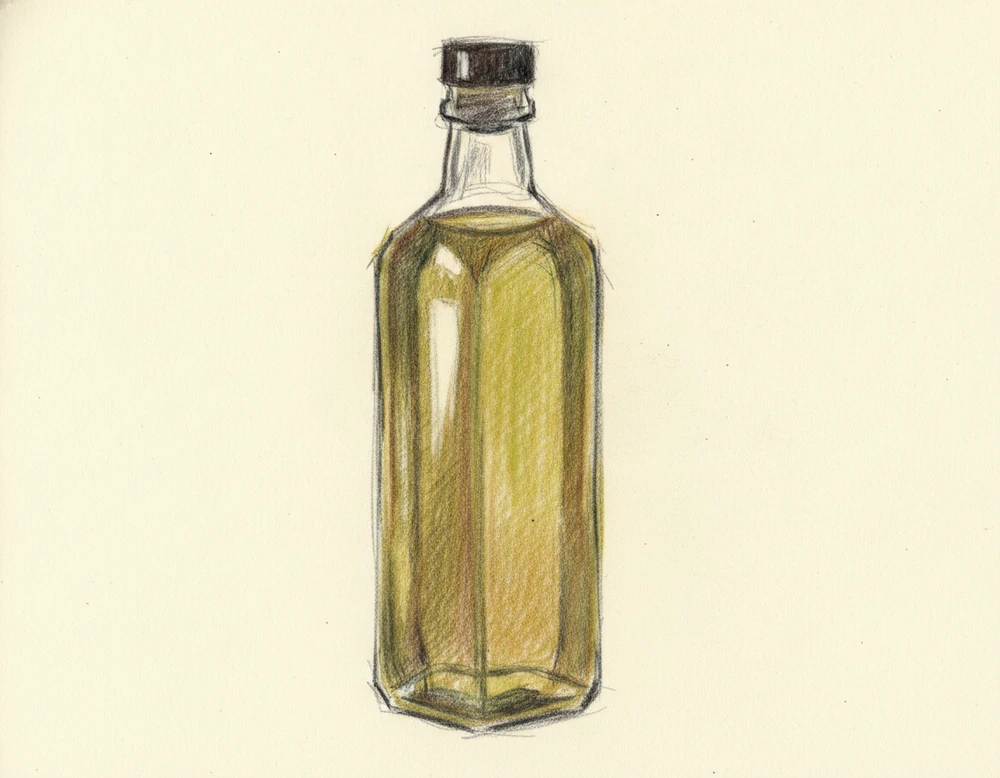
Extra-virgin olive oil pressed from olives grown in six Belice comuni, built principally on the Nocellara del Belice cultivar that also gives the valley its table olive.
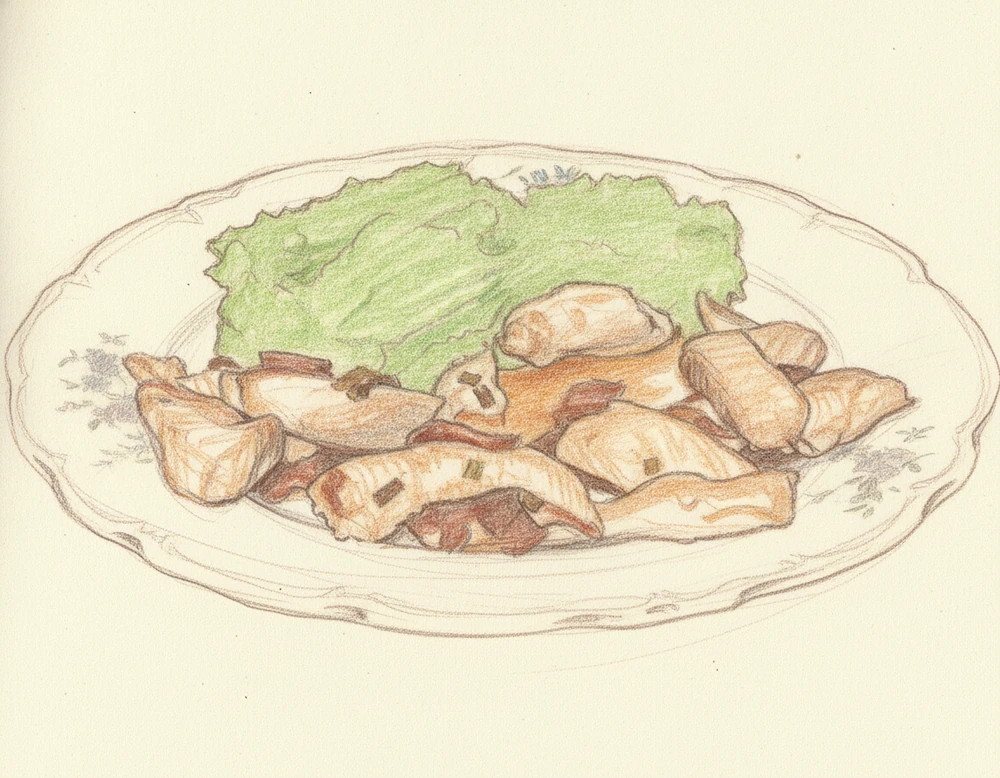
Extra-virgin olive oil from the Trapani valleys, built on Cerasuola and Nocellara del Belice at no less than 80 per cent together, with up to 20 per cent of other varieties present in the groves.
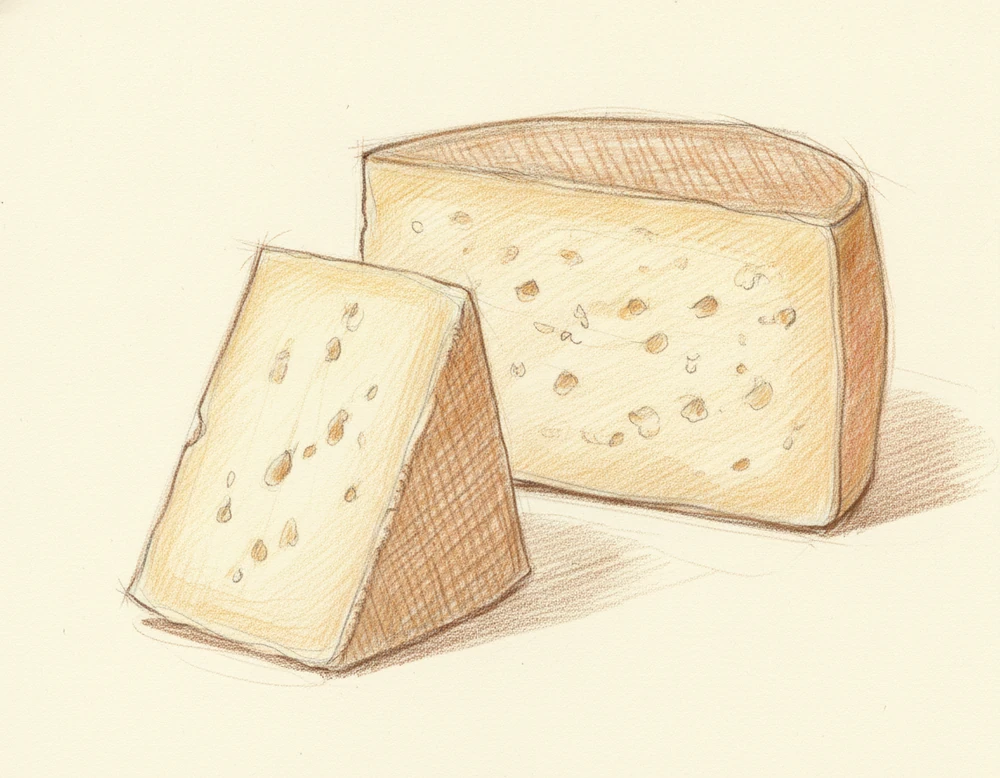
The semi-fat valley cheese of the Valtellina, made from traditional-breed cow's milk and matured in the casere, the ageing rooms it is named for. It is the cheese that melts into pizzoccheri and sciatt.
Every farm in Carnia kept a purcit, a pig, killed between October and February, part eaten fresh and the rest cured, salted or smoked. Varhackara came out of the tail end of that: a paste built on lard with the offcuts of salami, smoked speck, guanciale, pancetta and ossocollo worked in. The record ties it to Timau, the last village before the Plöcken pass into Austria, whose speech is South Bavarian. With Sauris it is a German-speaking pocket of Carnia, settled by miners out of the Carinthian valleys, the first around the year 1000 and a second group late in the 13th century, who brought their cooking with them.
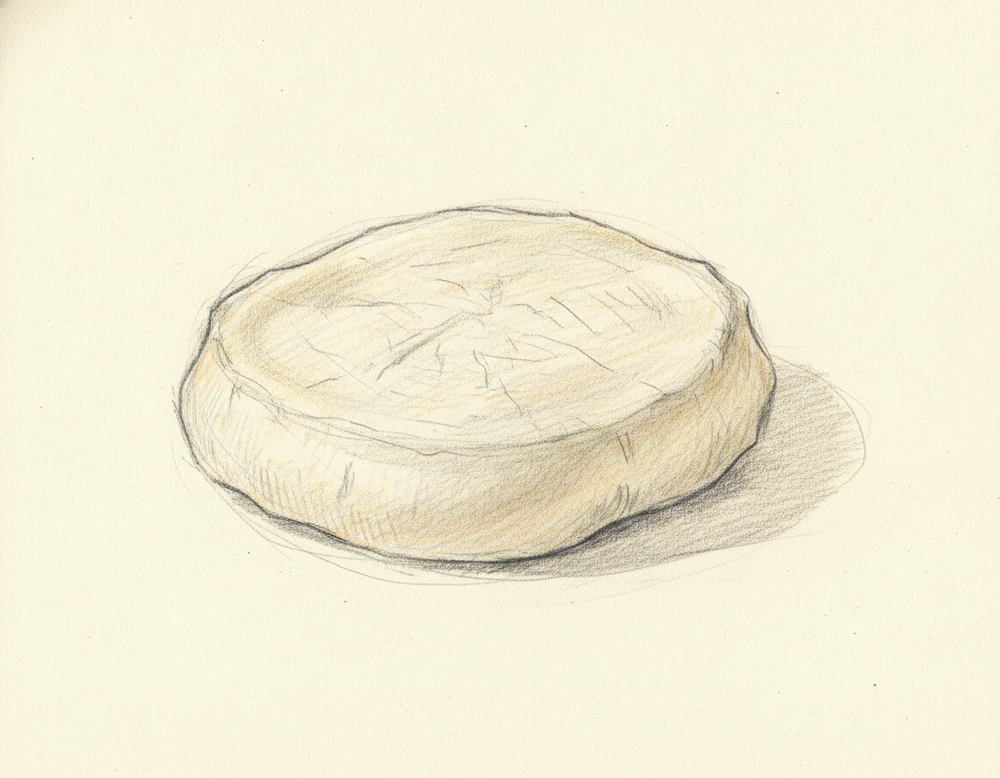
The only pasta-filata sheep's cheese in Italy, eaten fresh. It is shaped like a small focaccia with slightly convex faces, 15 to 17 cm across, 3 to 4 cm deep and 500 to 700 g.
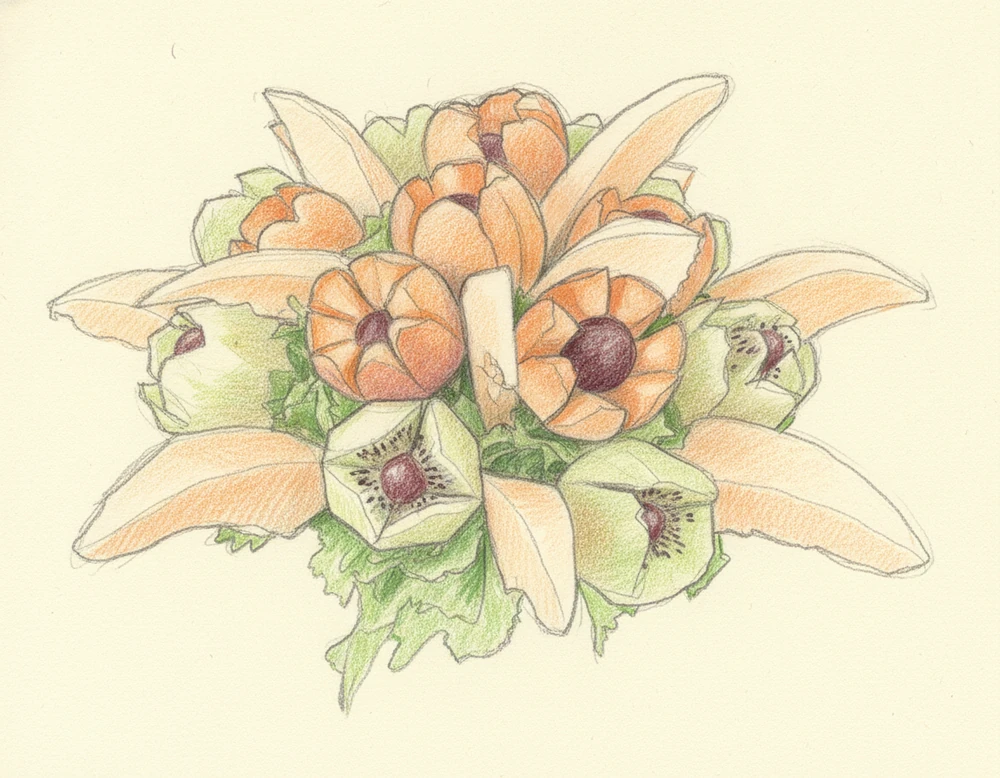
The old apricot varieties of Vesuvius, known in Neapolitan as crisommole. An early-19th-century survey of farming in the Kingdom of Naples put the apricot second only to the fig for abundance around Naples, and best of all on Vesuvius.
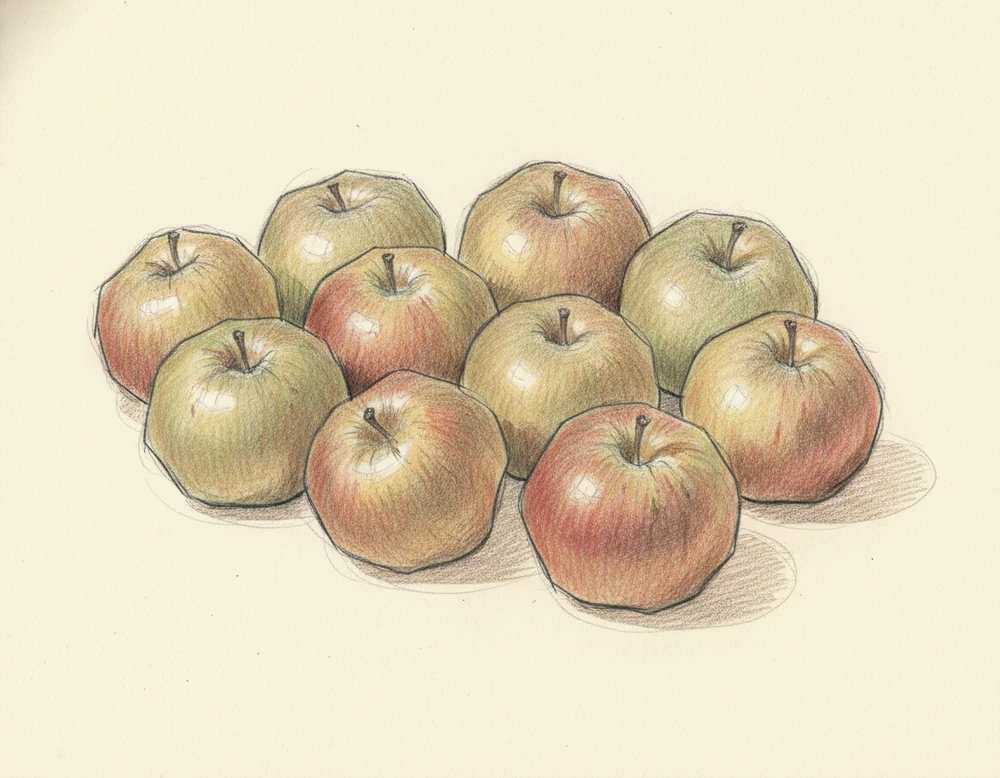
Eight old Piedmontese apples: Grigia di Torriana, Buràs, Runsé, Gamba Fina, Magnana, Dominici, Carla and Calvilla. All but the Carla keep well and gain flavour and aroma in store; the Grigia di Torriana and the Buràs are particularly good baked.
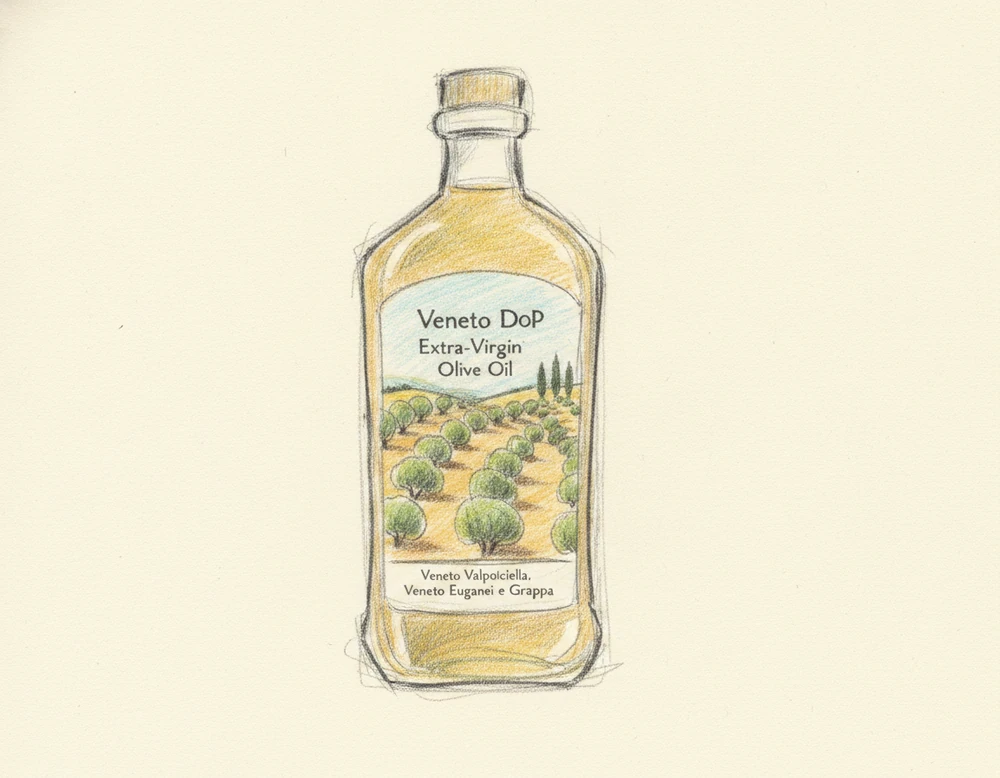
One DOP covering three named Veneto olive zones. Veneto Valpolicella is built on Grignano or Favarol at 50 per cent or more, with Leccino, Casaliva or Frantoio, Maurino, Pendolino, Leccio del Corno and Trep or Drop making up the rest; Veneto Euganei e Berici and Veneto del Grappa each have their own varietal recipe.
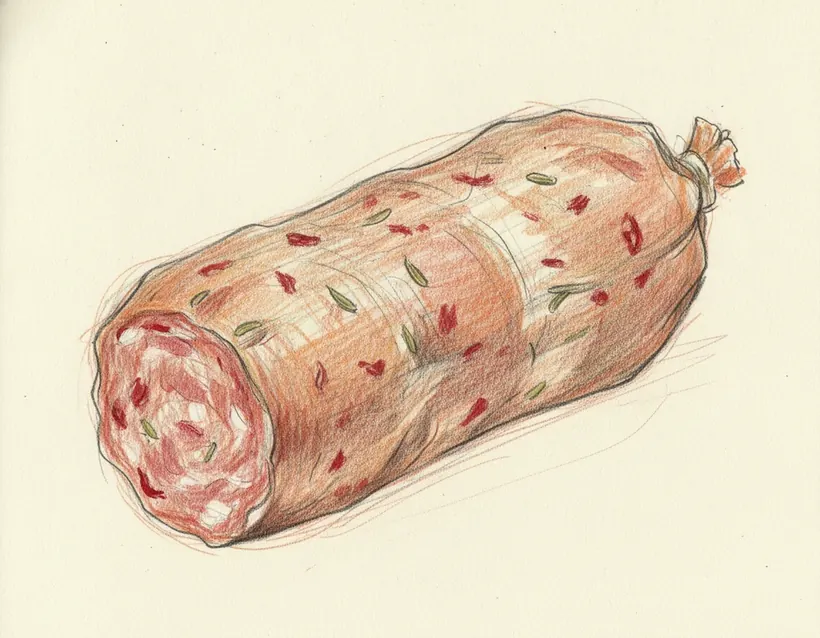
A coarse hand-cut pork salami of the Vasto hinterland, seasoned generously with sweet and hot peperoncino and fennel, stuffed into a natural casing and aged for months.
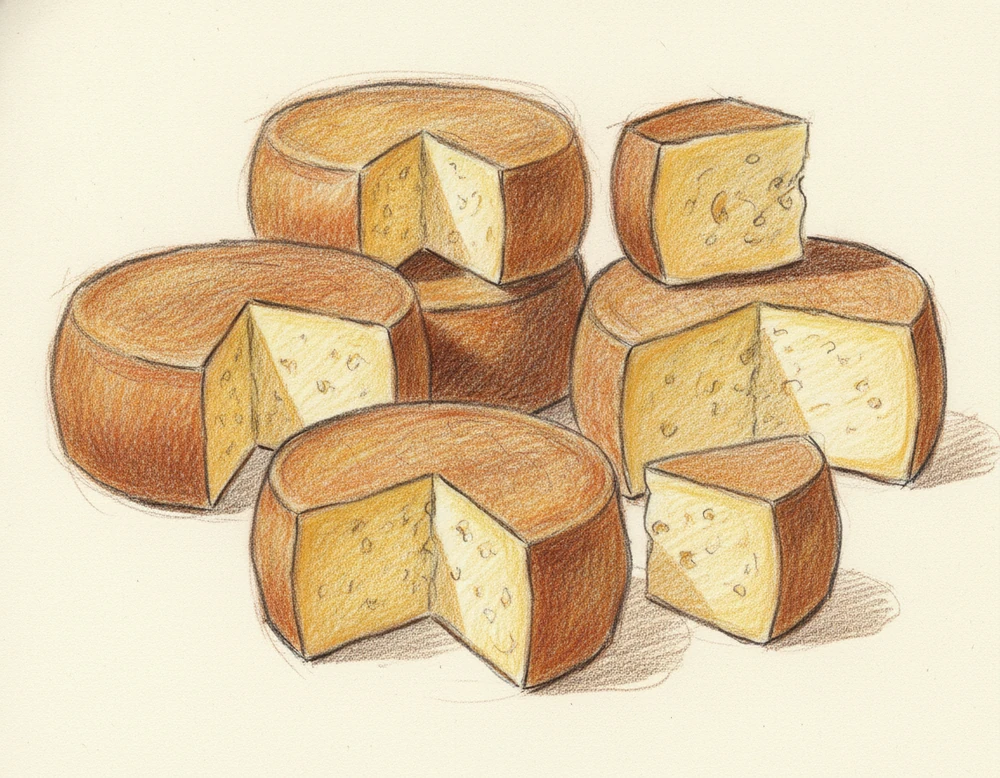
A cow's-milk cheese from two milkings, one of them skimmed for the cream. The method is that of any medium-fat alpine cheese; what makes this one is the wild herbs of the Lavarone plateau and a long ageing. Even very old it keeps an extraordinary buttery smoothness, and what it smells of shifts with exactly when the cows were out. At a year to eighteen months the eyes close up and the deep yellow paste turns slightly grainy, the scent growing complex and herbaceous and the spice filling the mouth. Franz Joseph wanted it on his table daily.
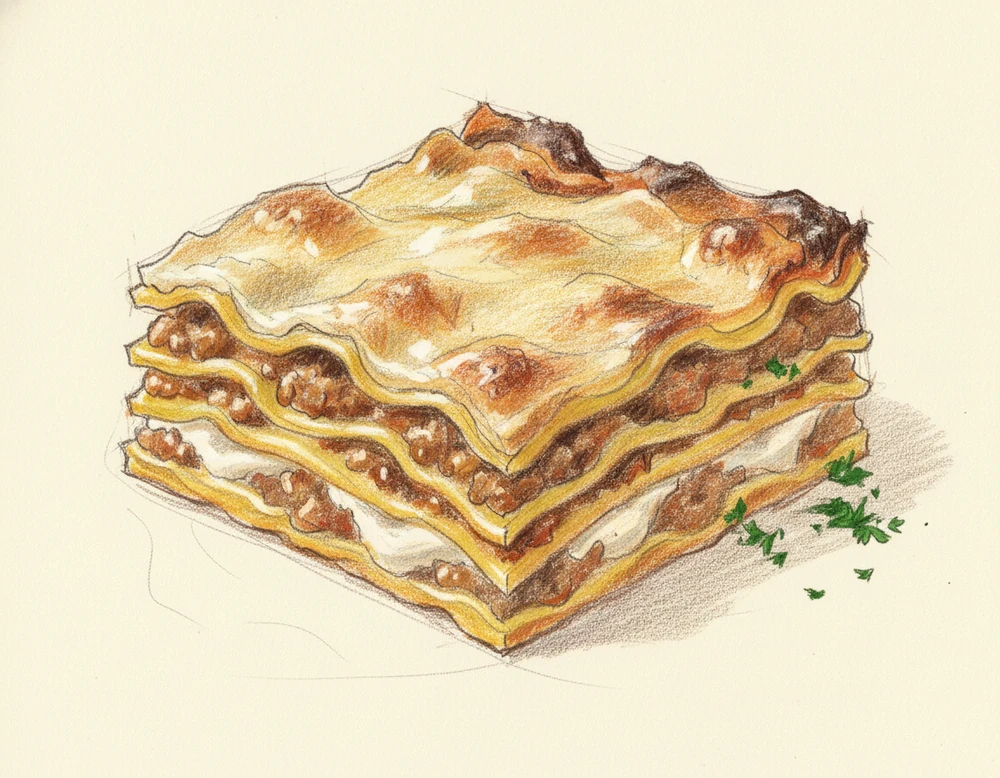
A gratinated first course built from three base preparations: fresh egg pasta, a dressing sauce made with offal, and bechamel, finished with grated Parmigiano Reggiano DOP or Grana Padano DOP.
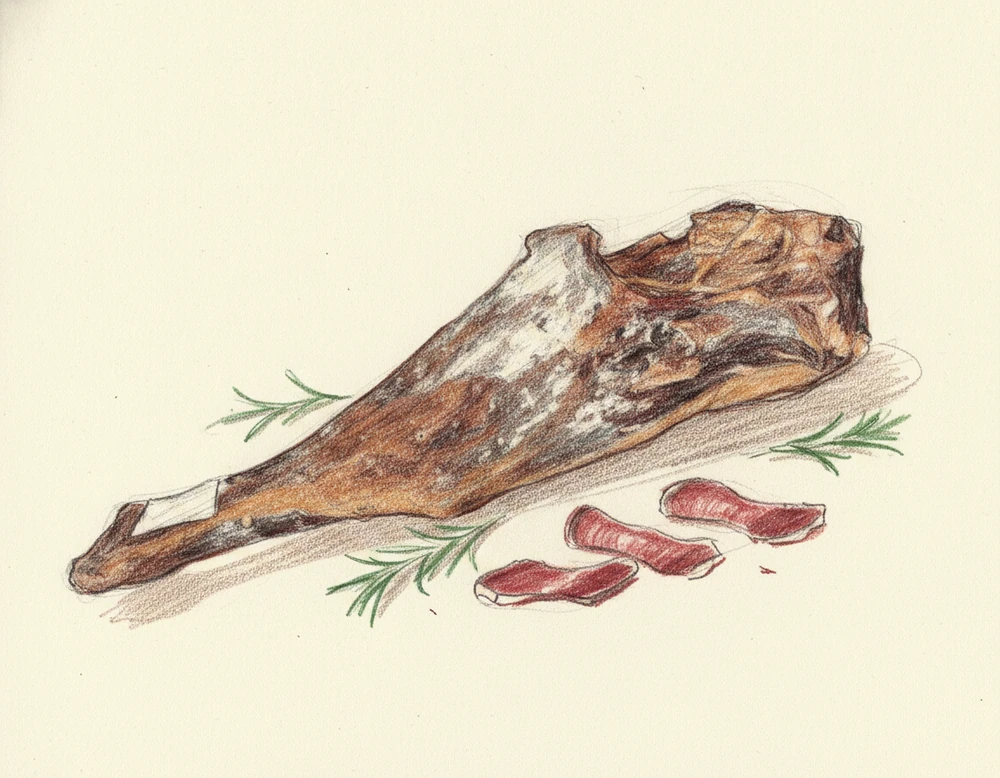
A cured goat leg or shoulder shaped, as the name says, like a violin: the muscle tapers to the hoof the way the instrument tapers to its neck, and it is held and sliced accordingly. It belongs to the whole Valchiavenna, once a road for travellers out of Germany, Austria and Switzerland. Salting and ageing meat here goes back beyond record, but very few artisans still make this in the old way.
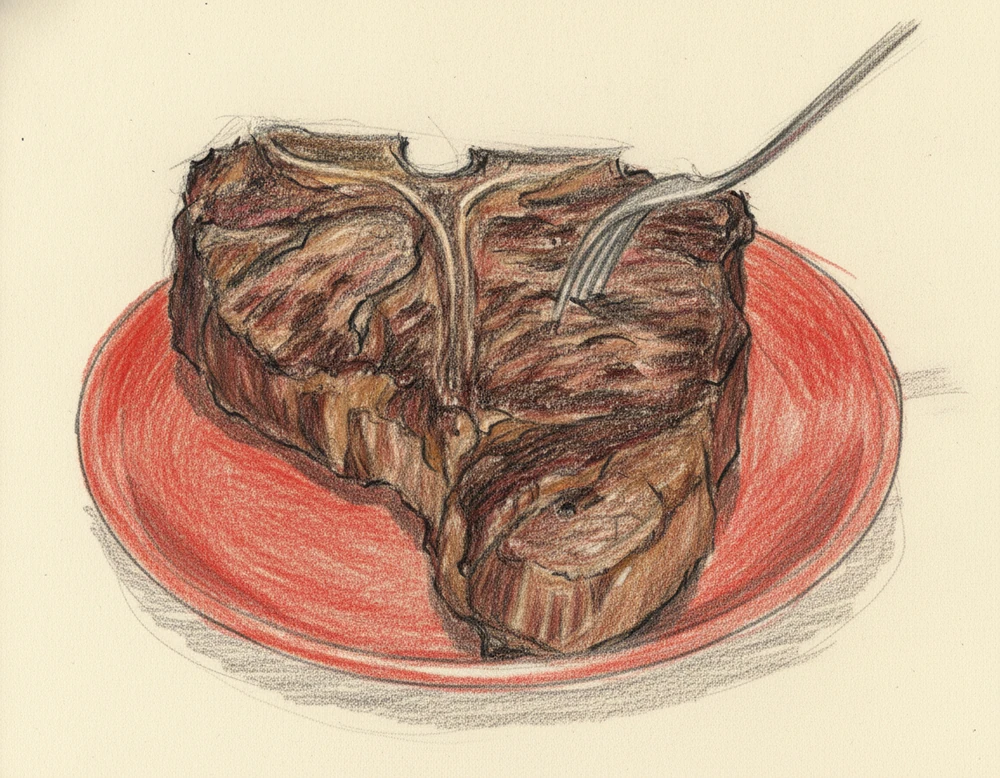
Beef from the white cattle breeds of the central Apennine spine, covering a band of thirty provinces from Bologna down to Latina. It is the designation behind the Chianina, Marchigiana and Romagnola beef that Tuscan and Umbrian cooking is built on.
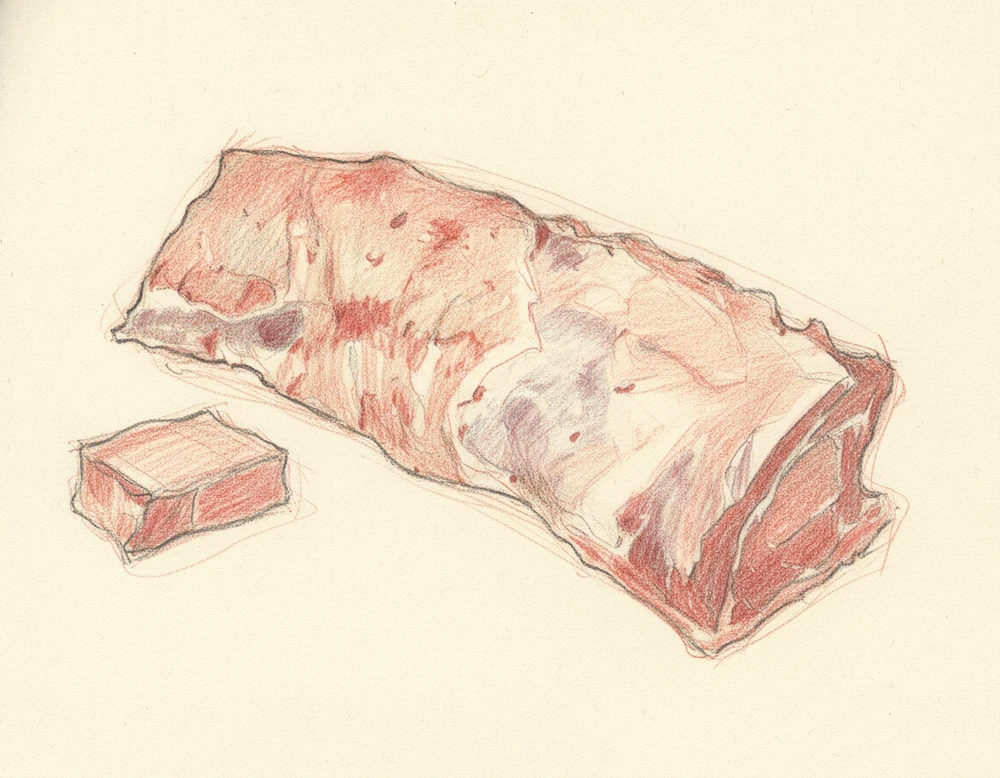
Beef from Piedmontese-breed cattle of either sex registered in the herd book, or with both parents registered, slaughtered over 12 months of age and raised and finished from weaning within the zone. The breed's double-muscled hindquarter is what the name refers to.
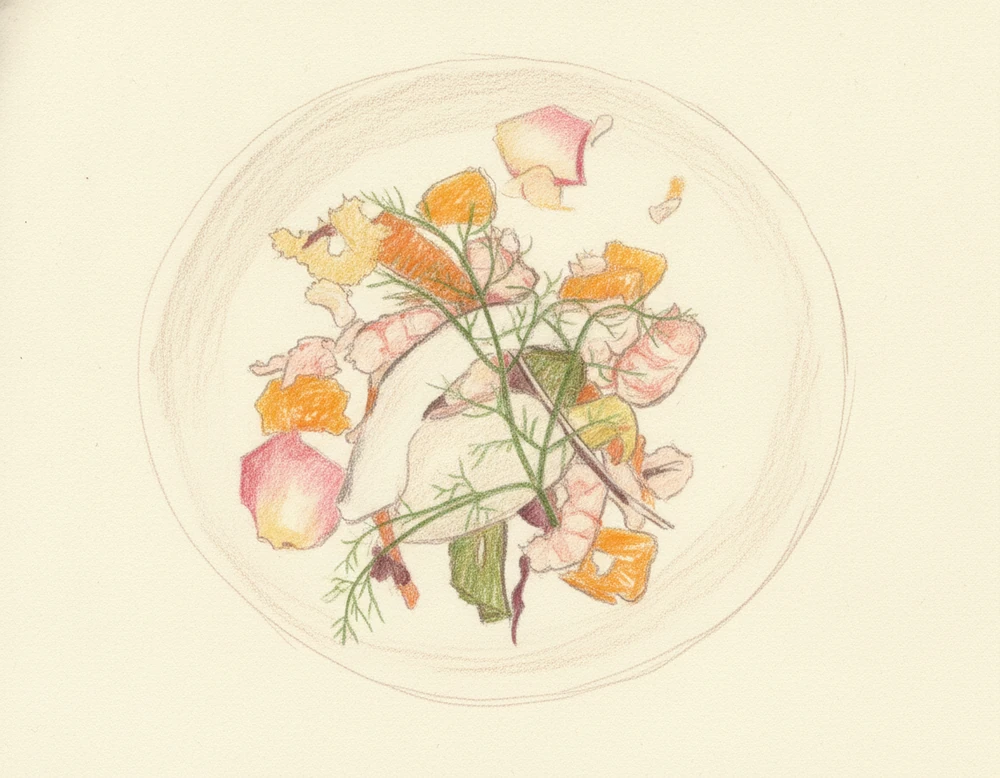
Extra-virgin olive oil from the extinct Vulture volcano, at least 60 per cent Ogliarola del Vulture, with Coratina, Cima di Melfi, Palmarola, Provenzale, Leccino and Frantoio permitted alongside.
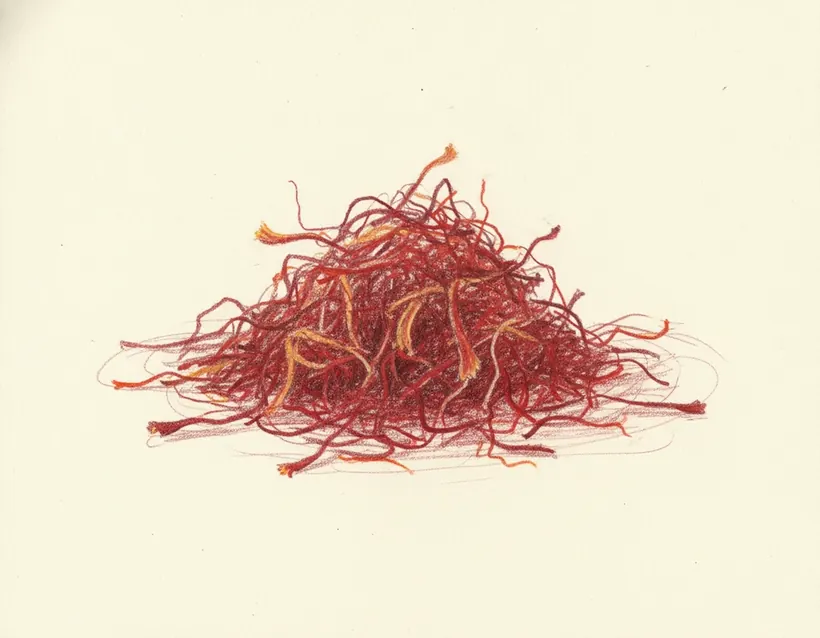
Hand-picked saffron from the Navelli plain, among the world's most prized; the three crimson stigmas of each crocus flower are plucked at dawn and dried gently over embers.
Aromatic hand-picked saffron of the Cascia and Città della Pieve uplands, revived from a medieval trade.
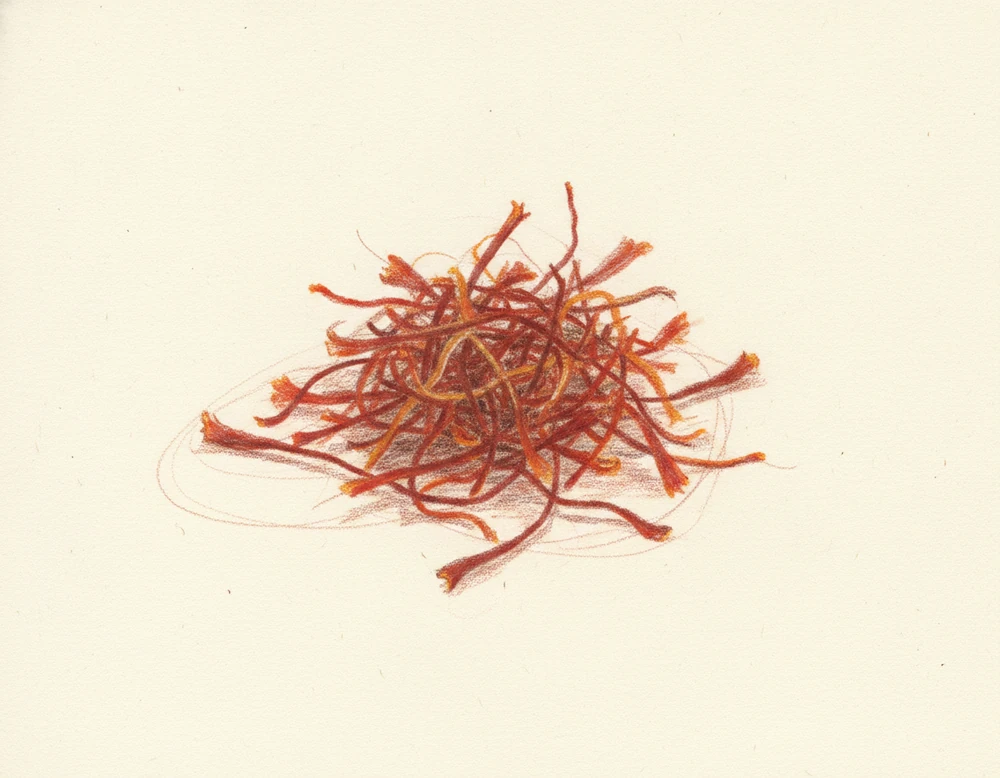
The crocus is picked by hand in the first hours of the day, the flowers still shut or barely open, and laid gently into baskets so nothing is crushed. Then the slow part: the petals are opened by hand, the stigmas drawn out, moistened with lightly oiled fingers and set to dry, in the sun or before a fire, but never above 45 degrees, so that they dry slowly.
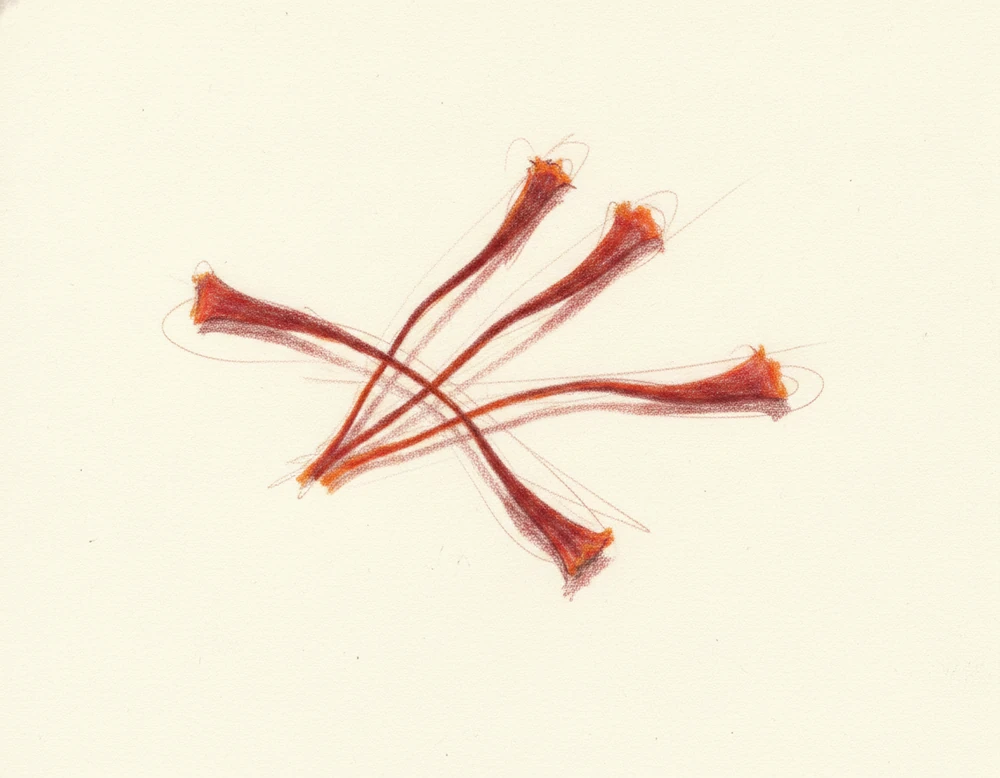
Saffron consisting only of the orange-red, toasted stigmas of Crocus sativus. The filaments are dilated and frayed at the tip, and toasting turns them from orange to a characteristic bordeaux red.
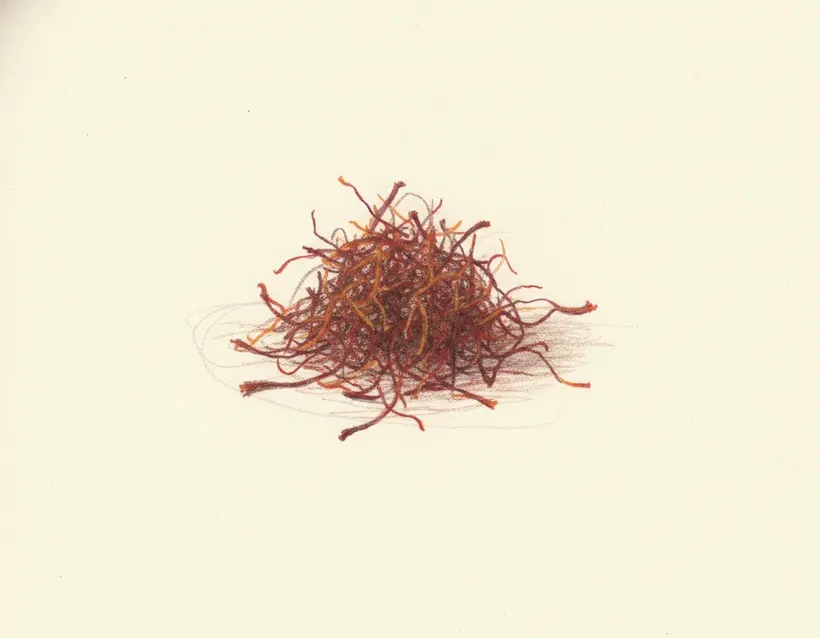
Intensely coloured, aromatic saffron hand-picked around San Gavino Monreale, colouring the island's breads and malloreddus.
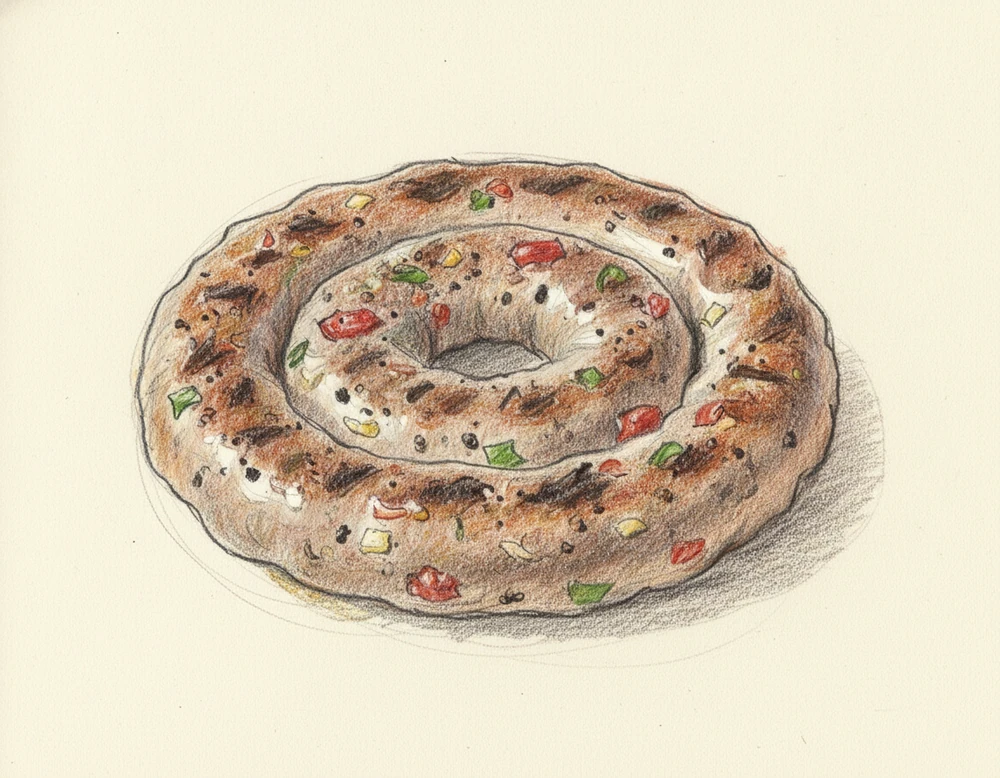
A fresh coiled sausage of beef and mutton mixed with grated aged cheese, peeled tomato fillet, pepper, salt and basil. It is always eaten cooked, traditionally over charcoal.
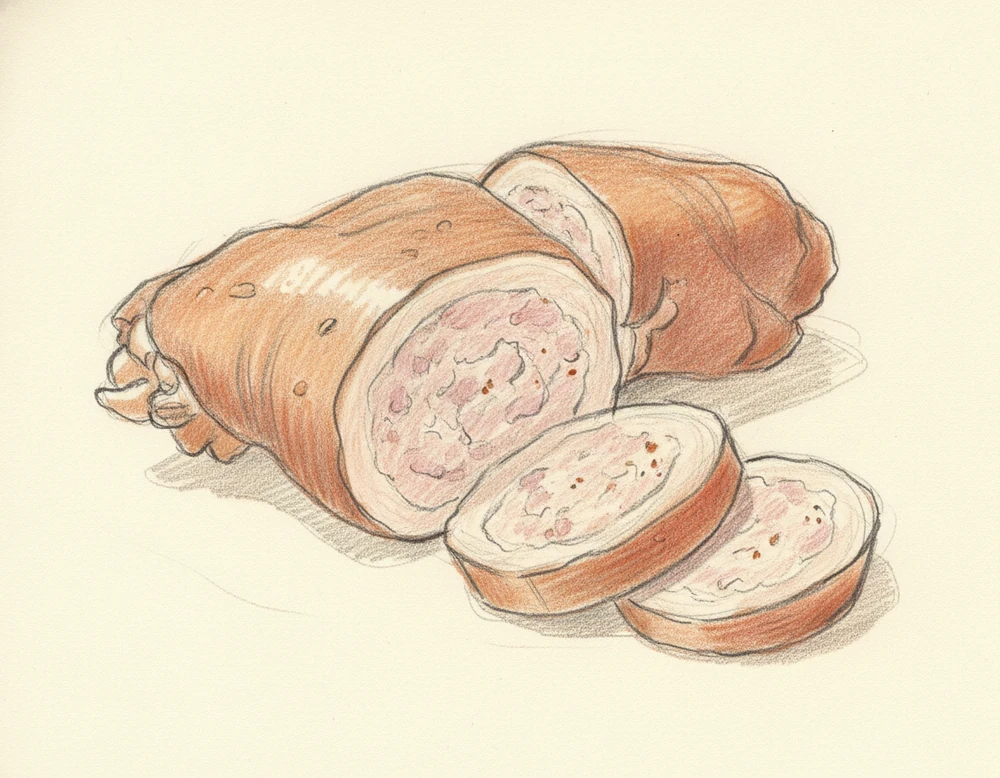
The Modena Christmas dish: a boned front trotter stuffed with a seasoned mix of pork meat, rind and fat, then either sold fresh for long boiling or pre-cooked and sterilised in its pack. Cotechino Modena is the same filling in a plain casing rather than the trotter.
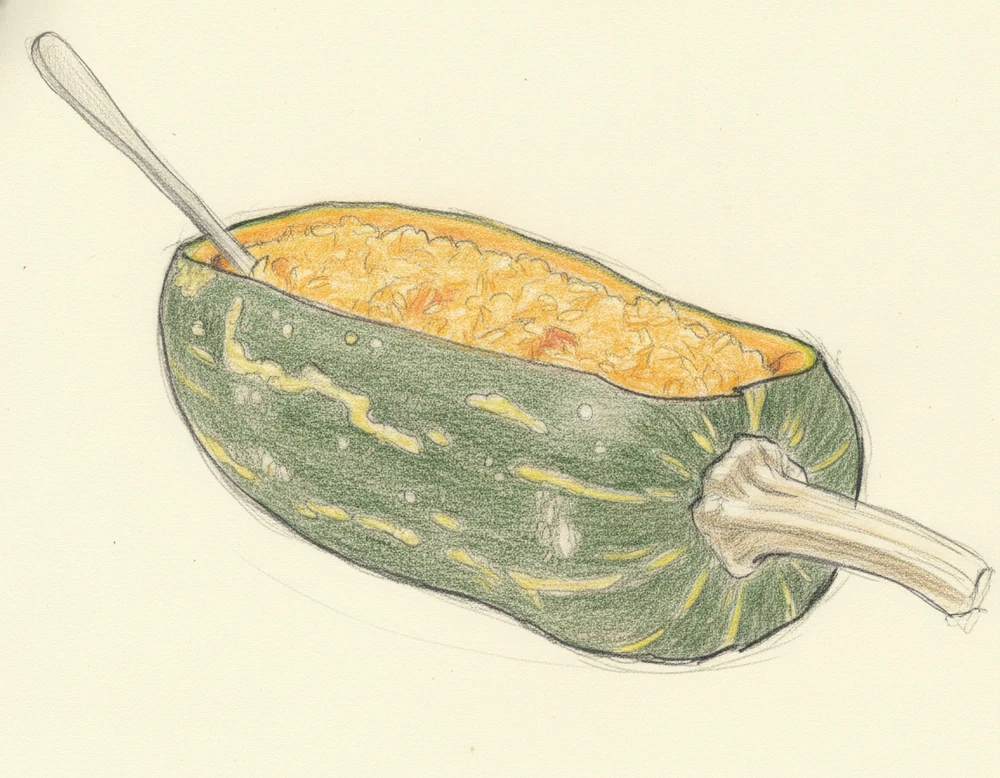
A pumpkin from Piozzo, on the lip of a plateau above the Langhe and the Tanaro. The village was known locally as the village of pumpkins, and its people nicknamed lapacuse, those who drink from pumpkins.