Pecora Cornigliese
Cornigliese Sheep
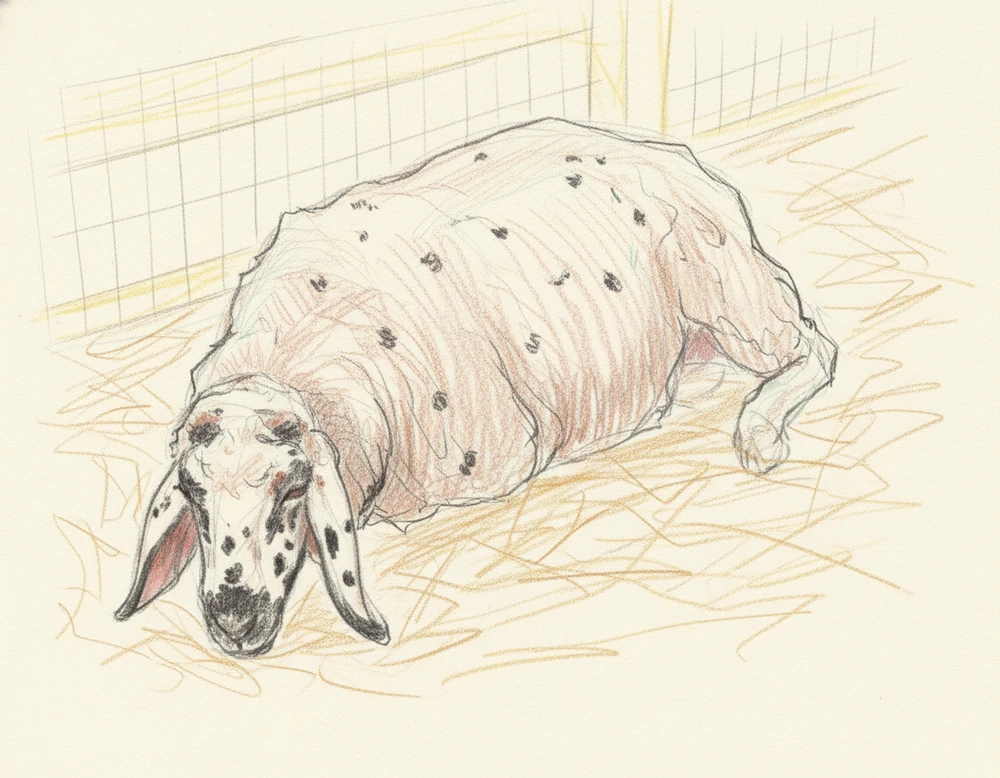
Named for Corniglio in the Apennines above Parma, where it has been kept for centuries. A big sheep, rams over 100 kilos, hornless in both sexes, with long wide ears hanging either side of the face and a white, sometimes spotted fleece that carries on to the belly, the upper limbs and the forehead, the head and feet flecked black. It was made in the middle of the 18th century, when the Bourbon dukes of Parma and Piacenza ordered the local sheep crossed with Spanish Merinos for better wool, and crossed again with Bergamasca rams early in the 20th century for meat.
Designation
- Certification
- Slow Food Presidium
- Category
- Fresh meat and offal
Where it is made
the Parma valley and the Cento Laghi park, Parma province
How it is made
The FAO counted barely 50 head in 1994; Parma province now has about a thousand, which is still not enough to call it safe. Milk, meat and wool historically, today mostly meat, the carcass being compact and lean.