Capra Orobica
Orobica Goat
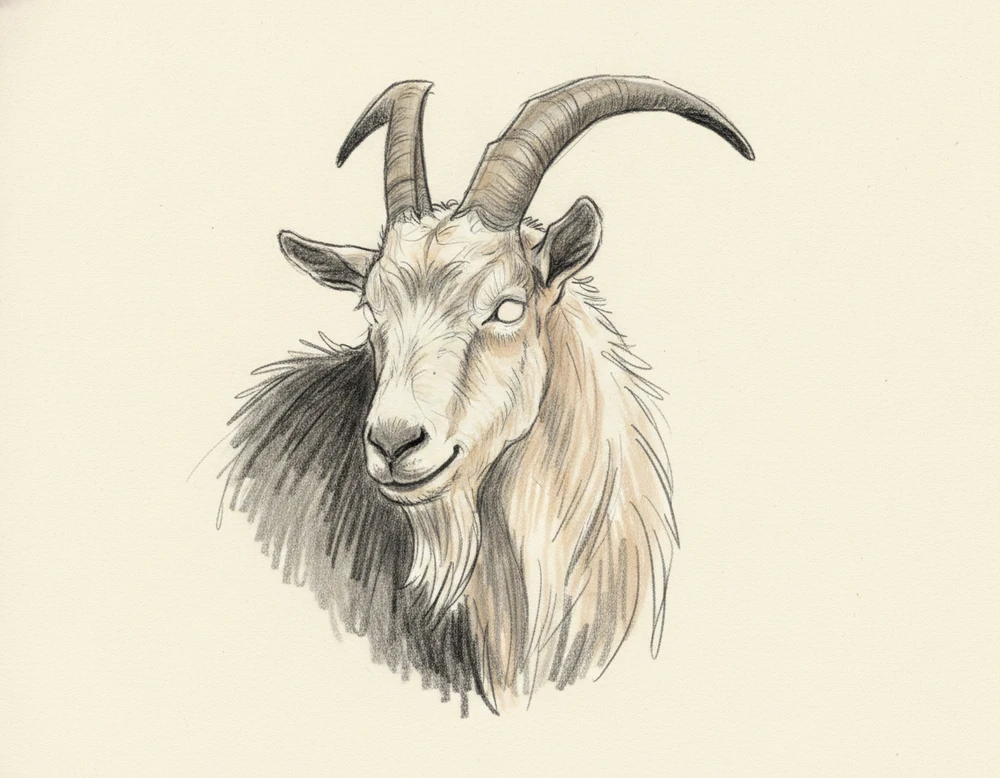
Big horns twisting outwards and a long coat that comes grey, beige, black, brown or dappled, most often black-grey behind and white-beige in front. Its history is not clear; the likeliest account puts its origin in the Val Gerola in the Sondriese, where isolation let it diverge from other goats and hardiness fitted it to pastures nothing else could reach. Every family used to keep them.
Designation
- Certification
- Slow Food Presidium
- Category
- Fresh meat and offal
Where it is made
the Orobie and the prealpine valleys of Sondrio, Bergamo and Lecco
How it is made
Kept for milk and meat. The milk goes into raw-milk cheeses: Formagìn in the Valsassina, a small slightly acidified cylinder eaten after three days; Matuscin in the Valtellina, a flattened cylinder set with rennet and aged a month at least; and the Val Brembana robiola, rectangular, made like a stracchino.