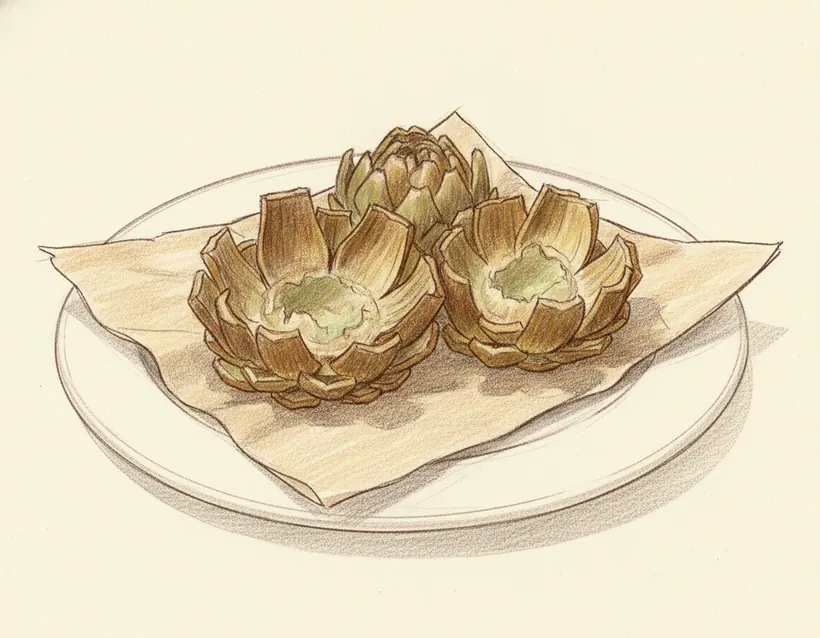
Carciofi alla GiudiaJewish-style fried artichokes
Whole Romanesco artichokes pressed open and deep-fried until the leaves crisp like petals, the signature of the Roman Jewish Ghetto.
Pairs with
Rome's kitchen is built on the 'quinto quarto' offal tradition and the holy trinity of pecorino, guanciale and black pepper, the four great pastas (carbonara, amatriciana, gricia, cacio e pepe), oxtail and tripe, artichokes two ways, and cream-filled maritozzi. Its wines are the Malvasia-and-Trebbiano whites of the Castelli Romani, Frascati, Marino, and the peppery Cesanese red of the hills to the south.
Whole Romanesco artichokes pressed open and deep-fried until the leaves crisp like petals, the signature of the Roman Jewish Ghetto.
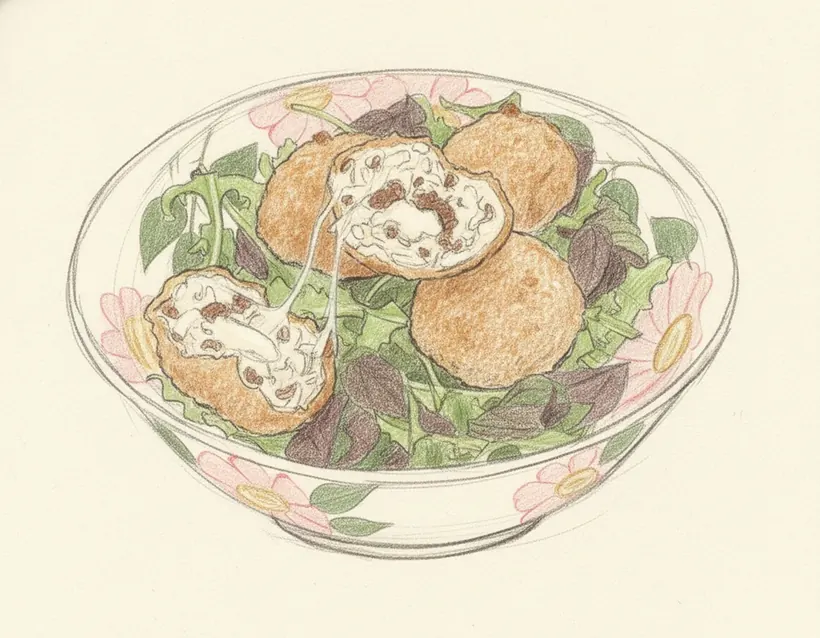
Rice croquettes bound with tomato-and-meat ragù around a molten mozzarella heart that pulls into 'telephone wires' when broken, Roman street food.
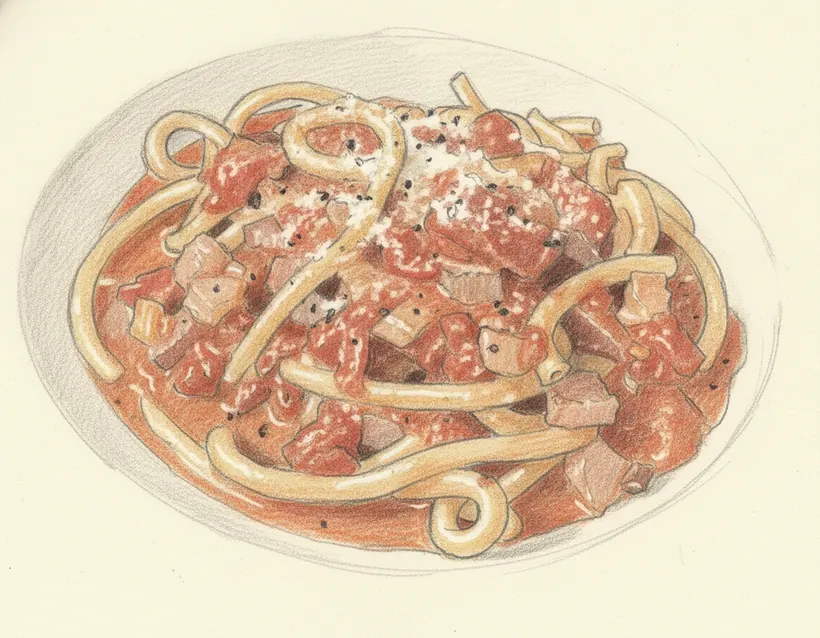
Hollow bucatini in a sauce of crisped guanciale, tomato, a little chilli and a shower of Pecorino Romano.
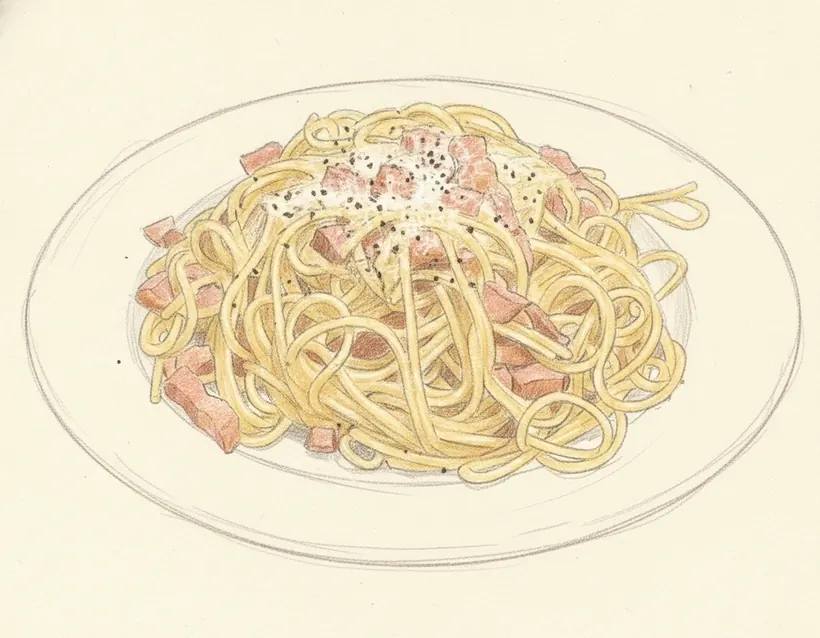
Spaghetti bound in a cream of egg yolk and Pecorino Romano with crisp guanciale and lots of black pepper, no cream, no garlic.
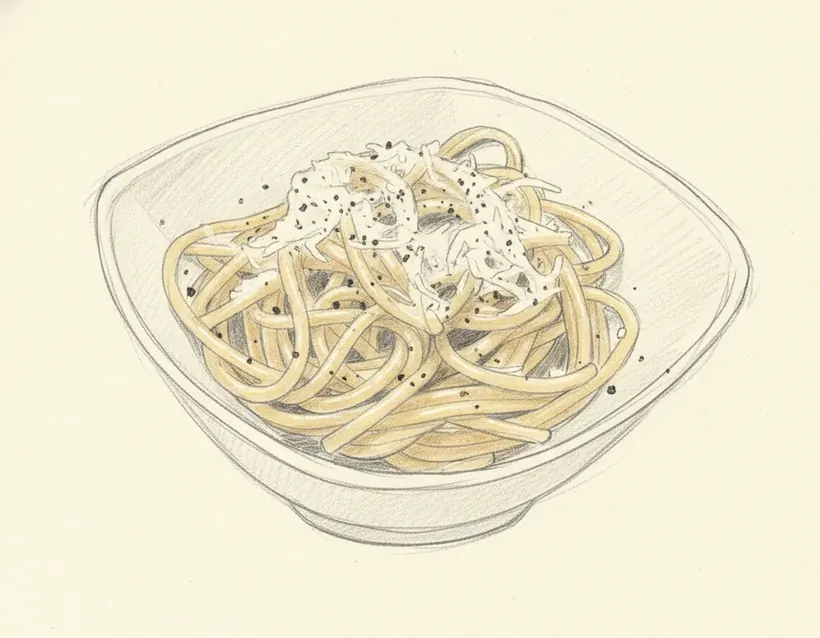
Tonnarelli or spaghetti emulsified with Pecorino Romano and cracked black pepper into a glossy sauce, three ingredients, hard to master.
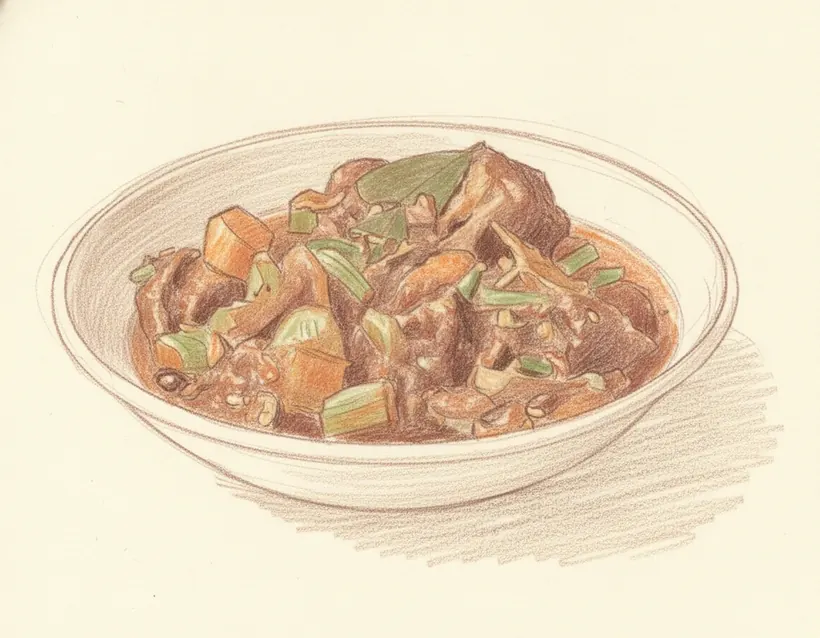
Oxtail from the 'quinto quarto' braised for hours with tomato, celery, and a sweet-sour touch of cocoa, pine nuts and raisins.
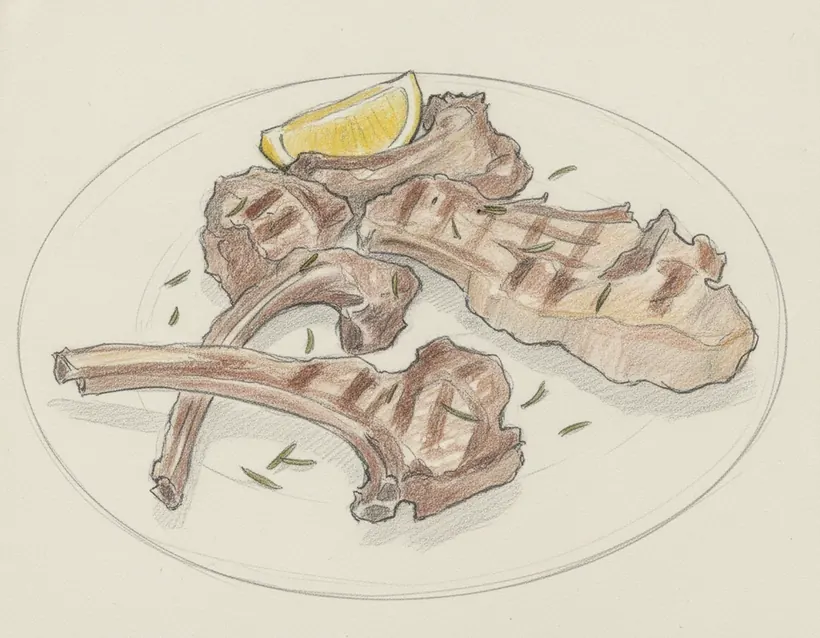
Tiny cutlets of milk-fed Roman lamb grilled hot and eaten with the fingers ('scottadito'), scented with rosemary.
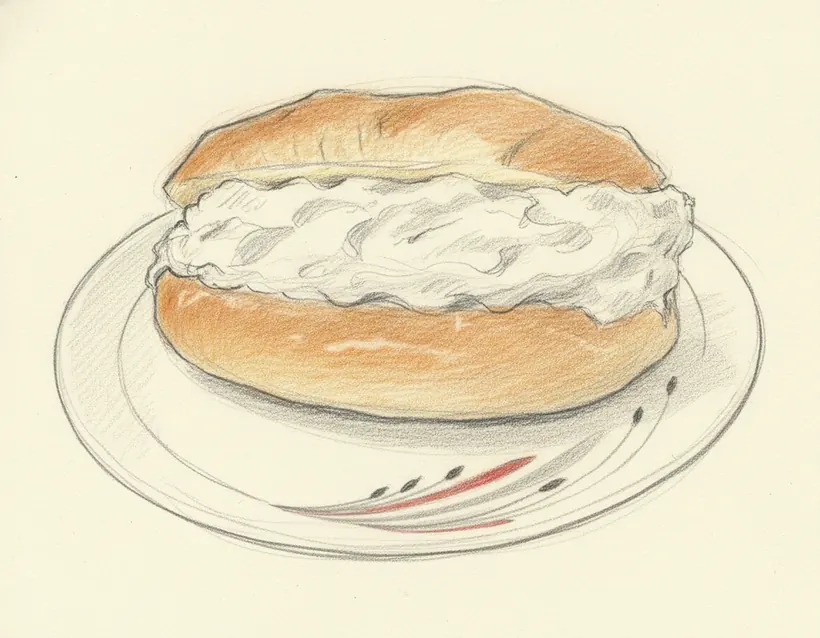
A soft, slightly sweet bun split and overfilled with whipped cream, the Roman breakfast indulgence.
DOP, IGP, STG, Slow Food Presidia and traditional specialities of Lazio.
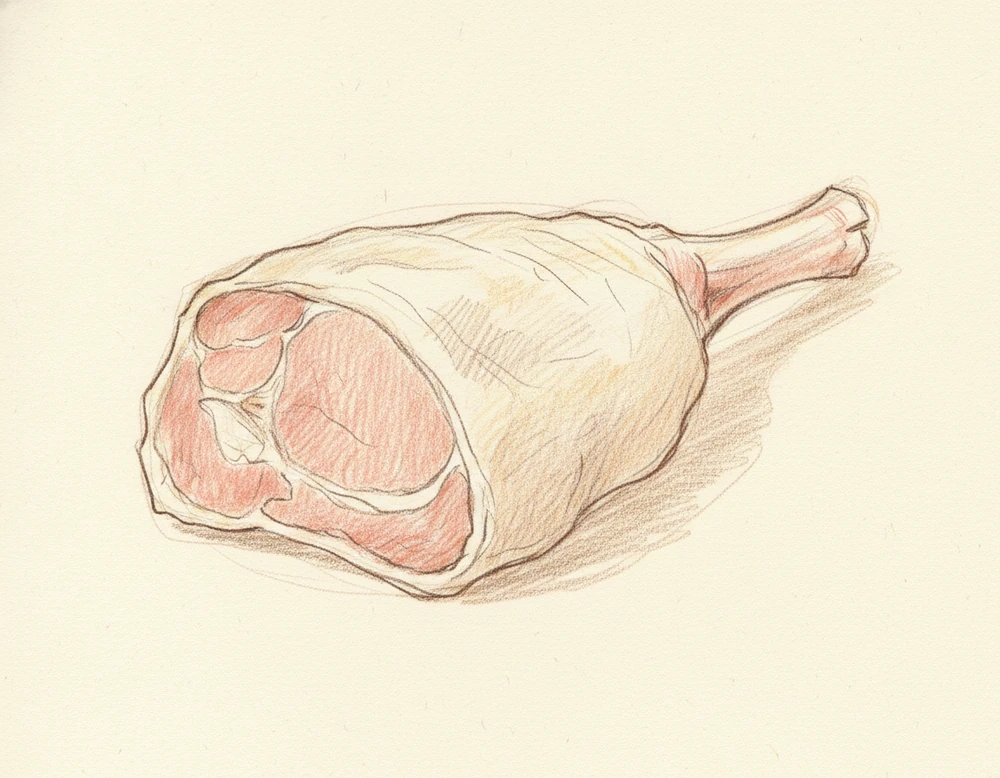
Milk-fed lamb, the abbacchio of Roman cooking. The meat is pale pink with white covering fat, fine in texture, compact and lightly marbled.
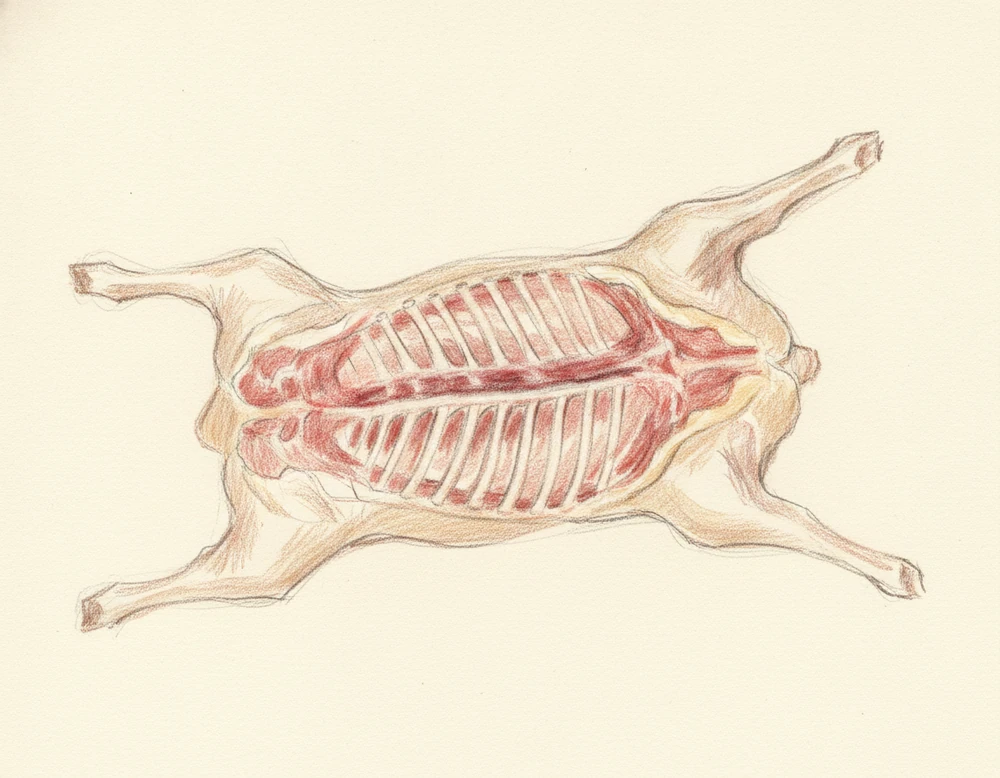
Lamb slaughtered under twelve months of age, graded into three carcass types by weight, conformation and fat cover: light lamb at 8.01 to 13.0 kg, heavy lamb at 13.01 kg and above, and castrato at 20.0 kg and above.
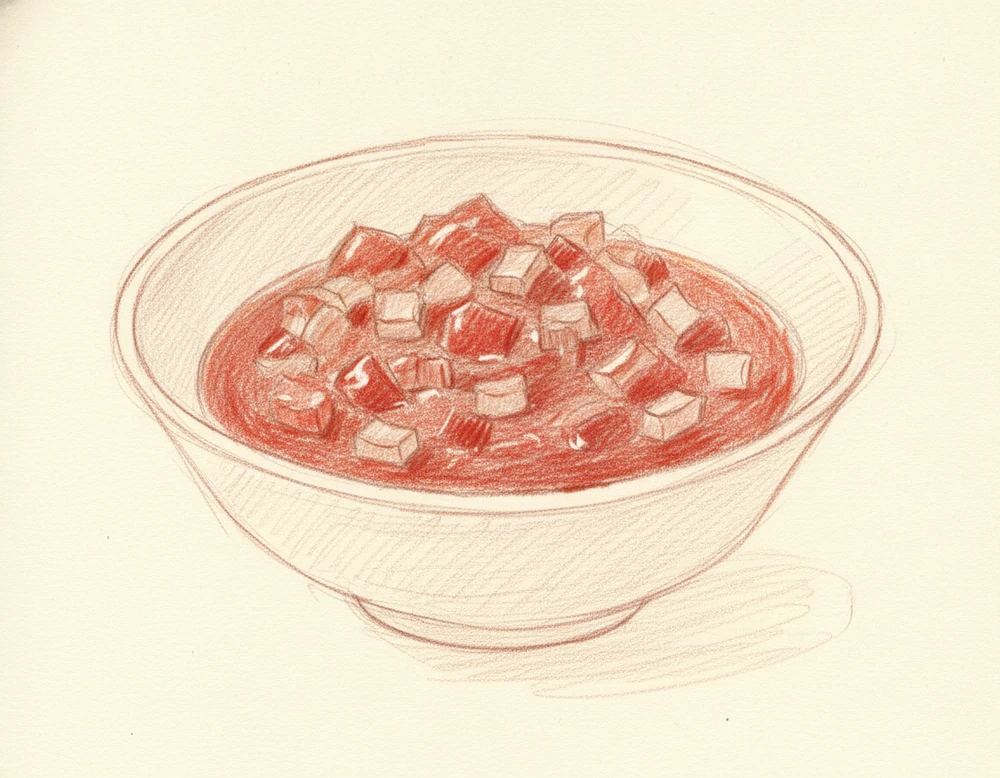
A food preparation sold in two forms: a sauce for dressing pasta immediately, and one for later use. It runs from a lighter to a deeper red.
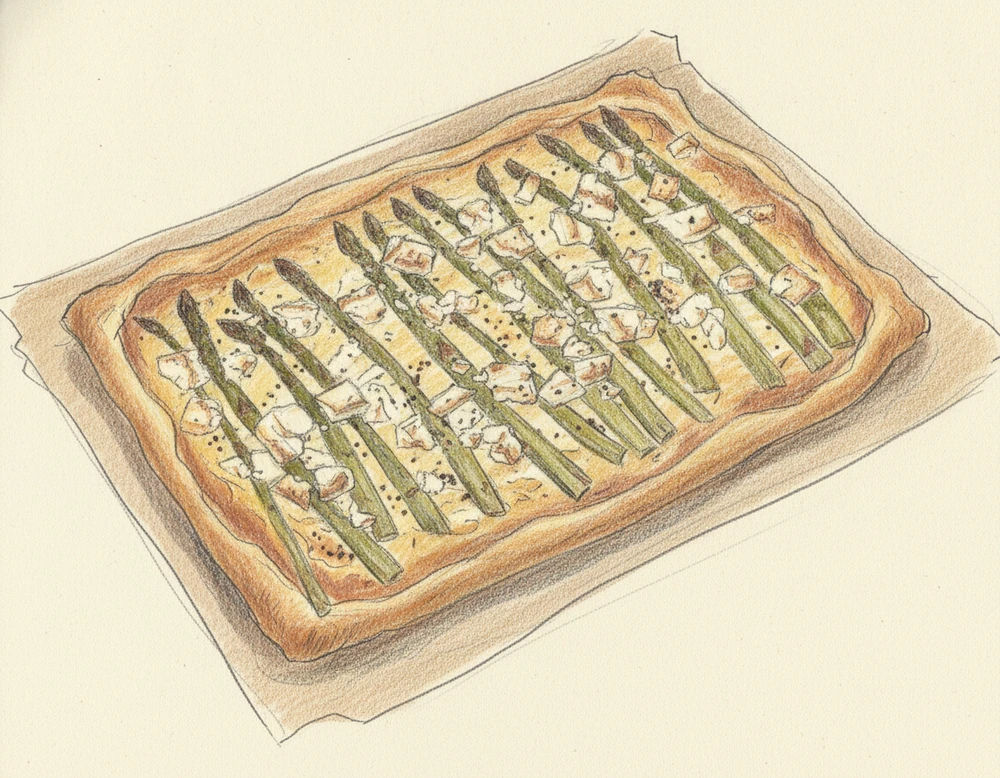
Green asparagus from the volcanic soils around Canino in northern Lazio, from named cultivars of Asparagus officinalis: Atlas, Grande, UC157, Vegalim, Starlim, Italo, Atticus and Verdus.
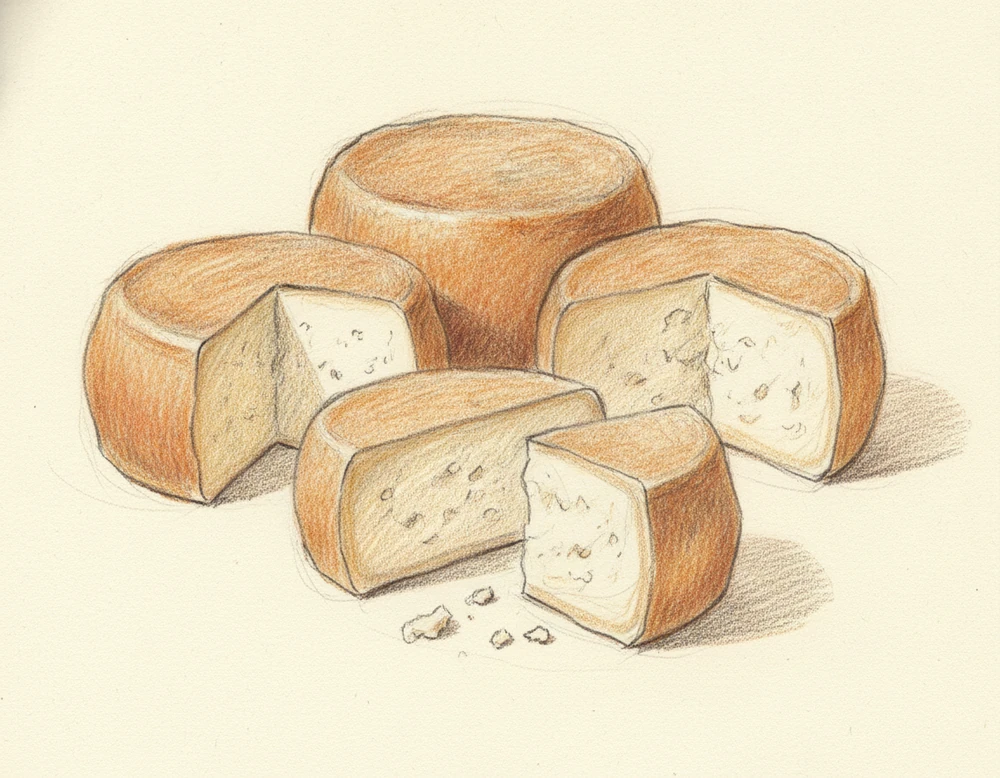
A pecorino from the edge of the Roman metropolitan area, first written of in the 1600s though the method is older. The milk comes from Comisana, Sarda and Massese sheep and their crosses, grazing through the season on pasture full of dandelion, wild oat, amaranth, mallow, cardoon and sowthistle, over volcanic tuff and many springs, and that is what the cheese tastes of.
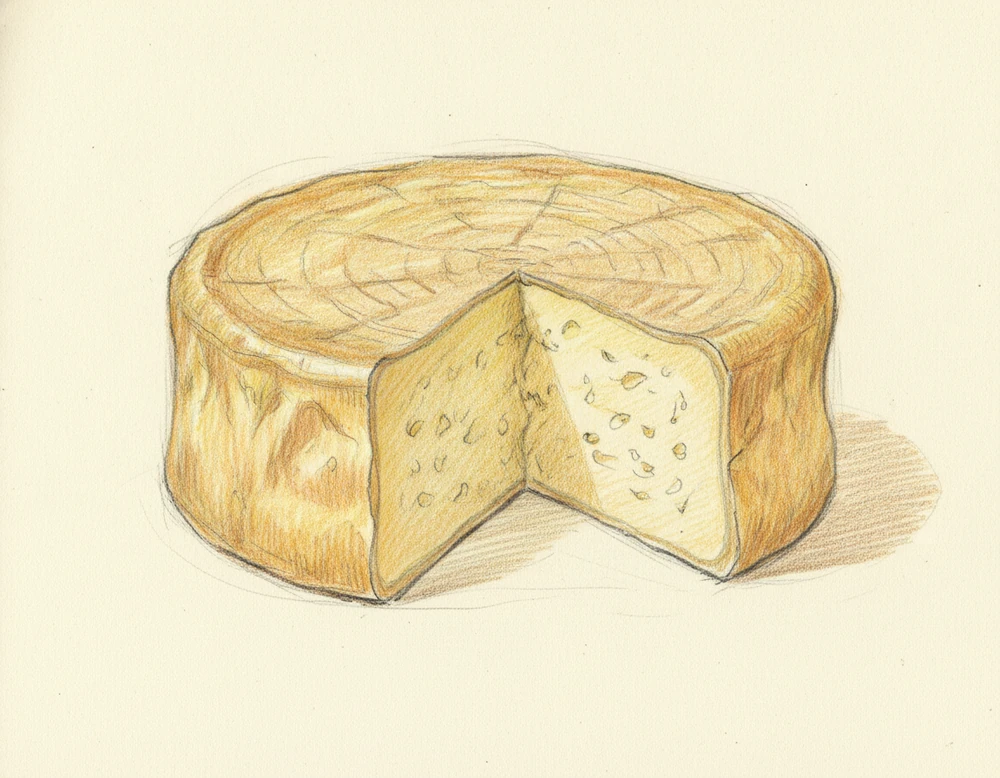
Something like an ancestor of Pecorino Romano, but set with vegetable rennet made from the flowers of globe artichoke or cardoon, which was ordinary practice in Roman antiquity. The rind is wrinkled and yellowish over a soft compact paste with small eyes and a surprisingly creamy heart; the taste is strong and a little bitter.
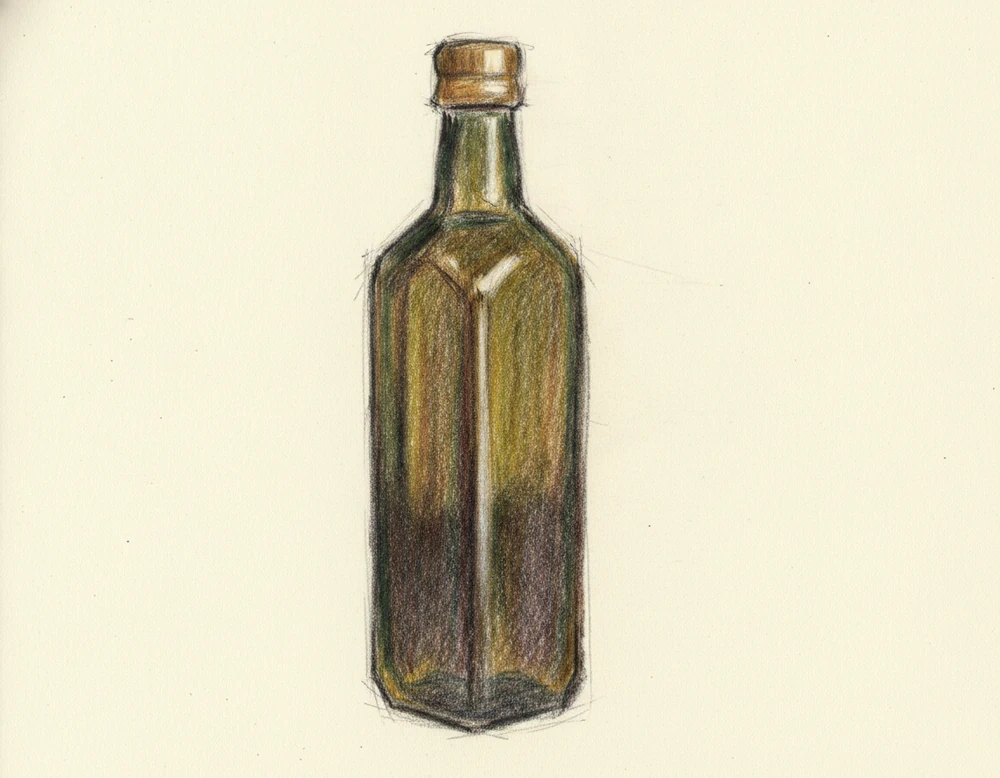
Extra-virgin olive oil from the Tuscia, built on the native Caninese and its clones together with Leccino, Pendolino, Maurino and Frantoio, which may make up the whole grove between them.
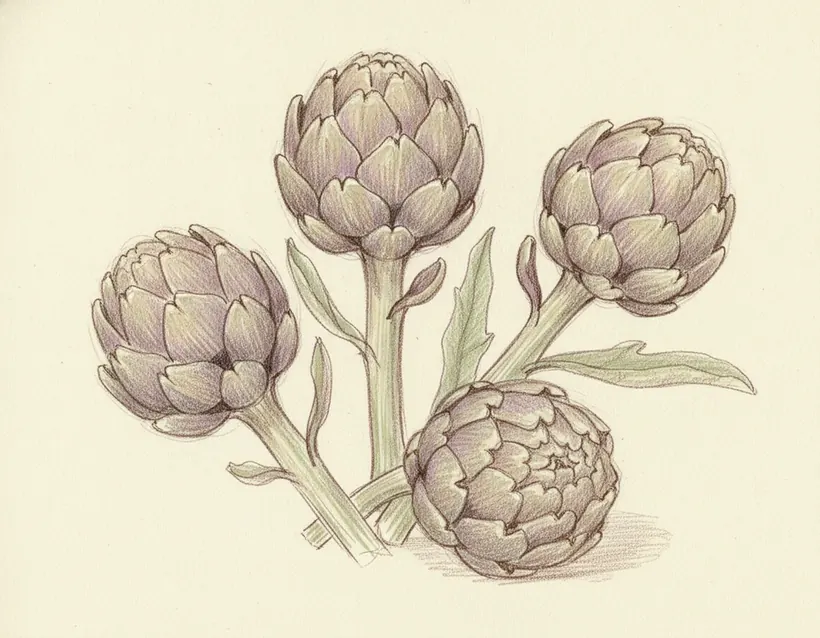
The big, round, spineless 'mammola' artichoke of the Roman coast, tender enough to eat almost whole, the base of carciofi alla romana and alla giudia.
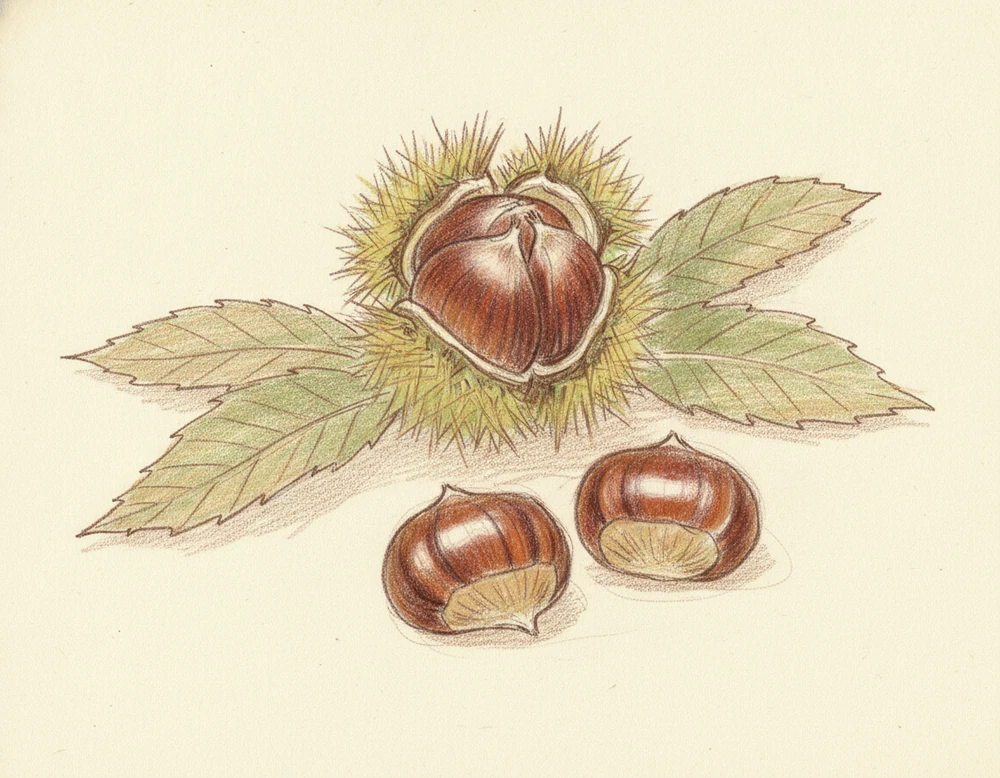
Chestnuts from a local ecotype of Castanea sativa in the Cimini hills, known by local toponyms and graded by size: large at 50 to 70 nuts per kilo of fresh product, medium at 71 to 95, and smaller grades below that.
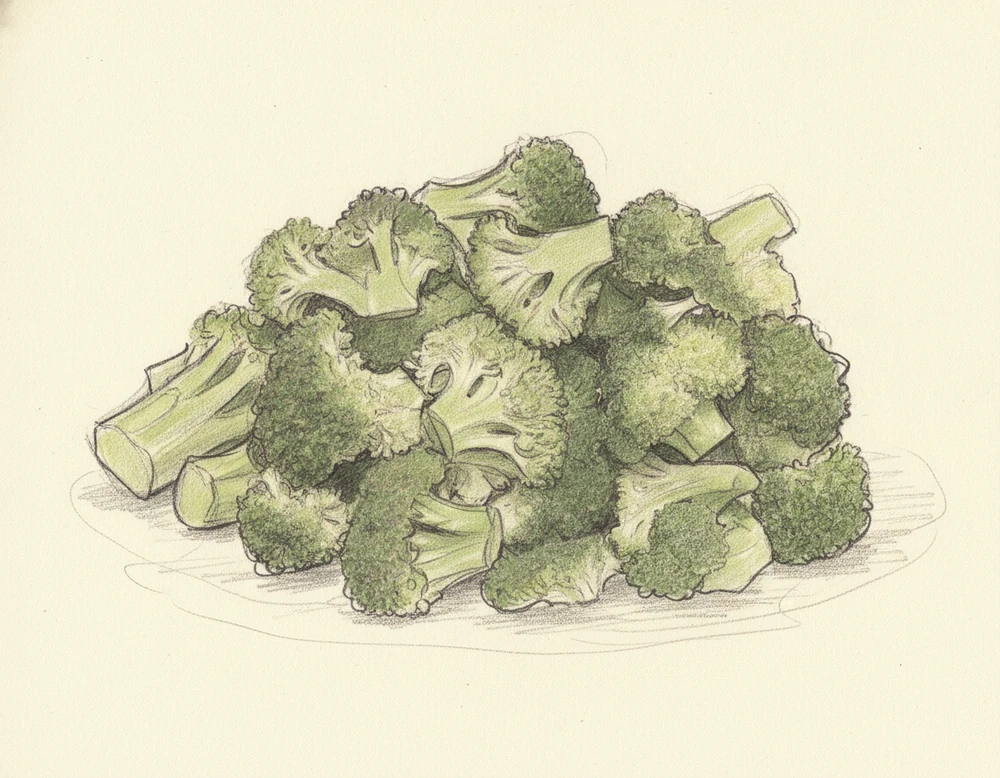
A purple sprouting broccoli of the flat country by the Amaseno, delicate in taste, called chiacchietegli locally. Nobody knows where it came from; the growers have handed down the seed and the practice father to son.
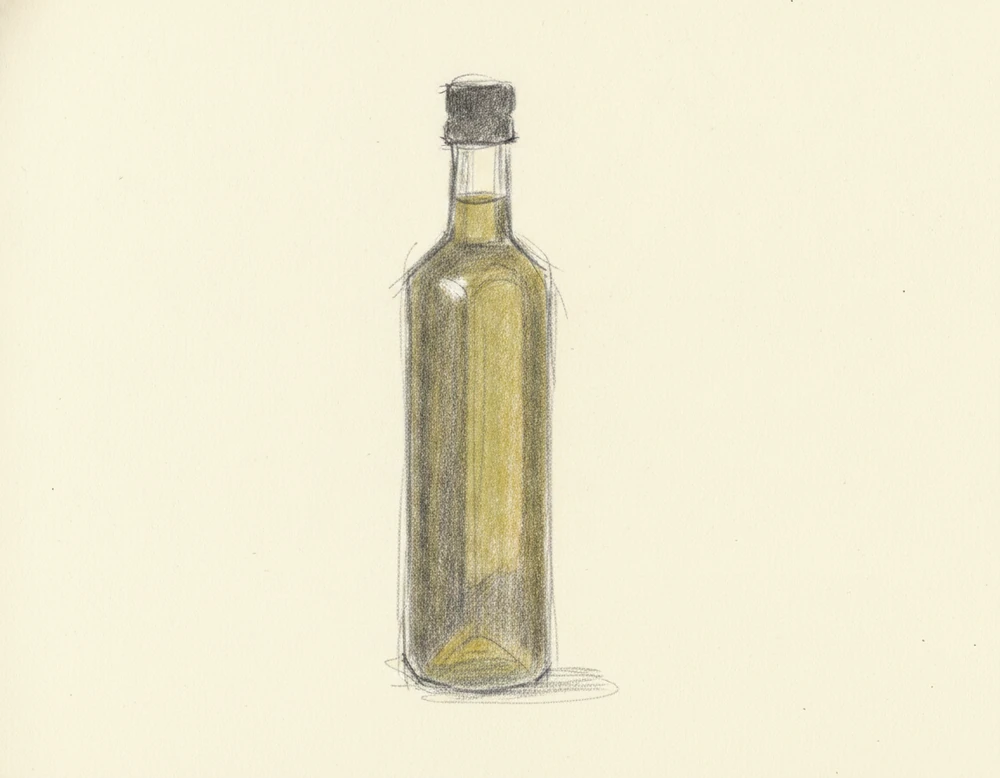
Extra-virgin olive oil from the hills above the Pontine plain, built on Itrana at 50 to 100 per cent, with Frantoio and Leccino up to 50 per cent between them.
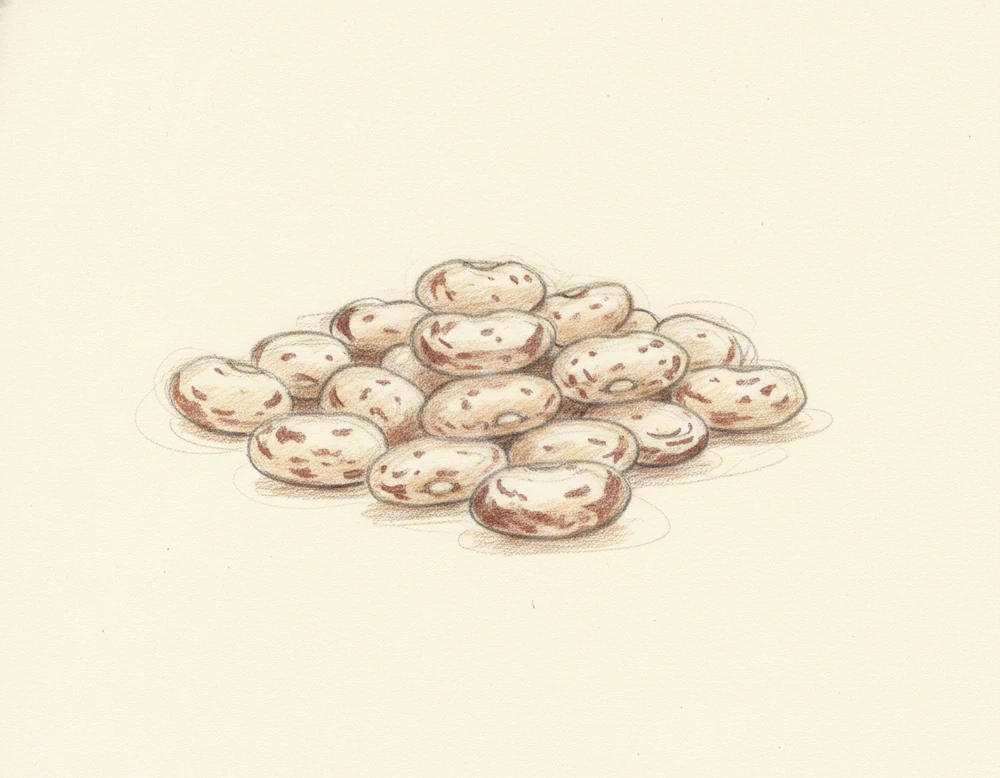
Beans reached Italy in the first half of the 16th century by way of Charles V of Spain, whose empire ran across Europe, Africa and the Americas; the first varieties out of the New World went to Spain and thence to Rome as a gift for the pope. The Arsoli bean has been grown in that village since at least 1552, and it was stolen so persistently that Julius III had to send two magistrates. Over the centuries it settled into the slopes above the Fosso Bagnatore, and it turns up in documents, proverbs and songs.
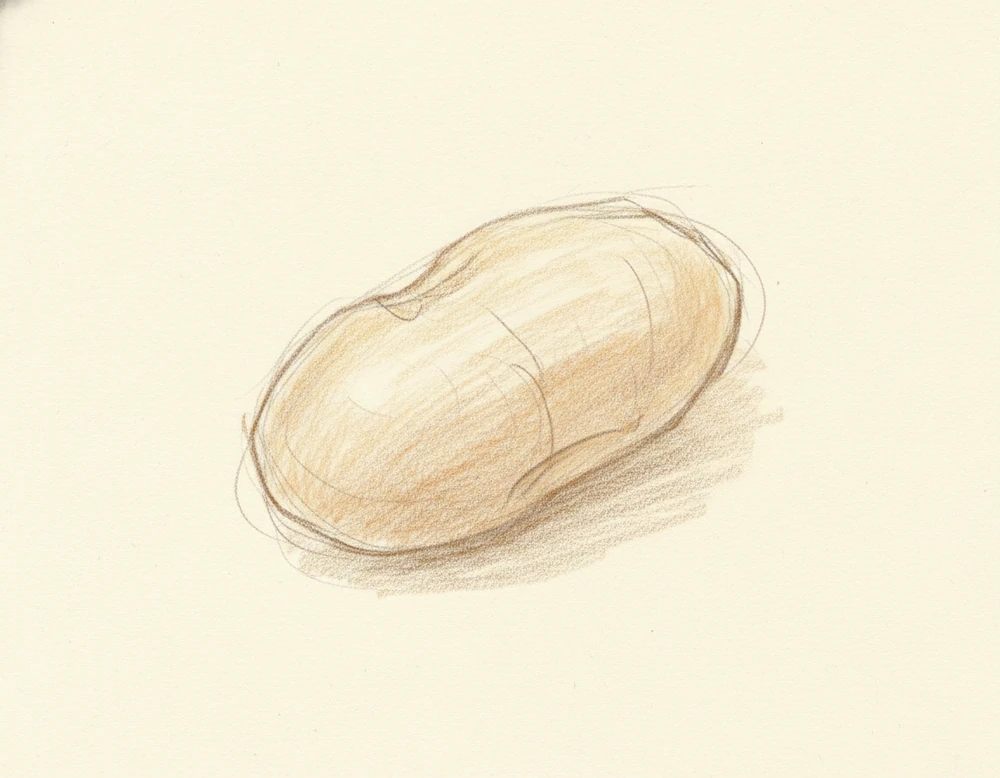
A cannellini bean from the Comino valley, grown from the local Phaseolus vulgaris ecotype. The seed is kidney-shaped, slightly elliptical and flattened, 0.9 to 1.4 cm long and 0.5 to 0.6 cm wide.
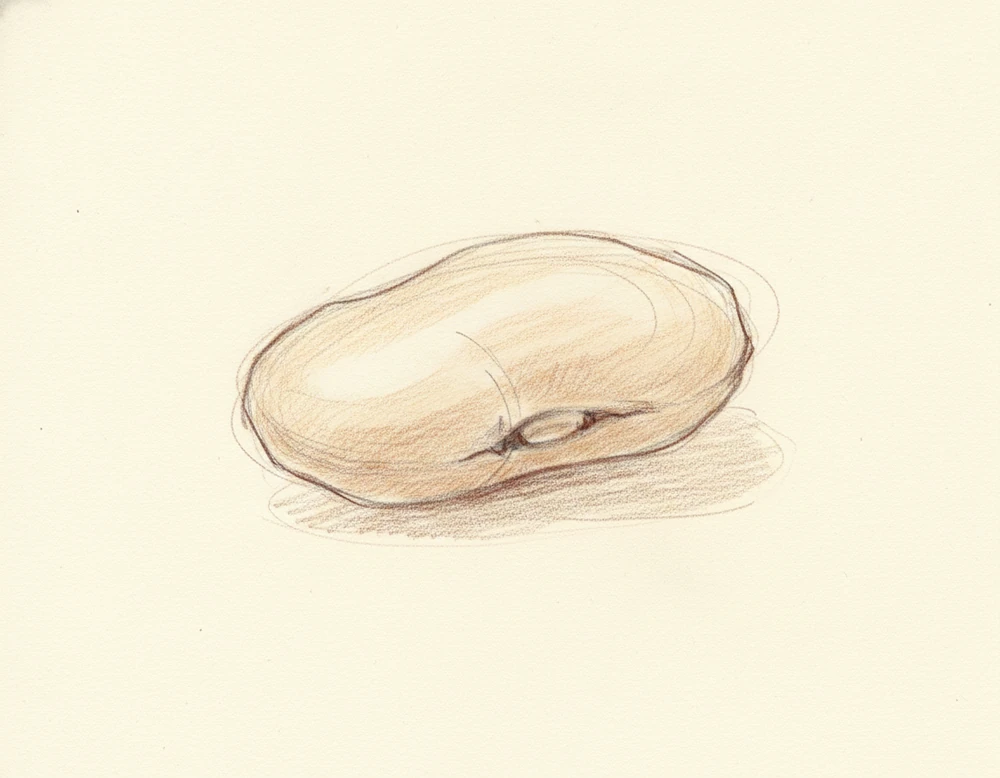
Vallepietra sits in the Simbruini park in a valley with no way out, ringed by hills; it was founded in the 6th century by country people fleeing the Roman campagna ahead of the Goths. The bean, also called ciavattone, has been grown here since Spanish rule in the 16th century. What lets it grow is water: many springs of very pure, in places very low-mineral water, feeding a small river that runs into the Simbrivio aqueduct and so to Rome.
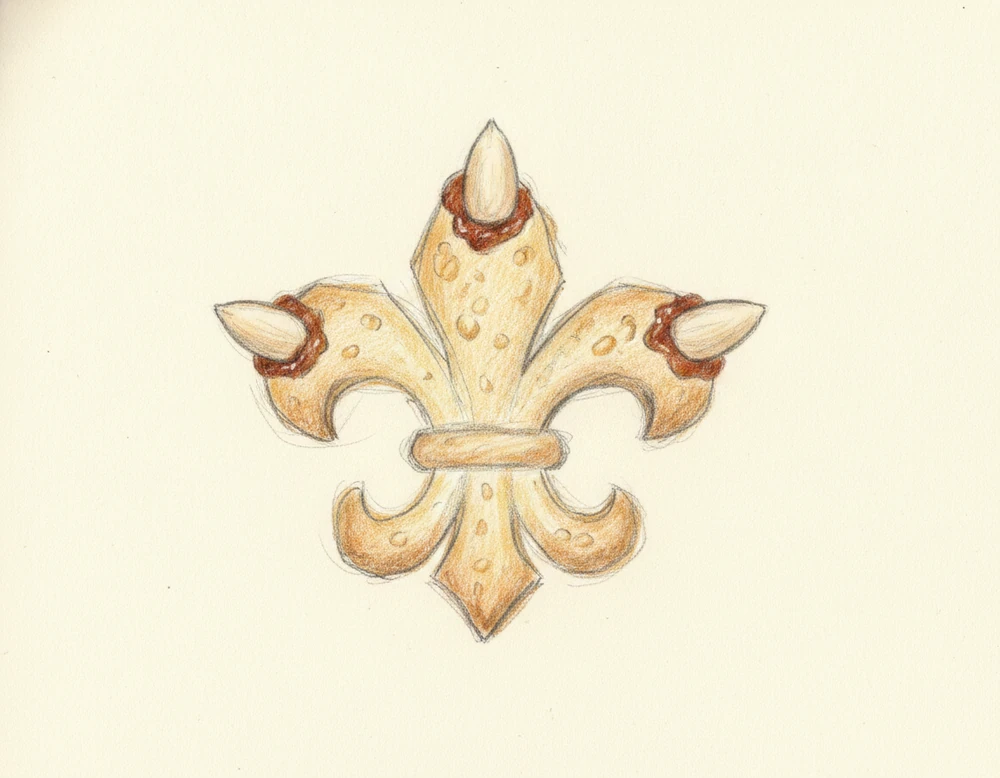
Flour, sugar and eggs, and nothing else. The biscuit follows the Barberini, lords of Palestrina, who counted a pope among them in Urban VIII; he bought the town from the Colonna and made it the family's estate. Exiled to the court of Louis XIV on charges of misgovernment, the Barberini met biscuits cut as a fleur-de-lis, the Bourbon emblem, and giglietto is the little lily. Back at Palestrina their bakers made them again with the family's bee in place of the lily; the bees did not take, and the lily came back.
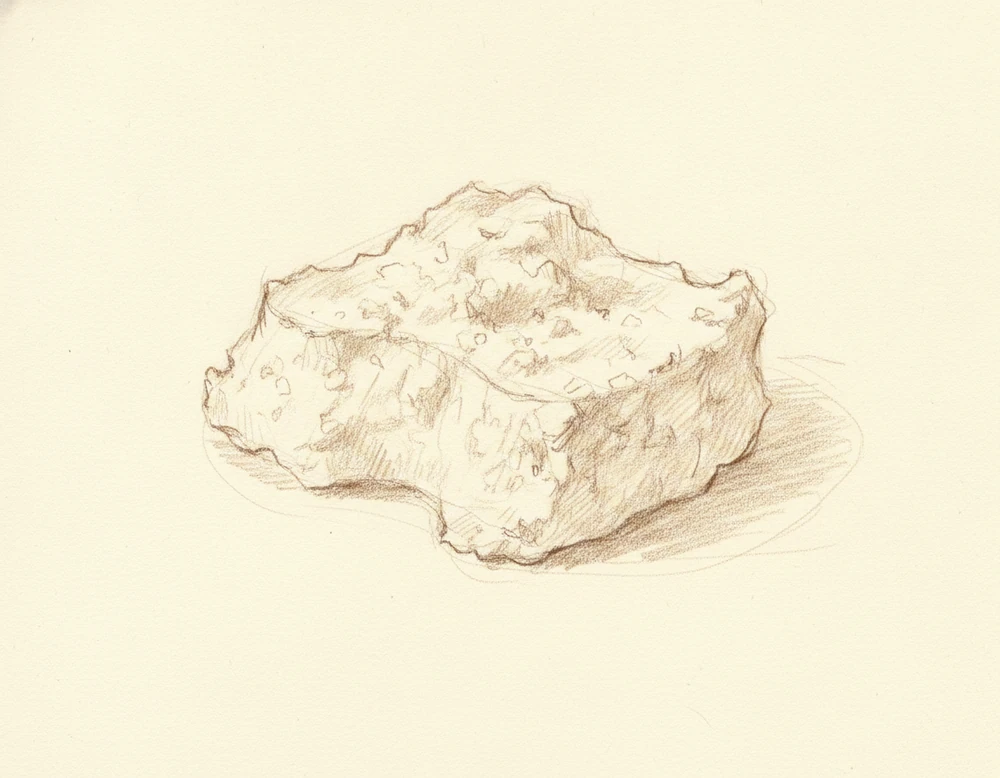
A fresh, delicate cheese of cow's, sheep's or goat's milk, most often a mixture. Nothing is added, no cultures and no salt, so it is all in the milk and the pasture: the best is made in late spring, when the mountain meadows are full of different grasses and flowers. It is white and creamy and has to be eaten within a few days, and is best of all still warm. Giuncata is made all over Italy, but in the central Apennines of northern Lazio it stayed a living thing.
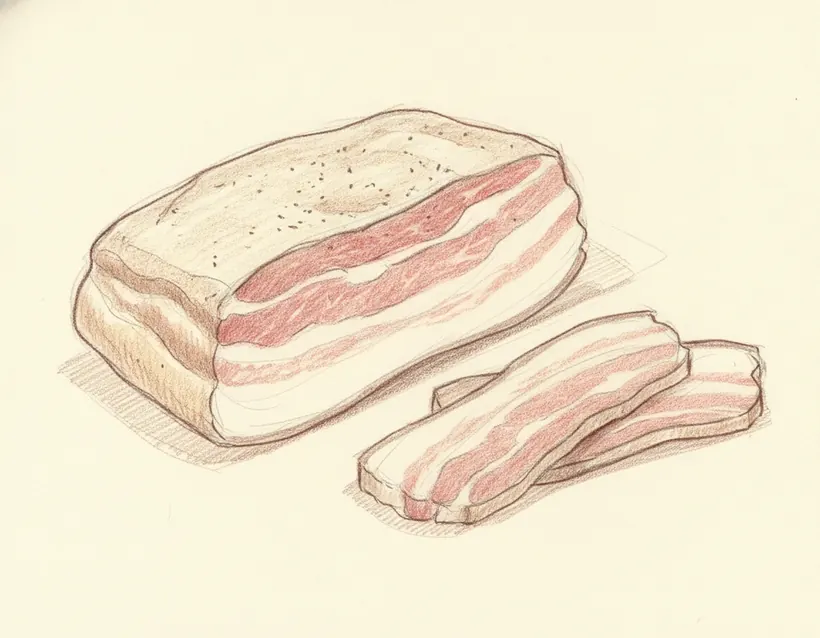
Cured pork cheek rubbed with pepper and aged, fattier and deeper than pancetta, rendered down as the fat base of Rome's four great pastas.
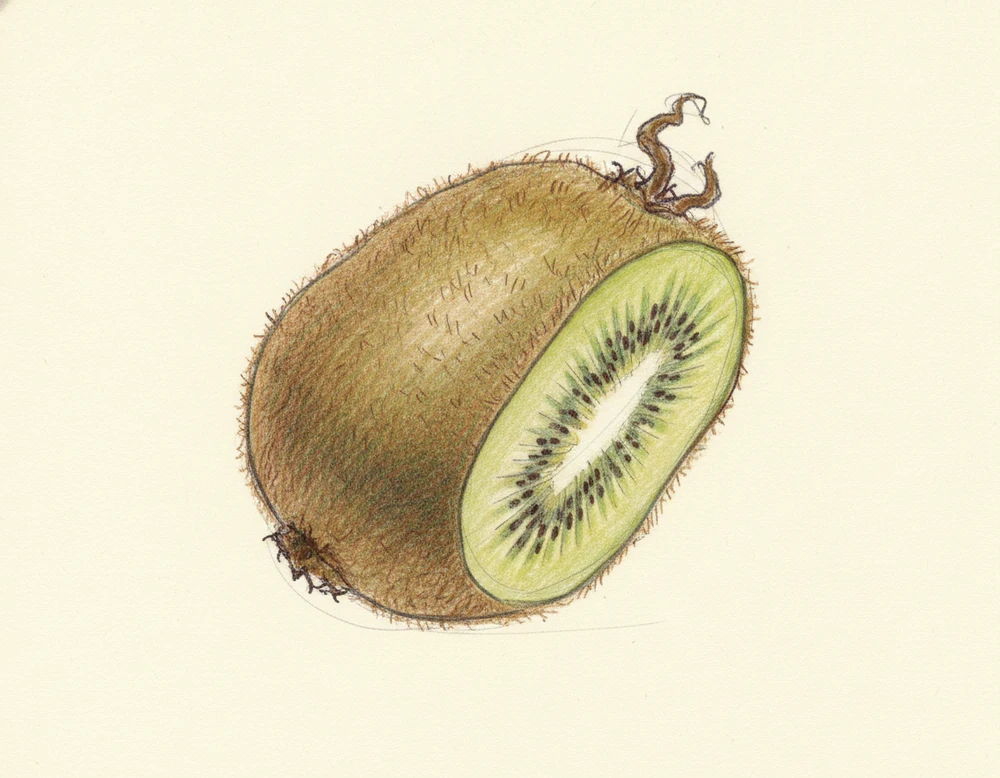
Kiwifruit from the Agro Pontino, the reclaimed plain south of Rome that became one of Europe's principal kiwi districts.
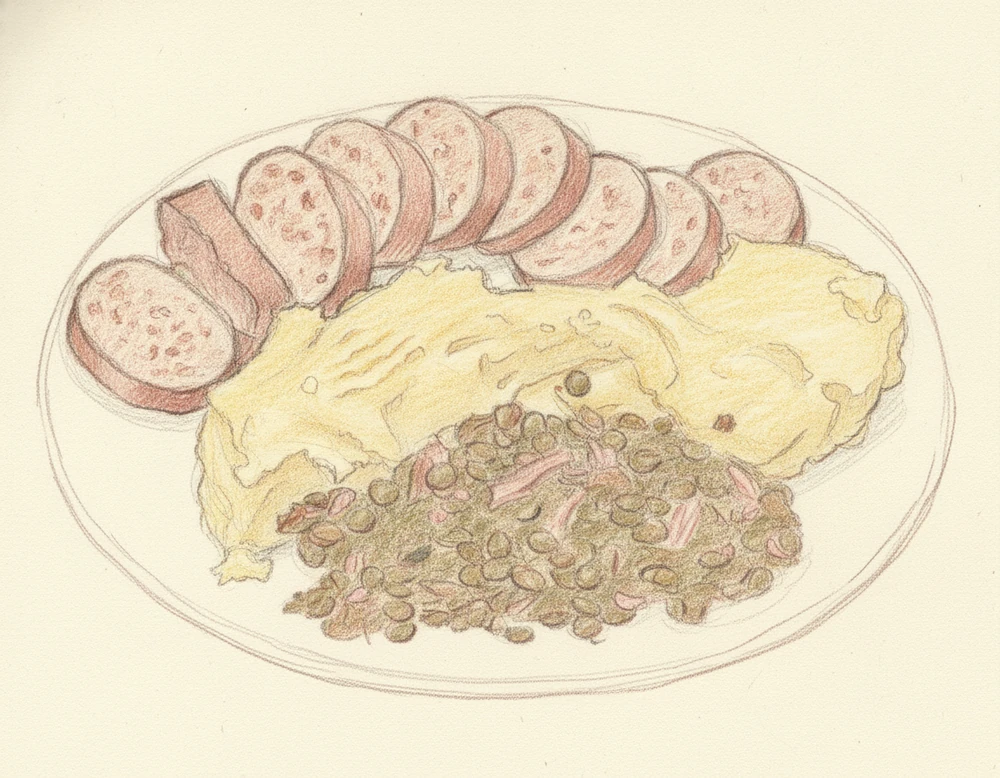
Lentils (Lens esculenta) from Onano in the Alto Viterbese, grown from the local Lenticchia di Onano ecotype and from Eston.
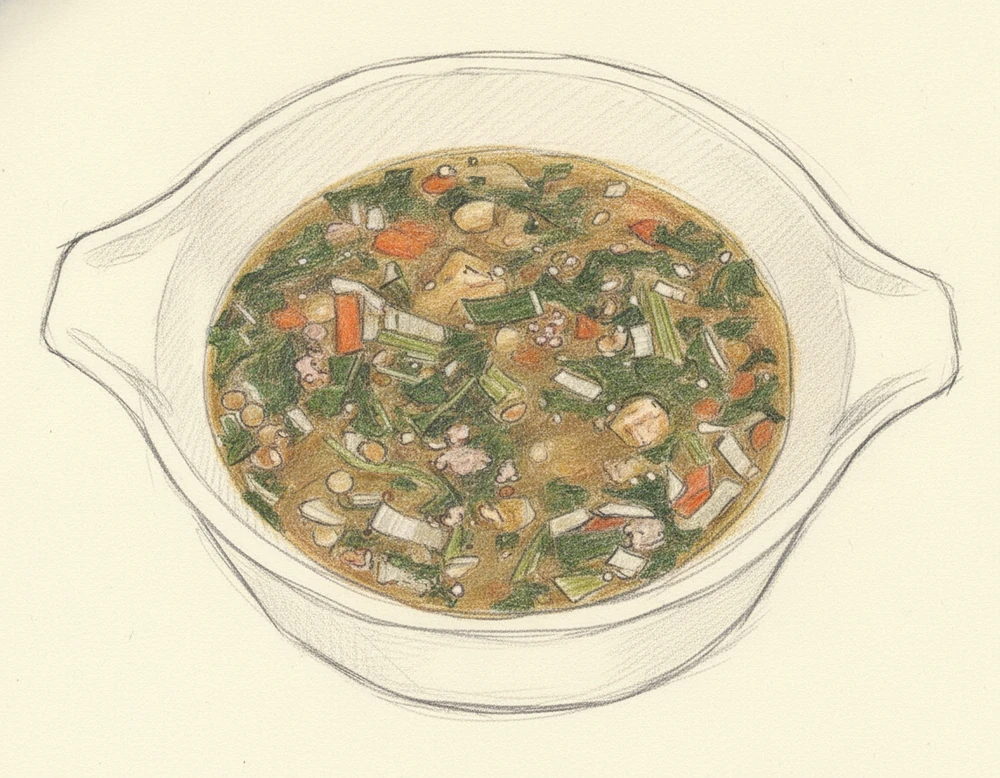
Rascino is a big karst valley in the Cicolano on the Abruzzo border at 1,300 metres, almost unpopulated and correspondingly intact: orchids, wolves, and two possible livelihoods, sheep or the growing of lentils, spelt and biancòla, a local wheat. What makes farming possible is a major spring, the same that feeds the Peschiera aqueduct and so much of Rome's water. The plateau has always been on the transhumance road down to the Roman campagna.
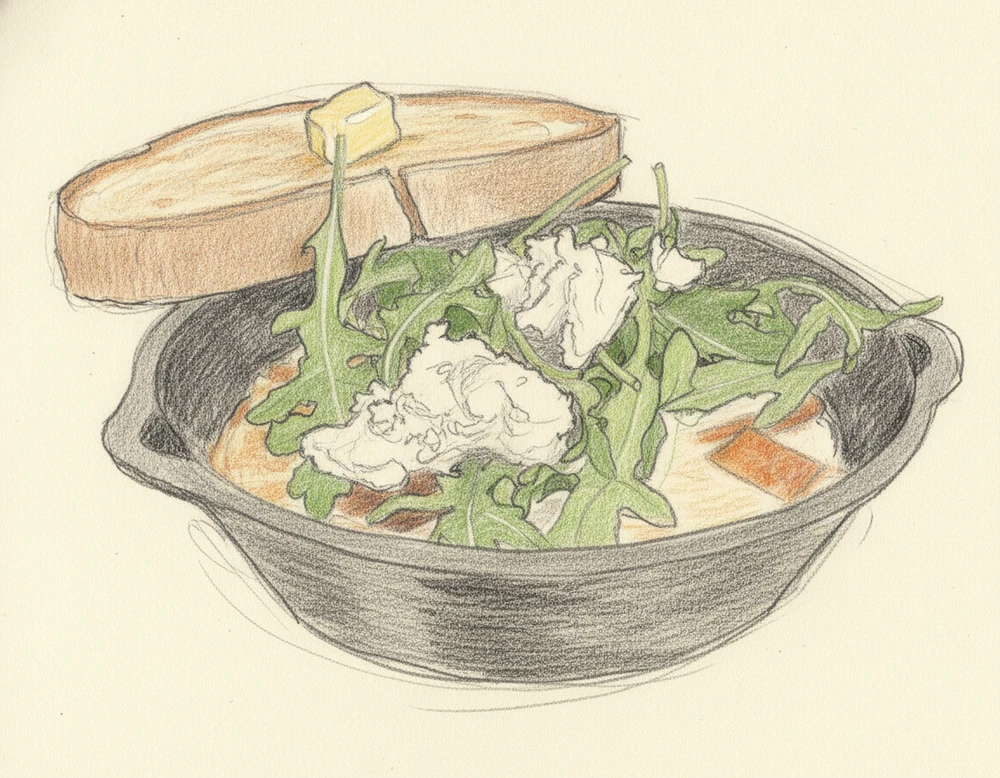
Once made only in March, when the goats had just come into milk, which is what the name says. Elongated cylinders or truncated cones with no rind, only a hard dry skin; the paste is white, compact and flaky with small holes.
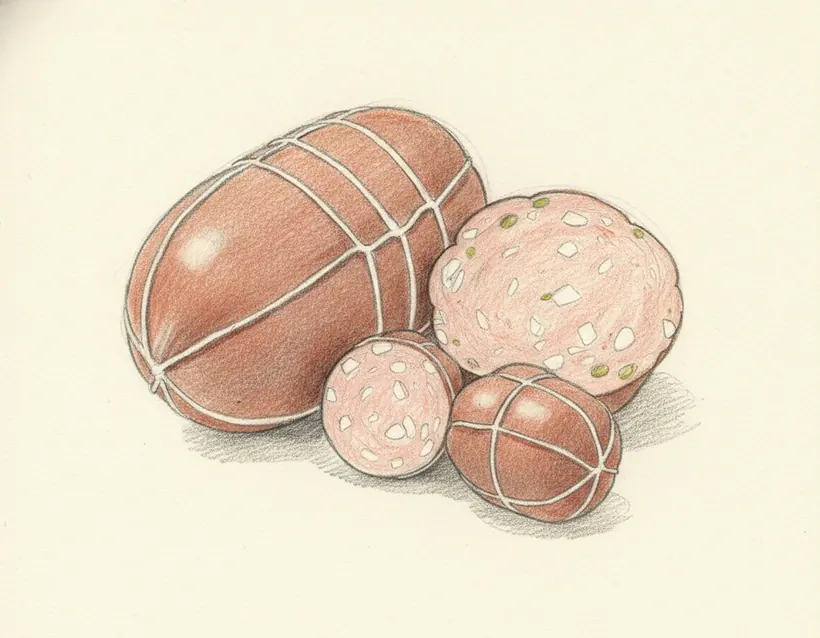
A large, silky pink cooked pork sausage studded with white fat cubes and pistachios, gently spiced, the pride of Bologna.
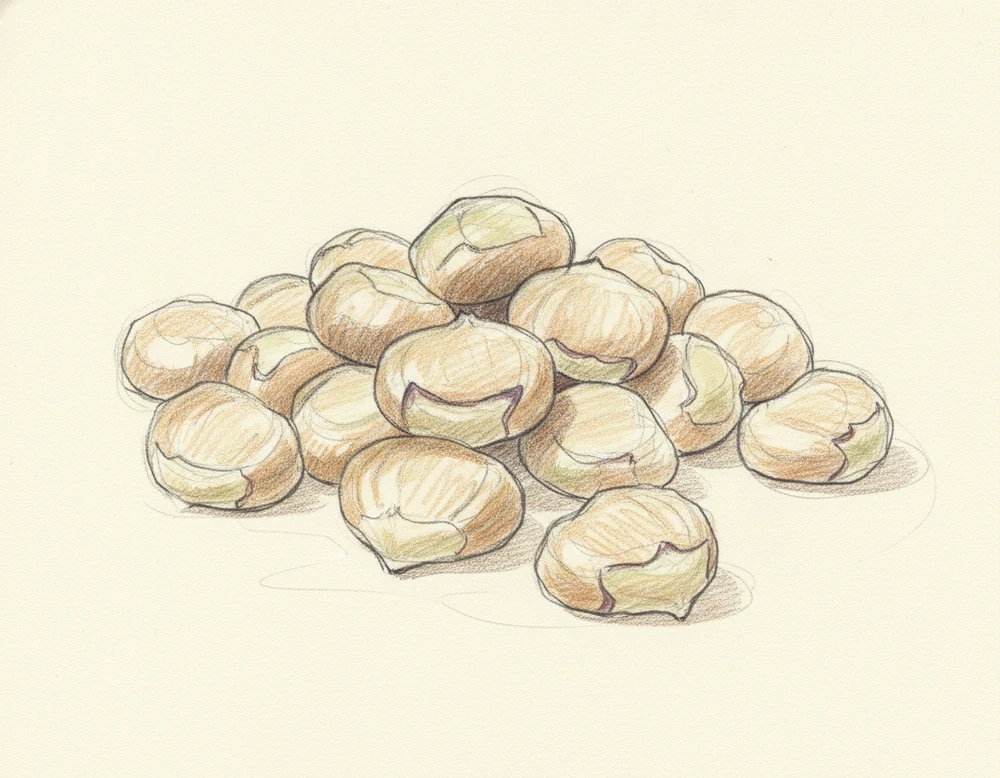
Capranica Prenestina stands on a ridge of the Prenestini among woods and chestnut groves that are centuries old. Cato already names the chestnuts of these mountains in the De agri cultura, and they fed the people here for a very long time. Real cultivation was pushed first in the Middle Ages, under the impulse of the Countess Matilda of Canossa, and the two comuni's statutes, the earliest from 1200, show how the groves were valued: their use for fruit and for timber was closely regulated, with penalties for damage and theft.
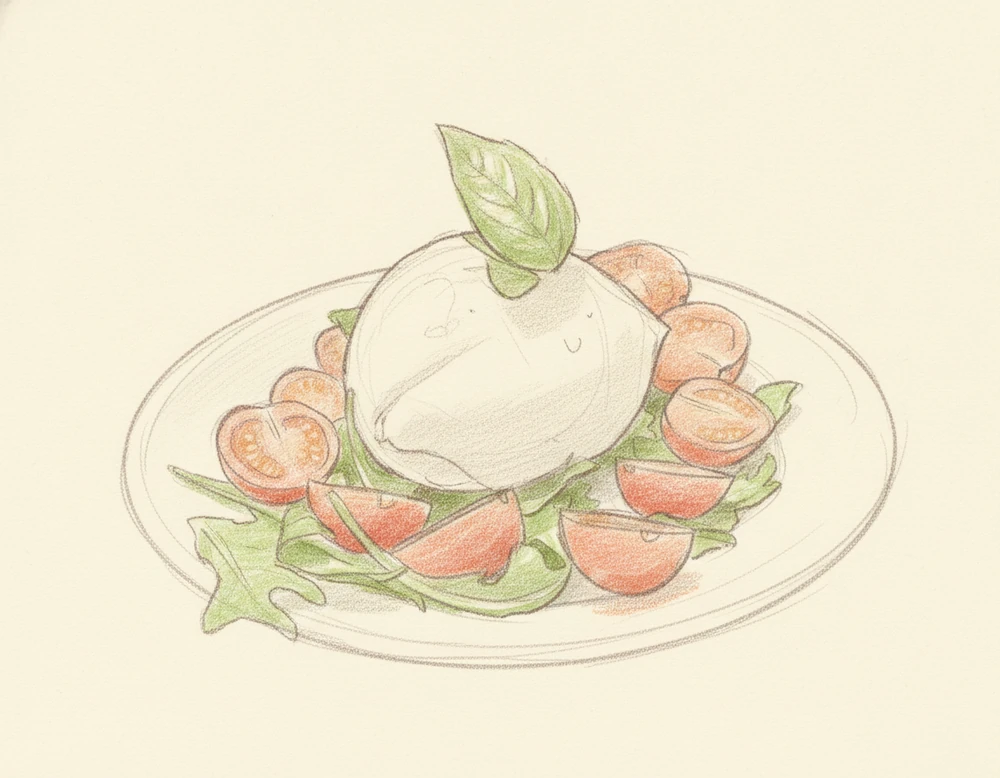
A fresh pasta-filata cheese made only from whole buffalo milk, and by some distance Italy's best-known DOP cheese. Beyond the classic round it is made in the shapes traditional to its zone: bocconcini, trecce, perline, ciliegie and nodini, from 20 g up to 800 g, with braids reaching 3 kg.
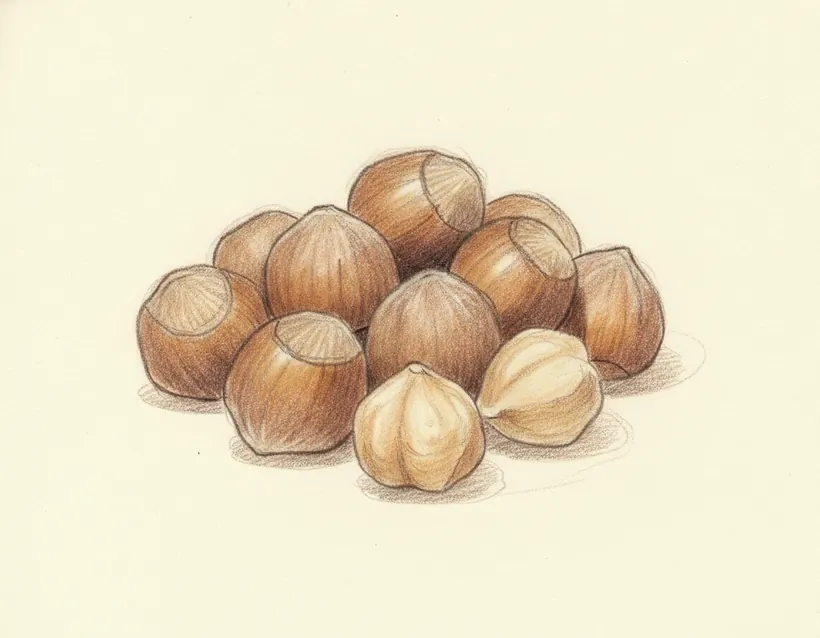
Round, sweet hazelnuts from the volcanic Cimini and Sabatini hills north of Rome, prized for confectionery.
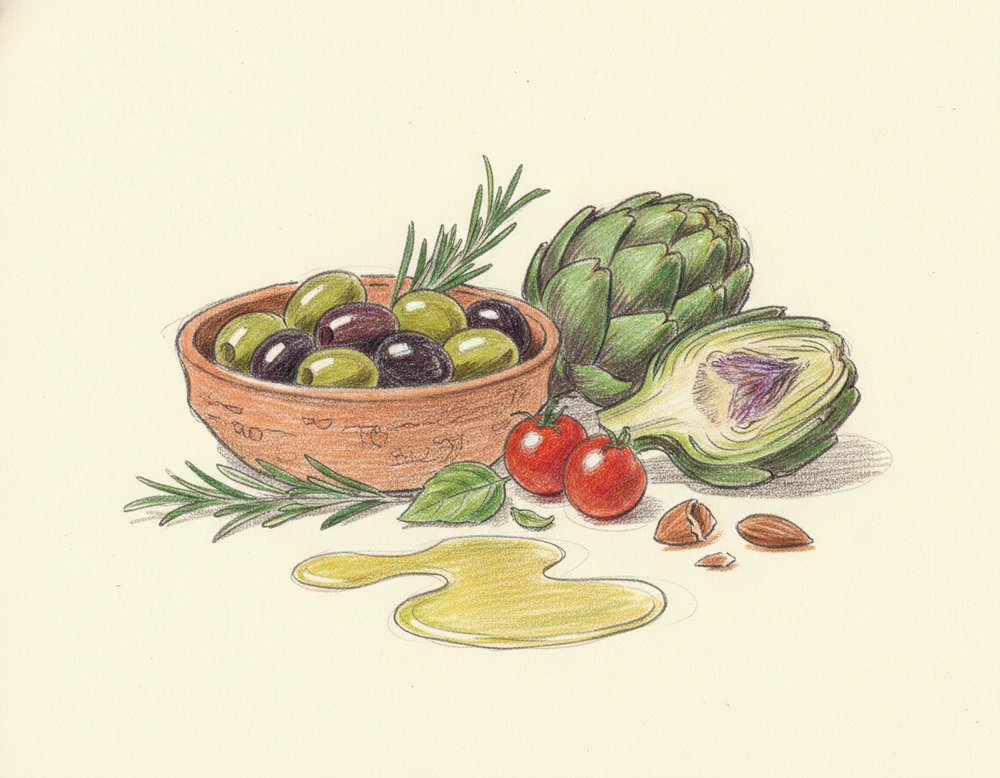
A wide-ranging IGP covering the olive oils of the Roman countryside, whose sensory range comes from the many native cultivars grown there. The nose is clearly olive-fruity at varying intensity, with tomato, artichoke, almond or grassy notes.
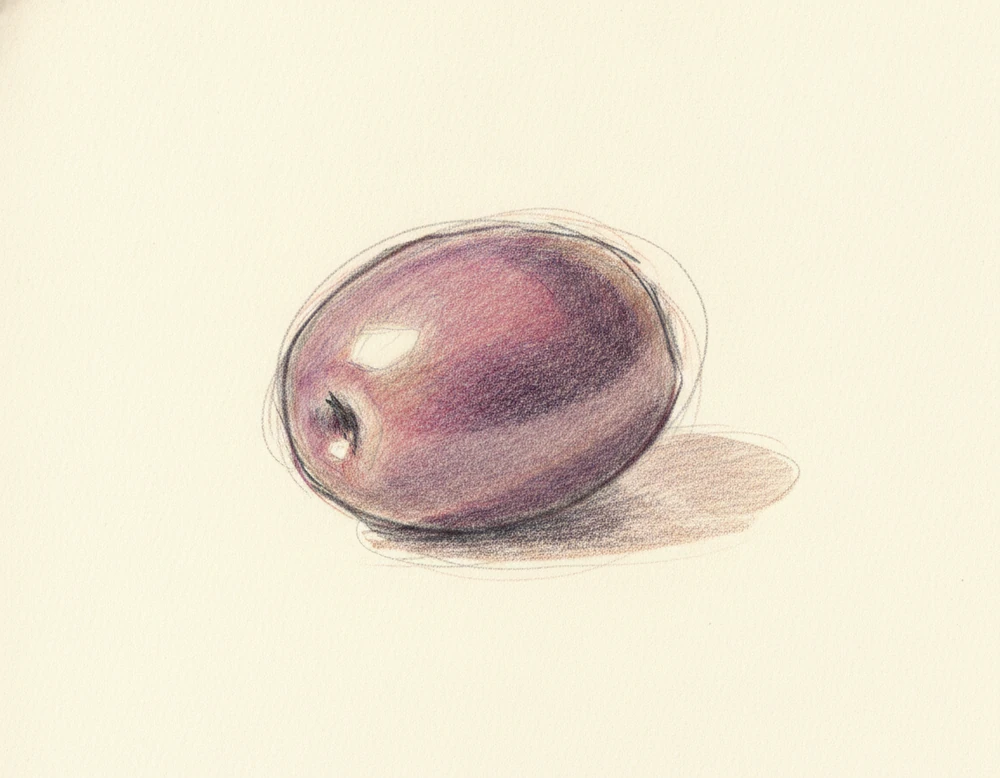
A spheroidal table olive of intense pink to violet, at least 12 mm across and no more than 410 fruit to the kilo, with a flesh-to-stone ratio of at least 3. The flesh must come away from the stone cleanly and completely.
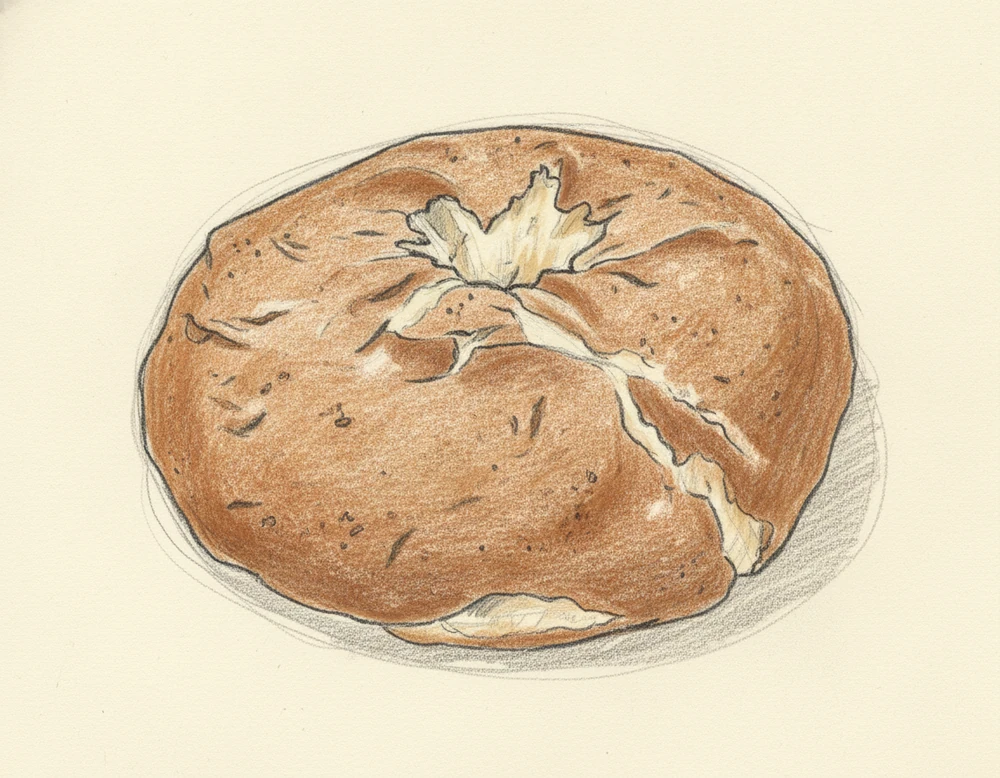
A large sourdough loaf from Genzano in the Castelli Romani, made from top-quality type 0 or 00 flour, natural leaven, salt and water, with bran dusted on the crust and no chemical additions.
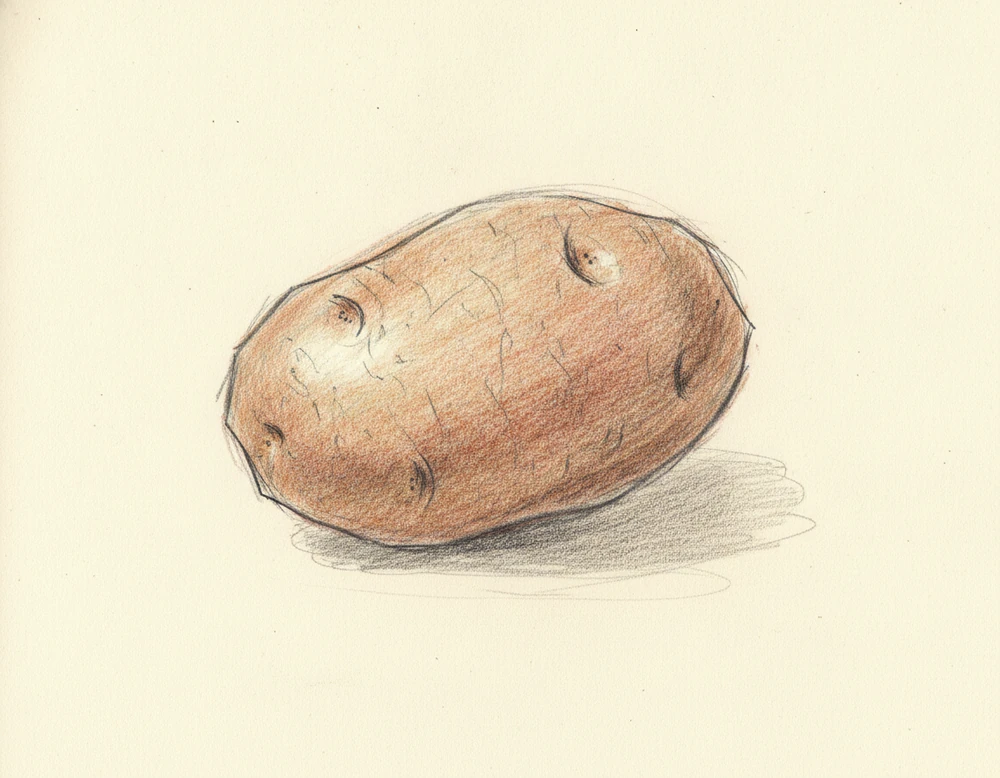
Mature Solanum tuberosum tubers grown in the volcanic Alto Viterbese from seed potatoes of varieties registered in the common EU catalogue. The shape is regular oval to elongated oval.
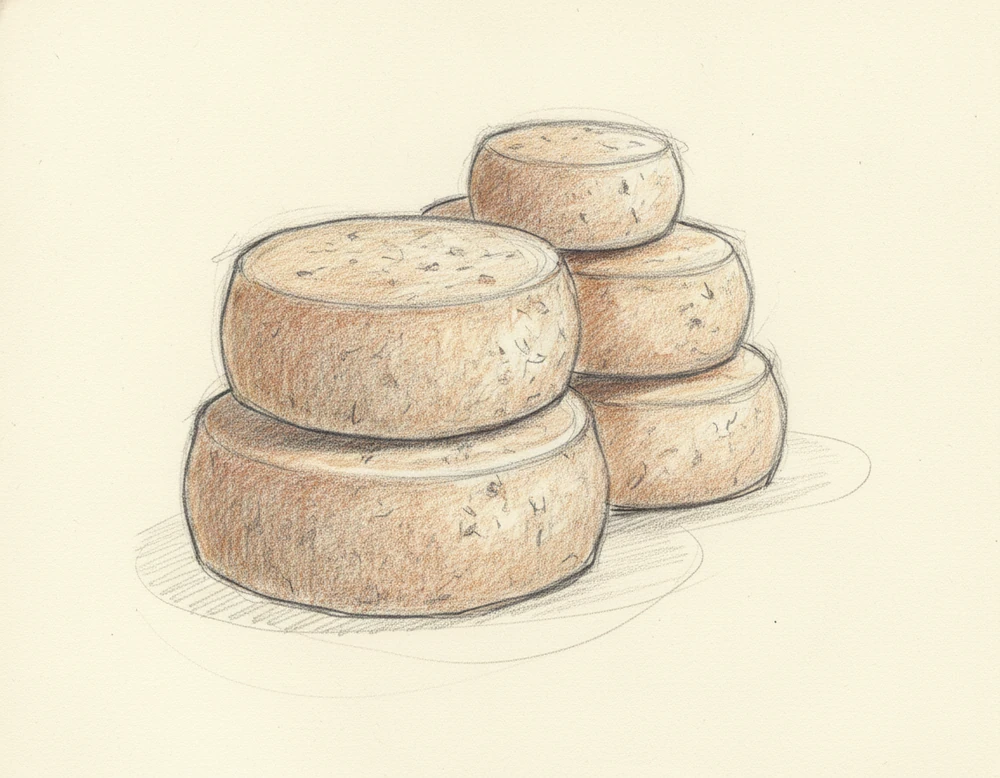
A raw-milk, raw-curd cylindrical sheep cheese from the Comino valley in the Lazio Apennines, made from Sopravissana, Comisana or Massese ewes or their crosses.
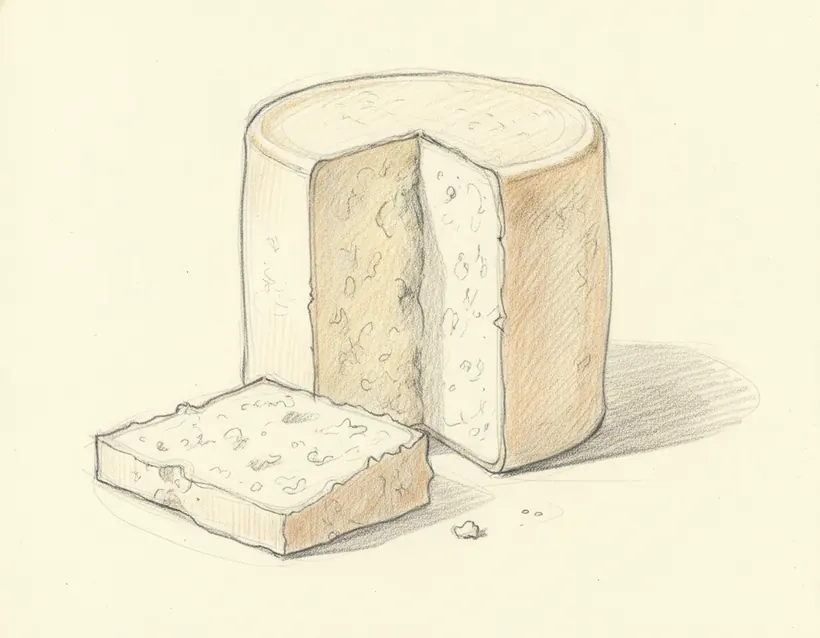
A hard, salty sheep's-milk cheese aged in tall drums, the sharp grating cheese behind carbonara, gricia, amatriciana and cacio e pepe.
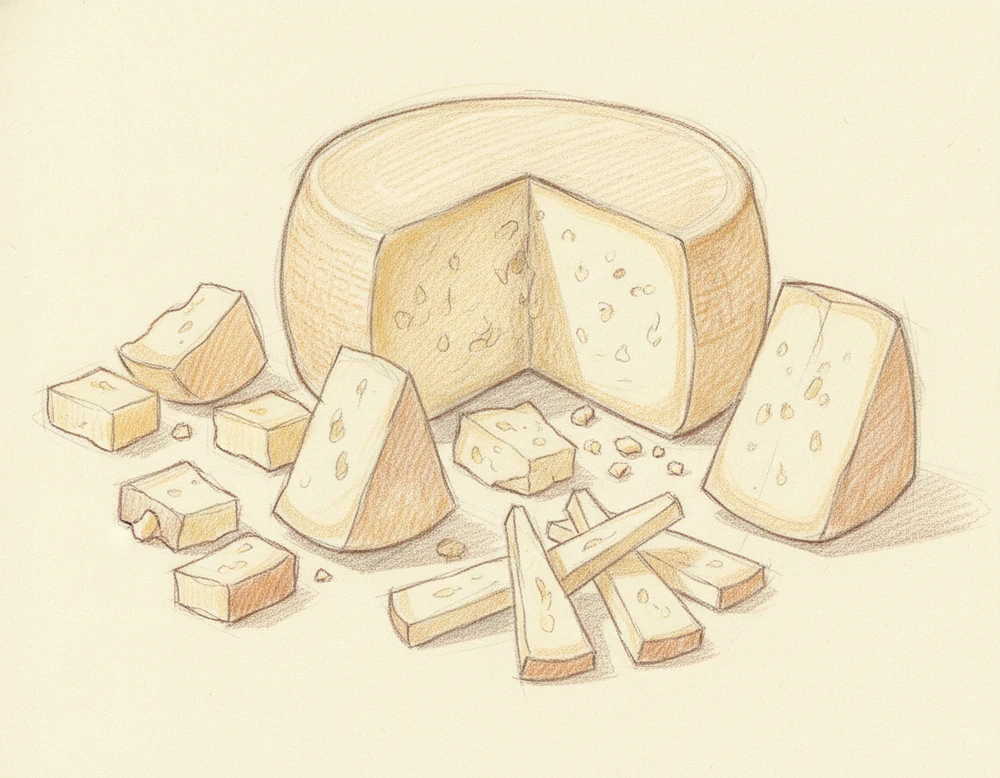
Made from whole sheep's milk from the zone alone, in a soft-paste and a semi-hard type. Soft matures at least 20 days, semi-hard at least four months.
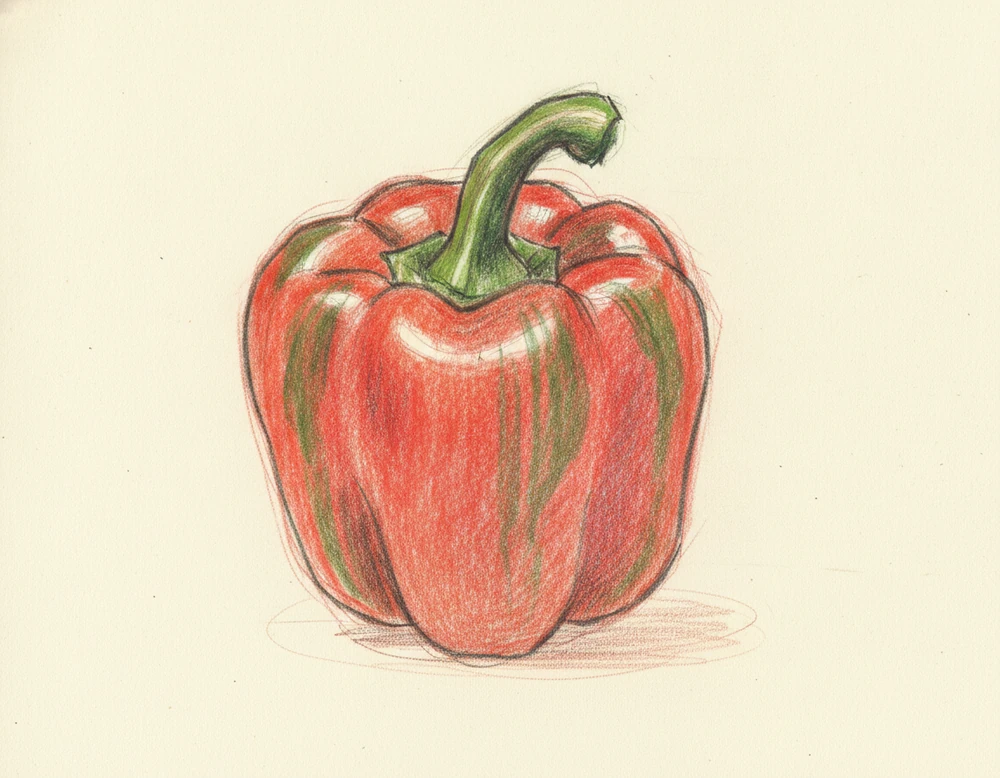
A sweet pepper of the local Cornetto di Pontecorvo ecotype of Capsicum annuum. The fruit is whole and three-lobed, cylindrical-conic, red, with green striping permitted over up to 40 per cent of the surface.
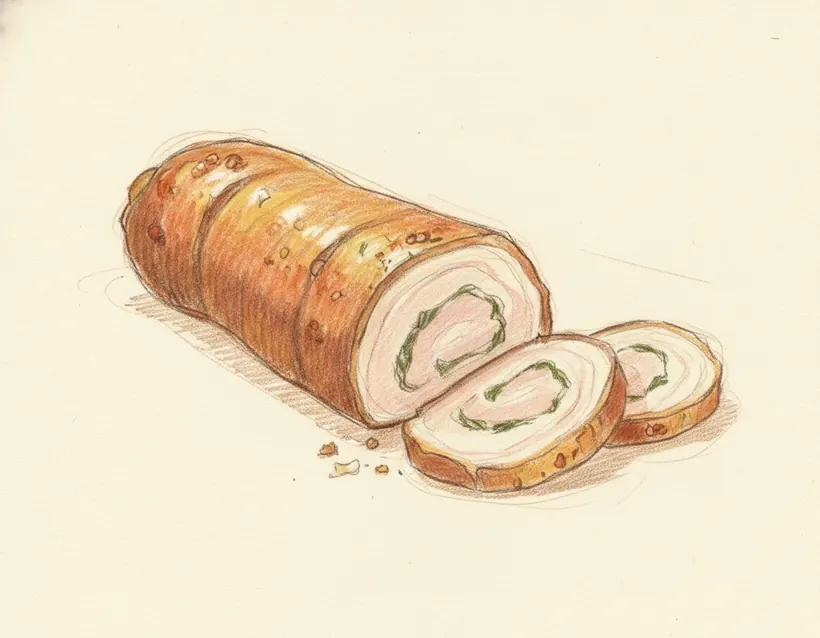
A whole pig boned, herbed with rosemary, garlic and pepper and slow-roasted into a long roll with crackling skin, the great Roman street sandwich filling.
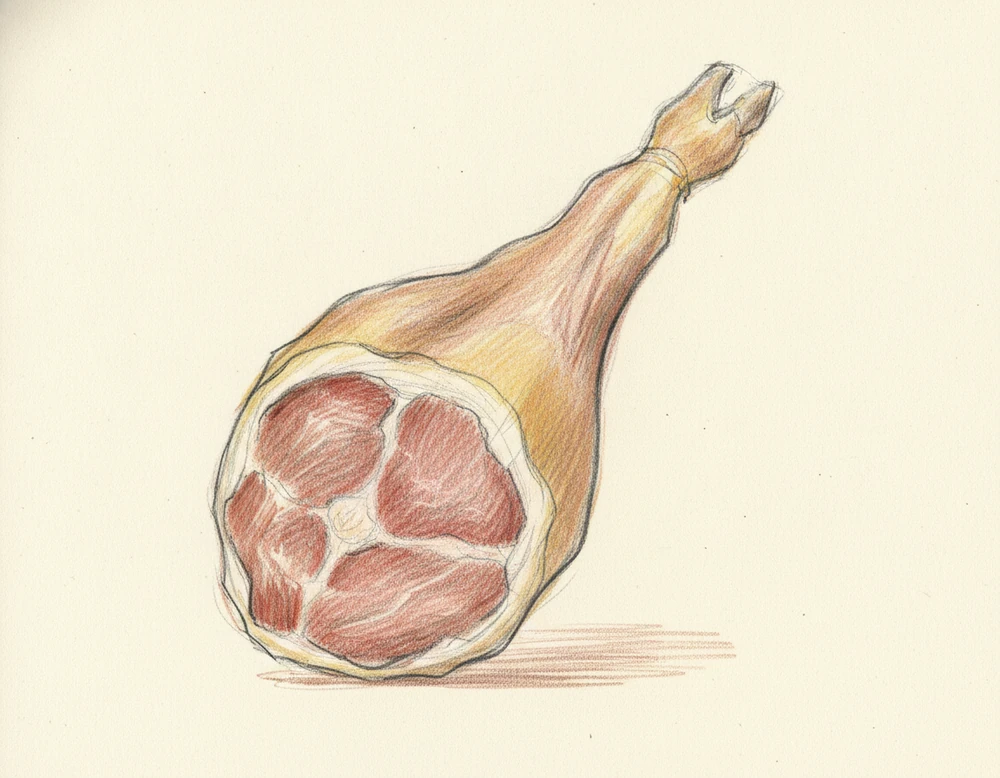
A cured ham from the Amatrice highlands, pear-shaped with the trotter removed and a high trim that leaves a wide bare face running more than halfway up the leg.
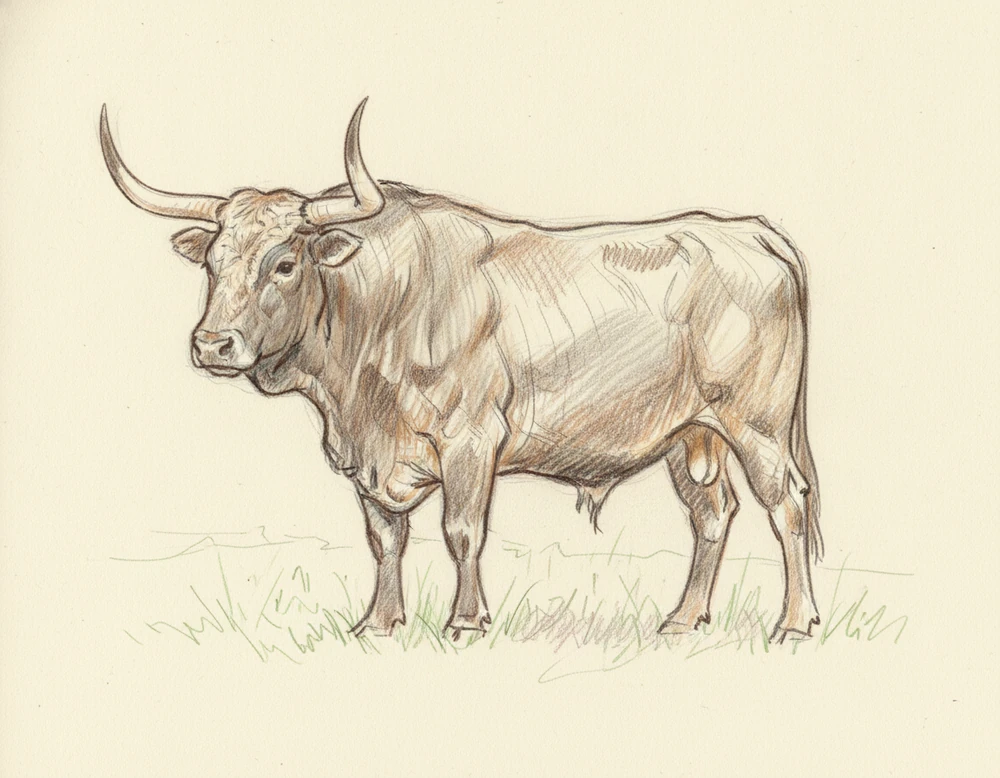
A grey-streaked, heavily built native ox: lyre-shaped horns on the cows, crescent horns on the bulls. The breed peaked between the wars, when even the quarrymen of Monte Amiata used it to haul marble, and it came close to extinction once land reclamation and mechanisation arrived. It is frugal enough to live in rough country and is still kept entirely outdoors, which is why the butteri, the mounted herdsmen who follow the cattle year round, are still at work.
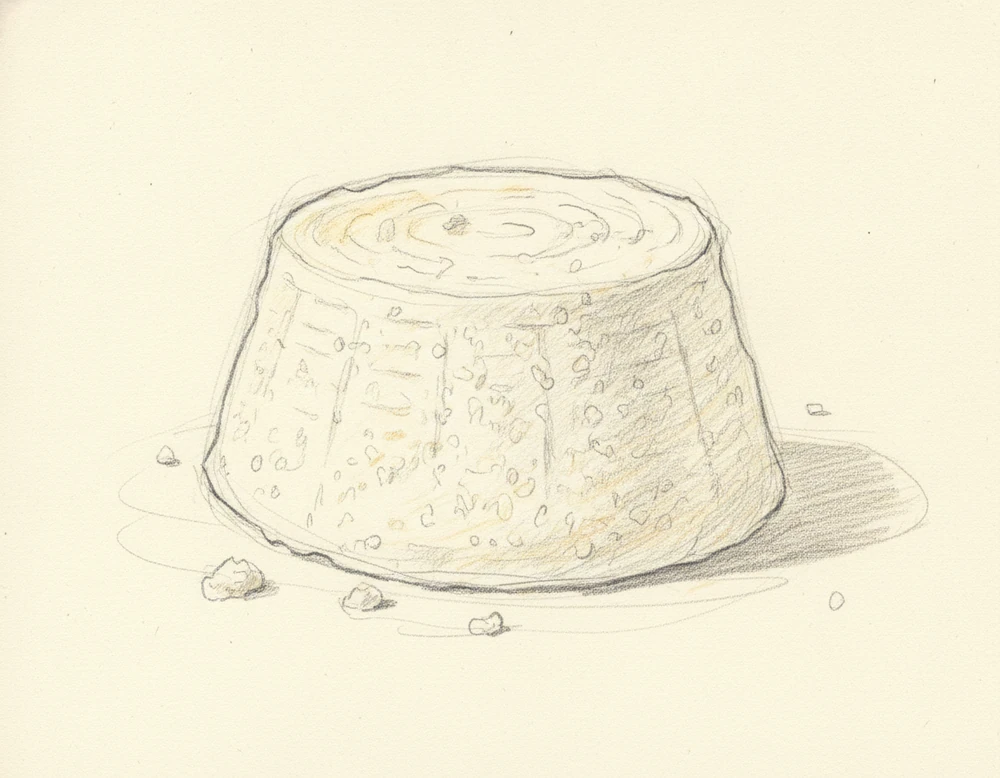
Ricotta made by heat-coagulating the proteins in buffalo whey, high in water and porcelain white. Truncated pyramid or truncated cone in shape, up to 2 kg, with no rind and a soft, grainy texture that must never be sandy.
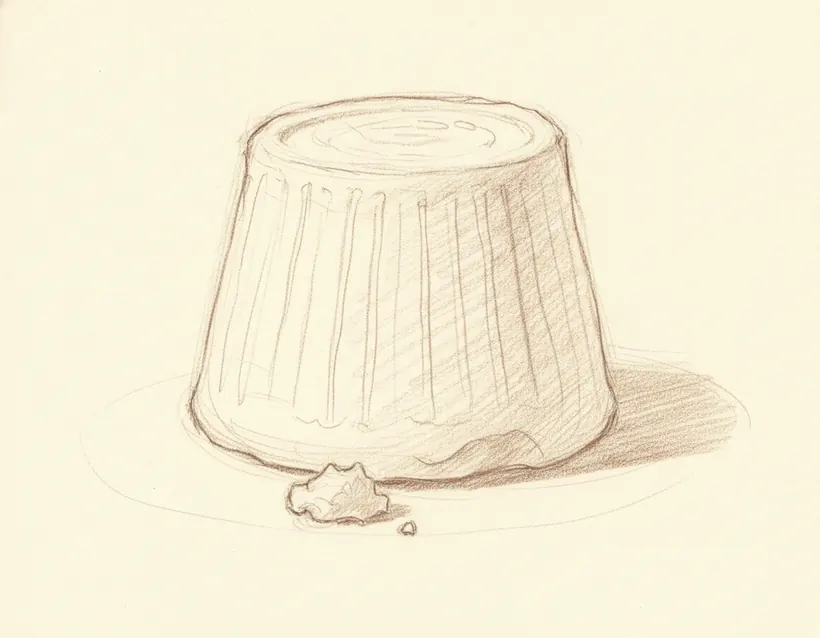
A sweet, fine-grained fresh sheep's-milk ricotta made from the whey of pecorino, eaten fresh or baked into tarts.
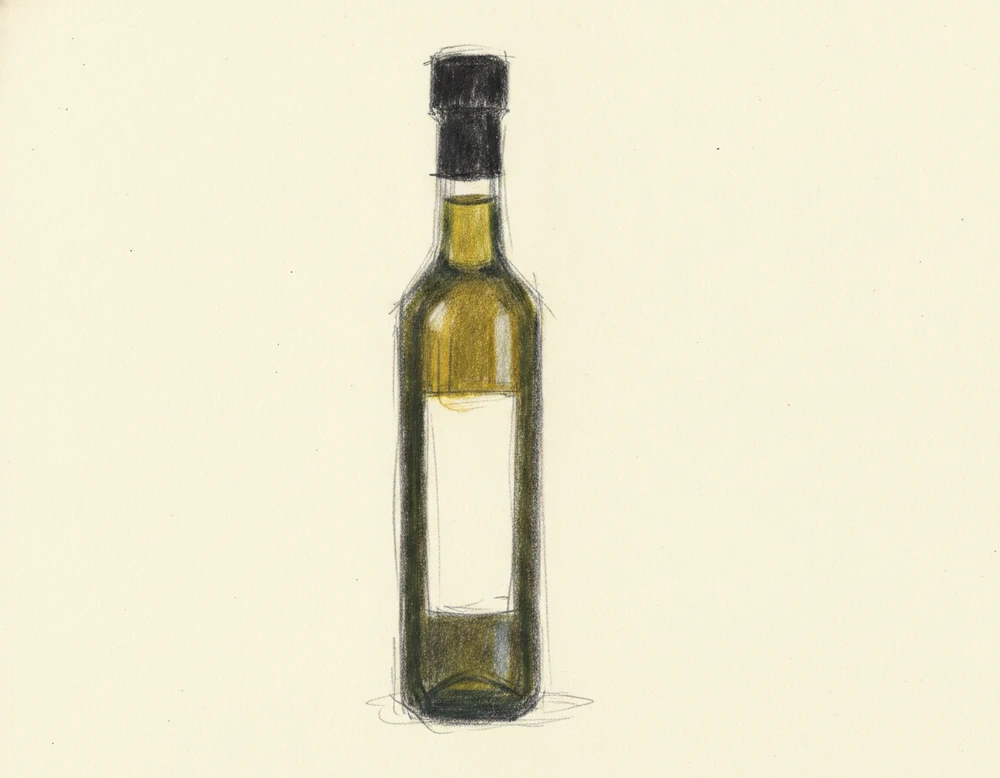
One of Italy's oldest olive-oil designations, from the Sabine hills north-east of Rome. At least 75 per cent must come from Carboncella, Leccino, Raja, Pendolino, Frantoio, Moraiolo, Olivastrone, Salviana, Olivago and Rosciola.
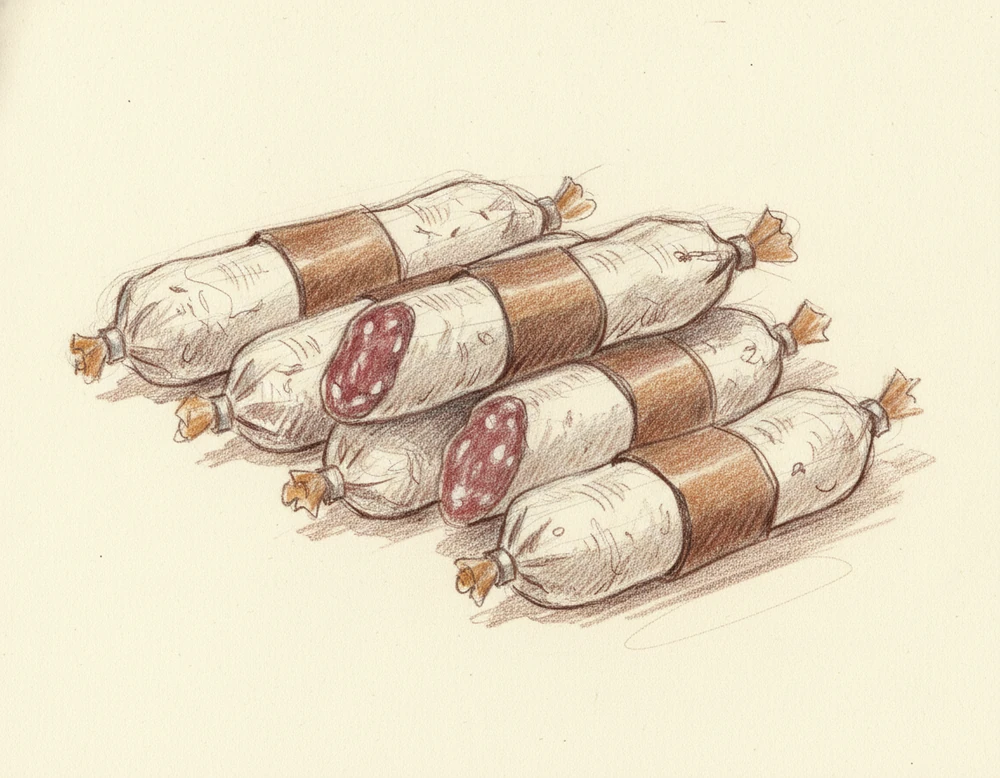
Small salami sized to be carried in a hunter's pocket, which is where the name comes from. The zone is unusually wide: pigs may be raised across eleven Italian regions, from Friuli down to Molise.
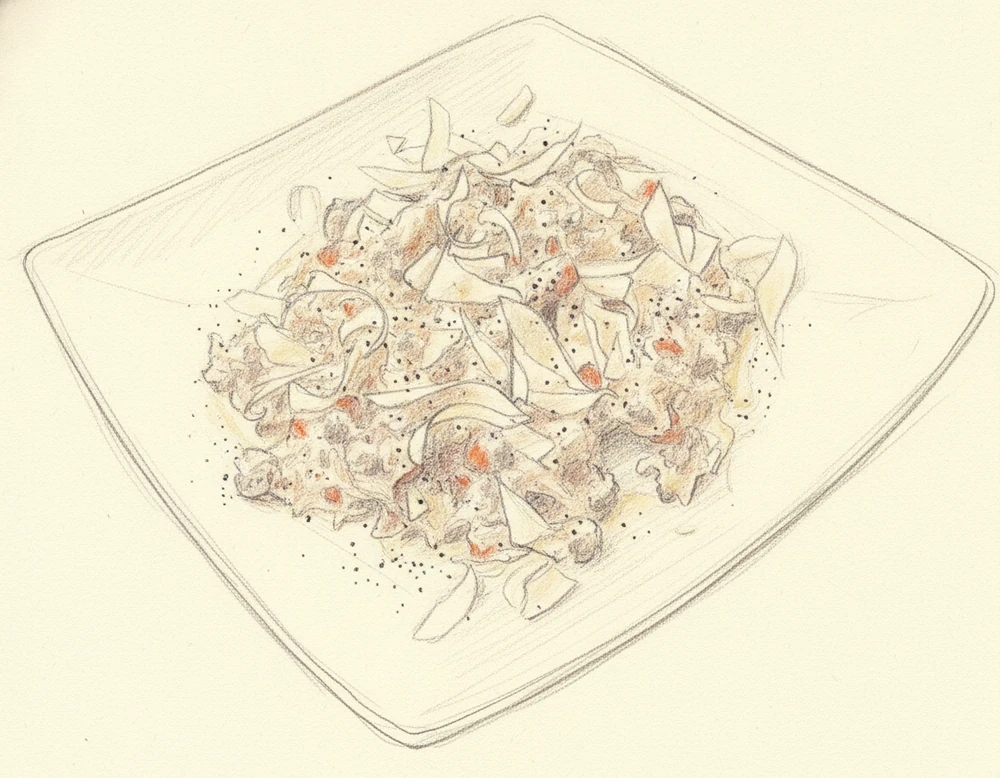
Celery of the Bianco di Sperlonga ecotype (Apium graveolens var. dulce), with white to whitish ribs. The pale colour is intrinsic to the ecotype, though denser sowing can emphasise it.
A Viterbo cured meat whose recipe is probably Etruscan and which was well known between the 11th and 15th centuries, when offal-curing became common. It is made of heart, liver, pancreas, belly and cheek along with other cuts, from pigs grown to between 130 and 160 kilos.
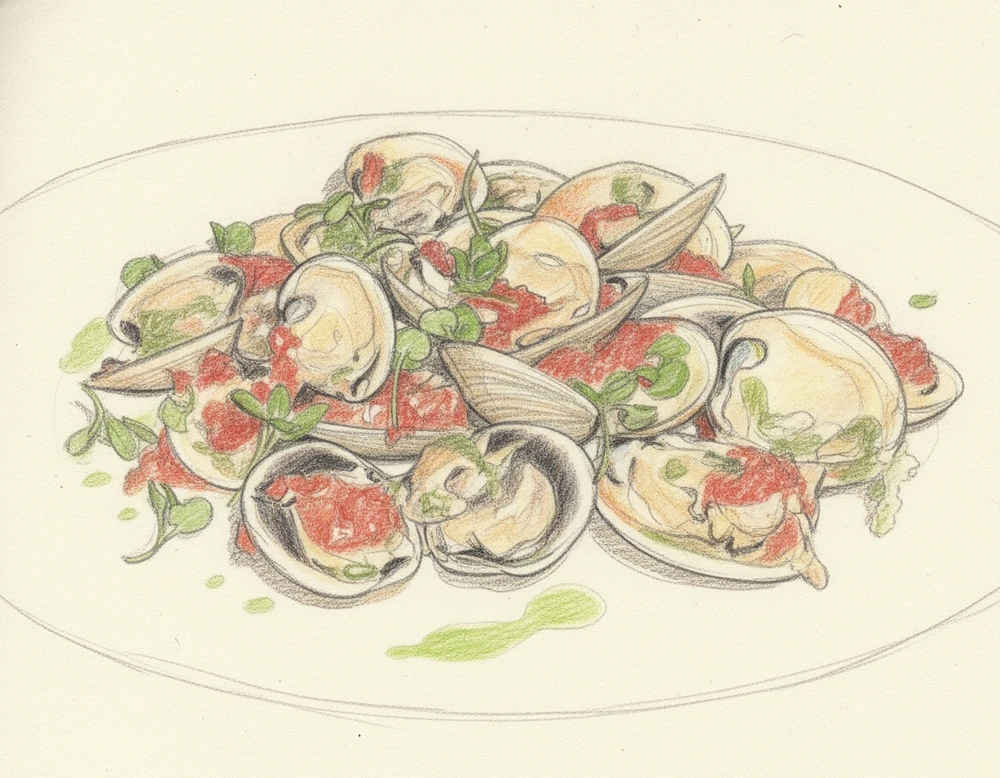
The coast west of Rome is still varied and much of its vegetation intact, and small-scale fishing communities still work it, the tellina gathering above all. The clam is sweet and delicate and the local restaurants have made it their emblem, most famously on bruschetta. Its moment was the Dolce Vita of the 1950s, when the actors and directors came down from Cinecittà to eat them; Fellini was particularly fond of them.
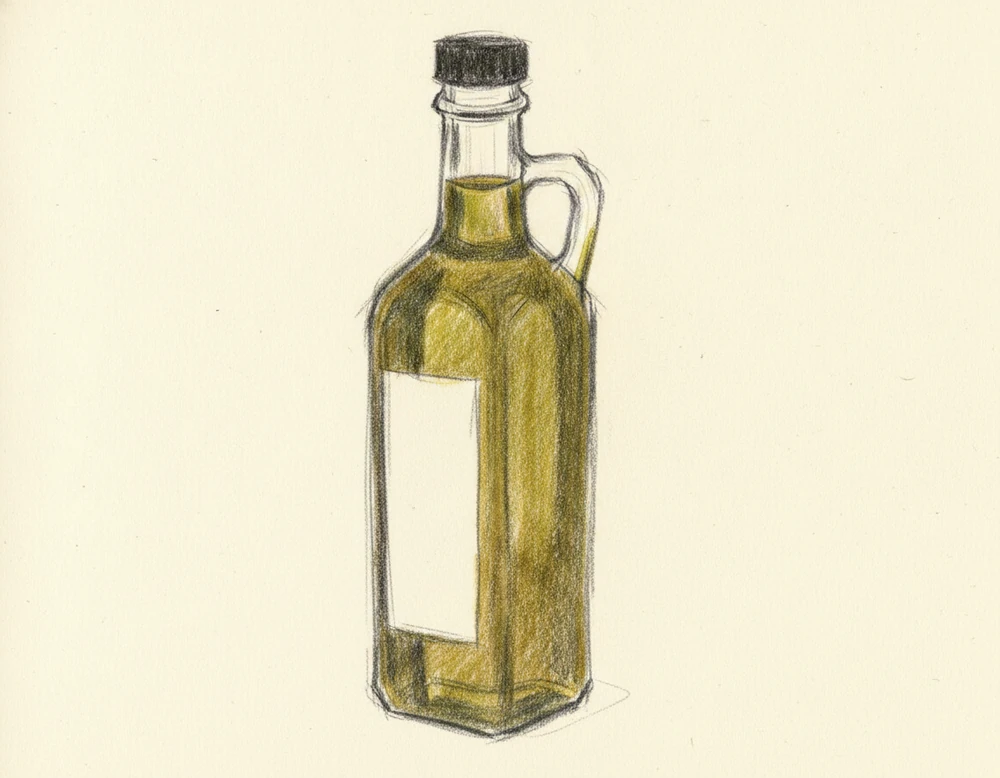
Extra-virgin olive oil from the Etruscan Tuscia, at least 90 per cent Frantoio, Caninese and Leccino, alone or together in each grove, with up to 10 per cent of other varieties permitted.
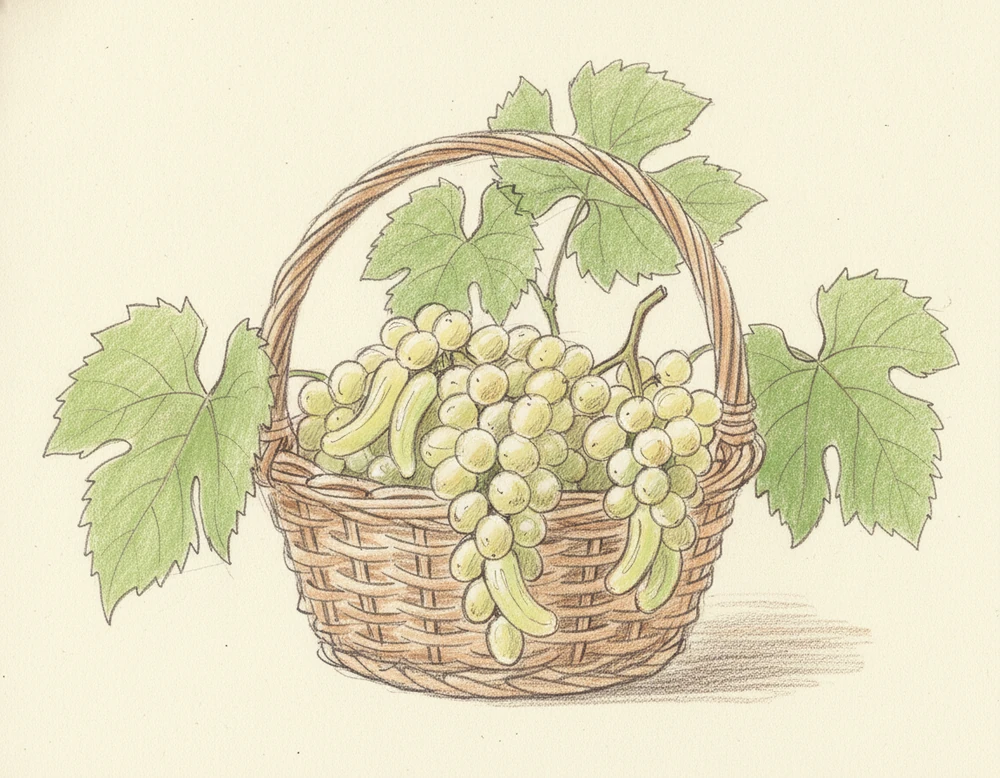
A basket of ripe Pizzutello under fresh vine leaves is what Tivoli gives a guest. The berries are long and curved, which is why the town calls it uva corna, the horned grape, pale green, very thin-skinned, crisp and fleshy. It belongs to a small patch of Tivoli, on the pergolas that suit it. Its origin is unsettled: Pliny names a grape of the Tivoli and Pompeii country in the Naturalis Historia that sounds like it, while other accounts have Cardinal Ippolito d'Este bringing it from France in the 16th century.
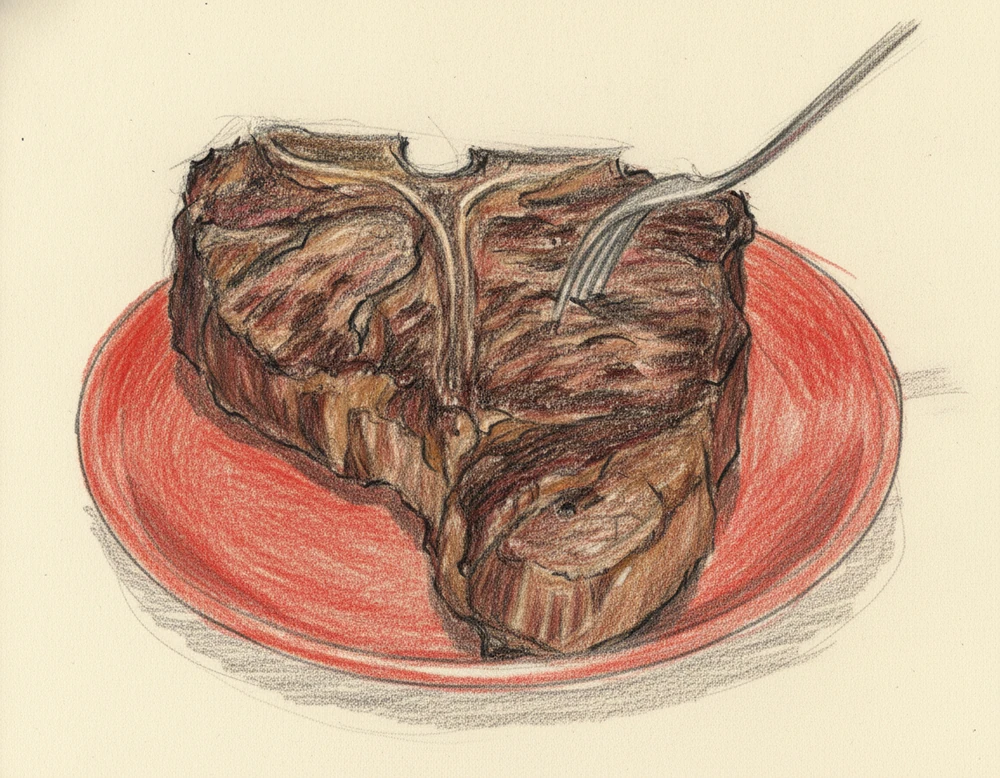
Beef from the white cattle breeds of the central Apennine spine, covering a band of thirty provinces from Bologna down to Latina. It is the designation behind the Chianina, Marchigiana and Romagnola beef that Tuscan and Umbrian cooking is built on.